

In the world of flatbed trucking, every journey is more than just a drive from point A to point B; it’s a tale of resilience, partnership, and a pursuit of balance. Meet Riya and Jot Chahal, a dynamic young couple who have not only entered the challenging realm of long-haul transportation but have also embraced the philosophy of living life to the fullest.
Riya, at just 24, has been driving for two years, while Jot brings four years of experience to the road. Together, they embody a modern trucking lifestyle, proving that the challenges of the open road can be navigated with patience and dedication. “We drive aaram se,” Riya says, emphasizing a mindset that champions taking time to savor the journey rather than rushing through it.
The couple is on a mission to inspire others, sharing their belief that with the right outlook, anyone can thrive as a flatbed truck driver. However, their lives are not without challenges; the demanding schedule of hauling freight necessitates constant adjustments, balancing work, healthy living, and ambition while steering clear of the loneliness that can often plague solo drivers.
Through their narrative, we explore the realities of flatbed trucking, the importance of mental well-being on the road, and the joy that comes from finding harmony in a life dedicated to both work and personal fulfillment.
Riya and Jot’s Journey in Flatbed Trucking
Riya and Jot Chahal started their flatbed trucking careers to blend work with their desired lifestyle. After Riya got her commercial driver’s license two years ago, they joined SSP Truck Line. For the past year, they have thrived as a team. Driving together has made their jobs easier and strengthened their relationship.
Riya shares their approach to life on the road: “We drive aaram se.” This means they take their time and avoid stress. This mindset helps them enjoy the journey, despite the challenges of long-haul trucking.
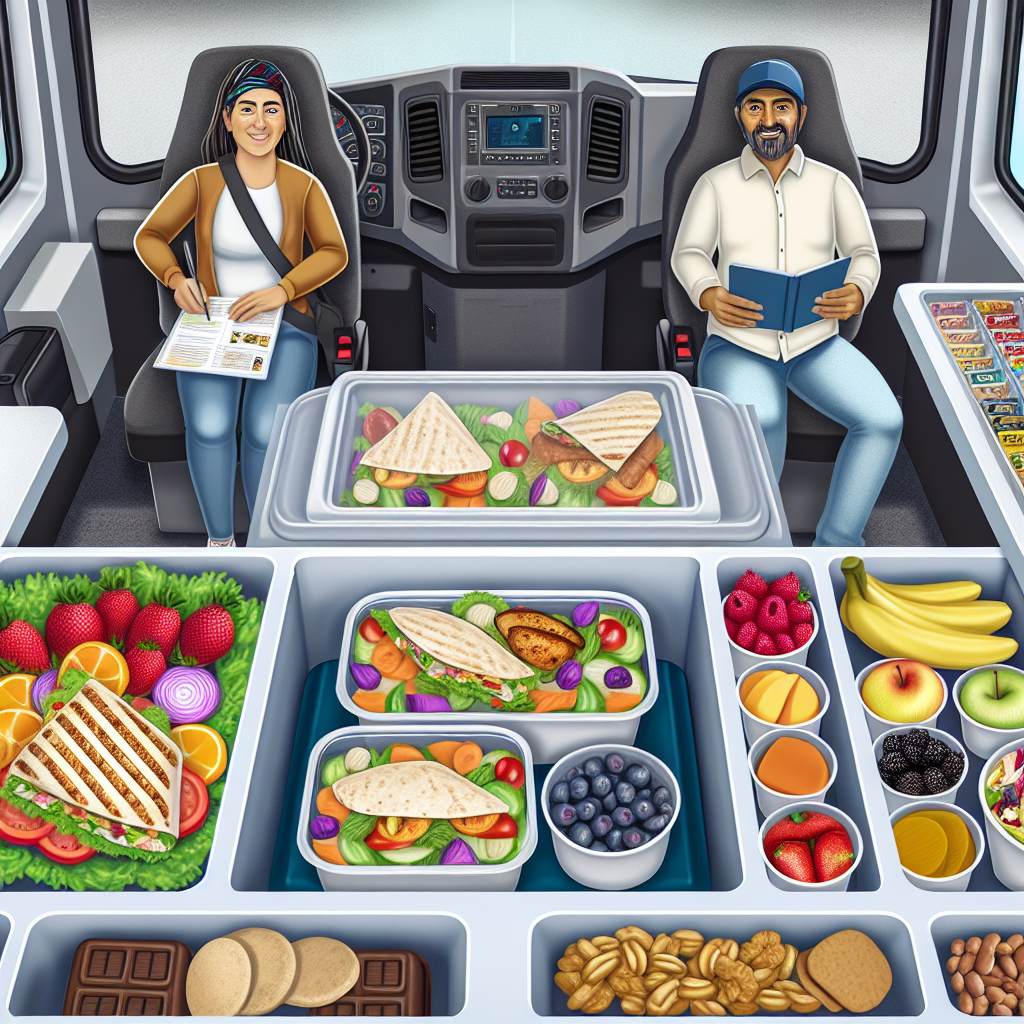
The couple prioritizes a balanced lifestyle by planning healthy meals and finding time to exercise at truck stops. Jot points out the drawbacks of solo driving: “When you drive solo, sometimes you can get depressed or encounter negative feelings. We have no such issues because we always have each other to talk to and support.”
They have built a support system that includes planning routes and setting aside time for rest and workouts during travels. Each truck stop becomes an opportunity for a small adventure. Whether exploring local food, visiting gyms, or capturing moments for their vlog, Riya and Jot strive to make the most of every stop.
Despite the demands of trucking, they maintain a positive outlook, continually inspiring others in the industry. Their story is a reminder that trucking can be more than just a job. It can be a lifestyle filled with joy and meaningful connections, encouraging others to enjoy the journey ahead.


A flatbed truck driving on a scenic highway, symbolizing the journey of truck drivers.
| Aspect | Team Drivers | Healthy Meals | Gym Habits | Mental Health Practices |
|---|---|---|---|---|
| Riya and Jot | Drive together, easing job pressures and enriching their relationship | Plan healthy meals during trips, avoiding fast food | Utilize truck stop gyms for workouts, exploring local fitness facilities | Support each other during travels, reducing feelings of loneliness |
| General Approach | Often share driving duties to reduce fatigue | Focus on portable, nutritious snacks | More difficult to maintain consistency due to scheduling | Solo drivers may experience isolation, leading to stress |
The Importance of Mental Health for Truck Drivers
Mental health is a crucial yet often overlooked aspect of the trucking profession. Long hours on the road can lead to feelings of loneliness and isolation, particularly for those who drive solo. Jot Chahal is a testament to this reality. He notes, “When you drive solo, sometimes you could get depressed or encounter negative feelings.” The challenges of being away from home and the constant demands of the job can take a toll on mental well-being.
In contrast, Riya experiences a more positive outlook due to the companionship she shares with Jot. “We have no such issues because we always have each other to talk to and support,” she explains. This companionship allows them to create a robust support system while navigating the challenges of flatbed trucking, allowing them to uplift one another during difficult times.
The relationship between mental health and companionship is significant. Having someone to share the experience with can make the arduous hours on the road feel less isolating and more bearable. For Riya and Jot, driving together not only helps in managing the logistics of their journeys but also fosters emotional well-being. They often find joy in making memories at various truck stops, which serve as a breather from their routine. This mindset emphasizes the importance of developing strong interpersonal connections that are so vital in maintaining mental health—as Jot and Riya embody in their trucking partnership.
It is paramount for truck drivers to prioritize mental health, especially when navigating long stretches of highway away from home. Seeking companionship, whether through a partner or fellow drivers, can offer the support needed to counteract feelings of depression and enhance overall well-being on the road.
To support their mental health and find additional resources, truck drivers can access:
- Mental Health Tips for Truckers – NAMI Wisconsin provides insights and strategies tailored for the unique challenges faced by truck drivers.
- The Human Side of the Highway: Supporting Truck Driver Mental Health discusses the importance of mental health in trucking and offers various resources.
- For immediate support, drivers can contact the NAMI HelpLine at 800-950-NAMI or text “NAMI” to 62640.
- Additionally, the SAMHSA National Helpline offers confidential and free support for mental health issues at 1-800-662-HELP (4357).
- Driver Resources – St. Christopher Truckers Relief Fund is available for financial aid and emotional support during hardships.
User Testimonials from Flatbed Truck Drivers
User testimonials from flatbed truck drivers reveal a complex and multifaceted perspective on their work-life balance, mental health, companionship, and lifestyle choices. Many drivers express that while the profession offers a degree of freedom, it can also lead to feelings of isolation, particularly when they are away from their families and friends for extended periods. One driver shared,
“I took the 40-hour workweek for granted and would love to go back to it. But if I leave trucking, I won’t be able to afford to live.”
highlighting the financial constraints that often tether drivers to the road.
Mental health is a prevalent theme, with research indicating that
“almost 28% of truckers suffer from loneliness,”
and others report increased rates of depression and anxiety. A poignant reflection from a former driver captured this sentiment:
“For years, the open road was my home. But it was also a prison. I felt utterly alone.”
Companionship has become a vital aspect for many drivers dealing with these challenges. They often find comfort in forums and social media groups, with one driver noting,
“Those connections with other people are so important, especially when you’re on the road for weeks at a time.”
Additionally, lifestyle choices are crucial for maintaining health and balance. Drivers prioritize cooking their own meals, exploring local towns during rest stops, and making time for physical activity. One driver disclosed,
“I make it a point to take myself out on ‘dates’ and explore the cities I’m in.”
underscoring a commitment to enjoyment amidst the logistic struggles of trucking.
Overall, these narratives reflect the duality of the trucking lifestyle: the challenges faced yet a profound determination to find joy in the journey itself.
Conclusion
Riya and Jot Chahal’s journey in flatbed trucking is a powerful reminder that pursuing a career on the road can be a fulfilling endeavor when approached with balance and intention. Their philosophy of taking life “aaram se” resonates beyond the highways, showcasing the significance of nurturing relationships and maintaining mental well-being amidst the demands of long-haul trucking. Through their commitment to healthy living and mutual support, they exemplify how team driving can transform what might seem like a solitary profession into a shared adventure filled with memories, growth, and joy.
Their story inspires others to consider a lifestyle in flatbed trucking, where the open road can be both a workplace and a backdrop for life’s experiences. As Riya and Jot have demonstrated, it is possible to thrive in this profession by prioritizing personal fulfillment along with work aspirations. In doing so, they invite others not to shy away from the road, but to embrace it fully, understanding that with the right mindset and companionship, anyone can cultivate a rewarding life in trucking.
Skills Required for Flatbed Trucking
Success in flatbed trucking demands a unique set of skills that extend beyond traditional driving capabilities. For Riya and Jot Chahal, mastering these skills has not only ensured their safety on the road but also reinforced their partnership and enhanced their overall experience as truck drivers.
Load Securement
At the heart of flatbed operations is the critical skill of load securement. This involves the proper use of equipment such as ratchet straps, winch straps, chains, and binders. Riya and Jot emphasize the importance of understanding the working load limits and adhering to safety regulations, which are paramount in preventing accidents. They often discuss how meticulous load checks within the first 50 miles of their journey help ensure that their cargo remains safely secured, allowing them to drive with confidence.
Tarping Technique
Equally essential is the skill of tarping, which protects cargo from weather elements. Riya reflects on their experiences, highlighting the efficiency they have developed while tarping their loads. This involves choosing the right type of tarp—whether a lumber tarp or a steel tarp—and using safety techniques to secure them effectively, thus safeguarding their cargo and ensuring compliance with regulations.
Continuous Learning and Adaptation
For Riya and Jot, their journey in mastering these skills illustrates the steep learning curve of flatbed trucking. They often reassure new drivers that while these tasks can initially feel complex and time-consuming, practice and patience lead to improvement. This commitment to continuous learning not only enhances their own capabilities but also fosters a supportive environment for others in the trucking community. Riya’s words encapsulate this ethos perfectly: “If I can work as a flatbed truck driver, they can too.”
Through their experiences, Riya and Jot have come to understand that the skills needed for flatbed trucking are not just mechanical but also relational, promoting teamwork and mutual respect that ultimately enrich their trucking journey.
Industry Resources for Aspiring Truck Drivers
Aspiring flatbed truck drivers can benefit from numerous resources that equip them with the essential knowledge and skills for success in their careers. Here is a compilation of valuable books, websites, and online courses tailored to help new drivers like Riya and Jot:
| Category | Resource Name | Description | Key Takeaways / Skills Covered | Target Audience |
|---|---|---|---|---|
| Books/PDFs | Flatbed Training USA .pdf | Offers a comprehensive guide with over 50 real-life load examples and practical applications. | Load securement techniques, weight distribution, and flatbed driving tips. | Aspiring drivers for practical knowledge. |
| Books/PDFs | ACL-LIFE PDF for owner-operators | Contains essential guidance and financial strategies for aspiring flatbed owner-operators. | Business operations and financial management tailored for owner-operators. | Aspiring owner-operators. |
| Websites | Flatbed Training USA | An information portal for comprehensive flatbed trucking training. | Overview of flatbed trucking and training options. | Aspiring drivers exploring training options. |
| Websites | Melton Truck Lines Blog | Provides insights into flatbed trucking essentials and career development from a leading carrier. | Skills for load securement and preparation for inspections. | Aspiring drivers seeking career insights. |
| Online Courses | Cargo Securement Flatbeds Online Course – SAFE Training Online | A certified course explaining DOT regulations, load limits, and best practices. | Techniques for secure loads, compliance understanding, and inspection readiness. | Aspiring drivers needing formal training. |
| Online Courses | Jett Driven LLC – Personalized CDL Training Program | Offers tailored CDL training to boost confidence and driving skills. | Accelerated learning paths and personalized coaching. | Aspiring drivers seeking personalized instruction. |
| Online Courses | Hotshot Training – Flatbed Cargo Securement: Essentials (Online) | Self-paced program focusing on load securement laws and practical applications. | Understanding FMCSA regulations and best practices in load securement. | Aspiring hotshot operators and flatbed drivers. |
Introduction to Flatbed Trucking Challenges and Team Driving Benefits
In the world of flatbed trucking, every journey is more than just a drive from point A to point B; it’s a tale of resilience, partnership, and a pursuit of balance. Meet Riya and Jot Chahal, a dynamic young couple who have not only entered the challenging realm of long-haul transportation but have also embraced the philosophy of living life to the fullest. Riya, at just 24, has been driving for two years, while Jot brings four years of experience to the road. Together, they embody a modern trucking lifestyle, proving that the challenges of the open road can be navigated with patience and dedication. “We drive aaram se,” Riya says, emphasizing a mindset that champions taking time to savor the journey rather than rushing through it. The couple is on a mission to inspire others, sharing their belief that with the right outlook, anyone can thrive as a flatbed truck driver. However, their lives are not without challenges; the demanding schedule of hauling freight necessitates constant adjustments, balancing work, healthy living, and ambition while steering clear of the loneliness that can often plague solo drivers. Through their narrative, we explore the realities of flatbed trucking, the importance of mental well-being on the road, and the joy that comes from finding harmony in a life dedicated to both work and personal fulfillment.
Riya and Jot’s Journey in Flatbed Trucking: Embracing Team Driving Benefits
Riya and Jot Chahal started their flatbed trucking careers to blend work with their desired lifestyle. After Riya got her commercial driver’s license two years ago, they joined SSP Truck Line. For the past year, they have thrived as a team. Driving together has made their jobs easier and strengthened their relationship.
Riya shares their approach to life on the road: “We drive aaram se.” This means they take their time and avoid stress. This mindset helps them enjoy the journey, despite the challenges of long-haul trucking.
The couple prioritizes a balanced lifestyle by planning healthy meals and finding time to exercise at truck stops. Jot points out the drawbacks of solo driving: “When you drive solo, sometimes you can get depressed or encounter negative feelings. We have no such issues because we always have each other to talk to and support.”
They have built a support system that includes planning routes and setting aside time for rest and workouts during travels. Each truck stop becomes an opportunity for a small adventure. Whether exploring local food, visiting gyms, or capturing moments for their vlog, Riya and Jot strive to make the most of every stop.
Despite the demands of trucking, they maintain a positive outlook, continually inspiring others in the industry. Their story is a reminder that trucking can be more than just a job. It can be a lifestyle filled with joy and meaningful connections, encouraging others to enjoy the journey ahead.
Addressing Mental Health in Trucking: The Importance of Wellbeing
Mental health is a crucial yet often overlooked aspect of the trucking profession. Long hours on the road can lead to feelings of loneliness and isolation, particularly for those who drive solo. Jot Chahal is a testament to this reality. He notes, “When you drive solo, sometimes you could get depressed or encounter negative feelings.” The challenges of being away from home and the constant demands of the job can take a toll on mental well-being.
In contrast, Riya experiences a more positive outlook due to the companionship she shares with Jot. “We have no such issues because we always have each other to talk to and support,” she explains. This companionship allows them to create a robust support system while navigating the challenges of flatbed trucking, allowing them to uplift one another during difficult times.
The relationship between mental health and companionship is significant. Having someone to share the experience with can make the arduous hours on the road feel less isolating and more bearable. For Riya and Jot, driving together not only helps in managing the logistics of their journeys but also fosters emotional well-being. They often find joy in making memories at various truck stops, which serve as a breather from their routine. This mindset emphasizes the importance of developing strong interpersonal connections that are so vital in maintaining mental health—as Jot and Riya embody in their trucking partnership.
It is paramount for truck drivers to prioritize mental health, especially when navigating long stretches of highway away from home. Seeking companionship, whether through a partner or fellow drivers, can offer the support needed to counteract feelings of depression and enhance overall well-being on the road.
To support their mental health and find additional resources, truck drivers can access:
- Mental Health Tips for Truckers – NAMI Wisconsin provides insights and strategies tailored for the unique challenges faced by truck drivers.
- The Human Side of the Highway: Supporting Truck Driver Mental Health discusses the importance of mental health in trucking and offers various resources.
- For immediate support, drivers can contact the NAMI HelpLine at 800-950-NAMI or text “NAMI” to 62640.
- Additionally, the SAMHSA National Helpline offers confidential and free support for mental health issues at 1-800-662-HELP (4357).
- Driver Resources – St. Christopher Truckers Relief Fund is available for financial aid and emotional support during hardships.
Work-Life Balance in Flatbed Trucking: Skills Required for Success
| Aspect | Team Drivers | Healthy Meals | Gym Habits | Mental Health Practices |
|---|---|---|---|---|
| Riya and Jot | Drive together, easing job pressures and enriching their relationship | Plan healthy meals during trips, avoiding fast food | Utilize truck stop gyms for workouts, exploring local fitness facilities | Support each other during travels, reducing feelings of loneliness |
| General Approach | Often share driving duties to reduce fatigue | Focus on portable, nutritious snacks | More difficult to maintain consistency due to scheduling | Solo drivers may experience isolation, leading to stress |
Conclusion: Embracing Flatbed Trucking as a Lifestyle
Riya and Jot Chahal’s journey in flatbed trucking is a powerful reminder that pursuing a career on the road can be a fulfilling endeavor when approached with balance and intention. Their philosophy of taking life “aaram se” resonates beyond the highways, showcasing the significance of nurturing relationships and maintaining mental well-being amidst the demands of long-haul trucking. Through their commitment to healthy living and mutual support, they exemplify how team driving can transform what might seem like a solitary profession into a shared adventure filled with memories, growth, and joy.
Their story inspires others to consider a lifestyle in flatbed trucking, where the open road can be both a workplace and a backdrop for life’s experiences. As Riya and Jot have demonstrated, it is possible to thrive in this profession by prioritizing personal fulfillment along with work aspirations. In doing so, they invite others not to shy away from the road, but to embrace it fully, understanding that with the right mindset and companionship, anyone can cultivate a rewarding life in trucking.
User testimonials from flatbed truck drivers reveal a complex and multifaceted perspective on their work-life balance, mental health, companionship, and lifestyle choices. Many drivers express that while the profession offers a degree of freedom, it can also lead to feelings of isolation, particularly when they are away from their families and friends for extended periods. One driver shared,
“I took the 40-hour workweek for granted and would love to go back to it. But if I leave trucking, I won’t be able to afford to live.”
highlighting the financial constraints that often tether drivers to the road.
Mental health is a prevalent theme, with research indicating that
“almost 28% of truckers suffer from loneliness,”
and others report increased rates of depression and anxiety. A poignant reflection from a former driver captured this sentiment:
“For years, the open road was my home. But it was also a prison. I felt utterly alone.”
Companionship has become a vital aspect for many drivers dealing with these challenges. They often find comfort in forums and social media groups, with one driver noting,
“Those connections with other people are so important, especially when you’re on the road for weeks at a time.”
These shared experiences underscore the critical need for support resources as many drivers seek to balance their emotional well-being with the rigors of their profession. This is where the industry resources come into play, offering invaluable tools and guidance for navigating the complexities of the trucking lifestyle.
Industry Resources for Aspiring Truck Drivers
Aspiring flatbed truck drivers can benefit from numerous resources that equip them with the essential knowledge and skills for success in their careers. Here is a compilation of valuable books, websites, and online courses tailored to help new drivers like Riya and Jot: