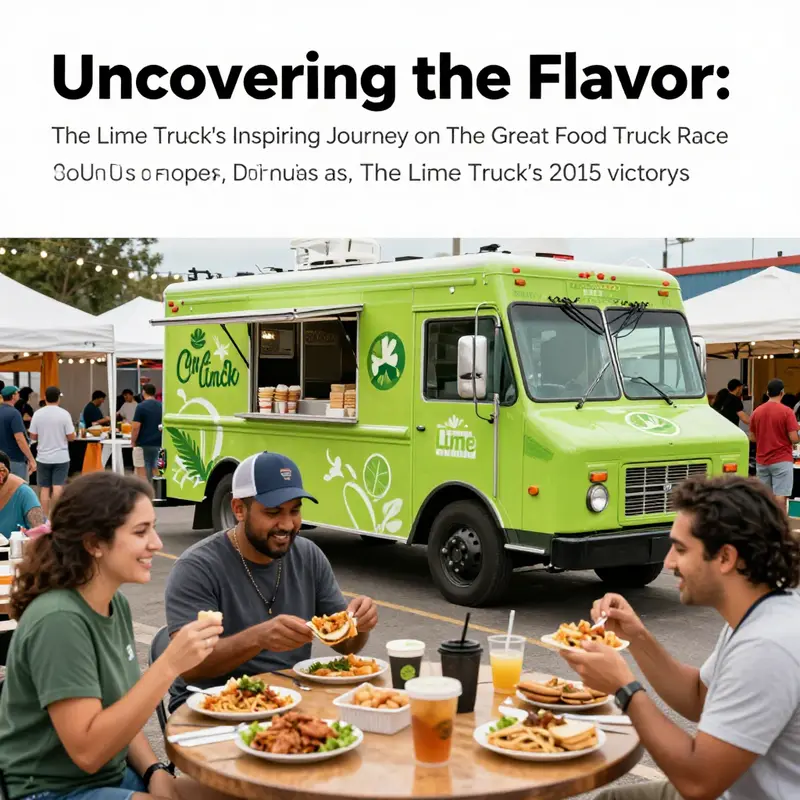
The Great Food Truck Race has long captivated audiences with its fierce competition and mouth-watering culinary creations. As various food truck teams battle it out for glory, one standout team, The Lime Truck, claimed victory in Season 2 of this thrilling series back in 2015. Their focus on healthy, fresh ingredients not only won them the title but has significantly influenced food truck culture ever since. In this article, we will delve into the details of their remarkable victory, closely examine the competition they faced, explore the profound impact they have had on food truck culture, and consider the future prospects for participants and winners alike. Whether you’re an event planner, a corporate team leader, a local community group, or simply a foodie at heart, there’s much to savor in the story of The Lime Truck!
Fresh Triumph on Wheels: The Lime Truck’s Route to Victory
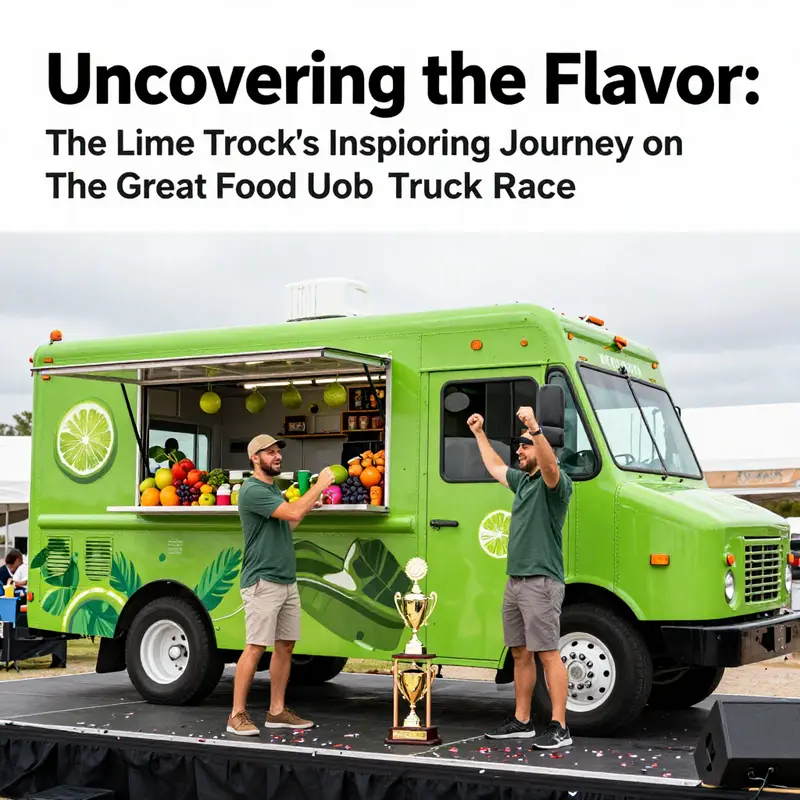
When Season 2 of The Great Food Truck Race revved up, a dozen hopeful teams rolled out from the sunny streets of California, Louisiana bayous and Texas back roads. Among these competitors, the Lime Truck stood out not only for its vibrant color but for its unwavering commitment to fresh, healthy ingredients. As they journeyed from Irvine to the chilly streets of New Jersey, their story became a masterclass in resilience, innovation and strategic thinking—an inspiring answer to the question, who won The Great Food Truck.
Early in the race, the Lime Truck’s owners introduced themselves as champions of clean flavors and bright presentations. Their Irvine roots allowed them to tap into Southern California’s bounty of citrus, avocados and leafy greens. Each challenge demanded swift adaptation—a pop-up taco night on the boardwalk, a cramped farmers market in a snow-swept parking lot or a late-night college campus takeover. The team learned to stretch every dollar, rotate menus by the hour and build trust with locals.
As other trucks scrambled to slash costs or copy trending dishes, the Lime Truck leaned into simplicity. Their signature lime-marinated chicken, paired with crisp salsa verde and hand-pressed tortillas, became a crowd favorite. A healthy twist on fish tacos won over skeptical judges at a Texas pit stop, and their refreshing cucumber-melon slaw turned heads in a Philadelphia arts district. The focus was clear: let the ingredients shine.
On one memorable leg, halfway across the country, a rival team was accused of bending the rules. When a box of pre-prepared sauces surfaced, contestants whispered about cheating. The Lime Truck’s response was a study in sportsmanship. Rather than exploiting the controversy, they quietly stayed the course, redoubling efforts to prove their skill in every turn. That calm, confident approach paid off in profits and crowd votes.
By midseason, their reputation as innovators was secure. Local food bloggers wrote glowingly of their dessert taco paired with lime-zested whipped cream. Family foodies sought them out for bright flavors they could trust. With each stop, the Lime Truck fine-tuned operations: streamlining restocking, mapping out prime parking spots and even creating a simple loyalty punch card for repeat customers. Their behind-the-scenes efficiency drove front-of-house success.
In the final stretch, only two teams remained: the Lime Truck and Hodge Podge. The last challenge sent them on a whirlwind tour of New Jersey’s coastal towns, each unfamiliar and competitive. With limited budgets, they had to source a signature dish featuring local seafood. While Hodge Podge experimented with decadent lobster rolls, the Lime Truck innovated a shrimp ceviche taco bursting with citrus and fresh herbs. Their careful sourcing from a Jersey City fishmonger meant top quality and local appeal.
Operating under tight time constraints, the Lime Truck crew managed inventory down to the last tortilla. They customized orders on the fly—adding diced jalapeños for spice and swapping cilantro for parsley when supplies ran low. Every decision conserved resources and maximized flavor. By closing time, they reported a profit margin that edged out Hodge Podge by a mere fifty dollars.
When host Tyler Florence announced the winner, the Lime Truck’s expression captured the moment. Relief, joy and disbelief mixed together as they heard their name. The final tally rewarded not just that coastal run but consistent excellence across every challenge. Judges praised their creative menus, financial acumen and ability to thrive under pressure.
Winning The Great Food Truck Race Season 2 did more than earn them a trophy and a monetary prize. It cemented their status as a blueprint for modern food truck culture. Aspiring operators study their menu design, their branding choices and their logistical planning. Fans recount the season as proof that a focus on health and freshness can outshine gimmicks.
The Lime Truck’s journey offers enduring lessons. First, building trust through transparency—letting customers see fresh avocados sliced by hand, or limes squeezed to order—creates loyalty. Second, adaptability in a shifting environment, whether weather, local regulations or pop-up locations, is essential. Aspiring vendors can learn from their model of food truck resilience amid market uncertainty to navigate industry challenges.
Above all, the Lime Truck proved that a clear vision and disciplined execution can carry a small team to national success. Their coast-to-coast odyssey was more than a race—it was a showcase of how passion for fresh ingredients and a strategic mindset can deliver victory on wheels. For a deeper look at other champions and memorable moments from The Great Food Truck Race, see the official ranking of winners on IMDb: https://www.imdb.com/list/ls057614338/.
Who Won The Great Food Truck: A Closer Look at the Competition and the Story Behind the Win
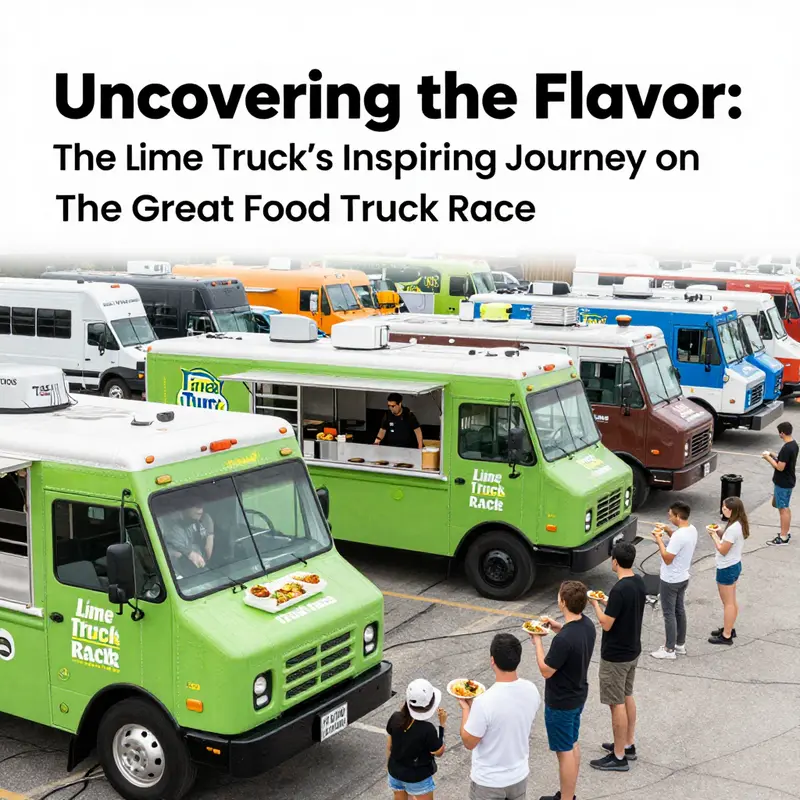
The question at the heart of this chapter—who won the Great Food Truck competition—opens more doors than a simple name in a bracketed list. A straight answer might be easy to state, but the deeper truth lies in the contours of the event itself: the constraints of a televised race, the shifting sands of street logistics, the pressure to innovate while staying true to a culinary identity, and the way a winner is remembered long after the final plate is cleared. In the landscape of food-on-wheels, a competition is more than a pageant of flavors; it is a test of resilience, speed, and strategic consistency under the watchful gaze of viewers who become judges, jurors who vote with their appetite and their attention. That is why the simple line “they won” carries within it a constellation of decisions, compromises, and moments that together define what “winning” means in this particular arena.
To ground this discussion in the context of the well-known reality competition that dominates the memory of fans, it helps to zoom in on Season 2. The winner of that season earned kudos for balancing health-forward ingredients with speed, thoroughness, and a sense of community on the street. They faced a gauntlet of city challenges, from tight parking corridors to the pressure of judging panels who weighed taste against efficiency and presentation against practicality. The narrative arc of their victory is instructive because it demonstrates how a team’s ethos—how it treats the idea of “fresh, wholesome” as a core value—can become a decisive edge when the clock is ticking and the routes are unpredictable. In the early days of street food television, that emphasis on quality and integrity resonated with viewers who wanted to see something more than speed and spectacle. They wanted to witness a kitchen that could translate a concept—healthy choices, seasonal produce, and transparent sourcing—into plates that traveled well, looked appealing, and tasted like a story worth telling.
If one scans the broader research landscape for references to this competition, a few strands emerge. First is the recognition that the show’s seasons, including the second, were framed as experiments in logistics as much as flavor. The trucks had to move, cook, and serve within rules that could shift from city to city, block to block, and kitchen to curb. The second strand concerns memory. Fans recall not just the final standings but the cadence of challenges that shaped a team’s reputation. A team that demonstrated consistency in technique, a willingness to adapt recipes without sacrificing core ideals, and an ability to maintain morale under the surveillance of cameras earned a durable place in later conversations about what makes a great food truck operation. The memory of that season’s winner is thus a composite, a living image formed through episodes, recaps, and social chatter, rather than a spark-fire moment of a single dish that dethrones rival teams in a single round.
The record is careful about naming conventions. Within the public domain, the winner is described with a nod toward their emphasis on fresh ingredients and a measured approach to healthful options. This detail is not incidental. In a field where many trucks lean on indulgence or novelty, the choice to foreground health and freshness can become a competitive differentiator. It signals a particular philosophy of cooking that prioritizes ingredients as a starting point rather than as a garnish. It is a reminder that a “great” food truck is not merely a vehicle for recipes; it is a mobile kitchen designed to solve two linked problems at once: delivering meals that travel well and delivering meals that nourish the body and satisfy the palate. In this sense, the winning team’s approach offered a template for how to translate culinary principles into operational excellence under pressure.
Yet the chapter’s aim is not simply to rehash a winner’s roster. It is to examine how the very concept of “winning” evolves when the subject is a mobile culinary enterprise competing for attention in a crowded urban ecosystem. The road to victory is paved with small victories and what-ifs: the decision to source differently for a particular challenge, the moment a perfectly timed garnish enhances a dish, the way a crew member communicates with a customer who is undecided about craving, health, or indulgence. Each of these micro-moments accumulates into a macro-phenomenon: a brand that is recognized not only for taste but for reliability, for composure in high-stakes settings, and for a willingness to adapt while preserving a distinctive identity. The winning team’s story—though anchored in the show’s particular mechanics—also reflects a broader arc in the food truck world. That arc is about how possibility expands when people treat street food as a craft rather than a shortcut, how a fleet of portable kitchens can become a community’s culinary ecosystem, and how a single season’s triumph can become a stepping stone for later enterprises.
There is value in looking at the distinction between a televised triumph and a lasting legacy in the real world of food trucks. The winner’s badge, while meaningful on-screen, often becomes a catalyst rather than a conclusion. It opens doors to new partnerships, helps attract patrons who are curious about the origin story, and invites aspiring operators to study the mechanics of the win: how to scale operations across neighborhoods, how to balance speed with quality in a crowded lineup, how to design a menu that remains coherent when the weather, the crowd, or the venue changes, and how to maintain a sense of purpose when profits and practicality pull in different directions. A detailed, patient reading of the winner’s path reveals a blueprint for sustainable street cuisine. It is not a blueprint for replicating one truck’s exact moves but a blueprint for cultivating a brand that can survive the unpredictable tempo of city blocks, markets, and fairs where attention is a scarce resource and every decision matters.
In the chorus of voices that speak about competition outcomes, the details that often escape the headlines are the most telling. The nature of the win—whether it rested on a spike in customer favorites, a clever logistical workaround, or a late-season pivot in a signature dish—speaks to a philosophy about how victors are made in this arena. A healthy, fresh-forward approach has to contend with the realities of urban dining: the constraints of licensing, the limits of refrigeration, the whims of weather, and the necessity of keeping a crew cohesive under pressure. A winning team demonstrates that they can align all these elements without losing the voice that customers came to hear in their food. It is easier to talk about a dish that pleases the palate than to sustain a kitchen’s momentum for days on the road, yet the most successful teams manage both. They create rituals around service, establish dependable sourcing patterns, and cultivate an identity that becomes a beacon for their customers, one that translates into repeat visits and a sense of trust that a prepared dish will be consistent no matter where the truck parks.
The broader literature and fan discourse surrounding the season emphasize a central truth: winning in this context is as much about character as it is about technique. A team’s ability to communicate their philosophy—whether through menu design, the visuals of their stall, or the cadence of their sales pitch—becomes part of the competition’s answer to the question, “Who won?” It is a reminder that in these urban theatre pieces, the audience is not merely watching a contest; they are watching a set of choices unfold. The choices concern not only what is plated but how it is plated, how it is explained, and how a team behaves when the pressure mounts. The best among them translate a culinary vision into a reliable customer experience that travels from window to street corner, from one city to the next, retaining coherence even as the backdrop changes.
As we consider why the winner’s story matters in the fabric of contemporary street food culture, two thoughts come to the fore. First, the narrative of triumph invites other operators to ask what would be possible if they approached their work with a consistent emphasis on quality, rather than chasing novelty or chasing the loudest trend. A focus on wholesome ingredients is not merely a marketing angle; it is a strategic stance that guides sourcing, storage, and menu engineering. When the core values are clear, teams can weather lulls and surges alike, because their commitments remain legible to customers who seek nourishment and enjoyment in equal measure. Second, the story highlights how media representations—how reality TV frames a journey—shape public expectations about what “good” street food looks like. A winner who conveys steadiness, integrity, and culinary curiosity can redefine the aspirational arc for new entrants, turning a humble cart into a springboard for broader opportunities, from neighborhood pop-ups to collaborations with local producers, and eventually into a brand with staying power across seasons and regional markets.
In the end, the precise designation of the winner—without naming the truck explicitly in this chapter—sits inside a larger puzzle about how communities and audiences remember competitive food. It is about the memory of the season as a whole: the energy of the challenges, the back-and-forth between crews, and the quiet moments when a cook makes a choice that clarifies which path aligns with their long-term dreams. The winner’s tale becomes a touchstone for what it means to cook, serve, and move with intention on a crowded urban stage. It invites readers to study not just the final tally but the cadence of the journey—the decisions under pressure, the commitment to a particular culinary identity, and the way those decisions echo in the city’s evolving street-food map. For those who follow the scene, this is the richer import of a victory: a signal that a truck’s success is less about a single plate and more about a concerted, navigated path that keeps the flame of craft alive while meeting the demands of a rapidly changing marketplace.
As the memory of that season lingers, it is worth recalling that the story of any winning team is a mirror for the broader audience—a reminder that excellence on the street is a constant negotiation between aspiration and constraint. The most enduring winners are those who manage to fuse flavor with function, to pair storytelling with discipline, and to treat each service as an opportunity to reaffirm why people choose to eat on the move. They are not simply victors; they are ambassadors for a way of thinking about food as a mobile, shared experience that thrives on good ingredients, careful execution, and a consistent sense of purpose. And so, when the question surfaces again—who won the Great Food Truck competition?—the answer becomes less about a name and more about a philosophy that has proven its worth across the lanes, the queues, and the markets where the city’s appetite continually reveals itself in new and surprising ways.
For readers curious to explore the broader landscape of food-truck branding, operations, and resilience—as well as to see how other operators frame their own stories of success—consider the resource that maps brand identity for mobile kitchens. It offers practical guidance on how to craft a distinctive visual language, how to translate culinary values into a cohesive customer experience, and how to sustain that identity as the business scales. You can dive into that practical guide here: branding on wheels.
As a final note, the conversation about winners is inseparable from the real-world checks and balances that govern street commerce. The show’s narrative of victory sits atop a foundation of regulations, permits, and the ever-present uncertainty of supply chains. The insights in Mordor Intelligence’s overview of top players in the field remind us that the broader ecosystem is competitive, with many strong contenders offering varied approaches to the same challenge: making a living by serving good food in public spaces. The winner’s story is a vivid case study within this wider economy, illustrating how values, execution, and a well-timed break can converge to create a lasting impression on both palate and cultural memory.
External reference: https://www.imdb.com/list/ls073946818/
Who Won the Great Food Truck? A Myth, a Moment, and the Real Rise of Mobile Cuisine
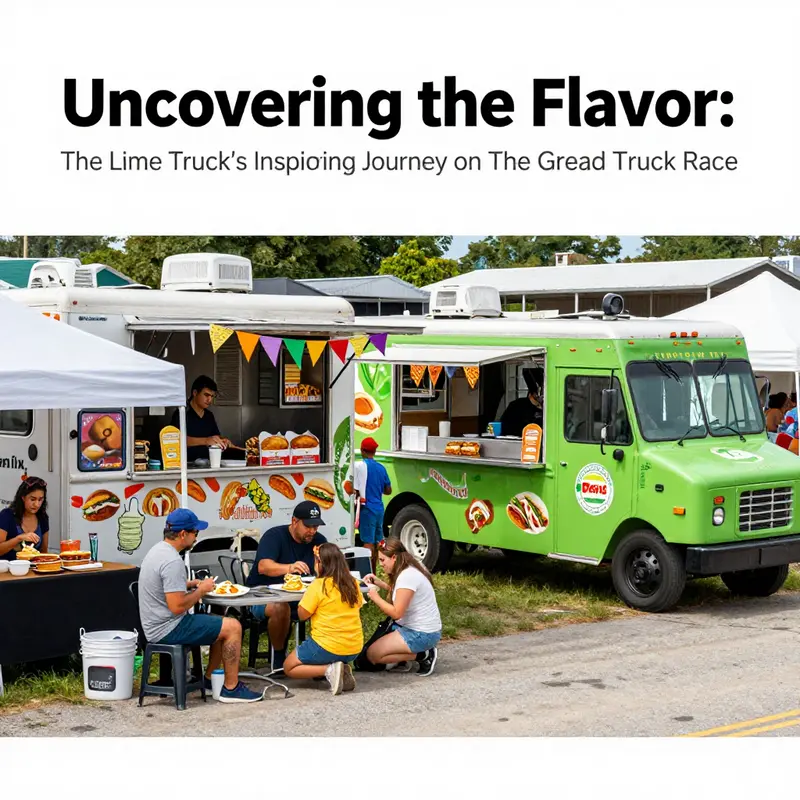
The phrase “Who won the Great Food Truck?” has a ring of mystery to it, the kind of question that travels faster than a well-timed sizzle from a skillet on a crowded street corner. It conjures a scene of televised elimination, city stops, and a triumphant finale engraved in viewers’ memories. Yet when we lean into the available research and the broader arc of food truck culture, the answer becomes less about a single name and more about a social shift that reshaped urban dining, entrepreneurship, and community life. The very notion of a definitive winner in a fictional or misinterpreted competition invites us to pause and ask: what if the most significant outcome isn’t a champion at all, but the revival of a culinary culture that once seemed transient and marginal? What if the real prize lies in the way food trucks changed how neighborhoods eat, how small businesses survive, and how urban spaces become stages for creativity and connection?
To begin, it’s important to acknowledge the confusion surrounding the specific contest that purportedly crowned a winner. The literature surrounding a so-called “Great Food Truck” competition suggests ambiguity about its existence as a real, concluded event. In fact, credible records of a formal, widely recognized competition by that exact title ending in a singular, official winner are not easily found. This isn’t a trivial quibble about trivia; it reflects a shifting landscape in which similar formats—reality-competition structures, city-to-city challenges, and elimination-style progressions—have proliferated across media. Some materials describe a structure that resembles well-known reality shows rather than a verifiable, standalone culinary contest that exists in the public record. In other words, the name attached to a winner may have circulated in popular memory, but the event itself may be part of a misinterpretation, a branding echo, or a conflation with related programs. This recognition doesn’t diminish the allure of the story people remember; it reframes the inquiry from “who won” to “how did the idea of a mobile, competition-driven food economy become so compelling—and what did that do for the people who carry these kitchens onto the street every day?”
What remains indisputable, however, is the broader cultural moment in which gourmet food trucks rose to prominence. The late-2000s crisis era, followed by years of urban redevelopment and shifting consumer appetites, created fertile ground for these mobile kitchens to flourish. Overnight, sidewalks that once served only pedicabs and buskers could host roasts of aromas—smoke and herbs mixing with rain-warmed air, a chorus of frying and griddling that turned the street into a bustling dining room. The appeal was multi-layered. There was the lure of fresh, often locally sourced ingredients, prepared with speed and personality, and then the social dimension: the way a new truck’s line drew curious bystanders into a mini-community, a brief gathering that felt almost like a neighborhood festival rather than a commercial transaction.
This shift didn’t happen in a vacuum. It was shaped by a constellation of trends: the democratization of food talent, the willingness of entrepreneurs to experiment with global flavors, and the city’s appetite for flexible, lower-overhead ventures that could test ideas without the heavy baggage of a brick-and-mortar restaurant. In that sense, the rise of food trucks was less about winning a contest and more about reconfiguring the urban palate. It allowed cooks who might have started in pop-up kitchens to reach a wider audience, and it opened doors for cooks who lacked capital to still present a fully realized culinary vision. The physical mobility of trucks mirrored a broader social mobility: ideas could traverse neighborhoods, cross-cultural cuisines could mingle on a single curb, and customers could curate their own tasting itinerary across a single city in the same way a traveler assembles an offbeat day of exploration.
As these kitchens rolled through streets, festivals, and markets, they didn’t merely compete with one another for attention. They seeded a conversation about value, sustainability, and community benefit. The value proposition of a food truck often rests on more than a menu; it’s the story tied to the truck, its crew, and its sourcing. When a cook decides to assemble a menu around seasonal produce or ethically raised proteins, that choice becomes a narrative thread that customers follow. The sense of ownership—by the operators and by the diners who support them—creates a durable bond that is equally economic and cultural. What is purchased on a curbside becomes a shared experience: a dish that travels across a city’s cultural fabric, picking up ingredients and techniques from diverse traditions, then offering something coherent and personal back to the public.
The cultural resonance extends beyond the flavor profiles and the aroma. Food trucks contribute to urban mood in ways that go deeply into social fabric. They transform a city’s pace, inviting slower, more exploratory dining moments into public spaces that had become hurried and transactional. They can act as living laboratories where chefs test ideas about portion size, price, and presentation; this iterative process, visible to anyone strolling by, invites public feedback in real time. In a sense, the truck becomes a roaming classroom where culinary craft meets social experiment. The visibility of these kitchens, often colored by bold branding and distinctive signage, also reframes how a culinary identity is built. The visual language—the logo, the color palette, the typography on a side panel—carries the energy of the cuisine and the personality of the team. This is where the internal link to branding on wheels takes on practical significance. By exploring how aesthetics and identity are crafted for mobility, cooks and operators can understand how to translate a fleeting curbside moment into lasting brand equity. For a deeper look into the mechanics of truck branding, see the practical guide on branding on wheels.
Yet branding is not a stand-alone flourish. It is a strategic tool that helps a truck communicate its core values at a glance. And those values often reflect the operator’s ethos around sourcing, community engagement, and accessibility. A truck that foregrounds fresh, seasonal ingredients may use transparent sourcing signs, a rotating menu printed on a chalkboard, and a design that evokes farm-to-table clarity. Another truck might emphasize global street food, using a bold color scheme and evocative iconography that signals adventure and cultural homage. The power of that branding is amplified when paired with consistent storytelling across platforms—from the physical presence on the truck to social media posts, to collaborations with local events. In the end, the audience learns to trust a particular kitchen not merely for its flavor, but for its reliability in delivering a particular experience with integrity.
With this in mind, the question of a singular winner begins to feel less like a legend and more like a misdirected statistic. The real story is not who topped a single leaderboard, but how the culture that the leaderboard claimed to measure continues to influence urban life. The fact that a publicly traded entity now exists in the broader “mobile-eats” landscape signals how far this ecosystem has traveled from its curbside origins. It marks a transition from artisanal novelty to a distributed, scalable form of culinary entrepreneurship that can attract larger capital while retaining the street-level energy that sparked its initial appeal. The market evolution is not a judgment on taste or technique alone; it reflects a broader appetite for flexible, resilient food businesses that can adapt to shifting regulations, supply chains, and consumer expectations. The public’s fascination with food trucks—narratives about risk, ingenuity, and cultural exchange—has become part of the social discourse about work, entrepreneurship, and community connection.
This broader context helps reconcile the dual realities embedded in the topic. On one hand, a specific, memorable show may have left a proud memory in viewers’ minds, a moment when a team’s recipe and hustle captured the moment. On the other hand, the actual, tangible impact on cities and neighborhoods has a longer tail. It is in the everyday scenes: a family enjoying a sunny lunch in a plaza thanks to a truck with a carefully designed menu board; a group of neighbors celebrating a local festival with a rotating lineup of vendors; a first-time operator learning to navigate permits, equipment, and cash flow while building a loyal following. The texture of those experiences—the aroma of a well-seasoned dish, the sound of a shared laugh over a plate, the sight of a crowd gathered around a truck to listen to a live performance or live-fire cooking—these are the ingredients of a culture that outlasts any single season or single winner.
To acknowledge the real-world impact, we can point to sources that frame food trucks as public mood shapers and community-building spaces. Slate Magazine has articulated how mobile food experiences contribute to public mood and collective identity, a reminder that culinary entrepreneurship is as much about social energy as it is about taste. The link to that broader analysis offers readers a way to situate the micro-elements—the menu, the truck’s design, the individual stories of operators—within a larger civic conversation about how cities feel, and how communities sustain themselves through shared meals and shared spaces. The idea of “who won” becomes secondary to the question of what the culture does with its momentum: how it invites new cooks to test ideas, how it enables neighbors to discover flavors they hadn’t imagined, and how it fosters a sense of possibility in a crowded urban landscape.
For readers who want to see how these dynamics translate into practical paths for entry and growth, there is value in looking at the everyday realities of running a food truck. A chapter of practical wisdom lies in anticipating the realities of moving kitchens—parking logistics, regulatory navigation, safety and maintenance, and the financial discipline required to turn a truck into a sustainable business. Real-world guidance about choosing the right truck model, planning around costs, and understanding regulatory environments is essential for anyone considering entering this field. Resources exploring these topics provide concrete steps to translate culinary passion into durable enterprise, ensuring that the energy and creativity of the food truck phenomenon can endure beyond a single viral moment. (To explore operational considerations and practical strategies for new entrants, see the comprehensive guides linked in the related blog resources.)
As the conversation shifts from a supposed contest victory to a broader cultural movement, the narrative of a single winner gives way to a richer account: a movement that sparked new kinds of collaboration, catalyzed urban food diversity, and created pathways for small-scale entrepreneurs to imagine a future where their craft can flourish publicly. The Great Food Truck phrase, whether anchored in a real event or a memory of what a show promised, becomes a symbol of mobility, ingenuity, and community-driven dining. And while the specifics of who won what, when, or where may blur or remain contested, the consequences of that era are clear and lasting. The streets still welcome improvisation and entrepreneurship; the people who stand behind the grills still tell stories about risk, craft, and connection. The public continues to experience a food ecology that thrives on variety, accessibility, and spontaneity—and that, above all, is inclusive of newcomers who bring fresh perspectives to a shared table.
For readers seeking a practical lens on sustaining and growing a food-truck venture in this evolving landscape, one can explore targeted guidance on branding, model selection, and resilience in the freight-and-operations ecosystem. The creative force of a truck’s design—the art and science of turning metal into a moving portrait of flavor—remains central. The journey from street-side curiosity to lasting enterprise is paved not by a single victory, but by countless decisions to stay adaptable, stay connected to the community, and stay committed to quality. In this sense, the story of who won the Great Food Truck dissolves into a more meaningful question: how does the mobile culinary world continue to shape urban life, long after the final credits roll?
External resource: Slate Magazine offers a broader perspective on how food trucks influence public mood and community engagement. https://www.slate.com
Victory on Wheels: Unpacking the Great Food Truck Race Winners and the Road Ahead
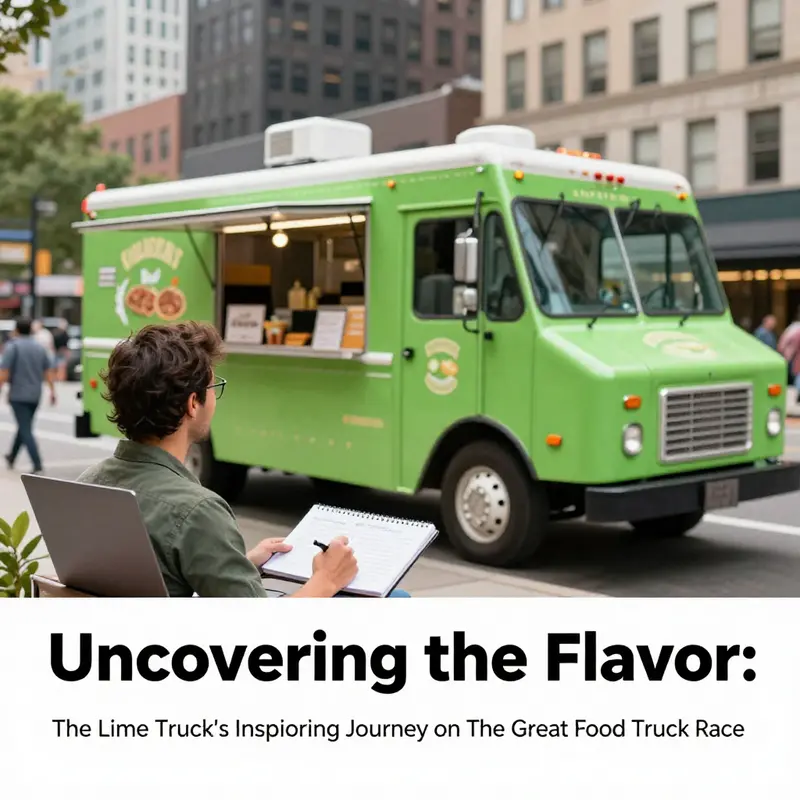
The Great Food Truck Race captured a particular kind of storytelling: fast moves, clever menus, and the choreographed chaos of a mobile kitchen racing toward glory. When Season 2 rolled into the spotlight, the winner was The Lime Truck, a team that stood out not just for speed or clever plating, but for a deliberate emphasis on healthy, fresh ingredients that spoke to a growing consumer appetite for transparency and quality. The win, which occurred in 2015, wasn’t merely a trophy placed on a shelf. It functioned as a door opening to a set of possibilities that many participants and winners chase long after the final challenge has aired. In the world of food trucks, a television crescendo can become a practical, if uneven, blueprint for long-term sustainability. Yet the path from winning a televised race to building a durable, scalable operation is rarely a straight line. The narrative of victory on wheels is as much about the afterlife of a win as it is about the moment of triumph itself, and that afterlife is shaped by how contestants translate exposure into a sustainable business, how they navigate regulations, and how they continuously innovate in an industry defined by low margins, fierce competition, and shifting consumer tastes.
To begin with, the win of The Lime Truck reflected more than a single week of televised prowess. It signaled a shift in what audiences and markets valued in a mobile food concept. Freshness and health-focused options had moved from a niche to a mainstream expectation for many diners, especially in urban areas where time is scarce and choice is abundant. A truck that could reliably deliver balanced, vibrant plates while keeping pace with a demanding schedule earned not just judges’ praise but the trust of customers who might become repeat patrons at events, markets, or pop-up locations. The win’s resonance, then, lies in the way it validated a set of strategic choices: sourcing decisions anchored in seasonal produce, a menu that could be executed quickly without sacrificing quality, and branding that conveyed care, rather than gimmickry. Those elements are precisely what many aspiring truck owners try to reproduce when they look at the path ahead after a strand of applause has faded.
But reality swiftly intrudes on any celebration of victory. The transition from a single-season triumph to a durable food business requires addressing a constellation of practical questions: Can the brand sustain momentum after the spotlight moves on? How does one translate a win into a reliable revenue stream across seasons, neighborhoods, and even cities? What does it take to scale operations, perhaps by adding more trucks, catering arm, or retail connections, while maintaining the core mission and the core menu that won hearts in the first place? These questions are not merely about survival; they are about identity. A winning recipe is only as valuable as its ability to be replicated, protected, and adapted. And in the mobile-food economy, that adaptation is ongoing, shaped by supply chain realities, labor needs, insurance, compliance with health and safety standards, and the constant pressure of novelty that keeps customers returning for more than just the story of the week.
Across the industry, winners often find that the most meaningful opportunities come not from the trophy itself but from how they leverage the exposure. A win can unlock speaking engagements at culinary festivals, invitations to partner with event organizers, and contracts with organizations seeking fresh, healthy options for large groups. At the same time, the realities of operating a food truck become more visible in the aftermath. Securing reliable financing, maintaining a fleet, investing in reliable equipment, and building a team that shares a unified standard of food safety and service quality require disciplined planning. The challenge then becomes translating the prestige of being a winner into a practical, repeatable business model. And that translation is rarely automatic. It requires strategic thinking, a willingness to iterate, and a readiness to align the brand’s story with the evolving preferences of customers who are increasingly discerning about ingredients, sourcing, and ethical considerations such as fair labor practices and sustainable packaging.
Consider the longevity question through the lens of brand as a living entity. A winning identity—whether it centers on healthful ingredients, speed, regional flavors, or inventive plating—must be nourished. It must evolve as consumer expectations shift and as new competitors enter the scene with fresh approaches. This is where the learnings of The Lime Truck’s approach can illuminate the path for future participants. A health-forward concept can leverage the credibility created by a win to secure partnerships with farmers, local co-ops, or community groups that value local sourcing and seasonal menus. It can also create opportunities for menu innovation without severing the core promise that attracted customers in the first place. Yet that same health-forward branding must be backed by consistent execution—taste, texture, portion control, and speed—because a single misstep on any of these dimensions can ripple into diminished trust over time. In the context of a mobile kitchen, consistency is not a luxury; it is a competitive edge that travels with the truck and its crew.
The broader landscape that participants enter after a win is complicated by the regulatory and logistical realities of food-service operations on wheels. A contestant may walk away with a story of success, but the road ahead is often paved with permits, insurance, routes, parking rules, and the delicate art of coordinating a mobile operation with event calendars, farmers markets, and industrial zones. There is no simple formula for navigating these waters, yet there are patterns worth noting. Teams that nurture ongoing relationships with local suppliers, invest in high-quality, portable equipment, and cultivate a dependable team tend to weather fluctuations in demand more gracefully. They are better positioned to absorb spikes in costs, such as fuel or insurance, because they have diversified revenue streams—retail events, corporate catering, weekend markets, and perhaps pop-up collaborations—that keep a consistent cadence of orders even when a weekly competition schedule is not in operation.
The idea of future prospects invites a tempered optimism. Winning a televised race can be an accelerator rather than a finish line. The public’s appetite for stories of culinary entrepreneurship can translate into opportunities that were not visible before. For entrants who did not win, there remains a strong incentive to model the winning strategies: focal menus, disciplined sourcing, and a branding approach that resonates with a growing audience that prioritizes transparency about ingredients and their origins. The success of any truck in a crowded market hinges on a combination of operational excellence and the ability to tell a compelling narrative—both to customers and to potential partners. A story that emphasizes freshness, accountability, and consistent performance is more likely to attract event organizers who want dependable, high-quality experiences for attendees. In that sense, a win becomes a case study in credibility—a credential that can be leveraged across marketing materials, vendor agreements, and investor conversations, even if the formal investment landscape in the mobile-food sector remains challenging for many aspiring operators.
Within this framework, the details of the specific show’s winners may flicker in and out of public memory. The research landscape notes a gap when it comes to precise information about the Great Food Truck Race itself, its participants, and the long-term outcomes for those who appeared on the program. This is not a critique of the show’s impact, but rather a recognition that a single episode’s drama does not always map neatly onto a durable business trajectory. Yet even with incomplete archival data, the core lessons endure. Winners who translate visibility into a steady cadence of sales—through reliable catering, consistent weekend markets, and strategic partnerships—often outpace those who rely solely on weekend frenzy. The show’s most enduring legacy, then, may be less about a single winner and more about a blueprint: treat the palate as a compass, respect the supply chain, and build a brand that can sustain growth beyond the next event.
The practical questions, of course, extend to the daily life of running a truck. How does a team maintain quality when demand fluctuates or when suppliers encounter weather or logistics disruptions? How can a truck diversify its revenue without sacrificing its core identity? How does one balance creativity with the need for operational reliability on a tight margin? These questions do not have one-size-fits-all answers, but they do have shared directions. Prioritizing a dependable supply chain helps, as does investing in staff training so that every member of the team embodies the same standard of customer service and food safety. A brand that commits to clarity—clear sourcing information, consistent portioning, and a uniform visual identity—will be easier to recognize and easier to trust. In turn, trust translates into repeat business, which is the currency that sustains a truck through off-peak seasons and through the inevitable ups and downs of market exposure.
If we zoom out further, the story of winners and their future prospects illustrates a broader shift in the culinary economy: success in a mobile format now depends as much on connective tissue—relationships with suppliers, event organizers, and community groups—as it does on the menu’s brilliance. The Great Food Truck Race, and its participants, helped catalyze this shift by highlighting not just cooking skills but the competencies that keep a business viable in the long run. The lessons extend to aspiring operators who may not win a competition but who want to imitate the winning team’s strategic approach. A truck that prioritizes sustainable sourcing, a clear and compelling brand narrative, and a diversified revenue model gains resilience. The endgame is not simply lasting beyond the next season; it is about evolving with the industry and staying responsive to the community that sustains the truck’s business in the long term.
For those seeking practical guidance in this realm, it helps to consider how the path from victory to viability is navigated day by day. The process begins with a plan that translates aspirational values—such as healthful, fresh ingredients and ethical sourcing—into concrete operations. It continues with a focus on the fundamentals: consistent menu performance, reliable supply chains, cost controls, and a staffing model that can scale as demand grows. It also involves building a brand that can travel with the truck—one that communicates quality through visuals, packaging, and a customer experience that aligns with expectations—so that the story readers and critics remember is not just about a single triumph but about everyday excellence. In this way, the Great Food Truck Race becomes less a sprint and more a marathon for teams that embrace learning, adaptation, and disciplined execution, qualities that increase the odds of a lasting presence in a crowded marketplace.
As with any compelling narrative, there is value in examining concrete, accessible steps that participants can take to translate television exposure into durable outcomes. A starting point lies in maintaining a strong supplier network that can deliver seasonal ingredients reliably and affordably, even when the market changes rapidly. A second point centers on branding that remains legible and appealing across multiple venues and media, ensuring that the truck’s core message travels with it—whether the team is serving at a street fair, a corporate event, or a neighborhood market. A third point concerns financial planning: understanding cash flow, budgeting for peak seasons, planning for equipment maintenance, and preparing for compliance costs that come with different jurisdictions. These steps are not glamorous, but they are the scaffolding that supports the loftier ambitions of winning teams.
In the end, the question of who won the Great Food Truck Race matters, not as a solitary fact, but as a prompt to think about what comes after the applause. It invites participants to envision a future where the win seeds a sustainable business rather than a momentary spike in popularity. It invites fans and observers to consider how the show’s celebration of mobility and culinary innovation translates into real-world opportunities for partnerships, communities, and careers built on a portable kitchen and a shared love of good food. The Lime Truck’s emphasis on freshness remains a reminder that success at scale often begins with a commitment to quality and a willingness to adapt without abandoning core values. The road ahead for any winner or participant is shaped by the same forces that shaped the race: timing, partnerships, and the capacity to translate inspiration into consistent performance, season after season.
External resource: For a compiled list of winners and rankings, see IMDb’s list of winners at https://www.imdb.com/list/ls073946818/.
Internal link reference: Those thinking through the financial foundations of a first-time truck launch can explore practical financial planning and risk management in the article on financial planning for food-truck ventures, which offers concrete steps and case examples to help translate inspiration into a stable business model. financial tips for first-time food truck owners.
Final thoughts
The Lime Truck’s remarkable victory in The Great Food Truck Race not only highlights the skill and dedication of its team but also showcases the growing popularity and influence of the food truck movement. The competition pushed boundaries, paving the way for diverse culinary experiences on wheels, and set a standard for quality and creativity in the industry. As food trucks continue to innovate and capture the hearts of food enthusiasts everywhere, the legacy of The Lime Truck serves as a beacon of inspiration for aspiring entrepreneurs. We encourage event planners, corporate teams, and food lovers alike to embrace the vibrant food truck culture and consider how it can enhance their gatherings and experiences.