San Diego is a vibrant and bustling city known for its stunning coastline, remarkable food scene, and lively events. For food truck owners, the question of where to park their food truck is as crucial as crafting the perfect menu. Whether you’re an event planner looking to organize a food truck gathering or a food enthusiast eager to catch the latest culinary trends on wheels, understanding the best parking spots and legalities in San Diego is essential. In this guide, we’ll explore the top locations where you can set up your food truck, delve into the legal considerations you need to keep in mind, highlight the best times to hit the streets, and gather community feedback and tips that can pave the way for your success. Buckle up and get ready to navigate the bustling food truck scene of San Diego!
Parks, Piers, and Permits: Mapping San Diego’s Prime Parking Spots for Food Trucks
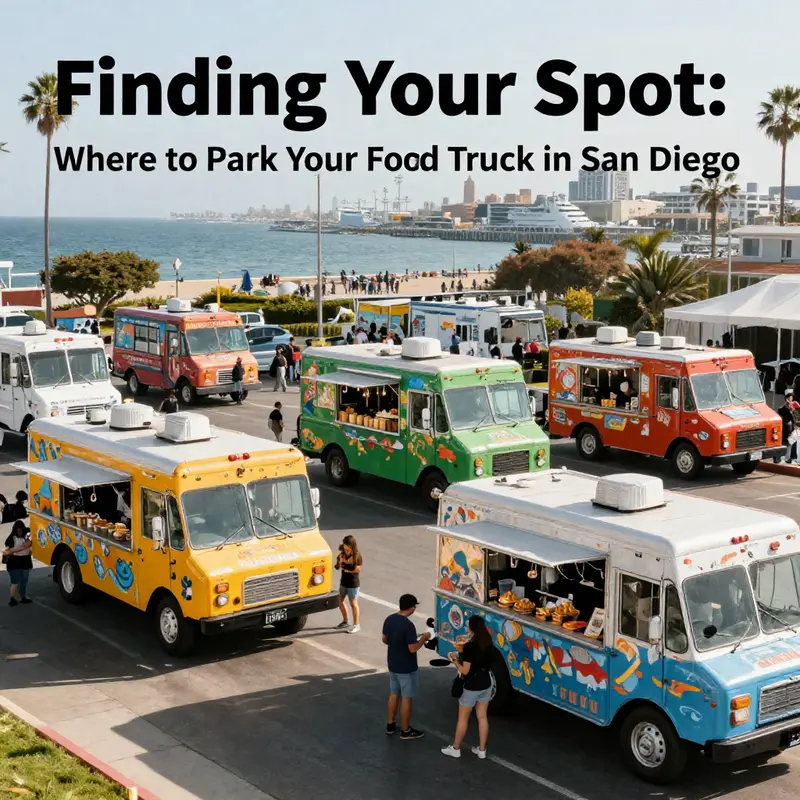
San Diego presents a rare blend of coastal charm and urban energy, a city where a well-placed food truck can become part of the scenery as reliably as the sunsets over the bay. But the same sun and tide that attract visitors can complicate where a truck is allowed to park and operate. The good news is that there are several well-trodden hubs where trucks routinely find a steady stream of customers, provided you understand the permit landscape and the rhythm of foot traffic. The best spots tend to share a few core traits: high visibility, proximity to attractions or workplaces, stable event calendars, and a willingness among local stewards to accommodate mobile vendors within clearly defined spaces. In San Diego, the balance of open space and strict oversight means that success hinges on aligning your truck’s schedule with the city’s permitting framework, the behavior of event organizers, and the character of each neighborhood.
Seaport Village, along Harbor Drive, remains one of the city’s enduring magnets for visitors and locals alike. Its waterfront setting offers a natural stage for a rotating cast of culinary offerings, and the area benefits from deliberate design that channels foot traffic through a cluster of shops, galleries, and public piers. When the weekend crowds swell or when events light up the calendar, designated spaces for food trucks become visible patches in a wider tapestry of activity. The proximity to the Embarcadero and downtown ensures that a well-timed shift can catch both daytime stroller traffic and evening wanderers heading toward sunset views. For operators, the critical piece is aligning with event schedules and the specific zoning or permit windows that permit street vending in this corridor. The city’s guidance, and the venue’s own policies listed through official channels and Yelp listings, tend to emphasize a combination of pre-arranged permissions and short-term allocations during peak periods.
Old Town San Diego State Historic Park represents a different cadence. This district is the birthplace of California and remains a magnet for tourists year-round. The historic lanes, plazas, and boutique storefronts create a walkable, immersive experience that draws visitors who linger, sample, and explore. Here, food truck activity is often concentrated around designated areas during special events and festivals, where vendors are invited to complement the cultural program rather than disrupt it. The opportunity in Old Town lies in striking a balance between authentic culinary portability and respect for the district’s scale and heritage. It means arriving with an understanding of event calendars, engaging with organizers well in advance, and offering menus that complement the local ambiance without overwhelming the narrow streets. In this environment, success tends to come from consistency, reliability, and a willingness to collaborate with festival planners and park managers rather than simply chasing the loudest crowd.
Embarcadero Marina Park in downtown San Diego showcases a waterfront park that has become a hub for weekend gatherings, seasonal festivals, and outdoor movie nights. The bay views alone are a powerful draw, but the park’s larger ecosystem—bike paths, marina access, and public green space—creates a broad canvas for street dining. Food trucks here often meet a reliable cadence of demand during Saturdays and Sundays, especially when the city or partner organizations stage neighborhood celebrations or public programming. The space is friendly to well-prepared operators who arrive early, maintain clean lines for queues, and coordinate with event staff to secure a spot that respects pedestrian flow and safety requirements. The lesson from Embarcadero Marina Park is less about chasing the biggest crowd and more about syncing with a predictable event rhythm, then adapting menu and service to the tempo of the day.
Birch Street in Little Italy is a study in the power of a concentrated, walkable neighborhood to sustain a consistent, quality-run food operation. Little Italy’s walkability and vibrant street life have long attracted both residents and visitors who crave quick, flavorful meals as they stroll between galleries, markets, and cafes. Space on Birch Street can be limited, but the payoff can be significant during farmers’ markets and community events when the neighborhood opens lanes and sidewalks to temporary vendors. The key here is to approach with a precise plan: know the exact time windows permitted for setup, have a compact, efficient service model, and be prepared to rotate menus to reflect the local palate. Being nimble is essential in this corridor, where pedestrian flow can swing with market schedules, neighborhood celebrations, and even seasonal shifts in tourism.
Mission Beach and Pacific Beach offer another flavor of San Diego’s food truck opportunity. The beachside boardwalks draw immense tourist traffic, particularly in the warmer months when families and sunseekers populate the sand and stroll the promenades. In these areas, trucks are commonly seen in conjunction with approved events or temporary permits rather than as a year-round staple. The entrances to the boardwalks and the edges of the beach community become strategic touchpoints where a well-timed presence can capture passersby who are hungry after a day in the sun. The challenge here is weathering peak season demand alongside strict city oversight and the need to coordinate with event organizers and lifeguard or park staff. A successful Mission Beach or Pacific Beach operation tends to rely on a tight crew, a menu that travels well in outdoor settings, and the flexibility to adjust to seasonal changes in attendance and permit availability.
South Bay presents a broader, more community-facing path to food truck success. In Chula Vista and National City, growing populations and expanding commercial zones create a different kind of opportunity—one that often hinges on establishing a steady relationship with city councils and local event coordinators to identify designated zones and permissible hours. These spaces can allow for more consistent occupancy over time, especially as neighborhoods look to diversify their culinary options and attract foot traffic that supports nearby brick-and-mortar businesses. The South Bay approach calls for patience and ongoing dialogue with municipal staff to learn the permit cycles, the preferred routes for deliveries of supplies, and the timeline for securing a regular spot during local markets or street fairs. While the established central hubs draw big crowds, the South Bay can reward operators who invest in building trust with neighborhood associations and participating in community events that feature multiple vendors.
Across these geographies, the backbone of parking and operations remains the formal permit and licensing framework that governs where and when a truck can park. For official parking and operating permits, contact the San Diego Department of Transportation or the City of San Diego Business License Office. The city’s process can involve health permits, business licenses, and compliance with local health codes, in addition to the parking and vending permits that define where a truck can stand for service. The practical takeaway is to treat permitting as a moving part of your business model rather than a one-time hurdle. Build a calendar that reflects event dates, permit windows, and renewal timelines, and maintain open lines of communication with park managers and event organizers. When a spot is approved, treat it as a partnership—this means leaving the site clean, handling waste responsibly, and engaging with customers in a way that reinforces the neighborhood’s trust in a mobile vendor.
For operators seeking to expand their reach or to time appearances with major city events, local food truck rallies hosted by organizations active in the region can be a pathway to prime locations through event partnerships. These gatherings are more than just markets; they are ecosystems where vendors support one another and where organizers curate a balance of cuisines, crowd flow, and safety compliance. Participation often requires advance registration, proof of permits, and a commitment to the event’s rules regarding queuing, signage, and service style. Attending these rallies can yield insights beyond a single permit: you learn how venues manage lines, how they coordinate with city agencies, and how your truck can integrate into a larger culinary experience that draws people who might not otherwise seek out a specific neighborhood. In this sense, the rallies become both a proving ground and a stepping-stone to longer, recurring engagements at established locations.
Real-time updates on permitted spots and events are available through the official city website, which serves as the most authoritative resource for current policies, zone maps, and any temporary restrictions. As the city evolves with new development projects and community initiatives, staying connected to the municipal portal helps ensure your schedule and routes align with the latest guidance. In practice, most operators find that maintaining a small library of trusted contacts—park managers, event organizers, and the city’s permitting staff—keeps operations smooth even as the calendar shifts and new openings appear.
To deepen your strategic approach to securing and sustaining parking at high-demand spots, consider exploring resources dedicated to navigating parking challenges for food trucks. This framework can provide practical steps for scouting locations, aligning permits, and building the relationships that make a recurring presence feasible. For a focused look at this topic, you can refer to Mastering Food-Truck Parking Challenges, which offers a detailed perspective on the logistical choreography behind successful placements across diverse San Diego settings. This kind of guidance complements the city’s formal guidance by translating permits into predictable revenue and repeat customers, rather than one-off appearances.
As you map out your San Diego strategy, let the geography of the city inform your calendar rather than forcing your truck into a single pattern. The waterfront zones reward punctuality and presentation, the historic Old Town rewards cultural pairing, the Embarcadero rewards collaboration with event organizers, and the beach districts reward adaptability to seasonal winds and crowds. Little Italy’s Birch Street calls for efficiency and neighborhood engagement, while South Bay invites ongoing conversations with municipal and community leaders. Each location has its own tempo, its own expectations for service, and its own capacity to become a reliable anchor for your business if you approach it with preparation, respect for local rules, and a willingness to participate as part of a larger citywide food culture. In the end, the most successful operators treat parking not as a one-off act of setting up in a good spot, but as an integrated part of a coherent business model that is responsive to a living city and a vibrant community of diners who crave fresh flavors along with a sense of place.
For readers who want a concise route to official knowledge without wading through multiple pages, the city portal remains the guiding compass. It’s the starting point for permits, zone maps, and the latest updates on where trucks can stand and when. And for those who want to sharpen their practical playbook, the internal guidance offered by seasoned operators through dedicated resources and case studies can illuminate how to negotiate the sometimes crowded, often evolving landscape of San Diego’s food truck parking. The conversation around parking is not just about spaces; it is about building a presence that respects neighborhoods, serves customers with consistency, and contributes to a city that welcomes mobile food culture while maintaining order and public safety.
External resources provide the official context that everything else builds upon. For real-time updates on permitted spots and events, visit the city’s official site at https://www.sandiego.gov. This portal is where you’ll confirm current rules, verify designated zones, and track any changes that could affect where you park your truck each week. The path to a reliable and repeatable outdoor dining routine in San Diego is paved with permits, partnerships, and a readiness to adapt to the city’s evolving culinary landscape. By combining a careful geographical plan with a disciplined permitting process and active participation in local food truck networks, you can transform the challenge of parking into a sustainable competitive advantage that keeps customers returning for the next tasty, ready-to-serve bite.
null
null
Timing Your Spot in San Diego: Best Days, Events, and Windows to Park a Food Truck
Prime Windows and Event Rhythms
San Diego’s success for a food truck often comes down to timing. The city moves in predictable pulses: neighborhood markets at night, beach crowds on weekends, and office workers during weekday lunches. Understanding those rhythms lets you choose when and where to park for maximum visibility and sales. The most valuable opportunities concentrate around community events, high-foot-traffic public spaces, and consistent daily windows when customers expect mobile food options.
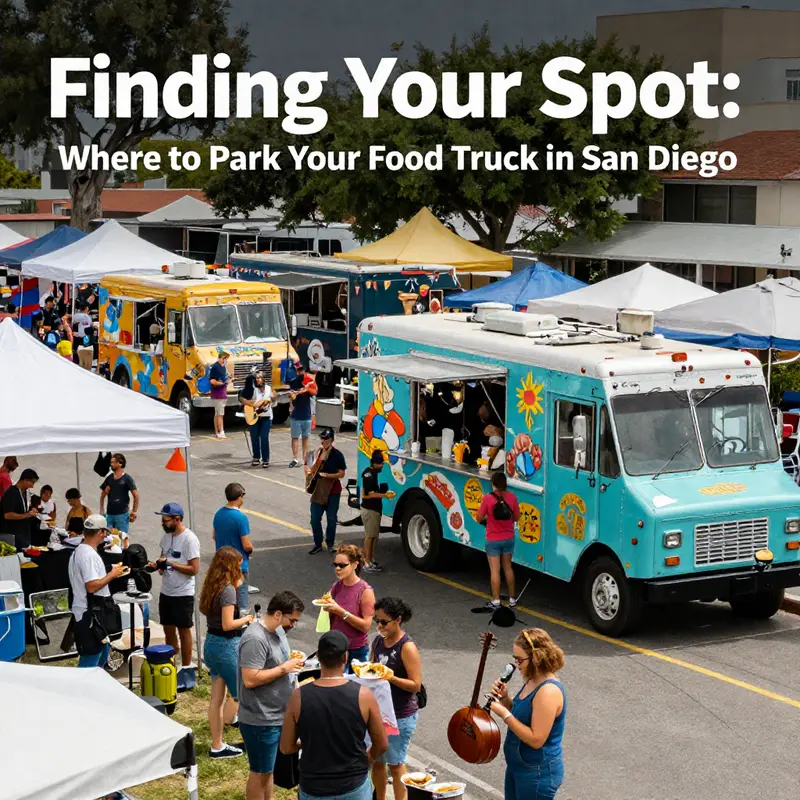
Thursday evenings in North Park, centered on the 30th Street block, are a reliable weekly surge. The Thursday Night Market turns the street into a lively pedestrian corridor. Live music, craft vendors, and dozens of carts create a concentrated customer base. The peak window runs roughly from 6:00 p.m. to 9:00 p.m., with uphill momentum beginning as early as 5:30 p.m. Arrive before five to claim a premium spot. Early arrival secures visibility near main intersections or near entertainment stages. Those places drive impulse traffic and repeat lines.
Weekends near the water are an entirely different paradigm. La Jolla, Coronado, and the San Diego Bay waterfronts draw families, tourists, and locals on sunny days. Weekend crowds build from mid-morning through mid-afternoon. The most productive hours typically run from 10:00 a.m. to 4:00 p.m. Positioning close to beach access points, promenade paths, or popular photo spots increases walk-up orders. Beachside guests often favor portable, sharable plates and cold options. Plan menu items that travel well and stand out in daytime settings.
Weekday lunches in downtown and business districts supply steady, repeat customers. From 12:00 p.m. to 2:00 p.m., office workers and visitors seek quick, quality meals. Civic plazas, transit hubs, and sidewalks near corporate towers are hot spots. Rotate blocks if parking permits vary. Build a predictable schedule so regulars know when to find you. Consistency helps establish a loyal lunchtime following.
Each environment demands a slightly different operational approach. Markets and night events reward theatrical setups and bold flavors. Beach crowds appreciate light, sharable, and refreshing options. Office workers want speed and reliable portion sizes. Match your menu and staffing to the crowd you expect.
Logistics and timing go hand in hand. For recurring events like the North Park Thursday Night Market, organizers publish start times and vendor procedures. These events generally operate as ticketed or curated street fairs. Organizers may assign locations, restrict generator noise, and set trash-handling rules. Follow venue rules closely to protect your position for future dates. If you are newcomers, attend as customers first. Observe placement, peak flows, and the types of vendors that succeed.
Permits and enforcement are constant considerations. Many public blocks require vending permits, event passes, or temporary street use authorizations. Arrive early with printed permits visible, and be prepared to show them when asked. Several neighborhoods enforce time-limited vending in high-use areas. Keep a checklist that matches permit windows to the event schedule. Planning reduces last-minute shutdowns.
Operational timing includes arrival, setup, and teardown windows. Aim to arrive early enough for full setup well before your busiest minute. For Thursday night markets, arriving by 5:00 p.m. or earlier is ideal. For weekend beach spots, 9:00 a.m. gives time to position and set signage before foot traffic grows. For weekday lunch spots, plan to be ready near noon. Teardown timing matters too; post-event foot traffic may sustain sales for an hour. Factor that extra hour into staffing and inventory.
Inventory planning ties to time and event type. Night markets often reward adventurous, shareable plates and late-evening snacks. Weekends at the beach favor chilled drinks, salads, and handheld items. Lunch hours in the financial district call for quick-serve combos and efficient ticket flow. Stock perishable items to match expected peaks plus a modest buffer for unexpected surges. Running entirely out of a signature item risks disappointing a crowd and harming repeat business.
Staffing must reflect the expected cadence. Busy nights call for additional cooks and front-line servers to reduce wait times. Coastal weekend shifts need staff comfortable with high-volume, outdoor conditions. Lunch shifts in downtown require speed and tight coordination between order-taker and food runner. Train staff to read the line and shift roles as needed. Quick role changes during peak flow keep service steady.
Price and portion strategies change with the context. Night markets often allow slightly higher price points because customers perceive the event as an experience. Weekday lunches face price sensitivity and time pressure. Offer combos or prepacked options to speed transactions. At beach locations, simple price tiers and value-driven sharable items encourage group purchases.
Promotions and partnerships can amplify event success. Collaborate with nearby merchants, musicians, or craft vendors for cross-promotion. Offer timed discounts during lulls to smooth customer flow. Loyalty incentives for repeat customers at recurring events improve lifetime value. Coordinate with event organizers for webshop or social promotion to increase pre-event awareness.
Visibility matters as much as timing. Use bold, readable signage and clear menus. Night markets favor illuminated menus and attractive lighting. Daytime beach crowds respond to colorful branding and visible chilled displays. At lunchtime in the financial district, crisp menus and fast payment options reduce perceived wait. Consider eye-line positioning. Place signage where passersby see it without stepping into the primary line.
Real-time communication helps when parking spots or conditions change. Use social platforms to broadcast arrival times and exact locations. Update followers when moving between planned sites. A simple update about being two blocks from the market or near a landmark reduces lost sales. Consistent communication builds an expectation that customers can find you easily.
Weather patterns influence the best windows to park. San Diego’s microclimates mean inland neighborhoods warm faster than coastal areas. Hot inland days push customers to seek waterfront sites. Cloudy or cool days can depress beach traffic but strengthen neighborhood market turnout. Always have a weather contingency plan. Adjust menu offerings to the temperature and bring protective gear for equipment and staff.
Waste management and neighborhood relations are part of timing strategy. High-foot-traffic events require an intentional plan for trash, recycling, and grease disposal. Many organizers provide centralized bins. Use them. Keep your immediate area clean during peak hours and after teardown. A tidy presence increases acceptance from neighbors and event hosts. Good relations make it easier to secure recurring spots.
Safety and crowd flow are crucial during packed events. Position your service window to avoid creating hazards. Use cones or temporary barriers where allowed. Ensure lines do not spill into bike lanes or crosswalks. Training staff in crowd management reduces tension and speeds service.
Use a feedback loop to refine timing decisions. Track sales by hour, by event, and by location. Compare metrics across Thursday nights, weekend beach days, and weekday lunches. Use those numbers to adjust arrival times, staffing, and menu mixes. Over time, the data reveals which windows deliver the best revenue per hour.
If parking challenges arise, consult resources about vending logistics and compliance. Practical guides on negotiating parking and navigating municipal rules help find consistent spots. For operational tips and strategies covering setup and parking, see the article on Mastering Food Truck Parking Challenges. That guide offers methods to handle onsite hurdles and improve positioning.
Plan promotional and operational experiments in low-risk windows. Try a limited-time menu test during a Thursday market or a weekend beach pop-up. Measure ticket sizes and conversion rates. Small experiments reveal what resonates in each environment without jeopardizing core service.
Finally, treat recurring events as partnerships. Organizers value reliability and professionalism. Show up on time, follow rules, and promote the event to your customers. That approach often leads to priority placement or direct invitations to other events. In San Diego, the vendors who take timing seriously build stronger customer relationships and secure better long-term spots.
For details specific to North Park’s Thursday Night Market, including vendor guidelines and schedule updates, review the official event information here: https://www.northparkmarket.org/events/thursday-night-market
Community Feedback, Permits, and Prime Spots: Navigating Where to Park Your Food Truck in San Diego
San Diego’s street-food scene relies on mobility, visibility, and a shared sense of place. A truck that can move with the day’s tempo finds traction in neighborhoods where pedestrians, cyclists, and harbor breezes mingle. A reliable anchor like the waterfront markets at 1009 N Harbor Dr tends to attract crowds and set a dependable pattern for nearby spots. The harbor area offers high foot traffic, easy curb access, and predictable rhythms when events or boats draw people along the promenade. Beyond the harbor, clusters of parks, plazas, and shopping districts become a network of backup spots that keep customers flowing through the day. The most successful operators space out parking to meet different moments: morning commuters, lunchtime crowds, and evening strollers. In parallel, San Diego’s regulatory framework provides a practical framework: mobile vendor permits and designated zones that protect public space while giving operators a clear path to operate legally. The City’s permit page explains requirements, fees, and steps so you can move from idea to street with confidence; when you secure permits and learn zones, you gain flexibility to shift spots with less friction. Community feedback matters too: fellow vendors and locals share performance insights on Yelp and local forums, helping you identify hot days and hours, seasonal trends, and nearby competitors. The right combination of permits, anchor sites, and responsive planning becomes a repeatable model: test, learn, and adapt. Start with the official permit framework, then map out a core anchor and complementary spots to balance visibility and sidewalk safety. With a clear plan and an emphasis on respectful curb use, a food truck can become a welcomed part of San Diego’s waterfront and urban life.
Final thoughts
In the culinary tapestry that is San Diego, food trucks weave in a rich variety of flavors and experiences. By understanding the best parking locations, navigating legal obligations, timing your operations to coincide with thriving events, and leveraging community feedback, you’re well on your way to growing your food truck business. San Diego’s streets are alive with opportunity; all you need to do is find your perfect spot to serve up those delicious meals. Embrace the diversity and excitement of this vibrant city, and let your food truck journey unfold!