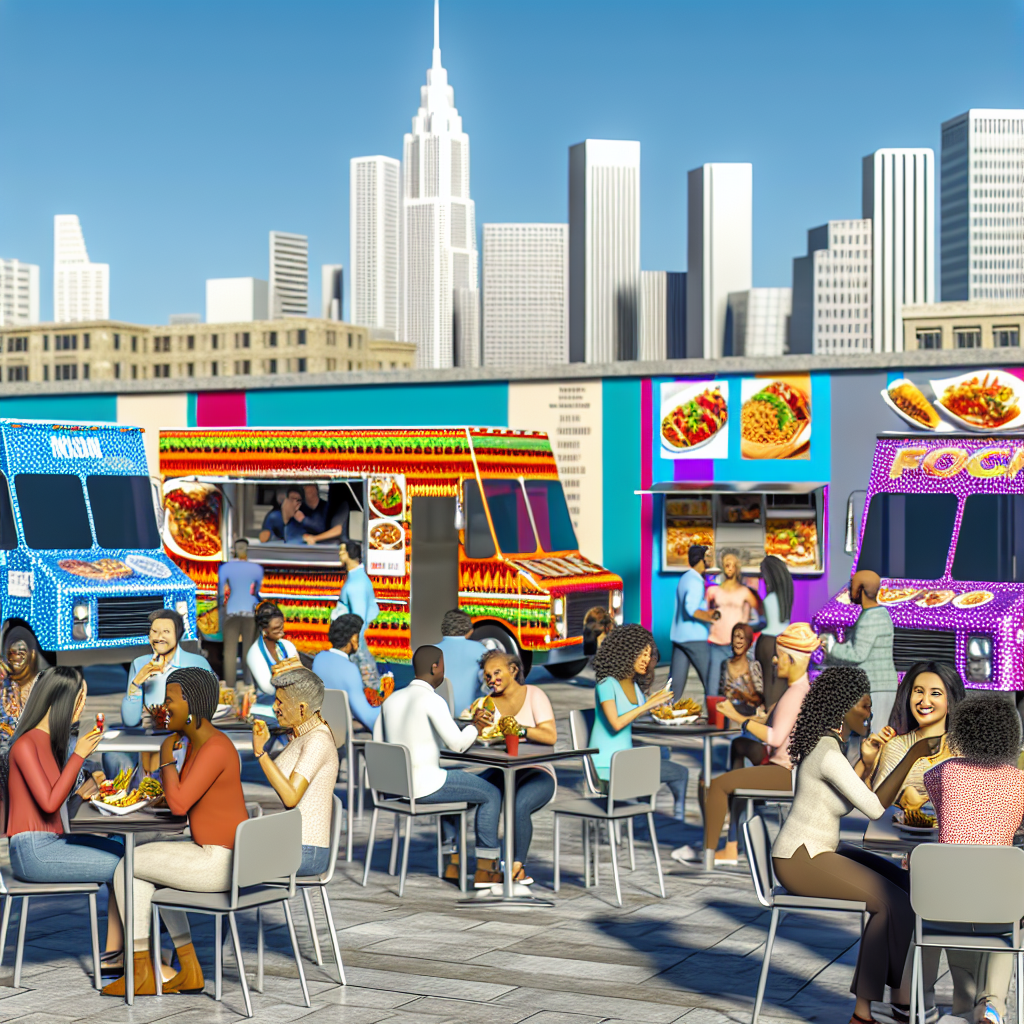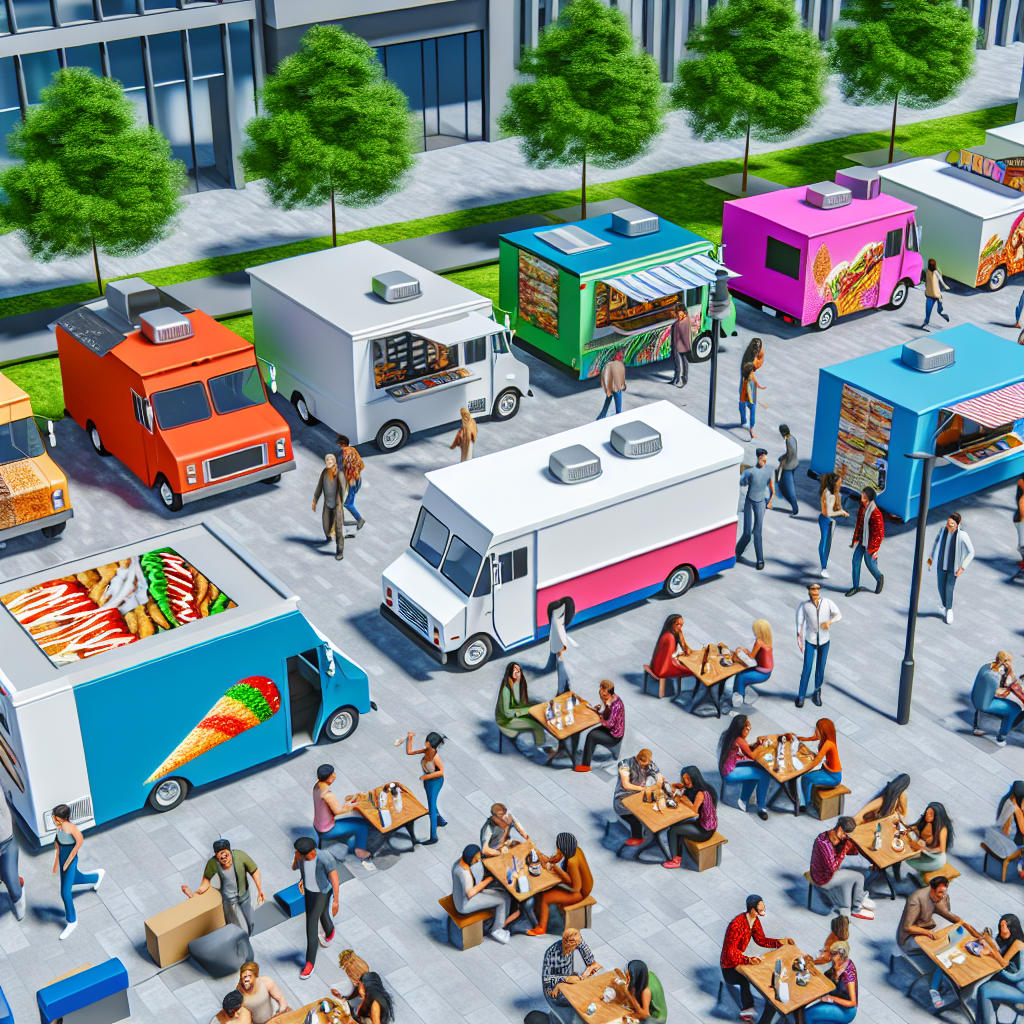
Houston is a city that celebrates food in all its forms, and food trucks play a vibrant role in this culinary tapestry. For event planners, corporate teams, local community groups, and food enthusiasts alike, knowing where food trucks can park is essential to curating unforgettable dining experiences. From upscale parks to lively yards, Houston’s food truck scene offers something for everyone. In this guide, we’ll explore some of the city’s best spots for food trucks and how each venue enhances the dining experience. Get ready to dive into the flavorful world of mobile cuisine, beginning with the posh Galleria Food Truck Park, moving to the lively Truck Yard, and culminating at the diverse Foodie Trucks Park.
Galleria Food Truck Park: A Premier Hub for Houston’s Mobile Kitchens and Evening Eats
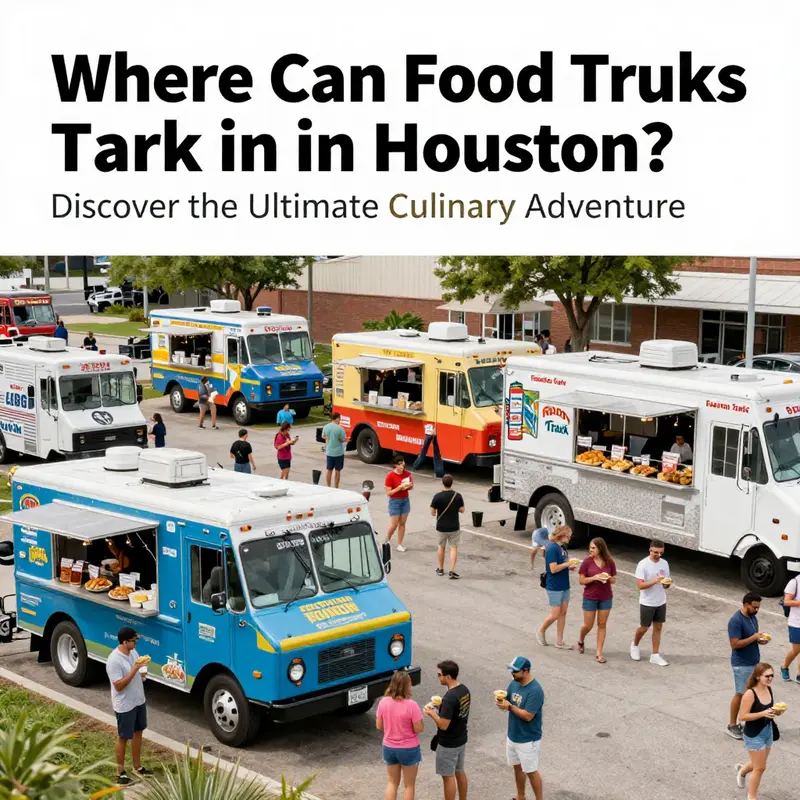
In the evolving tapestry of Houston’s street food scene, the Galleria Food Truck Park stands out as a premier hub where mobility, flavor, and urban charm converge. It isn’t just a place to grab a quick bite; it’s a social destination that reflects how Houston embraces culinary diversity and community gathering in a fast-paced city. Nestled in the Galleria area, the park occupies a spot that feels both strategic and welcoming, a crossroads where shoppers, residents, and visitors intersect with a rotating cast of mobile kitchens. The address, 2829 Chimney Rock in Houston, TX 77056, is more than a pin on a map. It signals easy access to one of the city’s most vibrant retail and cultural corridors, a stretch where the energy of a major shopping district blends with the easygoing warmth of outdoor dining. The location is a reminder that great food is often most satisfying when paired with convenience and atmosphere, and here the park delivers both in spades.
Operating hours reinforce the park’s role as a social anchor that suits varied appetites and schedules. Open daily from noon to midnight, the park accommodates lunch crowds, post-work cravings, and late-night wanderers. This generous window makes it a natural stop for a quick afternoon pick-me-up, a leisurely dinner, or an after-hours indulgence that complements a museum visit or an evening stroll through the Galleria area. The rhythm of the day—the bustle of shoppers, the hum of conversations, the clink of cups and plates—creates a lively, outdoor dining environment that feels distinctly Houston: casual, unpretentious, and optimistic. The open-air setting invites lingering, conversation, and a sense of place that indoor venues often struggle to replicate. In this sense, the park functions not merely as a parking lot turned foodie stop, but as a curated social stage where strangers become neighbors over shared plates and shared moments.
The culinary lineup is intentionally varied, designed to satisfy the city’s appetite for both comfort and novelty. Visitors can expect a diverse range of cuisines, from gourmet burgers and tacos to Asian-fusion creations and indulgent desserts. The trucks rotate, bringing in new flavors and ideas while preserving beloved favorites that regulars return for. That rotation matters in a city as diverse as Houston; it ensures there’s always something new to try without sacrificing the reliability of a trusted favorite. The park’s emphasis on variety also supports the entrepreneurial spirit that defines Houston’s mobile culinary scene. Each truck brings its own story—tracks of family tradition, regional influences, and chef-driven experimentation—colliding in a shared space that celebrates both heritage and innovation. The resulting mash-up of aromas and textures turns a simple meal into a sensory excursion, a small adventure that unfolds in a matter of minutes but lingers in memory long after the last bite.
Many visitors prize the park for its central location and its proximity to other city landmarks. Being near the Galleria Mall and the Houston Museum District means that a food truck stop can become part of a broader day—from shopping to art to culture, all within easy reach. For tourists, the park offers a convenient way to experience Houston’s food culture in a single afternoon or evening, pairing a stroll through premier retail spaces with a taste of local ingenuity. For locals, it provides a recurring destination where weekday errands can culminate in a flavorful break, or where weekend freedom is celebrated with a feast that reflects the city’s multicultural imagination. In this sense, the park is not an isolated spot but a node in a network of activities that define Houston’s urban character. The atmosphere contributes to this sense of connectedness. Outdoor seating, communal tables, and a layout that invites conversation create a welcoming, low-pressure vibe. It’s the kind of place where strangers become familiar faces as the night unfolds, and where the act of eating becomes a social ritual rather than a solitary task.
Menu innovation sits at the heart of the park’s ethos. Vendors are encouraged to push boundaries and present new takes on familiar comfort foods. While staples endure—those dishes that reliably hit the target and deliver that sense of home—the platform supports experimentation. A chef-driven curiosity animates the trucks, prompting visitors to sample unusual combinations, seasonal twists, and chef-inspired signatures. The result is a menu that feels dynamic rather than static, offering repeat visits with the hope of discovering a new favorite each time. The park’s approach mirrors a broader trend in Houston’s food scene: the interplay between tradition and invention, the balancing of mass appeal with culinary curiosity, and the celebration of local talent. That blend is especially potent in a city where cultural influences converge and are celebrated in public spaces as much as in dining rooms.
From a practical perspective, the park’s management emphasizes a coordinated experience for vendors and patrons alike. The turnover and flow of trucks are designed to minimize friction, ensuring that the area remains accessible and enjoyable even during peak hours. This is essential in a district that attracts a steady stream of foot traffic, especially on weekends and during events that draw crowds from across the metropolitan area. Vendors find value not only in the immediate exposure but in the way the park fosters a sense of community. Regular attendees recognize familiar faces among the trucks, while newcomers are welcomed into a rotating cast of culinary voices. The social dynamic is reinforced by the surrounding environment—the chance encounters, the shared tables, the casual exchanges about flavors and techniques—which elevates the experience beyond a simple transaction.
Accessibility is a recurring theme in how the park positions itself within Houston’s transportation fabric. The location’s proximity to major arterials and its integration into a busy commercial zone makes it relatively straightforward to reach by car, ride-share, or public transit. The bustling setting around the park, while lively, also invites careful navigation. Patrons who drive should plan for parking dynamics in the area, particularly during peak shopping hours when curbside and garage spaces elsewhere in the district fill quickly. For truck operators, the logistical side—parking efficiency, load-in and load-out times, and adherence to local regulations—is a critical facet of the park’s success. The park’s leadership recognizes this and works to create a harmonized system where trucks can arrive, set up, serve, and depart with minimal disruption to surrounding traffic. In an urban context, where space is at a premium and street life is constantly in motion, such careful orchestration is as valuable as the food on offer.
The park also serves as a community stage for events and seasonal promotions. Special evenings with live music, themed nights, and collaborative showcases between different trucks help sustain interest and draw in visitors who might not otherwise plan a food truck stop. These events broaden the park’s appeal beyond a single meal, turning a visit into a short cultural excursion. The ongoing emphasis on community events reflects a broader philosophy: food should be experienced in the context of place and people. The park’s setting—outdoors, in proximity to museums and shops, under the city’s evening sky—creates a sensory narrative that invites linger and social connection. This is not merely a dining option but a small, recurring festival that Houston residents and visitors can anticipate and savor.
From the customer’s perspective, the park’s value lies in its combination of accessibility, variety, and atmosphere. The hours align with the city’s tempo, the food offers concrete choices across cuisines, and the space itself invites a comfortable, low-stakes dining experience. There’s something distinctly urban about picking a dish from a truck, finding a seat at a communal table, and watching the city move around you as you share a moment of appetite and conversation. For some, this is a form of culinary exploration—an invitation to broaden tastes, to try something unfamiliar, to discover a personal favorite among unfamiliar offerings. For others, it’s a reliable option to fulfill a craving without committing to a longer restaurant experience. Either way, the park’s design supports repetition and discovery in equal measure, which is precisely what keeps Houston’s food truck scene vibrant and resilient over time.
In terms of practical details that matter to both vendors and guests, the park’s communication channels—its official channels and reputable listings—offer up-to-date information about hours, featured vendors, and any special notices. The dynamic nature of a rotating lineup means that the most satisfying way to plan a visit is to check the latest postings before heading out. The park’s proximity to nearby attractions also invites a broader planning approach: visitors may combine a museum visit, a shopping trip, and a meal all within a single outing. This integrated experience reflects a thoughtful urban planning philosophy, where culinary offerings reinforce the area’s identity as a lively, walkable district that supports both commerce and culture.
From a culinary development standpoint, the park can also be viewed as a microcosm of Houston’s broader food ecosystem. It showcases how mobile kitchens adapt to seasonal produce, supply chain realities, and evolving consumer preferences. The trucks’ capacity to improvise dishes in response to fresh ingredients or crowd feedback demonstrates a flexible culinary craft that is often more responsive than fixed-location restaurants. The park’s environment allows chefs to test ideas, solicit reactions, and iterate quickly. This kind of feedback loop is invaluable in a city that prizes innovation and entrepreneurial energy. The resulting dishes often emerge as hybrids of regional traditions and contemporary techniques, creating flavors that feel both intimate and cosmopolitan at once.
Operationally, the park’s coordination with the surrounding area is a key success factor. Management collaborates with vendors to maintain a clean, orderly space that remains inviting for guests weathering Houston’s climate—from sun to occasional rain. A priority is maintaining safety and comfort without compromising the spontaneity that makes food trucks appealing. Efficient waste management, clear queue flow, and prompt cleanup routines contribute to a positive experience for everyone who passes through. It’s a careful balance between commercial vitality and respect for shared public space. The result is a venue that can host a high volume of visitors while preserving the relaxed, outdoor charm that encourages people to linger and engage with the food and the setting.
For those who may need extra guidance, the park’s official communications and popular review platforms offer practical updates on current vendors and hours. While the specifics can shift with each season or week, the core appeal remains consistent: a central, accessible, and welcoming stage for Houston’s diverse food trucks. The park’s ability to maintain high standards while welcoming a rotating cast of culinary talent speaks to its sustainability as a long-term destination rather than a temporary trend. As Houston’s cityscape continues to evolve, this food truck park embodies the adaptability, hospitality, and culinary curiosity that define the region’s urban life.
To further explore best practices for navigating the realities of mobile dining and curbside logistics in a dense metropolitan context, readers can consult resources that focus on parking challenges and vehicle management in the food truck sector. For example, a detailed guide on mastering food truck parking challenges offers practical insights into arrival windows, setup rituals, and efficient departure protocols that help keep the flow smooth on busy evenings. This kind of guidance complements the on-site experience, helping drivers and organizers maintain an orderly, enjoyable environment for guests and staff alike. Mastering Food Truck Parking Challenges
Internal linking to practical guidance can be especially helpful for operators who plan visits to Houston’s premier hubs. The Galleria Food Truck Park serves as a real-world case study in balancing variety, accessibility, and atmosphere within a high-traffic urban district. Vendors arriving here learn to sequence their schedules, coordinate with neighboring trucks, and read the crowd to time their peak service windows. Guests, meanwhile, gain a clear sense of what to expect when they step into this open-air dining space: a rotating selection of flavors, a lively ambiance, and a sense that great food can be part of a broader outing rather than a standalone meal. The shared sense of community and the continuous evolution of the trucks’ offerings make each visit a fresh, memorable experience, reinforcing the park’s status as a premier location for food trucks in Houston.
For those who want to see the park through a consumer lens, accessing the latest listings and updates on reputable review platforms remains essential. The Yelp page for Galleria Food Truck Park, updated as recently as February 2026, provides current details on hours, featured vendors, and visitor feedback. Such resources help visitors calibrate expectations, plan meals around peak times, and discover new trucks that rotate through the park. They also offer insight into the atmosphere and the quality of the dining experience, which can be especially valuable for first-time visitors who are navigating Houston’s diverse food truck landscape. External resource: Yelp listing for Galleria Food Truck Park.
In sum, the Galleria Food Truck Park embodies the spirit of Houston’s mobile dining scene—a dynamic, accessible, and social space where flavor, design, and urban life come together. Its location in the Galleria area, its open hours that welcome day-to-night traffic, and its diverse, chef-driven offerings make it a standout destination for anyone exploring where food trucks can park in Houston. The park’s willingness to foster innovation while preserving a welcoming, communal vibe ensures that it will remain a focal point for both vendors seeking a premier spot and patrons seeking a memorable, city-driven eating experience. As Houston continues to grow and diversify, venues like this park illuminate how mobility can enhance culture, commerce, and community—one dish, one conversation, and one evening at a time.
External resource: https://www.yelp.com/biz/galleria-food-truck-park-houston
Truck Yard: A Vibrant Hub for Parking, Play, and Plates in Houston
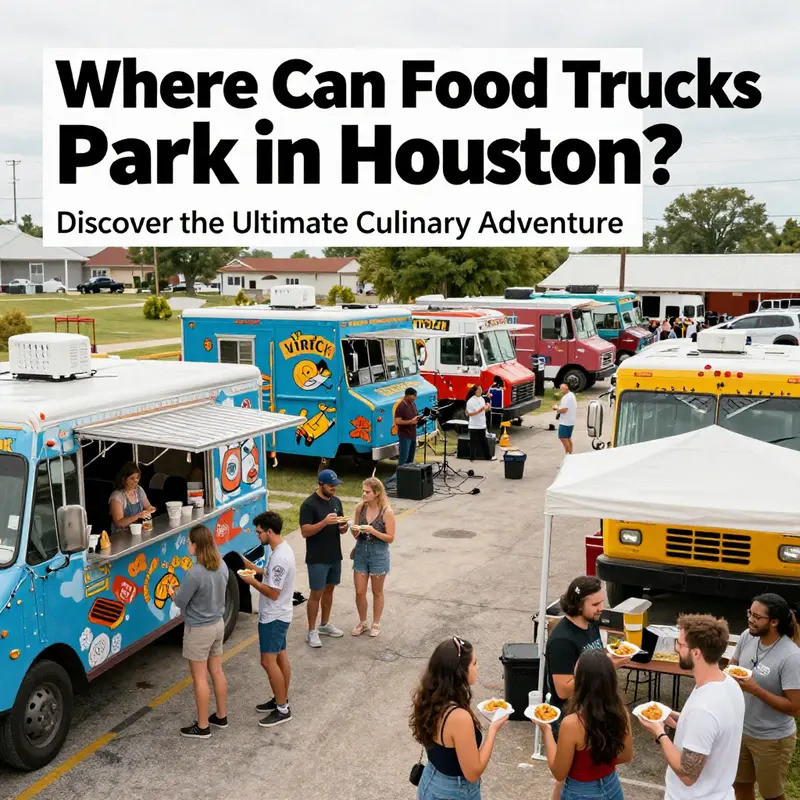
The Texas sun sinks over Houston and the air fills with a mix of smoke, citrus, and the sizzle of open flames. In this city, the scene of food trucks isn’t a single street corner but a living crossroads where parking spaces double as stages and days turn into evenings of discovery.
At the heart of this dynamic is a place that has become a magnet for locals and visitors alike, a venue that blends practical needs with the social pull of a festival. It is more than a place to park a truck; it is a gathering space where food trucks, guests, street musicians, and families converge to share an experience that feels distinctly Houston: bold, outdoorsy, and communal.
The daily life of Truck Yard is anchored by a rotating lineup of mobile kitchens that keeps the menu fresh and the atmosphere electric. Each day brings a new constellation of trucks, pushing culinary boundaries while maintaining a shared thread—the sense that you are part of a larger, seasonal story. Guests respond in kind: families with strollers, friends trading bites and banter, and couples lingering as the evening light softens and the first chorus of laughter rises.
Live music weaves through the space with a consistency that feels intimate. Performers span a range of styles, but the effect is the same: the music provides a soundtrack to the evening, weaving through conversations and group meals. It isn’t background noise; it is part of the event, rising and falling with the pace of the crowd and punctuating moments when a bold flavor lands on the palate.
The bar anchors the scene, offering drinks that complement the diverse offerings without overpowering them. The drinks invite guests to linger, share recommendations, and watch the world go by under string lights and a city sky that keeps evolving. A signature cocktail or a well-made classic becomes part of the memory of the night, a reward for the patience of navigating a handful of trucks.
The yard also includes playful touches like a Ferris wheel and carousel, symbols of the city’s willingness to blend tradition with whimsy. These elements add a sense of occasion that makes a meal feel like a celebration, whether you arrive for a quick bite or a longer, conversation-filled evening.
In practical terms, parking is designed to maximize accessibility while preserving sightlines to stages, bars, and seating clusters. The layout supports efficient queues and easy exploration, allowing guests to wander from truck to truck without feeling penned in. Operators benefit from a rhythm that balances speed and quality, while guests enjoy the flexibility to sample a variety of flavors and experiences.
Truck Yard is more than a venue; it is a microeconomy that rewards curiosity, consistency, and hospitality. For operators, it offers a platform to test concepts against a large audience, and for guests, it offers a living room of Houston’s street-food culture where food, music, and community come together under the open sky.
Foodie Trucks Park: A Dynamic Hub for Houston’s Mobile Kitchens and Parking
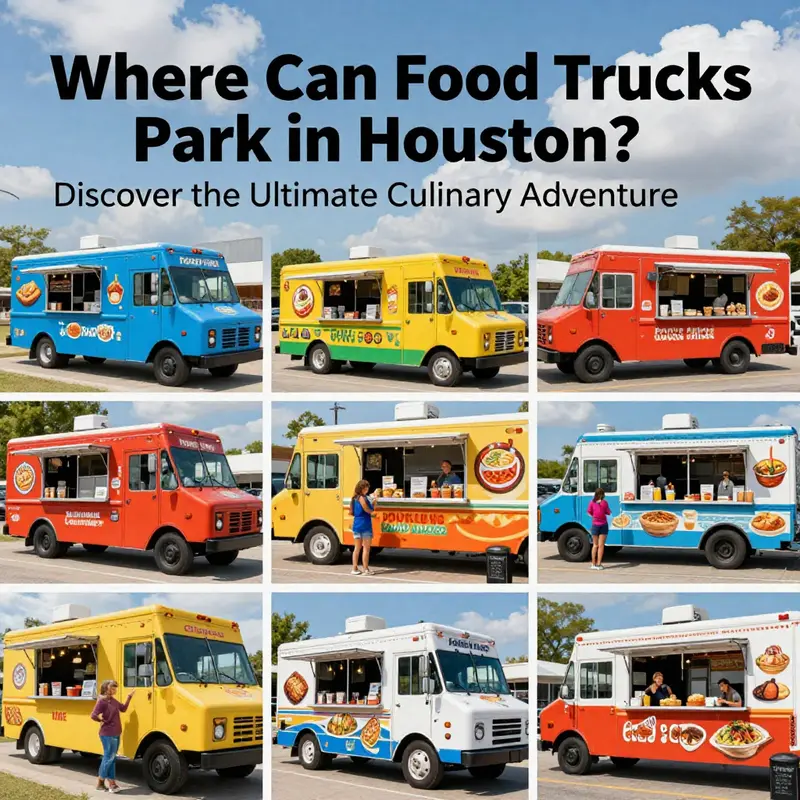
In Houston, the scene of the curb and the lot has evolved into something more deliberate and social than a mere stop on a city map. Food trucks, once a seasonal novelty, have become a steady thread in the urban fabric, weaving together neighborhoods, food cultures, and the practical realities of licensing, parking, and customer flow. At the center of this narrative stands Foodie Trucks Park, a pulsating node in the city’s gastronomic map that demonstrates how a well-designed truck park can be both a landing pad for vendors and a gathering place for people. The park is not just a place to grab a quick bite; it is a curated experience that acknowledges how people eat, celebrate, and relax in a metropolitan climate where time is finite and choices are abundant. It is a living example of what happens when parking logistics and culinary ambition align, turning what could be a fragmentation of mobile kitchens into a cohesive, community-centered culinary corridor.
Located in the heart of Houston, Foodie Trucks Park is more than a single row of kitchen trailers. It is a dynamic ecosystem whose heartbeat is the rotating lineup of local vendors who bring everything from classic Tex-Mex favorites to innovative international street foods. On any given afternoon or evening, the park may feature a lineup that speaks to the city’s deep dish of cultural influences: grilled meats that recall the long tradition of Southern barbecues, tangy salsas and slow-cooked stews that mirror Mexican street fare, fragrant bowls from Korean or Vietnamese street kitchens, and crisp Mediterranean bites that offer a refreshing contrast to heavier flavors. The scheduling of these vendors is a choreography in itself. Spots are parceled out to ensure each operator has space to set up, a reliable source of power and water, and a dignified way to manage waste and line flow, while customers move through the park with ease, sampling across stalls without feeling rushed. The atmosphere mirrors a vibrant urban plaza: outdoor seating under string lights, the soft hum of conversation, and the occasional live performance that nudges the space from a simple dining halt to a memorable evening out. In this sense, Foodie Trucks Park is less about the speed of service and more about the rhythm of a city that thrives on diversity and shared tables.
The culinary diversity at Foodie Trucks Park is a reflection of Houston’s broader food culture, which has long embraced cross-cultural exchange as a daily practice. You can find a spectrum of flavors that honors regional traditions while inviting experimentation. A typical rotation might begin with something deeply familiar—savory Tex-Mex staples and American barbecue staples that evoke the region’s heartland heritage—before pivoting to bolder statements from overseas kitchens: a Korean barbecue taco that hits with the heat of Gochujang, a Vietnamese pho bowl that offers a comforting warmth on cooler evenings, or a Mediterranean falafel wrap that adds a bright herbal note to the lineup. This is not about a fixed menu but about a platform that can adapt to shifting tastes and seasonal ingredients. The park’s organizers recognize that patrons value both quality and variety, and they respond by evolving the vendor roster in ways that maintain freshness and anticipation. The result is a landscape where visitors are drawn not to a single dish but to a destination where choices are abundant, yet the experience remains cohesive and accessible.
To walk through the park is to feel the sense of community that underpins Houston’s food truck culture. Beyond the culinary offerings, Foodie Trucks Park cultivates social ties through events, performances, and seasonal festivals that invite families, workers, students, and visitors to linger. The outdoor seating area becomes a convergence point where a dozen conversations can unfold at once: a group planning its next stop, a family debating which dessert bites to share, a solo diner enjoying a moment of rest after a long day. The live music that sometimes accompanies the evenings adds a soundtrack to the sensory experience, subtly guiding pace and mood while allowing conversations to blend with the music rather than compete with it. Seasonal festivals accentuate this sense of gathering, with themes that celebrate local growers, regional artistry, and neighborhood pride. In such moments, the food truck park transcends its function as a parking space and becomes an occasion — a small but meaningful representation of how urban living can feel both intimate and expansive at once.
From a practical perspective, the park embodies the logistical intelligence required to sustain a thriving mobile food economy. Parking and setup are not afterthoughts but integral components of vendor success. The site is designed to maximize accessibility for patrons and operability for cooks. There are defined parking lanes that guide the trucks into orderly positions, protective measures to shield the equipment from weather, and a reliable electricity and water supply that keeps operations steady without overtaxing the infrastructure. Waste management is visibly prioritized, with clearly marked receptacles and a plan for rapid turnover when crowds peak. The flow of foot traffic is curated to minimize bottlenecks, allowing hungry guests to weave from stall to stall with minimal friction. This level of planning matters because the experience is judged not only by flavor but by how smoothly the encounter unfolds—from parking the truck to clearing a plate to finding a seat in a sunlit or shaded corner. When a park manages these details well, it reinforces the trust that vendors need to invest in a space and the patrons need to keep returning.
Another dimension of Foodie Trucks Park that deserves attention is its commitment to supporting local entrepreneurs. In Houston, starting and sustaining a food truck business demands access to affordable parking, regulatory clarity, and a supportive ecosystem that can help a fledgling kitchen reach a stable customer base. The park’s rotating vendor lineup creates a platform for new voices to test concepts and gauge reception with a relatively low overhead. This not only diversifies the street-food scene but also lowers the barrier to entry for aspiring cooks who want to translate a family recipe or a bright culinary idea into a real-world product. The park becomes a launching pad where perseverance meets opportunity, and where the community, in turn, grows a more varied and resilient food culture. In such a space, the value of a good parking strategy extends beyond the metal and canopy; it becomes a crucial component of a broader mission to empower neighborhoods through food, representation, and shared experience.
For those who seek guidance on the practicalities of participating in such a environment, the pathway runs through a blend of formal channels and informal networks. Vendors typically rely on official channels for space allocation, safety compliance, and operating permits, while the daily rhythm of the park relies on the knowledge and goodwill of fellow cooks and park staff. The advice that resonates most is rarely about the perfect recipe alone; it is about the discipline of logistics that sustains a kitchen on wheels. Time schedules, permit renewals, and insurance considerations are part of the daily conversation that keeps a truck in business, yet these prerequisites are not burdensome barriers when the goal is to serve a reliable experience to a growing circle of hungry Houstonians. A curious observer can learn a great deal by watching the lines—how they emerge, how they weave around the park, how vendors use signage to guide new customers, and how the busiest windows become focal points of social exchange. In this sense, the park is a study in urban choreography, where craft, commerce, and community synchronize to create not merely a meal but a shared memory of a city in motion.
In thinking about the broader Houston landscape, Foodie Trucks Park sits alongside several other notable spots that shape how the city negotiates space for mobile dining. While each park has its own character and clientele, together they illustrate a varied ecosystem where parking, open-air dining, and live culture converge. Some parks emphasize a festival-like energy with rotating themes and a high tempo of events, while others lean into a more casual, backyard ethos that feels welcoming to families and neighbors who may stop by weekly. The variety matters because it supports different vendors with distinct styles and allows patrons to navigate a spectrum of experiences within a shared urban framework. For guests who want a sense of the broader scene before they visit, consulting a trusted local guide or an updated listing can be helpful, since the vendor lineup shifts with the seasons and the city’s ever-changing energy. It is in this dynamic environment that Foodie Trucks Park anchors a sense of continuity for Houston’s street-food culture, while still inviting experimentation and growth.
Understanding the precise hours, availability, and current lineup requires staying connected to trusted sources. In practice, this often means checking official park communications or reliable review platforms, which regularly refresh their listings to reflect new vendors, special events, or temporary closures. The habit of consulting these channels helps visitors plan their meals with confidence and ensures that each visit feels fresh rather than repetitive. For readers who want a deeper sense of the park’s current roster, it is worthwhile to explore a highlighted source that captures the park’s vitality and the density of offerings. A recent online guide summarizes the experience with an emphasis on the diversity of cuisines and the sense of community that the park nurtures. If you want to glimpse a snapshot of the city’s mobile dining landscape through an independent lens, this external reference can offer helpful context and a point of comparison as you explore Houston’s streets on your next culinary excursion.
Those who study food truck parking arenas know that the best sites combine sensory appeal with practical resilience. Foodie Trucks Park embodies this blend by balancing the comfort of outdoor seating with the energy of a constantly evolving vendor lineup. The result is a place where a family can savor a couple of bites after work, where a student can grab a quick dinner between classes, and where a group of friends can linger over a shared platter while listening to live tunes. The park’s success is not simply about listing a menu; it is about curating an overall experience that makes food, music, and conversation feel accessible to a broad public. That is the essence of what good food truck parking contributes to a city like Houston: it creates a flexible, resilient public space that sustains and amplifies local flavors while inviting new voices to join the chorus. And because the park is embedded within a city that already prizes culinary experimentation and hospitality, its model offers a template for how mobile dining can expand without sacrificing quality, safety, or community spirit.
For readers who want to explore further and compare options beyond Foodie Trucks Park, the broader ecosystem of Houston’s food truck parks features several established venues that are highly regarded for their ambiance and their operational approach. These spaces demonstrate how different design choices—ranging from open lawns to more compact, courtyard-style arrangements—can shape the dining experience and the way trucks park. In each case, the underlying principle remains the same: a successful park supports the vendors with reliable infrastructure, while inviting guests to participate in a shared culinary moment that is sociable, inclusive, and tasty. The city’s appetite for variety and quality continues to push operators to refine their offerings, adjust to seasonal appetite, and embrace the value of a well-planned physical space where food on wheels can thrive. The result is a Houston that treats street food not as a temporary fix but as a durable, cherished component of urban life.
For readers who want practical guidance on participating in or visiting such a park, it is worth noting the importance of staying current with hours and vendor rosters. While the core concept remains constant—parking space, power, water, and waste management harmonized with a rotating lineup—the specifics can change with weather, city permits, and community events. In this context, a quick check of the park’s official communications or a trusted review site can be the difference between a memorable evening and a missed opportunity. The park’s ability to adapt—to welcome new vendors while maintaining a sense of continuity for regular guests—speaks to a broader truth about Houston’s food truck culture: it is a living system, one that grows by listening to its cooks and its customers and by building spaces that honor both the craft of street food and the needs of a bustling metropolis. As readers navigate this landscape, the message is clear: the right parking approach, combined with a welcoming atmosphere and a thoughtful roster of flavors, can transform a simple curb into a locale where memory and appetite meet.
If you are considering visiting or participating in Foodie Trucks Park, remember that the city’s accessibility and connected infrastructure support a broad audience. The park’s central location and ease of access make it a practical choice for people who want to explore multiple flavors in one outing, simplifying the logistics of parking, queuing, and seating in a space that is both lively and organized. Moreover, the emphasis on community and local flavor ensures that each visit contributes to a broader story about Houston’s evolving food scene. In a city that already celebrates diversity in many forms, this park helps translate cultural variety into tangible experience, inviting people from different backgrounds to share a meal, a conversation, and a moment of pause in a busy day. For those who want to deepen their knowledge or prepare for future ventures in the mobile dining economy, the guiding principle remains the same: prioritize reliable infrastructure, nurture a welcoming environment for vendors and guests alike, and stay adaptable so that the park continues to reflect the city it serves.
To close this reflection, consider the practical takeaway: Foodie Trucks Park is a testament to how a carefully designed parking and dining space can support a thriving micro-economy of food on wheels while enriching the city’s public realm. It demonstrates that with thoughtful planning, robust logistics, and a commitment to community, a single site can become a model for urban dining that other cities might observe and adapt. The park’s rotating lineup keeps Houston’s palate curious, while its structured yet flexible approach to parking ensures that cooks can bring their best to the street with confidence. In short, Foodie Trucks Park offers more than meals on the move; it offers a template for how to make a city feel smaller and more connected by turning parking lots into places where life happens around the shared joy of food.
Internal reference and external context can help readers connect what they see on the ground with broader ideas about how to engage with and participate in Houston’s mobile dining landscape. For a practical, deeper dive into the mechanics and strategies that underlie successful parked kitchens, a resource focused on navigating the intricacies of food truck parking challenges can be a valuable companion. This guide, linked here, provides insights into the practicalities of parking placement, permits, and operations that can help vendors optimize their setups, maintain compliance, and deliver consistent quality. It serves as a bridge between the experiential richness of a park like Foodie Trucks Park and the technical know-how required to sustain a thriving mobile kitchen in a busy urban environment. Mastering Food Truck Parking Challenges.
For readers who want a broader external reference that captures the pulse of Houston’s park scene and the way it is perceived by the community, a prominent review resource offers a synthesis of experiences, ratings, and buyer anecdotes. While no single listing can capture every nuance, it provides a helpful barometer of how visitors evaluate the accessibility, flavor variety, and overall vibe of Houston’s food truck parks. You can consult a recent compilation that highlights several Houston locations, including the Foodie Trucks Park and its peers, to gain a sense of how this form of urban dining is evolving across the city. External resources like this balance the firsthand impression of a park with a community-wide perspective, helping readers form a more rounded view of what to expect when they plan a visit or consider investment in a mobile kitchen venture. External reference: Yelp’s curated snapshot of the top food truck parks in Houston can offer a practical frame of reference for hours, hours, and peak times as well as user feedback that speaks to the human elements of the dining experience. https://www.yelp.com/biz/top-10-best-food-truck-park-in-houston-tx
Final thoughts
Exploring Houston’s food truck scene opens up a world of delicious possibilities for event planners, corporate teams, community groups, and food lovers. Each location, from the upscale vibes of the Galleria Food Truck Park to the energetic atmosphere of Truck Yard and the eclectic offerings at Foodie Trucks Park, provides unique dining experiences that can enhance any gathering. By knowing where food trucks can park in the city, you can elevate your events or simply enjoy a casual meal with friends. Take the plunge into Houston’s food truck culture and create memorable culinary adventures today!