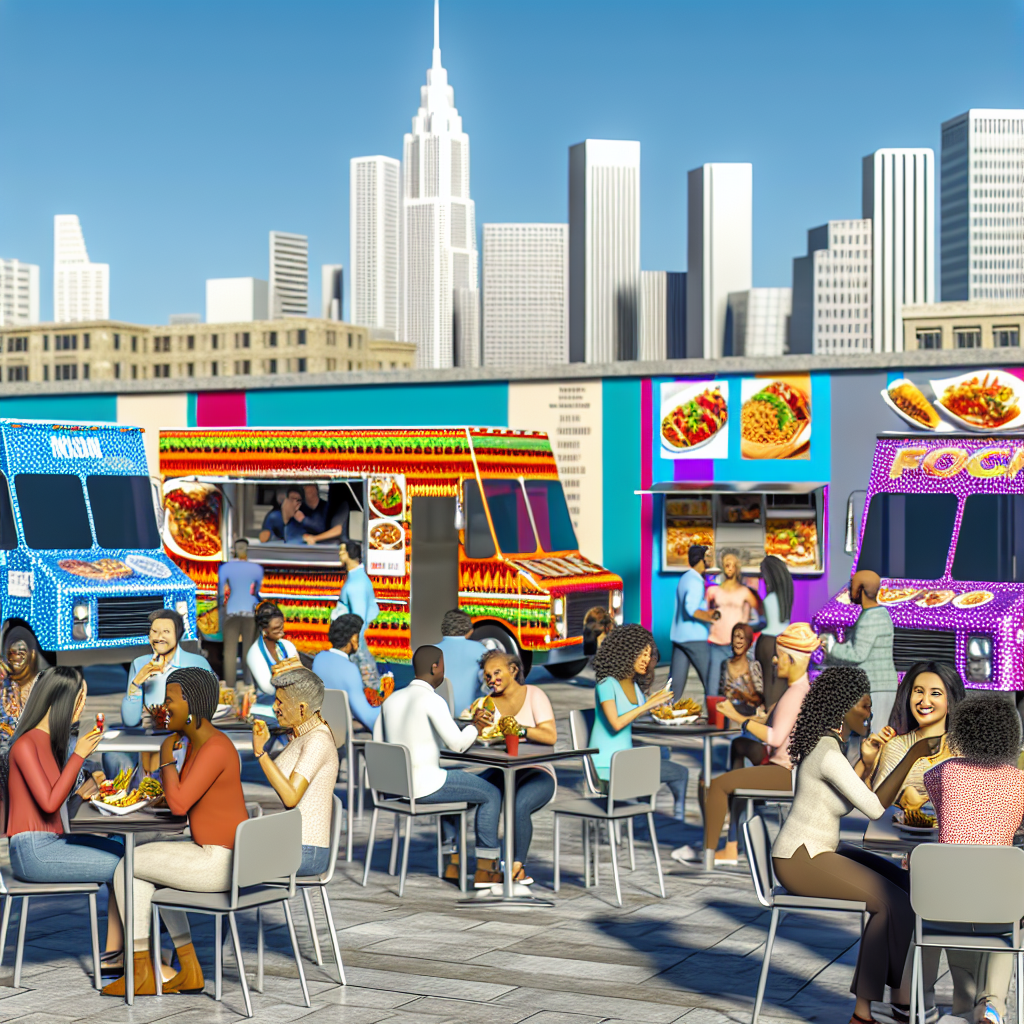
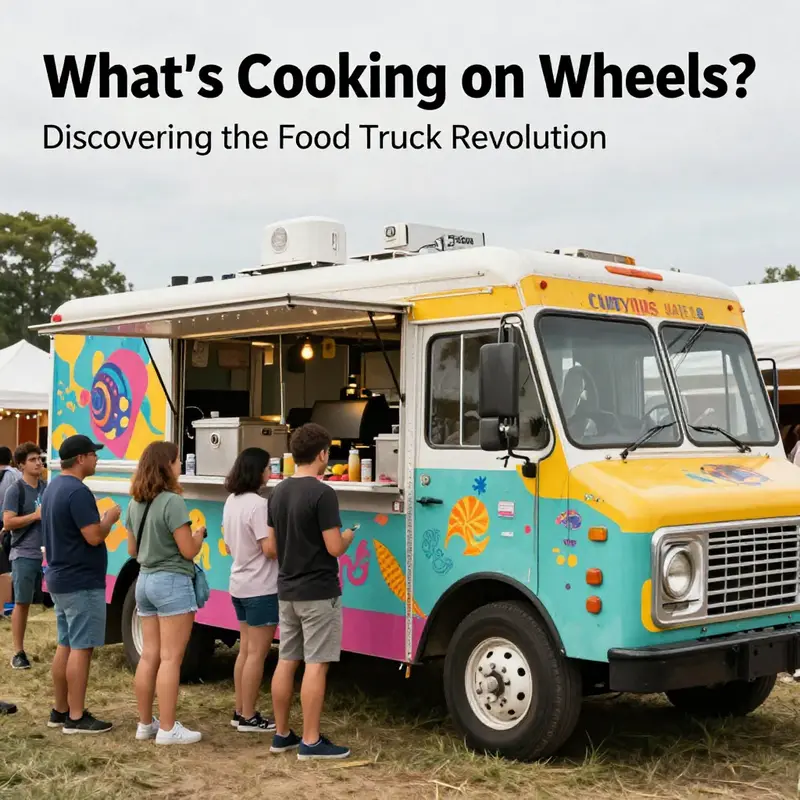
Food trucks have taken the culinary world by storm, serving vibrant flavors and cultural delicacies with the convenience of mobility. Imagine the aroma of grilled goodness wafting through the air, drawing in crowds at events, parks, and street corners. But what exactly defines a food truck? It’s not just about the delicious offerings; it’s about the kind of trucks that bring these tasty meals to life. Throughout this article, we will navigate various models of food trucks, highlight key features that make them operational, and explore their significance in the food market. We’ll delve into the hustle of food truck operations, analyze their economic impact, and peek into future trends that shape this thriving industry. Let’s untangle the mechanics behind these mobile kitchens, ensuring you gain a holistic understanding of what makes a food truck more than just a vehicle.
Wheels of Flavor: How Different Truck Models Shape a Food Truck Business
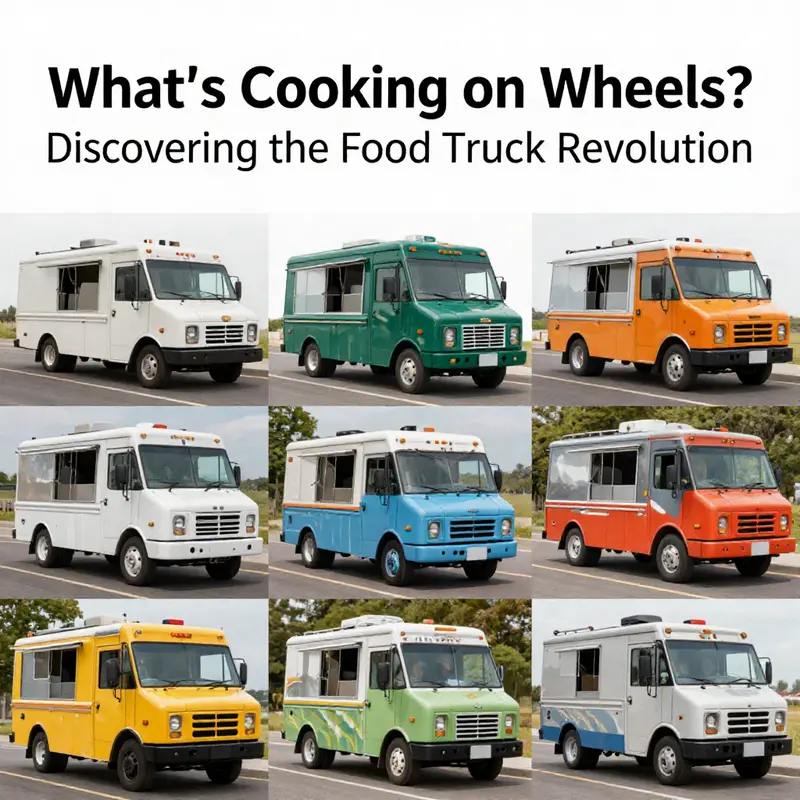
A food truck is more than a moving kitchen; it is a compact, self-contained business platform that travels through space and time, turning street corners, event venues, and nightlife hubs into serving windows where appetite meets craft. The choice of truck model sets the tempo for every other decision a vendor makes: the menu, the service style, the hours, the locations, and even the way the brand is perceived. In practice, the skeleton of a food business on wheels is the chassis and the interior layout. The chassis determines what powertrain options are viable, what payload you can carry, and how easy it is to navigate tight urban streets or sweeping rural routes. The interior layout, on the other hand, defines the flow of work—from ingredient storage to cooking, from sanitation to payment—so the crew can work efficiently without stepping on top of one another. When operators discuss “what kind of truck is a food truck,” they are really talking about a balance between space, capability, and cost, and how that balance aligns with the intended cuisine, event profile, and customer experience.
Among the canvas of options, a few models recur because they embody a unique intersection of character, utility, and scalability. The Citroën Type H, for instance, has earned a distinctive place in food-truck lore not for its speed but for its personality. First introduced in 1947, this van carries a vibe that many operators value as a magnet for attention. Its boxy, surprisingly generous interior provides a surprisingly practical space for a compact kitchen, and the iconic serving window is designed to be inherently customer-facing. In markets where nostalgia adds value to the brand, the Type H doubles as both stage and prop—inviting passersby to pause, snap photos, and order. High resale value becomes not an afterthought but a strategic lever; the more the vehicle communicates a story, the mores its lifetime value can endure even as the business pivots toward new menus or different markets. Yet the Type H is not without caveats. Maintenance can be more demanding on older vehicles, fuel efficiency trails newer designs, and sourcing specific parts may require a bit more diligence or specialty shops. In a business where uptime matters, those trade-offs must be weighed against the draw of retro charisma and the ease of turning a kitchen window into a memory.
For operators seeking maximal interior space and heavy-duty capability, the Citroën Jumper—marketed as the Relay in some regions—presents a different calculus. This full-size van is built to swallow a substantial commercial kitchen, with an abundance of room for equipment, prep surfaces, refrigeration, and even a dedicated prep area. The ample interior footprint translates into the ability to run more complex menus, support longer prep times, and accommodate a larger crew on certain shifts. Its payload capacity helps ensure that the freshest ingredients can be kept on hand for longer service windows, and its diesel engines tend to offer strong torque for longer travel legs, which is crucial when vendors move between suburban neighborhoods and outlying event sites. Modern safety systems and driver-assistance features reduce fatigue on long hauls, a practical benefit for operators who routinely navigate rural roads or multi-site days. However, the Jumper’s size comes with its own set of challenges. Parking in dense city cores can be a daily puzzle, and fuel consumption rises with vehicle scale, affecting operating margins. The initial investment for such a configuration is often higher, so operators must project throughput and revenue over time to justify the upfront cost.
Beyond van-based platforms, a growing segment of the market embraces specialized catering trucks designed for events that demand volume, speed, and consistency. These trucks emphasize efficiency in both space and workflow. They strategically deploy warming ovens, chafing dishes, and extensive storage to support high-traffic service at weddings, corporate gatherings, and large festivals. In many cases, these vehicles transport pre-prepared meals, which reduces on-site cooking requirements and accelerates service for guests who expect rapid, predictable throughput. The revenue potential per event with a well-calibrated catering truck can be substantial, especially when menus are aligned with client demands, seasonal themes, or venue constraints. The Snowball Truck, cited in industry discussions as a summer favorite for family-oriented events, exemplifies a model that thrives on themed offerings and high-volume, family-friendly experiences. The appeal lies in the ability to choreograph a visually engaging setup with a trend-friendly menu while maintaining rigorous food-safety standards and reliable on-site logistics.
Making sense of these options requires looking beyond the aesthetics to the operational realities they enable. A small, nimble van can be ideal for a focused menu, a daily lunch operation, or a side business with predictable routes. It tends to be easier to park, cheaper to insure, and quicker to turn at a handful of curated locations. In contrast, a larger van or a fully equipped catering truck expands capability at the cost of flexibility. The extra space supports more elaborate kitchens, greater cold storage, and more flexible staffing, which can translate into higher ticket values and more consistent service across a busy weekend. But it also constrains the vendor to more substantial site requirements, longer setup times, and a higher price point for customers. In short, the truck model acts as a mirror of the business model: the size and sophistication of the vehicle reflect the scale of the operation and, critically, the expectations of the target market.
This alignment between vehicle and business becomes even more important when considering the broader ecosystem of the food-truck world. Regulations, permits, and standards for sanitation create a backbone that every operator must navigate. Water and waste systems, electrical supply, and safe gas installations are not afterthoughts; they are integral to the vehicle’s design. A kitchen that depends on free-standing generators or external water fill points introduces logistical layers that can complicate daily operations and scheduling. The more integrated the truck’s systems—water tanks, wastewater management, electrical substations—the smoother the day-to-day experience for the crew and the better the service quality for customers. The degree of integration, in turn, is influenced by the truck model. A purpose-built catering truck often arrives with more built-in resilience for high-volume events, including robust power management and streamlined sanitation, while a smaller van may require external solutions and careful scheduling to maintain consistent service.
As operators grow, the decision to evolve from one model to another often hinges on menu complexity, event tempo, and cash flow confidence. The shift from a compact van to a larger, more modular platform is not purely about space; it is a strategic reallocation of risk and reward. A larger platform can absorb peak demand during festival seasons, support more specialized equipment, and expand the geographic footprint by enabling longer trips between markets. But growth comes with higher fixed costs—depreciation, insurance, maintenance—and it tests the operator’s operational discipline. The narrative of a food truck, then, is not a single vehicle story but a decision tree: what menu are you offering, where and when do you plan to serve, what are the peak loads, and how quickly can you translate a high-traffic event into repeat business? The model you choose should enable reliable execution of your core promise—delicious food, served with speed and personality—while preserving the flexibility to adapt as tastes and demand shift.
Readers exploring this terrain often find value in a structured thinking process that still leaves room for intuition. The interior layout is the most intimate form of planning, because it dictates workflow. A clean, logical layout minimizes cross-traffic, reduces the chance of cross-contamination, and makes room for the essential work of cooking, plating, and serving. The placement of the serving window is not merely about aesthetics; it governs line speed and the customer experience. A well-positioned window can turn a bottleneck into a moment of engagement, inviting eye contact, sharing of specials, and upsell opportunities. The flow from cold storage to prep surface to cooking zone to hot-well or warming cabinet must be choreographed with care. Such choreography becomes easier on larger platforms but can still be achieved on smaller ones with clever design choices, like multi-functional prep islands, compact under-counter coolers, and modular equipment that can be reconfigured for different menus.
The question of which truck model to choose also intertwines with branding and location strategy. A retro-styled Type H might work brilliantly in a market where visual storytelling and photo-worthy presentation drive customer engagement. A modern Jumper, by contrast, can project reliability and efficiency in business districts or corporate campuses where customers value predictability and speed. Specialized catering trucks align with venues that prize scale and consistent service, such as wedding barns or convention centers, where clients demand a turnkey dining experience with precise timing. In the end, the best choice rests on a clear understanding of the intended operation: the menu, the peak service hours, the typical patron, and the geographic footprint. Prospective owners should think of the truck not as a vehicle alone but as the first instrument in a carefully tuned orchestra of equipment, staff, permits, and partnerships. It is this alignment that makes a vehicle more than a mode of transport and turns a mobile kitchen into a sustainable business that can grow with the chef’s ambitions.
For readers who want a practical framework to compare layouts, capacities, and costs, the article Choosing the Right Food Truck Model offers further guidance on translating these considerations into an actionable plan. In the meantime, the exploration of the models discussed here—classic charm with the Type H, spacious practicality with the Jumper, and the high-volume efficiency of specialized catering trucks—reveals that there is no one perfect answer. There is, instead, a spectrum where the right fit emerges from a close reading of operational goals, market conditions, and the entrepreneurial energy that drives the business forward. As markets evolve and consumer expectations shift, the ability to adapt the vehicle—the core kitchen on wheels—becomes a defining trait of resilient food businesses. The road ahead is as much about design thinking and process discipline as it is about choosing a chassis. The vehicle is the stage, but the performance depends on how thoughtfully the kitchen, the staff, and the brand perform together on it.
External resource: https://www.citroen.com/en/vehicles/vans/jumper.html
Rolling Kitchens: How the Right Truck Shapes a Food Truck’s Identity and Reach
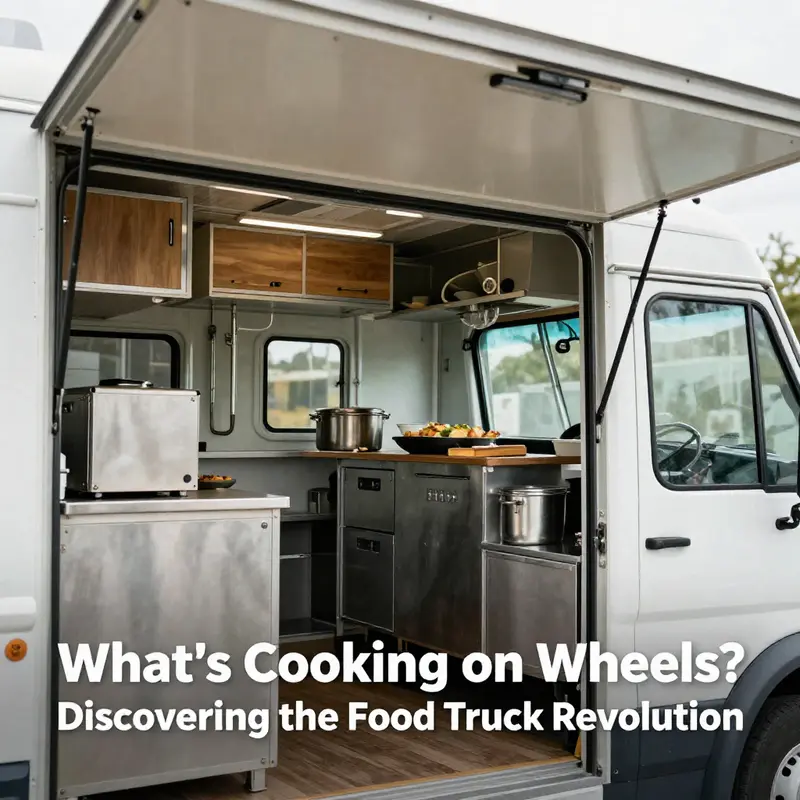
On the surface, a food truck is a vehicle that serves meals. Dig a little deeper, though, and it becomes a compact, mobile kitchen whose size, shape, and underlying engineering determine what you can cook, how efficiently you can serve customers, and how far your pastry puff can travel from concept to cash register. The right truck option matches the cook’s ambitions with the realities of street geography, event calendars, and the economics of a small business. It is the chassis that carries not just equipment, but the brand, the service pace, and the potential for growth. In cities alive with quick meals and long lines, the vehicle itself becomes a first impression, a rolling storefront that communicates reliability, style, and competence before a single bite is tasted. The conversation about what kind of truck a food truck is starts with the practical, but it quickly moves into the realm of identity, resilience, and future-ready design.
The core features that define a food truck extend beyond the simple question of “what do you cook?” They include the design and build type, the specialized equipment tailored to a cuisine, and the supporting systems that keep a mobile kitchen compliant, clean, and functional in varied environments. Design and build govern capacity and workflow. A box-like chassis, often dubbed a box truck, yields a generous interior with room to house multiple cooking stations, larger refrigeration footprints, and more flexible storage. It supports a more complex menu and higher-volume service, where long hours and steady throughput demand efficient, ergonomic layouts. In contrast, a converted cargo van—compact, nimble, and cost-effective—prioritizes agility and quick deployment. For vendors testing the waters or operating in crowded urban cores where parking is scarce, a van can be a pragmatic, low-risk entry into the business. The choice between these configurations isn’t merely about space; it’s about the rhythm of service you envision. Do you imagine a bustling kitchen that handles a wide range of dishes, or a lean, focused operation that moves quickly and quietly through crowded streets?
Specialization and equipment further refine how a truck serves as a mobile kitchen. A dedicated coffee truck, for example, is essentially a compact cafe on wheels, outfitted with professional espresso gear, grinders, refrigerated milk storage, and water filtration to ensure consistent beverage quality. These trucks demonstrate how a narrowly focused design can maximize efficiency and craft—the equipment becomes an extension of the menu’s core: speed, precision, and temperature control. On the other end of the spectrum, gourmet or fusion trucks push the envelope with specialized cooking surfaces and layout that accommodate more elaborate dishes. They require precise venting, ample heat dispersion, and careful workflow planning to maintain product quality while navigating traffic and crowd dynamics. Health-focused concepts emphasize fresh, plant-forward ingredients and clean labeling, which in turn influences storage layouts, surface materials, and ease of cleaning. In all cases, the truck’s interior is a working theater—visible to customers and critical to the integrity of the food.
Beyond the primary kitchen, the vehicle’s supporting systems—water supply, waste management, electrical power, and climate control—shape the daily reality of operations. A truck that lacks robust waste handling or a reliable water system will struggle to meet sanitation standards, especially in high-volume settings or outdoor events. Power demands influence whether the unit relies on generators, shore power when available, or battery and solar solutions for quieter, cleaner operation. Each choice carries a price in upfront cost, ongoing maintenance, and environmental impact. In hot climates or in cold seasons, climate management becomes a deciding factor in equipment selection and insulation. A well-insulated body keeps temperatures stable, reduces energy use, and protects perishable ingredients. The plumbing, drainage, and sanitation plan must align with local health regulations and event requirements, so the truck’s design supports quick wipe-downs, smooth workflow, and clear separation between raw ingredients and ready-to-serve foods.
The mobile nature of a food truck also commands attention to durability and reliability. The chassis must perform across a spectrum of sites: asphalt lots, seaport docks, festival fields, and sometimes rough access roads. A vehicle that can withstand frequent stops, abrupt turns, and exposure to the elements becomes a long-term partner for a business. That durability often translates into a preference for solid, proven build methods and materials that resist heat, moisture, and vibration. A truck’s electrical system, for instance, should accommodate peak demand when multiple appliances run simultaneously. Batteries or auxiliary power units must be capable of supporting refrigeration and hot cooking without compromising safety or performance. This is where the choice of build type intersects with ongoing upkeep: a more complex interior may deliver greater menu options but demands meticulous maintenance and skilled technicians who understand commercial kitchen systems on wheels. In practice, this means that a successful mobile kitchen blends robustness with careful design that prioritizes airflow, waste routing, and cleanability as much as flavor and flair.
Another layer in the decision is the relationship between vehicle form and business model. Some operators build a brand around a single, signature concept delivered through a particular truck design. The visual identity—color, typography, signage—becomes an extension of the chassis, a moving billboard that communicates style and reliability. In other cases, the truck is a flexible platform meant to host different menus or pop-up collaborations across events. The vehicle’s modularity, whether through interchangeable garnishes, swap-in cooking modules, or adaptable storage configurations, determines how rapidly a business can pivot to new offerings, seasons, or partners. The branding, too, is not just decorative. It influences customer expectations about performance and service speed. A sleek, modern exterior paired with a clean, efficient interior signals a professional setup that can sustain busy lines and complex orders. Conversely, a retro-style exterior paired with a functionally modern kitchen can evoke nostalgia while still delivering consistent quality. Dietary trends bolster this dynamic, as operators calibrate their equipment and layout to accommodate gluten-free, allergen-aware, or plant-based menus without compromising throughput or safety.
Operational realities push vendors to think strategically about location, schedule, and logistics. The vehicle choice interacts with permitting, parking, and power access at events. Some venues require proof of sanitation facilities or waste management plans, while others enforce quiet hours or fuel restrictions. A truck that looks and operates like a professional kitchen can handle a wider roster of sites, improving revenue stability. Yet the more space and capability a truck has, the higher the upfront investment and ongoing costs. Insurance, maintenance, fuel or energy costs, and depreciation all factor into the overall viability of any given configuration. In practice, aspiring operators weigh the balance between capital expenditure and monthly cash flow, considering how many meals per shift, per week, the vehicle must support and how that output scales as the business grows. The truck becomes a forecasting tool as much as a working space; its efficiency affects menu pricing, customer wait times, and the pace of service. This is the point where the practical and the aspirational meet. A well-chosen truck shape not only accommodates the current menu and service rhythm but also leaves room for evolution as tastes shift and markets expand.
For readers curious about model selection in a real, on-the-ground sense, it helps to approach the decision as a conversation between capability and constraint. The goal is to select a platform that protects your operating margins while enabling your culinary personality to shine on a crowded street or in a bustling market. If you’re evaluating whether a box truck or a van suits you best, consider questions about menu breadth, staff comfort, and your willingness to manage a larger, more complex kitchen. How much storage do you need for ingredients and equipment, and how important is it to minimize refueling stops or generator use during peak hours? What kind of events will you chase, and how often will you need to set up, tear down, and relocate? The answers to these questions guide the practical math of your truck choice and, in turn, the flavor and timing of your service.
As you explore the spectrum of options, a practical step is to study model configurations and how they map to day-to-day operations. When you’re ready to compare options, consider the guidance in Choosing the right food truck model. This resource helps translate appetite into chassis, layout, and workflow decisions, ensuring the vehicle you pick is a true enabler of your culinary vision. Choosing the right food truck model.
In the end, a food truck is more than a means of transport. It is a carefully engineered space where cooking, service, branding, and logistics intersect. The kind of truck you select carries implications for menu design, speed of service, and the customer experience. It shapes not only what you serve but how you present it, how you sustain quality under pressure, and how you grow in a market that prizes both flavor and efficiency. The right chassis and interior layout make the difference between a good day on the curb and a thriving, scalable business that can season after season expand its reach. The street is the laboratory, and the vehicle—crafted to fit the chef, the concept, and the locale—becomes the instrument through which a small enterprise tunes its craft, builds its audience, and sustains momentum across the long, dynamic arc of mobile food culture.
External resource: For further insights into features, applications, and performance considerations across different mobile food platforms, see https://www.foodtrucksfor-sale.de/key-features-applications-performance-insights
Rolling Kitchens in Action: Choosing the Right Truck for a Food Business on the Move
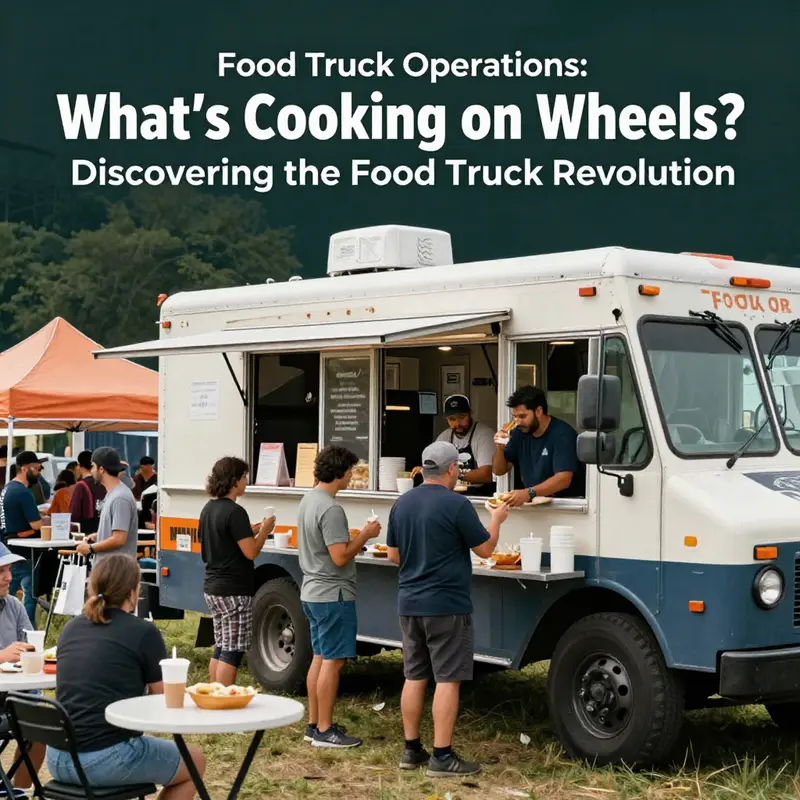
A food truck is more than a vehicle; it is a compact kitchen on wheels, a mobile platform where craft, culinary technique, and entrepreneurship intersect in real time. In practice, the kind of truck a seller chooses shapes almost everything that follows: the scope of the menu, the pace of service, the reach within a city, and the resilience of the business through changing weather, traffic patterns, and event schedules. This is not merely a matter of aesthetics or branding. It is a strategic decision that determines how efficiently a kitchen operates, how safely it cooks, how reliably it serves customers, and how sustainable the venture can be over months and years of shifting demand. The backbone of this choice rests on two primary forms—the box truck and the converted van—each with its own rhythm, its own space logic, and its own cost calculus, all of which ripple outward to influence everything from supplier relationships to permit approvals and insurance requirements. A thoughtful starting point is the guide to choosing the right food truck model, which lays out the practical tradeoffs and helps align the vehicle with the entrepreneur’s menu ambitions and market geography. Choosing the Right Food Truck Model
The box truck is a rectangular, gravity-friendly engine room on wheels. Its interior width and height foster an architecture of organized zoning: a dedicated cooking zone, a dedicated cold-storage zone, a prep area, and a service counter that becomes the voice of the business to waiting customers. Because the interior is expansive, operators can install multiple cooking stations—griddles, fryers, ovens, and hotplates—in a way that supports varied menus and high-volume throughput. The box truck’s generous interior layout reduces the need to swap out equipment for different shifts or events. In theory, that translates into fewer bottlenecks during peak hours and greater flexibility to handle complex recipes or seasonal specials. In practice, however, the same spaciousness draws a cost in weight, fuel, and maintenance. A larger footprint means higher fuel consumption and more energy drawn from generators or shore power, particularly during long events or multi-day festivals. The upshot is clear: a box truck can enable a full-fledged commercial kitchen on wheels, capable of supporting large menus and high throughput, but it requires disciplined energy management and a robust maintenance plan to keep operating costs in check.
Converted vans, by contrast, sit closer to the street and urban realities. Their interior is compact, finely tuned to compactness and efficiency. The cooking and refrigeration systems are scaled for a smaller culinary footprint, which makes maneuverability through congested city blocks more practical. A converted van shines for operators who emphasize speed, agility, and lower upfront costs. It is well suited for focused menus—a few signature items, perhaps one or two daily specials, and a cadence of predictable locations like office parks, farmers markets, and neighborhood corners. The tradeoff is obvious: less interior space means fewer cooking stations and storage options. That can constrain menu development and limit the ability to support multiple service lines at once. But for many entrepreneurs, the reduced footprint equates to lower insurance costs, simpler sanitation planning, and quicker turnarounds between stops, improving cash flow during lean periods.
Beyond these two archetypes lies a practical spectrum of design decisions that shape the customer experience and the operator’s workflow. A key decision is whether the vehicle will rely primarily on on-board power or dependable access to external power sources. A generator provides independence, enabling late-night events and locations without permanent power connections. Yet generators introduce noise, maintenance, and fuel costs. Shore power at events or permanent parking spots offers quiet, cleaner energy management but reduces the range of locations where the truck can operate if power access is intermittent or costly. The balance between autonomy and access to electricity becomes a core economic and operational thread. Temperature control sits at the heart of food safety and menu integrity. Cold storage preserves perishables, while hot holding keeps prepared items at safe temperatures during service. The internal layout must accommodate a workflow that flows from receiving, through storage, prep, cooking, holding, and serving, without backtracking into cross-contamination risks or workflow bottlenecks. When a truck’s interior is designed with a clear, intuitive sequence, the team can move with confidence, reducing mistakes and speeding service, even on crowded blocks or during rapid-fire lunch rushes.
The sanitation and water systems are equally critical. A self-contained mobile kitchen typically includes a water supply, a waste management plan, and wash stations that meet health-code expectations. The ability to wash equipment, sanitize surfaces, and manage greywater discreetly and safely is not optional; it is a baseline requirement for staying compliant and preserving customer confidence. The physical layout—where the sink sits, how the handwashing station is integrated, and how waste is collected and disposed of—influences every service strategy. Operators who invest early in a practical, well-sealed drainage and waste plan reduce the risk of health-code violations, which can shut down a line temporarily or permanently. This is where the strategic value of the vehicle intersects with the practical discipline of daily operations. The same investment in sanitation design also extends to food storage planning. An efficient, properly organized pantry and fridge system minimizes the time ingredients spend out of temperature control and enhances throughput, particularly for menus that rely on fresh, seasonal components.
The economic calculus of choosing a truck centers on scale, menu complexity, and location strategy. A larger box truck carries the promise of a high-volume kitchen, but it also requires more capital, more serious maintenance, and higher ongoing fuel and insurance costs. A converted van reduces upfront risk and often lowers operating costs, enabling a leaner business model that targets steady locations, repeat customers, and controlled expansion. The choice should align with the operator’s historical demand patterns, growth projections, and risk tolerance. If a venture plans to serve at a handful of regular sites and a few events each month, a compact, efficient van might deliver better margins and faster route optimization. If, instead, the owner envisions a kitchen that can pivot between major festivals, corporate events, and weekend markets with versatility in menu breadth, a box truck could be the more scalable platform. The decision is rarely about one feature in isolation; it is about the synergy of space, power, temperature control, and the ability to maintain a clean, safe, and reliable operation over long hours and changing weather conditions.
As operations unfold, the need for thoughtful layout becomes obvious. A well-planned kitchen flow reduces cross-contamination risks and streamlines prep during moments of peak demand. The best layouts anticipate spontaneity—an impulse to add a last-minute sauce or a fresh dessert—without forcing the crew to retrace steps or collide in tight spaces. The workflow also has to be adaptable to seasonal shifts in demand and to the realities of urban parking, loading zones, and permit constraints. A great truck design anticipates the city’s choreography: where staff enter and exit, how ingredients are staged for quick pull from storage, and how customers are served through a window that remains accessible and open for the duration of service. The human factor matters as much as the machine. Comfort for cooks and prep staff—their access to ergonomic workstations, adequate lighting, and ventilation—directly translates to consistency of product and speed of service. A vehicle that supports efficient human work reduces fatigue, improves safety, and sustains quality from the first serve to the last.
Another practical thread in the decision tapestry is the regulatory and cost environment. Mobile food vendors operate under a mix of health, safety, and park or street-venue rules that vary by city and even by neighborhood. Understanding these rules early prevents costly missteps, permits delays, and unplanned downtime. Insurance and liability considerations follow closely. A larger vehicle often entails higher premiums, but it can also offer the stability of a more robust license and compliance framework when paired with disciplined operational practices. The interior’s readiness to pass inspections—adequate sanitation spaces, sealed waste management, cleanable surfaces, and clearly defined cold-holding zones—becomes not just a matter of pride, but a business risk-reduction strategy. In this light, the vehicle is nearly as much a compliance instrument as a cooking space. The guidance embedded in the broader literature, including practical roadmaps for selecting the right model and planning for long-term resilience, can illuminate this path for newcomers and seasoned operators alike, helping them connect the dots between the kitchen on wheels and the markets they intend to serve each week.
For readers who want to explore how these choices ripple through all aspects of a food-truck business, a deeper dive into choosing the right model provides a structured starting point. The model you pick anchors not just your kitchen but your entire growth trajectory, branding, and customer experience. It informs your menu strategy, your nightly parking plans, and your ability to scale in response to demand. By aligning the vehicle’s capabilities with a clear operational blueprint, you create a durable platform that can adapt to the city’s pulse rather than being swept away by it. In practice, this means mapping your menu’s temperature and space requirements, forecasting peak service times, and then selecting a truck form that accommodates those realities without forcing compromises in quality or speed. It also means building a cost and maintenance plan that keeps the business solvent through seasons of volatility and through the inevitable shifts in consumer tastes. The right truck becomes the stage where your culinary identity can flourish in a controlled yet dynamic environment, enabling a culture of consistency, safety, and hospitality that customers will remember.
Ultimately, the type of truck you choose is a foundational decision that touches every corner of a mobile food enterprise. A spacious box truck can deliver scale and diversity; a nimble converted van can deliver speed and proximity. The right choice aligns menu ambition with geographic reality, energy strategy with cost discipline, and safety with service quality. It is the difference between a kitchen that travels and a kitchen that thrives. The road to success in a food-truck venture is iterative, but the vehicle you start with sets a durable frame for growth, learning, and lasting flavor. For readers pursuing further practical guidance, the path toward a well-mared and resilient mobile kitchen begins with a thoughtful evaluation of space, power, flow, and compliance—then translating those insights into a precise, executable vehicle choice.
External considerations always accompany internal decisions. Even as you weigh interior layouts and surface materials, remember that the day-to-day experience of customers and crew hinges on reliability and consistency. The vehicle’s role is to enable a dependable, memorable culinary moment in every location. When you marry a carefully planned kitchen design with a realistic schedule, a disciplined sanitation regime, and a clear understanding of local regulations, the mobile kitchen becomes a platform for creativity, community, and sustainable growth. In the end, a food truck is not merely a means of transport; it is the most intimate handshake between your food and your audience—a rolling promise that every bite will be fresh, every service will be efficient, and every stop will become a story worth sharing with that crowd gathered around a window on wheels.
For safety guidelines and best practices that support mobile food vendors, see the CDC guidelines for food safety standards in mobile settings. This external resource provides foundational considerations that complement the operational choices described here. https://www.cdc.gov/foodborne/zoonoses/food-safety-standards-for-mobile-food-vendors.html
From Box to Bike: The Vehicles That Define What a Food Truck Is
A food truck is often imagined as a single, recognizable platform—a compact kitchen on wheels that rolls into a neighborhood and serves up hot meals. Yet the question “What kind of truck is a food truck?” points to a broader truth: there is no uniform answer. The modern food-truck ecosystem is a spectrum of mobile kitchens, each built on a different chassis and tailored to a distinct culinary niche, customer base, and operating philosophy. A food truck, in its essence, is a self-contained business on wheels. It combines cooking equipment, refrigeration, water and waste systems, and a customer-facing setup into one movable unit. The vehicle itself is not just transportation; it is the engine of the business model, shaping everything from menu design to the pace of service, from location strategy to the balance sheet. The market’s vitality comes from this variety, which lets entrepreneurs test concepts with varying levels of risk and investment while still delivering a consistent dining experience.
Among the core considerations that determine the kind of truck a vendor chooses are space, energy demands, and the way human traffic flows around the operation. Box-style trucks offer expansive interior layouts that can accommodate multiple cooking stations. They resemble small, turnkey kitchens inside a vehicle, letting operators run more ambitious menus, host larger events, and maintain higher output. In urban districts with steady foot traffic and a steady stream of events, a box truck can be a reliable workhorse, capable of handling complex recipes that require several cooking zones, proper ventilation, and integrated sanitation stations. The trade-off, naturally, is higher upfront cost and ongoing fuel and maintenance expenses. This is a calculated bet: the higher the capacity, the more scale an operator can achieve, but the more attention must be paid to cost controls and scheduling, since energy and labor bills compound quickly as volume climbs.
Other compact formats respond to different market realities. Tuk Tuk trucks, those nimble, three-wheeled micro-vehicles, excel in dense urban cores where space is tight and permits are plentifully navigable. They are designed for agility and lower overhead. Their smaller footprint invites vendors to pursue street vending, pop-up events, and neighborhood markets where people converge for quick bites or a late-night snack. The economics are distinct: lower purchase price, lighter maintenance, and the ability to move between locations with ease. Yet payload limits and fixed-route realities compel menu simplification. A tuk tuk operator tends to optimize for speed and throughput of a smaller, highly curated selection—perhaps a couple of signature items rather than a sprawling menu. The payoff is higher flexibility and the capacity to reach walkers and commuters in places accessible only on foot, but the trade-off is a smaller kitchen footprint and tighter food-prep margins.
Foldable or bike-mounted food trucks push the idea of mobility even further. These ultra-portable units attach to bicycles or are built as fold-out modules that can be carried by hand or wheel along a path of pedestrian traffic. They thrive in festival footprints, farmers markets, and tightly woven street corridors where traditional vehicles cannot operate or would overly disrupt the environment. The advantages are obvious: zero or near-zero parking friction, minimal emissions, and the ability to reach consumers who stroll through markets and plazas. The limitations lie in the spectrum of cuisine and service style such setups can support. The most successful foldable units focus on simple, high-turnover items—snacks, beverages, or pre-prepared meals that can be assembled quickly. They are part of a broader trend toward accessible, low-barrier entrepreneurship, inviting new entrants who might not have capital for a full-blown kitchen-on-wheels but still want a stake in the food-service economy.
Electric food trucks are another prominent strand in the market’s tapestry. They align with growing consumer demand for sustainability and cleaner urban environments. Electric propulsion reduces noise and emissions, opening doors at farmers markets, college campuses, and wellness-focused events where audiences value environmental responsibility as part of the brand story. Electric platforms require careful planning around power supply—whether through on-board batteries, portable charging options, or partnerships with local charging networks—and they influence the design of equipment choices. For operators, the absence of noisy generators can improve customer experience and shorten setup times, but range and recharge logistics become essential considerations, especially if the route involves back-to-back events across a metropolitan area. A well-executed electric truck can become a brand signal in its own right, signaling modernity, responsibility, and an emphasis on healthful, plant-forward offerings.
Dessert and bakery trucks illustrate another facet of the market’s diversity. This segment often centers on premium, high-margin treats—artisan pastries, cupcakes, donuts, ice creams, and specialized beverages. The payoff comes from the experience economy: people seek out sweets at festivals, weddings, and corporate events, where the theatrical display of desserts and the aroma of freshly baked goods create a moment of delight. The equipment stack tends to emphasize temperature control, display cases, and striking visual branding, with a layout that highlights the sensory appeal of the products. Even within this niche, customization matters: the same chassis can be rearranged to present a variety of desserts with different cooling lines, heating stations, and service windows that match event scale and guest flow.
Together, these formats reveal a fundamental truth: the vehicle is an enabler, not a constraint, when the concept is matched to the right audience and operating framework. A street vendor serving quick bites near a transit hub may thrive on a lightweight, agile setup, while a barbecue pit or a sushi-on-wheels concept might justify a larger, more controlled kitchen in a box truck with a dedicated cold-rail system. Behind every choice lies a careful calculus that weighs upfront capital, ongoing costs, and the rhythm of demand in the target area. The host environment—permitting regimes, health and safety codes, water and waste management requirements, and electrical infrastructure—shapes what is feasible, and in many markets, the rules subtly steer the category toward certain vehicle archetypes over others. This interplay between regulation, cuisine, and vehicle design is why the market is healthier when it offers a spectrum of options rather than a single standard.
The breadth of this ecosystem also feeds entrepreneurship in profound ways. A diverse fleet of vehicle types lowers the barrier to entry for would-be restaurateurs who lack the capital to open brick-and-mortar locations. Low-overhead configurations enable testing of menus and locations with relatively modest risk, while more robust formats allow scaling and repeated deployments across events and neighborhoods. In other words, the market encourages experimentation: a tentative pop-up can pivot into a stable sideline, or a once-a-month festival presence can evolve into a recurring, year-round operation. This dynamic contributes not only to the resilience of individual businesses but also to the vitality of local economies. When vendors rotate through neighborhoods, they bring variety, generate foot traffic, and create opportunities for collaboration with other street-market participants, beverage purveyors, and local suppliers. The resulting economic ripples extend into nearby storefronts, service businesses, and even infrastructure planning, as municipalities observe how mobile food service can activate underutilized spaces and activate corridors that might otherwise sit dormant.
To navigate this landscape, prospective operators benefit from a mindset that prioritizes fit over form. The best choice aligns with cuisine, service pace, target customers, and the specific urban or suburban geography in which the business operates. It also recognizes that different formats may be complementary; a festival-focused dessert truck might share space with a daily-box kitchen in a market area, while a tuk tuk could anchor weekend night markets near entertainment districts. The decision framework should include not only menu design and branding but also practical realities like power needs, water supply, waste handling, and the capacity to meet safety standards consistently. For a starter looking to understand how these factors intersect, a practical step is to explore the most relevant model for their concept and geographic context, then study how others in the same niche have adapted to local rules and audience expectations. For startups exploring these formats, see Choosing the right food truck model to ground the planning process in real-world examples and tested configurations.
Ultimately, the question of what kind of truck is a food truck becomes less about the vehicle itself and more about the business strategy it enables. The market rewards operators who tailor their platform to the pace of their service, the efficiency of their kitchen, and the experience they want to deliver. Whether driven by speed and volume, neighborhood accessibility, eco-conscious branding, or sensory spectacle, the right vehicle amplifies the concept and fuels growth. The fleet contains room for large, multi-station kitchens and nimble, pedal-powered wonders alike. The secret lies in matching design to demand, understanding the regulatory terrain, and approaching each location as a stage where mobility, craft, and hospitality converge. The vehicle, in its many shapes, is a partner in the storytelling of food on wheels, a tangible expression of an idea that travels with the people it serves.
For readers seeking additional perspectives on how these vehicle choices influence resilience and regulatory navigation, see the broader discussion on industry regulations and operating constraints. The conversation about what kind of truck a food truck is continues to evolve as cities rethink mobility, as technology reshapes energy use, and as communities seek more vibrant, walkable urban spaces where food becomes the common language that brings people together.
External resource: https://www.forbes.com/sites/theyec/2021/11/02/food-truck-entrepreneurship-taking-roads-less-traveled/
Wheels on the Menu: How Truck Types Define the Mobile Kitchen of the Future
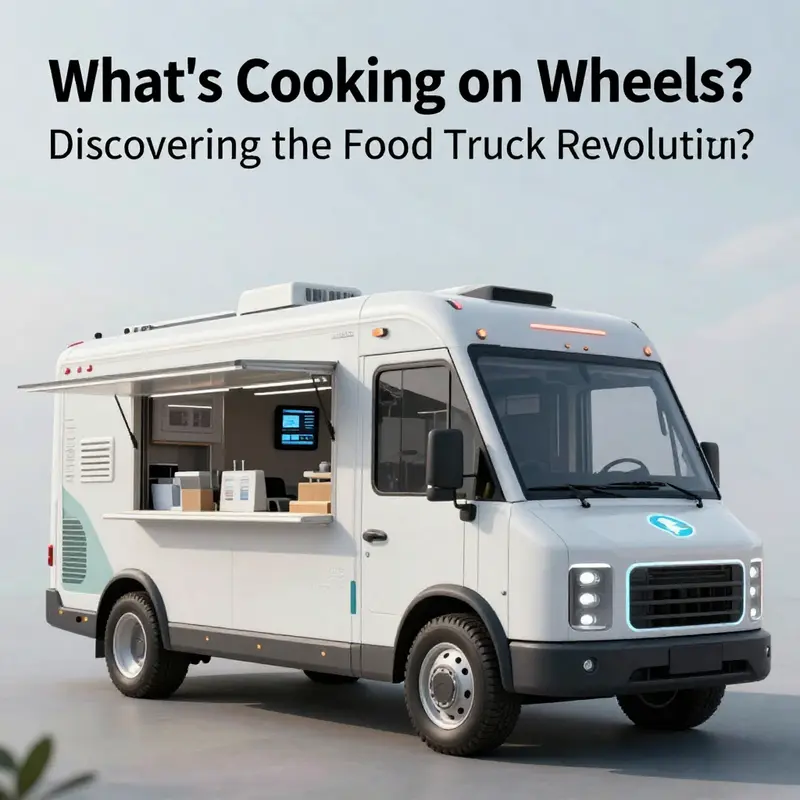
A food truck is seldom just a vehicle with a stove bolted inside. It is a compact, self-contained business platform that must perform as a kitchen, a storage facility, a payment counter, and a service point all at once. The kind of truck you choose—the size, the chassis, the mounting platform, and the way the interior is laid out—has ripple effects that touch every layer of a mobile food operation. It determines how much equipment can fit, how easily it can be cleaned and sanitized, how dependable the heating and cooling systems are in weather extremes, and how safely staff can move around during prep, service, and cleanup. In this sense, the truck type is not a backdrop but a strategic decision that shapes the menu, the hours of operation, and the scale of ambition. A truck is the engine of a business model, and the chassis it rides on sets the ceiling for what is possible. As the industry evolves, operators are increasingly thinking beyond the traditional image of a kitchen on wheels. They are weighing engineering realities, regulatory expectations, and the rhythm of city life to pick a platform that can flex with demand. The result is a spectrum of options that emphasizes not just transport but performance, resilience, and the capacity to deliver a consistent culinary experience wherever the route leads. The choice of truck, therefore, becomes an investment in reliability as much as creativity, a strategic alignment between the craft on the menu and the mechanics of moving it from place to place.
When we talk about the kinds of trucks that serve as food businesses, we are really talking about how the vehicle balances space, power, and plumbing. Many operators build on standard light- to medium-duty chassis that offer a familiar drivetrain and robust support networks, while others move to larger commercial platforms that can accommodate bigger kitchens, heavier cooking equipment, or longer water tanks for extended events. Some ventures even adapt semi-trailers or tractor-trailers, especially when the business model relies on larger, distribution-style layouts or requires extensive cold-chain capacity for perishable ingredients. These choices are not merely about capacity; they are about how the kitchen flows. A well-planned interior can minimize movements, reduce cross-contamination risks, and shorten service times. It can also improve energy management by placing the most energy-intensive equipment in positions that optimize heat isolation and ducting. In this sense, the truck is a design challenge as much as a vehicle choice—the space has to be engineered to support the dish, not just the delivery of it.
As the field advances, the interior design of future food trucks is increasingly modular. The same core footprint can host different cooking configurations, depending on the cuisine and peak demand. A compact, modular layout might feature a primary cook line with a grill and hot plates, a fast refrigeration zone, and a sink and hand-washing station aligned with sanitation requirements. An expanded module could relocate the grill to a more compliant exhaust setup, swap in a combi oven or a higher-capacity fryer, or add a separate cold prep area to handle delicate ingredients. This modular philosophy helps operators adapt to evolving consumer tastes without radically overhauling the entire vehicle. It also enhances safety by segregating hot zones from cold storage and by providing dedicated space for cleaning and waste handling. In practice, the chassis acts as a canvas, and the interior fit-out is the brushwork that makes the kitchen sing. The growing emphasis on safety, efficiency, and hygiene translates into smarter routing of gas lines, water supply, waste management, and electrical distribution, all of which must be integrated into the vehicle’s architecture with care and foresight.
Beyond the kitchen itself, the scale and configuration of the truck influence when and where a vendor can operate. Light- and medium-duty platforms are nimble, allowing quick turnarounds in neighborhoods with limited parking or during pop-up events that demand rapid setup and breakdown. For larger events and longer operating hours, a bigger chassis can provide more storage, larger prep zones, and longer service windows, though at the cost of maneuverability and sometimes higher operating expenses. The market is responding to this trade-off with smarter power management and cleaner energy solutions that aim to keep total operating costs in check while sustaining flavor and quality. Heating and cooling systems are part of this equation. Modern food trucks increasingly rely on active heating and refrigeration that perform reliably across a range of temperatures and altitudes. Consistent hot temperatures above 140°F (60°C) for cooked foods and stable cold environments for perishables are not luxuries but baseline requirements for food safety and quality. The growing sophistication of these systems, including better insulation and more efficient compressors, extends the practical reach of mobile cooking, enabling vendors to serve fresh, high-quality dishes from more diverse locations and at longer intervals between restocking.
The future also folds in sustainability as a core constraint and opportunity. Operators are experimenting with eco-friendly fuel sources and energy-efficient designs to reduce both carbon footprints and operating costs over time. Electric-powered trucks, hybrid configurations, and solar-assisted energy systems hold promise for cities that want cleaner shores and quieter streets. While the upfront costs can be higher, the long-term savings—lower fuel expenses, quieter operation during late hours, and fewer emissions constraints in many urban areas—are compelling. These technologies also align with broader city policies that favor sustainable mobility and local entrepreneurship. The practical reality, however, is that maintenance networks and service availability must keep pace with innovation. A truck that relies on advanced batteries or solar energy needs reliable access to technicial support and parts to ensure uptime. Fortunately, the maintenance ecosystem is expanding, making it easier for operators to service energy-efficient systems without long downtimes. This alignment between technology, service networks, and regulatory expectations is a key driver of how trucks will evolve in the coming years.
Digital integration anchors many of these shifts. The food truck of the future is as much a data-driven business as a culinary operation. GPS-enabled routing helps vendors optimize daily schedules, minimize fuel use, and align with events that match their cuisine. Online ordering and contactless payments streamline the customer experience and reduce queue times, which in turn improves throughput and guest satisfaction. Social media becomes a storefront in itself, with real-time location updates and menu highlights drawing crowds to the exact place where the truck happens to be parked. In this sense, the vehicle becomes a moving brand, a micro-restaurant that leverages data to maximize impact. The design challenge, then, is to build the truck around digital workflows as naturally as around grills and fryers. Power and data systems must be sized to handle sensors, printers, wireless routers, and payment terminals alongside the kitchen equipment. The result is a cohesive machine—one that serves meals with speed while generating insights that help the business grow.
All of these trajectories point toward a broader understanding of what kind of truck a food truck is becoming. It is no longer solely about the external aesthetic or the gadgetry inside; it is about producing a reliable, scalable, and adaptable platform that can perform in diverse urban environments. The future truck must be forgiving of busy streets, weather challenges, and supply fluctuations, yet it must still deliver a consistent culinary experience with minimal waste and maximum safety. This evolution calls for a thoughtful balance between engineering feasibility, cost control, and culinary creativity. It invites operators to think of the truck not just as a vehicle but as a strategic partner in a broader vision for mobile dining. The growing emphasis on standardized safety features, regulatory alignment, and integration with smart city infrastructure ensures that the mobile kitchen can operate within a framework that protects workers, patrons, and the public realm while expanding access to creative, high-quality food beyond traditional restaurants. In this light, the future of food trucks is less about chasing a single model and more about curating a family of capable platforms—each tuned to the cuisine, the client base, and the venues that define a community’s vibrant food landscape.
For readers seeking a practical lens on making the right choice, a useful companion is the guidance on selecting the right truck model. It helps buyers translate culinary goals into a concrete vehicle specification, from payload and power draw to water capacity and layout. The process becomes less of a guesswork exercise and more of a deliberate alignment between menu demands, site constraints, and the operating horizon. As the industry moves forward, the truck type you settle on will speak volumes about how your business intends to grow, how it plans to reach audiences, and how it will balance artistry with operational discipline. In short, the kind of truck you choose is a foundational decision that frames not only where you can go, but what you can become when you reach the next corner, the next festival, or the next busy market street.
External reference for broader context: For a regional perspective on features, applications, and performance insights related to mobile food operations, see the Food Truck South Africa Guide at https://www.foodtrucksa.co.za/guide/ .
Final thoughts
Food trucks represent more than just a meal; they encapsulate a cultural movement, showcasing the evolution of cuisine on the go. From various truck models tailored to specific culinary styles to the essential features that empower them to serve our favorite dishes, understanding how food trucks operate provides clarity on their role in our communities. Moreover, their economic contributions underscore the vitality they bring to the food service industry, paving the way for emerging trends that promise sustainable innovations and improved experiences. As we move forward, the future of food trucks is bright, rich with potential for growth and enhancement in our culinary landscape. So whether you’re an event planner, community organizer, or individual food enthusiast, the food truck scene presents exciting opportunities for connection and flavor.