

In the bustling world of food truck entrepreneurship, striking a balance between work and personal life is crucial for long-term success. For Riya and Jot Chahal, a dynamic couple navigating the intricacies of flatbed trucking, this balance is not just a goal but a way of life. At just 24 years old, they embody the spirit of resilience and dedication, often sharing their journey through vlogs that inspire others. As they transport goods across Canada and the U.S., they face the unique challenges of being on the road while maintaining their relationship and personal well-being. Their story reveals not only the thrill of the trucking life but also the importance of self-care, spirituality, and healthy living—key ingredients in their recipe for a fulfilling life behind the wheel. Riya’s words resonate as they remind us, “We drive aaram se,” highlighting the tranquility they find amidst the challenges—an essential message for all entrepreneurs seeking harmony in their lives.
Moreover, Riya emphasizes the communal aspects of trucking, saying, “When you drive solo, sometimes you could get depressed or encounter negative feelings. We have no such issues.” Their collaborative approach to this demanding profession showcases the strength of teamwork in overcoming the mental hurdles of the job. Jot adds, “If I can work as a flatbed truck driver, they can too,” offering a motivational perspective that encourages inclusivity and inspiration for aspiring truck drivers, especially women in the industry. Through their journey, Riya and Jot Chahal exemplify the empowerment and fulfillment that come from maintaining a work-life balance while pursuing one’s passion in the entrepreneurial landscape.

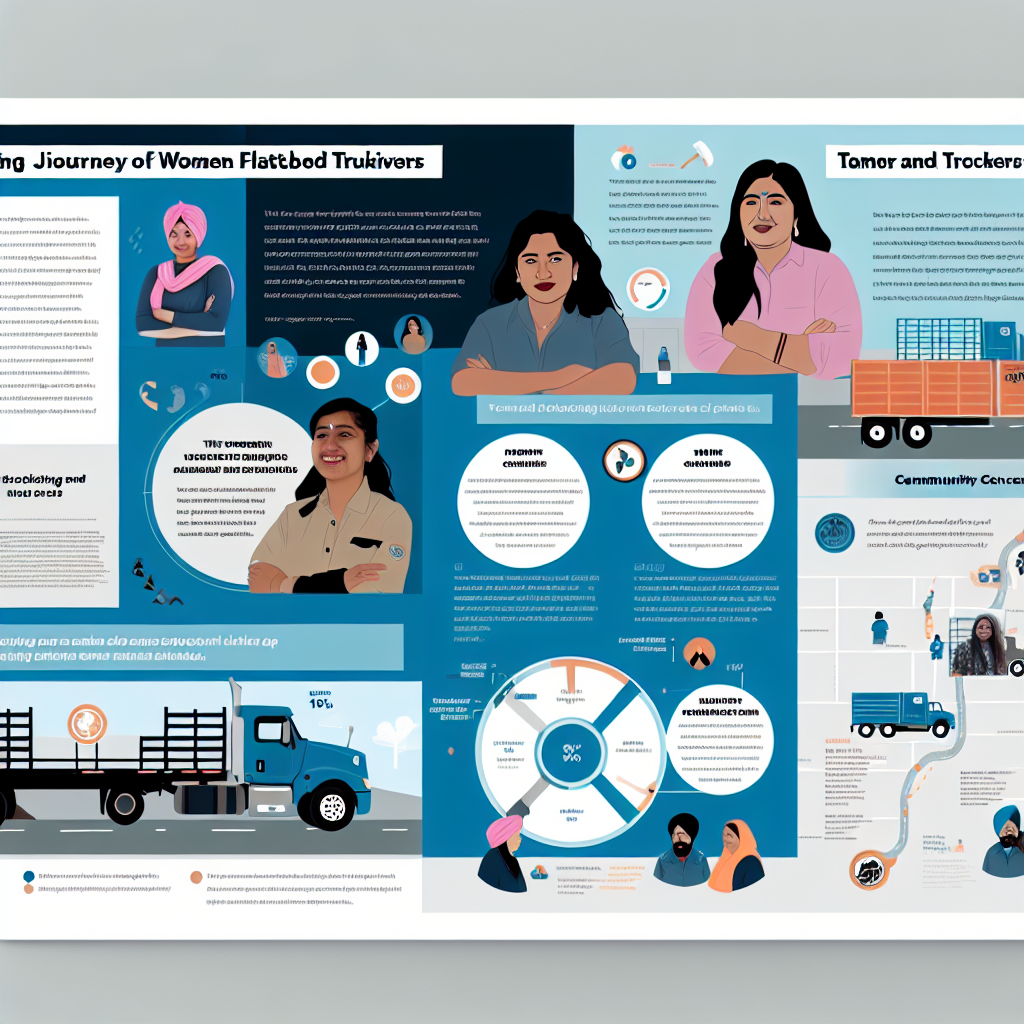
Riya and Jot Chahal’s experiences in flatbed trucking testify to their resilience and evolution as individuals and as a couple. The challenges they encounter on long-haul journeys—enduring fatigue from demanding schedules, facing moments of isolation, and maintaining physical fitness—have not only tested their limits but also deepened their bond.
Each mile they travel represents not just a freight delivered but a lesson learned in teamwork and perseverance. Riya mentions how, despite the exhaustion, the shared struggles have enriched their understanding of one another, fostering a partnership rooted in empathy and mutual support.
The solitary moments during their separate routes have made them appreciate their time together even more, reinforcing the idea that teamwork is essential to navigating the challenges of their profession. These shared experiences of overcoming obstacles have cultivated a profound sense of personal growth for both, illustrating that every challenge surmounted contributes to a richer, more fulfilling life on the road.
Together, they exemplify how facing difficulties with determination can pave the way for resilience, deepening connections that empower not just their partnership but also their aspirations in trucking and beyond.
Practical Tips for Achieving Work-Life Balance as an Entrepreneur
- Establish a Routine: Create a daily schedule that includes work hours and personal time, ensuring a structured approach to both responsibilities and relaxation.
- Set Clear Boundaries: Define when you are “off duty” to separate work from personal life. Resist the urge to check emails or work-related messages during your downtime.
- Incorporate Physical Activity: Regular exercise is crucial for managing stress and maintaining energy levels. Find ways to stay active even while on the road, like taking walking breaks or doing quick workouts.
- Prioritize Healthy Eating: Make conscious choices about your diet. Prepare healthy meals and snacks in advance to avoid unhealthy fast food options during your travel.
- Foster Open Communication: Whether with your partner or team, openly discuss feelings and challenges. This can help in addressing any issues before they escalate.
- Plan Quality Time Together: Schedule time to connect with loved ones or teammates, ensuring that the relationships that matter most are nurtured and prioritized.
- Utilize Technology Wisely: Use apps and tools that can help you manage both work and personal tasks, making it easier to stay organized and focused.
- Invest in Self-Care: Make time for activities that recharge you, whether it’s reading, meditation, or simply enjoying a hobby. Self-care is essential for maintaining motivation and enthusiasm.
- Seek Support from the Community: Engage with fellow entrepreneurs or join groups where you can share experiences and gain insights about balancing personal and professional life.
Women’s Adoption in the Trucking Industry: A Summary
The presence and experiences of women in the trucking industry have been evolving, demonstrating both progress and challenges. Here’s a comprehensive summary based on the latest data:
Decline in Female Student Drivers and Trainees
In 2024, women made up only about 10.7% of student drivers and trainees, down from over 15% in 2022. This decline has been attributed to reduced recruitment efforts during a prolonged freight downturn, reverting the industry back to 2019 levels where women constituted approximately 10.1% of this demographic. This trend raises concerns about the barriers women face in entering the industry. [Trucking Dive]
Representation in Leadership Positions
The Women In Trucking Association (WIT) has reported encouraging statistics regarding female representation in industry leadership roles:
- C-Suite/Executive Positions: 28% of these roles are held by women.
- Supervisory Leadership Roles: Women occupy 34.5% of these positions.
- Board of Directors: Approximately 29.5% of board members are women.
These figures highlight that women are increasingly recognized in influential leadership roles within the trucking industry, fostering a culture of diversity and inclusion. [Women In Trucking]
Female Professional Drivers
According to the same WIT Index, women comprise about 9.5% of professional truck drivers. Interestingly, smaller companies with fewer than 500 employees report a higher percentage of female drivers at 12.5%, while larger firms with over 5,000 employees have only 7% female representation. This variance may reflect different corporate cultures and recruitment practices. [Women In Trucking]
Initiatives to Support Women in Trucking
In light of these challenges, several initiatives have been implemented to bolster women’s participation in trucking:
- Women In Motion Program: Launched by the American Trucking Associations in 2022, this program emphasizes women’s contributions to trucking and aims to attract more women to the industry. [American Trucking Associations]
- Educational Programs: Collaborations with organizations, including the Girl Scouts, have introduced hands-on experiences and educational programs to inspire young girls towards trucking careers. [Freight Waves]
Conclusion
While challenges such as the decline in women drivers remain, significant progress in leadership representation paired with innovative initiatives fosters a hopeful narrative for women’s empowerment in the trucking industry. The increasing visibility of women in pivotal roles reflects a commitment to cultivating diversity, equity, and inclusion within this traditionally male-dominated field.
This data showcases how women’s involvement is slowly transforming the trucking landscape, encouraging future generations to consider careers within this essential industry.
| Trucking Company | Work-Life Balance Initiatives | Flexible Schedules | Wellness Programs |
|---|---|---|---|
| SSP Truck Line | Yes | Yes | Yes |
| Prime Inc. | Yes | Yes | Yes |
| Schneider | Yes | Yes | Yes |
| Swift Transportation | Yes | Yes | Yes |
| JB Hunt | Yes | Yes | Yes |
This comparison table outlines various trucking companies that prioritize work-life balance initiatives for their employees, including flexible schedules and wellness programs. SSP Truck Line stands out in this regard, providing a supportive environment for truckers striving to balance their careers and personal lives.
Conclusion
In the fast-paced world of trucking, maintaining a balanced lifestyle is not merely an aspiration; it is an essential ingredient for success and well-being. Riya and Jot Chahal exemplify how embracing a healthy work-life balance can enhance not only personal relationships but also professional performance. Their story illustrates the significant rewards that come from prioritizing well-being while navigating the challenges of the industry.
As we have seen, the trucking industry offers a variety of avenues for those willing to take the entrepreneurial leap. There are ample opportunities for innovation and growth, especially for those who balance their passion for trucking with active self-care and healthy living. Whether you are an existing driver or an aspiring entrepreneur, the possibilities are within reach if you commit to a lifestyle that supports both professional success and personal fulfillment.
By envisioning a future driven by balance, diversity, and empowerment, we can transform the trucking industry into a space that not only meets the demands of modern logistics but also nurtures the human spirit. Embrace the journey, consider the entrepreneurial opportunities before you, and drive forward towards a fulfilling future in trucking.
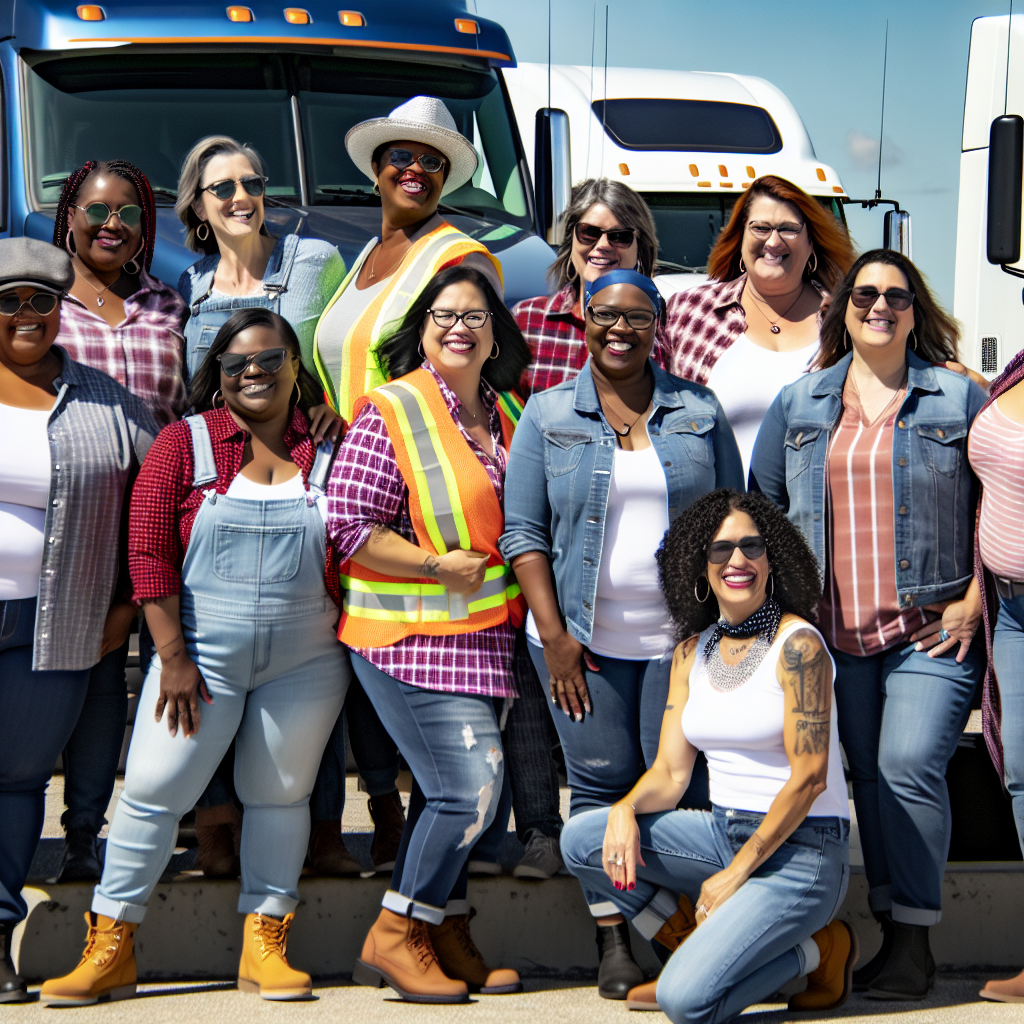
Personal Stories and Statistical Insights: The Journey of Riya and Jot Chahal in Flatbed Trucking
Riya and Jot Chahal’s journey in flatbed trucking exemplifies both the personal and collective experiences of women in the industry. Although they are only 24 years old, their shared commitment to balancing work and life embodies the resilience required to navigate this demanding field.
Working for SSP Truck Line, Riya and Jot frequently haul flatbed freight across Canada and the U.S. Despite the challenges of long hours on the road and moments of isolation, their partnership transforms these obstacles into opportunities for growth. Jot recalls feeling the strain when separated on different routes, highlighting how vital their teamwork is for mental health. “When you are on the road alone, it’s easy to feel isolated. But since we drive together, we keep each other uplifted, sharing stories and laughter,” he reflects.
Statistical insights reveal that women make up approximately 9.5% of professional truck drivers, indicating a significant underrepresentation compared to their dedication and ability. This is a challenge Riya and Jot are passionate about addressing through their vlogs, aiming to inspire more women to consider careers in trucking. Riya mentions, “If I can work as a flatbed truck driver, they can too. We want to inspire others to consider this thriving career.” Their personal story reinforces the importance of visibility and representation in this trade, exemplified by the increasing recognition of women’s contributions and leadership roles within the industry, where women occupy 28% of executive positions according to the Women In Trucking Association.
Yet, as they navigate the emotional and physical demands of their profession, Riya and Jot also face the wider trends impacting women’s participation in trucking. In 2024, data revealed that women made up only about 10.7% of student drivers and trainees, a decline from previous years, largely due to reduced recruitment efforts during downturns. This highlights the barriers that women continue to face, as illustrated in their lived experiences.
Despite these struggles, Riya and Jot’s experiences showcase the rewards of a trucking career—seeing new landscapes, the satisfaction of successful deliveries, and a strong partnership rooted in shared goals. By sharing their journey, they embody both the challenges and triumphs faced by women in the industry, inspiring others to pursue similar paths and demonstrating how personal resilience can address the broader societal issues at play.