The trucking industry plays a crucial role in the economy, but with this responsibility comes the necessity for robust safety and compliance measures. To maintain road safety, it is imperative that trucking companies adhere to safety regulations and ensure that their vehicles are mechanically fit for operation.
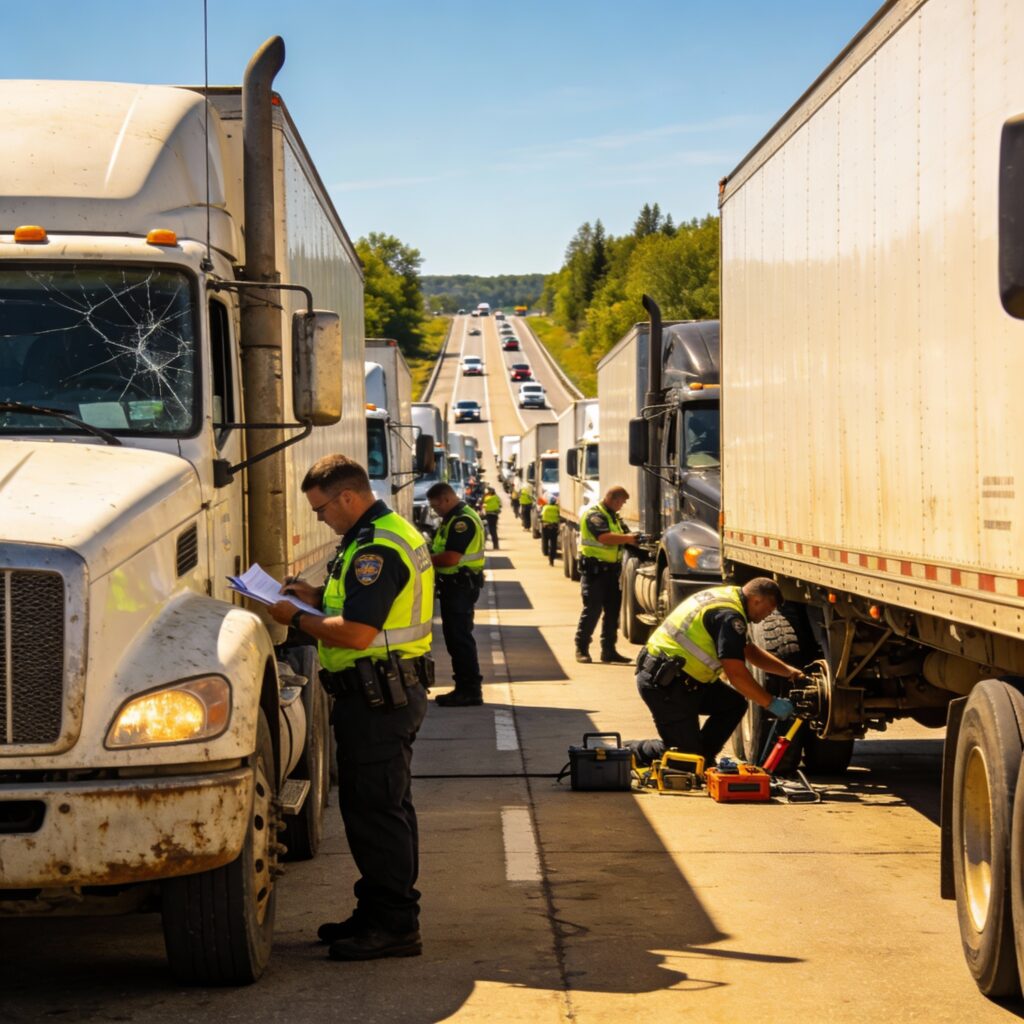
Recently, a significant enforcement blitz in Milton, Ontario, underscored this necessity by highlighting the state of compliance within the industry. Over a two-day period, inspectors evaluated 517 trucks, resulting in a staggering 161 being put out of service due to safety violations, which accounts for nearly one in three inspected vehicles. This alarming statistic not only affects regulatory compliance but also emphasizes the urgent need for continual adherence to safety protocols within the trucking sector. Furthermore, it was revealed that 50% of the inspected trucks had defects.
With a total of 316 charges issued for various infractions, the implications of such enforcement activities are profound. Proactive inspections are designed not just to enforce regulations, but also to prevent collisions and save lives—an objective that the entire industry is keen to uphold. By fostering a culture of compliance and responsibility among trucking companies and drivers alike, we can enhance safety for all road users.
Recent Enforcement Blitz Details
In October 2023, a substantial enforcement blitz conducted in Milton, Ontario, drew significant attention to truck safety and compliance within the transportation industry. Over the course of two days, law enforcement officers inspected a total of 517 trucks. Alarmingly, the outcome of these inspections revealed that 161 trucks were placed out of service (OOS), marking an out of service rate of approximately 31.1%. This statistic underscores the critical need for rigorous adherence to safety protocols in the trucking sector.
The inspections highlighted that around 50% of the vehicles checked, which amounts to 260 trucks, were found to have various defects. These defects not only indicate potential safety hazards but also point to the necessity of regular maintenance and inspections to ensure the mechanical fitness of commercial vehicles. In light of these findings, a total of 316 charges were laid against operators for assorted infractions, alongside 120 warnings issued to drivers regarding compliance breaches.
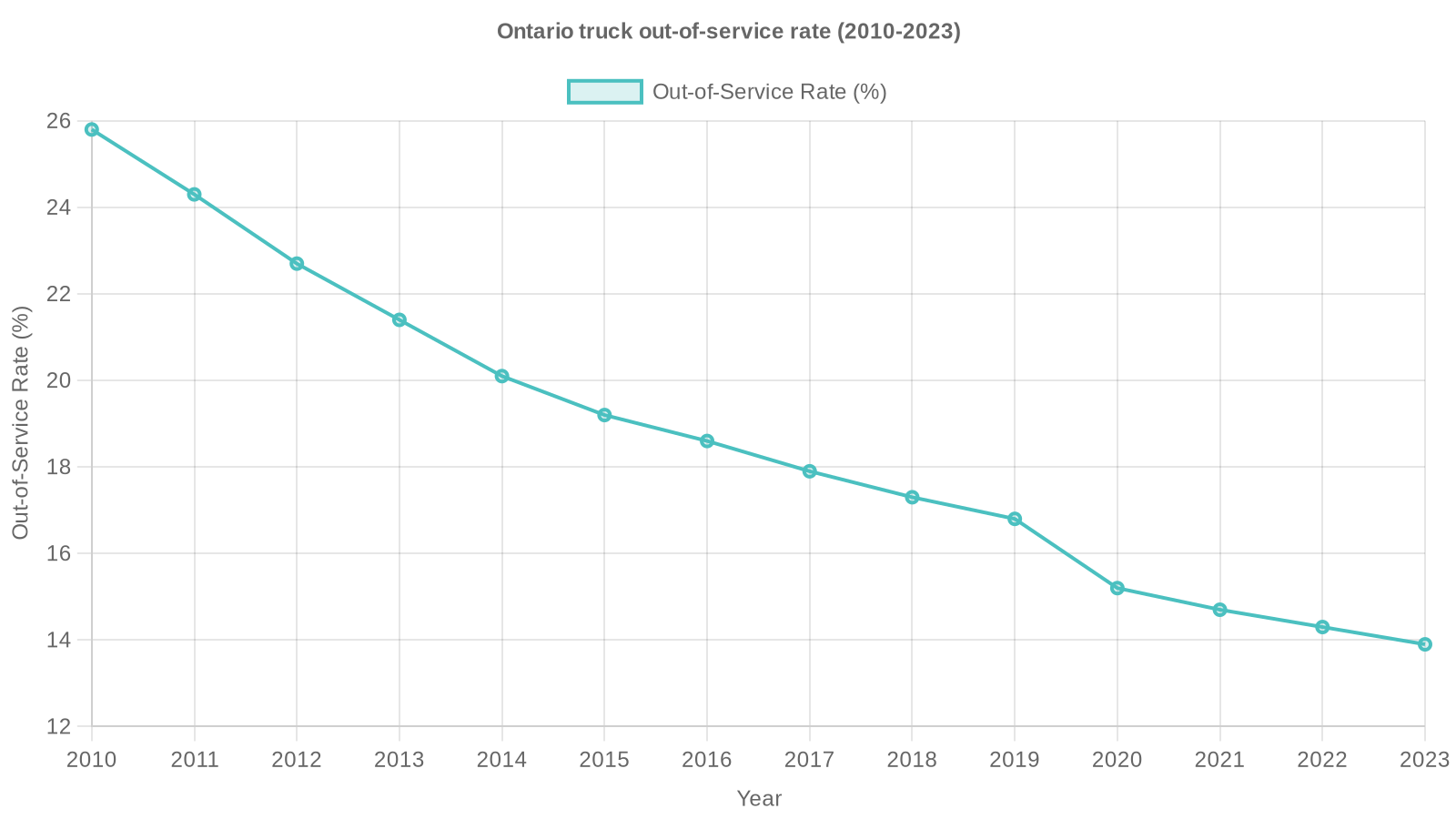
Among the trucks inspected, 15 had their license plates seized due to deteriorated conditions, further emphasizing the importance of maintaining vehicle standards for public safety. Since 2010, the Halton Regional Police Service (HRPS) has conducted over 6,482 inspections, revealing a concerning average out of service rate of 36%. This makes continued enforcement efforts essential to bolster compliance and rectify industry-wide discrepancies in vehicle safety.
The proactive measures taken during this blitz highlight an unwavering commitment to preventing accidents and preserving lives on the road, a sentiment echoed by industry leaders. As Marc Taraso remarked, “We’re trying to get a good cross-blend of trucks from across the industry to get a good idea of how safe the trucks are on our roads.” Inspections of this nature are not merely regulatory exercises but vital steps towards achieving higher safety standards within the trucking industry.
| Key Figures | Enforcement Blitz Results |
|---|---|
| Total Trucks Inspected | 517 |
| Trucks Out of Service (OOS) | 161 |
| Percentage Out of Service | 31.1% |
| Total Defects Identified | 260 |
| Defect Rate | 50% |
| Charges Laid | 316 |
| Warnings Issued | 120 |
| License Plates Seized | 15 |
| CVSA Inspections Since 2010 | 6,482 |
| Average Out of Service Rate | 36% |
Benefits of Proactive Inspections for Truck Safety
Proactive inspections play a critical role in enhancing truck safety and significantly reducing the risk of accidents on the road. By identifying and correcting mechanical issues before they lead to severe consequences, these inspections contribute to the overall safety of commercial vehicles. As noted by Kevin Maher, “These proactive inspections prevent collisions and save lives, the results of which speak directly to our shared commitment to commercial vehicle safety and enforcement.” This underscores the essential function that proactive measures serve in accident prevention.
Regular inspections can identify potential defects such as brake failures, tire issues, and lighting malfunctions that may not be immediately apparent to drivers or operators. By addressing these concerns promptly, trucking companies can ensure that their vehicles meet safety standards and operate reliably. Furthermore, industry leaders like Marc Taraso emphasize that proactive inspections are about achieving a better understanding of the safety landscape. “We’re trying to get a good cross-blend of trucks from across the industry to get a good idea of how safe the trucks are on our roads,” he states, highlighting the importance of data-driven insights in improving safety practices.
Additionally, the practice of regular inspections fosters a culture of accountability and responsibility among truck operators. It encourages drivers to adhere strictly to maintenance schedules and comply with safety regulations, knowing that their compliance can directly affect the well-being of all road users. Ultimately, the implementation of these proactive practices can lead to fewer accidents, lower insurance costs, and enhanced reputations for companies committed to safety. The ongoing dialogue around proactive inspections signifies their crucial role in safeguarding lives and promoting responsible trucking practices on the road.
Implications of Out of Service (OOS) Trucks
The ramifications of trucks being designated as Out of Service (OOS) extend beyond immediate regulatory compliance. They resonate throughout the industry, presenting multifaceted implications for carriers, public safety, and the mechanical integrity of commercial vehicles.
Economic Costs for Carriers
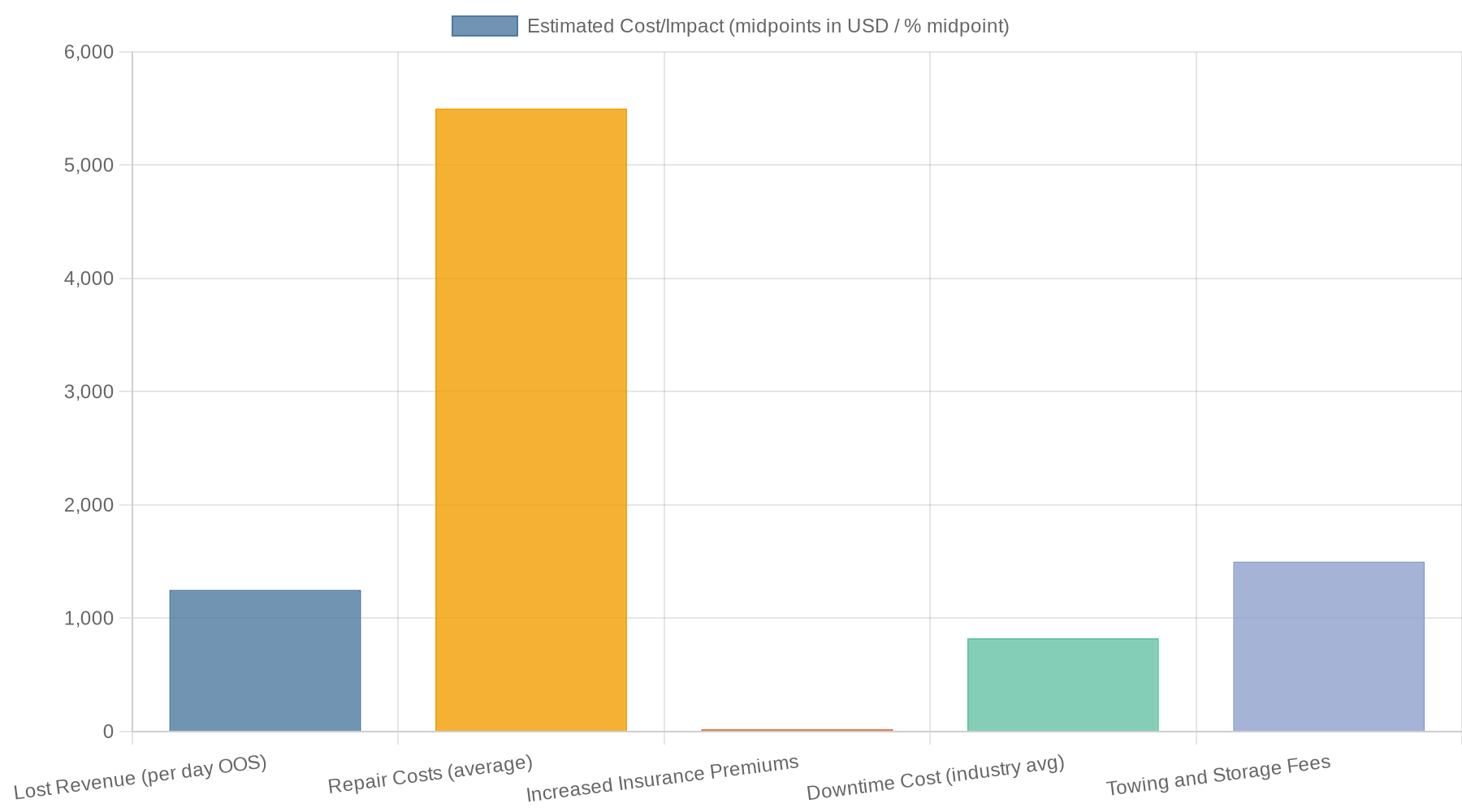
When a truck is put OOS, carriers face substantial financial burdens. The most immediate cost comes from lost revenue, as OOS trucks cannot generate income until they are repaired and returned to service. Prolonged downtime can lead to significant financial strain, impacting cash flow and profitability. Additionally, repairs on OOS vehicles often involve not only direct expenses but can also incur hidden costs such as increased insurance premiums and penalties associated with regulatory non-compliance.
Safety Risks for the Public
OOS trucks are often removed from the road due to mechanical failures that pose safety hazards, such as faulty brakes or tire blowouts. The presence of unfit trucks on public roads increases the risk of accidents, endangering not only the drivers and passengers but also other road users. High-profile accidents involving OOS vehicles can lead to serious injuries or fatalities, creating a crisis of confidence in the trucking industry and prompting stricter enforcement measures by regulatory bodies.
The Need for Improved Mechanical Fitness
The high out-of-service rates observed during inspections, exemplified by the recent blitz where nearly one-third of trucks were OOS, illustrate a critical need for enhanced mechanical fitness among commercial vehicles. By fostering a culture that prioritizes regular maintenance and stringent inspections, carriers can mitigate the risk of vehicles being deemed OOS. Investing in mechanical fitness not only ensures compliance with safety regulations but also promotes operational efficiency, thereby reducing long-term costs associated with maintenance failures.
Conclusion
In conclusion, the implications of OOS trucks reflect the interconnected nature of safety, operational efficiency, and financial health in the trucking industry. Adopting a proactive approach to maintenance and compliance is essential for preserving public safety and ensuring the sustainability of trucking operations. By addressing these challenges, carriers can contribute to a safer road environment and a more resilient industry overall.

In summary, the ongoing trend of user adoption of enforcement compliance initiatives in the trucking industry reflects a commitment to safety and regulatory adherence. Various studies have illustrated that carriers participating in programs such as the Compliance, Safety, Accountability (CSA) initiative benefit from an impressive 12% reduction in crash rates and an 18% increase in inspection pass rates compared to their non-participating counterparts. Furthermore, a substantial 78% of large carriers have adopted electronic logging devices (ELDs), facilitating improved compliance with hours-of-service regulations and significantly reducing fatigue-related incidents.
Another research piece indicates that the implementation of ELDs correlates with a 45% decrease in hours-of-service violations and a 20% decline in crash rates specifically among ELD adopters. This enhanced compliance has also driven voluntary compliance programs, which report as much as a 30% higher participation when incentives, including reduced inspection frequency, are offered.
Moreover, findings from the American Transportation Research Institute reveal that 85% of fleets utilizing compliance technologies, such as ELDs and automated inspection systems, observed fewer out-of-service violations. This data highlights the direct relationship between the adoption of these technologies and improved safety outcomes, evidencing a 25% increase in driver compliance rates and a 15% reduction in preventable accidents. Additionally, participation in comprehensive safety initiatives has resulted in a 40% drop in positive drug tests among carriers using the FMCSA’s Drug and Alcohol Clearinghouse, underscoring the overall impact of compliance programs on public safety and operational integrity within the industry.
In conclusion, as the trucking industry continues to embrace technology and compliance initiatives, the resultant safety benefits are clear. This proactive approach not only enhances the safety of commercial vehicle operations but also serves to build a culture of accountability and responsibility among trucking companies and their drivers.
Ongoing Efforts in Truck Safety Enforcement
In summary, the ongoing efforts in enforcement and compliance initiatives are paramount in ensuring the safety of our roadways and saving lives. The recent enforcement blitz in Milton, Ontario, is a stark reminder of the critical nature of these initiatives. With over 161 trucks placed out of service and 260 trucks identified with defects, the statistics from this blitz underscore the necessity for stringent adherence to safety regulations across the industry.
The commitment to proactive inspections and rigorous enforcement practices plays a vital role in mitigating risks associated with heavy transport vehicles. As noted by industry experts, enforcement actions not only prevent collisions and save lives but also foster a culture of accountability among trucking companies. The data reveal that inspections lead to significant improvements in vehicle safety and compliance rates.
Additionally, as various studies indicate, the adoption of compliance technologies and participation in safety programs have shown promising results, including reduced crash rates and improved inspection pass rates. This trend highlights a collective dedication among industry stakeholders towards enhancing safety measures and operational integrity.
Ongoing collective efforts aimed at compliance and enforcement must remain a priority. The importance of these initiatives cannot be overstated; they are instrumental in maintaining public safety and building trust in the trucking industry. By continuing to emphasize enforcement and compliance, we work toward a future where roadways are safer for everyone.
Ongoing Efforts in Truck Safety Enforcement
To sum up, continuous enforcement and compliance initiatives are essential for ensuring our roadways remain safe and lives are saved. The recent enforcement blitz in Milton, Ontario, highlights the urgent need for these initiatives, with over 161 trucks placed out of service and 260 trucks identified with defects.
A commitment to proactive inspections and strict enforcement is crucial to reducing risks associated with heavy transport vehicles. Industry experts agree that these enforcement actions help prevent accidents and save lives, while also fostering accountability among trucking companies. The data indicates that regular inspections lead to significant safety and compliance improvements.
Furthermore, studies have shown that adopting compliance technologies and engaging in safety programs results in lower crash rates and better inspection outcomes. This trend reflects a shared dedication among industry stakeholders to enhance safety measures and operational integrity.
It is vital to continue prioritizing compliance and enforcement efforts. These initiatives are key to maintaining public safety and rebuilding trust in the trucking sector. By emphasizing the importance of enforcement and compliance, we can work towards a future where our roadways are safer for everyone.
Insights from Industry Leaders
The perspectives of industry experts provide invaluable insights into the importance of enforcement and compliance in truck safety. Marc Taraso emphasizes the significance of a balanced approach:
“We’re trying to get a good cross-blend of trucks from across the industry to get a good idea of how safe the trucks are on our roads.”
This statement alludes to the necessity of comprehensive evaluations to ensure that all types of trucks meet safety standards.
In the same vein, Kevin Maher articulates the effectiveness of proactive measures in enhancing safety:
“These proactive inspections prevent collisions and save lives, the results of which speak directly to our shared commitment to commercial vehicle safety and enforcement.”
Maher’s remarks reinforce the vital role that consistent inspections play in protecting public safety through rigorous adherence to compliance protocols.
Outbound Link on Truck Safety Statistics
For authoritative insights on truck safety statistics, including detailed data on truck accidents and the effectiveness of safety inspections, you can refer to the following resources:
- Large Truck and Bus Crash Facts 2022 – FMCSA: This report provides comprehensive statistics on large truck and bus crashes, highlighting trends and contributing factors.
- Motor Carrier Safety Progress Report – U.S. Department of Transportation: Tracking motor carrier safety performance metrics, this report shows changes in out-of-service rates and the correlation between inspections and improved safety outcomes.
- Commercial Motor Vehicle Facts – IIHS: This IIHS resource presents statistics on fatal crashes involving large trucks and insights into regulatory effectiveness.
- 2023 Inspection and Compliance Statistics – CVSA: An annual report detailing inspection statistics and highlighting the importance of compliance in reducing crash risks.
- Truck Safety Trends and Analysis – National Safety Council: This report analyzes truck safety data trends and the benefits of regular inspections and compliance monitoring.
These sources provide valuable data for understanding the critical aspects of truck safety and the importance of adherence to safety regulations.
Ongoing Efforts in Truck Safety Enforcement: Regulations, Inspections, and Compliance
In summary, the ongoing efforts in enforcement and compliance initiatives are paramount in ensuring the safety of our roadways and saving lives. The recent enforcement blitz in Milton, Ontario, is a stark reminder of the critical nature of these initiatives. With over 161 trucks placed out of service and 260 trucks identified with defects, the statistics from this blitz underscore the necessity for stringent adherence to safety regulations across the trucking industry.
The commitment to proactive inspections and rigorous enforcement practices plays a vital role in mitigating risks associated with heavy transport vehicles. As noted by industry experts, enforcement actions not only prevent collisions and save lives but also foster a culture of accountability among trucking companies. The data reveal that inspections lead to significant improvements in vehicle safety and compliance rates.
Furthermore, as detailed in multiple sources, the adoption of compliance technologies and participation in safety programs have shown promising results, including reduced crash rates and improved inspection pass rates. These changes, particularly the focus on vehicle inspections for safety compliance and adherence to trucking regulations, are instrumental in fostering a safer environment on our roads.
Industry articles have highlighted the importance of understanding recent trends in trucking regulations, especially in light of the FMCSA’s updates emphasizing the role of inspections in safety compliance. New guidelines from the Commercial Vehicle Safety Alliance (CVSA) highlight specific areas like brake systems and cargo securement, which are crucial for preventing accidents. Engaging in regular inspections and adhering to compliance measures not only safeguards the public but also enhances the operational efficiency of trucking companies.
Continued collective efforts aimed at compliance and enforcement must remain a priority. The importance of these initiatives cannot be overstated; they are instrumental in maintaining public safety and building trust in the trucking industry. By continuing to emphasize enforcement and compliance, we work toward a future where roadways are safer for everyone.
Additional Resources on Truck Safety and Compliance
For authoritative insights on truck safety statistics, including detailed data on truck accidents and the effectiveness of safety inspections, you can refer to the following resources:
- FMCSA’s Safety Compliance and Enforcement Initiatives: Highlights the role of vehicle inspections in reducing crashes.
- Trucking Regulations and Enforcement: What Carriers Need to Know: Discusses recent trends in truck safety inspections.
- How Safety Compliance Programs Are Reducing Truck Accidents: Shows the link between inspections and decreased accident rates.
- Technology Revolutionizing Trucking Compliance and Safety: Discusses the use of technology in compliance and inspections.
These sources provide valuable data for understanding the critical aspects of truck safety and the importance of adherence to safety regulations.
Implications of Out of Service (OOS) Trucks in the Context of Transportation Safety
The ramifications of trucks being designated as Out of Service (OOS) extend beyond immediate regulatory compliance. They resonate throughout the industry, presenting multifaceted implications for carriers, public safety, and the mechanical integrity of commercial vehicles.
Economic Costs for Carriers
When a truck is put OOS, carriers face substantial financial burdens. The most immediate cost comes from lost revenue, as OOS trucks cannot generate income until they are repaired and returned to service. Prolonged downtime can lead to significant financial strain, impacting cash flow and profitability. Additionally, repairs on OOS vehicles often involve not only direct expenses but can also incur hidden costs such as increased insurance premiums and penalties associated with regulatory non-compliance.
Safety Risks for the Public
OOS trucks are often removed from the road due to mechanical failures that pose safety hazards, such as faulty brakes or tire blowouts. The presence of unfit trucks on public roads increases the risk of accidents, endangering not only the drivers and passengers but also other road users. High-profile accidents involving OOS vehicles can lead to serious injuries or fatalities, creating a crisis of confidence in the trucking industry and prompting stricter enforcement measures by regulatory bodies.
The Need for Improved Mechanical Fitness
The high out-of-service rates observed during inspections, exemplified by the recent blitz where nearly one-third of trucks were OOS, illustrate a critical need for enhanced mechanical fitness among commercial vehicles. By fostering a culture that prioritizes regular maintenance and stringent inspections, carriers can mitigate the risk of vehicles being deemed OOS. Investing in mechanical fitness not only ensures compliance with safety regulations but also promotes operational efficiency, thereby reducing long-term costs associated with maintenance failures.
Conclusion
In conclusion, the implications of OOS trucks reflect the interconnected nature of safety, operational efficiency, and financial health in the trucking industry. Adopting a proactive approach to maintenance and compliance is essential for preserving public safety and ensuring the sustainability of trucking operations. By addressing these challenges, carriers can contribute to a safer road environment and a more resilient industry overall.