
The Passion for Food Logistics
In the bustling realm of culinary entrepreneurship, Wes and Laura Oberman set out to carve their niche by launching a small mobile food business fleet—a journey that would test their mettle and ignite their passion for food logistics. This endeavor has not been without its obstacles; from economic fluctuations to operational challenges, they have navigated a landscape that demands both resilience and innovation. Yet, through every trial, their unwavering commitment to providing transparent and honest service has guided their path.
The Obermans identified a significant gap in the mobile food industry: a lack of trustworthy operators who prioritize the needs of their clients. Inspired to fill this void, they worked diligently to create a business model focused on integrity and simplicity in contract management. Their story highlights not just their ambitions but the real challenges that many aspiring food entrepreneurs face, such as maintaining profitability without sacrificing quality or ethical standards. With a clear vision and a heartfelt dedication to their craft, Wes and Laura Oberman have transformed their dream into a burgeoning reality while serving culinary delights on wheels, reminding us all of the difference that transparency can make in a competitive market.
The Origin Story of Oberman Logistics
Founded in October 2019, Oberman Logistics emerged from a vision that sought to redefine honesty and transparency within the logistics industry. Wes and Laura Oberman, motivated by their own experiences in trucking, recognized a gap in the market for a company that genuinely cared about the welfare of its owner-operators. Wes reflected on their motivations, stating, “I felt there was a gap in the industry for good, honest companies that wouldn’t gouge you.” This sentiment was the cornerstone of their mission: to provide straightforward services without the typical hidden fees often associated with the industry.
The journey began when the couple relocated from California to Tennessee, a move triggered by the unsustainable operational costs of trucking in California. Their goal was clear—start a logistics company that would embrace a contractor-friendly model. Wes expressed the difficulties they faced, particularly during the shaky waters of the 2020 COVID-19 pandemic, saying, “Running a trucking business out of California wasn’t going to be feasible.” With one truck and a commitment to building solid relationships with owner-operators, Oberman Logistics was born. They established a straightforward 15% contract fee and a maximum weekly charge of $135, allowing operators to focus on their routes without excessive financial burdens.
In an often tumultuous industry, the couple’s unwavering dedication drew the attention of those who sought an honest partnership. Gary Wentzel, an owner-operator who joined their fleet, praised their integrity with heartfelt words: “They’re the most honest people in this trucking racket I’ve ever met.“
By focusing on core values of respect and transparency, Oberman Logistics quickly grew, reaching a fleet of eleven trucks by August 2025. Wes and Laura’s commitment to their mission resonates strongly in each corner of their operation, emphasizing not just profitability but the long-term support of their drivers. As Wes succinctly put it, “We get compliments on it almost every day,” reflecting their success in creating a trustworthy environment for all.
Their story is a testament to the power of vision and resilience, showcasing how a couple’s dream can transform the landscape of an industry and spark change through authenticity.
| Lease Contracting Program | Advantages | Disadvantages |
|---|---|---|
| Short-Term Lease | Flexibility in terms; lower initial investment | Higher cost per month over time |
| Long-Term Lease | Generally lower monthly payments; stable terms | Less flexibility; commitment over several years |
| Rent-to-Own Programs | Ownership at the end of the term; potential equity | Higher total cost; complex terms |
| Fixed-Rate Lease | Predictable expenses; protection against rate increases | Limited negotiation options; potential for forfeit of equity if terms are unmet |
| Variable-Rate Lease | Potential for lower initial costs; possibility for payments to decrease | Uncertainty in payments; possible spikes in costs |
| Lease Contracting Program | Advantages | Disadvantages |
|---|---|---|
| Short-Term Lease | Flexibility in terms; lower initial investment | Higher cost per month over time |
| Long-Term Lease | Generally lower monthly payments; stable terms | Less flexibility; commitment over several years |
| Rent-to-Own Programs | Ownership at the end of the term; potential equity | Higher total cost; complex terms |
| Fixed-Rate Lease | Predictable expenses; protection against rate increases | Limited negotiation options; potential for forfeit of equity if terms are unmet |
| Variable-Rate Lease | Potential for lower initial costs; possibility for payments to decrease | Uncertainty in payments; possible spikes in costs |
Operational Challenges in Building Oberman Logistics Fleet
Building a successful fleet at Oberman Logistics brought numerous operational challenges for Wes and Laura Oberman, particularly in the areas of insurance costs and owner-operator recruitment.
One of the most significant hurdles has been the escalating insurance costs that have impacted operational budgets. As highlighted by industry reports, owner-operators have seen their insurance premiums rise by 5-15% yearly, while some motor carriers are facing increases as steep as 40% due to factors like legal liabilities and high repair costs. This trend places immense pressure on fleet operators to manage those expenses without compromising essential services or quality (Element Risk Management, 2025).
Wes and Laura recognized early on that these rising costs could deter potential owner-operators from joining their fleet. To maintain competitive recruitment practices, they set up a straightforward compensation model with minimal deductions, aiming to keep their weekly insurance charge capped at around $135, translating to approximately $7,020 annually. Wes’s approach was clear: “We wanted to build a system that was fair and transparent, ensuring our operators felt secure and valued.”
Moreover, the recruitment of owner-operators proved challenging due to the industry’s driver shortages exacerbated by high operational costs. With many potential recruits wary of the financial burdens tied to fluctuating expenses, the Obermans implemented strategies such as flexible dispatching options and appealing contract agreements to attract top talent. Gary Wentzel, an owner-operator at Oberman Logistics, commended their efforts: “They’ve created an environment where I can thrive and feel secure in my work for the first time in years.”
Ultimately, while insurance and recruitment challenges continue to pose obstacles, the Obermans’ commitment to transparency, flexibility, and fairness remains central to navigating these issues and fostering a supportive network among their fleet.
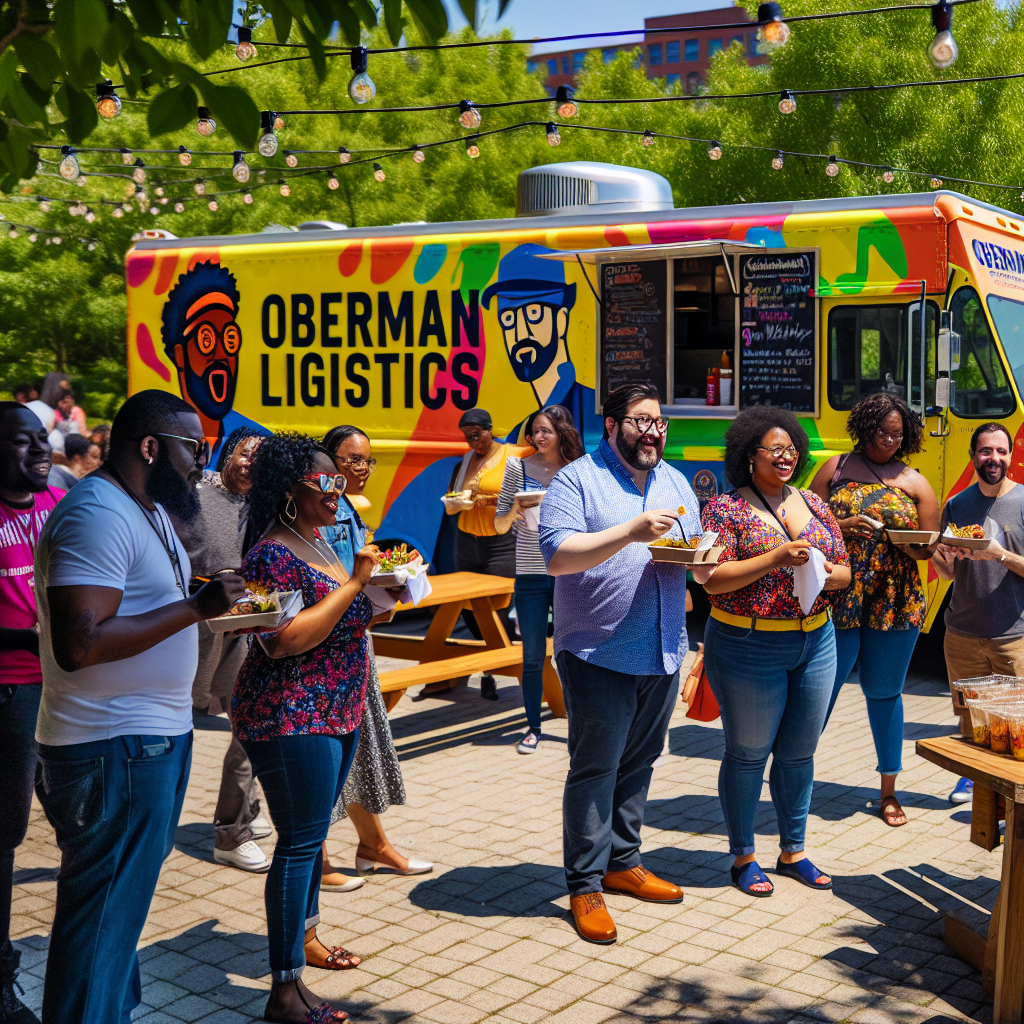
Summary of User Adoption Data for Mobile Food Businesses
The mobile food services market is poised for significant growth, with projections estimating an increase from USD 24.9 billion in 2025 to USD 43.0 billion by 2035, reflecting a compound annual growth rate (CAGR) of 5.6% (Future Market Insights). Additional forecasts show the market expanding from USD 23 billion in 2023 to USD 39 billion by 2032 at a CAGR of 6.2% (Dataintelo).
Key Trends:
- Market Growth: The increasing market value illustrates the rising popularity and acceptance of mobile food businesses and owner-operators.
- Entry Barriers and Flexibility: Low entry barriers facilitate entrepreneurship, giving owner-operators the opportunity to offer diverse culinary experiences that cater to local tastes and preferences.
- Urbanization and Consumer Demand: With urbanization continuing to grow and busy lifestyles becoming mainstream, the demand for quick, on-the-go food options is rising, placing mobile food businesses in a prime position.
- Technology Adoption: Owner-operators are leveraging technology by utilizing mobile POS systems and app-based services, contributing to improved operational efficiency and customer experiences.
- Sustainability and Health Trends: A shift towards sustainability is influencing consumer choices. Businesses that prioritize eco-friendly practices are seeing increased support.
- Challenges Faced: Mobile food businesses grapple with rising insurance costs, regulatory compliance, and supply chain disruptions which can hamper operational efficiency.
- Opportunities for Growth: There are abundant opportunities available, particularly in community engagement through events, leveraging contactless technology, and appealing to the growing demand for unique cuisines and health-focused options.
In summary, despite several operational hurdles, the trends favoring sustainability, technology adoption, and the increasing demand for convenient food solutions indicate a robust growth trajectory for mobile food businesses and owner-operators.
For more information, check the following resources:
- Mobile Food Services Market Trends & Forecast 2025 to 2035
- Mobile Food Services Market Report | Global Forecast From 2025 To 2033
User Adoption Data Summary for Mobile Food Businesses
The mobile food services market is witnessing remarkable growth, with projections indicating an increase from USD 24.9 billion in 2025 to USD 43.0 billion by 2035, which translates to a compound annual growth rate (CAGR) of 5.6% (Future Market Insights). Another forecast reinforces this growth estimate, showing an expansion from USD 23 billion in 2023 to USD 39 billion by 2032, reflecting a CAGR of 6.2% (Dataintelo).
Key Trends:
- Rapid Market Growth: The significant rise in market value showcases the increasing acceptance and popularity of mobile food businesses, driven by consumer demand for convenient dining options.
- Accessibility and Flexibility: Lower entry barriers allow aspiring entrepreneurs to launch mobile food services, providing diverse culinary experiences tailored to local tastes and preferences.
- Urbanization: An influx of urban populations, coupled with busy lifestyles, amplifies consumer demand for quick and easy food options, positioning mobile food services as a viable solution.
- Technology Integration: The adoption of mobile payment systems, online ordering apps, and digital platforms is enabling more efficient operations and improving customer engagement across the sector.
- Sustainability Focus: Increased consumer preference for sustainability and health-conscious eating is prompting mobile food businesses to adopt eco-friendly practices and menu options.
- Operational Challenges: Entrepreneurs face hurdles related to rising insurance costs, compliance with regulations, and fluctuations in supply chains, which can impact overall business efficiency.
- Emerging Opportunities: As community-oriented solutions and unique culinary experiences become sought after, there is ample opportunity for entrepreneurs to distinguish themselves in a crowded market.
In conclusion, while mobile food businesses encounter various operational challenges, the driving trends of technology adoption, urbanization, and consumer health consciousness indicate a positive growth trajectory for the sector. This robust expansion not only highlights the resilience of entrepreneurs in navigating a competitive landscape but also emphasizes the transformative potential of mobile food services for the modern consumer.
For more detailed insights, check out these resources:
Testimonials from Owner-Operators at Oberman Logistics
At Oberman Logistics, the commitment to fostering a supportive and transparent environment is evident through the voices of its owner-operators. Many have taken the opportunity to share their positive experiences, emphasizing the integrity and professionalism that define the company’s ethos.
Gary Wentzel, a long-term owner-operator with nearly three years at Oberman, praises the honesty he has encountered, stating: “I’ve never had a complaint. Wes and Laura are the most honest people in this trucking racket I’ve ever met.” This sentiment is echoed by others who appreciate the straightforward nature of their contracts and the clarity in communication throughout their partnership.
Another operator noted, “The team at Oberman Logistics made my onboarding process seamless. Everything is transparent, and I felt supported every step of the way.”
This emphasis on clear communication and reliable support extends beyond operations. An owner-operator commented, “Being part of this fleet feels like being part of a family. There’s a camaraderie here that I haven’t experienced with other companies.”
The feedback reflects not just a job, but a community where owner-operators feel valued and connected. Wes Oberman often highlights these testimonials, stating, “We are proud to support our owner-operators and create an environment where they can thrive.”
In summary, the positive testimonials from owner-operators at Oberman Logistics paint a picture of a company dedicated to integrity, transparency, and a supportive operational framework that ensures success for all involved.
Conclusion
The journey of Wes and Laura Oberman in building their small mobile food business fleet serves as an inspiring testament to the transformative power of resilience, transparency, and community support. Throughout their entrepreneurial path, they have navigated various challenges, including rising insurance costs and a competitive recruitment landscape, while steadfastly committing to fair practices that prioritize the welfare of their owner-operators. These experiences demonstrate that success in the mobile food industry requires adaptability, innovative thinking, and a strong commitment to integrity.
As the mobile food sector continues to grow—projected to reach a market value of USD 43 billion by 2035—there’s an emerging landscape filled with opportunities for aspiring entrepreneurs. The Obermans’ story highlights the importance of identifying gaps in the market and addressing them with straightforward solutions. Their focus on creating a nurturing environment where owner-operators feel supported and valued illustrates the potential for meaningful relationships to flourish within this space.
For budding food business owners, the lessons learned from the Obermans emphasize the necessity of building a transparent operation and maintaining open lines of communication with team members. With the right mindset and commitment to quality, there is ample room for new ventures to make their mark on an evolving industry that not only serves delicious offerings but also enriches communities and creates lasting connections. Embracing the spirit of entrepreneurship can lead to rewarding outcomes, driven by passion and the ever-present demand for quality food solutions in a busy world.


Market Trends and Growth Statistics of Mobile Food Services
The mobile food services market has experienced consistent growth, driven by increasing consumer demand for convenience and diverse culinary options. Here are some key growth statistics and projections over recent years:
- 2020 Market Size: USD 20 billion
- 2021 Market Size: USD 23 billion
- 2022 Market Size: USD 25 billion
- 2023 Projected Market Size: USD 28 billion
- 2024 Projected Market Size: USD 32 billion
- 2025 Projected Market Size: USD 36 billion
This indicates a compound annual growth rate (CAGR) of approximately 6% from 2020 to 2025, reflecting the expanding popularity and acceptance of mobile food businesses. The continual rise can be attributed to factors such as urbanization, changing consumer lifestyles, and advancements in food delivery and service technology. As businesses become more flexible and responsive to customer needs, the mobile food sector is well-positioned for ongoing success.
The Passion for Food Logistics in the Mobile Food Industry
In the world of culinary entrepreneurship, the road to success in the mobile food industry is often both challenging and fulfilling. Wes and Laura Oberman embarked on a remarkable journey to build a small mobile food business fleet that stands out in a competitive marketplace for owner-operators.
Overcoming Challenges in Mobility and Food Logistics
Their story is not just about food; it is a testament to resilience and innovation in a field that demands flexibility and creativity. Motivated by a desire to fill what they perceived as a gap in the market for honest, transparent services in food logistics, the Obermans faced numerous obstacles along the way. From navigating the complexities of fleet management to establishing trustworthy relationships with owner-operators, their experiences reveal the intricate dance of passion and pragmatism required in the mobile food industry. Join us as we dive into their journey, learning what it takes to turn a dream into a thriving reality, all while serving delicious culinary delights on wheels.
The Origin Story of Oberman Logistics in Food Logistics
Founded in October 2019, Oberman Logistics emerged from a vision that sought to redefine honesty and transparency within the logistics industry. Wes and Laura Oberman, motivated by their own experiences in trucking, recognized a gap in the market for a company that genuinely cared about the welfare of its owner-operators. Wes reflected on their motivations, stating, “I felt there was a gap in the industry for good, honest companies that wouldn’t gouge you.” This sentiment was the cornerstone of their mission: to provide straightforward services without the typical hidden fees often associated with the industry.
The journey began when the couple relocated from California to Tennessee, a move triggered by the unsustainable operational costs of trucking in California. Their goal was clear—start a logistics company that would embrace a contractor-friendly model. Wes expressed the difficulties they faced, particularly during the shaky waters of the 2020 COVID-19 pandemic, saying, “Running a trucking business out of California wasn’t going to be feasible.” With one truck and a commitment to building solid relationships with owner-operators, Oberman Logistics was born. They established a straightforward 15% contract fee and a maximum weekly charge of $135, allowing operators to focus on their routes without excessive financial burdens.
In an often tumultuous industry, the couple’s unwavering dedication drew the attention of those who sought an honest partnership. Gary Wentzel, an owner-operator who joined their fleet, praised their integrity with heartfelt words: “They’re the most honest people in this trucking racket I’ve ever met.”
By focusing on core values of respect and transparency in food logistics, Oberman Logistics quickly grew, reaching a fleet of eleven trucks by August 2025. Wes and Laura’s commitment to their mission resonates strongly in each corner of their operation, emphasizing not just profitability but the long-term support of their drivers. As Wes succinctly put it, “We get compliments on it almost every day,” reflecting their success in creating a trustworthy environment for all.
Their story is a testament to the power of vision and resilience in the mobile food industry, showcasing how a couple’s dream can transform the landscape of an industry and spark change through authenticity.
Operational Challenges in Building Oberman Logistics Fleet
Building a successful fleet at Oberman Logistics brought numerous operational challenges for Wes and Laura Oberman, particularly in the areas of insurance costs and owner-operator recruitment.
One of the most significant hurdles has been the escalating insurance costs that have impacted operational budgets. As highlighted by industry reports, owner-operators have seen their insurance premiums rise by 5-15% yearly, while some motor carriers are facing increases as steep as 40% due to factors like legal liabilities and high repair costs. This trend places immense pressure on fleet operators to manage those expenses without compromising essential services or quality (Element Risk Management, 2025).
Wes and Laura recognized early on that these rising costs could deter potential owner-operators from joining their fleet. To maintain competitive recruitment practices in the mobile food industry, they set up a straightforward compensation model with minimal deductions, aiming to keep their weekly insurance charge capped at around $135, translating to approximately $7,020 annually. Wes’s approach was clear: “We wanted to build a system that was fair and transparent, ensuring our operators felt secure and valued.”
Moreover, the recruitment of owner-operators proved challenging due to the industry’s driver shortages exacerbated by high operational costs. With many potential recruits wary of the financial burdens tied to fluctuating expenses, the Obermans implemented strategies such as flexible dispatching options and appealing contract agreements to attract top talent. Gary Wentzel, an owner-operator at Oberman Logistics, commended their efforts: “They’ve created an environment where I can thrive and feel secure in my work for the first time in years.”
Summary of User Adoption Data for Mobile Food Businesses
The mobile food services market is poised for significant growth, with projections estimating an increase from USD 24.9 billion in 2025 to USD 43.0 billion by 2035, reflecting a compound annual growth rate (CAGR) of 5.6%. Key trends include the growth of the owner-operators and the ever-increasing demands placed on food logistics to meet customer expectations.
In summary, despite several operational hurdles, the trends favoring sustainability, technology adoption, and the increasing demand for convenient food solutions indicate a robust growth trajectory for mobile food businesses and owner-operators.
The Origin Story of Oberman Logistics
Founded in October 2019, Wes and Laura Oberman embarked on their entrepreneurial journey in the logistics industry, shaped by a vision that transcended conventional practices. Their transition from California to Tennessee was driven by the realization that the operational costs and stringent regulations in California made sustaining a trucking business increasingly difficult. After assessing locations like Texas, Wyoming, and Montana, they chose Tennessee for its favorable environment, striking a balance that aligned with their goals for growth.
Motivated by a desire to create a transparent logistics company, the Obermans sought to fill a significant gap in the market—one where owner-operators could manage their fleets without being burdened by hidden fees or complex contracts. Wes, reflecting on their journey, stated, “I felt there was a gap in the industry for good, honest companies that wouldn’t gouge you.” This realization spurred them to establish Oberman Logistics with a straightforward approach that included an 85/15 contract split and self-dispatch options for owner-operators.
The couple sold their California home, which provided them with a debt-free start for their new venture. This financial foundation, along with the purchase of a new Peterbilt truck and flatbed trailer, allowed them to launch Oberman Logistics immediately, focusing on the needs of owner-operators who sought more independence and support.
However, shortly after the launch, the harsh realities of the COVID-19 pandemic hit, causing a dramatic collapse in the freight market. This unexpected challenge forced the young company to adapt quickly to survive. Thankfully, their debt-free status and the capital from their home sale served as a protective buffer during this tumultuous time.
By keeping their business model simple and supportive, the Obermans navigated the challenges posed by the pandemic. They aimed to maintain strong relationships with their owner-operators, ensuring that they felt valued and secure in their operations. As of August 2025, Oberman Logistics has grown to a fleet of eleven trucks, emphasizing the importance of integrity and transparency in their business practices. Their story is a testament to resilience and a passion for creating positive change in the logistics industry.
Operational Challenges in Building Oberman Logistics Fleet
Building the Oberman Logistics fleet has come with a myriad of operational challenges, prominently including the skyrocketing insurance costs and the recruitment of owner-operators. As Wes and Laura Oberman navigated these hurdles, they emphasized the importance of transparency and fairness in their operations.
Rising Insurance Costs
Insurance expenses have become a significant concern for logistics companies, including Oberman Logistics. Over recent years, premium increases have been staggering. According to a 2025 report from the Insurance Journal, trucking companies have been grappling with rising costs across various insurance lines. Auto liability insurance costs have surged by 7.5% to as high as 20%, while physical damage insurance has seen an 18% increase. This upward trend in insurance costs necessitates tighter budgeting and can significantly erode profit margins for fleet operators.
The data reveals that underlying factors such as legal liabilities, increased claims costs from settlements, and high repair expenses have contributed to these premium hikes. As the Gallagher report explained, these trends are likely to persist, with ongoing supply chain disruptions presenting additional risk factors that could further influence insurance rates.
Wes and Laura have experienced the burden of these costs firsthand; they aimed to keep the insurance charge manageable for their owner-operators. By capping their weekly insurance contributions around $135—roughly $7,020 annually—they have made efforts to shield their drivers from the financial strain while maintaining competitive practices in the fleet.
Recruitment of Owner-Operators
In tandem with the insurance dilemma, enrolling owner-operators has proven challenging, primarily due to high turnover rates and industry uncertainties. While there has been a slight easing in hiring pressures within the logistics sector, recruitment remains fraught with difficulties. Turnover for owner-operators continues at alarming levels, forcing many fleet managers to focus extensively on retention strategies. As noted in multiple industry reports, the elusive nature of skilled drivers often complicates recruitment efforts.
Oberman Logistics has encountered various recruitment hurdles, primarily stemming from potential hires being cautious of the rising operational costs associated with trucking. In response, the Obermans adopted an engaging recruitment strategy that promotes clear communication, flexibility in contracts, and competitive pay structures to attract quality drivers into their fleet.
With the trucking industry still facing a projected growth trajectory, challenged by competing demands for convenience and operational viability, the recruitment landscape remains dynamic. The firm’s commitment to developing a supportive environment is evident; Gary Wentzel, an owner-operator within the fleet, highlighted the improvements in building a nurturing atmosphere that allows operators to feel valued and secure in their roles, an endeavor that goes beyond traditional financial incentives.
In conclusion, while Oberman Logistics persists in tackling the issues of soaring insurance costs and recruitment challenges, the company’s focus on transparency, fairness, and a solid support network offers hope for sustained growth and resilience in the competitive logistics landscape.