The Importance of Recycling Plastic Food Storage Containers in the Food Industry
Grappling with waste management in the food industry can feel like an uphill battle. As bubble tea shops, restaurants, food trucks, and catering services strive to enhance their sustainability efforts, the role of recycling plastic food storage containers becomes paramount. These containers are ubiquitous in food service operations, but their improper disposal contributes significantly to environmental pollution. According to recent statistics, plastic waste accounts for a staggering 12% of the total waste generated in the food sector, exacerbating global plastic pollution. This not only impacts our planet but also places a growing burden on food businesses that are being called to demonstrate their commitment to sustainability.
For professionals in the food industry, the pain points are clear: escalating disposal costs, strict regulations, and a consumer landscape increasingly favoring eco-friendly practices. Understanding how to properly recycle plastic food storage containers allows businesses to mitigate waste, lower operational costs, and meet consumer expectations regarding sustainable practices. By getting involved in recycling initiatives, businesses can significantly decrease their environmental footprint while enhancing their brand image. Together, these actions pave the way for a more responsible and sustainable food industry, benefiting not just individual businesses but the community and environment at large. To learn more about sustainable practices in food packaging, explore our eco-friendly paper packaging solutions or see how paper bowls serve as a great alternative to plastic containers in your operations by checking our paper bowl offerings.
Key Benefits of Recycling Plastic Food Storage Containers
Recycling plastic food storage containers offers numerous advantages specifically targeting the food industry. Here’s an overview of some key benefits:
-
Environmental Impact: Recycling helps reduce the amount of plastic waste that ends up in landfills. According to a study from the European Environment Agency, increasing recycling rates can save significant greenhouse gas emissions, helping to combat climate change. By recycling plastic containers, the food industry can contribute to a more sustainable future through reduced carbon emissions during the manufacturing process.
-
Cost Savings: Adopting recycling practices can lead to substantial cost reductions for businesses. By utilizing recycled materials for production, food service providers can minimize reliance on virgin plastic. This shift can lower overall material costs, as noted in a Global Packaging Solutions Journal article, which highlights how recycling supports circular economy models.
-
Regulatory Compliance: As regulations around plastic waste tighten, recycling plastic containers can help businesses comply with new environmental policies. Many regions are implementing stricter guidelines on plastic use in the food industry. Thus, establishing proper recycling protocols not only meets regulatory requirements but also showcases a commitment to corporate responsibility.
-
Enhanced Brand Image: Utilizing recycled materials helps enhance a company’s image among eco-conscious consumers. Customers increasingly prefer brands that demonstrate sustainability initiatives. Positive public perception can lead to increased customer loyalty and attract new patrons who prioritize environmental responsibility.
-
Preserving Resources: Recycling reduces the demand for new raw materials, conserving natural resources. By converting waste into reusable materials, the food industry can play a crucial role in creating a more sustainable supply chain.
By integrating recycling practices for plastic food storage containers, businesses in the food industry can make a meaningful impact on the environment, save costs, and improve their market position. To explore eco-friendly food packaging options, check out our range of sustainable packaging products. Let’s work together to foster a greener future!
Types of Plastic Containers Suitable for Recycling
When it comes to recycling plastic food storage containers, understanding different plastic types and their recycling symbols is key for businesses in the food service industry. These symbols, typically found on the bottom of containers, identify the type of plastic used and its recyclability.
Here are the main types of plastic suitable for recycling in food storage:
1. Polyethylene Terephthalate (PET or PETE)
- Recycling Symbol: ♻️ 1
- Safety for Food Storage: Yes, but with limitations.
- Notes: Commonly used for soft drink and water bottles. Not recommended for hot liquids and should only be used once to avoid chemical leaching.
2. High-Density Polyethylene (HDPE)
- Recycling Symbol: ♻️ 2
- Safety for Food Storage: Yes.
- Notes: Known for its durability and resistance to various chemicals, HDPE is often used in milk jugs, detergent bottles, and food storage containers. It is safe for both hot and cold items.
3. Low-Density Polyethylene (LDPE)
- Recycling Symbol: ♻️ 4
- Safety for Food Storage: Yes.
- Notes: Used in grocery bags and some food containers, LDPE is safe for food contact, though less rigid than HDPE. It is generally not recyclable through curbside programs but can be taken to special facilities.
4. Polypropylene (PP)
- Recycling Symbol: ♻️ 5
- Safety for Food Storage: Yes, especially for hot foods.
- Notes: This plastic can withstand higher temperatures and is often used for microwave containers, yogurt containers, and more. It’s a versatile choice for businesses that need heat-resistant food storage solutions.
Avoid These Plastics
While the above plastics are generally safe and recyclable, certain plastics should be avoided in food applications due to health risks:
- Polyvinyl Chloride (PVC or 3): Can release harmful substances.
- Polystyrene (PS or 6): Often used in foam containers, not safe for hot foods.
- Other (7): This category is very broad and contains various plastics that may not be safe for food contact.
Incorporating recycling practices into your operations not only helps the environment but also supports sustainability within the food industry. Properly identifying the materials of your containers can lead to better recycling and responsible usage. For more eco-friendly options, consider exploring the range of sugarcane tableware offered by Green Dispopack, which are not only compostable but also perfect for food service.
In conclusion, while many types of plastic food storage containers can be recycled, it’s vital to be aware of their limitations and ensure that you’re using the right materials for safe food storage. This not only promotes a sustainable business model but also enhances food safety for your customers.
Recycling Guidelines for Plastic Food Containers by Region
Understanding the recycling guidelines for plastic food containers is essential for businesses across different regions, particularly for bubble tea shops, restaurants, food trucks, and catering services. Below is a summary of the recycling practices and policies pertinent to various regions.
| Region | Accepted Materials (Commonly Recycled) | Pre-Recycling Preparation | Specific Policies, Programs, or Statistics |
|---|---|---|---|
| USA | #1 PET (bottles), #2 HDPE (milk jugs), #5 PP (yogurt containers) | Rinse containers; remove lids when required; check local guidelines. Some programs accept #4 LDPE (plastic bags) in designated bins. | – Curbside recycling acceptance varies by state and municipality. – National average recycling rate for plastic: ~9% (EPA, 2023). – California has a statewide recycling rate of 30% for plastics (CalRecycle, 2024). – The Association of Plastic Recyclers (APR) reports that contamination (e.g., food residue) causes up to 68% of #5 PP loads to be rejected at MRFs. |
| Canada | #1 PET, #2 HDPE, #5 PP, #4 LDPE (in some provinces) | Rinse containers thoroughly; remove caps and labels if not accepted locally. Many provinces have standardized guidelines through the Canada-wide Acceptance List (CAL). | – Canada’s national plastic recycling rate is ~9% (Environment and Climate Change Canada, 2024). – Ontario and British Columbia lead with >15% recycling rates for plastics. – Extended Producer Responsibility (EPR) programs are being implemented nationwide to improve collection and recycling infrastructure. |
| Europe (EU) | #1 PET, #2 HDPE, #5 PP, #4 LDPE (varies by country); EU Single-Use Plastics Directive bans certain items (e.g., polystyrene takeout boxes) | Rinse containers; separate lids and caps if not recyclable. Follow national sorting rules (e.g., Germany’s dual system). | – EU average recycling rate for packaging: ~45% (Eurostat, 2023). – Germany recycles over 65% of its plastic packaging. – France banned non-recyclable single-use plastics in 2024. – EU targets 55% recycling rate for plastic packaging by 2030 under new legislation. |
| Asia (Japan, South Korea, China) | Japan: #1 PET, #2 HDPE South Korea: #1 PET, #2 HDPE, #5 PP China: #1 PET, #2 HDPE (limited due to import restrictions) |
Rinse and clean containers; follow municipal sorting rules. In Japan and South Korea, home composting and deposit-return systems are common. | – Japan’s plastic recycling rate: ~80% (Ministry of Environment, 2023). – South Korea’s rate: ~50% (Korea Recycling Foundation, 2024). – China banned most plastic waste imports in 2018 (National Sword Policy), leading to domestic recycling upgrades. – India’s draft EPR rules aim for 50% plastic recycling by 2025. |
Summary of Recycling Rates by Region
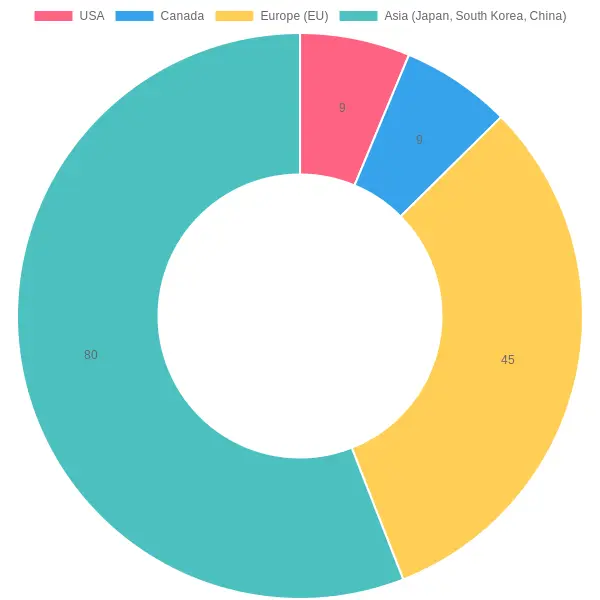
- United States: 9% recycling rate for plastics.
- Canada: 9% recycling rate, with leadership in Ontario and British Columbia.
- Europe (EU): Approximately 45% average recycling rate.
- Asia (notably Japan): Remarkable recycling rate of 80%.
For businesses such as Green Dispo Pack focusing on sustainable packaging solutions, understanding these guidelines can enhance compliance and promote eco-friendly practices.
Implementing Effective Recycling Programs for Restaurants, Food Trucks, and Catering Services
Recycling is a crucial step toward sustainability in the food service industry. For restaurants, food trucks, and catering services, establishing a functional recycling program for plastic food containers is not only beneficial for the environment but also helps to improve your business’s image. Here are some practical steps to guide you in creating an effective recycling initiative.
1. Conduct a Waste Audit
Start by auditing your waste streams to identify what materials you generate most. This can help you understand the volume of plastic waste and packaging that can be recycled. Knowing the types and quantities of waste will inform your decision on what recycling bins to set up.
2. Choose the Right Packaging
Selecting recyclable or compostable packaging for your food products can significantly reduce landfill waste. Many services now offer a range of containers that are suitable for recycling, including sugarcane tableware and paper packaging options. Opt for materials that can easily be recycled in your area.
3. Set Up Designated Recycling Stations
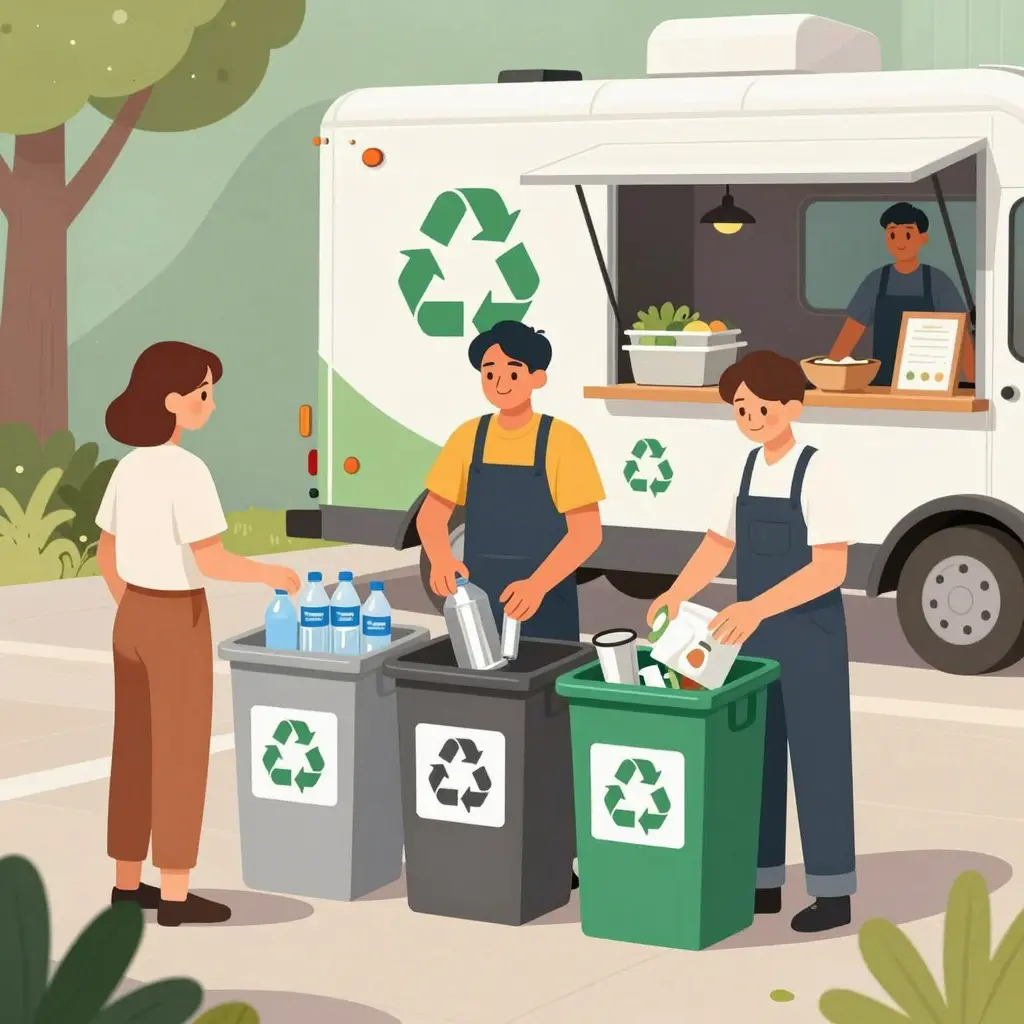
Design clear, well-labeled recycling stations within your business that include separate bins for plastics, organic waste, and general trash. Ensure that all staff are trained to use and maintain these stations correctly. Use visually engaging signs that explain what can and cannot be recycled to help customers understand the process better. Engaging customers can be a part of your sustainability messaging.
4. Educate Your Team
Training your staff is critical in preventing contamination in recycling bins. Regular workshops or training sessions can keep them updated on the correct recycling methods and new materials. An informed team is key to a successful recycling program.
5. Collaborate with Local Recyclers
Engage with local waste management and recycling facilities. Building partnerships with these organizations can help ensure that the collected plastics and other recyclables are processed correctly. This will aid in effective waste disposal and improve recycling rates.
6. Monitor and Improve
Conduct regular evaluations of your recycling program. Track the amount of material being recycled and adjust your strategies as necessary. This iterative process allows you to continually enhance your recycling initiatives.
Conclusion
Setting up a recycling program is a productive step towards sustainability for your restaurant, food truck, or catering service. Not only does it reduce landfill waste, but it also reinforces your commitment to environmental stewardship. By following these steps and staying engaged with your community, you can successfully minimize your plastic footprint and contribute to a healthier planet.
For more packaging options, check out our range of paper packaging solutions that are eco-friendly and align with industry standards!
Recycling Rates of Plastic in the Food Sector
The recycling rates for plastics, particularly in the food sector, remain an important topic as we strive for better waste management. According to recent data:
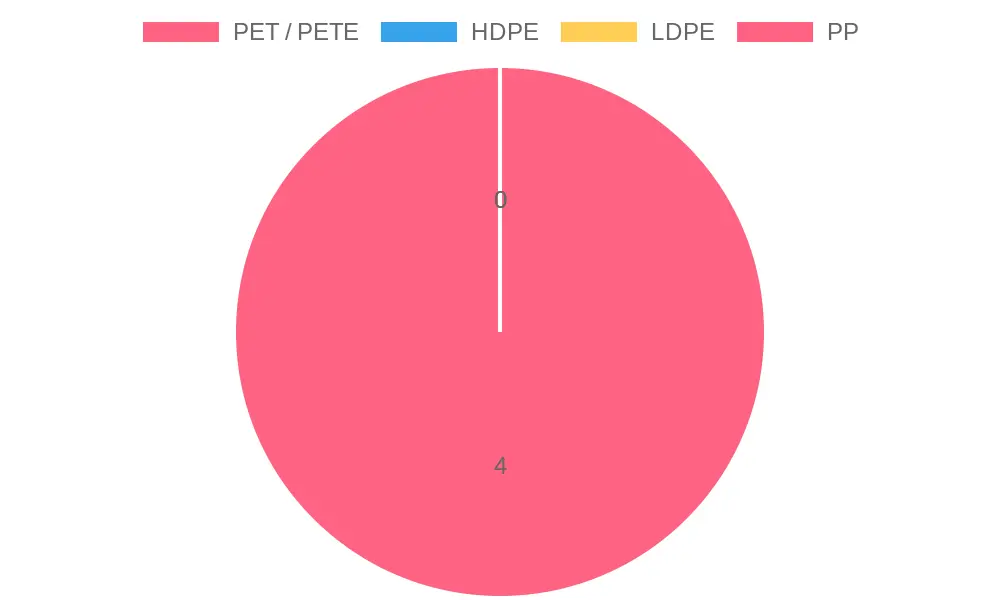
- The recycling rate for polypropylene (PP) plastic food containers is 29.6% in 2023.
- The average national recycling rate stands at 31%.
- Low-value plastic packaging has a significantly lower recycling rate of 16.3%.
These statistics highlight the need for improvement in plastic recycling practices, particularly in the food sector.
Visual Representation
The following chart illustrates the current recycling rates for different types of plastics in the food sector:

Note: The data shows that while the average national recycling rate is 31%, the recycling rate for polypropylene (PP) food containers stands at 29.6%, which is slightly below the national average. More critically, low-value plastic packaging recycles at only 16.3%, highlighting a significant gap and underscoring the urgent need for improvement in plastic waste management, especially in the food sector.
Importance of Recycling in the Food Service Industry
“Establishing a standardized and regulated recycling system is crucial in tackling the dual challenges of food waste and environmental pollution. This enables us to turn waste into valuable resources, supporting sustainable development in our industry.”
- UNEP Expert
Incorporating proper recycling practices not only helps to reduce waste but also promotes a sustainable ecosystem within the food service sector. By ensuring that plastic containers and other materials are correctly recycled, businesses can contribute significantly to reducing strain on landfills and minimizing carbon footprints.
For information about sustainable packaging options that align with recycling efforts, browse our collection!
FAQs About Recycling Plastic Food Storage Containers
1. Can I recycle my plastic food storage containers?
Yes, you can recycle plastic food storage containers, but it depends on the type of plastic and your local recycling regulations. Most recycling programs accept containers made from #1 (PETE) and #5 (PP) plastics. However, it’s essential to ensure the containers are clean and free from food residue before recycling them. Contaminated containers can cause the entire batch to be rejected, as noted by EcoLiving Today.
2. Why is it important to clean containers before recycling?
Cleaning your containers is crucial because food residue can contaminate the recycling stream. If recycling facilities receive contaminated materials, they may reject them, which leads to waste. Not only does this waste resources, but it also increases landfill overflow. Always rinse out your containers thoroughly to reduce contamination risks.
3. What types of plastic containers are safest to use?
Containers with resin identification codes #2 (HDPE) and #5 (PP) are considered safe for both reuse and recycling. They are durable and less likely to leach harmful substances into food. In contrast, #1 (PETE) containers are designed for single use. Recycling these depends on local facilities; check with your local recycling center for guidelines. For more about safe containers, you can refer to Healthline.
4. What should I do if my local recycling program doesn’t accept certain plastics?
If your local recycling program doesn’t accept specific plastics, it’s best to switch to reusable alternatives. Containers made from glass or stainless steel are excellent options, as they provide better safety and can be reused for longer periods. Moreover, consider using compostable options for single-use needs, like products available in our sugarcane tableware section.
5. Are there any health risks associated with using old plastic containers?
Yes, using old plastic containers can pose health risks if they are not made from safe materials. Over time, some plastics may degrade and leach harmful substances into food. Therefore, always inspect containers for cracks or discoloration before reuse or recycling, as damaged plastics pose a higher risk of contamination. More details about safe practices can be found in the guidelines from the FDA.
6. How can I stay updated on recycling best practices?
To stay informed about the latest recycling practices and guidelines, regularly check with local waste management authorities and reputable sources online. Following eco-friendly updates can help streamline your sustainability efforts in your business operations.
By understanding these key points about recycling plastic food storage containers, you can contribute to a more sustainable food industry. Proper recycling not only benefits the environment but also reflects a commitment to responsible business practices.
Conclusion: Partnering for a Sustainable Future
As we’ve explored, recycling plastic food storage containers is not only beneficial for the environment but also a crucial step in reducing waste in your food and beverage business. Implementing recycling programs can help your organization meet corporate social responsibility goals and appeal to environmentally conscious consumers, which is increasingly important in today’s market.
However, the journey to sustainability can feel overwhelming. That’s where we come in! At Green Dispopack, we are committed to providing innovative, eco-friendly packaging solutions tailored for your unique needs. By partnering with us, you not only gain access to a wide range of sustainable products, including our sugarcane tableware and biodegradable packaging options, but you also contribute to a larger movement towards environmental responsibility.
Let’s work together to make a positive impact! Explore our diverse selection of sustainable packaging and experience how easy it is to transition into greener practices. Contact us today to learn more about our products and how we can support your business in reducing its carbon footprint. Together, we can create a cleaner, greener future for all!