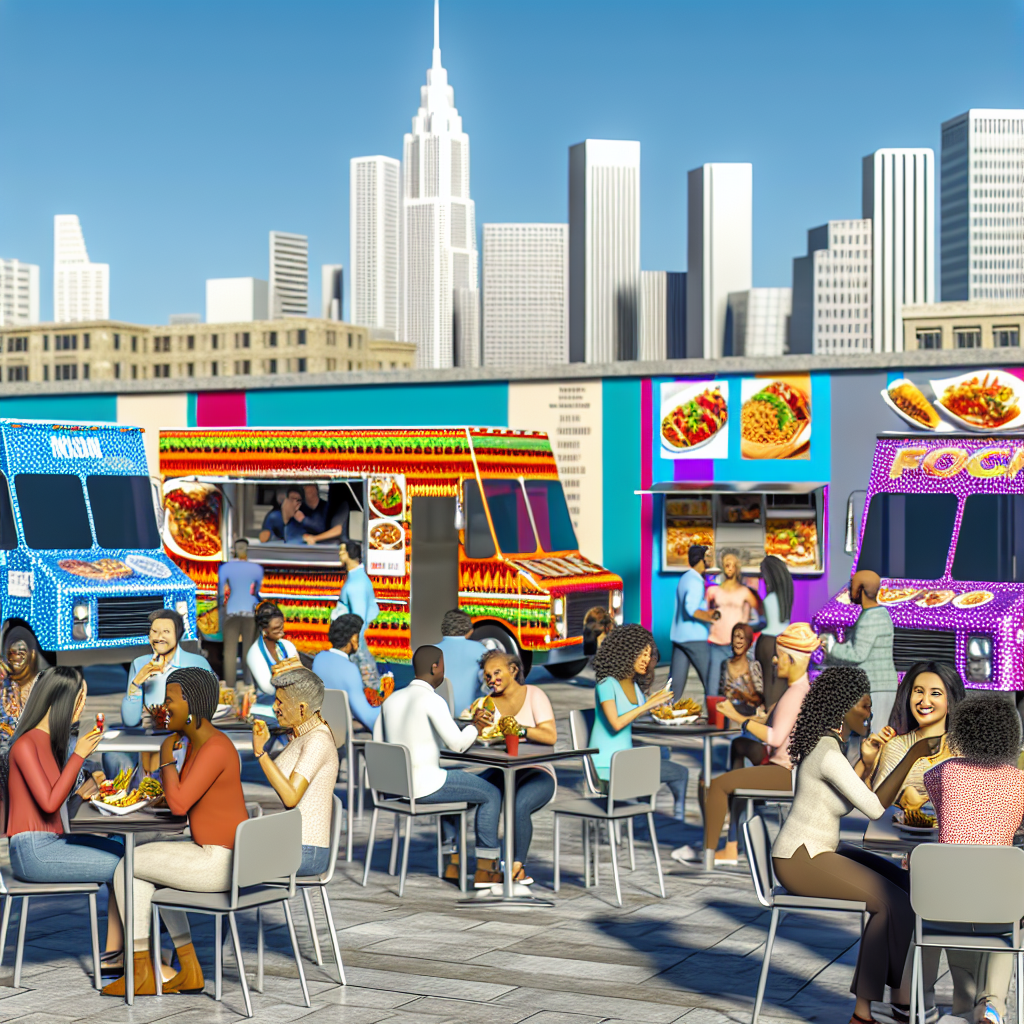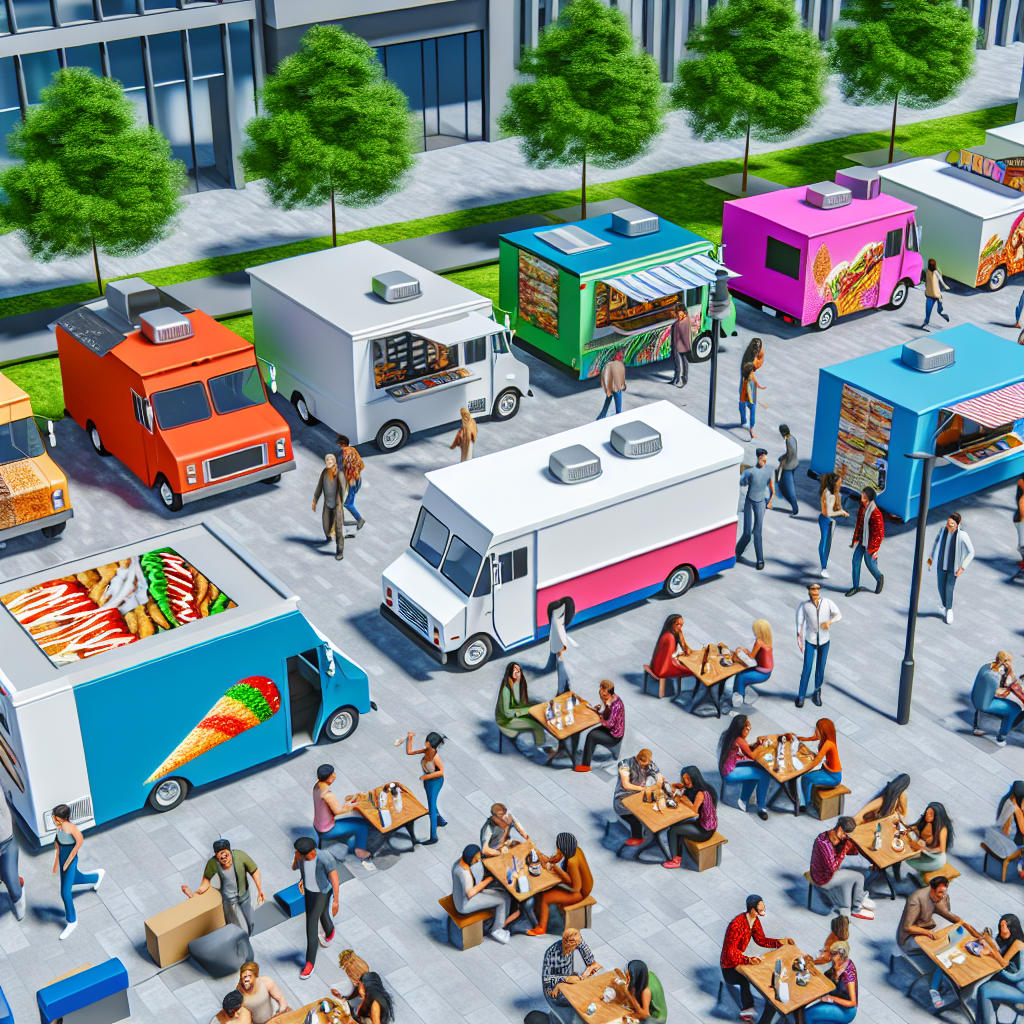
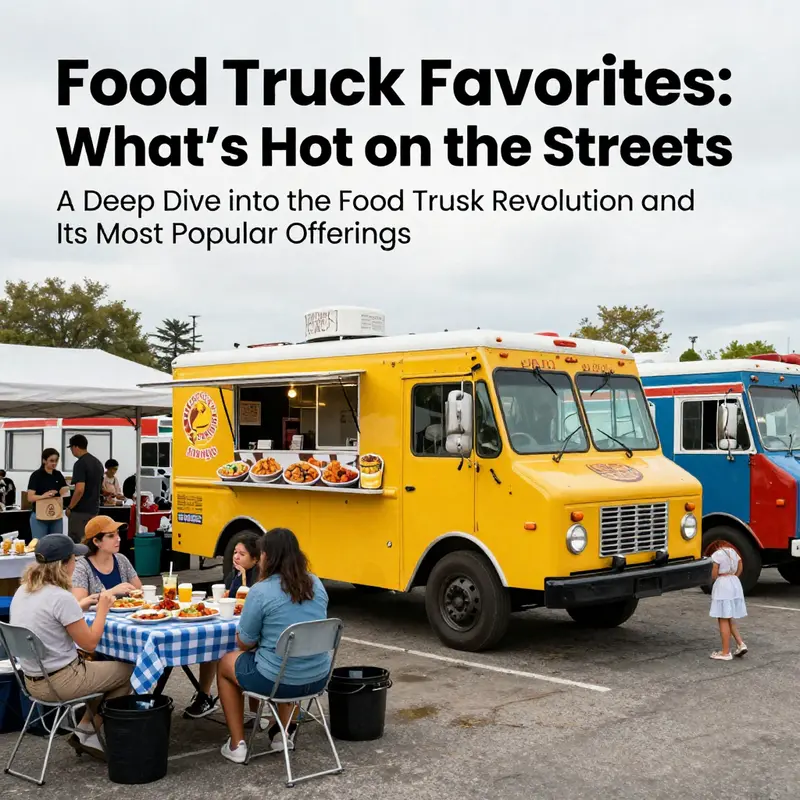
As cultures collide and culinary boundaries blur, food trucks have emerged as a vibrant part of the urban dining scene. These mobile kitchens deliver a plethora of flavors, offering everything from hearty meals to sweet indulgences. Among the myriad of choices, shish kebabs and dessert delights consistently reign supreme, bringing joy to hungry patrons across various settings. This article explores what food is most popular in food trucks, highlighting the irresistibly savory shish kebab, the decadent world of dessert trucks, global culinary influences, the rise of healthy vegetarian options, and the evolution of food trends over the years. Join us as we delve into the rich tapestry of flavors that make food trucks a beloved feature of our cities.
Why Shish Kebab Rules the Food Truck Scene: Flavor, Design, and Demand
Design, Culture, and Service Behind Shish Kebab’s Food Truck Dominance
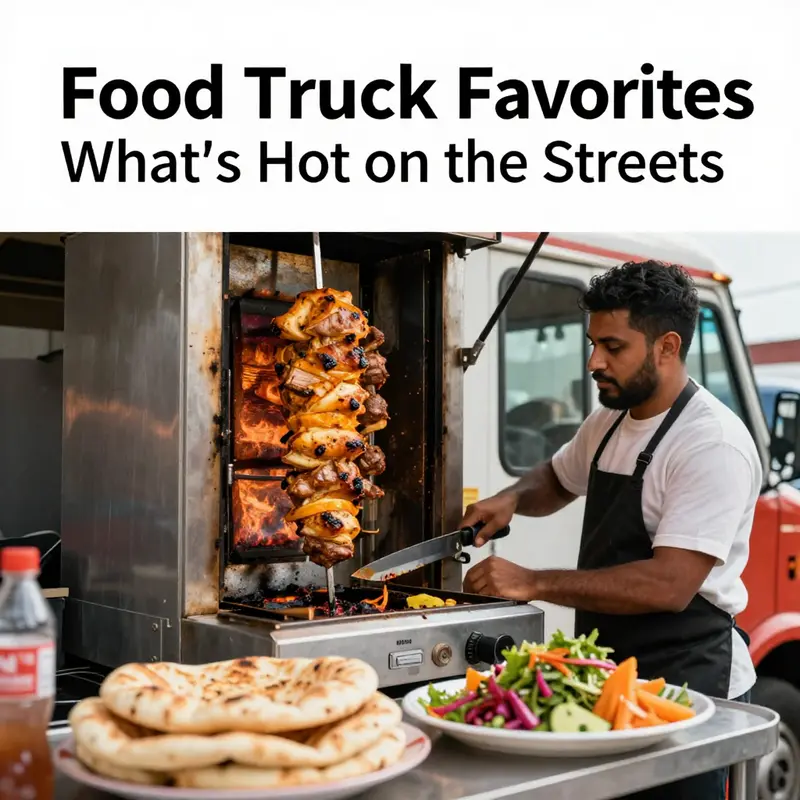
Shish kebab has become a defining menu item for modern food trucks. Its rise rests on a simple equation: intense flavor plus portability equals repeat customers. At its heart, shish kebab is versatile. Operators use lamb, chicken, beef, or plant-based proteins. They marinate, skewer, and grill with minimal fuss. The result is a warm, hand-held meal that suits commuters, office workers, festival crowds, and late-night revelers.
The appeal of shish kebab begins with taste. Marinades steep meat in herbs, citrus, and spices. Grilling over open flame adds char and smoke. Those textures and aromas carry through bread and sauces. A properly built kebab plate balances protein, bread, fresh vegetables, and a sauce. That balance translates well to a compact service window, where cooks assemble orders quickly and shoppers enjoy robust flavor in a single bite.
Beyond flavor, shish kebab fits the operational realities of a food truck. Skewers allow batch cooking and consistent portioning. Trucks equipped with grills or rotisseries can handle many orders simultaneously without sacrificing quality. Prep work—marinating, chopping, assembling—can be staged in small, efficient refrigerators and prep tables. Trucks configured for kebab service often use vertical space for storage and horizontal counters for assembly. This layout reduces movement, speeds service, and limits staff needs during rushes.
Design choices matter. A well-designed kebab truck balances cooking capacity with service ergonomics. Grills and rotisseries must meet local health codes and maintain consistent temperatures. Ventilation systems are essential for smoke control. Storage must protect fresh produce, dairy-based sauces, and proteins. Modular stations for pita warming, sauce dispensing, and vegetable assembly create an assembly line flow. Those elements let a small crew produce high volumes while keeping quality tight.
Kebab trucks also benefit from menu clarity. With a focused offering, inventory remains predictable. Ingredients rotate less frequently, lowering waste. Operators can highlight a few signature combinations, add seasonal sides, and upsell beverages. This focus simplifies ordering for customers and improves throughput, especially in high-traffic urban locations where decisions must be fast.
Cultural authenticity plays a significant role in the kebab’s popularity. Many trucks lean on traditional recipes and techniques. That authenticity attracts diners seeking genuine flavors and new culinary experiences. At the same time, the format invites adaptation. Fusion toppings, locally sourced produce, and inventive sauces allow trucks to differentiate themselves. That mix of tradition and innovation keeps menus exciting, draws repeat visits, and fuels social media buzz.
Location strategy enhances popularity. Kebab trucks thrive in dense urban corridors, near office parks, and at nightlife hubs. Their food travels well, making them ideal for events and festivals. Operators often position trucks where quick service matters: lunchtime queues or evening crowds. A single, well-placed truck can build a loyal following by offering consistent quality and predictable service windows.
Operational resilience matters too. Running a kebab truck requires attention to food safety, supply chains, and regulatory compliance. Consistent supplier relationships ensure meat quality and ingredient availability. Temperature monitoring and hygiene protocols maintain safety. Trucks that plan for permit cycles and parking challenges adapt faster to regulatory shifts. For entrepreneurs considering the practical side of ownership, resources on choosing a truck model help align kitchen needs with business goals. For guidance on selecting a vehicle suited to this style of service, consult information on choosing the right food truck models.
Profitability is another key advantage. Kebab skewers and pita sandwiches have favorable food cost ratios when managed properly. Bulk trimming, efficient marinades, and predictable portion sizes lower per-serving costs. Add-ons like fries, hummus, or premium sauces can boost average ticket value. High-margin beverages and combo offerings further increase revenue without major complexity.
The customer experience is central. The visual appeal of skewers on a grill creates anticipation. Smells bring potential customers to the window. Friendly interaction, quick assembly, and consistent seasoning create loyalty. Many successful kebab trucks also offer customizable options for spice level, toppings, and sides. That choice appeals to broad tastes and dietary preferences, from traditional carnivores to vegetarian diners.
Competition within the street-food ecosystem matters as well. Dessert trucks and other specialized mobile vendors draw their own followings. Yet kebab trucks occupy a unique space: they offer a filling, savory meal with global recognition. That recognition converts curiosity into sales more easily than niche specialties. In mixed-event settings, customers who want a substantial meal often seek out kebab trucks first.
Long-term trends support continued popularity. Urban populations favor quick, flavorful options. People value ethnic cuisines presented accessibly. Social media amplifies discoveries; a single viral video of a perfectly wrapped kebab can bring long lines for days. For operators, this means consistent quality and strong branding are crucial. Visual identity, menu clarity, and efficient service combine to turn one-time visitors into regulars.
Design and engineering considerations will evolve as trucks scale. New ventilation technologies, modular kitchen layouts, and energy-efficient appliances reduce operating costs and improve safety. As regulations tighten, trucks with thoughtfully designed interiors and compliant equipment move faster through permitting. Investing in durable materials and smart storage pays off in lower maintenance and higher resale value.
Shish kebab’s advantage is its mix of sensory appeal, operational efficiency, and cultural resonance. It feeds crowds with speed and comfort while offering entrepreneurs clear paths to profitability. Trucks that focus on quality ingredients, smart design, and consistent service can turn a simple skewer into a city favorite. For deeper reading on how kebab-focused trucks operate and perform in the field, the kebab food truck guide provides practical insights and standards: https://www.foodtrucks.com/kebab-food-truck-guide
Sweet Street Staples: Why Dessert Food Trucks Rank Among the Most Popular Offerings
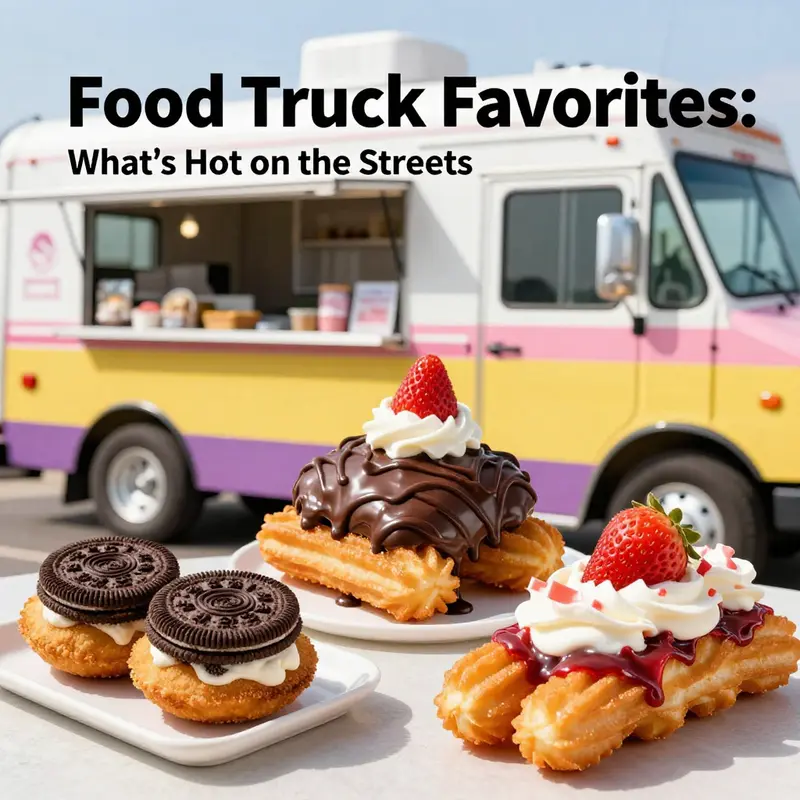
Dessert food trucks stake a strong claim in the crowded mobile-food scene. They translate small luxuries into portable experiences. A single serving can be visually striking, shareable, and quick to buy. That combination fuels demand across office districts, festivals, wedding receptions, and nightlife corridors. Unlike many savory concepts, dessert trucks convert impulse into profit with a high perceived value and relatively simple service flow.
At the heart of their appeal is variety. The category stretches from compact, single-item concepts to full mobile bakeries. Some trucks focus narrowly — for example, on dense, sliceable cheesecakes presented as premium moments. Others specialize in handcrafted chocolate treats and chocolate-covered fruit, offering seasonal packs and made-to-order dipped items. Cupcake trucks deliver fast portions in dozens of flavors. Fried-dessert trucks serve crunchy, warm treats like churros, funnel cakes, and battered cookies. Mobile bakeries operate with convection ovens and proofing cabinets, producing pies, tarts, cookies, and brownies on demand. Each sub-type meets different occasions. Weddings and corporate events often favor plated, upscale desserts. Street fairs and sports venues reward quick, indulgent, hand-held items.
Operational factors explain much of the category’s momentum. Batch production and predictability lower unit labor costs. A bakery truck can produce dozens or hundreds of items in scheduled windows, then sell through predictable evening spikes. High-margin toppings and add-ons—sauces, dips, and specialty garnishes—boost average checks. Visual presentation helps too; desserts photograph well and perform strongly on social media. That free promotion often outweighs modest advertising budgets.
Yet these advantages come with operational needs that separate successful operators from underperformers. Perishability demands reliable refrigeration and smart inventory control. Trucks selling cream- or dairy-based items must maintain cold chains. Mobile bakers often need stable power for ovens and proofers, plus ventilation systems that comply with local codes. Energy consumption rises accordingly, and fuel or generator costs must be factored into pricing. Waste control matters as well; single-serve portions can generate more packaging waste, so sustainable packaging choices can reduce both cost and customer friction.
Menu design blends creativity with practicality. The most successful dessert trucks balance signature items with a rotating seasonal selection. A concise core menu keeps line speed fast and food costs predictable. Seasonal variations—pumpkin spice in fall, citrus tarts in spring—create urgency and repeat visits. Dietary inclusions, such as gluten-free, vegan, or nut-free options, widen the customer base. Many trucks offer a clear visual system on menus to signal allergens and substitutions, which speeds transactions and reduces staff questions.
Location strategy is central. Dessert trucks thrive where crowds gather and dwell-time is long. Nighttime neighborhoods around bars and clubs, outdoor concerts, and farmers markets are consistent winners. Weddings and corporate catering deliver higher per-ticket revenue and predictable schedules. Event operators often book dessert trucks for the simplicity of outsourced plating and portion control. For street-level sales, pairing with complementary savory trucks can increase foot traffic. Operators should prioritize high-footfall zones where dessert purchases fit naturally into existing consumer journeys.
Branding and visual identity are decisive. Dessert trucks rely on impulse purchases, and a compelling look invites that impulse. Clear, approachable signage, attractive product displays, and thoughtful packaging build trust. A coherent aesthetic—whether vintage bakery, modern minimalist, or carnival fun—helps a truck stand out. For operators refining their presence, the guide on branding and visual identity offers practical design and messaging tips that translate well to mobile dessert concepts. branding-on-wheels-the-ultimate-guide-to-food-truck-graphics-and-identity
Pricing strategies vary by format. Hand-held fried desserts often maintain lower price points and high volume. Plated, artisanal desserts justify premium pricing and cater to events. Many trucks adopt a tiered model: affordable single items for passing customers, and premium plated options for catering and private bookings. Upsells—sauces, extra toppings, or specialty beverages—lift average ticket size with minimal additional labor. Tracking food cost per portion closely keeps margins healthy.
Customer experience extends beyond flavor. Speed of service, warmth of staff, and reliability of availability shape reputation. Many operators use simple digital systems for preorders, event bookings, and contactless payment. A clear system for custom orders, such as dietary adjustments or larger-tier cakes, reduces errors and builds repeat business. Cleanliness and visible adherence to food safety standards reassure customers, especially for dairy-rich items.
Regulatory and logistical challenges are real. Local health codes may impose restrictions on frying equipment or on-site baking. Permits for vending in public spaces can be limited and competitive. Power and water hookups at events vary, so contingency plans for generators and portable tanks are essential. Operators should budget for specialized insurance that covers spoilage, event cancellations, and third-party liability.
Sustainability and ingredient sourcing increasingly shape consumer choices. Trucks that highlight local dairy, seasonal fruit, and fair-trade chocolate can command premium pricing. Packaging choices matter; compostable containers and minimal wrapping reinforce a responsible brand image. Some operators reduce waste by selling imperfect or day-old items at a discount near closing time, preserving margins and reducing landfill contributions.
Where dessert trucks shine is in their ability to create moments. A plated slice of tart handed to a couple at dusk, a churro offered outside a concert, a box of gourmet cookies for a corporate team—these are small experiences with outsized emotional return. The mobility intensifies that effect: the dessert arrives where crowds are, when cravings flare. For entrepreneurs choosing what to serve on a truck, dessert concepts combine high perceived value with strong event demand. That mix explains why dessert trucks consistently rank among the most popular food truck offerings.
For operators, success hinges on mastering a compact set of priorities: menu focus, reliable cooling and power, smart location choices, and a visual identity that sparks impulse purchases. When those pieces align, a dessert truck can move from novelty to neighborhood institution. For a look at a real-world example from a cheesecake-focused mobile operation, see the example site below.
https://www.luxecheesecaketruck.com
Global Flavors on Wheels: How Food Trucks Translate World Cuisines into Popular Street Fare
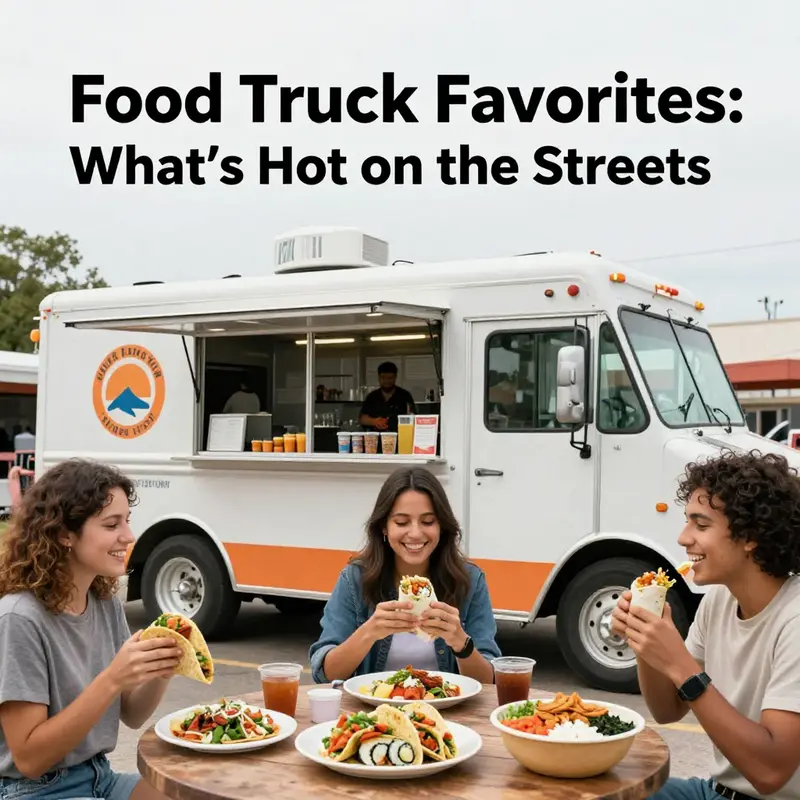
Food trucks act as compact stages for global cuisines. They translate broad culinary traditions into portable, approachable plates. Vendors choose dishes that travel well. They also prioritize speed and flavor. This combination explains why items like shish kebab or shawarma thrive. Slow-roasted meat, warm flatbread, and bold sauces meet demand for satisfying, handheld meals. At the same time, dessert trucks capitalize on cravings with indulgent, sharable treats. Together, these menu choices reveal how versatility and cultural authenticity drive popularity.
A food truck’s menu must balance authenticity with practicality. Authentic techniques and ingredients attract customers seeking genuine experiences. Still, trucks also adapt recipes for smaller kitchens and quicker service. Kebabs, for example, maintain their core identity —spiced meat carved from a vertical rotisserie— while being offered with diverse toppings. Vendors swap breads, add local sauces, or offer vegetarian proteins. These small changes broaden appeal while preserving the dish’s essence. The result is a menu that is both faithful and flexible.
Portability underpins many menu decisions. Dishes that can be eaten by hand are easier to serve during lunch rushes and at late-night crowds. Wraps, skewers, bowls, and cones all fit this need. This is one reason shawarma and similar foods are ubiquitous. They combine concentrated flavor with simple form. Dessert trucks use the same logic. Fried treats, churros, and handheld ice cream are designed to be eaten on the move. Presentation, then, becomes as important as flavor. Generous toppings and dramatic finishes create visual appeal and encourage social sharing.
Equipment and space constraints shape what appears on a truck menu. A vertical rotisserie or compact fryer requires a modest footprint. That limitation encourages specialization. Trucks that invest in kebab equipment serve large volumes efficiently. Those with a deep-fat fryer focus on fried desserts. A limited menu cuts complexity and reduces waste. It also improves service speed, which the urban crowd values. Vendors often rotate a few well-executed items rather than offering many mediocre ones.
Seasonality and location further influence popularity. Office districts favor quick lunches and hearty wraps. Nighttime neighborhoods reward shareable, indulgent options. Festival settings encourage experimental and festival-friendly items. Trucks respond by adjusting menu items and portion sizes. A vendor might offer lighter salads during summer daytime service and heavier skewers at evening events. This agility keeps offerings relevant and helps trucks find their customer niche.
Cultural storytelling plays a strong role in menu design. Many food truck operators draw from family recipes or regional traditions. They use menus to tell personal stories. Patrons, in turn, value authenticity and a human connection. This narrative increases perceived value. A simple kebab becomes a gateway to cultural conversation. Storytelling also supports premium pricing when paired with clear origin notes and ingredient transparency.
Fusion and localization are common, and often successful. Vendors blend familiar flavors with new influences to lower adoption barriers. A shawarma taco, for example, mingles Middle Eastern spices with a Latin American format. These hybrids keep menus fresh and accessible. They also reflect the transnational identities of many vendors. Traveling cooks and immigrant entrepreneurs bring techniques from multiple cuisines. The foodtruck becomes a place where culinary boundaries blur, and where customers are invited to try hybrid plates.
Ingredient sourcing affects both taste and ethics. Many trucks emphasize fresh, high-quality produce and locally sourced proteins. This practice improves flavor and supports community producers. It can also cut transportation costs and reduce spoilage. Some operators adopt sustainable practices, like compostable packaging or waste reduction strategies. Customers increasingly notice these choices. Sustainability and local sourcing can become selling points that differentiate a truck in crowded markets.
Pricing and portion control must align with customer expectations. Food trucks often operate in price-sensitive segments. Vendors design portions that satisfy while keeping margins healthy. Profitability depends on controlling food cost, optimizing labor, and minimizing waste. Popular items tend to be those that strike this balance. They use ingredients that deliver big flavor without high expense. Shawarma and many fried desserts fit this model well. They offer intense taste and high perceived value at manageable cost.
Marketing and location strategy multiply the effect of a strong menu. Social media amplifies visually striking dishes. A colorful plate or a dramatic drizzle can go viral. Trucks with memorable offerings and eye-catching plating generate repeat business. Strategic parking matters too. Stationing a truck in a busy lunch corridor or near entertainment venues boosts visibility and sales. Partnerships with events and local businesses also create steady traffic.
Menus evolve through direct feedback. Food truck operators experiment constantly. They watch which items sell out and which linger. Successful dishes are retained. Underperformers are tweaked or removed. This iterative model keeps menus responsive. It also explains why global cuisines gain traction. A dish that resonates with local tastes spreads quickly. Vendors copy and adapt popular items across neighborhoods and cities.
The popularity of global cuisines in mobile kitchens reflects broader urban cultural dynamics. Food trucks act as intercultural spaces where people taste new flavors and form new habits. They make diverse cuisines accessible and affordable. They also enliven public spaces with aromas, colors, and conversations. This role is visible in cities that embrace food trucks as part of their culinary fabric. Ethnographic research shows how vendors connect local and global culinary threads in practical, creative ways. Learn more about how mobile kitchens blend traditions in urban settings by reading this detailed study: https://www.ualberta.ca/anthropology/research/edmonton-food-trucks-study.html.
For operators, a final consideration is brand clarity. A clear concept attracts the right crowd. A focused menu supports that clarity. For inspiration on building cohesive truck identity, start with a food truck blog that covers branding, strategy, and operations: https://loschifladostruck.com/blog/
By balancing authenticity, practicality, and adaptability, food trucks translate global cuisines into popular street fare. Their menus are shaped by equipment, location, and customer feedback. They tell stories while satisfying immediate cravings. The most popular items combine strong flavors, portability, and cultural resonance. These qualities explain the enduring appeal of kebabs, shawarma, and inventive desserts on city streets.
null
null
From Hot Dogs to Shawarma: How Food Trucks Shaped the Most Popular Street Foods
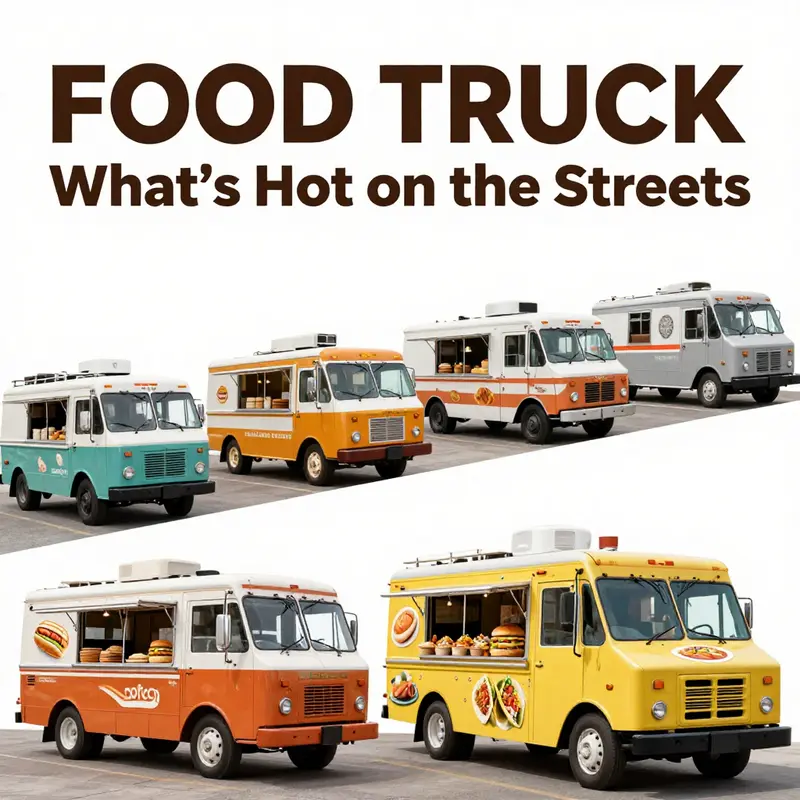
A century of mobile menus that taught cities what to crave
Early food trucks answered a simple need: feed workers quickly and affordably. In the early 20th century, mobile vendors parked near factories and docks, offering hot dogs, sandwiches, and coffee. Those simple menus matched the rhythm of shifts and lunch breaks. Portability, speed, and low cost defined what appealed to customers then, and those factors continue to shape popular food choices today.
The late 1990s and early 2000s ushered in a dramatic shift. Creative cooks began testing restaurant-quality recipes from compact kitchens. Social media amplified small operations overnight. A truck’s location and schedule could reach thousands with a single photo. That visibility encouraged risk-taking and specialization. Vendors took familiar comforts and elevated them. Grilled cheese became artisanal. Fried chicken gained chef-driven marinades. Tacos became canvases for global flavors. This era created the modern expectation: a food truck should offer something distinctive, memorable, and portable.
One clear outcome of this evolution is the rise of certain enduring favorites. Street foods that travel well and deliver bold, immediate flavor became staples. Shawarma and other kebab-style plates rose to prominence because they check every box. Slow-roasted meat sliced from a vertical spit offers rich, layered flavor and steady volume. It is easy to assemble into a wrap or plate, adaptable to many toppings, and familiar across cultures. This versatility helps it thrive in office districts, urban food corridors, and late-night scenes. The same logic explains why tacos, loaded fries, and sandwiches became core items: they are customizable, quick to serve, and satisfying.
Parallel to savory mains, dessert-focused trucks carved their own niche. Deep-fried treats—funnel cakes, churros, and fried ice cream—appeal to cravings and social sharing. These desserts transform simple ingredients into indulgent experiences through hot oil and creative toppings. Gourmet spins, like artisanal fillings or international sauces, create distinct brands. Dessert trucks often succeed by delivering an immediate sensory thrill that complements savory offerings on the street. That emotional draw translates into late-night lines and festival crowds.
The menu trends of the past two decades also reflect demographic shifts. Younger diners often favor fusion and novelty, while older patrons seek comforting familiarity. Food trucks reconcile these preferences by offering both innovation and recognizable staples. Fusion creations—Korean-style tacos or Japanese-inflected burgers—attracted adventurous eaters early on. As the market matured, trucks balanced experimentation with reliable items that build repeat business. That balance is why a single truck can sell an inventive seasonal special alongside a dependable shawarma or burger.
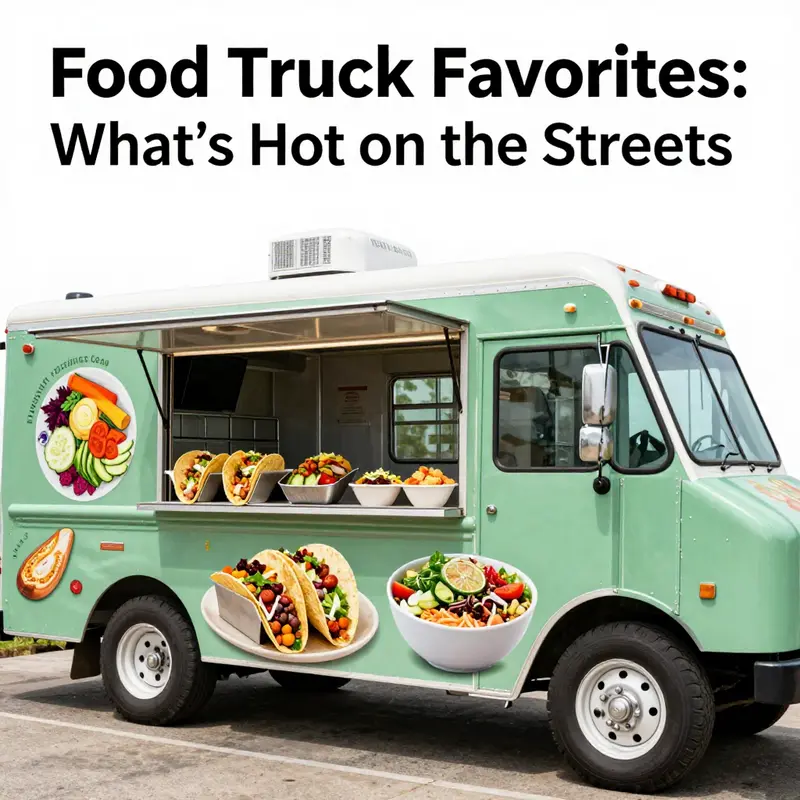
Health and sustainability concerns are reshaping menus again. Plant-based proteins, gluten-free options, and locally sourced produce are now common on trucks that once prioritized indulgence. Operators respond to demand without losing the core strengths of street food: bold flavors and quick service. Many trucks now offer plant versions of classic items, including kebabs and fried favorites, broadening their customer base while maintaining the portability and speed that define the format.
Technology accelerated these changes. Real-time location updates, online ordering, and data analytics let operators match food offerings to crowd patterns. Trucks can analyze sales trends and adapt menus quickly. They can test a new item at a farmers’ market and roll it into regular rotation if it sells well. Partnerships with breweries, event organizers, and markets extend reach and allow curated menus that suit specific crowds. This operational agility means a truck can pivot from comfort-food nights to plant-based pop-ups with minimal disruption.
Branding and presentation also matter. A clear visual identity and menu story help a truck stand out in a crowded scene. For operators thinking about how their menu and look connect, resources on branding are practical and actionable; see this guide to food truck graphics and identity for inspiration. Strong branding turns a single popular dish into a signature that draws repeat customers. It also helps trucks command premium pricing when customers perceive authenticity and quality.
The popularity of specific foods is not static. It reflects broader cultural exchange, economic conditions, and the technology available to vendors. During economic downturns, value-focused items like loaded sandwiches and affordable wraps thrive. In times of culinary curiosity, fusion and ethnic specialties capture attention. Festivals and late-night economies favor finger foods and portable desserts that can be eaten on the move.
Operational realities shape menus too. Equipment limitations, prep time, and ingredient shelf life influence which dishes are practical. Shawarma-style meats require a vertical spit and steady volume to be efficient. Deep-fried desserts need space and strict safety measures. Trucks that master certain cooking methods can build menus around them, amplifying particular dishes’ popularity. This explains why trucks often specialize rather than try to be a full kitchen on wheels.
Ultimately, what became most popular in food trucks are dishes that match the format’s strengths: portability, immediacy, and bold taste. Shawarma and kebab-style plates, tacos, gourmet comfort foods, and indulgent desserts exemplify this alignment. They are easy to eat, adaptable to local tastes, and visually appealing—qualities that encourage social sharing and word-of-mouth. As trucks continue to adapt, the same criteria will favor future favorites, whether plant-based kebabs or hybrid desserts.
The arc from simple hot dogs to late-night shawarma and festival churros illustrates a larger truth: food trucks teach cities to love specific foods by making them accessible, affordable, and exciting. Their menus evolve with customers, technology, and culture, yet the most popular items consistently deliver the same promise—fast, flavorful satisfaction you can carry in one hand.
For a broader look at how food trucks changed dining habits, see this overview from The Guardian: https://www.theguardian.com/food/2023/jul/12/how-food-trucks-changed-the-way-we-eat
Final thoughts
Food trucks represent a melting pot of culinary creativity and community spirit. From the exotic spices of shish kebabs to the comforting sweetness of funnel cakes, these mobile eateries mirror the diverse tastes of the neighborhoods they serve. As dietary preferences shift towards healthier options, food trucks are adapting, offering vibrant salads and plant-based dishes to meet the demand for nutritious yet thrilling meals. Each chapter of this exploration reveals how food trucks not only feed the stomach but also enrich urban culture, making them an integral part of our communal dining experience. As you seek to delight your guests at events or satisfy your cravings, remember the colorful variety food trucks bring to the gastronomic landscape.