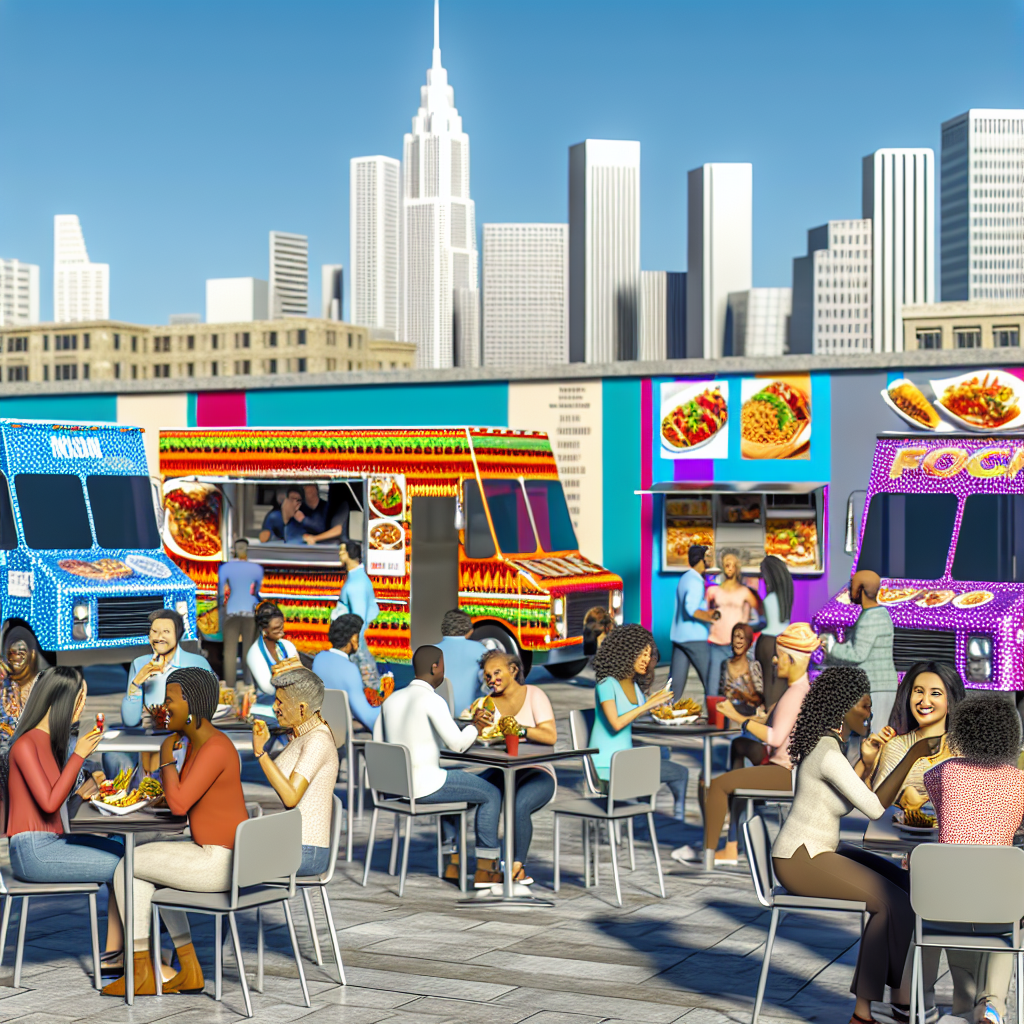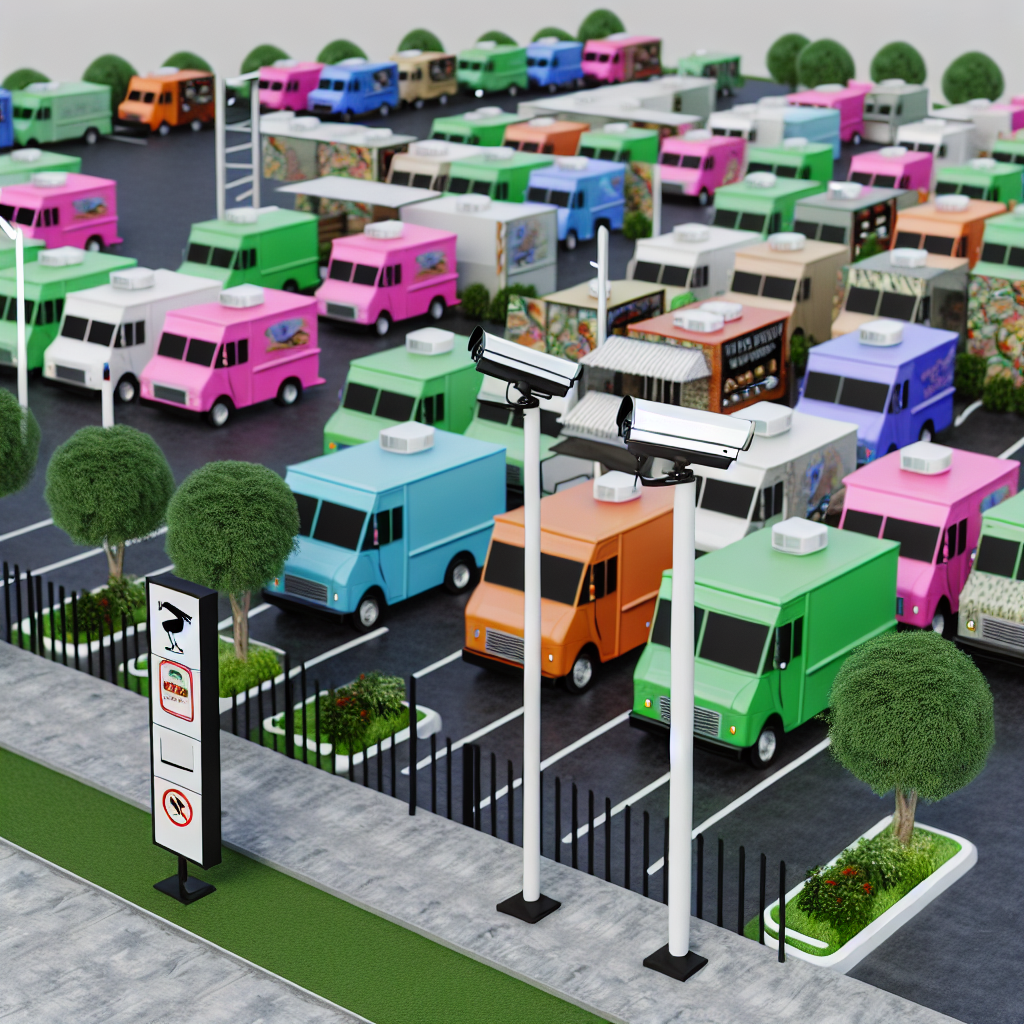
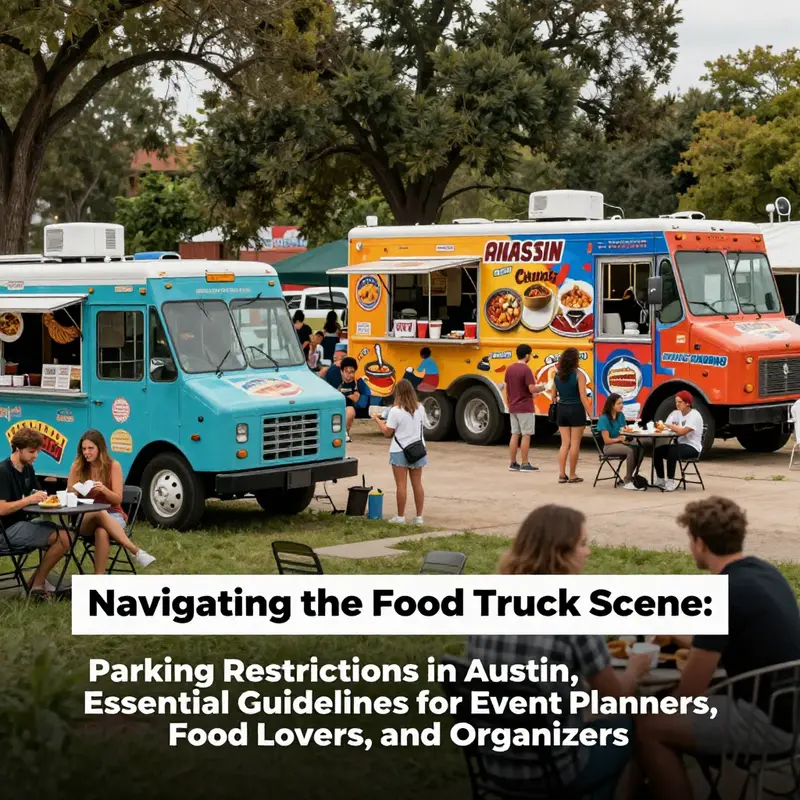
Austin is not just famous for its live music and vibrant culture; it’s also a hotspot for food trucks serving delectable dishes. For those of you planning events, organizing gatherings, or simply craving the latest culinary trend, understanding the parking restrictions for food trucks is essential. This guide will help you navigate the ins and outs of parking regulations, including prohibited areas, distance requirements, and permit necessities for food trucks in the capital of Texas. With this knowledge under your belt, you’ll be poised to enjoy the bustling food truck scene while ensuring compliance with city regulations.
Austin Street Food: Navigating Parking Rules for Mobile Vendors
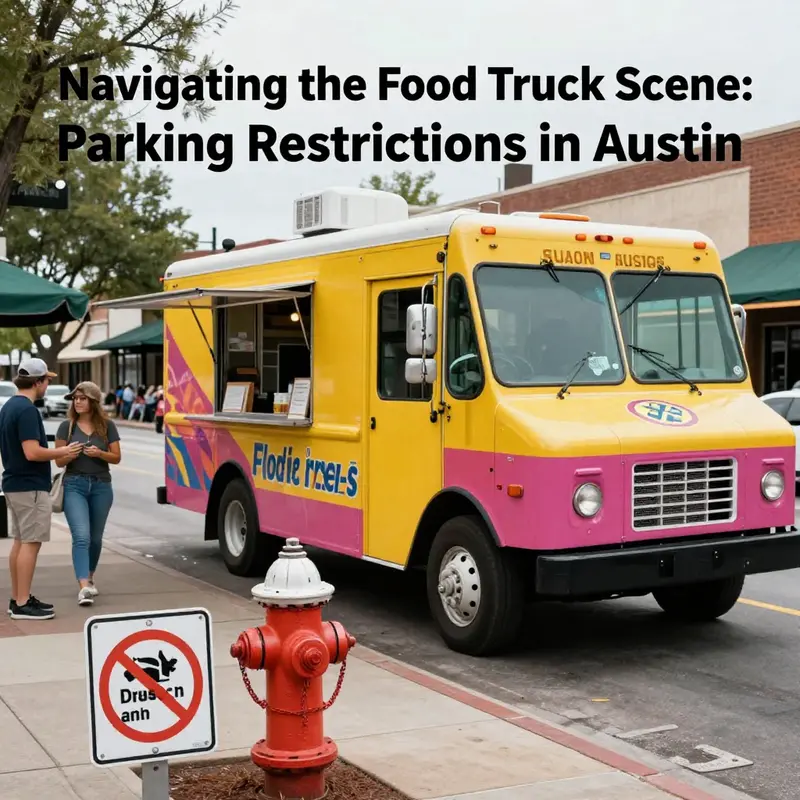
Austin’s mobile food scene thrives where curb space and culture intersect. The city’s rules regulate where trucks may park, how close they may be to hydrants, crosswalks, and driveways, and how far they must stay from existing brick-and-mortar eateries. A 25-foot buffer from hydrants and crosswalks and a 200-foot separation from similar vendors are common guidelines, with variations by district. Zoning directs operators toward commercial corridors and event spaces, while residential areas often require permits or limited hours. The Mobile Food Vendor Permit from the City Health and Human Services Department is the formal gateway, including inspections and renewal timelines. Time limits in busy districts help rotate vendors and keep curb space open for pedestrians. Official guidance is available online through the Austin Code and the city’s mobile vendor page, which detail prohibited zones, permit requirements, and temporary restrictions. Practical site selection blends foot traffic, safety buffers, and coordination with property managers or event organizers, plus contingency plans for weather or nearby construction. Reading the code alongside public guidance translates legal rules into daily routines that support reliability, safety, and community goodwill. In short, success comes from permission, precise curb navigation, and ongoing compliance, with a vibrant, lawful street-food scene that respects neighbors and customers alike. External resource: https://www.austintexas.gov/code/title-31-chapter-31-2; Internal resource: https://loschifladostruck.com/mastering-food-truck-parking-challenges/
Austin Distance Rules for Food Trucks: A Practical Overview
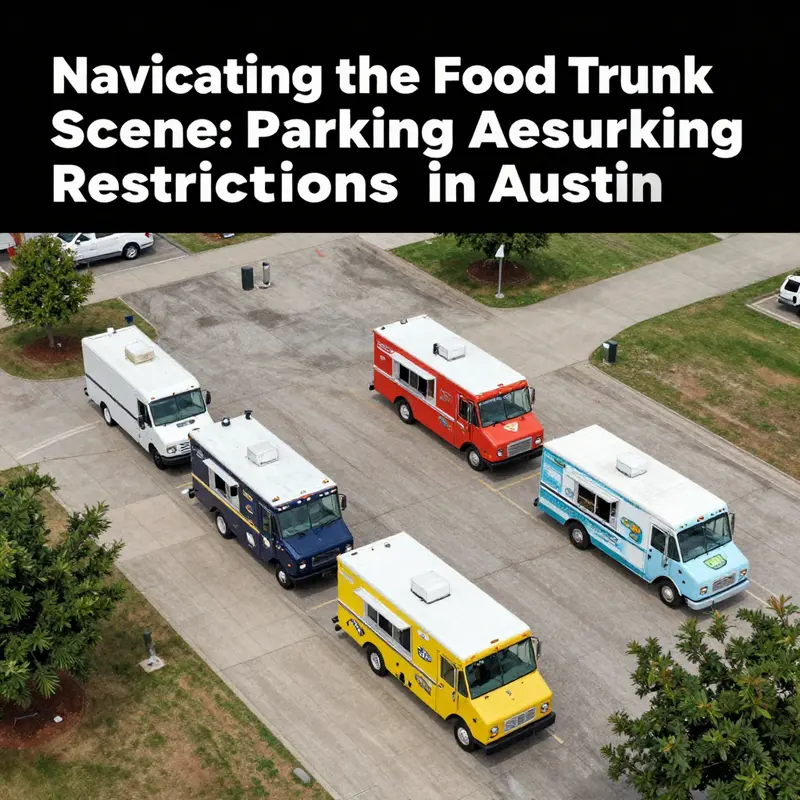
Austin’s street food scene is built on movement, permits, and careful spacing. This chapter explains how distance rules shape where a mobile vendor can park, the importance of staying clear of restaurants, schools, parks, fire safety infrastructure, and other vendors. It covers property-line setbacks, school and park proximities (often around 50 feet or more), hydrants, crosswalks, driveways, and limits on how long a truck can stay in one spot. It also notes that permits from the City of Austin Health and Human Services Department are essential, and that zoning can restrict operations in residential areas or sidewalks. Enforcement is conducted by city departments, and operators should plan with a calendar for permit renewals, event days, and site scouting. The key takeaway is to treat distance rules as a framework that supports safe, vibrant street life while protecting established businesses. For practical guidance, consult the official ordinance and the city’s permit portal for current rules and updates.
Permits, Parking, and Compliance: Navigating Austin’s Food Truck Permit Landscape
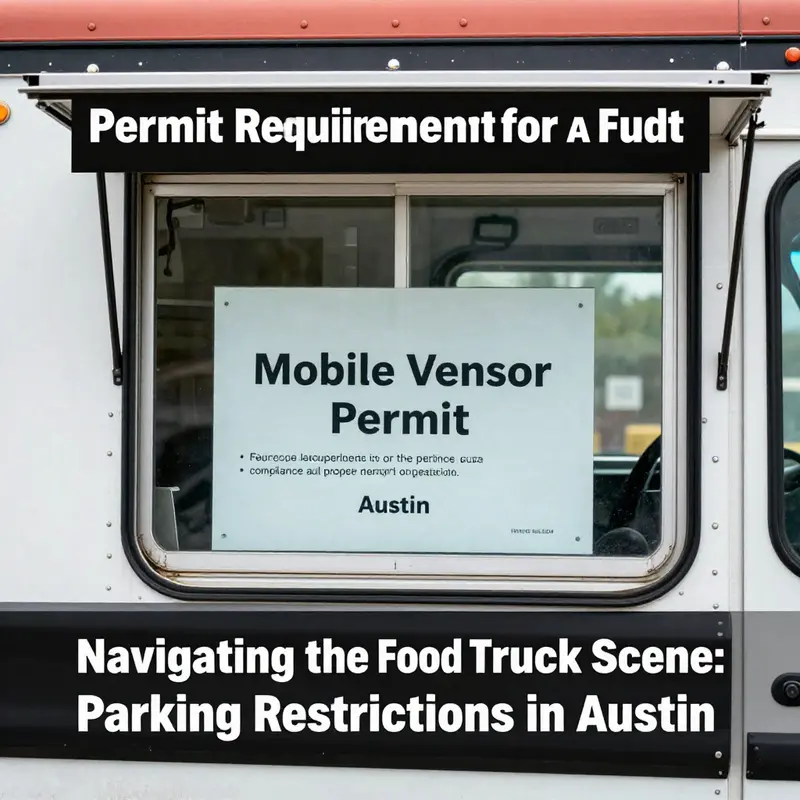
Austin’s mobile food scene operates within a structured permit framework that governs where trucks may park, what they may serve, and how operations stay safe and compliant. At the heart is the Mobile Food Service Permit, issued by Austin Public Health, which governs food handling, storage, sanitation, and daily practices to protect customers and workers. Alongside this core permit, operators typically obtain a Business License, a Texas Sales Tax Permit, a Fire Department Permit for vehicles with cooking equipment, and a Zoning Permit to confirm site eligibility. The permitting journey is a multi-step process often spanning weeks, including plan reviews, inspections, and possible revisions. Early preparation—vehicle details, interior layout, equipment, waste management plans, and food handling procedures—helps reviewers understand how the operation will function in real life and can smooth inspections. Parking and location rules are tightly linked to the permits: even with a valid health permit, trucks must find sites that comply with city zoning and parking restrictions. Some sites may require site-specific permissions or special event permits, especially in parks, residential zones, or sidewalks. By aligning permits with a solid site strategy, operators can plan reliable routes, secure compliant locations, and deliver consistent service. Official guidance from the City of Austin, including the Mobile Food Service Permit page, remains the definitive source for forms, fees, prohibited zones, and current regulations.
Final thoughts
Understanding parking restrictions for food trucks in Austin is invaluable for event planners, HR teams, community organizers, and food enthusiasts alike. By familiarizing yourself with prohibited areas, maintaining adequate distance from other vendors, and ensuring all necessary permits are in place, you can elevate your events while embracing the culinary diversity that Austin’s food trucks have to offer. Whether you’re planning the next big festival, organizing a corporate lunch, or just looking to enjoy some delicious bites, this knowledge empowers you to navigate Austin’s vibrant food truck scene effortlessly.