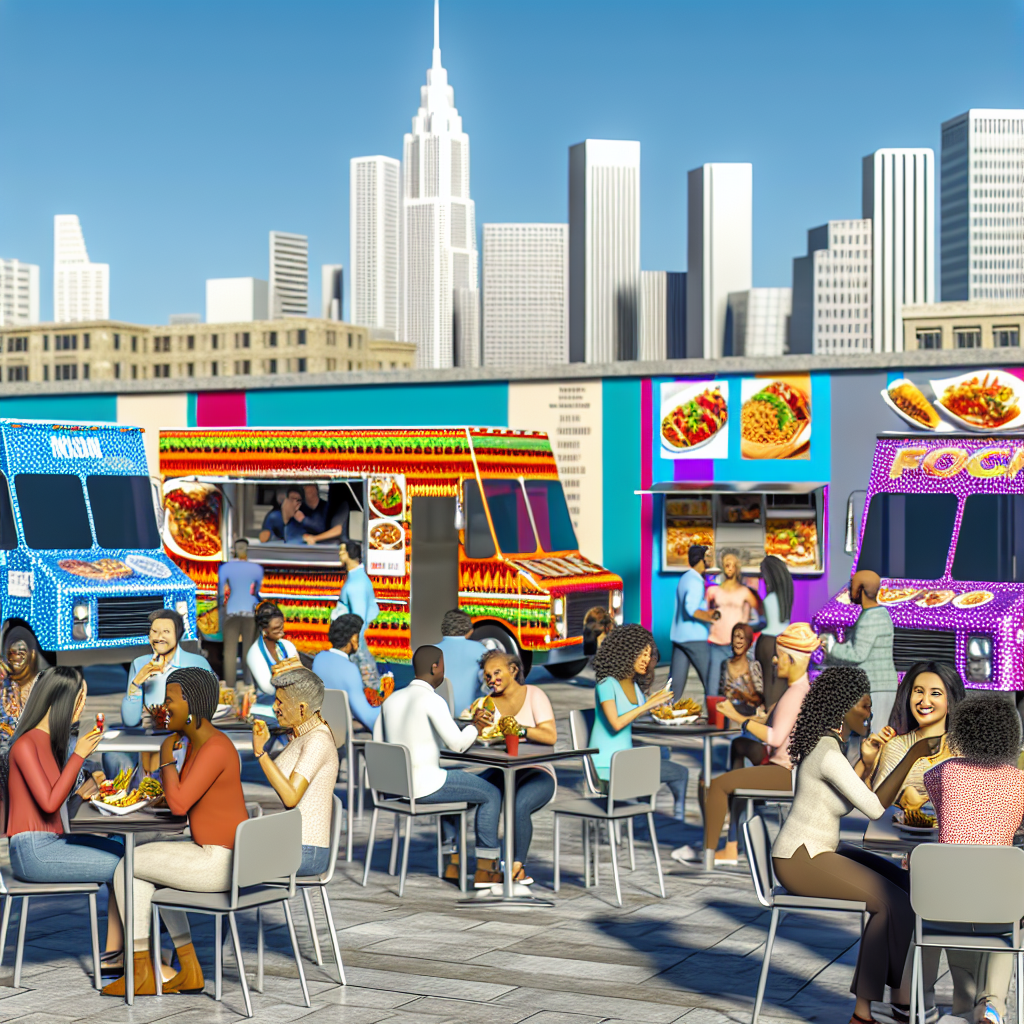
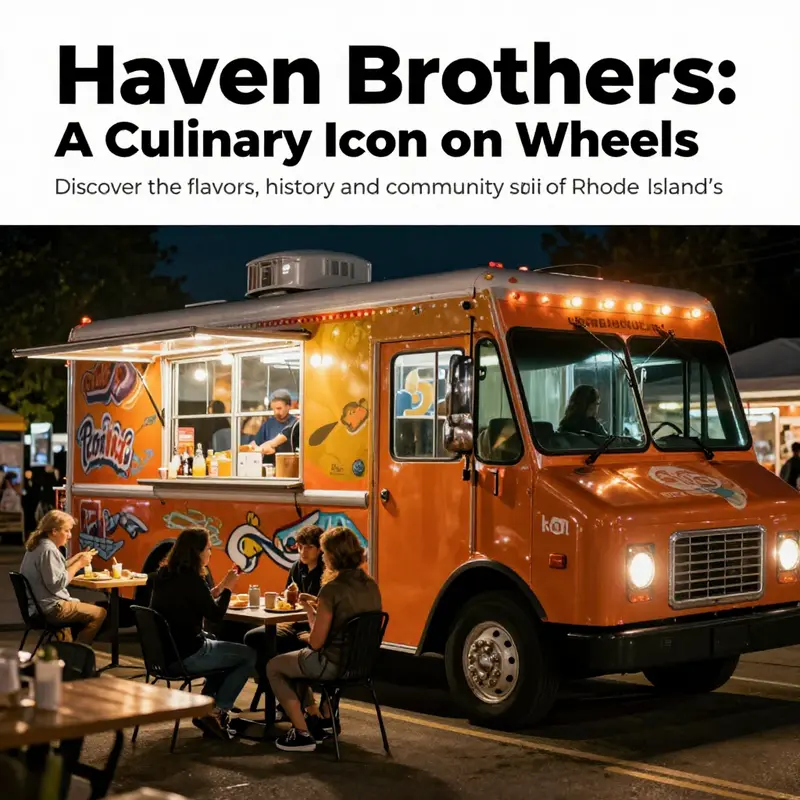
In the bustling streets of Providence, Rhode Island, Haven Brothers stands as a beacon for late-night comfort food lovers. With a reputation built on hearty, greasy classics, this mobile food truck has not only satisfied cravings but has woven itself into the fabric of the local culture. From its humble beginnings to innovative menu offerings and its impactful presence within the community, each phase of Haven Brothers’ journey tells a story of culinary adventure, resilience, and engagement. This article explores the rich history and cultural significance of this beloved food truck, the creative menu innovations that enhance the customer experience, and the economic impact it has on its surroundings, offering a holistic view of how Haven Brothers serves more than just food.
After Hours on Wheels: Haven Brothers and the Living History of America’s Mobile Diners
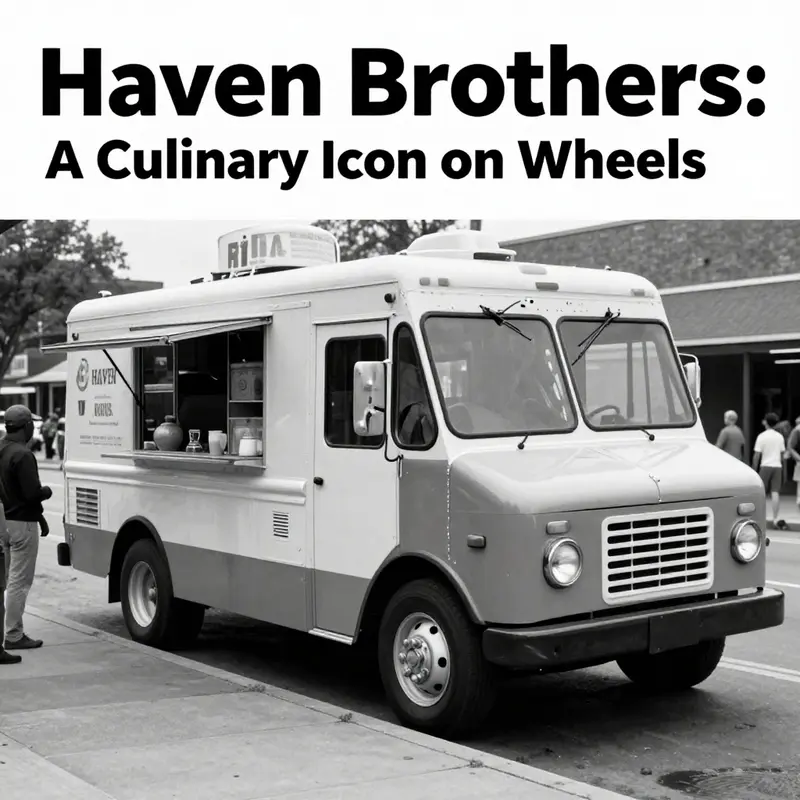
In Providence, late nights have edges that seem to soften the city’s pulse and warm the curb with a portable glow around the Haven Brothers truck. The aluminum vehicle sits at the curb as a quiet beacon of dining that travels light but carries a sense of ritual. Its menu, simple and enduring—burgers, sandwiches, and fries—functions like a compact theater program, inviting the city to pause and share a meal after the hour when most brick and mortar kitchens close. This late night economy is a thread in the city’s larger fabric, and Haven Brothers acts as a steady loom in that fabric, turning meals into a familiar routine and turning a curb into a neighborhood gathering place.
Histories of American mobile dining begin with practical improvisation at the edge of the day. In the 19th century a Rhode Island memory speaks of a man named Walter Scott who carried sandwiches and coffee in a basket and sold to night workers. The basket grew into a cart drawn by a horse, and later into a motorized vehicle that could travel farther and faster. These early carts operated on the margins, serving workers who needed quick meals after long shifts. The model proved efficient and resonant, giving rise to a vernacular of the night cart. The metal, glass, and warmth promised by these early engines offered a sense of shelter in a city that never fully slept.
As the century moved on, the transition from horse to motor brought new logistics and new aesthetic ambitions. Carts became sturdier, often repurposed railway cars and streetcars, and metal shells gained color and character. By the 1920s and 1930s mobile kitchens displayed signage, glass, and murals that told stories about abundance and speed and the social need for warmth after sundown. The looks mattered because signage on a crowded street could tilt a passerby toward one vendor over another. The era also experimented with gentler silhouettes to invite a broader audience, balancing appetite with welcome.
Economic tides shaped the path of the roadside kitchen. During the Great Depression mobile kitchens provided affordable meals to people who could not afford dining out. After World War II, veterans returned with entrepreneurial energy and a taste for practical opportunity. They often used loans and homegrown ingenuity to acquire or adapt vehicles, outfitting them with durable stainless steel skins and with materials that could withstand the wear of constant travel. The early to mid-20th century thus cemented the mobile kitchen as not merely a trend but an enduring system—an elastic infrastructure for feeding a rapidly modernizing nation.
By mid-century, as highways stitched distant towns into a wider social map, food trucks moved away from the inner-city fringe and toward a broader cadence that included suburban commuters and highway travelers. The kitchens on wheels adopted more large-windowed facades and improved ventilation, because the experience of eating on the move demanded a comfortable environment for guests and operators alike. This was not simply about speed; it was about creating a portable, reliable, and recognizable symbol of nourishment that could function in shifting urban landscapes. The trucks were, in essence, mobile expressions of identity. Each one could tell a story not only through its food but through its appearance, its name, and the language of its signage. The era even experimented with softened silhouettes to woo women customers, offering a gentler, more inviting exterior that balanced raw appetite with a sense of welcome.
In that larger arc Haven Brothers emerges as a living thread within a larger tapestry. While the specifics of its founding and the precise lineage of its operations may not be exhaustively documented in every archive, the truck’s enduring presence and its late-night mission echo the core values of the mobile-dining tradition. The vehicle itself—described in public recollections as an unassuming aluminum pickup masquerading as a diner—becomes a symbol of durability and resilience. It is a reminder that the best mobile kitchens do not need to shout; they earn loyalty through consistency, through the reliability of a hot meal after a long shift, and through a willingness to stand by a neighborhood even when the hours are unfashionable or inconvenient. The late-night market in Providence thus reveals the social function of the food truck as much more than a convenience. It is a community anchor—a place where people pause, share a moment, and refuel, often within a city block’s radius of other stories: after-work commutes, the quiet tremor of pedestrian traffic, and the midnight whispers of the streets.
This enduring pattern—of a mobile kitchen becoming a social hinge—helps explain why Haven Brothers and similar trucks continue to matter. The after-hours diner on wheels does not merely deliver sustenance; it mediates social contact in a city’s nocturnal economy. It embodies the principle that nourishment is as much about companionship as it is about calories. People flock to these trucks not just to eat, but to witness a familiar routine—the clatter of metal, the hiss of a grill, the call of a friendly voice in the window—signaling that the city recognizes them, that their labor and their late-night hours deserve a meal that meets them where they are. In a sense, the truck becomes a mobile living room, a tiny stage in which the rituals of the daily life of work, sleep, and socializing are performed, rehearsed, and renewed.
Design and branding play a critical, though often understated, role in this story. The appearance of a food truck—the gleam of a stainless shell, the rhythm of signage, the choice of fonts and colors—becomes part of its narrative. In the mid-to-late 20th century, visual identity on wheels evolved from a simple sign to a curated storefront on four wheels. The branding on a truck can encode history, values, and a sense of place. It can signal to a passerby that here is a space where a person can feel at home, no matter how late it is or how weary they might be. For a city with a long-standing love affair with casual, comforting food, that branding becomes a form of cultural memory—one that travels from corner to corner, declaring that nourishment can still be a shared ritual, even when the setting is a curbside window and a grill under a tin roof. The Haven Brothers story, with its late-night appeal and its devotion to simple, satisfying fare, sits at the intersection of practicality and poetry.
The late-night diner on wheels becomes a lens through which to view urban life: what it asks of residents, what it affords them, and how it shapes the city’s sense of itself after dark. In Providence, the truck’s presence is a thread in a larger fabric of neighborhoods that depend on a space to gather, even at the tail end of the night. It is a reminder that nourishment, while practical, is also a cultural practice—the art of feeding a crowd that does not always fit within the conventional hours or the polished form of a sit-down restaurant. The social value of such a practice lies not only in the calories provided but in the continuity it guards—the continuity of people, neighborhoods, and a shared sense of place. The conversation about these mobile spaces naturally touches on design and identity. The vehicle is a rolling signboard, and the food is its message. People do not just eat; they recognize themselves, or a version of themselves, in what they order and how the order is delivered. The aesthetics of the truck—its exterior, the arrangement of service windows, the rhythm of steam and sizzle—are part of a cultural language that communicates hospitality, resilience, and urban belonging. To the observer, a well-worn, reliable truck says this is a place where your time is respected even in the middle of the night. For the entrepreneur, this same script becomes a legacy that invites trust and, over time, loyalty. It is a form of storytelling that travels without a passport, a way of telling a city who its night owls are, and what sustains them when the rest of the world has turned the page.
In reflecting on Haven Brothers and the broader arc of American mobile dining, one can see how the past informs the present and the present, in turn, informs future iterations of the mobile meal. It is not merely about what is on the plate but about the ritual of eating as a social act that persists across changing economic climates, urban designs, and cultural tastes. The truck’s presence in Providence becomes a case study—a microcosm of how mobility, memory, and nourishment align to create spaces of continuity. The late-night diner on wheels stands as a reminder that food, in its most elemental form, is a communal experience that travels with the city. As neighborhoods shift and new dining concepts surface, the core impulse to feed with reliability, to offer warmth after the long hours, to create a temporary haven on a busy curb remains constant. Haven Brothers, and the longer lineage it represents, helps us understand why mobile dining endures as a crucial thread in the fabric of urban life. For readers seeking a connective thread to further explore branding and visual identity on wheels, a practical path exists in guides that illuminate how signage and color contribute to social resonance. External resource: https://www.eater.com/food-trucks
Rolling Comfort: Imagining Haven Brothers on the Move
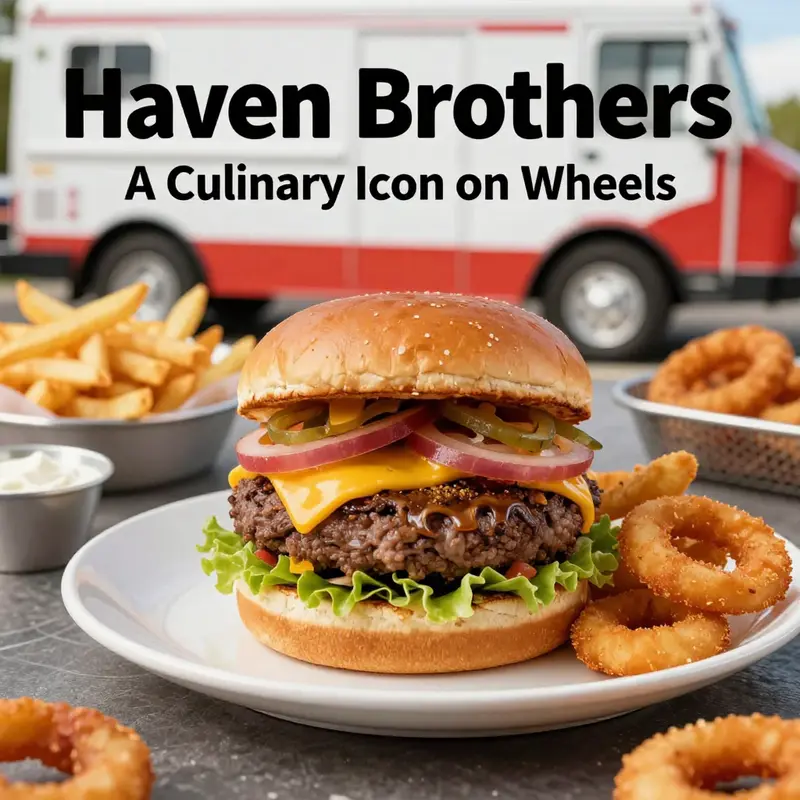
Providence has a long tradition of late-night hunger, a city rhythm that hums after midnight. Haven Brothers, with its iconic aluminum truck and time-honored burgers, sits at the center of that rhythm. A mobile iteration could extend the familiar comfort into new neighborhoods while preserving the trust built over decades. This chapter imagines how menu innovation and customer experience could adapt to a moving dining room without diluting the brand.
The kitchen sound and scent remain the signal of quality. A hosted experience on wheels would need a streamlined core menu, occasional regional riffs, and a reliable production line that matches the pace of a hungry urban night. Customization can flourish at speed through pre-assembled flavor profiles and clear signage, letting customers tailor a build without lengthy wait times.
Regional reach and seasonal energy would shape a rotating program that still honors the house favorites. A mobile Haven Brothers could test adjacent neighborhoods, colleges, and events while maintaining a visible through-line: a consistent mood, a recognizable branding language, and a hospitality-first service ethos. The mobile footprint should feel like a room with a shifting ceiling rather than a different kitchen every block.
The customer experience on wheels is as important as the food. Efficient ordering, purposeful packaging, and staff who greet regulars by name create belonging, even when the street corner changes. The branding must travel with the truck—colors, typography, and symbols that evoke warmth and indulgence while signaling mobility. In practice, that means a compact setup, a clear menu, and a visual identity that remains legible from a distance.
For readers seeking practical guidance, the chapter suggests pilots with lean menus, fixed hours, and a feedback loop that invites community input. Map routes to locations with late-night appetite, measure success in moments of connection as well as dollars, and build redundancy into the operation to weather weather or supply hiccups. Above all, protect the core identity: nourishment that feels like home, wherever the road takes it.
On Wheels at the Edge of Night: The Economic Pulse and Community Ties of Haven Brothers Mobile Food Truck
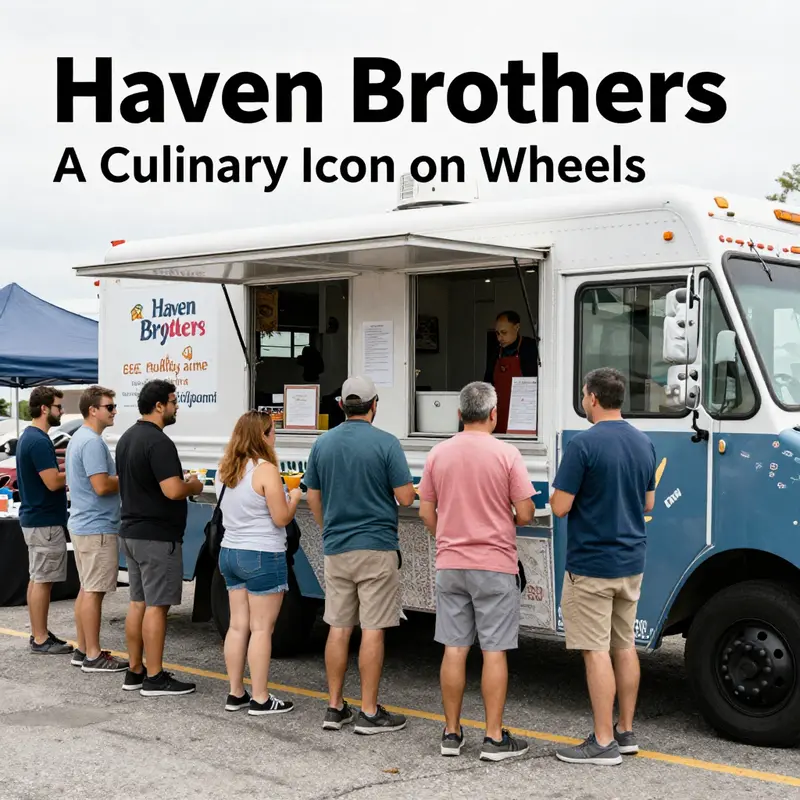
The Haven Brothers mobile food truck is more than a late-night appetite fix on the streets of Providence. It is a moving chamber of commerce, a social magnet, and a quiet engine of neighborhood resilience rolled into an aluminum chassis that keeps rolling long after the city’s offices have dimmed. In this chapter, we follow the truck beyond its familiar glow of sizzling skillets and friendly greeting calls to trace the wider currents it stirs in the urban economy and the social fabric that jokes and lingers around its bright, no-frills presence. The story begins with labor and local commerce, but it does not stop there; it travels through tax streams, supply networks, and a civic imagination that constantly rebirths the meaning of street food within a modern city. The Haven Brothers operation demonstrates how a mobile vendor can compete in a crowded market without losing the sense of place and belonging that anchored its earliest followers, proving that the city’s informal economy can synchronize with formal channels in ways that feel seamless to the people who rely on it most. The conversation about its economic footprint cannot be reduced to a ledger of sales or a tally of hours worked; it must move through the neighborhoods it feeds, the vendors it collaborates with, and the diverse crowds that gather at its corner sites to claim a shared experience of urban life after dark. In this sense, the truck is not simply a business entity but a small, persistent social infrastructure that sustains livelihoods, nurtures local supply chains, and reinforces a cultural ecology where flavor and fellowship travel as far as the engine’s grind allows. The analysis that follows blends financially grounded indicators with stories of workplace dignity, community recognition, and the subtle, enduring power of food to create belonging when hours are long and the streets are empty of other obvious gathering points. It is a narrative of incremental impact, crafted from the steady rhythm of the wheels, the careful choice of ingredients sourced from nearby suppliers, and the ways in which a simple plate can become a conduit for conversation and community investment. The truck’s ability to source locally—whether it is flour for buns, greens for toppings, or beef raised within a reasonable radius—creates a ripple effect that extends beyond the window and into the shelves of nearby markets and the back rooms of neighborhood merchants. This sourcing approach is not merely a nod to sustainability; it is a deliberate strategy to shorten supply chains, reduce environmental costs, and cultivate familiarity between the truck and the people who grow, catch, and cultivate the ingredients it depends on. In practical terms, this means a meal that travels from farm to street in a matter of hours, preserving freshness and supporting a regional network of small producers who can align their own production with the unpredictable tempo of a mobile food business. The economic logic behind such a model is not arcane; it rests on a straightforward calculation: by maintaining close relationships with local suppliers, the truck can negotiate better terms for repeat orders, build reliability in times of market fluctuation, and pass some of the stability of a predictable supply to its customers in the form of consistent quality. In the mid-evening glow, when the city’s nightlife begins to hum, Haven Brothers becomes a node where employment meets opportunity. The job creation story includes the crew who operate the truck, but it extends to the broader network of drivers, vendors, and seasonal staff who participate in events or pop-up collaborations that the truck helps to catalyze. This is a form of indirect employment that often goes unseen in headline economic reports but touches the everyday lives of families and workers who depend on additional shifts, flexible schedules, or part-time profits to bridge gaps in earnings. The city’s tax base also benefits in multiple layers. First, sales taxes on meals sold after hours contribute to municipal revenue streams that support public services and infrastructure. Second, the truck’s movements generate foot traffic that benefits adjacent businesses—coffee shops, convenience stores, and entertainment venues—that rely on late-night customers to stay open and viable. The net effect is a decentralized economic activity that reduces pressure on fixed-location restaurants to shoulder every late-night demand while still creating a sense of shared prosperity across the local economy. It is an economy of complements, where a mobile vendor does not steal market share from brick-and-mortar operations so much as extend the city’s evening economy to places that might otherwise lie dormant after dark. This dynamic is particularly important in neighborhoods competing for vibrancy and renewal. When the truck parks at a street corner or in a busy entertainment district, it becomes a catalyst for organic activity: people pause to eat, meet friends, or wait for shows, and in those moments, attention concentrates and disposable income circulates. The result is a healthier urban ecology, where late-night dining becomes a spontaneous form of social infrastructure that supports nearby businesses during hours when many operate at reduced capacity. In this ecosystem, the Haven Brothers model demonstrates a robust, locally anchored approach to procurement that embeds the truck within the city’s micro-economies. Local sourcing is not a sentimental preference; it is a practical response to a mosaic of pressures—supply reliability, flavor authenticity, and the desire to keep money circulating within the community where it originated. The truck’s menu, while humble in its ritual appeal, embodies this philosophy. The items, anchored in classic comfort food, emphasize richness of flavor, texture, and warmth. They are the kind of dishes that travelers and residents remember long after a night out, and that memory translates into repeat visits, word-of-mouth recommendations, and a loyalty that is less about trend and more about trust. The meticulous balance between indulgence and economy resonates with the values of its core audience—millennials and Gen Z diners who crave authenticity and experiential dining that does not break the bank. The experience is more than the sum of its parts; it includes the ritual of the queue, the quick but attentive service, and the sense that the truck is a consistent, familiar presence regardless of which neighborhood it visits. In the design sense, Haven Brothers has forged a local identity that speaks to a broader urban storytelling tradition. Its unassuming exterior—a pragmatic aluminum pickup adapted to serve as a portable diner—becomes a visual metaphor for accessibility and resilience. The interface between street physics and culinary craft is where the brand’s reputation is earned day after day. As customers gather, they bring with them a spectrum of backgrounds and expectations, and the truck responds by offering a menu that accommodates both the casual late-night snack seeker and the more deliberate take-home diner experience. The social value of such a space cannot be overstated. It is where a shift worker, a student, a tour bus guide, and a family on a late arrival from an evening out intersect, exchange stories, and share a meal that seems emblematic of a neighborhood’s heartbeat. The gathered crowd becomes a living, breathing audience for the city’s night economy, offering marketers and urban planners a tangible example of how mobility and accessibility can coexist with sustainability and cultural representation. The cultural dimension of Haven Brothers’ impact also deserves attention. In cities where food landscapes have become increasingly diverse, the truck serves as a showcase for immigrant and multi-ethnic culinary influences that enrich the urban palette. While the menu is anchored in familiar American comfort dishes, the truck’s role in presenting and adapting these flavors in ways that echo the city’s diversity is a subtle act of cultural representation. It invites neighbors from different backgrounds to see themselves reflected in the street food they buy, strengthening the sense that the city’s food culture is a space of inclusion rather than exclusion. This inclusive dynamic becomes especially meaningful in late-night settings when the social fabric of a city can feel thin or fractured. In such moments, the truck offers a reminder that food can be a shared language capable of bridging differences, a small but potent instrument of community cohesion. The practice of sourcing ingredients from local vendors also reinforces that value. When a street vendor refuses to source from far-off suppliers in favor of nearby farms, bakeries, or producers, the act is not just about flavor or freshness; it is about reinforcing a local network that can absorb shocks, adapt to demand spikes, and create seasonal relationships that strengthen the neighborhood’s economic footing. The resilience of this model lies in its adaptability. The truck can adjust its hours, shift its location, and subtly alter its menu in response to what the community needs or desires at a given moment. That flexibility matters as urban planners and policymakers increasingly recognize the importance of a dynamic, low-barrier food economy that can respond to weather events, traffic patterns, and entertainment calendars without requiring the rigidity of a fixed-location restaurant. In this sense, Haven Brothers is not merely a business that sells meals after dark; it is a catalyst for a broader conversation about how cities can sustain lively, inclusive, and resilient neighborhoods. The late-night economy has its own set of risks and constraints—permit requirements, parking constraints, and competition for limited curb space—but when a mobile operator like Haven Brothers engages with city authorities and neighborhood groups, it often becomes a partner in problem-solving rather than a problem to be managed. The dialogue around parking challenges, regulatory requirements, and safety protocols is not a sterile negotiation over fees and hours; it is a living discussion about how a city can balance entrepreneurial energy with public space and pedestrian safety. The result is a more thoughtful approach to the practical realities of mobile food operations, one that preserves the energy of the night while maintaining order and accessibility for residents and visitors alike. This balance is essential if the model is to endure across changing economic climates. The last mile is not only about delivering a hot meal; it is about delivering trust—trust in the consistency of the product, in the reliability of service, and in the sense that the street can still feel like a welcoming forum for people to gather, talk, and grow together. The Haven Brothers story, when viewed through this lens, becomes a narrative about how a simple, durable enterprise can contribute to public life by turning street corners into micro-hubs of commerce, culture, and care. It also points toward a broader lesson for urban economies: the health of a city’s after-hours life rests not only on the success of large institutions but also on the quiet dignity of small, mobile operations that keep local money circulating, keep local producers employed, and keep the social fabric intact. In the pages of local economic history, such stories are often overlooked, yet they are precisely the kind of steady, incremental contributions that, over years, shape cities that are more resilient, more inclusive, and more capable of weathering uncertainty. The Haven Brothers model foregrounds sustainability not as a future aspiration but as an everyday practice. Fresh, locally sourced ingredients reduce waste, shorten supply chains, and lower transportation costs. The sustainability thread extends to the truck’s footprint and its emphasis on efficiency: careful menu design to minimize waste, reusable or properly managed disposables, and routines that maximize fuel economy without compromising speed or warmth. These choices are not grand gestures but iterative improvements that accumulate, improving margins and reducing environmental impact while maintaining the bite and comfort customers crave. In a city where food culture is both a product and a process, Haven Brothers demonstrates how a moving diner can become a stable asset in an unpredictable world. The results of such a model are not merely measured in immediate profits but in the social and economic ripple effects that accumulate across streets, blocks, and neighborhoods. The truck’s presence at the convergence of late-night life and daily commerce creates opportunities for a broader audience to engage with a city’s culinary options, a phenomenon that translates into longer-term reputational gains for the local economy and the neighborhoods it frequents. Looking forward, the challenge is not to romanticize the past but to reflect on how mobile food operations can scale responsibly while preserving the essential qualities that make Haven Brothers a trusted community partner. The path forward includes continuing to invest in local supplier relationships, maintaining open channels with city officials and residents, and exploring co-sponsorships with cultural events that celebrate the city’s diversity. It also means acknowledging that the social value of late-night food extends beyond the plate; it lies in the chance encounters, the stories shared under streetlights, and the sense of belonging created as people linger in a space that is both casual and communal. The Haven Brothers experience, viewed through this lens, offers a template for other mobile food ventures to emulate: prioritize local procurement, nurture relationships with neighborhood stakeholders, design an experience that blends affordability with a sense of occasion, and recognize that a truck can become a catalyst for lasting community bonds. In the end, the economy of a city is not a ledger of transactions alone but a living scoreboard of relationships—between diners and cooks, between suppliers and the truck, and between the street and the people who call the city home. Haven Brothers, through its late-night rituals and its unwavering commitment to locality and inclusivity, shows how a single, well-loved mobile operation can contribute to this larger, more hopeful scoreboard. The result is not merely sustenance after hours; it is a shared ritual that helps knit a city together, one plate, one conversation, and one corner at a time. For those who study urban economics, social cohesion, and food culture, Haven Brothers offers a practical case of how mobility, place, and price can converge to create value that is as much about people as it is about profits. Internal link for further context on how branding and identity can reinforce such a local footprint can be explored here: Branding on Wheels: The Ultimate Guide to Food Truck Graphics and Identity. External perspective on Haven Brothers can provide additional color to the texture of public perception and consumer experience: External Perspective on Haven Brothers on Yelp
Final thoughts
Haven Brothers is more than just a food truck; it is a symbol of community, nostalgia, and innovation. As Rhode Island’s mobile haven for hearty fare, it not only delivers delicious bites but also fosters local culture and economy. The journey of Haven Brothers embodies a rich history intertwined with culinary transformation, continually resonating with both locals and visitors alike. Next time you see the truck parked nearby, you’ll know you’re in for more than just a meal; you’re partaking in a cherished tradition that celebrates comfort food and community spirit in its most delicious form.