The COVID-19 pandemic transformed many industries, and the food truck sector is no exception. As urban landscapes evolved and consumer behaviors shifted, food trucks emerged as a flexible, desirable dining option. With social distancing and outdoor dining becoming the new normal, these mobile eateries offered quick, delicious, and safe alternatives. The chapters ahead will delve into how the pandemic has catalyzed food truck growth, highlighting regulatory changes, shifting consumer preferences, and the economic landscape that collectively fueled this thriving industry. From event planners seeking convenient food options to community groups looking to support local vendors, join us on a revitalizing exploration of food trucks in a post-pandemic world.
From Lockdowns to Rolling Kitchens: A Comprehensive Look at Pandemic-Driven Growth in Food Truck Presence
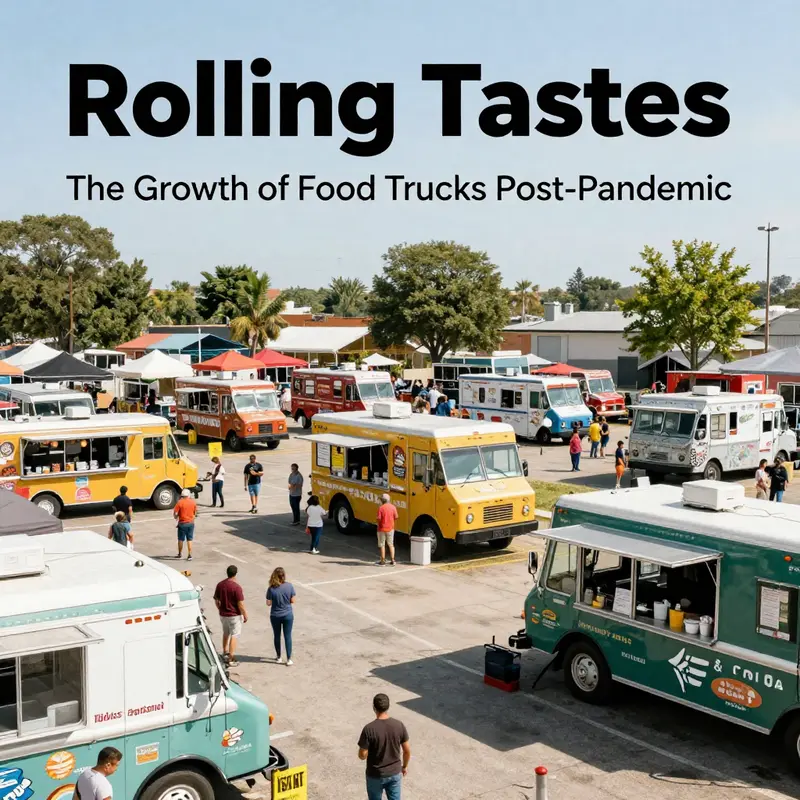
The pandemic began with a paradox for street cuisine: a crisis that shuttered doors and a crisis that opened new routes for mobility and safety. Food trucks, with their portable kitchens and open air execution, faced lockdowns, curfews, and crowded urban spaces that suddenly felt unsafe. In many cities, the initial months meant shuttered lanes and paused dreams. Foot traffic evaporated as shoppers stayed home, and events vanished as large gatherings became vectors of risk. Operators faced a sharp revenue drop, while costs for PPE, sanitation, and compliance rose. Yet this same period forced rapid reorientation. Those who could pivot toward contactless ordering, curbside delivery, and flexible activation of parking lots discovered new models of relevance. The core advantage of a mobile platform—a business that can relocate from a congested downtown corridor to a quieter apartment cluster or a university campus—turned into a practical defense against the monotony of declining footfall.
The resilience of the sector showed early in the adoption of digital tools. Menus migrated to QR codes, orders moved online, and partnerships with delivery aggregators created a hybrid ecosystem that could reach customers without the risk of close contact in a crowded alleyway. Trucks reimagined their spaces; the counter area, once a simple node for pickup, became a touchless interface and a safe signature for the customer experience. The shift toward outdoor dining aligned perfectly with the street-food ethos: fresh air, easy queuing, and the cheerful bustle of a temporary market that could slip into underutilized lots or park along transit corridors where people still needed quick meals. This adaptability translated into practical outcomes. Some operators discovered new revenue channels through meal kits, prepared foods, or weekly pop-ups at strategically chosen locations where foot traffic returned quickly enough to justify an extra crew and a longer burn rate.
Looking beyond the local corners, the pandemic’s effect on the food truck presence reveals a broader pattern of resilience anchored in adaptation. Regions that embraced outdoor dining, simplified permitting for temporary events, and a digital-first approach to ordering tended to preserve, and even expand, their mobile food ecosystems. In Shanghai, the deployment of food trucks to serve quarantined neighborhoods became a vivid illustration of mobile kitchens functioning as responsive services in crisis: a practical, scalable solution that could be reallocated as conditions evolved. Although that example reflects a national circumstance far different from the US market, it nonetheless signals a shared logic across cultures: the velocity and flexibility of mobile platforms can respond swiftly to changing public health needs, while still feeding local communities with a sense of normalcy and continuity.
In the United States, the medium-term horizon has shown a different geometry. Although the early months of the pandemic crippled some independent operations, the sector as a whole recovered with a swiftness that surprised many observers. Analysts point to a compound annual growth rate of about 6.53 percent from 2026 to 2031, with projections that place the market near 1.59 billion USD by the end of that period. This forecast rests on several converging forces. Urban demand for what many consumers now think of as a portable, flexible dining option remains robust. The appetite for innovation in offerings—medley of flavors, plant-based options, and cross-cultural menus—continues to expand, feeding a broader demographic that seeks variety, speed, and value. The sector’s expansion into corporate campuses, university quads, and other campus-adjacent sites is a particularly telling trend: these venues offer predictable streams of customers in a post-pandemic economy that prizes safety and convenience as well as novelty. Trailers retain appeal for entrepreneurs watching budgets, while customized, tech-enabled trucks rise as premium platforms that can coordinate online ordering with on-site fulfillment, improving throughput and the customer experience.
Yet the pandemic’s aftershocks are not evenly distributed. On one side, data indicating growth in many markets sit alongside warnings about sustained cost pressures. The need to maintain high sanitation standards, secure PPE supplies, and ensure a resilient supply chain has remained a persistent challenge. Some operators faced meaningful revenue losses during lockdowns and restrictions and have struggled more than others to navigate rising costs and delayed payments from suppliers and customers alike. In such a context, the literature cautions against a one-size-fits-all narrative: the expansion of food trucks since the outbreak has occurred alongside the hard reality that independent operators with limited access to capital and marketing resources were at greater risk during the worst months. The pandemic, in other words, did not simply create more trucks by accident; it reconfigured the economics, signaling which models could endure and which needed retooling.
The social function of food trucks also deserves consideration. They have often served as community hubs, spaces where people could gather in a controlled outdoor setting, sample new dishes, and engage with vendors who reflect neighborhood diversity. In many places the temporary absence of street-level cuisine during peak restrictions disrupted a vital cultural rhythm, one that feeds social connection as much as appetite. The resurgence of these street economies contributed to a broader sense of return: markets reopened not just as places to eat but as venues where neighbors reassembled, children learned to identify favorite flavors, and small business owners reclaimed agency after a period when their livelihoods hung in the balance. As that social fabric recovered, so did the entrepreneurial energy that characterizes the food truck sector. Operators began to think more strategically about branding, location scouting, and seasonal menus that could pivot quickly in response to public health guidance or weather patterns, adding a layer of sophistication to a scene that had previously been driven largely by spontaneity and urban legend.
From a comprehensive perspective, what emerges is a set of cross-cutting dynamics that explain why, in many places, the number of active food trucks did not simply plateau after the worst months. The pandemic accelerated experimentation with new delivery models, new communication channels, and new partnerships. Hybrid configurations—where a mobile kitchen maintains a central base but deploys to fixed sites for longer runs or collaborates with events and farmers markets on a rotating basis—have become more common. This blend of mobility with stable revenue streams appears to reduce the volatility that once plagued small operators, allowing them to weather fluctuations in consumer demand and supply chain hiccups. The digital layer that the crisis compressed into daily practice—order ahead, contactless payment, real-time inventory updates, and dynamic pricing—also crept into the core of many operations, turning what used to be a neighborhood asset into a scalable business model capable of serving broad catchment areas with reliable service.
In this light, the evidence of recovery becomes more nuanced and more compelling. In major U.S. cities such as Austin and Portland, for example, indicators from 2022 and 2023 point to a rebound in participation, with operators leaning into creative marketing, timely community engagement, and timed events that leverage the urban landscape rather than retreat from it. This rebound does not merely reflect pent-up demand; it signals a recalibration toward experiences that complement other forms of dining rather than compete with them. Consumers increasingly view food trucks as both a source of variety and a form of experiential eating—mobile, social, and tied to neighborhood life. The sector’s growth, then, is inseparable from the broader shift toward experiential, diverse, and convenient street cuisine that became more pronounced during the pandemic and has persisted since.
At the same time, the global picture remains a reminder of uneven effects and divergent trajectories. Regions with regulatory environments that embraced flexibility and incentivized temporary operations were more likely to see sustained growth. Others faced persistent barriers, including zoning restrictions, licensing backlogs, and the need for capital to upgrade fleets or to invest in food safety infrastructure. The experience of the pandemic has laid bare inequities that existed before but were magnified during the crisis. Independent operators without access to lending, marketing support, or shared kitchen facilities encountered the steepest obstacles, underscoring the importance of policy and community support in shaping the pace and scale of growth in the post-pandemic landscape.
From an analytical vantage, the chapter’s essential takeaway is not simply that more trucks exist. It is that the pandemic catalyzed a transition toward a more resilient, diversified, and technology-enabled ecosystem. The growth trajectory now reflects a convergence of urban demand, operational ingenuity, and a regulatory climate that values safety, flexibility, and local entrepreneurship. Consumer preference has shifted toward a combination of speed, novelty, and a sense of connection to place, with food trucks offering a mobile answer to that trio. The willingness of cities to adapt permits for pop-up dining, outdoor markets, and temporary installations has reinforced the viability of the form. In this sense, the increase in presence is not just a numerical uptick; it is a rethinking of how street food can function within urban life, how it can be integrated with other retail and cultural activities, and how it can become a reliable, community-centered feed in times of crisis and calm alike.
The narrative around recovery, therefore, benefits from a careful eye on regional variation and sectoral segmentation. For some operators, the pandemic opened doors to new markets—corporate campuses, university campuses, and high-traffic transit zones—where the steady cadence of commuters and students offered predictable payoff. For others, especially those with limited access to capital, the path remained steeper, with higher costs and slower revenues. The overall pattern is not a uniform story of triumph or catastrophe; it is a mosaic of micro-cases in which local governance, market maturity, and operator strategy played decisive roles. In this mosaic, the number of trucks on the streets has grown in places that embraced flexibility, technology, and community engagement, while in other contexts the pace of growth remained tempered by structural constraints that predated the crisis.
Finally, to tether this analysis to the larger arc of the article, it is essential to acknowledge that the pandemic did not erase the appeal of mobile dining. Rather, it recalibrated the business model and the social imagination around what a food truck can be in a modern city. It created room for a more deliberate integration of mobility with digital, safety-conscious service, and it encouraged a form of culinary entrepreneurship that could respond quickly to public health realities while staying rooted in local flavors. If we ask whether there have been more food trucks since the outbreak, the answer is not a simple yes or no. The share of the street-food ecosystem has expanded in many places, but with a caveat: growth is uneven, shaped by how communities, regulators, and operators have chosen to respond to the challenges and opportunities the crisis surfaced. In the end, the pandemic did not merely test the culinary street; it retooled it for a future in which speed, adaptability, and social connection can coexist with safety, sustainability, and a renewed sense of place. This reframing helps explain why the sector, despite its trials, has emerged more dynamic in several markets and more reflective about how best to serve diverse customers on a mobile stage—the very essence of why the truck economy persists and grows.
To ground this narrative in concrete practice, one can look to a practical guide that captures the emerging ethos of resilience and strategic adaptation for operators navigating the post-pandemic landscape. For readers who want to explore a compact, field-tested set of ideas on how to maintain agility amid ongoing uncertainty, a relevant resource on the subject of resilience in food-truck operations is available at food-truck-resilience-freight-market-uncertainty. This reference points to concrete strategies for managing risk, coordinating with partners, and leveraging mobility as a core strength rather than a vulnerability. The link embodies the broader lesson of this chapter: the pandemic’s imprint on presence is deeply tied to the capacity to adapt, to digitize, and to connect with communities wherever the city’s map allows.
External research corroborates these observations by detailing how food trucks navigated the unique health and safety pressures of COVID-19 while expanding into new formats and channels. The study, “Food Trucks in Times of COVID-19: An Overview,” offers a cross-cutting synthesis of operational shifts, consumer behavior changes, and policy environments that favored or hindered growth. It is a valuable reference for readers who want to situate the narrative within the wider scholarly discourse and to understand how the field has evolved as markets and cities recover. For a deep dive, see the external link here: https://doi.org/10.35248/2167-0269.21.10.467
From Temporary Liberations to Lasting Lanes: Post-Pandemic Regulation and the Food Truck Boom
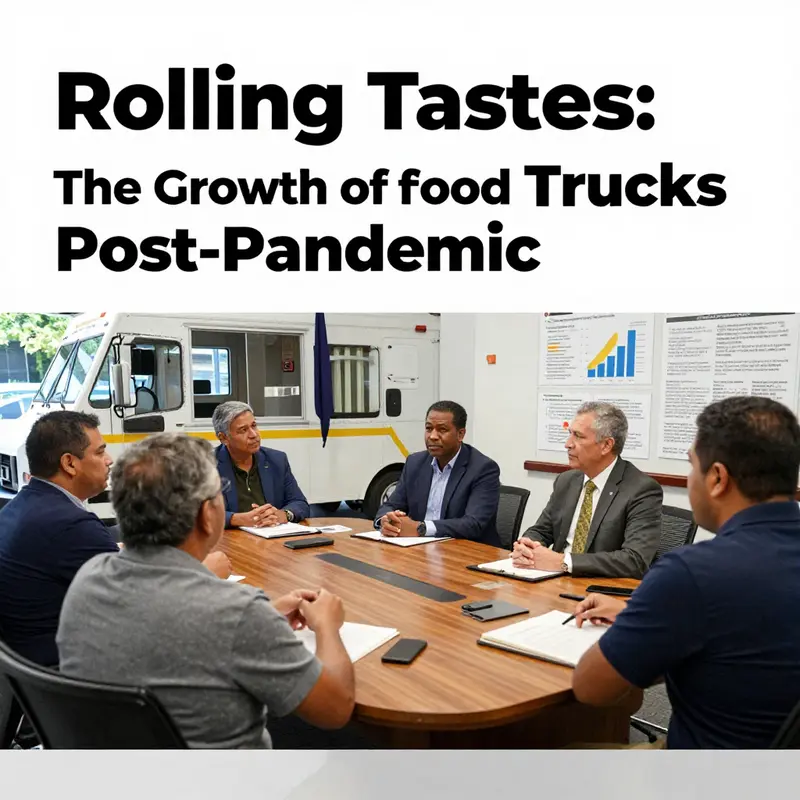
Regulatory changes enacted during the pandemic acted as a temporary scaffold for a stressed industry. They allowed food trucks to keep serving communities when indoor dining was limited and shoppers moved outdoors. As cities reopened, a central question emerged which emergency measures should endure and how would they shape the long arc of the mobile food economy. The evidence so far points to a more permissive entrepreneurial regulatory environment that preserves safety while expanding opportunity. In many places governance shifted from rigid control to flexible stewardship, enabling innovation without eroding accountability. This balance supports workers customers and neighbors while inviting new entrants to join the field.
Across regions a key adjustment has been the relaxation of zoning and mobility rules. During the crisis cities granted extra flexibility on where and when trucks could operate expanded exterior spaces loosened distance requirements and allowed vendors to reach consumers near schools hospitals and residential corridors. These measures helped fill gaps in service and provided a proving ground for routes partnerships and menus. The result is a regulatory environment that acts as a low-cost incubator for mobile concepts. When a policy allows a truck to park in a school plaza for a few hours a family business can test a mix of familiar flavors alongside more ambitious offerings.
The trend toward flexibility also aligns with a broader urban design shift treating food trucks as part of the public realm rather than roadside oddities. Cities that host markets pop ups and outdoor dining often find room for rotating mobile vendors as well. This mindset opens doors to collaborations with campuses events and community sites expanding the footprint of mobile food and inviting social entrepreneurs to use food as a vehicle for impact. Regulators increasingly emphasize partnership over punishment creating more predictable locations and smoother permitting processes.
Health and safety regulations followed a more nuanced path. Early in the crisis some places relaxed staffing and hygiene requirements to keep operations viable while others moved toward digital submissions remote inspections and streamlined documentation. As the crisis subsided the aim was to sustain gains without compromising safety. Many jurisdictions adopted digital permit portals standardized checklists and risk based inspections balancing speed with accountability. The net effect is a regulatory ecosystem that feels faster fairer and more scalable for a diverse mobile sector.
These changes matter beyond individual operators. A growing body of research treats food trucks as social businesses that expand access support local producers and create employment opportunities. When regulations value safety but also flexibility communities gain greater culinary diversity and healthier street life. The post pandemic period thus offers a blueprint for balancing public health with economic opportunity one that some cities are already testing in permanent form.
Looking ahead many regulators argue for permanent adoption of flexible policies with guardrails and clear performance metrics. If measures helped operators survive or thrive during a crisis and did not erode safety they deserve reconsideration for permanency. For communities the upside is improved access and vibrant street life for operators it is predictability and lower barriers to entry. The ongoing dialogue between city halls and street vendors may give rise to coordinated permit systems that reduce conflicts and maximize community benefits.
In sum post pandemic regulation appears to be reshaping the restaurant ecosystem toward resilience inclusion and scale. It invites a future in which policy acts as an enabler of entrepreneurship and urban vitality rather than a gatekeeper while maintaining essential protections for workers and consumers.
Wheels of Preference: How Shifting Palates Fueled the Food Truck Boom After the Pandemic
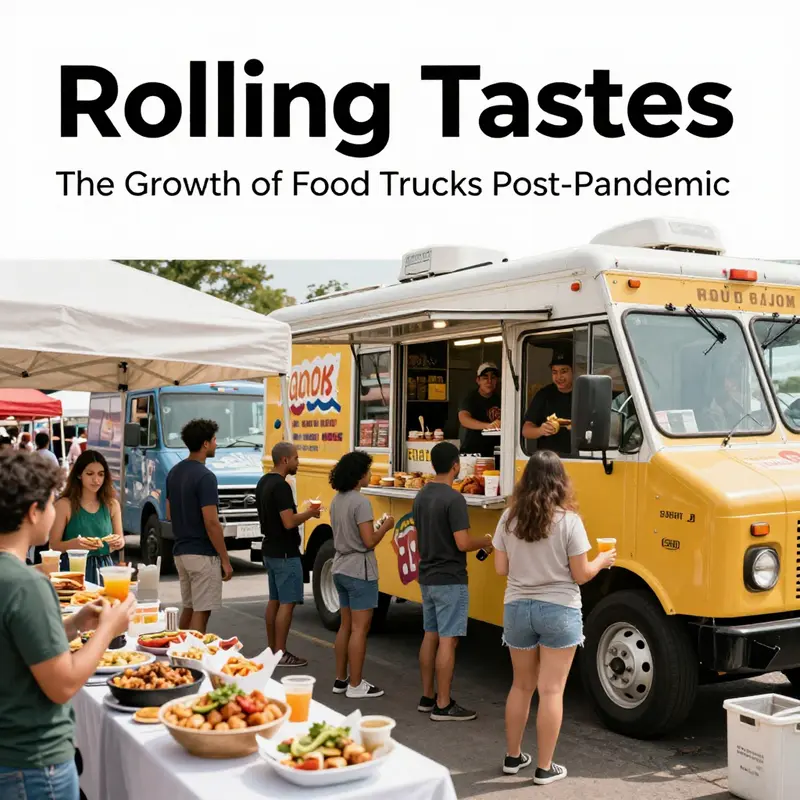
The pandemic disrupted every layer of the dining landscape, but it did not erase the appeal of eating out. Instead, it redirected appetite toward formats that promised safety, speed, and sociability without sacrificing variety. Food trucks emerged not as a stopgap but as a durable response to a rapidly changing urban appetite. Where brick and mortar restaurants faced closures, capacity limits, and lingering hesitation about indoor dining, mobile vendors offered a way to maintain social experiences, support local producers, and deliver comfort with a dash of novelty. Across cities and regions, the curbside economy became an extension of daily life rather than a mere coping mechanism. The post crisis period did not reverse this shift; it refined it. As foot traffic recovered, a renewed demand for flexible, customer driven dining patterns helped food trucks transform from niche players into important components of the food system. The appeal lies not only in the immediacy and affordability of street meals but in the adaptability that mobile formats provide. In essence, the truck becomes a mobile kitchen that can respond to changing tastes, supply constraints, and regulatory environments in ways traditional venues cannot match.
One of the clearest indicators of this shift is the evolving rhetoric around sustainability and value. In a study focused on consumer behavior in Germany, researchers found a surge in willingness to pay for environmentally responsible food choices. That willingness did not appear in a vacuum; it aligned with a broader recalibration of what counts as responsible consumption in times of crisis. Health, safety, and ethical considerations rose to the fore, guiding not only what people order but where they choose to order. This framework helps explain why the food truck format has gained traction. A mobile operation can emphasize transparency around sourcing, waste reduction, and energy efficiency while maintaining a price point that appeals to budget conscious urban dwellers. It is a confluence of desire for convenience and respect for value that makes the truck an attractive alternative to traditional dining, especially in environments where people are balancing time, cost, and environmental concerns.
The pandemic also accelerated a broader digitalization of consumer dining, a development that directly bolstered the food truck sector. Orders and payments moved toward contactless, screen mediated interactions, reducing friction for busy workers, students, and shoppers. The ability to integrate digital menus, streamlined ordering, and real time updates helped trucks attract a tech friendly clientele that craves speed and predictability. But adaptation was not merely about replacing paper menus with screens. It was about weaving digital channels into the social experience of eating out. Consumers increasingly expect to discover new flavors through mobile prompts, to customize meals on the go, and to receive timely updates about where a truck will set up next. In many markets this digital shift complemented the charm of the street, turning a simple curbside bite into a small ritual that can be shared online, amplified through word of mouth, and remembered for its convenience as much as its flavor.
Across the Asia Pacific region, urbanization and the rise of robust digital ecosystems amplified the reach and appeal of food trucks. The region has seen a rapid expansion of mobile dining into dense commercial districts, university campuses, and festival grounds. The flexibility of a truck allows operators to respond to localized tastes and seasonal supplies without significant fixed investments. The result is a mosaic of offerings that ranges from comfort classics to experimental fusion, all curated to fit a quick service model. The cultural appetite for experiential, diverse, and convenient street cuisine aligns with the incentives for entrepreneurs to test ideas with relatively low upfront risk. While the exact mix of offerings varies by city, the underlying trend is clear: portable kitchens can adapt to supply networks and consumer habits in ways that stationary venues often cannot match.
A striking metric of the post pandemic expansion is the emergence of a distinctly broad market footprint. Analysts project that the food truck market in the United States will grow at a healthy pace, with a compound annual growth rate in the mid six percent range through the early 2030s. By the end of the decade, the market is expected to approach a value well into the billions. Several forces underwrite this growth. Urban areas are embracing mobile dining as a way to deliver variety to crowded spaces without crowding them further. Corporate campuses and university quads represent growing arenas where mobile vendors can offer tailored menus during lunch periods or special events. Trailers remain popular among budget minded entrepreneurs, offering a lower barrier to entry than fully customized trucks. Yet the market is also increasingly characterized by premium, tech enabled platforms that provide more sophisticated point of sale systems and delivery integration. This duality reflects a broader aspiration among operators: to offer affordable entry into food service while still delivering compelling brand experiences and reliable service.
The consumer is driving a parallel evolution in the menu itself. Plant based and health oriented options have moved from novelty to expectation in many markets. Consumers who once saw street food as indulgent or casual now expect consistency, value, and options that align with personal values around health and sustainability. This shift does not imply a flattening of flavor or texture; instead it signals a diversification of offerings that can meet a wide range of dietary needs without sacrificing speed or convenience. Operators, aware of this demand, are often more deliberate about sourcing, menu rotation, and cross cultural influences. In practice that means a truck may pair a familiar crowd pleaser with a rotating daily feature that highlights seasonal produce, local suppliers, or a regional twist on a classic dish. The result is a more vibrant, localized dining experience that still benefits from the efficiencies of mobile service.
The social dimension of the truck experience also matters. Food trucks thrive where culture, education, and community intersect. On campuses and in urban neighborhoods, trucks become meeting points where people linger, share discoveries, and influence each other through what they try next. In this sense, the truck is not just a kitchen on wheels; it is a platform for culinary exploration, a stage for collaboration among cooks from different backgrounds, and a living example of how urban food systems can adapt to shifting demand patterns. The social media arc complements this dynamic. A good truck story travels fast, and a strong brand narrative can turn a single outing into a dependable ritual. This is precisely where branding and identity matter, which is why operators should think beyond the plate toward the entire experience that surrounds it.
For operators who want to translate this shifting palate into a strategic advantage, the branding of a mobile kitchen becomes as important as the menu itself. A coherent identity helps a truck stand out in a crowded curb, communicates values in a single glance, and provides a hook for repeat visits. The visual language of the truck, its color palette, the typography on the side panels, and even the way a menu is presented on the go all contribute to the perception of quality and reliability. The branding of a food truck is a promise to the customer that the experience will be consistent, the flavors will be thoughtfully prepared, and the service will be courteous and efficient. It is not enough to offer a good dish; the surrounding presentation amplifies the appeal of the meal and creates a memory that invites sharing. For operators who want to align this branding with the broader shifts in consumer preferences, a practical approach is to treat branding as a system rather than a one off design task. The system should reflect sustainability in sourcing, clarity in menu choices, and flexibility in how the truck presents itself across different locations and events. A well designed identity can help a truck communicate its commitment to local producers, seasonal menus, and a fast, friendly experience, even before a customer takes a bite.
In that sense, the post pandemic growth of the food truck sector is not just a matter of more trucks on the street. It is a story about a consumer who has learned to value speed, customization, and transparency. It is about the willingness to sample new flavors in an informal setting that still feels curated and dependable. It is about cities that recognize mobile vendors as part of the urban fabric rather than as a temporary workaround. It is about entrepreneurs who view the curb as a viable stage for innovation rather than a temporary sideline. The convergence of these factors helps explain why the post crisis period has produced more food trucks, not just as a survival tactic but as a thriving, continuing trend in how people choose to eat and how cities define their food cultures. And as demand continues to evolve, operators will likely keep refining how they present themselves, balancing the romance of street food with the rigor of scalable, standards driven business models.
For those exploring how to position a truck within this evolving landscape, a practical resource on crafting a memorable identity can be helpful. See branding on wheels the ultimate guide to food truck graphics and identity, which offers insights into creating a cohesive, consumer friendly visual system that travels well across neighborhoods and events. This kind of branding work supports the broader shift in consumer expectations, turning a portable kitchen into a recognizable and trusted option in a crowded market. The result is not merely more trucks; it is smarter, more resilient, and more culturally attuned mobile dining altogether. As cities continue to adapt to new norms and as consumers demand greater flexibility, the food truck story becomes a lens on urban life itself, illustrating how preferences, technology, and policy can align to support vibrant, accessible, and sustainable street food ecosystems.
External link for further context on market opportunity and growth dynamics: https://www.sciencedirect.com/science/article/pii/S2405844025001367
Rolling Forward on Wheels: The Post-Pandemic Rise of Food Trucks
Since the early lockdowns, the food truck sector has evolved from a crisis response into a durable urban dining format. The pandemic forced many operators to pivot rapidly, but the result has been a more resilient and adaptable mobile food ecosystem that thrives on speed, variety, and local connection.
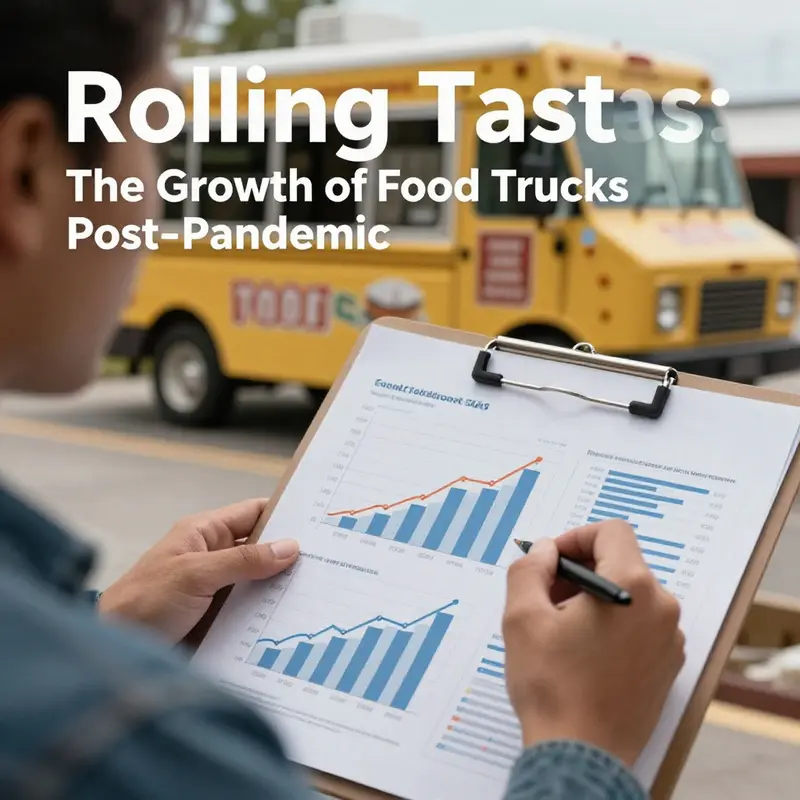
Global and national data point to steady expansion. Market projections show continued growth in size and a healthy CAGR as more operators deploy trucks and trailers, adopt digital ordering, and partner with events and campuses.
Regulatory and policy shifts have also played a role, with cities easing permits, designating curbside zones, and integrating mobile vendors into placemaking strategies. These changes help reduce barriers to entry and support smaller operators.
Looking ahead, the mobility of food and the flexibility of mobile formats are likely to drive higher-value offerings, diversified menus, and deeper ties to community life, ensuring the sector remains an essential, dynamic part of urban dining.
Final thoughts
The food truck industry has not only survived the pandemic; it has thrived and evolved into a vibrant part of the urban dining landscape. With regulatory support, shifting consumer preferences toward convenient and diverse dining options, and significant economic trends favoring mobile food vendors, food trucks have carved out a niche that resonates with event planners, corporate HR teams, local communities, and food enthusiasts alike. As we move forward, the prospects for food trucks remain bright, demonstrating their resilience and adaptability. Embracing this change, we’re witnessing new culinary experiences rolling into our neighborhoods—ready your tastebuds for the next round of delicious food truck offerings!