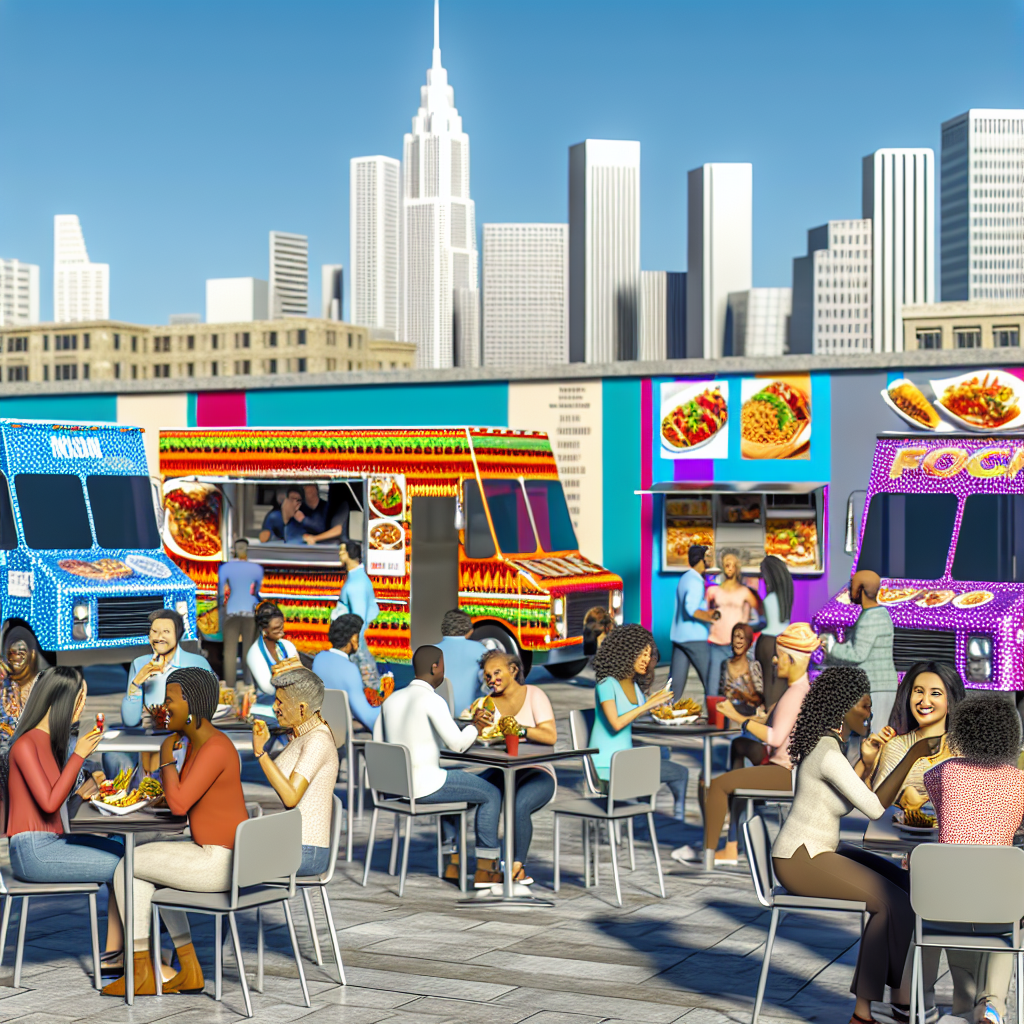
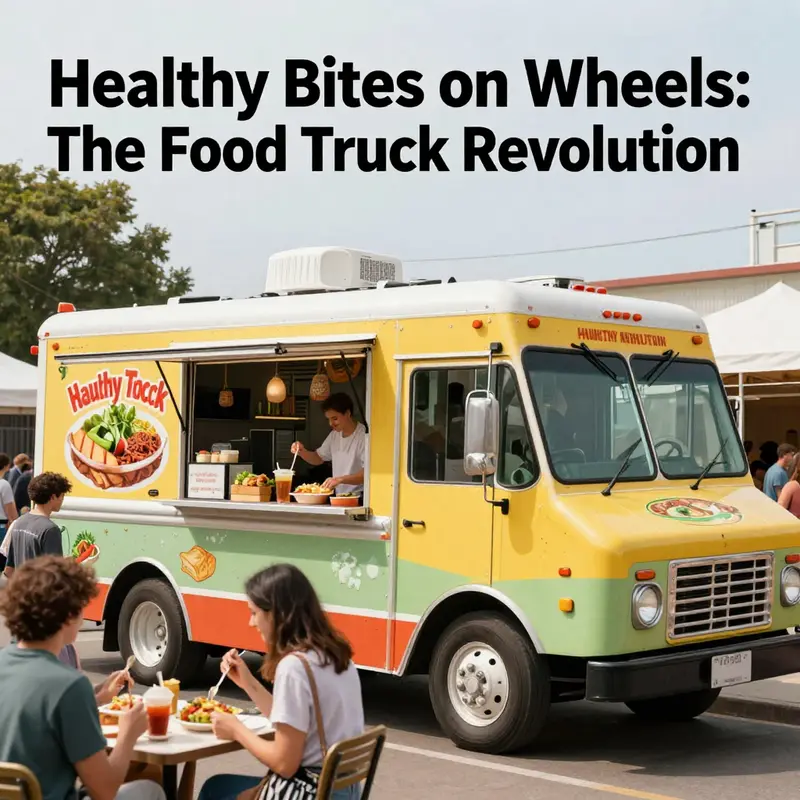
The food truck scene has been bubbling with excitement, and it’s not just about gourmet burgers and loaded fries anymore! As consumers increasingly prioritize health and nutrition in their diets, a vibrant new wave of food trucks is stepping up to satisfy this demand for wholesome options. From colorful grain bowls to revitalizing smoothies, these mobile kitchens serve up delicious dishes that cater to every palate while keeping health at the forefront. In this journey, we’ll uncover the trends driving this transformation, explore the diverse offerings available, and glimpse into the innovative future of health-focused food trucks. Get ready to discover how these vibrant vendors are changing the way we think about street food and healthy eating!
Moving Toward Wellness on Wheels: How Health-Focused Food Trucks Are Redefining Convenience, Nutrition, and Community
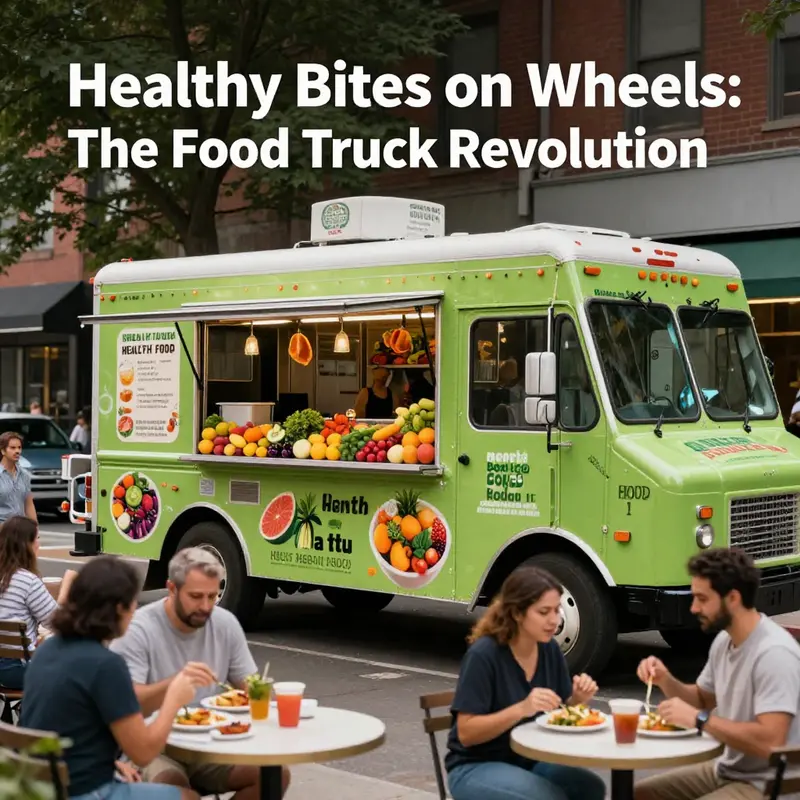
Across cities and towns, the sight of a bright, mobile kitchen rolling into a park or office complex has become more than a novelty. It represents a deliberate shift in how people imagine nourishment: fast, accessible, and genuinely nutritious. Health-focused food trucks have moved beyond the stereotype of a late-night snack cart to become rotating laboratories of wellness on wheels. They offer fresh smoothies and pressed juices, hearty grain bowls, nutrient-dense salads, plant-based mains, and a growing array of wellness-oriented options that speak to busy people who still want to eat well. The appeal isn’t just about convenience; it’s about customization, transparency, and the promise that a quick meal can also be a smart choice for today’s health goals. In this sense, they sit at the intersection of convenience culture and public health aspirations, offering a practical pathway for people to integrate nutritious eating into crowded schedules without sacrificing flavor or variety.
The emergence of these mobile kitchens aligns with a broader rethinking of how food is produced, procured, and consumed in urban settings. Traditional restaurants compete with the clock—traffic, crowds, and long waits—while a compact, well-equipped truck can deliver a curated menu that changes with the season and with local supply. The result is a dining experience that can be as diverse as the neighborhoods it serves. A health-focused truck often anchors its identity in freshness, organic or locally sourced ingredients, and menu items that emphasize vegetables, whole grains, lean proteins, and plant-based substitutes. The on-the-go format makes it easier for people to choose balanced meals between meetings, after workouts, or during school runs, challenging the assumption that nutritious foods must come with a lot of time and cost overhead.
Market dynamics also show that consumer expectations are shifting toward value—both in price and in experience. The mobility of these businesses provides cost advantages that traditional brick-and-mortar operations rarely match. A truck sidesteps many fixed overheads while maintaining a high degree of flexibility. This flexibility is not just financial; it translates into the menu. Operators can adjust offerings to reflect what’s fresh in local markets, accommodate dietary restrictions, and experiment with crowd-pleasing combinations that emphasize nutrition without compromising flavor. Over time, this dynamic has helped healthy food trucks cultivate loyal followings in neighborhoods underserved by conventional healthy dining options, creating a feedback loop in which demand begets more supply and more innovation.
A closer look at the recent patterns around these mobile food services offers a window into why they have become viable and even essential components of urban food ecosystems. In February 2026, data indicate that the demand for healthy food trucks continues to grow, with customers placing high value on affordability and the ability to tailor orders to individual dietary needs. A striking trend is apparent in the menu composition: entrees account for about 72.5% of offerings, signaling a strong emphasis on main dishes that provide substantial nutrition and satiety. This prioritization mirrors a public health preference for nutrient-dense meals that can power a person through a busy afternoon without requiring a second stop for snacks. At the same time, the pattern of item availability reveals a deliberate tilt away from heavy desserts. Appetizers and lighter fare appear with greater frequency than desserts, which are notably less common, with a statistical significance noted (P < .001). The practical upshot is a dining format that leans into nourishment and portion control, rather than simply supplying quick calories.
What does this mean for the consumer experience? A healthy truck tends to present a menu that is approachable but capable of customization. Entrees frequently feature grain bases—such as quinoa, brown rice, or farro—paired with legumes, lean proteins, and an array of vegetables that are prepared to maximize taste and texture without excess oil or sugar. Smoothies and juice drinks are crafted to complement meals, offering concentrated fruit and vegetable content with options for added protein, seeds, or greens. Salads go beyond a leaf-and-dressing stereotype by incorporating roasted vegetables, whole grains, or warm, protein-rich toppings that elevate a simple bowl into a satisfying, balanced meal. The beverage options, while often focused on natural sweetness and hydration, are designed to avoid hidden sugars and to pair well with the more substantial entrées. In this framework, the truck becomes a compact kitchen lab where nutrition science and culinary creativity meet, and the customer gets a meal that supports energy, concentration, and long-term dietary goals.
From an operational perspective, health-focused trucks face a different set of decisions than typical fast-food ventures. The supply chain centers on fresh, perishable ingredients, which elevates the importance of reliable sourcing, timely procurement, and careful inventory management. Operators frequently work with local farmers, grocers, or markets to secure seasonal produce and to reduce the environmental footprint associated with long-distance transport. The challenge, of course, lies in maintaining freshness on the move. Trucks must optimize refrigeration, streamline prep work, and design workflows that keep ingredients at peak quality from pickup to plate. These considerations influence the menu itself, naturally leading to menus that emphasize shorter prep times, modular components, and the ability to assemble dishes quickly without sacrificing nutrition or flavor. As a result, the menus evolve with the seasons, offering a rotating set of dishes that align with what’s most abundant and nutritious at any given time, a rhythm that regular brick-and-mortar spaces can struggle to reproduce with the same speed.
The design of the vehicle itself also communicates a message about health and transparency. A modern, versatile setup can include built-in juicers and refrigeration units tailored specifically for fresh produce, a compact open kitchen that invites customers to observe preparation, and modular workstations designed to minimize cross-contamination risks for those with dietary restrictions. Lighting, signage, and layout contribute to a perception of cleanliness, reliability, and quality. In this respect, the experience of ordering from a healthy truck is as important as the food itself. Customers can feel reassured by visible workflows, clear ingredient lists, and the sense that the operator is attentive to dietary needs and food safety. The visual and functional design elements work in concert with the menu to reinforce a message: healthy food can be quick, tasty, affordable, and precisely what a person needs at that moment of the day.
Beyond the kitchen and the plate, these mobility-driven eateries interact with a broader ecosystem of wellness culture, urban agriculture, and community health initiatives. Some operators leverage partnerships with fitness centers, corporate campuses, or farmers markets to reach customers who are actively seeking nutritious options in convenient formats. These partnerships amplify the impact by providing consistent access to fresh options in places where people already gather, such as during lunch breaks or after workouts. The business model may also align with wellness campaigns that aim to reduce sugar intake, increase vegetable consumption, or promote plant-based proteins. In this sense, a health-focused truck becomes part of a larger strategy for improving dietary patterns, especially among populations that might not have easy, affordable access to healthy meals during the workday or while managing a busy family schedule.
With this expansion in mind, the industry has seen a diversification of the equipment, capabilities, and service models available to would-be operators. Platforms that enable mobile kitchens to function as turnkey operations—complete with modular units, built-in juicers, and structures designed for easy maintenance—have lowered entry barriers and enabled a wider range of entrepreneurs to enter the field. Prospective owners can explore configurations that suit different climates, neighborhoods, and regulatory environments. In this context, the choice of truck model, the layout of the kitchen, and the design of storage and refrigeration space are strategic decisions that influence menu potential, operational efficiency, and compliance with health and safety standards. They also shape the customer experience, because a well-planned vehicle design reduces the friction that can occur during peak service windows and supports consistent portion control, which in turn helps maintain nutritional integrity across a busy day.
The educational dimension of health-focused food trucks should not be underestimated. The on-the-ground presence in neighborhoods offers a real-time narrative about what constitutes nutritious eating. People can learn about portion sizes, ingredient sourcing, and the role of vegetables and whole grains in sustaining energy and mood. For parents balancing kids’ meals with work obligations, trucks that provide transparent ingredient lists and allergen information become trusted resources rather than mysterious sources of convenience. For students and professionals, the ability to personalize meals—choosing toppings, swapping grains, or choosing plant-based protein—helps translate abstract nutrition guidance into tangible, enjoyable choices. This experiential learning is a powerful complement to broader public health messaging, underscoring that healthy eating can be integrated into everyday life without requiring extensive time, money, or culinary skill.
The digital layer supporting health-focused trucks is increasingly important as well. Online ordering, location updates, and real-time menu changes allow operators to reach audiences who plan meals around a workday or a school schedule. Social media channels become venues for sharing seasonal offerings, nutritional tips, and behind-the-scenes glimpses of sourcing and preparation. Visibility matters: when customers see fresh ingredients, hear about dietary options, and witness a commitment to quality, trust grows. In turn, this trust fosters repeat business and word-of-mouth referrals, which are crucial in a market where choices are wide and options for healthier meals at lunchtime can be limited. The convergence of mobility, nutrition, and digital connectivity is turning traditional food trucks into adaptable, health-forward platforms that can respond quickly to community needs, dietary trends, and the weather—and that flexibility is a core strength of the model.
For those assessing how to design or grow a health-focused truck, one practical guide to branding and identity on the wheels can be particularly helpful. It emphasizes the importance of a coherent, market-ready look that communicates health, freshness, and reliability at a glance. A strong visual identity helps a truck stand out among other vendors and fosters a sense of trust with prospective customers. This guide also highlights the value of storytelling in the branding process—sharing the sourcing story, the nutritional philosophy, and the hands-on preparation that goes into every dish. The branding strategy should be integrated with the menu design so that every element—from color schemes to font choices to the arrangement of the display case—reinforces the same wellness narrative. For brands approaching this step, a practical resource like the branding on wheels guide offers a concrete framework to translate health promises into a visible, memorable identity. You can explore that resource here: branding on wheels.
Despite the clear advantages, healthy food trucks face a set of real constraints that shape their growth prospects. Weather can dramatically affect foot traffic, which in turn influences sales and scheduling. Perishables require careful planning, and price volatility in produce markets can compress margins if demand softens. Regulators scrutinize mobile operations just as they do fixed-location eateries, demanding rigorous compliance with food-safety standards, appropriate licensing, and clear labeling about ingredients and allergens. Navigating these rules successfully requires a proactive posture: investing in staff training, maintaining robust sanitation protocols, and building relationships with local health departments and market organizers. The ability to adapt to regulatory environments—while keeping a menu that remains appealing to a diverse customer base—is often what separates resilient ventures from those that struggle during seasonal dips or regulatory changes.
The consumer side of the equation also reveals why health-focused trucks continue to gain traction. In urban centers and growing regional hubs alike, people are increasingly mindful of where their food comes from, how it’s prepared, and what it costs in terms of calories, sugar, and environmental impact. A nutrient-dense entrée paired with a hydrating beverage can be an attractive alternative to fast food if the price-to-value proposition remains favorable and the flavor wins out. The emphasis on customization, as noted in the latest data, is especially potent for customers who follow specific dietary patterns—vegetarian, vegan, gluten-free, dairy-free, or low-sodium diets. A well-curated menu can accommodate multiple dietary needs within a single service window, reducing the need for multiple vendors and streamlining procurement. In this sense, the health truck becomes a practical solution for families and individuals who want control over what they eat without sacrificing speed.
The broader public health implications of these mobile wellness moments are significant. When nutritious options become the default, even temporarily, people begin to recalibrate their expectations and behavior. The ability to access a balanced entrée during the workday or on a commute can reinforce healthier habits in ways that static venues sometimes fail to achieve. While a single truck cannot solve systemic food-insecurity issues, its ubiquity and reach can contribute to more equitable access to nutritious meals. The real-world impact multiplies when trucks operate in partnership with community organizations, schools, and local governments that view mobile kitchens as affordable, scalable tools for nutrition education and intervention. In this sense, the rise of healthy trucks is not just a business trend; it is a facet of a broader movement toward more accessible and practical nourishment, designed to fit into people’s lives as they actually live them.
For readers who want to explore the intersection of mobile dining and nutrition science more deeply, a body of research discusses whether food trucks can deliver meaningful nutrition interventions. This line of inquiry examines dietary patterns associated with mobile options and highlights the potential for trucks to serve as effective platforms for delivering healthier meals in diverse communities. Readers seeking a scholarly perspective can consult the external resource here: https://www.ncbi.nlm.nih.gov/pmc/articles/PMC10483929/
Wellness on Wheels: The Diverse Palette of Healthy Food Trucks in Modern Cities
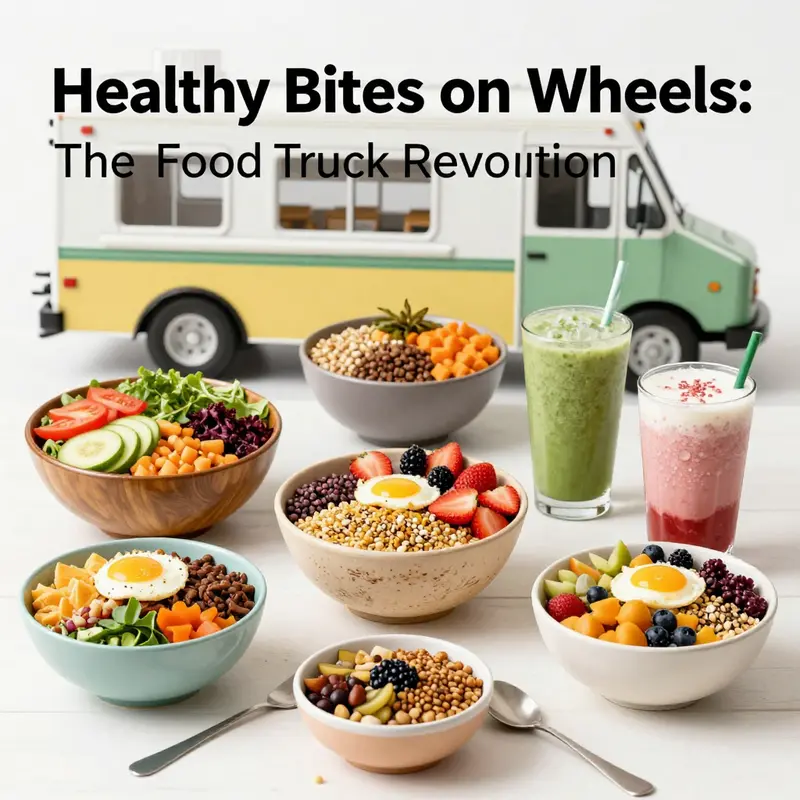
In the long arc of urban food culture, trucks have traveled from novelty to necessity, from quick indulgence to viable venues for wellness. The sight of a wheeled kitchen rolling through a neighborhood is no longer just a sign of convenient feeding; it signals a deliberate redefinition of what street food can be. A health-focused food truck carries not only fresh produce and lean proteins but also a philosophy: that nourishment can be fast, flavorful, and affordable without compromising quality. On city avenues where space is limited and choices are abundant, these mobile kitchens deploy not just burners and blenders but a calibrated approach to sourcing, preparation, and service that speaks directly to health-minded diners who crave both convenience and integrity. The result is a form of culinary accessibility that reshapes expectations about what street cuisine can offer and whom it can serve.
The diversity of offerings in health-forward food trucks mirrors the mosaic of urban cultures, translating global flavors into menus that emphasize balance, transparency, and nourishment. Across neighborhoods, a meal on wheels might feature a foundation of whole grains or leafy greens, with bowls that pair quinoa or brown rice with grilled proteins, beans, an array of vegetables, and bright, zesty sauces that lift rather than overwhelm. Snacks and sides often align with nutrition goals too: crunchy vegetable chips, fresh fruit cups, and small plates designed to provide fiber, protein, and micronutrients without excessive sodium or refined fats. Smoothies and pressed juices are common companions to nourishment, serving as convenient vehicles for hydration, antioxidants, and vitamins when time is tight. Even desserts and frozen treats can pivot toward healthier profiles by emphasizing natural sweeteners, plant-based bases, and minimal processing. In this way, the mobile kitchen becomes a micro-lactory of wellness, delivering not just flavor but a daily choice that supports energy, focus, and well-being.
Yet the beauty of these trucks lies not only in what they serve but how they serve. The mobile setup forces vendors to curate menus with clarity and restraint. Seasonal produce, locally sourced greens, and limited, well-defined ingredients become selling points that customers can trust. The open-air dynamic of a street-side cookout invites scrutiny and appreciation: customers can observe the freshness of greens, the tenderness of grilled proteins, and the care that goes into each bowl or wrap. This transparency fosters a relationship of confidence, where nutrition is not a marketing ploy but a lived practice. Onlookers see that the kitchen is clean, organized, and designed to preserve nutrients, with cold storage for perishables, proper heat control for proteins, and hygienic serving practices that minimize waste and contamination risks. The modern health truck is a compact training ground in food safety, portion control, and customer education, teaching both cooks and customers how to navigate dietary needs in a bustling urban ecosystem.
As with any cultural enterprise, health-focused food trucks do not exist in isolation. They are the confluence of immigrant ingenuity, local farming rhythms, and public health aspirations. The menus often tell stories of place and tradition—noodles and greens drawn from Asian-inspired bowls sit alongside vibrant plant-based wraps with Middle Eastern spices, while Latin-influenced bowls mingle with Caribbean flavors in a celebration of global nourishment. This culinary fusion is not just about novelty; it is a practical response to the reality that diverse communities bring diverse dietary patterns and preferences. A truck that offers vegan, vegetarian, gluten-free, dairy-free, and nut-free options expands access to nutritious meals for people who frequently find that their choices are limited in other dining formats. It is a quiet revolution that respects culture while elevating nutrition to a standard, not an afterthought. The result is more than a menu; it is a language of inclusion, where the wheel serves as a vehicle for shared health and shared experience.
Research in this evolving sector supports the observation that healthful options are increasingly present on street menus. While there is still a tendency for some truck meals to be higher in calories or fats, notably compared to traditional sit-down dining, the landscape is shifting. Studies indicate that most health-conscious menus now include at least one clearly nutritious option, and many vendors offer a spectrum of choices designed to accommodate a wide range of dietary needs. This trend reflects not only consumer demand but also the entrepreneurial response to public interest in wellness—the realization that nutrition and convenience do not have to be mutually exclusive. The growing emphasis on ingredient quality and transparency aligns with broader movements toward sustainable agriculture, ethical sourcing, and reduced waste. In practice, this means trucks are increasingly designed with features that support healthier menus, from refrigeration strategies that preserve produce to cooking methods that minimize added fats, from the use of whole grains and legumes to the inclusion of plant-based proteins.
For readers curious about how these shifts materialize in real configurations, the functional design of a healthy truck matters. A modern health kitchen prioritizes modularity: compact, efficient equipment that can transform from a smoothie station to a grain-bowl setup within hours, depending on demand. Refrigeration is essential, not optional, as is a reliable power source to support cold-pressed juices, dairy-free yogurts, and fresh greens. The interior often features clearly labeled stations, which helps communicate ingredients and potential allergens to customers with dietary restrictions. Quiet, clean operations paired with visible sanitation practices create trust. Even the aesthetic choices—clean lines, natural materials, warm lighting, and a tidy, inviting layout—play a role in signaling that health and hospitality can ride on the same chassis as speed and convenience.
In this environment, technology quietly enhances the experience without overshadowing the cooking. LED lighting on the exterior helps draw attention to a truck in a crowded lot, while interior lighting makes the work easier for cooks and improves the accuracy of portioning and plating. Customizable controls—temperature, humidity, and speed settings—enable precise handling of delicate ingredients such as leafy greens and fresh herbs. Built-in juicers or high-quality blenders become core components of daily menus, enabling on-demand fresh beverages that support hydration and micronutrient intake. The ability to tailor a drink or dish on the spot—adding spinach to a smoothie, increasing the portion of greens in a bowl, swapping proteins for plant-based alternatives—speaks to the broader theme of customer empowerment. It is not merely about selling food; it is about enabling a personalized nutrition experience that travels with the customer through the urban environment.
Accessibility remains a central virtue of health-focused trucks. In many cities, these mobile kitchens appear in neighborhoods underserved by grocery stores or fresh produce markets. The mobility of a truck means it can reposition to where people live and work, offering a reliable source of nutritious options where permanent eateries are scarce. This mobility intersects with public health goals, supporting initiatives to reduce diet-related illnesses by making healthier meals available in places where options are limited. In practice, this requires more than good recipes; it demands thoughtful partnerships, efficient procurement, and pricing strategies that make nutritious choices feasible for a broad audience. Some operators collaborate with local farms and community-supported agriculture programs to secure seasonal produce at predictable costs. Others adopt pricing models that balance sustainability with affordability, offering meal sets, loyalty discounts, or kid-friendly portions to encourage steady engagement from families and workers alike.
The social fabric of health-on-wheels also benefits from the way these trucks communicate with customers. A transparent menu, clearly labeled ingredients, and front-facing cooks who demonstrate care for cleanliness and nutrition help demystify what it means to eat well on the go. Customers appreciate seeing the ingredients photographed and described, not obscured by generic terms. In this clarity, trust is built, and repeat visits follow. The customer journey becomes a dialogue: a quick question about dairy in a sauce, a request for extra greens, or a suggestion to replace a grain with a gluten-free option is addressed with a smile and a solution. That level of responsiveness matters just as much as the meals themselves because it signals that healthful choices are not merely promotional promises but reliable, ongoing commitments.
Moreover, the health-truck model invites entrepreneurial experimentation without demanding a heavy brick-and-mortar cost structure. Small operators can test menus, refine recipes, and measure what resonates with their communities. They can adjust to seasonal produce, respond to events, or shift locations to align with foot traffic, school schedules, or corporate campuses. The low overhead compared to a static restaurant means more flexibility for chefs who care deeply about nutrition and want to scale gradually. This incremental growth is critical in enabling sustainable business practices that also deliver real public health benefits. When a truck moves through a neighborhood, it carries not just meals but a platform for education: a chance to discuss portion sizes, the importance of whole grains, or the value of plant-based proteins to a balanced diet. In this way, nourishment becomes a conversation as well as a meal.
The economic reality of health-forward trucks is nuanced. Pricing strategies must account for the costs of high-quality ingredients, safety requirements, seasonal variability, and the logistics of urban operations. Customers, in turn, respond to perceived value, which increasingly includes the quality of ingredients, the clarity of labeling, and the opportunity to customize. The market has responded by expanding varieties that emphasize value without sacrificing nutrition. For instance, bowls can be designed around core ingredients—greens, grains, and proteins—with a variety of toppings and sauces to maintain interest and avoid boredom. This structure supports efficient production while allowing personalization. It also makes it easier for customers with specific dietary requirements to find options that meet their needs. In practice, a health truck that communicates clearly, is consistent in quality, and offers reliable customization tends to build loyalty and steady demand, even in crowded markets where competition is intense.
The broader industrial landscape acknowledges the potential of healthful street cuisine. Market analyses point to a growing segment of the global food truck economy dedicated to wellness and nutrition. This shift aligns with consumer trends toward mindful eating, plant-forward menus, and a preference for experiences that combine speed with substance. Investors and policymakers are also taking note, recognizing that mobile food vendors can contribute to healthier urban ecosystems when supported by clear guidelines around safety, waste management, and accessibility. As the sector matures, the integration of health-focused trucks with community initiatives—such as farmers markets, school programs, and cultural festivals—creates networks of nourishment that extend beyond the roadside. These networks help ensure that the benefits of mobile wellness are felt in neighborhoods that might otherwise have limited access to nutritious meals.
For readers who want to explore how such ventures are documented and discussed in practice, there are resources that capture the practical realities of building and sustaining healthy food trucks. One notable resource is a blog maintained by a prominent operator in this space, which offers reflections on menu design, equipment choices, and customer engagement strategies. The insights in that blog illuminate the everyday decisions behind a health-forward menu, from balancing crunch with tenderness in a bowl to selecting vegetables that retain texture after a few hours on the road. Reading such notes can help aspiring operators understand the trade-offs and innovations that shape healthful street cuisine. See the Loschifladostruck blog for a closer look at the day-to-day realities of keeping wellness on wheels. Loschifladostruck blog
The evidence base and the practical experiences converge on a simple conclusion: healthy food trucks are not a fringe phenomenon but a robust, evolving facet of urban dining. They carry forward a simple premise—food can be nourishing, convenient, and culturally resonant all at once. They demonstrate that healthful eating does not require a fixed location, a long wait, or a heavy price tag. Instead, it requires intention: choosing ingredients with care, preparing them with attention, and presenting them with honesty. It requires understanding the communities they serve, listening to their needs, and being adaptable enough to adjust menus in response to feedback, seasons, and shifting urban rhythms. It requires a willingness to learn and to iterate. And it requires a willingness to challenge the stereotype that healthy meals are inherently slower, more expensive, or less satisfying than their less healthy counterparts. In the street-food context, wellness and flavor can coexist in a way that feels inevitable once the components are aligned: quality ingredients, straightforward cooking methods, transparent communication, and a customer-first approach to service.
As the chapter closes its circle, it is worth recalling that the rise of healthy food trucks is part of a larger conversation about how cities cultivate accessible, equitable nutrition. The mobile kitchen format suggests a practical blueprint for delivering nourishment where it is most needed, while still offering the excitement and variety that keep food culture vibrant. It invites us to imagine neighborhoods where a table in a park might be replaced by a truck on a curb, where a quick lunch becomes a moment of nourishment rather than a rushed, unsustainable decision. It invites us to see that wellness can be a public good, not a private luxury, and that the street can be a classroom, a market, and a community kitchen all at once. The fusion of cultural flavors with health-focused intent on wheels points toward a future in which urban dining is more inclusive, more transparent, and more nourishing for all who seek it.
External research underscores this trajectory, highlighting that the healthfulness of menu items on food trucks is an area of growing academic and practical interest. The work invites readers to consider how the industry might continue to evolve in ways that align economic viability with nutrition and public health goals. For those seeking a deeper dive into the empirical side of this trend, an external resource provides a rigorous look at how truck menus measure up in terms of healthfulness and variety. https://www.ncbi.nlm.nih.gov/pmc/articles/PMC7259804/
Wheels of Wellness: How Health-Conscious Food Trucks Are Redefining Fast Food with Fresh, Local Nutrition
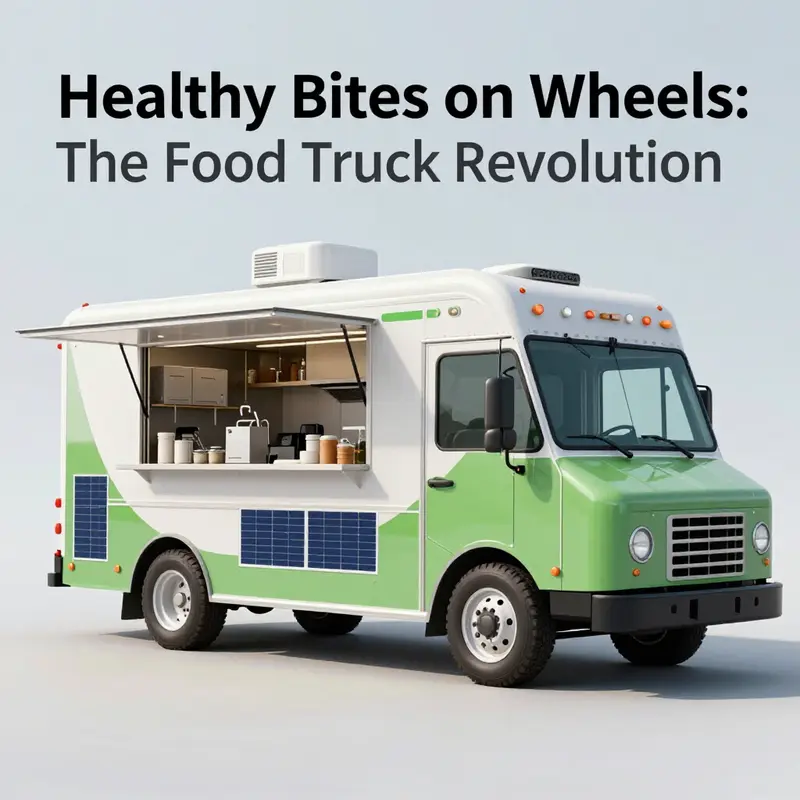
Across urban corridors, farmers markets, and campus corners, a quiet revolution is rolling on four wheels. Health-conscious food trucks have emerged as a distinct force in the street-food ecosystem, not merely as a novelty but as a durable response to a growing appetite for fresh, nutritious, and convenient meals. When people think of fast food, they often imagine high-calorie temptations and long queues; when they think of a health-focused mobile kitchen, they imagine bright produce, quick assembly lines, and menus that echo the rhythms of local farms and seasonal harvests. The truth lies somewhere in between: a mobile, adaptable dining experience that marries speed with nutrition, spontaneity with reliable sourcing, and personal taste with transparent, evidence-based wellness. This convergence is not accidental. It reflects a broader shift in consumer behavior—an increasing willingness to invest in daily nutrition as a core element of personal well-being rather than as an occasional indulgence. Market analyses have tracked this shift with striking clarity. In 2024, the global mobile food truck market was valued at about 41.5 billion dollars and is projected to accelerate to roughly 68.7 billion by 2029, signaling a compound annual growth rate of around 6.5 percent. This momentum is not a blip tied to a passing trend; it represents a sustained rethinking of how people eat on the go, where meals happen, and who controls the nutritional narrative behind a curbside counter. Healthy options, once a niche, have become a staple through which operators demonstrate that speed, flavor, and nourishment can coexist without compromise. The appeal is twofold: customers gain reliable access to meals that align with diverse dietary needs, and operators gain a scalable model that leverages urban density, real-time data, and community trust. The simple act of offering a salad, a grain bowl, or a plant-based wrap at a bustling corner can translate into a broader message about daily wellness, mindfulness, and control over one’s nutrition. The mobile format provides a natural lab for experimentation with menus that respect individual goals—whether someone is seeking plant-based completeness, gluten-free assurance, or carbohydrate-aware options for keto-adjacent lifestyles. Consumers who are pursuing wellness goals report that their food choices in daily life are part of a bigger routine, not episodic meals. In this sense, the health-focused food truck is not merely selling a meal; it is reinforcing a lifestyle practice that travels with the customer from the gym to the workday, from the afternoon slump to the evening wind-down. The flexibility of the truck model makes it uniquely suited to respond to changing demands. A single unit can pivot between juice-centric menus, hearty grain bowls, or supremely lean protein salads, depending on the locale, season, and feedback from regulars. This adaptability matters because health is not a monolith. Dietary needs vary widely across ages, cultures, and personal histories. For some, it’s about plant-based eating as a core habit; for others, it’s about allergen awareness and robust gluten-free protocols. Still others seek dietary patterns that are low in refined sugar but rich in flavor and texture. Food trucks have embraced this spectrum by designing menus that are modular and transparent. They publish calories, macros, and sourcing notes when possible, and they curate offerings around seasonal produce and locally produced staples. In an era when information travels instantly, customers appreciate knowing where ingredients come from and how a dish aligns with a wellness objective. One can imagine a truck that rotates through a week of menus built around seasonal produce, offering vibrant salads in spring, warming grain bowls in autumn, and smoothie blends that highlight berries and leafy greens in the summer heat. The approach is not simply about healthier ingredients; it’s about a philosophy of balance and energy. The menus are often built around a few core base items—greens, whole grains, legumes, and a protein option—that can be combined in dozens of ways to create variety without sacrificing nutritional integrity. This modular thinking is complemented by a growing emphasis on functional ingredients—superfoods, adaptogens, and probiotics—that can be integrated in accessible forms such as smoothies, savory bowls, or topping garnishes. The idea is to make wellness feel effortless, not punitive. Operators recognize that the quickest path to sustained customer engagement is familiarity paired with novelty: familiar flavors and textures that customers trust, occasionally amplified by new adaptogenic blends, a seasonal fruit addition, or a locally inspired sauce that keeps the palate intrigued. A crucial driver of growth in this space is the integration of technology to streamline operations and enhance the customer experience. Digital ordering platforms reduce friction during peak hours, while real-time inventory tracking helps the kitchen optimize waste, keep ingredients fresh, and align supply with demand. For instance, a well-run health-focused truck can forecast demand for leafy greens on particular days of the week and adjust procurement to minimize spoilage while ensuring peak freshness. The same technology can support customization: customers can tailor their bowls, juices, or wraps to exclude allergens, swap grains, or adjust spice levels with a few taps on a mobile device. Transparency becomes practical. Nutritional information can be displayed at the point of sale, and customers can access detailed ingredient lists and sourcing stories. The retail energy around a health-forward mobile kitchen benefits from clear branding and consistent storytelling. When a truck positions itself in a busy corridor near a fitness studio, a wellness office complex, or a college campus, it’s not just selling food; it’s inviting a daily ritual. The branding seeks to convey trust, cleanliness, and vitality, and this is where the artistry of design and the science of food meet. Branding on wheels has become a strategic asset. Clean, readable signage, color palettes that evoke freshness, and honest messaging about nutrition establish an immediate connection with potential patrons. The ability to convey this narrative quickly is essential in the street-food environment, where decisions are made in seconds between passing storefronts and competing options. Visual identity becomes a promise about quality and health, and the promise is reinforced by consistent operational standards—sanitation practices, allergen controls, and meticulous food handling. In practice, many operators lean into collaborations that expand the reach of healthier eating. They partner with wellness brands, fitness studios, and community organizations to create pop-up events that fuse physical activity with nutritious meals. Such collaborations transform a mobile kitchen into a hub for a broader lifestyle dialogue—one that links movement, recovery, hydration, and balanced nutrition. These partnerships also help generate loyalty, as customers begin to associate the truck with reliable experiences across multiple contexts: a post-workout smoothie, a lunch option after a long class, or a quick, energizing bite between errands. From a community perspective, the health-focused food truck is often more than a business; it’s a local contributor to food culture. By sourcing ingredients from nearby growers and farmers, trucks shorten supply chains, support regional economies, and reduce environmental impact. Seasonal menus reflect what is abundant and fresh, which in turn teaches customers to value the cadence of the agricultural calendar. The environmental footprint matters to a generation that views sustainability as a non-negotiable aspect of eating. Packaging choices—compostable or reusable containers, biodegradable utensils, and reduced single-use plastics—signal a commitment to stewardship beyond the plate. Energy-efficient kitchen equipment, efficient refrigeration, and careful waste management contribute to the overall efficiency and resilience of the operation. These practices are not only ethically sound; they also reduce operating costs and can improve margins in an industry characterized by tight labor and space constraints. All of this contributes to a broader cultural shift described in contemporary wellness discourse: food is increasingly seen as daily conditioning rather than episodic treatment. In a world where people want to maintain energy, focus, and well-being throughout the day, a health-forward truck offers a dependable solution for incorporating nourishment into a busy schedule. The younger generations, especially those who blend work, study, and social life, treat nutrition as part of a daily routine rather than a luxury. This mindset fuels demand for meal options that are fast, affordable, flavorful, and aligned with personal values. It also drives demand for transparency and authenticity, as customers want to know what goes into their meals and why those ingredients matter for their health goals. The cumulative effect is a marketplace where health-focused mobile kitchens are more than a fleeting trend. They are a resilient component of urban food ecosystems, capable of integrating into larger conversations about public health, affordable access to nutritious options, and the role of small businesses in driving local food systems. The numbers reinforce the qualitative shift. While the market’s growth rate may appear modest in macro terms, it represents a durable expansion that many operators are leveraging to expand fleets, diversify menus, and experiment with new distribution channels. A single truck can serve a neighborhood, a corporate campus, a festival, and a street fair, each with a different menu calibrated to the audience. In turn, this creates opportunities for customers to discover healthier choices in places they did not expect to find them, breaking down the perception that nutritious meals require time or effort. The movement also invites creative finance and ownership models. Young entrepreneurs are exploring shared-kitchen concepts, cooperatives, and micro-ecosystems that support new entrants with lower upfront costs, better risk management, and a more collaborative approach to supplier relationships. While regulatory considerations, health inspections, and licensing regimes remain essential pieces of the puzzle, the overall trajectory is toward more efficient, more accountable, and more customer-centric operations. For those who worry that health-forward street food cannot compete with traditional dining experiences, the answer lies in the blend of speed, personalization, and community-building that trucks naturally offer. A well-run truck can deliver a high-quality, nutrient-dense meal in minutes, while remaining flexible enough to adapt to changing tastes and seasonal availability. The experience becomes a narrative that customers can participate in, rather than a one-off purchase. The result is a dining option that is both practical and aspirational. It fits into a modern lifestyle that values convenience without sacrificing nutrition. If resilience is measured by the ability to adapt to urban dynamics, health-conscious food trucks are among the most adaptable players in the food-service ecosystem. They respond to traffic patterns, weather, and local events with agility, shifting routes and menus to optimize both reach and impact. This adaptability also extends to staff training and food safety protocols, ensuring that as demand grows, the core commitments to quality and safety remain intact. In this sense, the future of health-focused mobile kitchens is not simply about more trucks; it is about smarter, more integrated operations that can sustain wellness as a daily habit across diverse communities. The shift from episodic wellness to daily conditioning is the through-line that makes this chapter of street dining compelling. The path forward will likely include deeper partnerships with fitness and wellness ecosystems, continued emphasis on transparency and traceability, and further innovations in packaging, energy efficiency, and sensory appeal. It is easy to imagine a future where a single truck can offer a rotating slate of nutritionally robust options that cater to a wide spectrum of diets while maintaining a core identity of freshness and integrity. It is also reasonable to expect ongoing experimentation with beverage-led concepts, fermented foods, and probiotic-rich offerings that complement meals and support gut health, all packaged in a way that travels well and travels far. For readers interested in how to translate these trends into practical steps, consider exploring branding strategies that emphasize clarity and trust. A strong visual identity, coupled with consistent nutritional storytelling, helps customers understand value quickly and decide to choose a healthier option in a crowded street scene. A hands-on, community-oriented approach can also foster long-term loyalty. Health-focused trucks that participate in local events, sponsor community runs, or set up at farmers’ markets can reinforce an image of accessibility and care. In this context, the vehicle becomes more than a business asset; it becomes a portable extension of a community’s shared wellness goals. The broader takeaway is that the rise of health-conscious food trucks aligns with an enduring culture shift toward mindful consumption. It represents a practical, scalable, and resilient model for delivering nourishment in a world that often prioritizes speed over sustenance. The road ahead will bring refinements—more precise nutrition labeling, more targeted menu engineering, and perhaps even partnerships with digital health platforms that help customers track their intake and align meals with daily objectives. Yet at its core, the phenomenon remains anchored in a simple premise: nutritious food can be fast, flavorful, and affordable when design, logistics, and community engagement align. For those who want to explore further the dynamics that shape this sector, a closer look at branding on wheels can illuminate how graphics, identity, and customer trust interact to support healthy choices on the go. Branding on Wheels: The Ultimate Guide to Food Truck Graphics and Identity offers practical perspectives on how a mobile kitchen communicates its health-oriented mission through visual storytelling, signage, and packaging design. As the industry continues to evolve, it is this combination of design excellence, operational efficiency, and community alignment that will determine which trucks scale into enduring players in the health-and-wellness landscape. The story of health-focused food trucks is still being written, but the pages already hint at a future where nourishment moves with the city, where speed does not compromise nutrition, and where daily rituals of wellness become as routine as the daily commute. In that sense, the wheels are rolling toward a new normal—one where healthy eating is not a special occasion but a dependable, reachable part of everyday life. External research and market analyses reinforce this trajectory, offering a wider frame for those who want to understand the scale and pace of change in this space. For a broader view of market trends shaping the evolution of health-conscious mobile food service, see the external resource: https://www.verifiedmarketreports.com/reports/food-truck-market-trends-2024
Final thoughts
As the landscape of mobile dining continues to evolve, food trucks specializing in healthy cuisine are not just a passing trend; they are becoming a staple in our culinary landscape. The surge in demand for nutritious meals on the go highlights a significant cultural shift towards health-conscious eating. Whether you’re an event planner looking for catering options, an HR team seeking to promote wellness at work, or just a food enthusiast wanting to explore new tastes, the world of healthy food trucks presents a delicious opportunity. Let’s celebrate this movement that inspires people to eat better without sacrificing flavor or convenience!