
Introduction
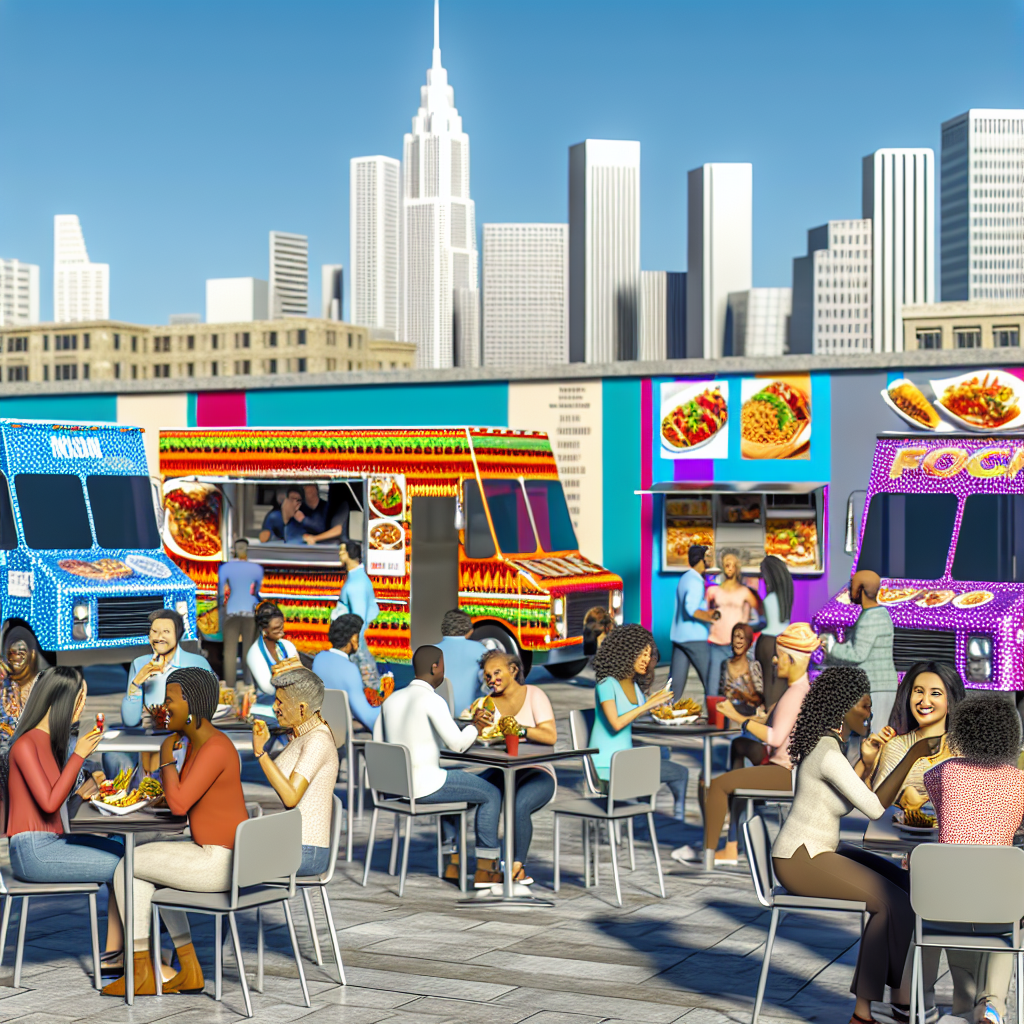
Food trucks have revolutionized the culinary landscape, transforming not just how we eat, but how we experience food at events, parties, and festivals! Picture this: vibrant trucks adorned with eye-catching graphics, tantalizing aromas wafting through the air, and a diverse menu that caters to every palate. It’s more than just convenience; it’s an adventure for the senses! For event planners and food enthusiasts alike, the emergence of food trucks has opened a world brimming with creativity and flavor. With their ability to bring unique and authentic dishes to any occasion, the allure of these mobile kitchens is hard to resist. Are you ready to dive into the captivating world of food trucks and uncover what they are truly worth? From financial considerations to the branding opportunities they present, let’s explore why investing in a food truck can elevate your next event or culinary venture to exhilarating new heights. Learn more about choosing the right food truck model to enhance your event’s appeal and make each meal an unforgettable experience!
Factors Affecting the Value of a Food Truck
When determining how much a food truck is worth, several factors come into play that can significantly influence its pricing. Here’s a concise list of vital aspects to consider:
- Condition of the Truck: The overall state of the food truck can drastically impact its value. A well-maintained, clean truck will command a better price compared to one that shows signs of wear and tear.
- Brand and Model: Certain brands and models hold better resale values due to their reputation for durability and reliability. High-demand brands can enhance overall worth.
- Age of the Vehicle: Newer models generally fetch higher prices. Older trucks, unless they have been well maintained and upgraded, may depreciate in value.
- Equipment Included: Trucks outfitted with high-quality kitchen equipment, such as grills, fryers, and refrigeration units, can see higher prices. Custom equipment tailored to specific cuisines also adds value.
- Location: The geographical area where the truck operates affects its worth. High foot traffic areas or regions with stricter regulations for food services can increase a truck’s value.
- Business Reputation: A food truck with a strong brand identity, loyal customer base, and positive online presence can demand higher prices. Learn more about building a unique food truck identity.
- Compliance with Local Regulations: Trucks that meet or exceed health and safety regulations often have a higher resale value. Proper permits and licenses are crucial.
These elements are critical in influencing the worth of a food truck, making it essential for potential buyers or sellers to closely assess each factor before finalizing any transactions. For those interested in maximizing their food truck investment, consider exploring more about food truck models.
Current Market Trends for Food Trucks
The food truck industry is experiencing vibrant growth and transformation, demonstrating robust resilience and adaptation post-pandemic. Here’s a look at some key trends shaping the market:
Demand Growth
- The global food truck market is projected to grow at a compound annual growth rate (CAGR) of approximately 6.52% to reach a value of $6.46 billion by 2031, illustrating a significant rise in demand for flexible dining options (source).
- By 2024, the market is estimated to be valued at $24 billion, with expectations to reach $36 billion by 2030, showcasing robust growth fueled by consumer preferences for unique culinary experiences (source).
Popular Cuisines
- There is an increasing shift towards diverse and innovative cuisines, with street food becoming a preferred option. Food trucks that offer unique, culturally-rich options are particularly resonating with consumers (source).
- The mobile pizza oven trend is notably gaining traction among food truck vendors. Consumers enjoy the interactive cooking experience and the authentic wood-fired flavor, particularly during outdoor events like weddings and festivals (source).
Consumer Preferences
- Consumers are leaning towards more sustainable practices, pushing food trucks to adopt eco-friendly packaging and operational methods. Health-conscious menus and farm-to-table principles are becoming increasingly important as diners seek transparency in their food sources and nutritional values (source).
- The rise of mobile technology, including integration with online ordering platforms and social media marketing, has greatly influenced consumer behavior, enhancing customer engagement and streamlining service delivery.
In conclusion, as market trends indicate a surge in demand for food trucks, incorporating unique cuisines, sustainable practices, and leveraging technology will be vital for entrepreneurs looking to thrive in this dynamic landscape. For tips on how to choose the right food truck model and enhance your brand’s presence, check out our guide on food truck models and branding strategies.
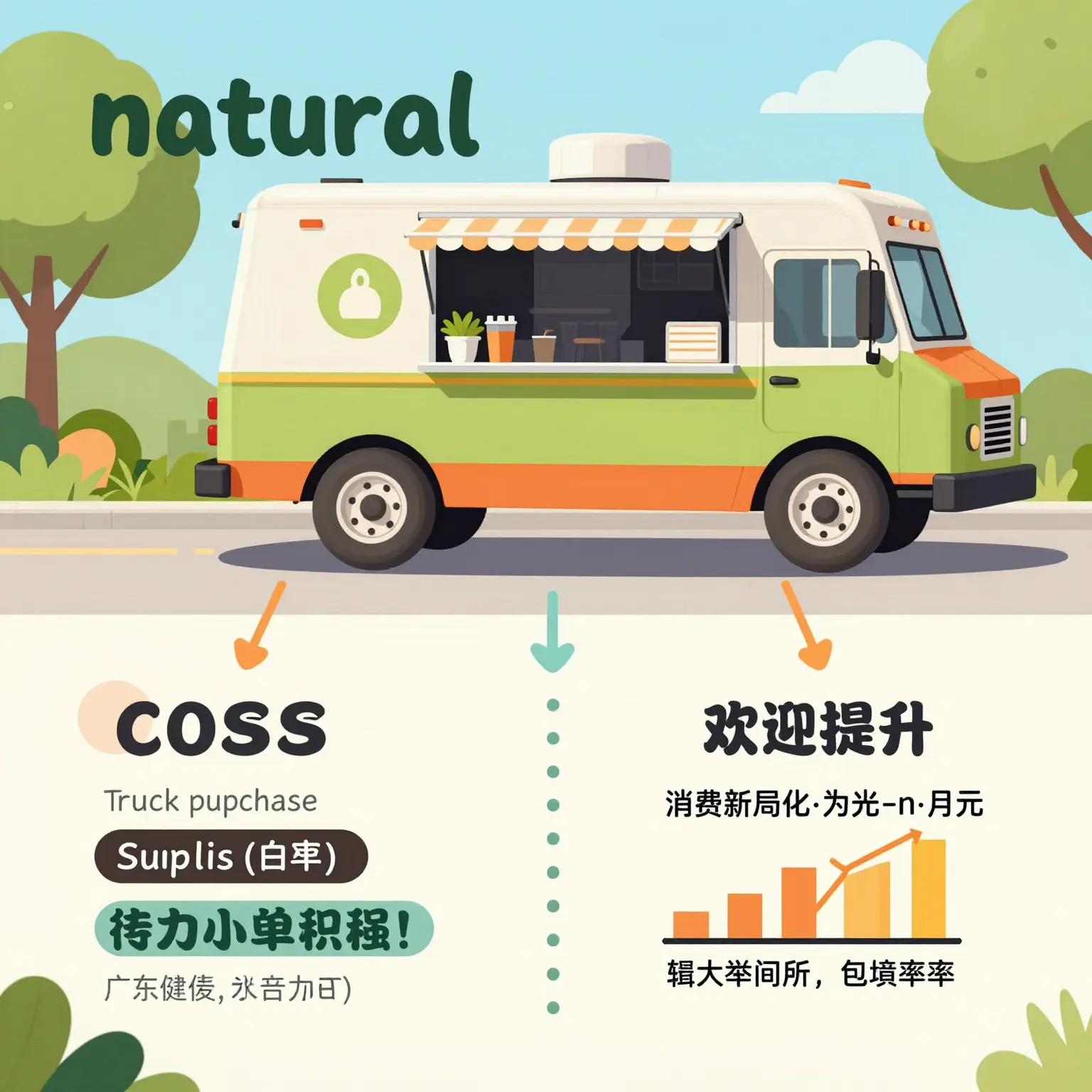
This infographic highlights the financial aspects of running a food truck, focusing on the initial costs, ongoing expenses, and potential revenue. With the vibrant design, it is aimed at engaging food enthusiasts, event planners, and local community groups, making it easy to grasp the economic factors involved in this delicious venture.
Evaluating Food Truck Conditions Before Purchase
When it comes to purchasing a food truck, a thorough evaluation is essential to ensure you’re making a sound investment. Here’s how to assess the condition of a food truck, including physical and mechanical checks, as well as the significance of its maintenance history.
Physical Inspection
- Exterior Checks: Start with the exterior-look for any dents, rust, or damage to the body. A well-maintained exterior often hints at the overall care of the vehicle.
- Interior Assessment: Open the back doors and inspect the kitchen. Make sure the layout is efficient and find out if it complies with commercial kitchen standards. Check that all surfaces are clean and in good condition.
Mechanical Checks
- Engine Performance: Verify the engine’s health by checking oil levels and looking for leaks. It’s advisable to take the truck for a test drive, listening for unusual noises, and checking how it performs on the road.
- Brakes and Tires: Ensure that the brakes are responsive and change fluid if necessary. Check the tire wear and ensure they are not bald or uneven, which could indicate underlying problems.
- Electrical Systems: Assess the electrical systems, making sure that all lights, outlets, and appliances are functioning properly.
- Kitchen Equipment: Test the functionality of all kitchen appliances, including ovens, grills, refrigerators, and sinks. They should all be operational and meet health and safety regulations.
Importance of Maintenance History
A complete maintenance history is crucial when evaluating a food truck. This record will inform you about any past issues, repairs, and whether routine maintenance has been conducted. A well-documented service history indicates the truck’s reliability and can significantly impact its resale value as well. It’s a strong indicator that the truck complied with health standards and had no major accidents, which is essential for getting permits and operating legally.
For more guidance on selecting the right food truck model based on your needs, check out choosing the right food truck model.
Comparing Popular Food Truck Models
When choosing the right food truck for your needs, understanding the average price, capacity, and features of popular models is critical. Here’s a comparison of some of the most sought-after food truck models that can help you make an informed decision:
| Food Truck Model | Average Price ($) | Capacity (Servings/Day) | Key Features |
|---|---|---|---|
| Compact Food Van | 4,500 – 6,500 | 150 – 250 | Lightweight, great fuel efficiency, suitable for small menus. |
| Step Van | 7,000 – 10,000 | 250 – 350 | Larger cooking space, can accommodate a double cooking station. |
| Box Truck | 12,000 – 20,000 | 300 – 500 | High-end setup, multiple chefs can work simultaneously. |
| Complete Kitchen Truck | 5,900 – 12,000 | 200 – 400 | Full kitchen compliance, customizable interior, and large storage. |
| Promotional Food Truck | 5,100 – 7,200 | 250 – 400 | Designed for marketing, modular layout, suitable for events. |
This table provides an overview of various food truck models, each catering to different operational needs and event types, whether you’re organizing a local community festival or catering to corporate events. You can learn more about choosing the right food truck model to enhance your understanding further.
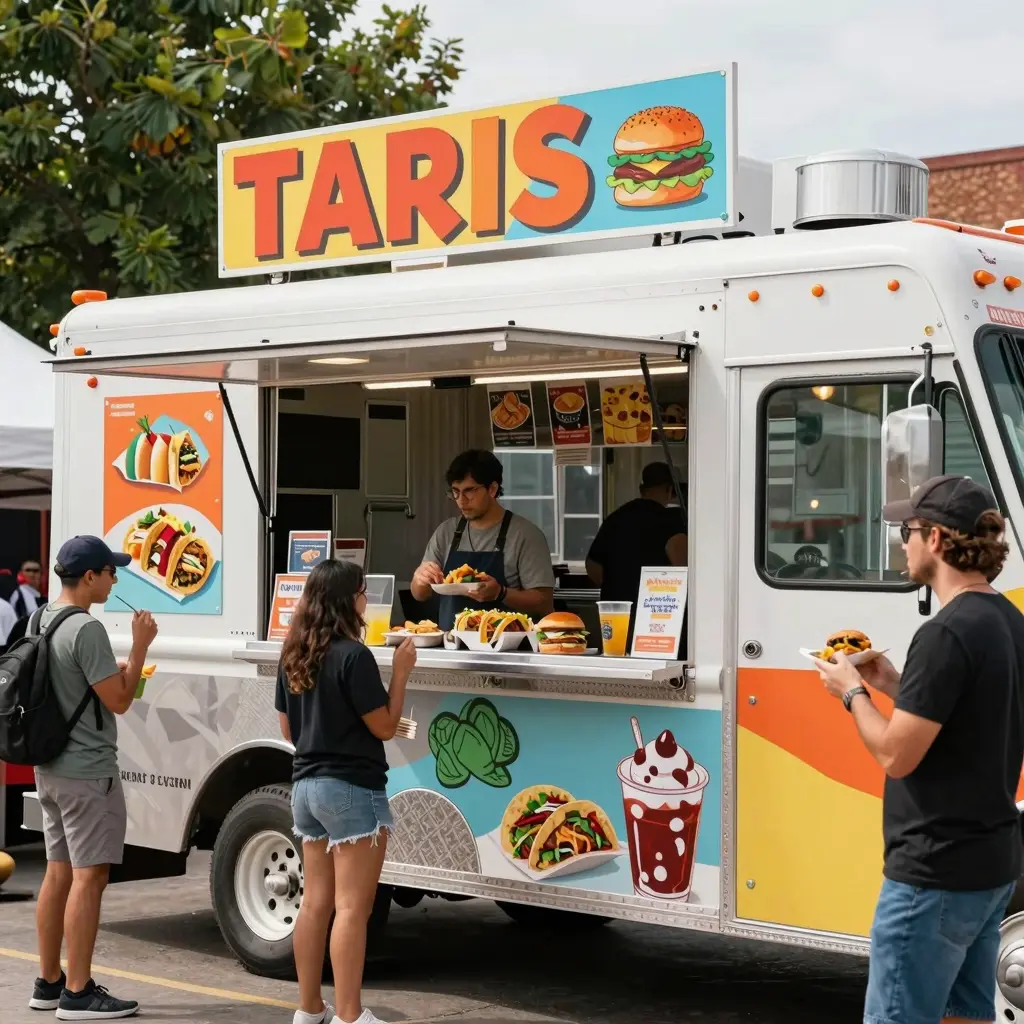
In summary, investing in a food truck is an exciting venture that requires thorough research. Reflect on the joys you’ll bring to various gatherings and the tasty memories your food truck will create!
Testimonials from Successful Food Truck Owners
When considering the value of a food truck, nothing speaks louder than the voices of those who have embarked on this exciting journey. Here are some inspiring testimonials from successful food truck owners:
-
Maria Lopez (source: Forbes)
“I didn’t have a lot of money, but I had passion and a great recipe-those two things carried me through the first year.” Maria transformed her family’s traditional Mexican recipes into a thriving food truck business, emphasizing the importance of persistence and leveraging social media for customer engagement. -
James Chen (source: Entrepreneur Magazine)
“Every time I see a line forming at my truck, I remember that one small idea-cooking with purpose-can grow into something real.” James started his venture focused on sustainable sourcing and innovation, demonstrating how a simple idea can lead to significant success in the food truck industry. -
Sarah Williams (source: SBA Blog)
“My biggest lesson? Listen to your customers. If they want more vegan options, you pivot. That’s how we grew from one truck to three locations.” Sarah’s story highlights the importance of market research and adaptability in growing her food truck business.
These testimonials not only inspire but also provide valuable insights into the resilience and creativity needed to thrive in the food truck industry. If you want to learn more about choosing the right food truck model, check out this guide.
Engaging with the community, understanding customer needs, and being adaptable are key to the journey of success in the food truck business.
Looking Ahead
Whether you are an event planner, corporate HR, or a food enthusiast, these stories exemplify the enriching experiences that food trucks can offer, both for the owners and their customers.
Pricing Strategies for Food Trucks
When it comes to running a successful food truck, pricing your offerings strategically is key to attracting customers and maximizing profit margins. Here’s a rundown of various pricing strategies that food truck owners can adopt based on their offerings, locations, and the demographics of their customers.
1. Dynamic Pricing
Dynamic pricing involves adjusting prices based on demand, time, and location. For example, during peak event hours, you may increase menu prices due to higher demand. Conversely, offering discounts during off-peak hours can help draw in more customers. In fact, a recent report found that food trucks adopting dynamic pricing saw revenue boosts of up to 22%!
2. Cost-Plus Pricing
This straightforward method calculates your total ingredient costs and adds a specific markup. It’s essential to monitor ingredient price changes and adjust your prices accordingly. You can also combine this with seasonal pricing, adjusting the markup during high-demand seasons, such as summer festivals or local events.
3. Value-Based Pricing
With value-based pricing, you set prices based on what your customers perceive as valuable rather than strictly on cost. This approach is particularly effective if you provide unique offers-like gourmet burgers or organic ingredients. Ensuring transparency in pricing helps build trust and can encourage repeat visits.
4. Bundling and Combo Meals
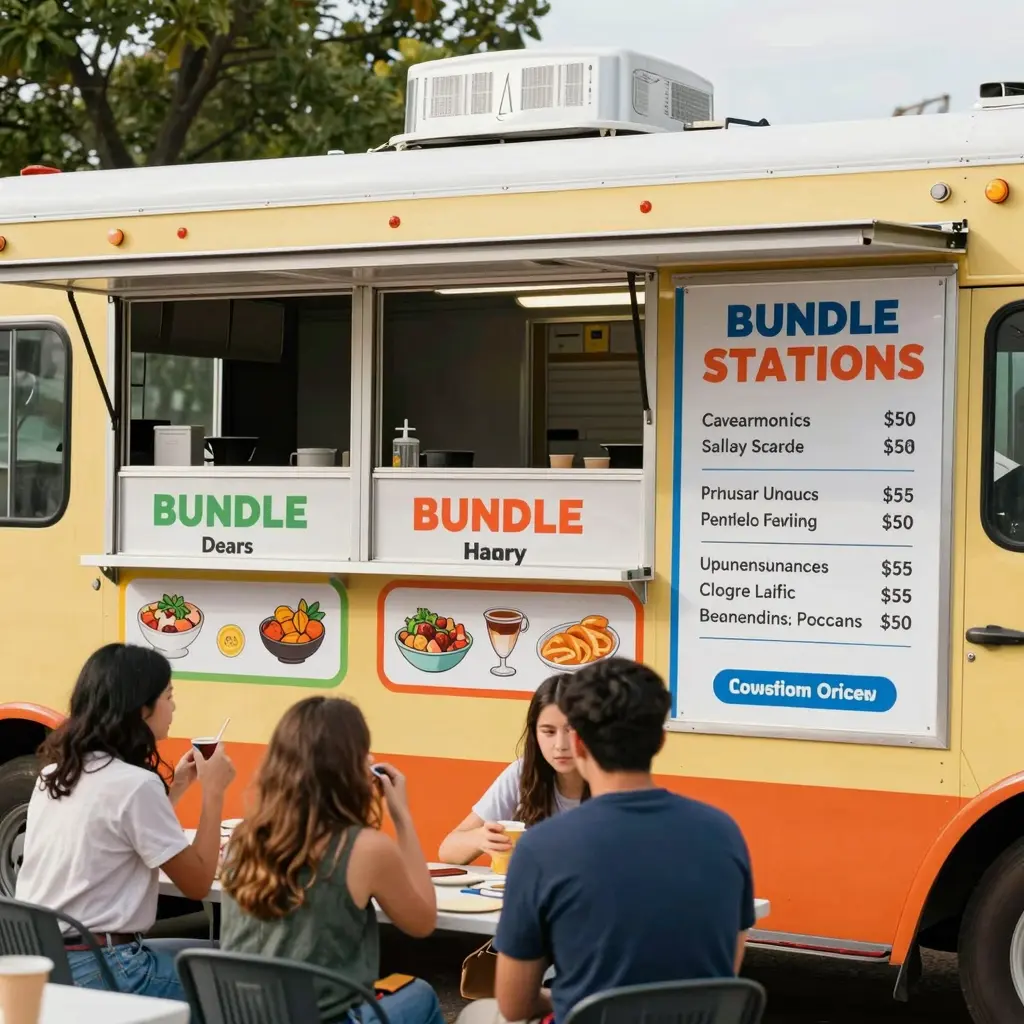
Bundling items to create combo meals can increase the average ticket size. For instance, pairing a drink and a side with an entrée can make customers feel they are getting a deal, leading to higher sales volumes. Offering loyalty programs that reward repeat customers can further encourage more significant spending.
5. Tiered Pricing
Incorporating tiered pricing-where prices vary based on meal size or customization-allows you to cater to different customer segments. Some customers are willing to pay more for the opportunity to customize their meals, which can significantly raise the average order value.
6. Competitor-Based Pricing
Benchmarking your prices against local competitors can help ensure you remain competitive. However, relying solely on this method can lead to underpricing, which may erode your profit margins over time. It’s best to blend this strategy with others for optimal results.
Conclusion
By implementing a combination of these strategies, food truck owners can effectively enhance their profitability while providing valuable options to their clientele. Understanding your customer demographic and continuously reviewing your pricing model can keep your food truck thriving in a competitive market. For more insights on choosing the right food truck model, check out our guide on choosing the right food truck model.
Food Truck Profitability Ranges
This chart illustrates the profitability ranges for food trucks based on different parameters, including location, cuisine type, and scale of operation:
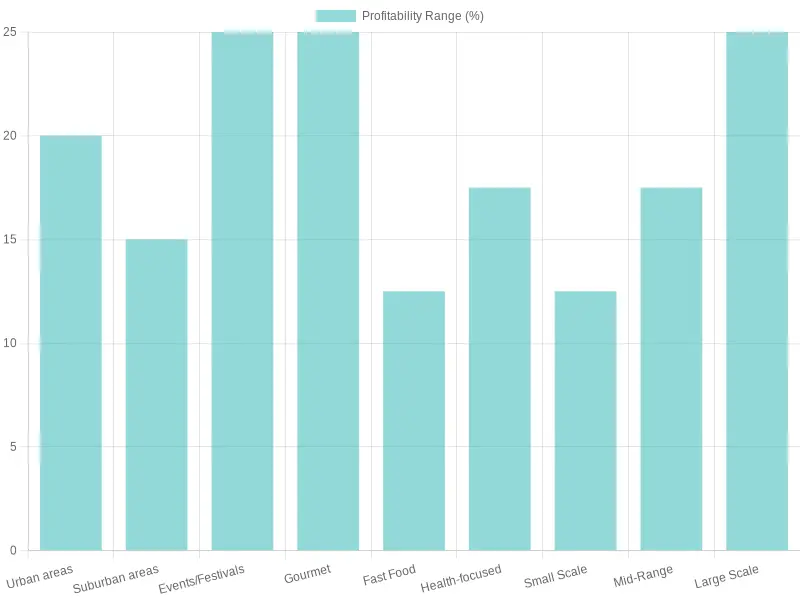
| Parameter | Sub-Parameter | Profitability Range | Notes |
|---|---|---|---|
| Location | Urban areas | 15% – 25% | High foot traffic, premium pricing potential, but higher operational costs. |
| Suburban areas | 10% – 20% | Lower competition, moderate demand; ideal for steady customer base. | |
| Events/Festivals | 20% – 30% | Short-term high revenue spikes; seasonal and event-dependent income. | |
| Cuisine Type | Gourmet | 25%+ | Premium pricing, strong brand appeal, high perceived value. |
| Fast Food | 10% – 15% | High volume, low margins; reliant on speed and consistency. | |
| Health-focused | 15% – 20% | Growing market; supports premium pricing with organic/healthy ingredients. | |
| Scale of Operation | Small Scale | 10% – 15% | Limited menu, lower overhead; best for testing concepts. |
| Mid-Range | 15% – 20% | Balanced operations; efficient use of resources and staffing. | |
| Large Scale | 20% – 30% | Multiple trucks, branded chains, or multi-location presence; economies of scale. |
Sources:
Investing in a food truck can be an exciting and profitable venture, given the increasing demand for unique culinary experiences on the go. With the food truck market valued at approximately $3.2 billion and continuing to grow, the appeal lies in the lower startup costs and the potential for high profit margins. As highlighted, successful food truck businesses can generate over $1 million in annual revenue, showcasing that the right model, location, and branding are crucial factors for success.
Moreover, food trucks offer the flexibility to cater to diverse customer needs and adapt quickly to market trends, which is invaluable in today’s fast-paced environment. If you’re considering entering this dynamic market, we encourage you to explore your options thoroughly. For insights on selecting the perfect food truck model and maximizing your investment, check out our resource on choosing the right food truck model.
At Summit Fairings, we’re all about supporting your food truck journey! Let us be your partner in this exciting endeavor – together, we can help bring your culinary dreams to life!