In recent years, the food truck industry has witnessed a remarkable evolution, driven by technological advancements that are reshaping how operators engage with their customers. With the integration of digital payment systems, social media engagement strategies, and data analytics, food trucks are not just serving meals but are transforming into agile businesses that respond to consumer preferences almost in real time.
However, beneath this promising landscape lies a backdrop of volatility characterized by ‘Uncertainty in the Freight Market.’ Factors such as fluctuating fuel prices and supply chain disruptions due to global events complicate the operational environment for food truck owners. These challenges prompt operators to adopt innovative strategies to navigate through financial unpredictabilities while capitalizing on technological opportunities. Understanding how these forces intertwine is crucial for anyone looking to thrive in the dynamic realm of food service on wheels.
Throughout history, food truck businesses have faced a multitude of challenges, reflecting broader trends in the freight market, particularly regarding economic pressures and regulatory hurdles. One of the earliest significant challenges was posed by the fuel crises of the 1970s, notably triggered by the OPEC embargo. This crisis led to skyrocketing fuel prices and shortages that directly impacted the operational costs of food truck businesses. Much like freight carriers at the time, food truck operators had to adapt to these drastic price increases, often by implementing dynamic pricing strategies, which modified menu prices or portion sizes to maintain profitability.
The 1980s introduced a new layer of complexity with the deregulation of the trucking industry through acts like the Staggers Rail Act and the Motor Carrier Act. While these changes aimed to promote competition, they often favored larger operators and created a challenging environment for smaller, independent food truck vendors. The regulatory landscape became more intricate, with food trucks navigating myriad local ordinances, which sometimes hindered their growth.
More recently, the food truck sector faced substantial uncertainties due to the COVID-19 pandemic. With supply chain disruptions and evolving health regulations, operators had to rethink their business models. This period mirrored historical disruptions experienced in the freight industry, where operators have had to pivot and adapt to sudden changes in consumer behavior and regulatory requirements. As fuel prices surged again and the market dynamics shifted rapidly, food truck owners found themselves under similar pressures as their counterparts in freight transportation.
In today’s complex environment, the ability to adapt to both regulatory changes and market demands has become fundamental for food truck entrepreneurs. The historical resilience displayed by these businesses continues to be their greatest asset, as they navigate through ongoing uncertainties, much like their counterparts in the broader freight market.
Technology Trends Affecting Food Truck Trends
In recent years, the food truck industry has experienced considerable technological advancements aimed at enhancing logistics, adopting fuel alternatives, and modernizing payment systems, which are becoming essential for food truck trends. Here are some key highlights from 2025:
- Digital Payment Systems: The adoption of contactless and mobile payment options has become widespread. Approximately 68% of food trucks now utilize digital payment solutions to improve customer experience, with 49% implementing contactless payment options. This shift caters to the 60% of customers who prefer mobile ordering for food trucks.
- Artificial Intelligence (AI) Enhancements: AI is revolutionizing various aspects of food truck operations. Notably, 65% of food truck owners plan to incorporate AI-driven ordering systems by 2025. AI-driven dynamic pricing has led to an average revenue increase of 20%, and AI analytics have helped identify the most profitable menu items, resulting in a 25% increase in margins.
- Sustainable Fuel Alternatives: Many food trucks are adopting eco-friendly practices, such as using electric vehicles or hybrid systems, to reduce their carbon footprint. This aligns with the broader trend of integrating sustainable technologies to meet consumer demand for environmentally responsible businesses.
Overall, these technological advancements are positioning food trucks to operate more efficiently, meet evolving consumer expectations, and contribute to a more sustainable future.
Food Truck Industry Growth Statistics
- Number of Food Trucks: As of 2025, approximately 92,257 food trucks operate in the U.S., marking a 16.9% increase from the previous year.
- Revenue Growth: The food truck industry’s revenue has grown at a compound annual growth rate (CAGR) of 13.2% over the past five years, reaching an estimated $2.8 billion in revenue by 2025.
- Average Revenue per Truck: In 2025, the average annual revenue for a food truck is projected to be approximately $346,000.
Impact of Uncertainty on Growth
- Regulatory Challenges: Operating a food truck requires navigating various local regulations, often involving 45 government-mandated procedures, taking 37 business days, and costing around $28,276 a year for permits and licenses.
- Market Saturation: The rapid increase in the number of food trucks has led to market saturation in some areas, prompting operators to diversify their business models, such as shifting to catering services.
- Economic Factors: Rising operating costs due to inflation and increasing fuel prices have tightened profit margins; for instance, in Los Angeles, climbing gas prices have forced taco trucks to either raise prices or reduce portion sizes.
Competing Amidst Freight Uncertainty
Freight uncertainty poses significant challenges for food truck operators, but adopting effective strategies can mitigate risks while fostering resilience and adaptability in their businesses. Just as freight transporters navigate unpredictable market dynamics, food truck owners can employ various strategies to thrive in an ever-changing environment.
Embracing Technological Innovations
Food trucks are harnessing technologies like GPS tracking and mobile ordering apps to improve operations. These tools help operators optimize routes, keep customers informed about their locations, and streamline their efficiency while enhancing overall customer satisfaction.
Diversifying Revenue Streams
In the face of uncertainty, food trucks are expanding their offerings—providing catering services, collaborating with local businesses, and participating in food festivals—to create additional income channels and broaden their customer bases.
Building Strong Community Networks
Establishing connections with local businesses and actively engaging in community events can create a supportive network that enhances resilience during tough times. A strong community presence fosters customer loyalty and promotes business collaboration.
Adapting to Regulatory Changes
Food truck operators must remain informed about local regulations, ensuring compliance to prevent operational disruptions. Knowing the latest requirements aids in maintaining uninterrupted service and helps avoid penalties.
Implementing Flexible Operational Strategies
Flexibility is key; food trucks can adjust their menus seasonally, modify operating hours, and explore new service locations to adapt to fluctuations in demand, thereby maintaining a steady revenue stream.
Developing Relationships with Multiple Suppliers
By establishing strong relationships with multiple suppliers, food truck owners can ensure they have backup options during supply chain disruptions, maintaining their stock levels and avoiding product shortages.
Tracking Inventory Closely
Detailed inventory records help operators anticipate shortages and place orders in advance, ensuring they never run out of essential ingredients crucial for maintaining service continuity.
Embracing Local Sourcing
Partnering with local suppliers not only reduces risks associated with shipping and logistics but also promotes community economics and often leads to higher freshness quality for menu items.
Being Creative with Menu Adjustments
When specific ingredients become unavailable, having the ability to adapt the menu by finessing recipes or offering substitutions helps maintain customer satisfaction and keeps the business operational.
Building Relationships with Local Authorities
Keeping in close communication with city officials allows food truck operators to navigate potential regulatory challenges quickly and effectively, fostering smoother interactions and potential support from local governance.
Securing Proper Permits and Planning for Contingencies
Ensuring all necessary permits are current and developing plans for sudden regulatory changes enable food truck operators to respond swiftly to maintain their operations.
Investing in Technology for Supply Chain Visibility
Utilizing technology for tracking deliveries, managing inventory, and analyzing customer behavior gives food truck operators crucial insights for proactive decision-making and improved efficiency.
Insuring Against Potential Losses
Investing in comprehensive insurance can shield food truck vendors from financial setbacks due to unforeseen events, including shipment damages and operational interruptions.
Using Data Analytics for Predictive Maintenance
Leveraging data analytics for predictive maintenance strategies prevents equipment failures before they occur and improves overall operational efficiency by reducing downtime.
By implementing these robust strategies, food truck businesses can cultivate a culture of adaptability and resilience, allowing them to manage uncertainties and thrive amid the challenges posed by the freight market. This proactive approach not only secures business continuity but also positions food trucks as integral players in their local food ecosystems.
| Technology Type | Benefits | Challenges | Cost Implications |
|---|---|---|---|
| Electric Trucks | Reduce emissions, lower fuel costs, quiet operation | Limited charging infrastructure, higher initial investment | Potential long-term savings on fuel and maintenance |
| Natural Gas Engines | Lower emissions compared to diesel, potential access to cleaner fuel | Limited fuel availability, retrofitting costs | Usually cheaper fuel than diesel |
| Traditional Diesel | Established technology, widely available, higher power for heavy loads | High emissions, fluctuating fuel prices, increased operating costs | Maintenance and fuel prices can be high |
User Testimonials on Technology Adoption in Food Trucks
-
Maxine Thompson, Owner of Sweet Lou’s Food Truck
“I knew we had to do something during our busy lunch rush; it was chaos. Implementing the QR-based ordering system changed everything for us. Customers can now order directly through their phones, making the entire process smoother. The AI updates to our menu also helped us cut costs and minimize waste, especially with perishable ingredients. Navigating the initial uncertainties was tough, but the result has been phenomenal; we’re now serving more customers than ever without compromising our food quality.”
-
Jake Peterson, Founder of Select Food Trucks
“Our old Excel-based booking system was a nightmare; it was prone to errors and confusion. We turned to Pravaah Consulting, and together we crafted an automated online booking platform. The transition was daunting at first, but once we got through, it completely transformed our business. We now track real-time availability and manage orders seamlessly, which not only enhances our operational efficiency but also significantly boosts customer satisfaction. It was a game-changer during such an unpredictable period.”
-
Lila Chen, Creator of TruckZilla App
“The idea for TruckZilla came during a tricky phase—I saw how hard it was for food truck operators to reach their customers effectively. Building the app using Bubble was a huge risk, especially with frustrating delays in the supply chain. However, once it launched, the feedback was overwhelming. Not only does it help operators list their locations, but it allows them to connect directly with their customers, easing the pressure they faced amidst the uncertainty. I’m proud to be part of a solution that keeps local food alive!”
-
Tim Morgan, Owner of Zaks Diners
“When we decided to expand into food trucks during the pandemic, it felt like a leap into the unknown. Adopting Oracle’s cloud-based POS system was nerve-wracking because we were unfamiliar with similar technology. The learning curve was steep, but it soon became our lifeline. It streamlined order processing and integrated seamlessly with our diner operations. The flexibility it offered was critical during uncertain times; it allowed us to adapt quickly to ever-changing customer demands.”
-
Adriana Martinez, Manager of La Cocina Food Truck
“At first, I hesitated to change our order management system because it seemed daunting. After we experienced significant delays and order inaccuracies, we decided to implement a data-driven approach with dashboards from DataCalculus. It was enlightening to visualize our bottlenecks. The results were tremendous; we processed orders much faster, decreasing wait times during lunch. The experience has shown me that embracing technology is necessary to thrive, especially in today’s volatile market.”
In conclusion, navigating uncertainty in the food truck industry is not just a necessity. It is a pathway to resilience and growth. As demonstrated throughout this article, food truck operators must proactively engage with the challenges of fluctuating fuel prices, regulatory changes, and economic pressures that have historically shaped their business landscape.
By embracing technological advancements, diversifying revenue streams, and fostering community connections, food truck businesses can turn potential obstacles into opportunities for innovation. The adaptability displayed by these entrepreneurs highlights a positive outlook for the industry.
By putting the right strategies in place, they can thrive, even amidst the storms of uncertainty. As the food truck sector continues to grow and evolve, those who actively navigate these challenges will emerge as leaders in the food service industry. They will showcase the incredible potential inherent in these dynamic mobile kitchens.
Navigating Uncertainty in the Food Truck Industry
In recent years, the food truck industry has witnessed a remarkable evolution, driven by technological advancements that are reshaping how operators engage with their customers. With the integration of digital payment systems, social media engagement strategies, and data analytics, food trucks are not just serving meals but are transforming into agile businesses that respond to consumer preferences almost in real time. However, beneath this promising landscape lies a backdrop of volatility characterized by ‘Uncertainty in the Freight Market.’ Factors such as fluctuating fuel prices and supply chain disruptions due to global events complicate the operational environment for food truck owners. These challenges prompt operators to adopt innovative strategies to navigate through financial unpredictabilities while capitalizing on technological opportunities. Understanding how these forces intertwine is crucial for anyone looking to thrive in the dynamic realm of food service on wheels.
Throughout history, food truck businesses have faced a multitude of challenges, reflecting broader trends in the freight market, particularly regarding economic pressures and regulatory hurdles. One of the earliest significant challenges was posed by the fuel crises of the 1970s, notably triggered by the OPEC embargo. This crisis led to skyrocketing fuel prices and shortages that directly impacted the operational costs of food truck businesses. Much like freight carriers at the time, food truck operators had to adapt to these drastic price increases, often by implementing dynamic pricing strategies, which modified menu prices or portion sizes to maintain profitability.
The 1980s introduced a new layer of complexity with the deregulation of the trucking industry through acts like the Staggers Rail Act and the Motor Carrier Act. While these changes aimed to promote competition, they often favored larger operators and created a challenging environment for smaller, independent food truck vendors. The regulatory landscape became more intricate, with food trucks navigating myriad local ordinances, which sometimes hindered their growth.
More recently, the food truck sector faced substantial uncertainties due to the COVID-19 pandemic. With supply chain disruptions and evolving health regulations, operators had to rethink their business models. This period mirrored historical disruptions experienced in the freight industry, where operators have had to pivot and adapt to sudden changes in consumer behavior and regulatory requirements. As fuel prices surged again and the market dynamics shifted rapidly, food truck owners found themselves under similar pressures as their counterparts in freight transportation.
In today’s complex environment, the ability to adapt to both regulatory changes and market demands has become fundamental for food truck entrepreneurs. The historical resilience displayed by these businesses continues to be their greatest asset, as they navigate through ongoing uncertainties, much like their counterparts in the broader freight market.
Technology Trends Impacting the Food Truck Industry
In recent years, the food truck industry has experienced considerable technological advancements aimed at enhancing logistics, adopting fuel alternatives, and modernizing payment systems. These developments are transforming operations, increasing efficiency, and promoting sustainability.
Logistics Improvements
- AI-Powered Demand Forecasting: Food trucks have begun using tools like Zenput to analyze variables such as weather, local events, and historical sales data. This predictive insight aids in accurately forecasting ingredient requirements, ultimately decreasing spoilage up to 28%. Alain Bergery, manager at Prestige Food Trucks, emphasizes the importance of dedication and commitment in the food truck industry:
“Building strategic alliances rather than focusing on transactional relationships is crucial to drive long-term growth in an uncertain market.”
- GPS and Route Optimization: The use of GPS technology facilitates real-time tracking and advanced route planning, enabling food trucks to discover high-traffic locations and optimal parking spots, enhancing their operational efficiency.
Fuel Alternatives
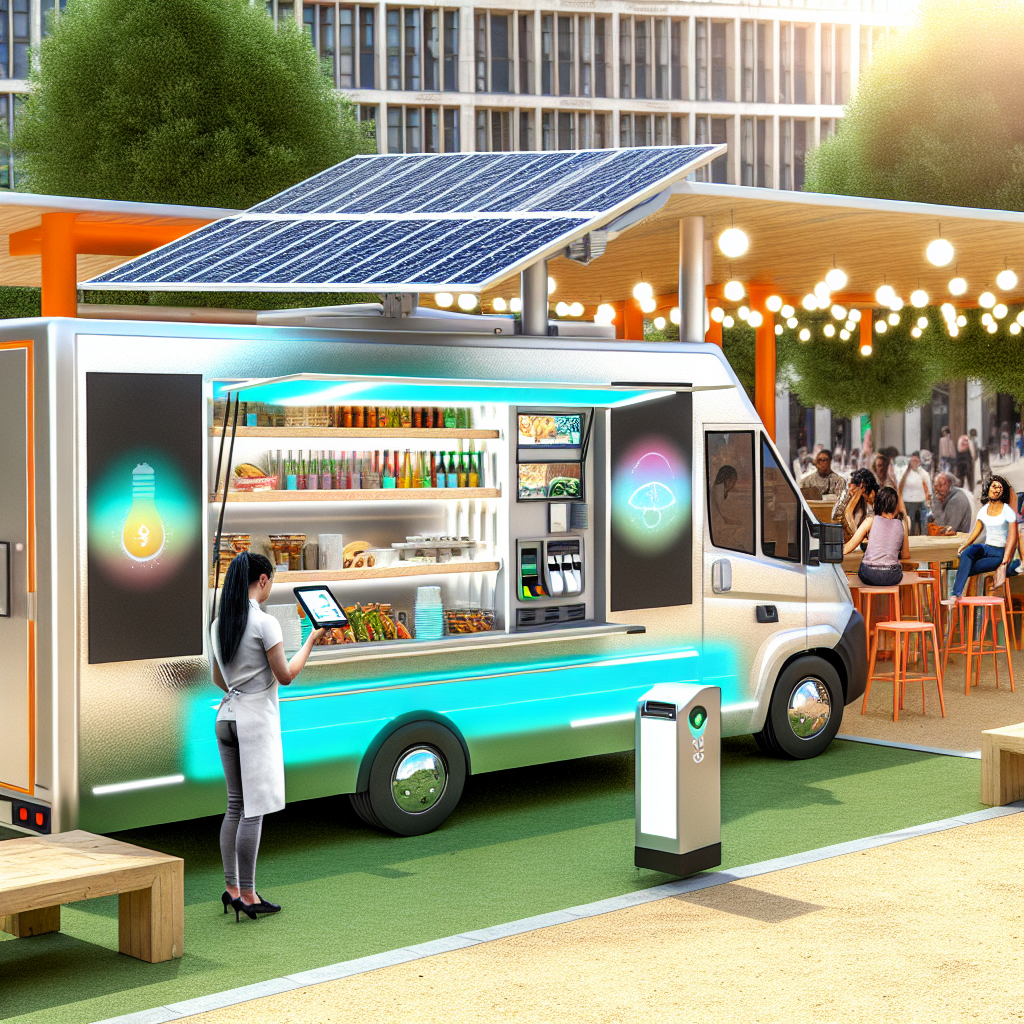
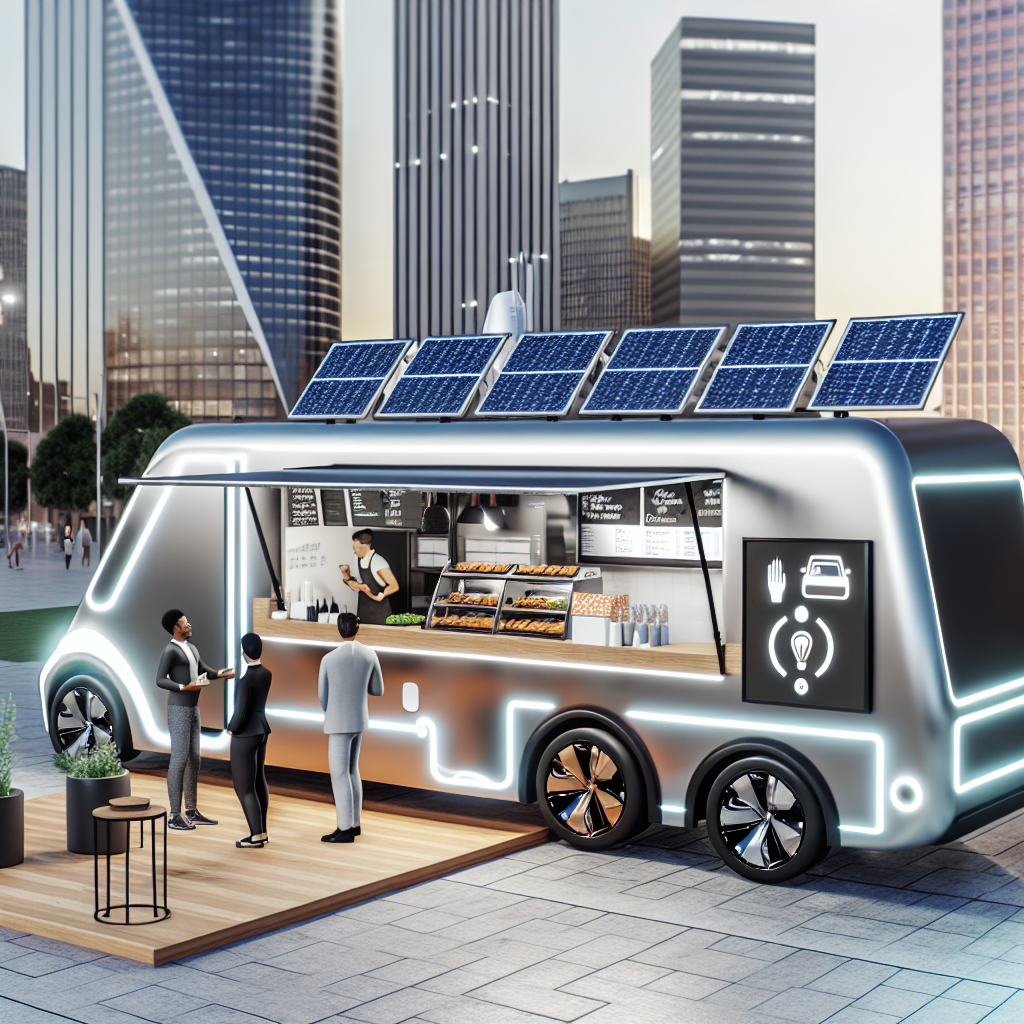
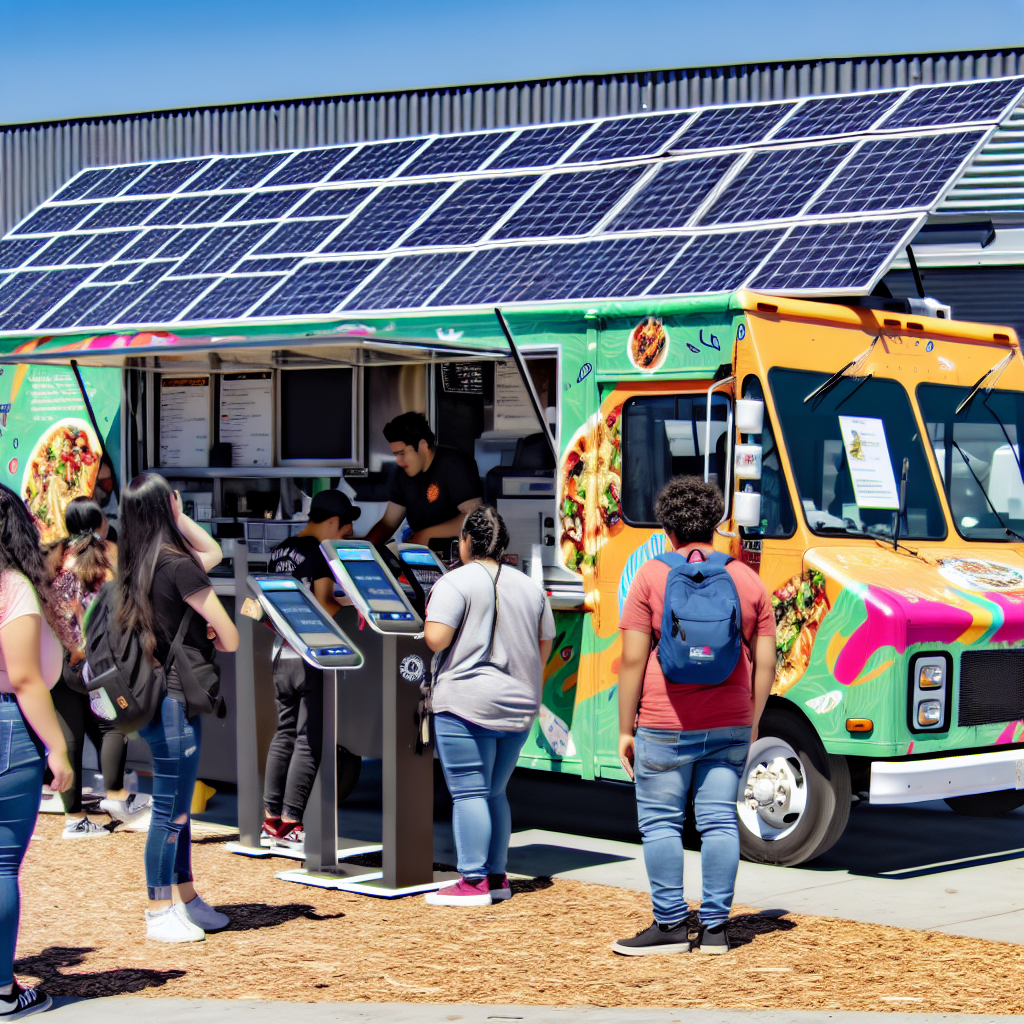
- Electric and Solar-Powered Vehicles: The transition to electric food trucks is on the rise, reflecting a compounded annual growth rate of 18%. Some companies, like Prestige Food Trucks, are incorporating solar panels, which can lead to a 40% reduction in energy costs, promoting environmentally friendly practices while lowering expenses.
- Energy-Efficient Appliances: Many food trucks are recognizing the advantages of energy-efficient equipment. High-efficiency fryers, induction cooktops, and LED lighting can reduce energy consumption significantly, with Energy Star-rated appliances using up to 30% less energy and saving operators between $500 and $1,000 annually.
Payment Systems
- Contactless Payment Solutions: An escalation in the adoption of NFC-enabled terminals supporting tap-to-pay options—like Apple Pay and Google Pay—has been reported. Such systems can expedite transaction times from 12 seconds for cash to about 3 seconds, enhancing customer service.
- Mobile Ordering Platforms: Integrating with mobile applications allows customers to place pre-orders, which can sometimes account for up to 50% of transactions during busy hours. This is effective in reducing wait times and streamlining efficiency.
Implications for Efficiency and Sustainability
The embrace of these technologies brings marked improvements in both operational efficiency and sustainability:
- Operational Efficiency: AI analytics and GPS-driven route optimization enable enhanced inventory management and strategic location planning, cutting down waste and boosting sales.
- Environmental Sustainability: The shift to electric and solar-powered vehicles and energy-efficient appliances significantly lowers carbon emissions and energy usage.
- Customer Experience: Improved payment systems and mobile ordering options offer increased convenience, resulting in heightened customer satisfaction and loyalty.
Incorporating technology is also pivotal. A study on restaurant performance during the pandemic noted:
“Companies that embraced digital platforms not only addressed immediate challenges but also bolstered long-term resilience.”
Food Truck Industry Growth Statistics
- Number of Food Trucks: As of 2025, approximately 92,257 food trucks operate in the U.S., marking a 16.9% increase from the previous year.
- Revenue Growth: The food truck industry’s revenue has grown at a compound annual growth rate (CAGR) of 13.2% over the past five years, reaching an estimated $2.8 billion in revenue by 2025.
- Average Revenue per Truck: In 2025, the average annual revenue for a food truck is projected to be approximately $346,000.
Impact of Uncertainty on Growth
- Regulatory Challenges: Operating a food truck requires navigating various local regulations, often involving 45 government-mandated procedures, taking 37 business days, and costing around $28,276 a year for permits and licenses.
- Market Saturation: The rapid increase in the number of food trucks has led to market saturation in some areas, prompting operators to diversify their business models, such as shifting to catering services.
- Economic Factors: Rising operating costs due to inflation and increasing fuel prices have tightened profit margins; for instance, in Los Angeles, climbing gas prices have forced taco trucks to either raise prices or reduce portion sizes.
Competing Amidst Freight Uncertainty
Freight uncertainty poses significant challenges for food truck operators, but adopting effective strategies can mitigate risks while fostering resilience and adaptability in their businesses. Just as freight transporters navigate unpredictable market dynamics, food truck owners can employ various strategies to thrive in an ever-changing environment.
Embracing Technological Innovations
Food trucks are harnessing technologies like GPS tracking and mobile ordering apps to improve operations. These tools help operators optimize routes, keep customers informed about their locations, and streamline their efficiency while enhancing overall customer satisfaction. Mark Hamblin, Vice President of Sales at Saia, underscores the need for continuous adaptation:
“Challenges evolve, and so must our approaches to addressing them.”
Diversifying Revenue Streams
In the face of uncertainty, food trucks are expanding their offerings—providing catering services, collaborating with local businesses, and participating in food festivals—to create additional income channels and broaden their customer bases.
Building Strong Community Networks
Establishing connections with local businesses and actively engaging in community events can create a supportive network that enhances resilience during tough times. A strong community presence fosters customer loyalty and promotes business collaboration.
Adapting to Regulatory Changes
Food truck operators must remain informed about local regulations, ensuring compliance to prevent operational disruptions. Knowing the latest requirements aids in maintaining uninterrupted service and helps avoid penalties.
Implementing Flexible Operational Strategies
Flexibility is key; food trucks can adjust their menus seasonally, modify operating hours, and explore new service locations to adapt to fluctuations in demand, thereby maintaining a steady revenue stream.
Developing Relationships with Multiple Suppliers
By establishing strong relationships with multiple suppliers, food truck owners can ensure they have backup options during supply chain disruptions, maintaining their stock levels and avoiding product shortages.
Tracking Inventory Closely
Detailed inventory records help operators anticipate shortages and place orders in advance, ensuring they never run out of essential ingredients crucial for maintaining service continuity.
Embracing Local Sourcing
Partnering with local suppliers not only reduces risks associated with shipping and logistics but also promotes community economics and often leads to higher freshness quality for menu items.
Being Creative with Menu Adjustments
When specific ingredients become unavailable, having the ability to adapt the menu by finessing recipes or offering substitutions helps maintain customer satisfaction and keeps the business operational.
Building Relationships with Local Authorities
Keeping in close communication with city officials allows food truck operators to navigate potential regulatory challenges quickly and effectively, fostering smoother interactions and potential support from local governance.
Securing Proper Permits and Planning for Contingencies
Ensuring all necessary permits are current and developing plans for sudden regulatory changes enable food truck operators to respond swiftly to maintain their operations.
Investing in Technology for Supply Chain Visibility
Utilizing technology for tracking deliveries, managing inventory, and analyzing customer behavior gives food truck operators crucial insights for proactive decision-making and improved efficiency.
Insuring Against Potential Losses
Investing in comprehensive insurance can shield food truck vendors from financial setbacks due to unforeseen events, including shipment damages and operational interruptions.
Using Data Analytics for Predictive Maintenance
Leveraging data analytics for predictive maintenance strategies prevents equipment failures before they occur and improves overall operational efficiency by reducing downtime.
By implementing these robust strategies, food truck businesses can cultivate a culture of adaptability and resilience, allowing them to manage uncertainties and thrive amid the challenges posed by the freight market. This proactive approach not only secures business continuity but also positions food trucks as integral players in their local food ecosystems.
User Testimonials on Technology Adoption in Food Trucks
- Maxine Thompson, Owner of Sweet Lou’s Food Truck
“I knew we had to do something during our busy lunch rush; it was chaos. Implementing the QR-based ordering system changed everything for us. Customers can now order directly through their phones, making the entire process smoother. The AI updates to our menu also helped us cut costs and minimize waste, especially with perishable ingredients. Navigating the initial uncertainties was tough, but the result has been phenomenal; we’re now serving more customers than ever without compromising our food quality.” - Jake Peterson, Founder of Select Food Trucks
“Our old Excel-based booking system was a nightmare; it was prone to errors and confusion. We turned to Pravaah Consulting, and together we crafted an automated online booking platform. The transition was daunting at first, but once we got through, it completely transformed our business. We now track real-time availability and manage orders seamlessly, which not only enhances our operational efficiency but also significantly boosts customer satisfaction. It was a game-changer during such an unpredictable period.” - Lila Chen, Creator of TruckZilla App
“The idea for TruckZilla came during a tricky phase—I saw how hard it was for food truck operators to reach their customers effectively. Building the app using Bubble was a huge risk, especially with frustrating delays in the supply chain. However, once it launched, the feedback was overwhelming. Not only does it help operators list their locations, but it allows them to connect directly with their customers, easing the pressure they faced amidst the uncertainty. I’m proud to be part of a solution that keeps local food alive!” - Tim Morgan, Owner of Zaks Diners
“When we decided to expand into food trucks during the pandemic, it felt like a leap into the unknown. Adopting Oracle’s cloud-based POS system was nerve-wracking because we were unfamiliar with similar technology. The learning curve was steep, but it soon became our lifeline. It streamlined order processing and integrated seamlessly with our diner operations. The flexibility it offered was critical during uncertain times; it allowed us to adapt quickly to ever-changing customer demands.” - Adriana Martinez, Manager of La Cocina Food Truck
“At first, I hesitated to change our order management system because it seemed daunting. After we experienced significant delays and order inaccuracies, we decided to implement a data-driven approach with dashboards from DataCalculus. It was enlightening to visualize our bottlenecks. The results were tremendous; we processed orders much faster, decreasing wait times during lunch. The experience has shown me that embracing technology is necessary to thrive, especially in today’s volatile market.”
In conclusion, navigating uncertainty in the food truck industry is not just a necessity but a pathway to resilience and growth. As demonstrated throughout this article, food truck operators must proactively engage with the challenges of fluctuating fuel prices, regulatory changes, and economic pressures that have historically shaped their business landscape. By embracing technological advancements, diversifying revenue streams, and fostering community connections, food truck businesses can turn potential obstacles into opportunities for innovation. The adaptability displayed by these entrepreneurs highlights a positive outlook for the industry, proving that with the right strategies in place, they can thrive, even amidst the storms of uncertainty. As the food truck sector continues to grow and evolve, those who actively navigate these challenges will emerge as leaders in the food service industry, showcasing the incredible potential inherent in these dynamic mobile kitchens.
Technology Trends Impacting the Food Truck Industry
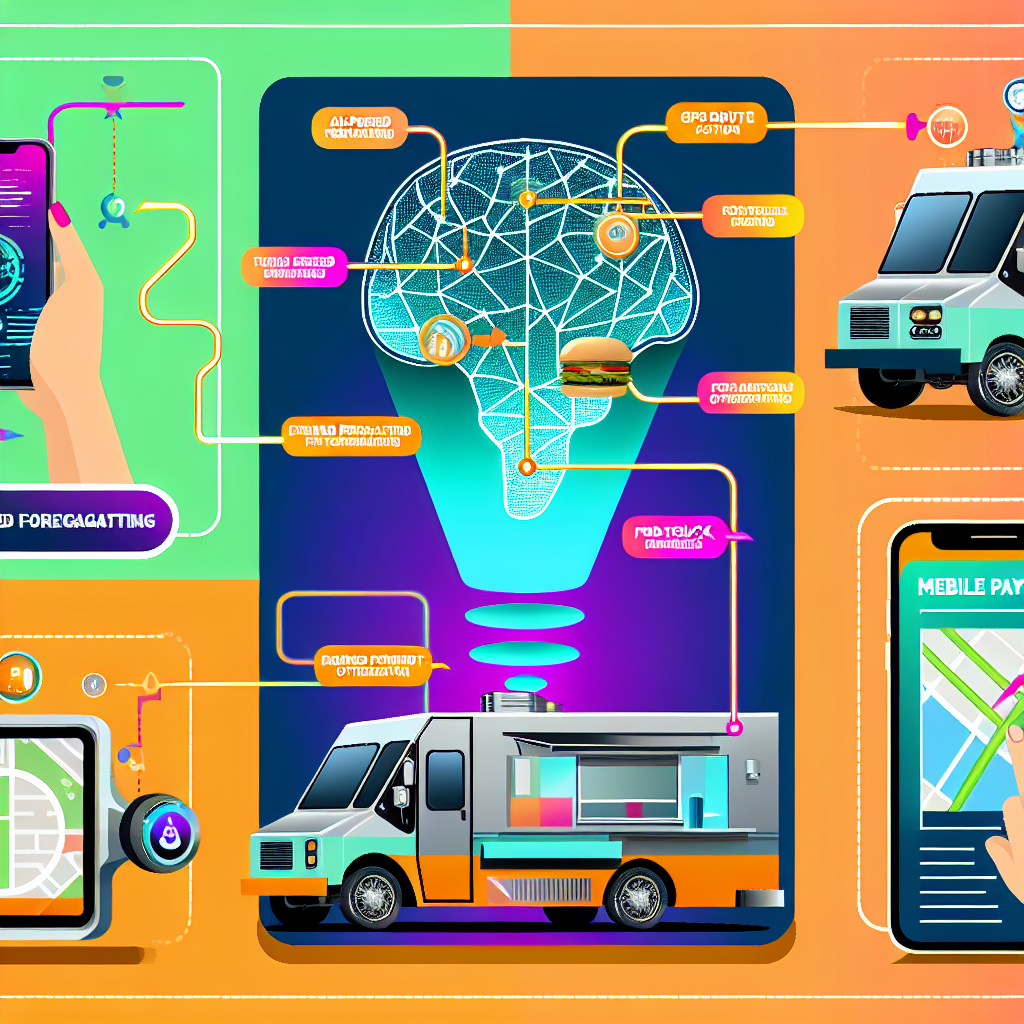
An infographic illustrating technological advancements in the food truck industry, including AI-powered demand forecasting, GPS route optimization, electric vehicles, and mobile payment systems.
Food Truck Industry Growth Statistics
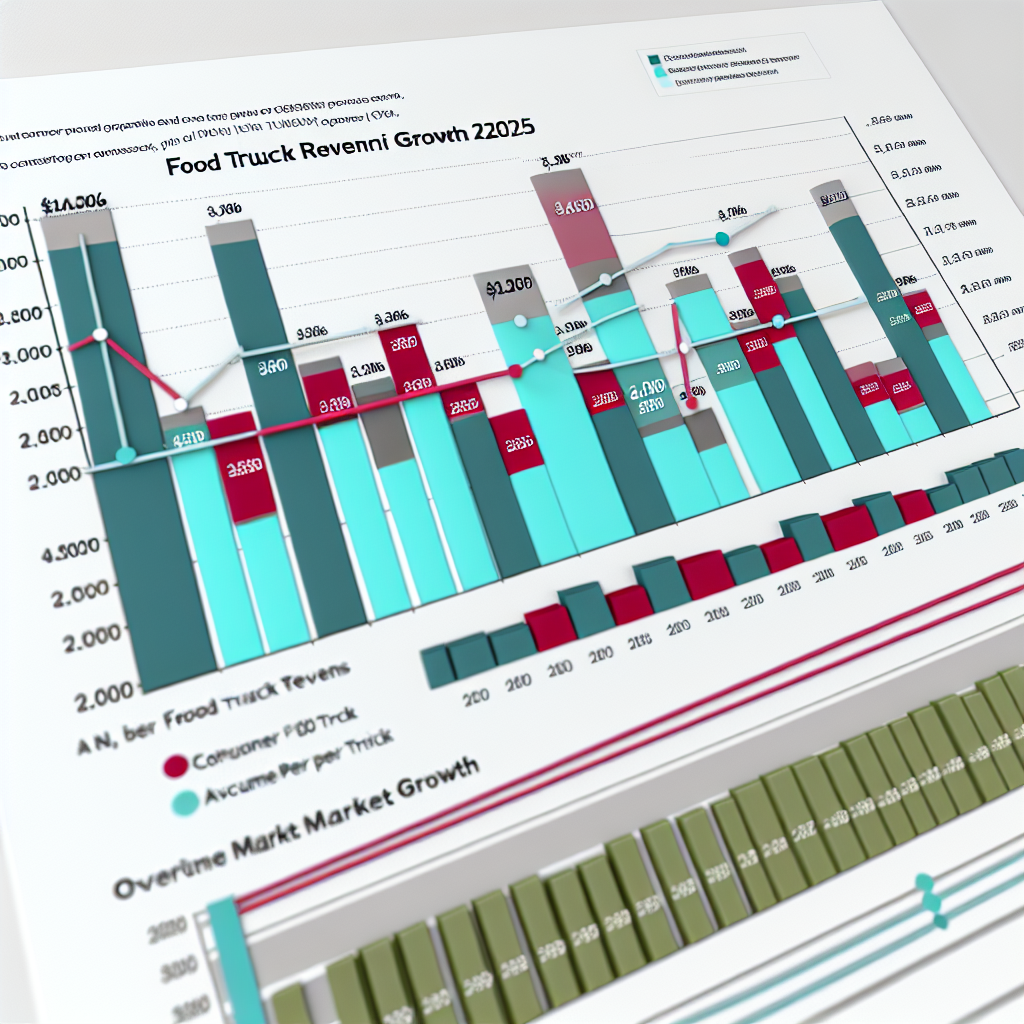
A chart comparing the food truck revenue growth statistics from 2020 to 2025, showcasing the number of food trucks, average revenue per truck, and overall market growth.
Implications for Efficiency and Sustainability
The embrace of these technologies brings marked improvements in both operational efficiency and sustainability:
- Operational Efficiency: AI analytics and GPS-driven route optimization enable enhanced inventory management and strategic location planning, cutting down waste and boosting sales.
- Environmental Sustainability: The shift to electric and solar-powered vehicles and energy-efficient appliances significantly lowers carbon emissions and energy usage.
- Customer Experience: Improved payment systems and mobile ordering options offer increased convenience, resulting in heightened customer satisfaction and loyalty.
Overall, these technological advancements are not only refining operations for food trucks but are also forging a path toward a more sustainable and customer-focused food service industry.
In recent years, the food truck industry has witnessed a remarkable evolution, driven by technological advancements that are reshaping how operators engage with their customers. With the integration of digital payment systems, social media engagement strategies, and data analytics, food trucks are not just serving meals but are transforming into agile businesses that respond to consumer preferences almost in real time. However, beneath this promising landscape lies a backdrop of volatility characterized by ‘Uncertainty in the Freight Market.’ Factors such as fluctuating fuel prices and supply chain disruptions due to global events complicate the operational environment for food truck owners. These challenges prompt operators to adopt innovative strategies to navigate through financial unpredictabilities while capitalizing on technological opportunities. Understanding how these forces intertwine is crucial for anyone looking to thrive in the dynamic realm of food service on wheels.
Throughout history, food truck businesses have faced a multitude of challenges, reflecting broader trends in the freight market, particularly regarding economic pressures and regulatory hurdles. One of the earliest significant challenges was posed by the fuel crises of the 1970s, notably triggered by the OPEC embargo. This crisis led to skyrocketing fuel prices and shortages that directly impacted the operational costs of food truck businesses. Much like freight carriers at the time, food truck operators had to adapt to these drastic price increases, often by implementing dynamic pricing strategies, which modified menu prices or portion sizes to maintain profitability.
The 1980s introduced a new layer of complexity with the deregulation of the trucking industry through acts like the Staggers Rail Act and the Motor Carrier Act. While these changes aimed to promote competition, they often favored larger operators and created a challenging environment for smaller, independent food truck vendors. The regulatory landscape became more intricate, with food trucks navigating myriad local ordinances, which sometimes hindered their growth.
More recently, the food truck sector faced substantial uncertainties due to the COVID-19 pandemic. With supply chain disruptions and evolving health regulations, operators had to rethink their business models. This period mirrored historical disruptions experienced in the freight industry, where operators have had to pivot and adapt to sudden changes in consumer behavior and regulatory requirements. As fuel prices surged again and the market dynamics shifted rapidly, food truck owners found themselves under similar pressures as their counterparts in freight transportation.
As we transition into discussing the role of technology trends, it’s essential to recognize the stories of operators who have navigated these historical uncertainties. Just like the freight industry has evolved by embracing innovation, food truck owners are also employing technology to adjust to the latest challenges. For example, Maxine Thompson, owner of Sweet Lou’s Food Truck, expressed, “Implementing the QR-based ordering system changed everything for us. Customers can now order directly through their phones, making the entire process smoother.”
In today’s complex environment, technological advancements are shaping operational strategies for food truck entrepreneurs, enabling them to withstand both regulatory changes and market demands. The resilience displayed by these businesses continues to be their greatest asset, as they navigate through ongoing uncertainties, much like their counterparts in the broader freight market.
Technology Trends Affecting Food Truck Trends
In recent years, the food truck industry has experienced considerable technological advancements aimed at enhancing logistics, adopting fuel alternatives, and modernizing payment systems, which are becoming essential for food truck trends. Here are some key highlights from 2025:
- Digital Payment Systems: The adoption of contactless and mobile payment options has become widespread. Approximately 68% of food trucks now utilize digital payment solutions to improve customer experience, with 49% implementing contactless payment options. This shift caters to the 60% of customers who prefer mobile ordering for food trucks.
- Artificial Intelligence (AI) Enhancements: AI is revolutionizing various aspects of food truck operations. Notably, 65% of food truck owners plan to incorporate AI-driven ordering systems by 2025. AI-driven dynamic pricing has led to an average revenue increase of 20%, and AI analytics have helped identify the most profitable menu items, resulting in a 25% increase in margins.
- Sustainable Fuel Alternatives: Many food trucks are adopting eco-friendly practices, such as using electric vehicles or hybrid systems, to reduce their carbon footprint. This aligns with the broader trend of integrating sustainable technologies to meet consumer demand for environmentally responsible businesses.
Food Truck Industry Growth Statistics
- Number of Food Trucks: As of 2025, approximately 92,257 food trucks operate in the U.S., marking a 16.9% increase from the previous year.
- Revenue Growth: The food truck industry’s revenue has grown at a compound annual growth rate (CAGR) of 13.2% over the past five years, reaching an estimated $2.8 billion in revenue by 2025.
- Average Revenue per Truck: In 2025, the average annual revenue for a food truck is projected to be approximately $346,000.
Impact of Uncertainty on Growth
- Regulatory Challenges: Operating a food truck requires navigating various local regulations, often involving 45 government-mandated procedures, taking 37 business days, and costing around $28,276 a year for permits and licenses.
- Market Saturation: The rapid increase in the number of food trucks has led to market saturation in some areas, prompting operators to diversify their business models, such as shifting to catering services.
- Economic Factors: Rising operating costs due to inflation and increasing fuel prices have tightened profit margins; for instance, in Los Angeles, climbing gas prices have forced taco trucks to either raise prices or reduce portion sizes.
Competing Amidst Freight Uncertainty
Freight uncertainty poses significant challenges for food truck operators, but adopting effective strategies can mitigate risks while fostering resilience and adaptability in their businesses. Just as freight transporters navigate unpredictable market dynamics, food truck owners can employ various strategies to thrive in an ever-changing environment.
Embracing Technological Innovations
Food trucks are harnessing technologies like GPS tracking and mobile ordering apps to improve operations. These tools help operators optimize routes, keep customers informed about their locations, and streamline their efficiency while enhancing overall customer satisfaction. Mark Hamblin, Vice President of Sales at Saia, underscores the need for continuous adaptation:
“Challenges evolve, and so must our approaches to addressing them.”
Diversifying Revenue Streams
In the face of uncertainty, food trucks are expanding their offerings—providing catering services, collaborating with local businesses, and participating in food festivals—to create additional income channels and broaden their customer bases.
Building Strong Community Networks
Establishing connections with local businesses and actively engaging in community events can create a supportive network that enhances resilience during tough times. A strong community presence fosters customer loyalty and promotes business collaboration.
Adapting to Regulatory Changes
Food truck operators must remain informed about local regulations, ensuring compliance to prevent operational disruptions. Knowing the latest requirements aids in maintaining uninterrupted service and helps avoid penalties.
Implementing Flexible Operational Strategies
Flexibility is key; food trucks can adjust their menus seasonally, modify operating hours, and explore new service locations to adapt to fluctuations in demand, thereby maintaining a steady revenue stream.
Developing Relationships with Multiple Suppliers
By establishing strong relationships with multiple suppliers, food truck owners can ensure they have backup options during supply chain disruptions, maintaining their stock levels and avoiding product shortages.
Tracking Inventory Closely
Detailed inventory records help operators anticipate shortages and place orders in advance, ensuring they never run out of essential ingredients crucial for maintaining service continuity.
Embracing Local Sourcing
Partnering with local suppliers not only reduces risks associated with shipping and logistics but also promotes community economics and often leads to higher freshness quality for menu items.
Being Creative with Menu Adjustments
When specific ingredients become unavailable, having the ability to adapt the menu by finessing recipes or offering substitutions helps maintain customer satisfaction and keeps the business operational.
Building Relationships with Local Authorities
Keeping in close communication with city officials allows food truck operators to navigate potential regulatory challenges quickly and effectively, fostering smoother interactions and potential support from local governance.
Securing Proper Permits and Planning for Contingencies
Ensuring all necessary permits are current and developing plans for sudden regulatory changes enable food truck operators to respond swiftly to maintain their operations.
Investing in Technology for Supply Chain Visibility
Utilizing technology for tracking deliveries, managing inventory, and analyzing customer behavior gives food truck operators crucial insights for proactive decision-making and improved efficiency.
Insuring Against Potential Losses
Investing in comprehensive insurance can shield food truck vendors from financial setbacks due to unforeseen events, including shipment damages and operational interruptions.
Using Data Analytics for Predictive Maintenance
Leveraging data analytics for predictive maintenance strategies prevents equipment failures before they occur and improves overall operational efficiency by reducing downtime.
By implementing these robust strategies, food truck businesses can cultivate a culture of adaptability and resilience, allowing them to manage uncertainties and thrive amid the challenges posed by the freight market. This proactive approach not only secures business continuity but also positions food trucks as integral players in their local food ecosystems.
User Testimonials on Technology Adoption in Food Trucks
-
Maxine Thompson, Owner of Sweet Lou’s Food Truck
“I knew we had to do something during our busy lunch rush; it was chaos. Implementing the QR-based ordering system changed everything for us. Customers can now order directly through their phones, making the entire process smoother. The AI updates to our menu also helped us cut costs and minimize waste, especially with perishable ingredients. Navigating the initial uncertainties was tough, but the result has been phenomenal; we’re now serving more customers than ever without compromising our food quality.” -
Jake Peterson, Founder of Select Food Trucks
“Our old Excel-based booking system was a nightmare; it was prone to errors and confusion. We turned to Pravaah Consulting, and together we crafted an automated online booking platform. The transition was daunting at first, but once we got through, it completely transformed our business. We now track real-time availability and manage orders seamlessly, which not only enhances our operational efficiency but also significantly boosts customer satisfaction. It was a game-changer during such an unpredictable period.” -
Lila Chen, Creator of TruckZilla App
“The idea for TruckZilla came during a tricky phase—I saw how hard it was for food truck operators to reach their customers effectively. Building the app using Bubble was a huge risk, especially with frustrating delays in the supply chain. However, once it launched, the feedback was overwhelming. Not only does it help operators list their locations, but it allows them to connect directly with their customers, easing the pressure they faced amidst the uncertainty. I’m proud to be part of a solution that keeps local food alive!” -
Tim Morgan, Owner of Zaks Diners
“When we decided to expand into food trucks during the pandemic, it felt like a leap into the unknown. Adopting Oracle’s cloud-based POS system was nerve-wracking because we were unfamiliar with similar technology. The learning curve was steep, but it soon became our lifeline. It streamlined order processing and integrated seamlessly with our diner operations. The flexibility it offered was critical during uncertain times; it allowed us to adapt quickly to ever-changing customer demands.” -
Adriana Martinez, Manager of La Cocina Food Truck
“At first, I hesitated to change our order management system because it seemed daunting. After we experienced significant delays and order inaccuracies, we decided to implement a data-driven approach with dashboards from DataCalculus. It was enlightening to visualize our bottlenecks. The results were tremendous; we processed orders much faster, decreasing wait times during lunch. The experience has shown me that embracing technology is necessary to thrive, especially in today’s volatile market.”
In conclusion, navigating uncertainty in the food truck industry is not just a necessity but a pathway to resilience and growth. As demonstrated throughout this article, food truck operators must proactively engage with the challenges of fluctuating fuel prices, regulatory changes, and economic pressures that have historically shaped their business landscape. By embracing technological advancements, diversifying revenue streams, and fostering community connections, food truck businesses can turn potential obstacles into opportunities for innovation. The adaptability displayed by these entrepreneurs highlights a positive outlook for the industry, proving that with the right strategies in place, they can thrive, even amidst the storms of uncertainty. As the food truck sector continues to grow and evolve, those who actively navigate these challenges will emerge as leaders in the food service industry, showcasing the incredible potential inherent in these dynamic mobile kitchens.