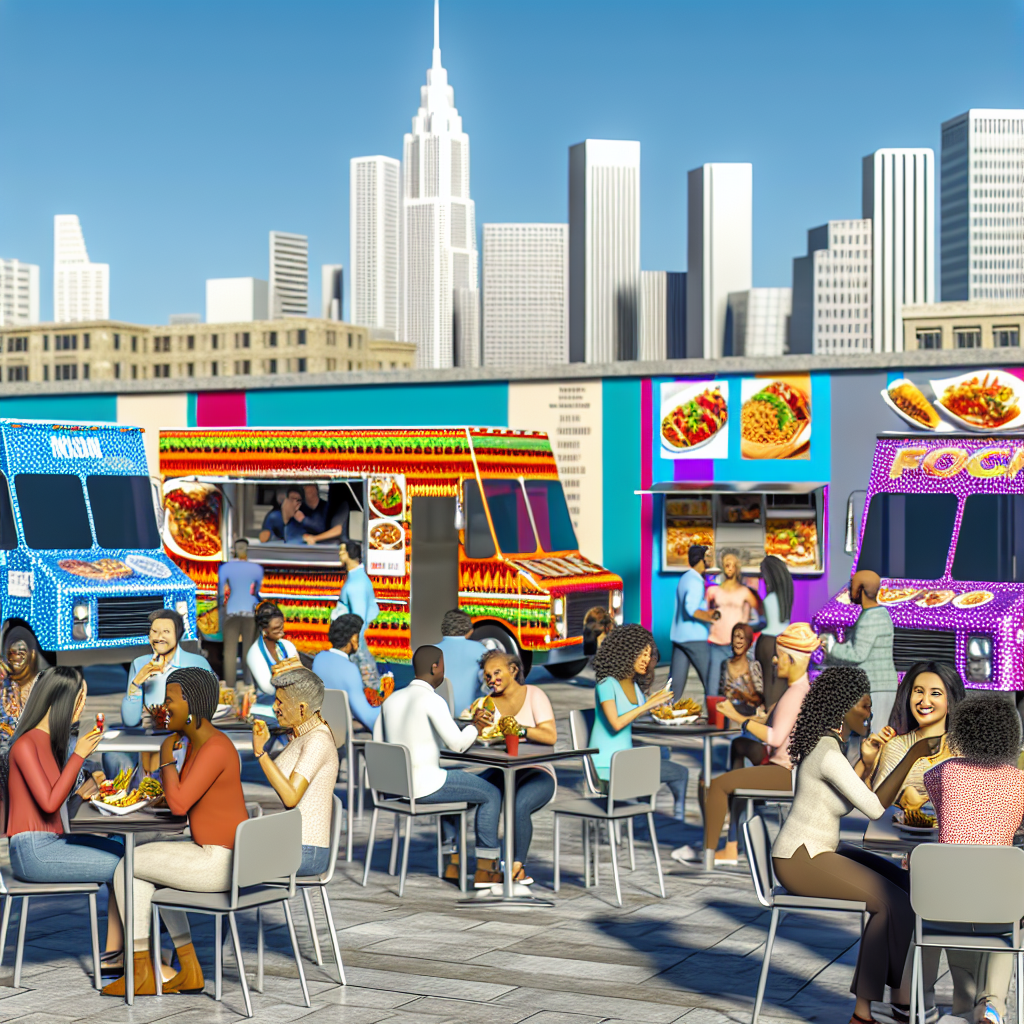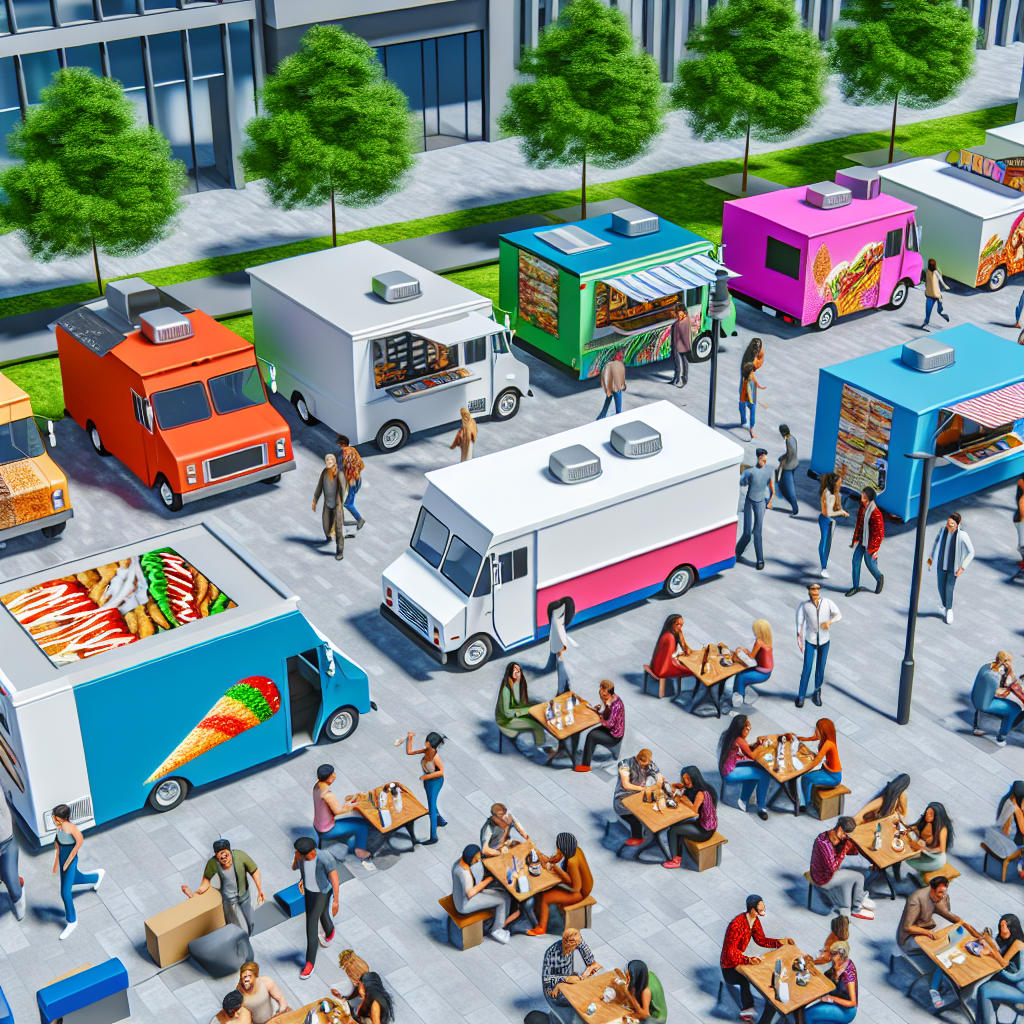
In the vibrant world of mobile cuisine, food trucks are not just about serving delicious meals; they utilize a unique distribution strategy that makes them a staple for event planners, corporate teams, local groups, and individual consumers. With their flexibility and ability to navigate various venues, food trucks have carved out a niche that lets them connect directly with audiences. This article explores the innovative strategies food trucks employ to optimize their distribution, focusing on mobile strategies, location-based approaches, customer segmentation, and the power of digital tools. By the end, you’ll see how these elements come together to enhance the food truck experience and positively impact the economy.
Rolling Distribution: How Food Trucks Map Demand, Mobility, and Menu with a Mobile Strategy
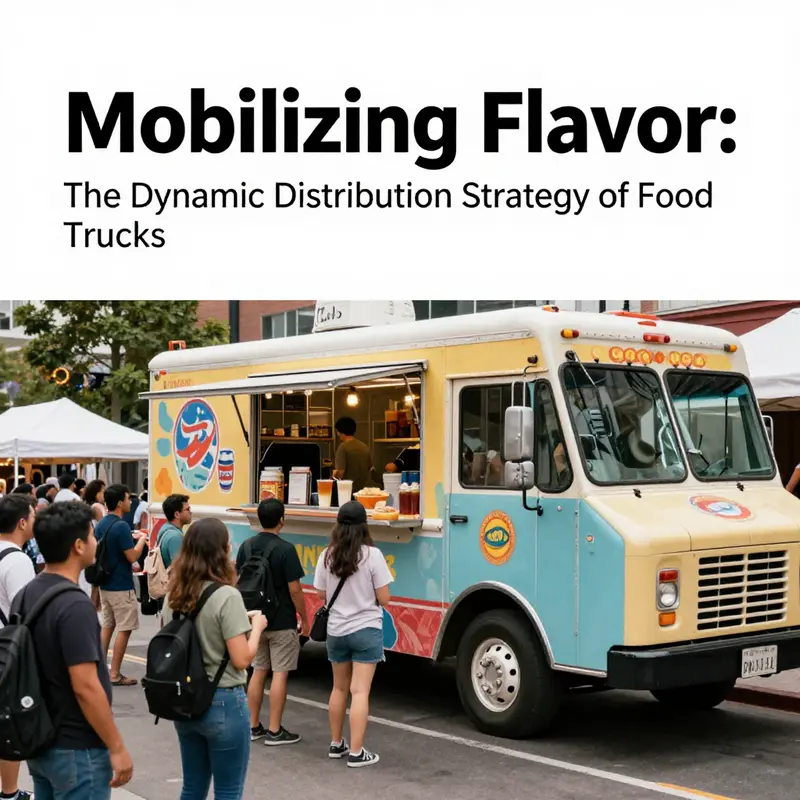
A food truck is more than a portable kitchen; it is a mobile distribution node that travels the city to meet people where their routines already place them. The essence of a successful mobile distribution strategy lies in the deliberate choreography of movement, location, and the menu that travels with it. Rather than anchoring a business to a single storefront, the truck becomes a dynamic platform for serving demand as it shifts with time, weather, events, and everyday rhythms. In this sense, mobility is not a gimmick but a core competitive edge—one that requires careful planning, agile execution, and a clear understanding of who the truck is serving and when they are most open to purchasing.
Central to this strategy is strategic location planning, a discipline that blends data with street-level intuition. The operator starts by mapping foot traffic patterns across the week, identifying pockets where workers, students, families, and evening crowds converge. This is not about chasing the highest footfall in theory but about choosing zones where target demographics are most likely to be present during specific windows. For a lunch-focused operation near office clusters, the truck hones in on mid-day crowds, paging social feeds and event calendars to confirm when crowds are forming or dispersing. As night falls, the same truck might pivot toward entertainment districts or stadium vicinities, when consumers seek a quick, flavorful bite to accompany their plans. The analytics behind this movement come from GPS tracking, social media signals, and real-world observations of occupancy and turnover. Rather than relying on a fixed schedule, the truck becomes relational: it responds to demand waves rather than pushing the same unvarying route day after day.
The distribution logic also considers event schedules—festivals, farmers markets, corporate parks hosting lunch-and-learn sessions, and pop-up markets in vacant lots. Each setting offers a different density of potential customers and a distinct buying tempo. In practice, a smart operator scans local calendars and cross-references with historical performance at similar events to forecast expected volume. Competitor density matters too; a crowded lane with three trucks within a few blocks might still yield strong revenue if one truck carves a niche—perhaps by offering healthier options, faster service, or a unique flavor profile that resonates with nearby offices or gym-goers. This dynamic routing becomes possible through a blend of real-time updates and longer-range planning. Real-time updates keep the truck visible to loyal customers through social channels or a dedicated app, while longer-range planning stabilizes inventory decisions and staffing. The objective is to maximize exposure while controlling the overhead that comes with movement—fuel, permits, parking, and labor—so that every mile driven translates into meaningful sales.
A thoughtful mobile distribution model also hinges on understanding who the truck is trying to reach, which brings the concept of customer segmentation to the fore. Research on consumer personalities reveals four broad orientations: health-conscious, price-oriented, taste-oriented, and convenience-oriented. Each segment implies different judgments about when and where to buy, what to order, and how much to pay. A health-focused truck—perhaps featuring salads, grain bowls, or smoothie options—tends to do best near fitness centers, office campuses with wellness programs, or wellness events. A price-oriented truck might target high-traffic transit hubs, street corridors with heavy footfall during peak times, or festival settings where people value substantial portions at accessible prices. A taste-oriented truck leans into distinct, crave-able options that perform well in lively, social environments like open-air markets or late-night districts. Finally, a convenience-oriented model thrives in places where queues form and time is scarce—near office buildings, hospitals, or busy residential nodes where quick service is prized.
The menu, of course, cannot be decoupled from the distribution strategy. Alignment between what is offered, how it is priced, and where the truck parks is critical. This means more than selecting items that travel well; it means curating a compact, purpose-built assortment that fits the expected tempo of the chosen location. Gourmet or lifestyle trucks that emphasize artisanal dishes, health-forward choices, vegan or vegetarian options, or fusion cuisines often require more precise placement to attract discerning customers. Their menus may be smaller in scope but higher in perceived value, enabling a premium price point in selective neighborhoods or events. In contrast, trucks emphasizing fast, affordable meals thrive in high-volume, high-turnover areas such as transit hubs, stadiums, or festival grounds. The distribution strategy, in effect, is a menu strategy: the offerings become a signal to the right audience in the right moment, and the pricing mirrors the pace and expectations of that moment.
Yet even the best-laid plans require tools beyond a well-thought-out route. Digital tools have become indispensable to the mobile distributor. Social media, location-based apps, and real-time updates serve as beacons that guide people to the truck and keep repeat customers engaged. A post announcing a new daily special, a last-minute switch in location due to weather, or a live update showing a short line at a park can dramatically affect demand in minutes. Loyalty programs and mobile ordering reinforce the relationship with customers who already know where and when to find the truck, turning a one-off purchase into a predictable movement along the map of daily life. Data collected from these channels—visibility, dwell time, purchase frequency, and preferred items—feeds back into route planning and inventory management. In effect, the distribution system learns from itself, becoming more precise about where to be and what to stock for the next stop.
This holistic view of distribution is where design and operation meet. The vehicle itself must be fit for the unpredictability of street life. Modern food trucks are engineered with compact, vibration-resistant layouts that keep equipment stable as the truck traverses uneven surfaces and traffic. Secure mounting of all components protects against damage and maintains workflow efficiency as the truck makes tight turns or navigates crowded streets. Ventilation systems must be reliable, particularly for high-heat cooking operations in constrained spaces, and power sources—whether generator-backed or battery-based—need to be robust enough to sustain service through long windows of operation. Regular maintenance becomes a core discipline, not a sporadic precaution, because even minor malfunctions can derail a carefully timed distribution plan. The equipment configuration influences service speed, food safety, and the ability to scale operations up or down as demand rises or falls at a given location.
The branding and the distribution model must work in concert. A vibrant, high-energy visual identity supports rapid recognition in crowded quarters and at a distance, while the menu communicates the story of the truck to those who are deciding where to queue. For trucks that emphasize artisanal quality and health-conscious options, the branding should signal a thoughtful, craft-oriented approach, reinforcing the idea that the truck is a destination for a precise lifestyle choice. Conversely, for budget-friendly, fast-turnover operations, branding should convey value and speed without sacrificing clarity. The distribution strategy then becomes a narrative across the city: a traveler who recognizes the truck from social posts, who chooses a location based on daily patterns, and who returns because the experience is reliably aligned with the moment and the milieu. In some cases, that narrative can be reinforced by linking to industry resources or guides that discuss how to translate branding into on-wheels presence—such as articles about branding on wheels that explore graphics, identity, and consistency in a mobile setting. branding on wheels—the ultimate guide to food truck graphics and identity.
All of this converges in a city as a living system. Urban centers grow more dense and diverse, and the demand for convenient, high-quality dining options rises in tandem with urbanization. The mobile distribution model thrives in this environment because it can ride the wave of changing flows rather than resist them. A well-calibrated truck becomes a portable storefront that travels to where it is most likely to convert curiosity into a sale. It can reach busy professionals at noon, families after school, and night owls who crave something satisfying after an evening out. The most successful operators treat mobility as a competitive advantage grounded in data, equipment, and a disciplined approach to customer needs. They monitor weather patterns, school calendars, transit schedules, and local regulations, adjusting their routes and hours to minimize downtime and maximize turnout. They also cultivate relationships with event organizers and neighborhood associations, leveraging partnerships to secure regular spots, early access to markets, or exclusive opportunities that stabilize revenue in uncertain times.
In this sense, the mobile distribution strategy is a living framework that keeps adapting as cities evolve. It demands a constant read of the urban pulse: where people gather, how long they stay, and what keeps them coming back. It requires a fleet that can be retooled for different menus, a brand that communicates consistently across diverse venues, and a digital backbone that signals intent before customers arrive. The result is a distribution model that feeds on movement rather than fighting it—an arrangement where the truck’s success depends on serving the right plate at the right moment, in the right place, with speed and warmth. For operators contemplating expansion or new markets, the mobile strategy offers not just a way to produce meals but a way to participate in the city’s ongoing rhythm. It is, in every sense, a distribution paradigm that turns streets into opportunities and meals into experiences that travelers remember as they pass from one corner of the town to the next.
Industry context supports this approach as well. Market analysis highlights urbanization and demand for convenient dining as the twin engines propelling growth in mobile food services. The trend is evident not only in small, localized ventures but in the broader pattern of cities embracing flexible, on-demand food options as a normalization of how people eat during busy days. To understand the macro backdrop and the trajectory of this model, consider the global perspective on food truck growth driven by urban life and the desire for quick, quality meals in transit and at events. For further market context, see external industry analysis that maps these dynamics across regions and time.
As operators tune the balance between movement, location, and menu, the mobile distribution strategy becomes a reliable compass for growth. It guides where to park, what to prepare, and how to tell the story of the truck so that the next customer’s queue forms precisely when and where the opportunity appears. The city, with its shifting crowds and unplanned moments, rewards those who plan for spontaneity with discipline. In that light, the food truck is not just a kitchen on wheels; it is a strategic platform for delivering flavor, convenience, and community—on demand, wherever the map indicates a hungry heart is waiting.
External resource for broader market context: https://www.statista.com/statistics/1283705/food-truck-market-size-worldwide/
Mapping Opportunity on the Move: Location-Based Optimization for Food Trucks
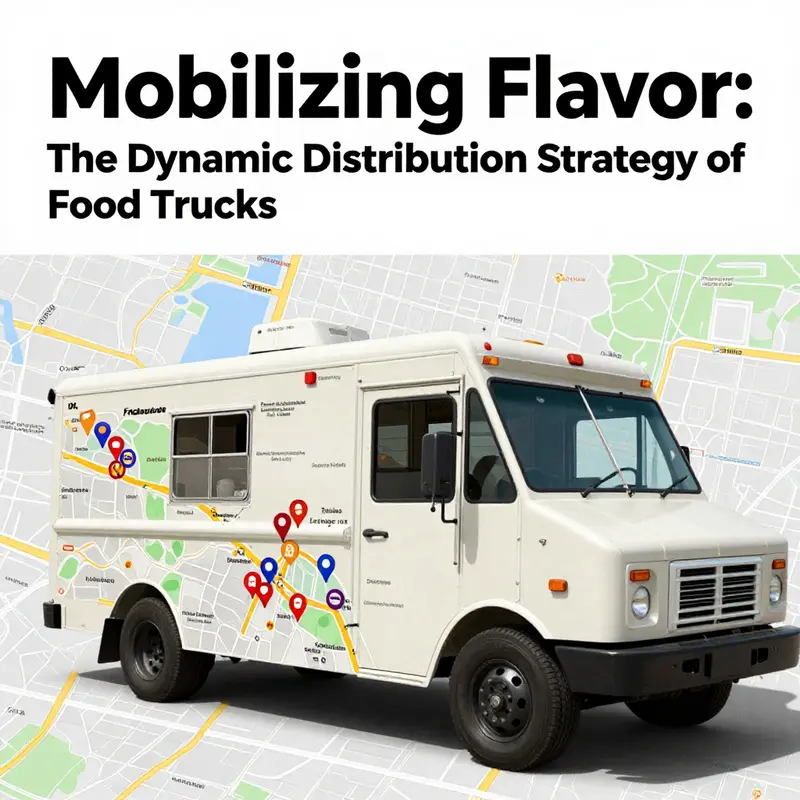
A food truck operates at the intersection of mobility and appetite, where every mile traveled, every minute in traffic, and every location choice can translate into revenue and loyalty. The distribution strategy at the heart of a successful mobile kitchen is inherently location-based. It is not enough to craft a delicious menu or promising price point; the real test lies in meeting customers where they are and at moments when they want a quick, satisfying bite. This shift—from a fixed storefront to a dynamic grid of potential revenue—requires a disciplined, data-informed approach that blends analytics with intuition about urban rhythms. When done well, location-based optimization turns a fleet of wheels into a rolling sales channel, a moving platform that can adapt to demand, weather, events, and traffic patterns with minimal lag.
At the core of this approach is location analytics. Operators collect and synthesize data that maps where customers congregate, how crowds flow through a city, and when those flows ebb and surge. Historical sales, whether from a single truck or a fleet, become the backbone of decision making. By overlaying sales by time of day with foot traffic studies, one can identify high-potential windows and spots. Weekdays may favor office districts during lunch hours, while weekends may shift attention toward entertainment districts, farmers markets, or festival grounds. The same data lens also reveals the influence of seasonality, holidays, and even competing vendors. A subtle but powerful insight emerges: the best location is often not the same every day, but the best daily location is the one that aligns with, and adapts to, evolving patterns.
Dynamic positioning then takes the analytics a step further. It is the practice of moving toward opportunities in real time or near real time, rather than locking into a single fixed location. This requires a disciplined routing mindset. Rather than a static map, operators maintain a live operational map that indicates where foot traffic is swelling, where line lengths are shortest, and where a nearby event promises a surge in demand. The payoff is straightforward: by being in the right place at the right time, a truck maximizes revenue opportunities while minimizing the waste that comes from lingering in low-traffic zones. This is the essence of being in the pocket of demand, not merely near it. The practice is subtle, but its impact compounds: shorter idle times, higher order throughput, and a smoother cash flow over a busy shift.
Performance monitoring is the quiet engine behind this continuous optimization. It requires testing—trying different spots at different times of day and on different days of the week—and then listening to what the numbers say. Sales volume is the most obvious metric, but dwell time, conversion rate from passerby to customer, average ticket, and repeat visits also offer critical signals. Customer feedback becomes more valuable when anchored to location. A spot that draws a long line but yields mediocre satisfaction may indicate mismatches in menu offerings or order pacing, while a crowded location with quick, accurate service can reveal a sweet spot for speed and throughput. This loop—test, measure, adjust—is the discipline that keeps a mobile business buoyant in the face of changing city life. The data never lies, but it does require interpretation: a busy corner may predict short-term demand, while a park adjacent to a transit hub might forecast longer-term brand engagement rather than daily spikes.
Technology makes this process faster and more scalable. GPS tracking combined with a point-of-sale system can feed a Geographic Information System in real time, providing spatial and temporal context to every sale. Operators can observe how a route performs under different conditions—rainy days, heat waves, or after a major concert—then recalibrate with greater confidence. The ability to layer event schedules, competitor locations, and even weather forecasts into the planning notebook is a game changer. The best systems merge historical learning with live signals, letting a truck adjust its micro-routes and micro-wens, not only its macro itinerary. Advanced platforms bring a level of predictive insight that helps minimize unnecessary travel, reduce fuel costs, and improve service levels in the neighborhoods that reward fast, friendly, reliable service.
Beyond the mechanics of analytics and routing lies a more nuanced set of optimization questions. Some researchers push the conversation toward spatio-temporal multi-objective optimization, a framework that explicitly recognizes competing goals in a crowded urban space. In practical terms, this means balancing travel time against exposure, discounting repeated saturation in a single zone, and ensuring visibility across a network of potential spots. Coalitional game theory, a technique borrowed from economics and used to reason about cooperative behavior among multiple agents, offers a lens to reason about how a fleet of trucks might share space in the same city without stepping on each other’s toes. The implication for operators is clear: you can coordinate with other vendors or teams to stretch the value of peak hours across more zones, rather than all clustering in one hot block and leaving adjacent areas underserved.
This more sophisticated frame does not replace intuition; it complements it. The operator who pairs instinct with a rigorous analysis of where people are likely to be—from offices, gyms, theaters, and subway entrances—to the times when they need a quick meal, gains a durable edge. Local context matters. A health-focused truck benefits from proximity to gyms, wellness centers, or farmers markets where health-conscious crowds gather. A price-conscious concept thrives where office workers and students collide, near transit stops, street corners, or university campuses with a steady cadence of foot traffic. A taste-driven truck has a different calculus—lining up around nightlife districts, venues, and festivals where the demand is driven by variety, novelty, and social energy. And a convenience-oriented model should prioritize rapid service lanes, high dwell times, and easy, visible queues where people value speed and predictability.
Yet, the mobility of a food truck is both its strength and its challenge. The open street is a living, changing environment—construction detours, seasonal street fairs, or city regulations can reroute the best-laid plans in minutes. In this sense, training the team to adapt, while preserving a coherent brand and menu, becomes essential. The operational playbook includes not only where to stand but how to stand: line management practices, efficient POS operation, and transparent communication with customers about where to find the truck next. In this way, online visibility and engaged community management complement physical location choices. Strong local SEO practices, location-based keywords, and regular engagement on social platforms ensure that the truck remains discoverable wherever it parks.
This is where the link to the practical side of operations surfaces: there is a real advantage to studying and adopting established parking and location strategies. For operators who want a structured primer on the mechanics of site selection and portable logistics, resources that detail the constraints and opportunities of parking logistics can be invaluable. See the guidance on mastering food-truck-parking-challenges for concrete pointers on site feasibility, queue design, and environmental considerations that influence where a truck can legally and effectively set up shop. mastering food-truck-parking-challenges
A cohesive location-based approach also means reading the city’s pulse with sensitivity to equity and accessibility. The choices about where to operate should consider not just the potential profit but also the rhythm of neighborhoods, the timing of community events, and the availability of safe, welcoming spaces for customers to gather and eat. The best operators treat each shift as a small experiment in urban microeconomics: what draws a crowd, how long they stay, which menu items perform best in who is waiting in line, and how the design of the truck’s exterior and the speed of service shape the overall experience. A friendly, fast, consistent experience makes a lasting impression, turning first-time visitors into regulars who actively seek the truck out on days when the route aligns with their routines.
The narrative of location-based optimization is not a solitary one. It unfolds across a network of choices, from the micro-level decisions of where to position the grill and queue to the macro-level planning of weekly routes that optimize both reach and reliability. It requires intelligent use of data, agile responses to changing conditions, and a branding approach that communicates reliability and value wherever the truck stops. The capacity to anticipate demand, coupled with the willingness to pivot quickly when the data indicate a better opportunity elsewhere, is what separates a good mobile operation from a great one. In this sense, the distribution strategy becomes a living system—continuously fed by data, refined by experience, and expressed through the movement of the truck itself.
For readers who want to glimpse how these ideas translate into broader market dynamics, the literature emphasizes the rising importance of optimization in the food truck sector and points to the value of integrating advanced analytics with practical street-level operations. While the underlying math can be complex, the takeaway remains accessible: know where your customers are likely to be, when they are most hungry, and how to reach them with speed and consistency. The city becomes a grid of opportunities, and a well-planned route is a map to revenue, community, and resilience. In the end, location-based optimization is not merely a technique; it is a philosophy of mobility—an approach that treats the truck as an adaptable, customer-centric platform rather than a static brick-and-mortar concept.
External resource: https://www.grandviewresearch.com/industry-analysis/food-truck-market
Targeted Routes: Using Customer Segmentation to Drive a Food Truck’s Distribution Strategy
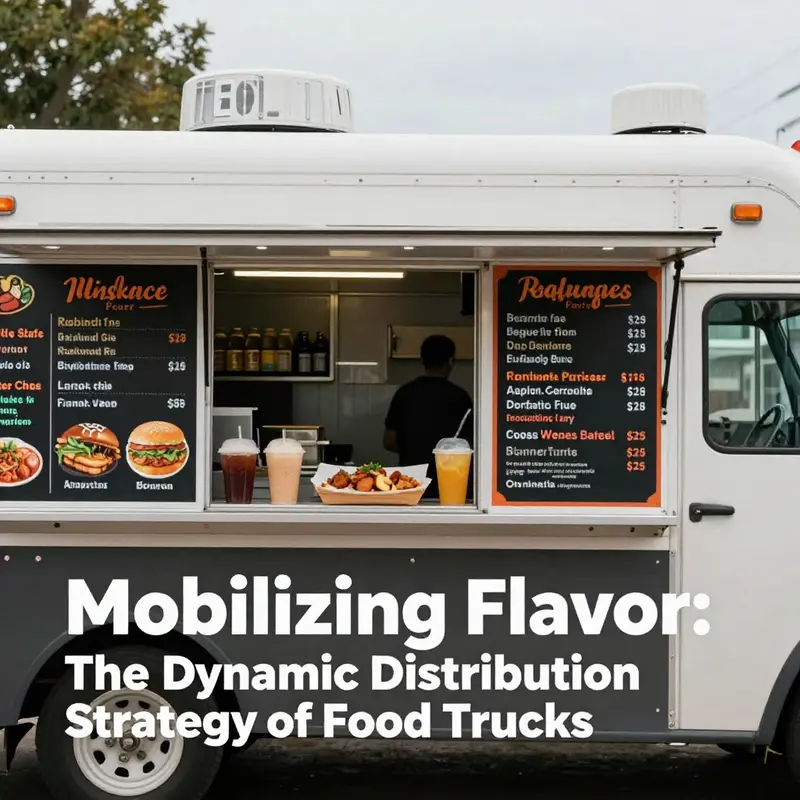
Understanding who your customers are changes how you move, what you sell, and where you park. A food truck is not just a mobile kitchen; it is a distribution platform that must match physical presence to customer needs. Customer segmentation turns vague ideas about a target market into clear operational choices. When operators group patrons into health-conscious, taste-oriented, price-oriented, and convenience-oriented segments, they gain a practical map for selecting stops, designing menus, and shaping promotions that convert visits into repeat business.
Segmentation begins with observing behavior and preference. Health-conscious customers value ingredient quality and transparency. They look for fresh produce, clear labeling, and options that meet dietary needs. Taste-oriented customers prize novelty and culinary flair. They chase bold flavors, seasonal experiments, and visually appealing dishes. Price-oriented customers weigh value heavily. Their decisions hinge on portion size, perceived price fairness, and promotions. Convenience-oriented customers prioritize speed and proximity. They choose trucks that are easy to reach, have quick service, and fit into short breaks.
Each customer type suggests different distribution tactics. For health-focused crowds, choose venues tied to wellness. Park near gyms, farmer markets, or community wellness events. Schedule during class changeovers or post-workout windows. A location that signals health — such as near a yoga studio or a park with running trails — helps the truck reach the right audience without relying solely on advertising. For taste-seekers, target food festivals, arts districts, and nightlife corridors where patrons expect novelty. Late afternoons through evening hours work well here, and rotating creative specials keeps interest high.
Price-oriented customers require a different rhythm. Business districts during lunch often deliver high volumes of value-seekers with limited time. University campuses and budget-friendly neighborhoods also attract price-sensitive patrons. In these settings, a predictable presence and clear value messaging matter. Offering combo deals, loyalty punch cards, or timed discounts can drive steady midday traffic. For convenience-oriented customers, place the truck where foot traffic is dense and flows naturally: transit hubs, office parks, and event lines. The key is minimizing friction — fast ordering systems, pre-made options, and visible queues keep throughput high.
Menu design and pricing should reflect segmentation goals. A health-focused truck might feature a concise menu highlighting calories, sourcing, and dietary tags. This clarity shortens decision time and builds trust. A taste-driven truck benefits from modular menus with rotating specials and strong visual cues. Price-driven operations simplify choices into clear tiers and bundle options. Convenience-focused operators prioritize items that are easy to prepare and serve without compromising perceived quality. Aligning preparation to service speed prevents bottlenecks during peak windows.
Branding and communication must reinforce your chosen segment. Visual identity, tone of voice, and on-truck collateral signal what customers can expect. For taste-oriented markets, bold imagery and storytelling about ingredients spark curiosity. For health-oriented patrons, transparent ingredient lists and certification badges communicate safety. A consistent, relevant brand increases the efficiency of every stop. For practical guidance on visual identity and branding for mobile kitchens, see this detailed resource on food truck graphics and identity: brand design and identity for food trucks (https://loschifladostruck.com/branding-on-wheels-the-ultimate-guide-to-food-truck-graphics-and-identity/).
Digital tools amplify segmentation. Real-time location posts, targeted social ads, and scheduled announcements attract the right segments to each stop. Health-focused operators can post ingredient details before a market opens. Taste-driven trucks tease new menu items with imagery. Price-sensitive customers respond to time-limited coupons pushed to followers near a planned location. Convenience seekers appreciate estimated wait times and mobile ordering. Use analytics from social platforms and point-of-sale systems to measure response patterns. Over time, the data reveals which stops yield the most value for each segment and which hours maximize return on time.
Scheduling is an exercise in trade-offs. High-traffic festivals might bring large crowds but also higher competition and costs. Regular weekly spots, like a lunchtime corner in a business district, build predictable revenue with lower acquisition costs. Operators should create a route plan that mixes discovery-driven stops with reliable, revenue-producing locations. Rotate experimental locations during off-peak days to learn new neighborhoods. Keep a core schedule for the segment that drives your margins most consistently.
Operational alignment is equally important. Staffing, inventory, and kitchen setup must match chosen stops. A nutrition-focused menu may require refrigeration for fresh produce and extra prep time. A high-volume price strategy calls for streamlined recipes and pre-portioned components. A novelty-driven lineup benefits from a compact but flexible cooking setup. Investing in processes that reduce service time improves satisfaction for convenience-oriented customers and increases capacity during busy windows.
Measure success with segment-specific metrics. For health-oriented offerings, track repeat visits and average order value, and measure feedback on ingredients and portion sizes. For taste-driven customers, monitor social shares, promotional redemptions, and engagement with limited-time items. Price-sensitive segments respond to volume and transaction count, so focus on conversion rates and margin per sale. Convenience metrics include order-to-serve time and queue length. Combine quantitative data from sales systems with qualitative feedback from customers to refine your approach.
Adaptability keeps a mobile distribution model resilient. Customer preferences shift with seasons, events, and economic pressures. A price-sensitive segment may expand during economic downturns. Taste-seekers might move toward comfort foods in colder months. Health-conscious demand often spikes around wellness events and New Year resolutions. Monitor patterns and be ready to pivot location strategy, menu mix, and marketing tone. Flexible contracts for event participation and modular menus increase agility.
Finally, use segmentation to guide incremental investments. If health-focused customers represent a growing share, prioritize refrigeration and local supplier partnerships. If taste-driven customers fuel social growth, invest in photography and presentation. For price-oriented growth, refine portioning and supplier negotiation to protect margins. If convenience is the main draw, optimize ordering systems and staff workflows. Each investment should aim to increase sales per stop and reduce the cost of customer acquisition.
Segmentation turns the question “where should I park?” into a set of repeatable decisions. It aligns menu, location, branding, and operations around customers who will actually buy. A food truck that leverages clear customer segments spends less on trial-and-error, attracts more loyal patrons, and converts mobility into a strategic advantage.
Wheels and Wires: Digital Tools Redefine the Food Truck Distribution Playbook
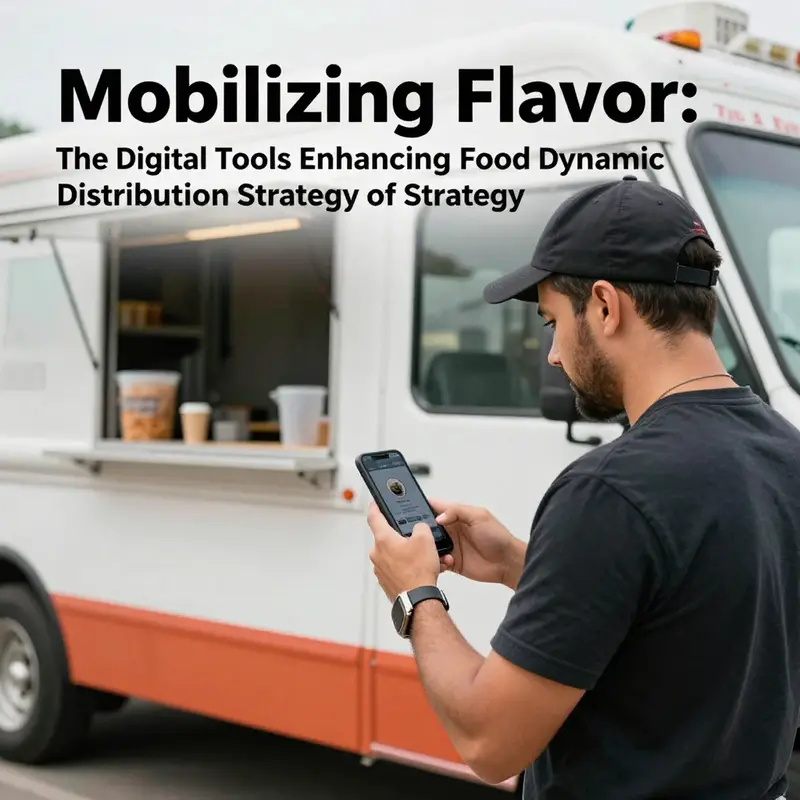
A food truck does more than plate a meal; it orchestrates a moving distribution system that travels to where people gather, dine, or grab a quick bite in between their routines. The distribution strategy, in this context, hinges on mobility, but it is the integration of digital tools that converts a simple mobile kitchen into a resilient, data-driven network. The core idea is straightforward: mobility expands reach, while technology tightens control, heightens quality, and speeds service. When these forces combine, a food truck can respond to demand with the agility of a pop-up and the reliability of a well-run storefront, all without being tethered to a fixed location.
At the heart of this approach is location-based optimization. The truck’s ability to move means the operator can place the business where the target customers are most likely to be at a given time. Lunchtime in a business district, an after-work surge near an entertainment hub, a weekend parade or festival, or a park with families—each location represents a different demand curve with its own tempo. Yet without digital insight, location decisions risk becoming educated guesses. IoT sensors, inventory trackers, and performance telemetry turn guesswork into evidence. Real-time temperature monitoring keeps perishable ingredients within safe thresholds, while engine and battery statistics flag maintenance needs before they become disruptions. In the long run, the reliability of the product depends as much on the truck’s machinery as on its menu and pricing.
The next layer in this distribution mosaic is demand forecasting, powered by AI and machine learning. Historical sales data provides a baseline, but weather patterns, local events, and even the cadence of traffic influence who buys what and when. A forecast might reveal that a certain mix of items sells best on cool evenings near a sports venue, or that a salad-focused option remains popular in the heat of mid-day when offices around the block empty for lunch. With such insights, the operator can plan routes and stock levels with a precision that previously belonged to larger, more centralized supply chains. Stockouts become rarities, and waste declines as inventory is aligned with anticipated demand.
But forecasting is not a solitary tool; it works best when paired with streamlined ordering and payment experiences. Mobile ordering platforms and digital payments reduce friction for customers and improve turn rates for operators. A customer who pre-orders and selects a pickup window avoids a congested line, while the kitchen staff can prepare orders in a choreography that minimizes idle time. This is not simply about convenience; it is about shaping a distribution rhythm that matches the restaurant’s capacity to produce and the customer’s tolerance for wait times. Digital touchpoints extend beyond the sale itself. The same platforms that collect orders can segment audiences, reveal preferences, and feed back into menu tweaks and daily location decisions.
The synergy between mobility and digital systems also enables dynamic route adjustments. If an event runs late or a crowd shifts to a nearby venue, the truck can re-route to capture the new flow. This capability is a practical antidote to the uncertainty that characterizes mobile food service. It is easier to absorb a demand surge when you have preexisting visibility into order volumes and inventory status. Cloud-based inventory management software keeps stock aligned with both current orders and projected needs, so a kitchen can pivot without sacrificing service levels or food safety. The automated cycle—from order to preparation to pickup—becomes a living, optimizable process rather than a sequence of isolated tasks.
Beyond the mechanics of cooking and serving, digital tools are reshaping how a food truck tells its story and builds loyalty. Social media updates, geo-targeted posts, and in-app alerts can announce a truck’s location and the day’s feature items in real time. This is not mere marketing; it is distribution coordination. The message becomes part of the operational plan, guiding customers to the right place at the right time and providing feedback loops that inform future movements. In practice, a health-conscious truck might leverage location data to align with fitness centers or farmers markets, while a comfort-food, price-driven operation might optimize for high-footfall intersections and seasonal events where crowds seek quick, satisfying meals. The four consumer segments—health-conscious, price-oriented, taste-oriented, and convenience-oriented—play out in real-time, as digital tools refine where and when to serve which group. The FRL-based segmentation is no longer a static chart; it becomes a live, causal input into every shift and route.
One of the most transformative consequences of embracing digital tools is operational efficiency that exceeds what might be possible with a purely manual approach. Automated kiosks and cloud-based inventory systems can operate in-situ governance without eroding the personal touch essential to a mobile service. A staff member can greet customers, take orders, and explain menu choices, while the back-end benefits from machine learning to anticipate reorder frequencies, suggest profitable add-ons, and flag items that should be rotated or discounted to maintain freshness and margins. The synergy is not about replacing human workers; it is about aligning human effort with intelligent systems to ensure that each interaction—order, payment, pickup, and after-service feedback—contributes to a seamless distribution experience.
The blockchain conversation often enters the discourse around food distribution, and for good reason. Traceability and safety are paramount, especially for a business model that continuously moves through different suppliers and neighborhoods. Blockchain technology, when integrated with IoT and AI, can provide an auditable chain of custody for ingredients. It reassures customers who care about origin and handling while giving operators a robust tool for quality control and recalls. This kind of traceability is particularly valuable for vendors who want to differentiate themselves on trust and transparency without sacrificing speed or flexibility on the street. The convergence of these technologies—AI for demand, IoT for monitoring, and blockchain for traceability—signals a future where mobile distribution approaches the reliability and accountability of fixed-location operations, but with the extra edge of mobility.
Forward-looking models also point to the concept of last-mile distribution centers tailored to mobile formats. These hubs, built on e-commerce logistics principles, can act as satellite depots for a fleet of trucks, enabling just-in-time replenishment of fresh ingredients and prepared items. Such centers reduce dependency on long-haul supply chains and mitigate disruptions caused by driver shortages or traffic bottlenecks. They also create a backbone for scalability. As a brand expands to multiple trucks or multi-location fleets, digital hubs can standardize inventory, pricing, and service levels across locations, preserving consistency while maintaining the nimbleness that defines a mobile distribution approach.
All of this points to a distribution strategy that is less about selling food in a fixed storefront and more about orchestrating a system. The vehicle is the asset, but the distribution power resides in the data, connections, and processes that run through it. The business model thrives on the ability to predict, adapt, and communicate in real time. It requires interpreting signals from orders, traffic, weather, and local happenings and translating them into concrete moves on a map. That is the essence of mobility in distribution: the capacity to meet demand where it exists, powered by the intelligence to anticipate where it will be next.
In practice, this means more than clever routing and fast checkout. It requires integrating identity and experience across channels. Customers who interact with the truck through an app, a social post, or a curbside pickup expect a consistent, responsive encounter. The branding and customer experience must travel with the truck, just as quickly as the menu offerings do. This is where a broader branding strategy—captured in the idea of “Branding on Wheels: the Ultimate Guide to Food Truck Graphics and Identity”—gains practical significance. The digital touchpoints should reinforce the visual identity, tone, and promises made in person, creating a coherent narrative that travels with the mobile unit. See the branding guide for a more in-depth look at how graphics and identity reinforce the distribution strategy in a mobile context: branding-on-wheels-the-ultimate-guide-to-food-truck-graphics-and-identity.
The picture is not without its complexities. Operators must balance investments in sensors, software, and communications with the revenue realities of a mobile, often seasonal, business. The cost of hardware, ongoing data plans, and software subscriptions must be justified through increased sales, reduced waste, improved safety, and stronger customer loyalty. Yet when designed and executed with discipline, the digital layer does not simply automate processes; it elevates them. It converts a fleet of mobile kitchens into a scalable, resilient distribution network capable of maintaining high standards across locations and seasons. The most sophisticated trucks become a hybrid of street-food craft and logistics technology, with plans that adapt as quickly as the streets change.
To close the loop, the distribution strategy for a food truck is not merely a plan for where to stand and what to cook. It is a living system where mobility and technology intersect to create reliable, delightful, and responsive service. The future belongs to operators who map customer segments to precise locations and times, who forecast demand with accuracy, who automate routine tasks without losing the personal warmth of a neighborhood kitchen, and who connect every step of the journey—from supplier to skillet to pickup—through transparent, trusted data. In this world, the truck is a moving link in a broader, digitized supply ecosystem rather than a standalone stall. And as the tools evolve—from IoT sensors and AI-driven routing to blockchain traceability and last-mile hubs—the distribution playbook for food trucks becomes not only more efficient but more capable of earning a place in the communities they serve.
External resource for further reading: How Technology is Driving Food Distribution Operations offers broader perspectives on AI, blockchain, and IoT convergence in flexible distribution models, including mobile formats like food trucks: https://www.linkedin.com/pulse/how-technology-driving-food-distribution-operations-michael-schultz/.
Riding the Road to Profit: The Economic Impacts of Mobile Food Distribution
The economics of a food truck distribution strategy rests on more than the sizzle of a well-tuned menu. It hinges on mobility as a core asset, a vehicle not just for cuisine but for value creation. When a truck roams from park to office park, stadium to school campus, it converts location into revenue through reach and timing. The road becomes the firm’s inventory management system, and each stop is a test of cost discipline, demand forecasting, and market intelligence. In this sense, the distribution strategy is the backbone of the business model. It shapes capital structure, labor needs, supplier relationships, and the alignment of the menu with the rhythms of daily life. The core insight is simple: by moving, a tiny operation can access many markets, and by tailoring access to those markets, it can unlock margins that fixed-location competitors struggle to sustain. The research landscape confirms that this mobility is not merely a convenience; it is a driver of market expansion, competition, and resilience, allowing small players to punch above their weight in a crowded urban economy.
A fundamental factor behind the robust growth of mobile food distribution is the expansion of the global market for food trucks. Projected growth from about 2.88 billion dollars in 2026 to roughly 4.17 billion by 2034 signals more than navigational advantage; it points to a structural shift in how consumers seek meals and snacks. The annualized growth rate around 4.7 percent underscores the sector’s viability and the willingness of investors and operators to back ventures that rely on street-level distribution as a scalable platform. Mobility lowers barriers to entry and increases the number of viable routes to profitability. Rather than committing to costly brick-and-mortar footprints, entrepreneurs can deploy capital toward adaptable fleets, better kitchen setups, and digital tools that amplify reach. In this sense, the economics of distribution become a strategic differentiator: the same recipe can profit at different spots depending on the time of day, the crowd density, and the willingness of different segments to trade convenience for price, taste, or health considerations.
Cost efficiency sits at the heart of the food truck thesis. Fixed rents, long-term leases, and utility bills tied to a stationary storefront are reduced dramatically when the operation is mobile. The overhead equation tilts in favor of lean, flexible setups that can scale with demand. Entrepreneurs can start with relatively modest capital and grow by adding routes or experimenting with new menus rather than expanding square footage. This lowers the threshold for entry and means more players can test hypotheses about what customers want in different places and times. It also reshapes risk management. If a neighborhood turns dull or a downtown festival adds a competitor, a truck can pivot rather than endure sunk costs. Innovative designs, too, contribute to cost discipline. Foldable trucks and bike-mounted units, for instance, offer a nimble footprint, enabling access to narrow streets, pedestrian corridors, and micro-markets where larger vehicles cannot operate. These compact, portable units reduce not only capital expenditure but also ongoing operating costs, such as parking fees and permits, while expanding the geographic reach of a single crew.
Mobility enables precise market targeting and revenue optimization. The distribution strategy becomes a live instrument for aligning menu, price, and location with the preferences and habits of distinct customer segments. The FRL framework—identifying health-conscious, price-oriented, taste-oriented, and convenience-oriented consumers—provides a practical lens for decision-making. A health-forward truck near a gym or wellness event, a bargain-focused stall at peak commuter crossings, a flavor-driven concept at entertainment hubs, or a convenience-driven setup along a university corridor illustrates how proximity and timing convert into transaction potential. Gravity does the rest: a well-timed appearance in a high-traffic corridor can produce a burst of sales that would require a fixed-location venue to chase for hours or days. This segmentation does more than shape a menu; it guides pricing dynamics, loyalty programs, and even the cadence of social posts. A health-focused option might emphasize lean ingredients and portions aligned with fitness goals, while a budget-friendly, flavor-first concept might rely on value bundles and speed of service to move crowds during lunch breaks.
That is where digital tools sharpen the economics of the model. Social media, location-aware apps, and real-time tracking transform mobility from a logistical advantage into a demand-management system. Announcing a spot minutes before arrival keeps customers engaged and reduces the randomness of walk-up demand. Loyalty apps turn episodic visitors into repeat customers, extending customer lifetime value beyond a single purchase. Data from each location helps refine the next move, making the distribution schedule a living plan rather than a static habit. The combination of mobility and digital visibility creates a feedback loop: better location choices lead to stronger sales, which in turn validates more ambitious route planning and menu experimentation. In practice, this means small operators can compete with more established peers by delivering consistent value where customers are already planning to be, rather than waiting for them to seek out a fixed storefront.
Yet the story of economic impact cannot ignore the complexities of supply chains. While a truck reduces certain logistics constraints by decentralizing operations, it still operates within a broader system of suppliers, distributors, and customers. The rise of e-commerce-enabled micro-distribution centers can complement mobile operations by guaranteeing a steady flow of ingredients, reducing dependence on long-haul delivery schedules, and enabling just-in-time inventory for daily menus. A resilient system is one that can weather disruptions—whether it is a sudden surge in demand around a local event or a broader shock to transport networks. The truck’s flexibility is a hedge against some types of risk, but it does not eliminate the need for reliable suppliers and responsive inventory management. This reality shines a light on a paradox: mobilizing distribution lowers fixed overhead while raising the importance of supply chain discipline. The ability to forecast needs, secure dependable inputs, and maintain a lean inventory becomes a differentiator in the profitability equation rather than a mere back-office concern.
The practical implications of this distribution approach extend into how operators choose to design their businesses. The concept of scalable mobility means that a two-person crew with a compact unit can launch in a limited market and then expand to additional routes as revenue proves sustainable. It also means that operators have the latitude to test new concepts, seasonal menus, or event-focused offerings without risking a costly permanent footprint. These dynamics contribute to broader market growth by enabling more participants to reach underserved or transient markets that fixed-location venues often overlook. The flexibility to chase peak foot traffic during lunch hours in business districts and again for evenings near entertainment hubs creates a cycle of revenue opportunities that is difficult to replicate with a stationary model. In this sense, the mobile distribution strategy becomes a catalyst for entrepreneurship, lowering barriers to entry and enabling a larger number of small players to participate in a growing market.
From a macro perspective, the economic implications extend beyond individual profits. The mobile model supports industry resilience by distributing risk across multiple locales, seasonality, and event calendars rather than concentrating revenue in a single venue. As the sector expands, it also spawns related opportunities in equipment leasing, vehicle modification, point-of-sale technology, and digital marketing services tailored to on-the-go operators. This ecosystem effect reinforces the sense that mobile food distribution is more than a clever way to serve meals; it is a dynamic urban logistics model with meaningful implications for local economies. The reduction in fixed costs lowers the threshold for new entrants, while the ability to adapt routes and menus quickly increases the odds that a business survives slow periods and capitalizes on spikes in demand.
To connect practical insights with a broader operational perspective, consider the existing body of practitioner guidance that emphasizes how locations, timing, and segmentation interact with cost control. For a deeper dive into customer targeting and distribution strategy, see the food-truck resilience and freight market uncertainty guidance, which explores how operators adapt to shocks and changing market conditions in ways that preserve cash flow and sustain growth. food-truck resilience and freight market uncertainty
Looking ahead, the economics of mobile distribution point toward a continued expansion fueled by mobility, adaptability, and smarter logistics. The ability to reach high-traffic zones, to adapt menus to local tastes and opportunities, and to leverage digital channels for real-time demand shaping will keep the mobile model at the forefront of the food industry’s evolution. As the sector grows, the emphasis on sustainable practices—efficient fuel use, reduced waste, and responsible sourcing—will become a differentiator not just for brand image but for long-term profitability. The confluence of mobility, scalable design, and digital-enabled demand management creates an economic virtuous circle: more routes and events drive more sales, better data improve route planning and inventory, and ongoing cost discipline preserves margins even as the market diversifies. In this sense, the economic impact of distribution strategy is not solely about dollars and cents; it is about creating a resilient, adaptable, and accessible platform for culinary entrepreneurship that can respond to changing urban life with speed and precision.
External industry perspectives reinforce this optimism. The broader market analysis indicates that mobile food services are approaching a tipping point where innovation in vehicle design, procurement, and route optimization translates into sustained profitability across diverse cities and neighborhoods. This external validation complements the internal dynamics described above, underscoring that mobility, when coupled with disciplined operations and smart technology, can expand both market reach and revenue potential in meaningful, lasting ways. For practitioners seeking a broader lens on market trends, the external analysis provides context for how the sector fits within global patterns of urban food distribution and consumer behavior.
In sum, the economic impacts of food truck distribution strategies are broad and multifaceted. Mobility lowers fixed costs, expands market access, and enables rapid experimentation with menus and pricing. It aligns closely with consumer preferences for convenience and variety while leveraging digital tools to optimize location, timing, and loyalty. The resulting growth—supported by a dynamic ecosystem of equipment design, supplier networks, and micro-distribution capabilities—points to a future in which mobile food distribution remains a durable and scalable model for creative entrepreneurs and resilient communities alike. The road, it seems, is not just a path to revenue but a route toward economic vitality in urban life.
Final thoughts
As we’ve seen, the success of food trucks hinges on a multifaceted distribution strategy characterized by adaptability, location awareness, tailored offerings, and savvy use of technology. Whether they are satisfying the craving of local food enthusiasts or catering to corporate events, food trucks have demonstrated their capability to engage diverse audiences and contribute significantly to the local economy. Embracing this model not only fosters community spirit but also paves the way for an innovative culinary landscape that satisfies growing consumer demands.