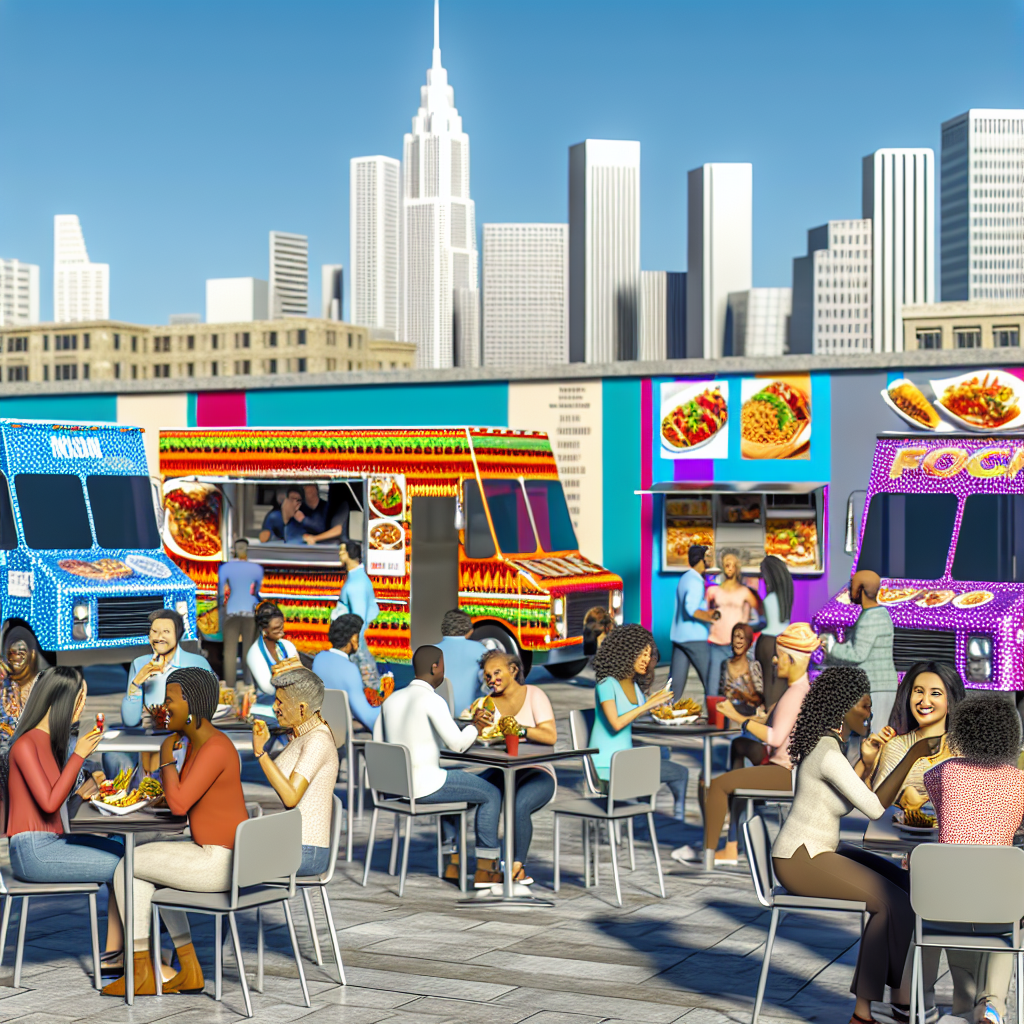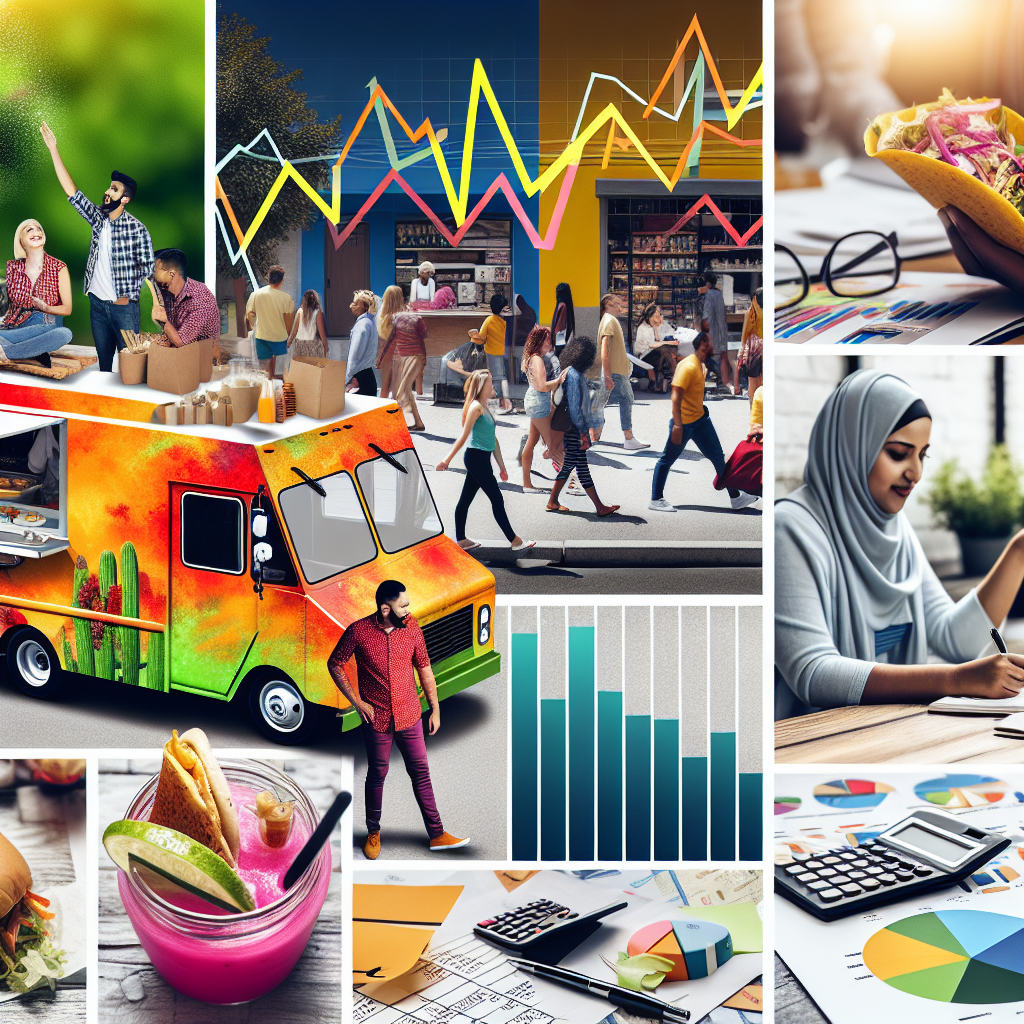
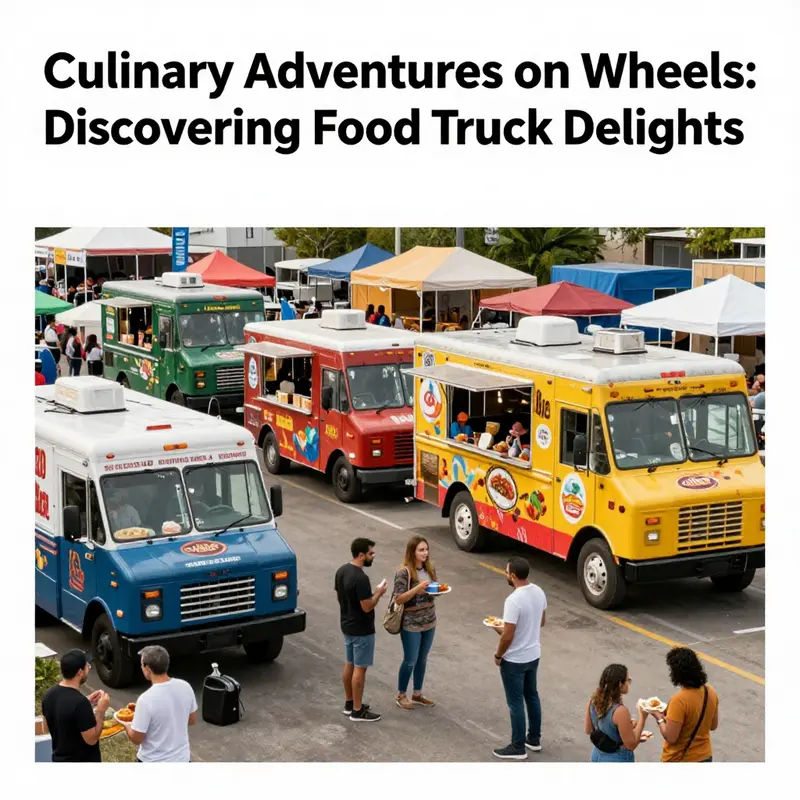
Food trucks have revolutionized the culinary landscape, offering a unique home for diverse cuisines that satisfy every palate. From the zesty flavors of Mexican cuisine to the comforting embrace of Southern dishes, these mobile eateries are serving up everything from classic street food to innovative gourmet creations. As event planners, corporate teams, and food lovers, there’s an abundance of flavors waiting to be sampled! In this exploration, we’ll dive into the world of food trucks, detailing everything from the authentic offerings of Mexican cuisine to the healthy alternatives that are becoming increasingly popular. Each chapter showcases a facet of the food truck phenomenon, inviting you to discover what makes each culinary style special and how it can enhance any gathering.
On Wheels, True Tastes: Mexican Cuisine in the Food Truck Era
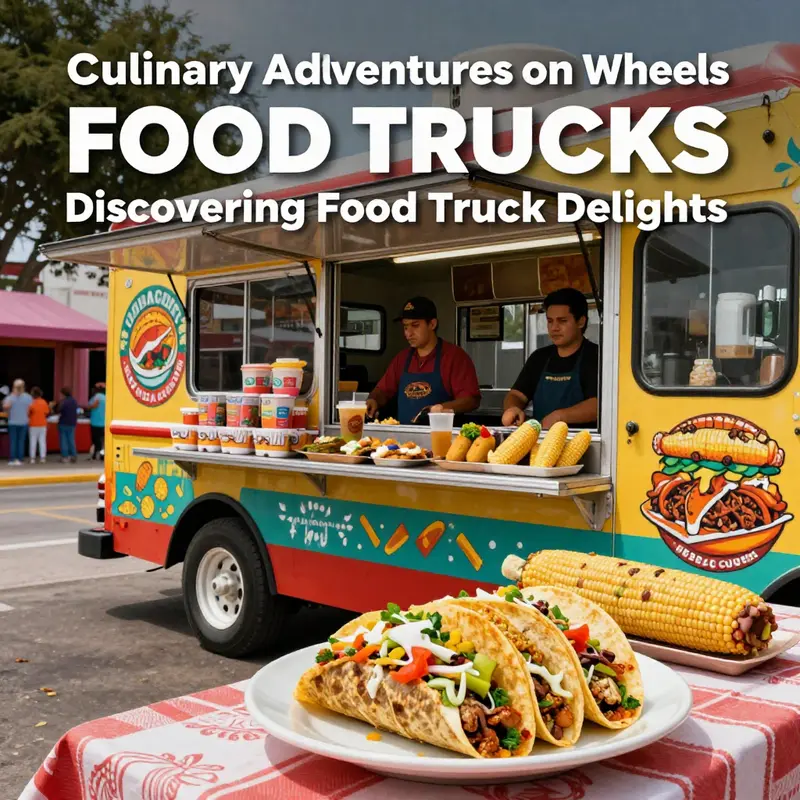
Across city streets and festival grounds, Mexican food trucks have become a dynamic heartbeat of urban dining. They are more than mobile stalls; they are intimate, kinetic kitchens that carry centuries of technique and regional storytelling right to a street corner near you. The thrill begins with the aroma: corn masa heated on a flat grill, the scent of roasted peppers turning tender, and the gentle sting of chilies that remind you of markets tucked away in small towns across the country. These trucks celebrate the everyday magic of Mexican cooking by delivering handmade tortillas, careful braises, and sauces that carry depth as well as brightness. A good truck treats a tortilla like a canvas and brings to it a chorus of textures—soft, chewy, crisp—so that every bite feels like the memory of a grandmother’s kitchen traveling with the cook on wheels. In cities from Austin to Southwest Detroit, these mobile kitchens turn public spaces into informal classrooms where tradition and appetite mingle, inviting locals and visitors to slide into a shared moment of flavor, community, and discovery. It is in this movement—food on the go—that authenticity finds its most accessible form, simultaneously intimate and expansive, personal and universal.
Traditional versus innovative is not a debate so much as a dialogue that unfolds at the service window. The most devoted trucks offer the classics—al pastor’s brisk, smoky edge; carnitas that melt with the warmth of slow braising; tamales with masa that holds a respectful chew. Yet many menus push beyond the obvious, embracing a modern sensibility that respects regional roots while inviting playful experimentation. Some cooks borrow techniques from other kitchens, layering textures and tempering heat to create a taco that nods to Baja seafood, or a tostada adorned with herbs picked from a small garden patch behind the truck. The Baja Med influence, a culinary mindset born in coastal regions, surfaces as a balance between bright citrus, olive oil’s gentle fruitiness, carefully sourced seafood, and a respect for clean, uncomplicated seasonings. In windy seaside towns or sunlit inland plazas, the same tortilla becomes a passport, its simplicity allowing the surrounding flavors—the kiss of a smoky chipotle, the sweetness of roasted corn, the tang of a lime-based salsa—to shine. The best operators treat a seasonal change as a storytelling opportunity, not a mere change of plate. A menu might feature a brisk, citrusy seafood offering one week and a deeply earthy pork mole the next, all while maintaining the reliable backbone of tortillas made from masa that’s ground, pressed, and cooked with care. In this way, Mexican food on wheels captures both the comfort of tradition and the curiosity of modern dining, inviting tastemakers and first-timers alike to linger a little longer and listen to the sizzle, the steam, and the soft echo of a kitchen that travels.
The rhythm of a truck’s operation matters almost as much as its flavor. A successful Mexican truck anchors its reputation in a few signature flavors while offering a couple of daily or weekly specials that tell a regional story. Brand identity becomes a promise you taste as much as you see—neat signage, a color palette that evokes street markets and home kitchens, and a clear, friendly service style that makes waiting in line feel like part of the experience rather than a burden. The kitchen itself is a study in efficiency: a compact space where masa is portioned and pressed, meats are portioned and braised, and condiments—mild, medium, and hot—are prepared in advance to ensure consistency for every order. The craft of tortilla making translates into every choice the operator makes, from the griddle’s heat to the thickness of a tortilla and the way it folds around a filling. A well-run truck also attends to the practicalities of urban life: hot holds, cross-ventilation, safe handling of ingredients, and an ordering system that respects both speed and care. When a line snakes down the block, it is not a sign of chaos but a choreography: cooks anticipate demand, helpers fetch fillings in a precise rhythm, and patrons are guided with a friendly cadence that preserves the feeling of a family cookout rather than a rushed street transaction.
The consumer experience in this space is sensory and social. You are drawn in by color, scent, and the promise of something made by hands trained to coax maximum flavor from humble ingredients. A well-constructed al pastor taco, with its marinated pork and a pineapple-led brightness, offers more than sustenance; it offers a sense of place. A carnitas plate arrives plated neatly on a warm tortilla, its contrast of crisp edges and tender interior inviting you to notice every texture. The sauces—pulses of green and red—provide a bright acidity that awakens the palate and balances the meat’s fat; a squeeze of lime punctuates the plate and a final pinch of salt completes the arc. The texture becomes a beacon of quality: the tortilla must hold its shape when folded, the meat must stay juicy, and the toppings must stay vibrant, never overwhelmed by heat or over-sweetness. It’s this attention to texture and balance that makes Mexican street food feel elevated even as it remains deeply accessible. As customers, we are not merely fed; we are educated about savor in a format that respects speed without compromising soul. The social dimension—sharing a table with strangers at a crowded market, trading recommendations, comparing salsa shades—transforms a quick meal into a community moment. Digital tools amplify this social texture, enabling orders to flow smoothly, allowing users to pick up later in a single efficient gesture, and offering a way to discover homeland flavors through a mobile, democratic mechanism that travels as freely as the truck itself.
There is a notable tension between sourcing authenticity and the realities of mobile kitchen life. Ingredients travel, markets shift, and climate complicates fresh deliveries. Operators respond by curating a core menu that honors traditional methods—hand-pressed tortillas, slow braising, careful moisture management—while allowing room for regional adaptations and seasonal curiosities. This flexibility is essential; it prevents menu fatigue and keeps regulars returning to explore the latest interpretation of a beloved dish. It also invites a conversation about what “authentic” means when a dish has become a shared language across cities and cultures. Culinary authenticity in this context is less about replicating a single recipe and more about preserving technique, respect for ingredients, and a consistent emotional tone in every bite—the warmth of corn, the glow of a well-charred chile, and the generosity of a chef who serves with a smile. The mobile format makes this conversation dynamic: it travels, it adapts, and it invites participants to co-create the meal by choosing toppings, heat levels, and portions that reflect personal histories and current cravings. The technology that supports these trucks—mobile payments, online menus, loyalty prompts—serves as a practical backbone, enabling a smoother flow of traffic and more time for the customer to savor the food rather than wait for it. In the end, the most successful Mexican trucks become neighborhood institutions, not just for the speed of service but for the density of memory they carry in every warm, crisp bite. If you want to explore how these kitchens translate branding and operations into a lived-in, street-level narrative, you can visit the blog for more context and practical insights about food-truck storytelling and identity. blog
The geographic and cultural reach of Mexican food trucks continues to expand, enriching the broader culinary conversation. In coastal and desert towns alike, operators pair tradition with modern appetite, offering meals that satisfy a craving for quick, flavorful sustenance while also providing a glimpse into regional identities. The fusion energy—whether through technique or ingredient pairing—reminds us that food is inherently migratory. A dish can begin as a street snack in one city and become a festival favorite in another, guided by cooks who honor origins yet welcome evolution. This mobility is part of what makes the food truck format resilient and compelling. It offers a way to democratize access to authentic regional recipes, giving people who might not travel to Mexico the chance to encounter a spectrum of tastes that are precise, bright, and deeply satisfying. In a landscape where dining options multiply by the day, Mexican trucks carve out a space that is both comforting and adventurous, a reminder that street food can sustain cultural memory while remaining irresistibly fresh and timely. The story of these trucks is, at its core, a story about how a community negotiates its appetite—one tortilla, one salsa, and one plate at a time, with the street as a shared table where everyone is welcome to listen to the sizzle and taste the world.
External reference and further reading can broaden this conversation about how city environments honor seasonal, authentic tacos. For a broader sense of how city infrastructures celebrate this form, see the external resource: Discover The Best Tacos In Austin Tx Strictly From Food Trucks.
Rolling Thai, Shaping Street Eats: The Impact of Thai Food Trucks on Street Food Culture
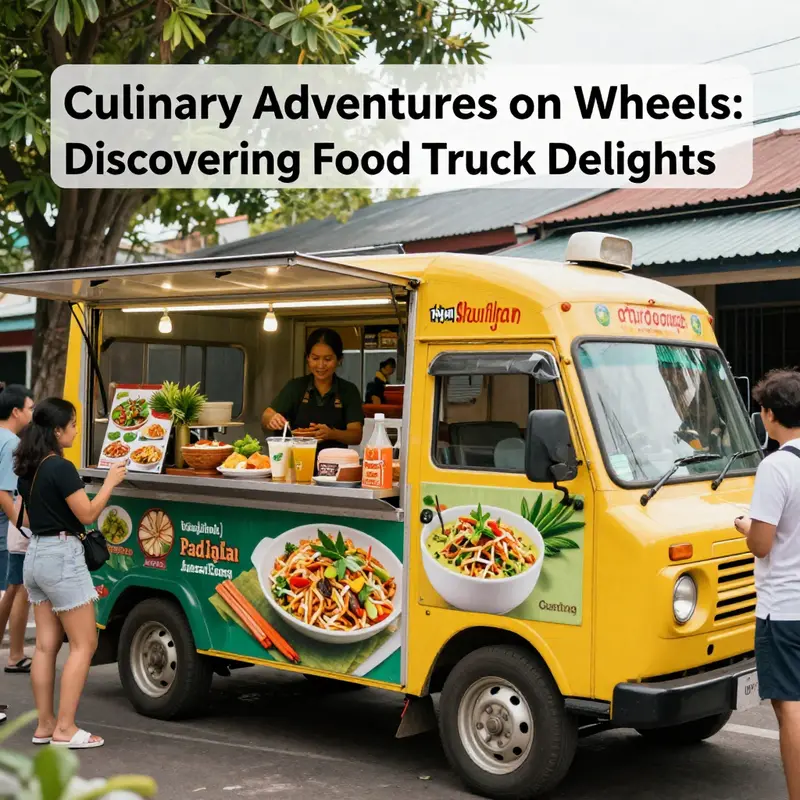
Thai cuisine has long claimed a prominent place in street food narratives, with the sizzling sounds of woks and the aroma of lemongrass drawing people into markets and alleys. When translated into the mobile kitchen, those flavors gain a different kind of velocity. Thai food trucks, as dynamic extensions of a venerable culinary tradition, have not only broadened what people eat on the go but also remade the way street dining is imagined, experienced, and valued. They operate at a unique intersection where time-honored techniques meet mobility, seasonality, and entrepreneurial risk. In this space, tradition remains a compass, but innovation becomes a daily practice—one that redefines accessibility, quality, and conversation around food in public places. The net effect is a street-food culture that feels both intimate and expansive, anchored in local markets and buoyed by global curiosity.
Perhaps the most visible impact of Thai food trucks is the enhancement of culinary diversity and creativity on sidewalks and at festival grounds. The allow-and-adapt ethos of a mobile kitchen invites cooks to experiment with hybrid concepts. Chefs who once stored ideas in the back room now test them where pedestrians mingle: a stir-fry base with an international twist, a spice profile that nods to regional Thai traditions while borrowing from other cuisines, or a dessert concept that finishes a meal with a playful, portable indulgence. These hybrid dishes are not mere gimmicks; they are calibrated extensions of Thai flavors—basil, chili, lime, coconut, galangal—reimagined through textures and formats that travelers recognize from home or seek out in their travels. The mobile format makes such experimentation practical and visible, a form of culinary storytelling that happens in real time as a queue forms and the flame crackles. This openness to hybridization helps Thai street food project a vibrant global relevance while preserving its rootedness in local ingredients and techniques. The effect is that passersby who arrive with familiarity for a certain flavor may discover new textures, while locals who have always valued authenticity are introduced to playful reinterpretations that respect provenance even as they welcome novelty.
The mobility of Thai food trucks also democratizes access to high-quality street food. Traditional street vendors may be tethered to fixed stalls or seasonal markets, but trucks can reposition themselves to follow foot traffic, business districts, campus clusters, and event venues. They can serve lunch in a busy financial district, late-night bites near a music venue, or after-work meals in a dense residential corridor. This flexibility lowers the barrier for aspiring chefs who lack permanent storefronts, enabling a broader community of cooks to enter the street-food economy. The result is a more inclusive landscape where a wider range of neighborhood-sourced ingredients, cooking methods, and cultural memories can be represented in a single city block. For diners, the experience becomes a compact culinary itinerary: a brief walk meets a familiar scent, a few bites of a known favorite, and a spark of curiosity about something newly encountered from a neighboring district or a different neighborhood background. The architecture of accessibility also means that tourists encounter Thai flavors in approachable formats—quick, flavorful, and affordable—without sacrificing the integrity of the dishes, which are crafted to be eaten with hands, skewers, spoons, or simple flatware on the move.
Another profound influence lies in consumer engagement and specialization. Thai food trucks frequently cultivate a clear identity in the crowded street-food ecosystem. Rather than offering a generic menu, many trucks emphasize a focused set of dishes that highlight signature techniques—wok mastery, curry balance, delicate handling of herbs, or the precise preparation of sauces and pastes. This emphasis allows operators to build trust with regular customers through consistency and visible craft. In practice, specialized trucks may rise to prominence by offering a narrow but deeply executed range of offerings—ranging from fragrant noodle bowls to crisp some version of a beloved street snack—while also embracing seasonal ingredients or regional Thai specialties. Even when branching into international fare, the emphasis remains on authentic flavor foundations and transparent preparation methods. Here, the street becomes a live classroom where chefs explain ingredients to curious onlookers, exchange cooking tips with fellow vendors, and invite guests to taste, ask questions, and form a connection beyond a simple transaction. The social dimension of street dining strengthens communal ties and broadens the audience for Thai cuisine, turning a curbside stop into a forum for cultural exchange.
In this evolving milieu, trust and food safety have become pivotal concerns, especially in a post-pandemic era that heightened public attention to hygiene and transparent operations. Thai food trucks often respond to this demand with visible practices that reassure customers while maintaining the spontaneity of street service. Cleanliness is demonstrated through orderly prep spaces, clear labeling, and consistent cooking temperatures, while staff communicate ingredient sources and allergen information in straightforward terms. The compact scale of these operations can actually facilitate better oversight; less space does not automatically mean less control. On the contrary, the tight workflow makes it easier for a truck crew to implement standardized checks, train new workers quickly, and keep a steady rhythm from morning shifts to late-night crowds. This focus on safety and reliability helps convert casual passersby into returning patrons and, crucially, into ambassadors who vouch for the quality of Thai street food as a trustworthy, accessible option.
Beyond safety, Thai food trucks contribute to a broader understanding of culinary identity as something that travels well and travels far. The mobility of street food mirrors the movement of people, ideas, and tastes. In urban centers and tourism hubs, these trucks become cultural ambassadors, introducing residents and visitors to familiar textures reimagined in a new context. They invite conversations about the roots of certain ingredients, the stories behind specific preparations, and the ways in which a regional dish might evolve when translated into a fast-casual setting. This cultural exchange is not superficial; it is a dialog that respects tradition while inviting contemporary interpretation. The result is a street-food culture that is both anchored in Thai culinary history and porous enough to welcome a global audience. Such exchange supports a more nuanced public understanding of what Thai cuisine can be when it appears outside a fixed restaurant format, inviting people to consider how a single dish can carry multiple histories within a few bites.
In contemplating the broader implications, it is clear that Thai food trucks have helped shape a more resilient, resiliently creative street-food economy. They respond quickly to shifts in consumer preferences, culinary trends, and seasonal availability, all while maintaining quality standards that earn repeat visits. This resilience is not accidental. It rests on a convergent set of practices: disciplined mise en place in a mobile kitchen, attentive hospitality, and a menu strategy that keeps core flavors identifiable even as dishes update with the season. The result is a street-food experience that feels both intimate and expansive—an everyday ritual that remains inherently local while becoming part of a larger, evolving gastronomic conversation. As markets, festivals, and city centers continue to welcome mobile culinary teams, the Thai street-food narrative is likely to become even more layered, inventive, and influential. For practitioners and scholars alike, the ongoing evolution offers a living case study in how cuisine travels without losing its sense of place.
For readers seeking practical perspectives on how these mobile kitchens reach diverse neighborhoods and sustain their operations, the discussion benefits from a closer look at community-informed resources and industry perspectives. A useful entry point is theLos Chi La Do Truck blog, which collects insights about the realities of operating a food truck, including community engagement and menu development in varied urban spaces. See the loschifladostruck blog for context and examples that illuminate how mobility intersects with cultural exchange on a street corner, at a busy transit hub, or during a festival lineup. loschifladostruck blog
The chapter closes with a reminder that Thai street food is not a static archive of recipes but a living tradition that grows in the field. When translated into the street truck format, Thai cuisine becomes a flexible, expressive medium, capable of inviting strangers to share a meal and a moment. It demonstrates how flavor can travel with speed, how communities can be reached in efficient, personal encounters, and how a city’s street corners can become classrooms in which taste is both teacher and student. In this sense, the impact of Thai food trucks is not merely about the dishes they serve. It is about the social dynamics they nurture—the trust, curiosity, and collaboration that turn a curbside stop into a shared experience of discovery. The street-food culture they enrich is, at its best, an invitation to participate in a broader conversation about how food moves through space, how identity travels with a plate, and how mobility can be a catalyst for both economic opportunity and cultural exchange. External resources that explore these themes in greater depth include research on consumer trust in street food vendors in the post-pandemic era, which helps frame the broader social responsibilities that accompany rapid innovation in mobile dining. External reference: https://doi.org/10.1108/ijssp-09-2023-0220
From Supplì to Panzerotti: Italian Food Trucks Reimagining Street Classics
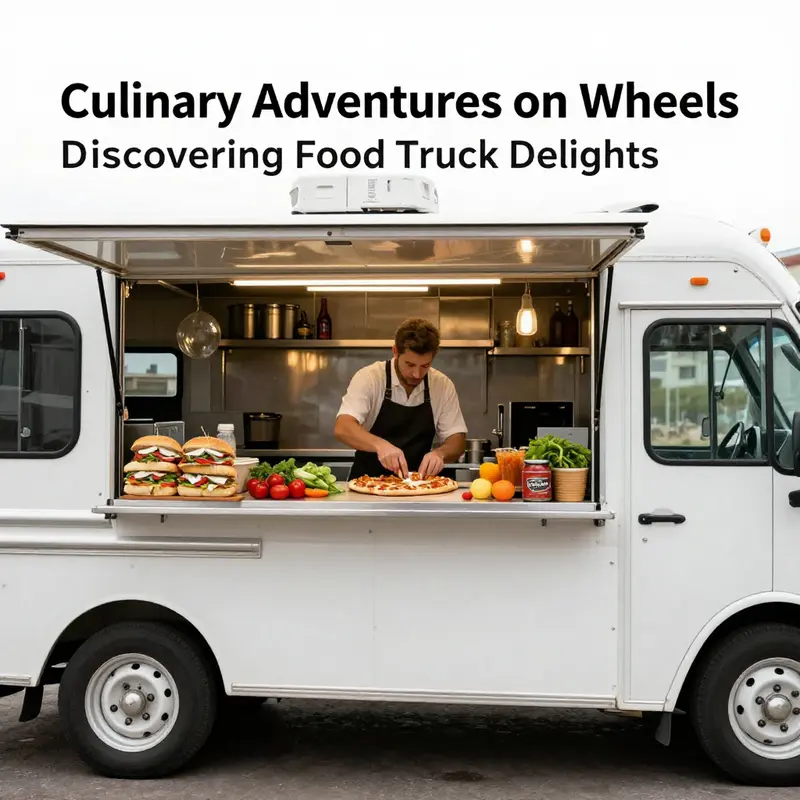
Italian food trucks have transformed street snacks into crafted experiences. They bring regional traditions onto wheels, mixing time-honored recipes with inventive twists. In Rome and Bari, mobile kitchens serve dishes that tell a story. Each bite evokes a place, season, or family kitchen. These trucks are not simply about convenience. They are moving showcases for technique, ingredient quality, and local identity.
In Rome, food truck tours offer a curated way to taste the city. Visitors go from stand to stand, sampling supplì, pizza al taglio, espresso, and artisanal sweets. Guides explain subtle rituals around eating these foods. For example, supplì are best enjoyed hot, so the filling flows and the crust crisps. Pizza al taglio is sold by weight, sliced to the diner’s appetite. These details deepen appreciation. They also reflect how Roman vendors have adapted traditional offerings for fast-paced, outdoor eating.
In the south, trucks in Bari celebrate panzerotti. These deep-fried turnovers often contain tomato and mozzarella. Some vendors keep the filling simple and classic. Others elevate it with ricotta, cured meats, or seasonal herbs. A few add contemporary touches, like a drizzle of truffle oil or a scattering of chili flakes. The result is familiar and surprising at once. Street chefs respect the anchored flavors while experimenting with texture and aroma.
Beyond a few signature items, Italian food trucks show a wide culinary imagination. In Milan and Turin, for example, cooks have revived the crunchy, fried pizza. Toppings range from arugula and prosciutto to figs and pine nuts. Trucks serve these with a focus on balance. They consider acidity, fat, and freshness in every combination. Elsewhere, vendors offer gourmet sandwiches and burgers that highlight regional cheeses and cured meats. Even classic sides get the artisan treatment. Fries might be tossed in truffle oil and grated cheese. Croquettes are stuffed with melting cheeses.
Quality is the defining trait of Italian trucks. Operators often source ingredients from trusted local producers. Fresh mozzarella, seasonal vegetables, and cold-pressed olive oil appear on menus regularly. Smaller, focused menus help maintain consistency. A truck specializing in supplì will perfect its rice, sauce, and frying technique. A panzerotti truck will refine dough hydration and frying temperature. This discipline turns quick meals into the kind of food people remember.
Presentation also receives attention. Italian trucks package food to honor both form and function. Many serve items in recyclable boxes or paper wraps. They arrange toppings so colors pop. Some use small wooden boards that make a sandwich feel gourmet. Others include tasting notes on chalkboard menus. These touches turn street bites into a sensory experience. They also make the food attractive on social platforms, which helps trucks reach a wider audience.
Service style marries speed with hospitality. Vendors manage quick lines while explaining menu highlights. A knowledgeable server can recommend a pairing, or suggest how to eat a dish for maximum enjoyment. This human element replicates the warmth of a neighborhood trattoria. It also differentiates trucks from generic fast food.
Seasonality shapes menus. Spring vegetables appear in light salads and atop pizzas. Summer brings chilled pasta salads and fruity gelatos. Autumn menus highlight mushrooms and cured meats. Winter favors braised meats and warm, fried snacks. Food trucks adapt swiftly to seasonal supply. Their mobile model reduces overhead for experimenting, making them ideal incubators for limited-time dishes. This flexibility encourages culinary creativity and keeps regular customers intrigued.
Design and kitchen layout influence offerings, too. Efficient workflows mean trucks can deliver complex dishes rapidly. Chefs plan mise en place carefully. Ingredients are portioned for speed without sacrificing quality. Some mobile kitchens include small ovens or planchas. These allow for proper baking and searing. Others use compact fryers designed for consistent temperature control. The result is a reliable product, even during peak service.
Italian trucks also engage in cultural storytelling. Menus often include short notes about a dish’s origin. Servers share anecdotes about family recipes. This context enhances the meal. It connects a simple panzerotto to its city block, or a plate of fried pizza to an old neighborhood baker. Tourists and locals alike value these narratives. They transform quick consumption into a culturally rich experience.
Collaboration and pop-ups are common. Chefs from brick-and-mortar kitchens sometimes team up with mobile vendors. Festivals and markets provide stages for seasonal collaborations. These events showcase the truck’s versatility. They also let chefs test new recipes with low risk. Many innovations that start on trucks later appear in restaurants. The direction of influence often runs both ways.
The idea of a luxury mobile restaurant has also surfaced. Sleek, high-end concept trucks demonstrate what’s possible when design and cuisine meet. These prototypes offer made-to-order dishes with refined service. They hint at future models where mobility and dining quality converge. An upscale truck requires thoughtful branding, interior layout, and menu design. Those elements together make mobility an asset rather than a compromise.
Visual identity matters in this environment. A memorable exterior draws customers in crowded settings. Trucks that communicate their culinary story visually tend to build loyal followings. For operators seeking inspiration, resources on truck branding outline how graphics and identity shape perception. Consider exploring a guide on branding on wheels: the ultimate guide to food truck graphics and identity for practical tips and ideas. branding on wheels: the ultimate guide to food truck graphics and identity
Finally, Italian food trucks are community anchors. They appear at neighborhood squares, markets, and festivals. Many owners know their customers by name. They contribute to local economies by sourcing from nearby suppliers. They bring accessible versions of regional cuisine to new audiences. This fosters cultural exchange and culinary curiosity.
For anyone exploring Italian street food, a truck offers both comfort and discovery. Expect high-quality ingredients, clear culinary roots, and creative surprises in each bite. Whether you savor a classic panzerotto on a busy street in Bari or try a reinvented fried pizza in Milan, the experience blends tradition with modern craftsmanship.
For a curated taste of Rome’s food truck scene, guided tours provide context and choice. They connect travelers to authentic local flavors and dining customs in an informative, efficient way. https://www.getyourguide.com/italy-tours/food-truck-tours-in-rome-l4867/
Southern Comfort on Wheels: A Quick Tour of Mobile Home-Style Flavor
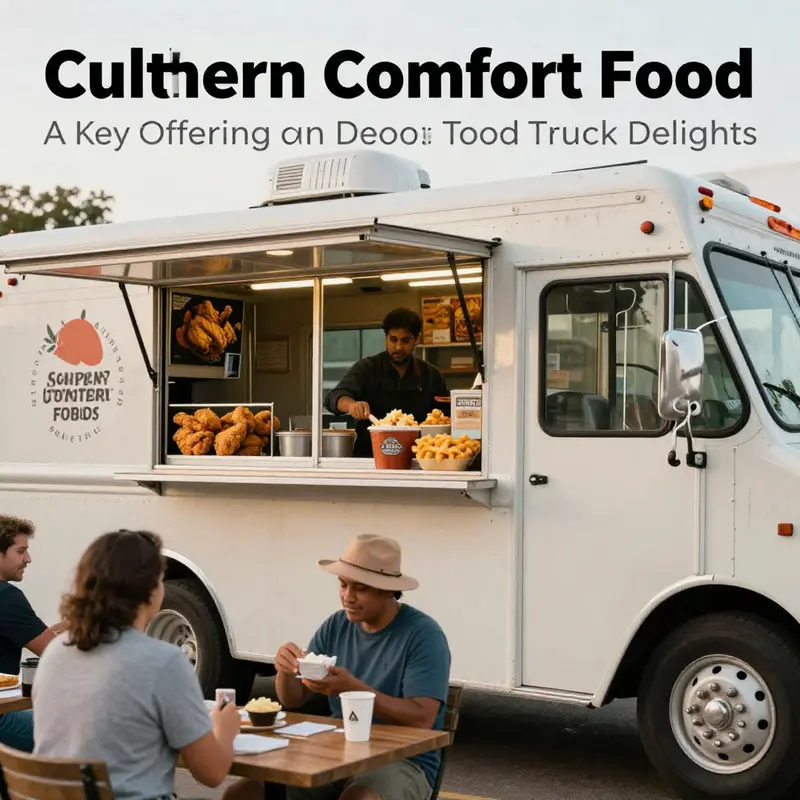
Southern comfort on wheels brings the nostalgic warmth of home cooking to busy streets. Fried chicken crackles, greens simmer slowly, and cornbread smells like Sunday dinners. In a mobile kitchen, these dishes travel well, print a map of memory on a plate, and invite passersby to slow down for a moment of hospitality. The magic lies in authenticity, speed, and adaptability: a truck must deliver soulful flavors quickly, while allowing customers to customize heat levels or sides. The result is a portable celebration of regional identity that travels with the truck and returns with satisfied smiles.
Operationally, a successful Southern menu balances core staples with efficient prep, smart sourcing, and friendly service. Clear signage, organized mise en place, and a handful of signature sides create a recognizable experience that feels both comforting and fresh. Whether parked at a campus quad, a downtown festival, or a neighborhood market, the food truck offers more than a meal—it offers a story, a sense of place, and a reminder that good food can travel far while staying true to its roots.
Healthy on Wheels: Redefining Nutritious Fast Food from Modern Food Trucks
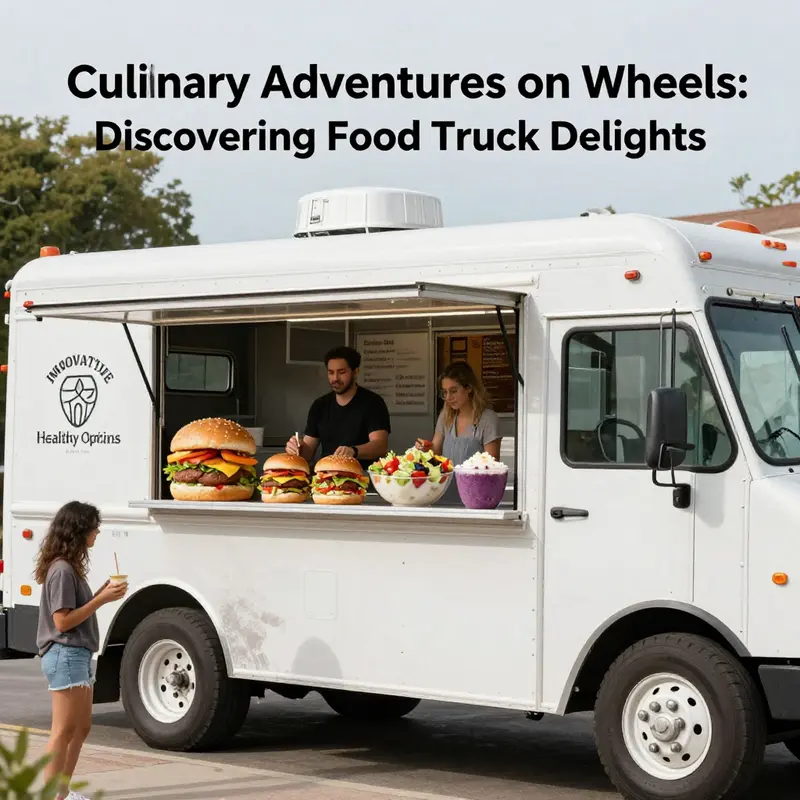
Food trucks have long carried a reputation for quick, bold flavors and indulgent treats. Yet today many operators are reframing what it means to eat well on the go. The mobile kitchen model, with its low overhead and mobility, provides a unique platform for nutrition-focused ideas to flourish. Chefs can react quickly to seasonal harvests, integrate local producers, and design meals that balance taste with nourishment. In this chapter, we trace how healthy options have moved from a niche corner to a core feature of many menus, and what that shift signals for the wider world of everyday eating. The heart of the transformation lies in agility. A truck can pivot with the weather, the farmers’ market schedule, or a nearby school calendar. When produce is at its peak, a menu can highlight that freshness without demanding long prep times. This means more vibrant salads, warm grain bowls, and plates that deliver protein and fiber in satisfying portions. The emphasis is not simply on cutting calories but on enriching plates with nutrient-dense ingredients. Locally sourced, organic produce becomes the backbone of many offerings, paired with sustainable proteins like legumes and pulses that provide plant-forward power without unnecessary waste. The result is meals that taste like comfort while supporting steady energy through the day. In practice, this rarely means a bland alternative to fast food; it means a thoughtful reconfiguration of flavors, textures, and preparation methods—grilling, roasting, and fast sautéing rather than deep-frying. A hallmark of this movement is customization. Customers are invited to build meals that align with their goals, whether that means higher protein, more fiber, or lighter portions. Bases like whole grains, leafy greens, or grain-free alternatives can accommodate gluten sensitivities and other dietary needs, while toppings range from roasted vegetables and legumes to herbs, seeds, and bright citrus dressings. Some trucks even offer meal stations on wheels where guests select bases, proteins, and toppings to assemble a nutrient-dense plate on the spot. This approach reduces waste, as portions are tuned to real appetite, and it fosters a sense of ownership for the diner. It also opens opportunities for dietary education, if the operator chooses to label components and explain how each choice contributes to daily macro- or micronutrient goals. Transparency is another driver of trust. Digital platforms allow for clear labeling of calories, allergens, and macro-nutrient information. For health-conscious patrons, seeing a concise breakdown alongside a vivid image of the dish makes the decision easier and more satisfying. It is not simply about counting calories; it is about understanding the nutritional trade-offs between a protein-rich bowl, a starchy base, and a colorful array of vegetables. In this environment, delicious flavor and nutrition are not at odds; they reinforce each other through intentional combinations—something as simple as citrusy herbs brightening roasted vegetables or a subtle spice rub enhancing lean proteins without added fats. The demand for nutritionally balanced, convenient meals has clear public health implications. In cities and towns where fresh produce is scarce in certain neighborhoods, mobile kitchens can extend a lifeline by bringing vibrant options near schools, workplaces, and community centers. A truck parked at a transit hub, a campus quad, or a housing complex can offer dependable access to nourishing meals during peak hours. When these offerings become routine rather than novelty, they contribute to more stable dietary patterns for communities that might otherwise rely on cheaper, less healthy options. As researchers highlight, food trucks can serve as practical conduits for healthier eating at scale, complementing fixed eateries rather than competing with them. The potential is not only culinary but systemic, supporting small producers, reducing food waste, and encouraging sustainable sourcing. From a business perspective, the healthy trend is compatible with the lean, flexible model that defines food trucks. Because overhead remains relatively modest, operators can experiment with seasonal menus and pilot new concepts without a heavy fixed cost. Seasonal vegetables, regional grains, and local legumes provide the means to rotate offerings while maintaining consistency in quality. This flexibility is essential for the long run, especially as consumer tastes shift toward plant-forward meals and ethical sourcing. Some operators even navigate the supply chain with direct relationships to farmers and co-ops, ensuring freshness while reinforcing community ties. The culinary challenge then becomes how to preserve flavor when lighter cooking methods take the place of fried favorites. The answer lies in technique and balance: smoky roasting, bright citrus, fresh herbs, and careful oil control to extract maximum flavor from wholesome ingredients. Flavor remains the ultimate judge. Healthiness cannot stand alone if a dish feels like a concession. Fortunately, many modern trucks prove it is possible to deliver deeply satisfying plates that feel indulgent without tipping the scale toward excessive calories. Crunch from seeds and nuts, freshness from raw or lightly treated vegetables, and the vivid contrast of warm grains with crisp toppings create a multi-sensory experience. The texture play matters as much as the nutrient counts. In some menus, chefs pair tangy vinaigrettes with roasted vegetables, or nest a high-protein legume base with a bright, zesty herb sauce. In others, a grain bowl becomes a canvas for a spectrum of flavors drawn from regional traditions, lightly adapted to modern nutrition standards. The result is not simply a health food rebrand; it is a convincing narration of how tradition, craft, and science converge in a mobile kitchen. A subtle but important dimension of this evolution is the concept of customizable, station-based formats. The idea is not to overwhelm customers with a buffet of options but to give them clear pathways to assemble a plate that aligns with their needs. A steady drumbeat of choices—bases, proteins, vegetables, dressings—helps people understand portion control and nutrient balance without sacrificing the pleasure of choosing what to eat. When a truck offers this approach, it invites a dialogue about appetite, energy, and wellness that restaurants have sometimes struggled to maintain in a speed-driven environment. The speed remains, but the purpose shifts toward nourishment as a primary aim rather than mere speed. In this sense, the mobile kitchen becomes a kind of partner in daily health, a small step toward empowering people to think about what they eat in practical, doable ways. Linking back to business architecture, many operators who chart a path toward healthy options also consider the structural decisions that will support long-term resilience. For some, that planning begins with choosing the right food truck model, a choice that can influence everything from kitchen layout to cooking workflow and customer interaction. Choosing the Right Food Truck Model is more than about size or aesthetic; it frames how a menu can adapt to a health-forward concept, how equipment supports energy-efficient cooking, and how an operator can scale as demand grows. A thoughtful model supports consistent quality across high-traffic events and quiet weekdays, ensuring that health-conscious offerings remain dependable even as business cycles shift. Looking ahead, technology will continue to elevate this space. Real-time ordering, contactless payment, and accessible allergen information are not merely convenience features. They are integral tools that help people navigate choices under time pressure. In a well-designed truck, a customer can decide on a protein source, a grain or greens base, and a toppings lineup within minutes, guided by clear labeling and friendly staff who can tailor portions to individual needs. Even packaging is part of the equation. Sustainable, compostable containers align with the values of both health and environmental stewardship. As the industry mature, these operational choices become sources of differentiation, not merely cost-saving measures. A truck that can deliver a nutritious, well-balanced meal quickly while keeping waste low and packaging sustainable earns trust and repeat visits. The external landscape will continue to shape this movement as well. A 2026 study in Current Developments in Nutrition highlights how mobile meals can extend access to nutritious options in underserved communities and how trucks can partner with schools and workplaces to support healthier eating patterns at scale. That research aligns with what many operators are observing in practice: health-focused offerings thrive in places where people need quick, reliable nourishment, especially when the meals deliver both flavor and value. For readers who want to dig deeper into the science behind these trends, the study provides a rigorous look at how on-the-go options can contribute to public health goals while maintaining culinary appeal. https://academic.oup.com/cdn/article/10/2/100000/7458399. As the conversation about food and health evolves, the food truck becomes less a stereotype of indulgence and more a case study in practical nourishment. It shows that speed and nutrition do not have to be at odds, and that a small kitchen on wheels can champion seasonality, sustainability, and equity. The next chapter explores how these vehicles interact with urban planning, festivals, and the daily rhythms of work and play, revealing the broader ways in which mobile cuisine shapes cultural life. Co-operation with local farms, educational workshops at community centers, and partnerships with health clinics can extend reach, while collaborations with schools to provide balanced cafeteria alternatives help normalize healthier choices in day-to-day routines. In festivals and street fairs, the healthy option becomes a natural counterpoint to indulgence, broadening audiences and inviting curious tasters to reconsider what “fast food” can mean. Training for staff on portion control, allergen management, and friendly service remains essential, ensuring that the health-forward concept is accessible to all patrons. Looking ahead, more micro-operations near transit lines and in busy urban corridors could anchor predictable, health-oriented dining spots in cities that never sleep. The potential is not only culinary but civic, linking taste with nourishment, community resilience, and informed choices. For further insights into the science behind these trends and the public health implications, see the study linked here: https://academic.oup.com/cdn/article/10/2/100000/7458399
Final thoughts
Food trucks have become a culinary staple, showcasing an eclectic mix of flavors that celebrate cultural heritage while catering to modern tastes. Each chapter of this journey highlights the unique offerings from these mobile kitchens—from the vibrant spices of Mexican dishes to the comforting warmth of Southern specialties and the health-conscious innovations that delight food lovers. By embracing the versatility of food trucks, event planners, corporate teams, and individual consumers can elevate their meals and create memorable experiences that are full of flavor and joy. So, wherever you find a food truck, dive into the adventure of tastes waiting to be discovered!