

Owning a food truck can feel like living the dream. Picture whipping up delicious meals while cruising through the city, serving satisfied customers who keep coming back for more. Yet, beneath the excitement lies a complex web of financial responsibilities that can catch many first-time truck owners off guard. Many new entrepreneurs dive headfirst into this venture, only to find themselves scrambling to cover both expected and unexpected costs.
Understanding ‘First-Time Truck Owner Finances’ is crucial to not just survive, but truly thrive in this competitive market. From daily operational expenses to the unpredictable costs of maintenance and repairs, the financial landscape can feel daunting. However, with proper planning and budgeting, it’s possible to navigate these waters smoothly, allowing you to focus on what you love most—creating tasty dishes and building a loyal customer base.
Let’s explore how managing your finances effectively will help you turn your food truck dream into a thriving reality!
- Purchasing the Food Truck: This is typically the most significant investment. The cost can vary widely based on the condition, size, and equipment already installed in the truck. Expect to pay anywhere from $20,000 for a used truck to over $100,000 for a customized one.
- Kitchen Equipment: Outfitting your food truck with necessary equipment such as grills, fryers, refrigerators, and sinks is essential for food preparation and service. The cost for quality kitchen equipment can range from $10,000 to $50,000 based on your menu and specific needs.
- Permits and Licenses: Obtaining all required permits and licenses is crucial to operate legally. Costs vary by city and can range from a few hundred to several thousand dollars, depending on local regulations.
- Insurance: Proper insurance protects your investment in case of accidents or liability claims. Expect to pay about $1,000 to $3,000 annually, depending on factors like the size of your operation and coverage level.
- Initial Inventory: Before opening, you need to stock up on food and supplies to start operations. Depending on your menu, this can cost between $500 and $2,000.
- Marketing and Branding: Often overlooked, investing in marketing materials and branding (like truck wraps and business cards) is vital for attracting customers. A budget of $1,000 to $5,000 can help establish your presence in the market.
- Point of Sale (POS) System: A reliable POS system is essential for managing sales transactions efficiently. The upfront cost for a good system ranges from $500 to $1,500.
- Miscellaneous Costs: Don’t forget to budget for other initial expenses such as uniforms, cleaning supplies, or small repairs that you might need to tackle before your grand opening. Set aside an additional $1,000 to $2,000 for these unexpected costs.
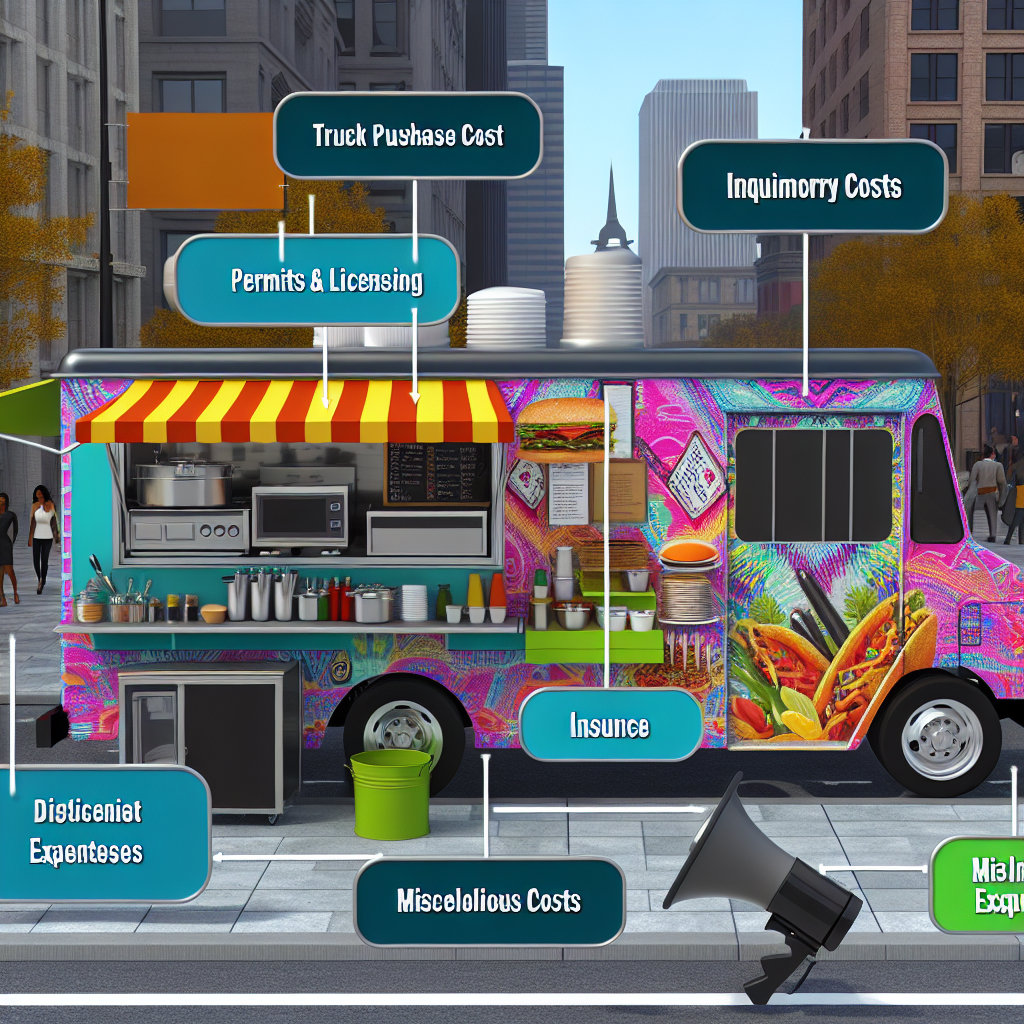
Budgeting is a cornerstone of success for food truck entrepreneurs as it enables them to manage both predictable and unpredictable expenses effectively. Regular expenses for running a food truck include food supplies, labor, permits, and maintenance. Industry experts recommend that food supplies account for 25 to 35 percent of revenue, while labor should be managed within 20 to 30 percent (Truck Tasting). Consequently, establishing a thorough budgeting process will help avoid any unpleasant surprises when it comes to finances.
Trends in Food Truck Insurance Costs
As a first-time food truck owner, understanding the cost of insurance is vital for financial planning. As of 2025, the average costs associated with food truck insurance are as follows:
- General Liability Insurance: Approximately $1,693 annually.
- Workers’ Compensation: Roughly $548 per year.
- Professional Liability Insurance: About $708 annually.
- Business Owner’s Policy (BOP): Approximately $2,485 per year.
When combined, a comprehensive insurance package for food trucks may lead to total annual costs around $3,741.
Key Factors Affecting Insurance Premiums
- Location: Urban areas with higher traffic and crime rates typically have increased premiums due to higher associated risks.
- Type of Coverage: The specific insurance coverage selected (liability, property damage, etc.) directly influences costs.
- Value of Equipment: The higher the value of the truck and its equipment, the more coverage that is needed, resulting in higher premiums.
- Driving Record: A favorable driving history can lead to lower premiums, while violations may increase costs.
- Operational Frequency: Operating the truck frequently and covering long distances increases exposure to potential incidents, which affects premiums.
- Claims History: Past claims can result in higher premiums, while a clean claims record can help lower them.
- Safety Measures: Implementing preventive safety protocols (e.g., fire suppression systems) can help reduce premiums.
- Business Size and Experience: Operators with more experience and fewer employees may find better insurance rates.
Emerging Trends
- Rising Premiums: Insurance industry experts predict that commercial transportation premiums will be on the rise in 2025, with auto liability insurance potentially increasing by 10 to 20 percent.
- Impact of Climate Change: Climate change is increasingly influencing insurance costs, with average premiums for home insurance in the U.S. rising at rates faster than inflation.
For first-time food truck owners, awareness of these factors and trends is essential for effective budgeting and selection of insurance coverage tailored to their specific needs.
| Cost Category | Estimated Costs | Regional Variations |
|---|---|---|
| Maintenance | $500 – $1,500 annually | Higher costs in urban areas due to more wear and tear |
| Fuel | $2,000 – $5,000 annually | Price varies significantly by region and fuel type |
| Insurance | $1,000 – $3,000 annually | Urban areas might face higher premiums |
| Licenses and Permits | $300 – $1,500 annually | Costs vary based on local regulations |
| Food Supplies | $5,000 – $15,000 annually | Seasonal price fluctuations affecting rural vs urban |
| Employee Wages | $20,000 – $40,000 annually per employee | Varies widely based on local wage standards |
| Miscellaneous Expenses | $1,000 – $3,000 annually | Expenses can fluctuate depending on operational needs |
Maintenance and Repairs
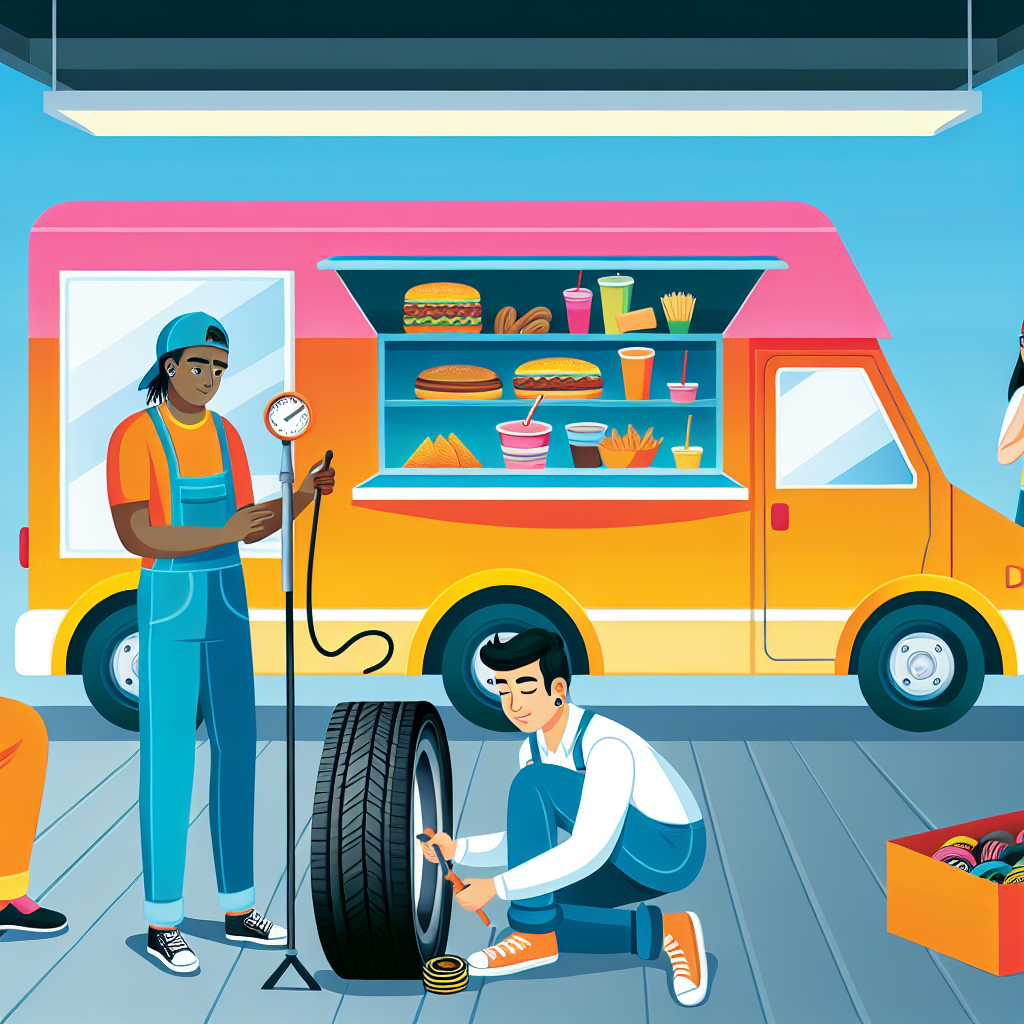
Routine maintenance is the cornerstone of successful food truck operations. It’s an essential strategy that helps avoid bigger, costlier repairs in the future. As the saying goes, “Routine maintenance helps avoid bigger, costlier repairs in the future.” Regular maintenance ensures your food truck remains safe, reliable, and cost-effective, allowing you to focus on serving delicious food rather than dealing with unexpected breakdowns.
To maintain your food truck’s efficiency and durability, follow a structured maintenance schedule. Here’s a breakdown of key maintenance tasks to consider:
Daily Maintenance Tasks
- Inspect Cooking Equipment: Check for leaks and residue to prevent safety hazards.
- Ventilation Systems: Ensure hoods and ventilation systems are clean to maintain air quality.
- Fire Suppression Systems: Confirm that these essential safety systems are functioning correctly.
- Water and Waste Tanks: Regularly check levels and conditions to avoid leaks.
- Sanitize Surfaces: Clean food preparation surfaces to uphold hygiene standards.
- Tire Inspection: Check tire pressure and inspect for signs of wear or damage.
Weekly Maintenance Tasks
- Fluid Levels: Top off engine oil, transmission fluid, and coolant as needed.
- Deep Clean Equipment: Thoroughly clean fryers and grills to prevent grease buildup.
- Inspect Belts and Hoses: Look for signs of wear or leaks in belts and hoses.
- Battery and Generator: Test to ensure proper charging and operation.
- Tire Rotation: Rotate tires to promote even wear and extend their lifespan.
Monthly Maintenance Tasks
- Oil and Filter Change: This helps maintain engine health.
- Fire Extinguishers: Regularly test to ensure they are charged and functional.
- Lubricate Moving Parts: Apply lubrication to prevent rust and wear.
Seasonal Maintenance Tips
- Prepare for Winter by insulating water lines and checking tire traction.
- In Spring, clean air conditioning units and recharge systems.
- Summer Preparations involve checking refrigeration and fire systems due to higher operational temperatures.
- In Fall, inspect seals and prepare for colder weather conditions.
By adhering to these maintenance tips, food truck owners can significantly reduce the likelihood of breakdowns and ensure compliance with food safety standards. Each scheduled check not only prolongs the lifespan of the truck and its components but also enhances the overall quality of service provided to customers. Staying proactive about maintenance builds reliability, giving you peace of mind while you operate your food truck on the road.
Conclusion: Empowering Your Journey to Financial Stability
Navigating the landscape of food truck ownership requires keen financial strategies and thorough preparation. In this article, we’ve highlighted critical elements essential for first-time truck owners looking to build financial stability.
Understanding your initial and ongoing costs forms the bedrock of sound financial planning. From purchasing the truck and outfitting it with necessary kitchen equipment to factoring in permits, insurance, and marketing, every detail plays a significant role in your budget. Hence, accurately itemizing all potential expenses will shield you against unexpected financial burdens.
Budgeting is paramount in maintaining control over your finances. As noted, establishing a comprehensive budget to track both predictable and unpredictable costs is vital. Setting aside designated percentages for maintenance, emergency funds, and growth opportunities can provide the flexibility needed to thrive in the dynamic food truck industry. Grant Davis’s insight echoes this—“Budgeting for both predictable and unpredictable expenses ensures that owning a truck remains practical and enjoyable.”
Moreover, routine maintenance is not just a chore; it is an investment in the longevity and efficiency of your food truck. Regular inspections and upkeep prevent costly repairs down the line, allowing you to keep your focus on delighting your customers.
In conclusion, the journey to financial stability as a first-time food truck owner requires a proactive approach to preparation and strategic planning. Remember the lessons shared in this article: budget conscientiously, anticipate expenses, and stay on top of maintenance. As you implement these strategies, you’ll empower yourself to succeed and enjoy the fulfilling experience of running your own food truck.
User Adoption Trends in the Food Truck Industry
The food truck industry is thriving, with the U.S. market projected to achieve approximately $2.8 billion in revenue by 2025, growing at a compound annual growth rate (CAGR) of 13.2%. Notably, there are over 92,000 food trucks in operation in the U.S., showcasing a 16.9% increase in the last year. Consumer preferences further underline this trend, as about 80% are willing to pay more for gourmet offerings while indicating a strong demand for convenience.
This sector is also characterized by a younger customer demographic, with 43% aged between 25 to 44 years. With average annual revenues of around $346,000 per food truck, and lower startup costs than traditional restaurants, the food truck industry presents accessible and viable opportunities for aspiring entrepreneurs.