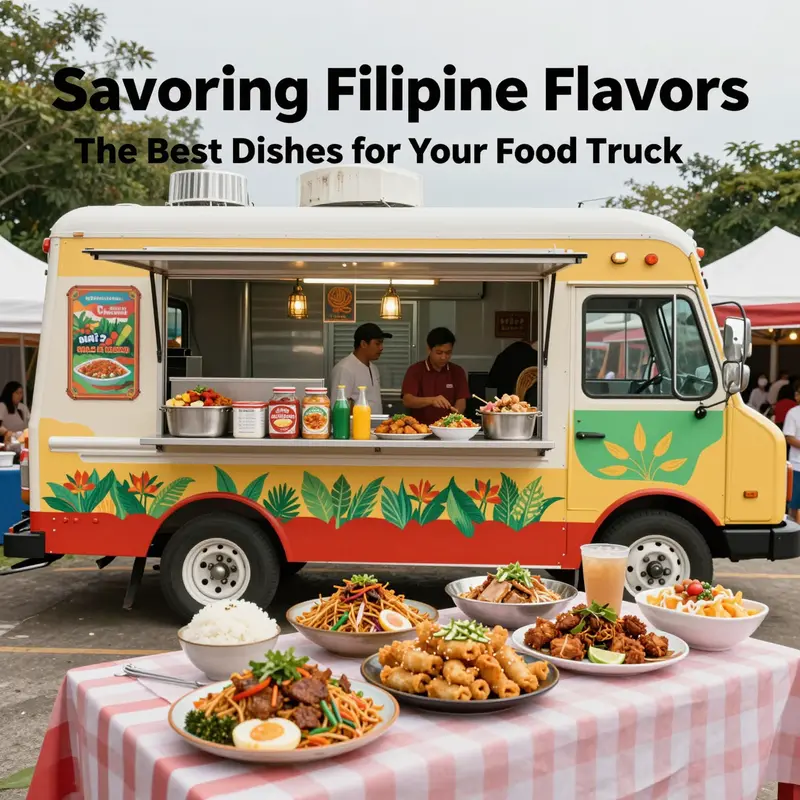
Filipino cuisine boasts a vibrant tapestry of flavors that perfectly suit the mobile dining experience. With food trucks on the rise, event planners, corporate teams, and food enthusiasts alike are searching for unique, authentic culinary options. Feature hearty, portable dishes that encapsulate the rich traditions of the Philippines while appealing to the modern palate. In this exploration, we’ll spotlight four standout offerings: deliciously smoky adobo skewers, rejuvenating kebabs with pinakbet sauce, innovative tocino pizza, and the comforting kare-kare served in portable pots. Together, these dishes reveal the full potential of Filipino street food and how they can delight every guest at any event.
Adobo on a Stick: Crafting Bold Skewers for a Filipino Food Truck
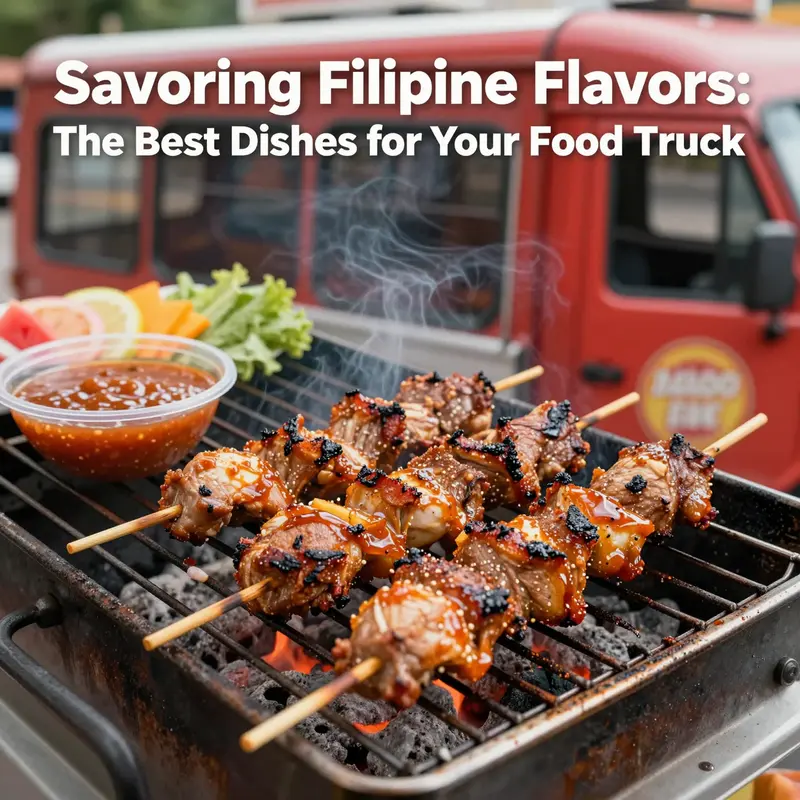
The sizzling promise of adobo on a stick sits at the intersection of memory and movement. Adobo is more than a recipe; it is a language spoken in vinegar, soy, garlic, and bay leaves. In a food truck context, that language must be translated into something portable, immediately recognizable, and capable of standing up to the bustle of a crowded corner or a festival lineup. The shift from a simmered pot to a set of charcoal-fired skewers does not dilute the soul of adobo. It distills it into a concentrated, handheld experience that travelers can savor in a few bites and share on social feeds with a good crunch of char and a bright wink of tang. The result is not merely a dish added to a menu; it is a signal that the Filipino kitchen can travel well, even thrive, when the form is reimagined with care and craft.
At the heart of the concept lies the marinade, which seeds flavor into every slice of meat long before the flame. In traditional adobo, meat is bathed in a balance of acidity, salt, and aromatics. For skewers, the same balance is carried forward with adjustments to texture and surface. The meat—usually chicken or pork—takes a robust bath in a marinade that blends a vinegar with a soy-based component, crushed garlic, crushed pepper, and bay leaves. The choice of vinegar matters as much as the choice of meat. A fragrant, tangy coconut vinegar can provide a gentle sweetness that complements the natural porkiness or chicken savoriness, while cane vinegar offers a sharper bite that cuts through fat and fatiguing heat on a grill. The soy component, whether light or fortified, anchors the marinade with a savory depth that becomes a smoky lure once the skewers kiss the flame. This is not a mere sauce; it is a mechanism for heat to carry flavor into every fiber of the meat.
Marination time is a deliberate constraint, not an afterthought. In practice, a minimum of two hours allows surface flavors to set and some interior penetration to occur. Overnight marination is ideal for consistency and maximum flavor intensity, particularly when the truck schedule calls for back-to-back service windows. In a mobile setup, the marinade needs to remain stable under refrigeration and able to cling to meat once skewered. The skewering itself is a small but critical rite. Evenly sized chunks ensure uniform cooking, and the act of threading must balance tightness with enough space to permit heat circulation. A few inches of space between pieces prevents crowding that can trap moisture and lead to uneven char. The skewers, often metal or sturdy bamboo, must withstand quick handling, flipping, and occasional garnishing without bending or splintering. Maintenance of the skewers becomes a ritual—clean, sanitize, and re-oil or glaze as needed so that each pass over the flame yields a consistent, glossy lacquer rather than a dull, dry surface.
The grill stage is where the dish reveals its dual personality: the adobo’s deep, almost contemplative sauce complexity and the quick, almost theatrical, exterior crackle of a well-seared surface. Grilling over charcoal or controlled gas flames yields a smoky char that intensifies aroma while adding a subtle bitterness that echoes the dish’s savory-sour roots. A light glaze during grilling can help the meat accumulate a lacquer of flavor without caramelizing too aggressively, which could cloy the bite or mask the salt and vinegar balance. The final texture should be juicy yet with a crisp outer layer—a contrast that makes the eating experience memorable in fewer than ten bites. A well-executed grill turn is not just a flip; it is a moment to invite smoke into the interior, letting the interior stay tender while the exterior gains a crisp, slightly caramelized surface.
From there, the serving concept must sustain the consumer’s appetite for a complete, on-the-go meal. A trio of tasty options can anchor a skewers lineup without overwhelming the palate. The most straightforward path is to pair the skewers with a simple side like garlic fried rice, or sinangag, which is familiar to Filipino diners and functions as a neutral bed that absorbs flavors without competing with the meat. A small cup of dipping sauce—bagoong, a fermented condiment that supplies a briny backbone, or a bright, snappy sawsawan made of vinegar, chilies, and a whisper of sugar—offers an adjustable heat and savory intensity. The goal is a balance: the crispness of the char, the softness of the rice, and the bracing zing of the dip all working in harmony to deliver a crowd-pleasing mouthful.
Equally important is the way customers experience the dish. In a food truck, visuals are a doorway. A plate or wrapper that reveals the skewers in bold, glossy slices invites curiosity and appetite. The portion size—typically three to four skewers per serving—fits the pace of street service and provides an avenue for tiered pricing. A $6 to $10 USD price range is appropriate when the skewers offer generous meat and a fresh, aromatic aroma that travels with the line. The beauty of this model lies in its adaptability: customers can order a single skewer as a snack or a fuller plate that includes garlic rice and a modest side. The flexibility supports walk-up traffic, impulse buys, and longer lineups alike, as people crave both a quick bite and a more substantial meal when they are hungry after a long day of errands or a night out.
Operationally, success hinges on a few lean, robust practices. First, the kitchen team must synchronize marination, stocking, and grilling so that the grill time remains predictable. In practice, batches are prepped in staged cycles to avoid a bottleneck at service. The quantity per batch should be calibrated against the truck’s peak service window, ensuring that each skewer is juicy but not overexposed to heat. Second, safety and hygiene cannot be an afterthought. Raw meat handling protocols, separate prep zones, and careful cross-contamination controls are essential in the tight space of a moving kitchen. Storage must be organized so that marinated meat remains below safe temperatures and that cooked skewers maintain their moisture and texture during holding periods. A clean, orderly workstation translates into consistent flavor and faster service, two qualities customers notice immediately.
The broader menu strategy can lean into the broader story of Filipino flavors without losing sight of portability. While adobo skewers form the anchor, a thoughtful operator can build complementary offerings that feel cohesive rather than cobbled together. A few add-ons—sides like garlic fried rice, a small portion of kwek-kwek, and a cooling cucumber salad—provide color, texture, and balance. The cucumber salad, lightly pickled or dressed with a simple vinaigrette, can offer a refreshing palate cleanser between bites and a crisp contrast to the velvet richness of the meat. The presence of a fried egg on the rice box, or a light drizzle of pan-fried onions, can heighten the sense of home-style comfort that many diners chase when they seek out Filipino flavors on the street. Importantly, the design should invite customization: some guests will crave extra heat, others will want a milder, more forgiving profile. The vendor’s ability to accommodate those preferences builds trust and repeat business.
As a street-food form, adobo skewers also have a social and narrative power. Smoke drifting from a grill is an invitation. The aroma carries a tale of family kitchens and regional accents, of late-night meals and weekend gatherings. A truck that leans into this storytelling—through its board, its staff, and its branding—turns a simple skewer into an artifact of culture that people want to photograph and share. This is not mere nostalgia; it is a live, evolving marketplace of taste where tradition informs technique, and technique elevates tradition to a shared, mobile experience. The food truck becomes a moving stage on which the audience experiences the sensory punch of adobo as they walk by, look up, and decide to line up for a bite.
To support this performance, operators should consider how to communicate the dish’s essence without lengthy explanations at the window. A concise description on the menu board that highlights the core elements—smoky adobo, juicy meat, and tangy dip—helps set expectations and invites curiosity. The visual can reinforce the story: a close-up shot of a skewer with char lines, a glossy glaze, and a wedge of lime or kalamansi on the side. The branding on the wrapping or the disposable plate can echo the adobo’s story through color, typography, and a succinct callout about the dish’s heritage. Social media can amplify this narrative by sharing short clips of the skewers being brushed with glaze, or by posting a time-lapse showing the moment of the sizzle meeting the flame. These are not mere promotional tactics; they are the live, reproducible moments that transform a street dish into a recognizable, repeatable experience.
From a product development standpoint, the adobo skewer benefits from disciplined sourcing and a resilient supply chain. The choice of meat—whether chicken thighs for juiciness or pork shoulder for depth—should be aligned with cost, availability, and consumer preference in the truck’s typical location. Marinade components must stay consistent, not only to protect taste but also to facilitate kitchen operations across day parts and weather conditions. Packaging should be designed for easy hand-off and clean consumption, which means sturdy wrappers or boxes, and dipping cups that minimize spillage during transit. In places with strict waste policies, the packaging’s environmental footprint should be considered from the outset. Reusable or compostable options can mitigate the environmental impact while aligning with a modern consumer’s expectations for responsibility.
The adobo skewers also invite a broader reflection on how Filipino cooking adapts to mobility without losing its essence. The core principles—rich umami, sweet-sour balance, and layered textures—translate well into a fast, mobile format. The adaptation reveals a larger truth about the cuisine itself: its versatility and generosity allow it to speak to diverse audiences while preserving a distinct identity. For operators, the challenge is to honor that identity while mastering the discipline of street service: speed without sacrificing flavor, clarity of concept without surrendering complexity, and a hospitality that is warm even through a window and a few minutes of queuing. The result can be a signature offering that becomes a touchstone for a neighborhood and a magnet for curious travelers seeking authentic experience in a compact, portable form.
For those who want to explore more practical operations and industry perspectives, practical tips for running and growing a mobile Filipino food concept can be found in related industry content. The LosChiflado’s Truck Blog offers insight into the realities of operating a food truck, from choosing the right layout to optimizing workflow and customer experience. https://loschifladostruck.com/blog/ is a useful starting point for practitioners looking to translate concepts like adobo skewers into repeatable, scalable practices. The depth of guidance on equipment, food safety, and market adaptation can help a new operator avoid common pitfalls while mapping a path toward sustainable profitability. External references for broader context and industry benchmarks underpin the practical wisdom with real-world observations, including detailed considerations about performance, specifications, and how to apply them in the field. External reference: https://www.philippinefoodcart.com/2026/02/28/adobo-skewers-food-truck-performance/
In sum, adobo-over-grilled chicken or pork skewers embody a culinary philosophy that travels well. They celebrate the Philippines’ signature flavors while embracing the constraints and opportunities of mobile dining. They reward attention to marination science and grill craft, and they invite guests to participate in a shared cultural moment through aroma, texture, and taste. They also reward procurement clarity, operational discipline, and an appetite for experimentation within a clearly defined concept. The dish does not merely fill stomachs; it tells a story in scent and bite, a story that travels as easily as the vehicle that carries it. If the aim is to craft a Filipino food truck that stands out in a crowded scene, adobo skewers offer a compelling blueprint: bold, portable, and deeply rooted in tradition, yet nimble enough to meet the demands of modern street cuisine.
Skewered Pinakbet: Crafting Pork or Chicken Kebabs with Pinakbet Sauce for a Street-Ready Filipino Food Truck
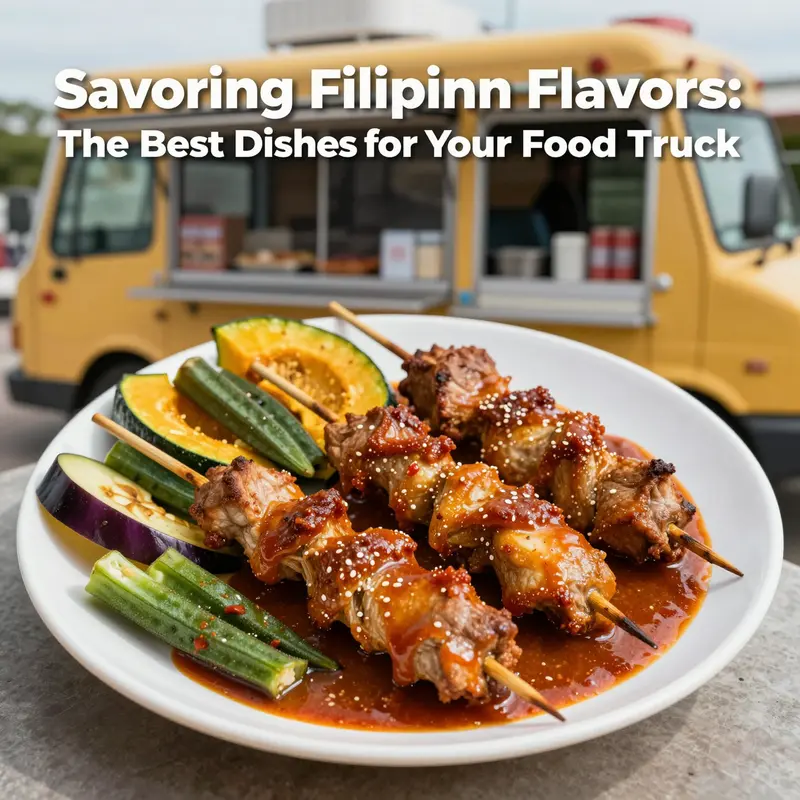
The appeal of Filipino street food in a food truck hinges on a few steady truths: portability, bold flavor, and a sense of familiarity that travels well. When you fold Pinakbet—the iconic vegetable stew known for its bright sour-savory backbone—into a skewer format, you get a dish that is at once rustic and refined. The idea of Pork or Chicken Kebabs with Pinakbet Sauce marries a caramelized, smoky bite with the complex, vegetable-driven brightness of Pinakbet. It is a dish designed for quick assembly, easy eating on the go, and a conversation spark between vendor and customer as the skewer catches the eye and the aroma invites the bite. The result is a handheld, crowd-friendly option that can carry a truck’s brand across neighborhoods, campuses, and night markets alike, without losing the depth that makes Filipino cooking beloved at home and on larger dining stages.
To understand why this concept works so well on a mobile platform, imagine the kebab’s meat—whether pork belly or chicken thigh—developing a crisp, caramelized crust from a hot grill. The heat creates an irresistible Maillard crust, adding texture that makes the bite feel substantial even when wrapped in a simple, sturdy skewer. Now pair that with a Pinakbet-inspired glaze or finishing sauce. Pinakbet’s bite comes from a carefully balanced clash of umami-rich fish sauce or soy, the sweetness of coconut or palm sugar, and the natural tang of ripe tomatoes and souring agents. When that sauce is warmed and lacquered onto the skewers, it clings just enough to stay put as the consumer lifts the stick, but remains bright and fresh enough to wake the palate with every bite. The sauce should not drown the meat; instead, it should amplify the meat’s savor while weaving in a chorus of vegetables that proves the dish is authentically Filipino.
The technical heart of this concept is translation—taking a traditional pot of Pinakbet and turning it into a serviceable, high-velocity finish for a handheld item. Pinakbet, in its classic form, features eggplant, bitter melon, okra, string beans, and tomatoes simmered in a savory broth enriched by garlic and onions, often with pork or shrimp. The flavor profile typically leans sour and savory, with a delicate sweetness that comes from caramelization and the vegetables’ natural sugars. For a food truck, you want that flavor to arrive in a concentrated form, one that can be quickly stirred or brushed onto the hot skewers. A sauce version works beautifully here. You might start with a base of garlic and onions sautéed until translucent, then build in diced tomatoes to recreate that tangy backbone. A splash of vinegar or a touch of calamansi juice can add the characteristic brightness, while a spoon of bagoong paste (if you choose to lean into authenticity) can deliver a punch of Pacific depth—though that final element should be adjusted to suit your audience’s tolerance for strong fish flavors.
In practice, the kebabs become a canvas. The meat is marinated briefly in a simple blend of vinegar, soy, garlic, and a hint of bay leaf or black pepper. A longer marination time yields deeper notes, but a 30 to 60 minute soak can be enough for a high-volume operation. While the skewers rest, you prep a Pinakbet-inspired sauce that catches the grill’s smoke and coats the meat with a glossy sheen. Dice eggplant and okra into chunky, grill-friendly pieces that can stay intact after a quick heat. Those vegetables are then simmered with tomatoes and a light vegetable stock, flavored with salt and perhaps a small amount of pork fat to tie the sauce to the meat. If you want to emphasize a vegetarian option later, you can offer a Pinakbet-vegetable glaze that mirrors the same sour-sweet complexity, using mushrooms or tofu as a protein swap. The goal is to retain the sauce’s identity across variations while ensuring every component remains portable, bar-friendly, and visually appealing.
A critical factor in a truck setting is moisture management and bite size. You want meat that takes a bite cleanly without sliding off the skewer, vegetables that stay crisp but not graphic in their chewiness, and a glaze that clings without becoming gluey. The skewer act itself is a show—tongs lift, the grill sings, and a brush of pinakbet glaze lands with a satisfying hiss. You want the glaze to caramelize just enough to present a glossy finish, while still leaving the vegetables’ shape recognizable. If the sauce is too thick, it will mask the vegetables’ character and sit heavily on the palate. If too thin, it will run and create a mess in the wrapper. The right balance brings the dish into elegant simplicity: a single, confident bite that reveals multiple layers of flavor with every chew.
From a logistical perspective, this dish scales well. You can prepare the tomato-onion base and Pinakbet-inspired sauce in a large, kettle-style pan, keeping portions ready for service in heat-retaining containers. The vegetables can be cut into consistent chunks for uniform cooking and consumption. You can grill the meat in batches, then finish with a brush of sauce just before it leaves the grill station. The sauce itself can be made in a batch that covers several hundred skewers, then kept warm in a bain-marine or dedicated service pot. The key is balance: you want enough sauce to coat the kebabs without flooding them, and you want the finish to be quick so you can keep lines moving during peak hours. If space allows, you can stage a small “finishing bar” where staff brush the glaze on the skewers live, producing a little theater for customers while reinforcing the dish’s authenticity.
The visual impact of this dish should not be underestimated. A skewer loaded with a piece of perfectly caramelized meat, a bright chunk of eggplant, a crisp green bean, and a glossy, reddish glaze catching the light—these are images that do well in social feeds and in person. You can accent the serving with a few crisp greens, a wedge of lime for a dab of citrus brightness, and a small cup of extra dipping sauce—perhaps a soy-lime dip or a mildly spicy vinegar if your audience prefers more heat. The container itself should be sturdy enough to support the skewers and optimized for portability. A simple, sealable carton or a compact foil tray with a lid can preserve warmth and keep the presentation intact as customers walk or ride to their next stop.
One of the advantages of anchoring the dish in Pinakbet is its built-in customizability. If you notice customers wanting more or less sourness, you can adjust the glaze’s acidity by adding a little more calamansi, vinegar, or a tangy tomato element. If they crave more heat, you can introduce a chili-laced variant of the glaze. If they want a lighter bite, you can reduce the sugar and rely more on the natural sharpness of the vegetables’ flavors. The vegetable mix itself invites improvisation. You can rotate in the freshest seasonal produce while preserving the dish’s essential texture and color palette. In this sense, the kebab becomes a platform for Filipino flavors, a mobile canvas that can reflect regional preferences and supply realities without losing its integrity.
In terms of branding and customer engagement, this dish offers immediate storytelling value. The skewers visually echo the way Pinakbet is prepared in family kitchens and local eateries, yet the handheld format makes it new and exciting for street-food crowds. A few talking points can be shared quickly at the point of sale: the meat’s simple, balanced marinade; the Pinakbet-inspired glaze that carries the dish’s brightness; and the choice of vegetables that give it color and texture. Because the glaze is a direct link to a traditional stew, customers feel they are tasting a culturally grounded dish rather than a generic meat on a stick. This combination of familiarity and novelty is a powerful driver for social media shares and repeat visits. And because the ingredients are versatile, you can pair this item with other truck staples—perhaps a tangy halo-halo-inspired dessert cup or a light, cucumber-lime beverage—to create a compact menu that travels well across events and neighborhoods.
From an operational standpoint, you should lean into consistency and speed. Pre-measure marinade components and sauce bases so cooks can reproduce a precise flavor profile across a dozen or more skewers at once. Train staff to brush on the sauce near the end of grilling to prevent burning yet ensure a glossy finish. Use uniform skewer sizes and meat portions to maintain cooking times that fit your service pace. Pre-portion vegetables and keep them ready for the grill so you do not slow down the station with last-minute chopping. Workflows should emphasize cleanliness, especially around the glaze station and the serving area. A simple mise en place—mise en place—can keep the line moving and preserve the dish’s quality from morning prep to night close.
If you want to deepen the concept beyond a single item, this kebab can be a anchor for a broader Pinakbet-forward line. For example, you might offer a Pinakbet sauce as a finishing glaze for other proteins, or a bowl that pairs the kebab with a bed of warm rice and a small ladle of the sauce, maintaining the same flavor signature while delivering a different eating experience. This approach helps minimize waste and expands your cross-utilization of ingredients, a prudent strategy for any truck operating on tight margins. It also provides an opportunity to educate customers about the dish’s roots and regional variations, which in turn fosters a more engaged community around your truck’s brand.
To close the circle, consider how this concept lives within your broader menu strategy. The kebabs can be the showpiece on weekends, the Pinakbet sauce a daily finish that ties multiple menu items together, and the vegetables—eggplant, okra, bitter melon, and green beans—a rotating chorus of color and texture drawn from the seasonal harvest. The dish’s value proposition rests on three pillars: fundamental Filipino flavors presented with modern attention to portability, the interplay of smoky meat and bright, sour-sweet glaze, and the adaptability that keeps a truck menu fresh across markets. If the objective is to create a dish that travels well, earns steady sales, and builds a recognizable identity for your truck, the Pork or Chicken Kebabs with Pinakbet Sauce stand as a compelling candidate. For readers seeking broader inspiration and practical tips on shaping a resilient food-truck business, this approach also invites exploration of the service model, pricing strategies, and branding execution that keep wheels turning in a competitive landscape. For more practical tips, you can explore the LosChifladostruck blog.](https://loschifladostruck.com/blog/)
External reference and culinary grounding come from well-regarded traditional preparations. The Pinakbet concept draws on established flavors and cooking techniques that emphasize layering and balance. Authentic sauces benefit from a clear, sourceable guideline rather than a vague approximation. The Pinakbet base described here mirrors the traditional combination of sour, savory, and umami notes that define the dish while translating it into a format suitable for street food and mass production. A reliable reference to the traditional vegetable stew, with a detailed recipe and variations, can be used to inform the sauce’s construction and scaling for service. For those who want to study the original tradition more closely, a detailed recipe and discussion of Pinakbet can be found in culinary resources such as The Spruce Eats, which offers a step-by-step approach to the vegetables and seasoning that underpin the sauce’s character. This fusion of home-style technique and professional execution creates a dish that honors Filipino roots while embracing the tempo and demands of a modern food truck.
Detailed reference for traditional Pinakbet flavor balance and variation can be found here: Pinakbet recipe on The Spruce Eats.
Tocino on the Roll: Crafting a Handheld Filipino Fusion Flatbread for the Mobile Table
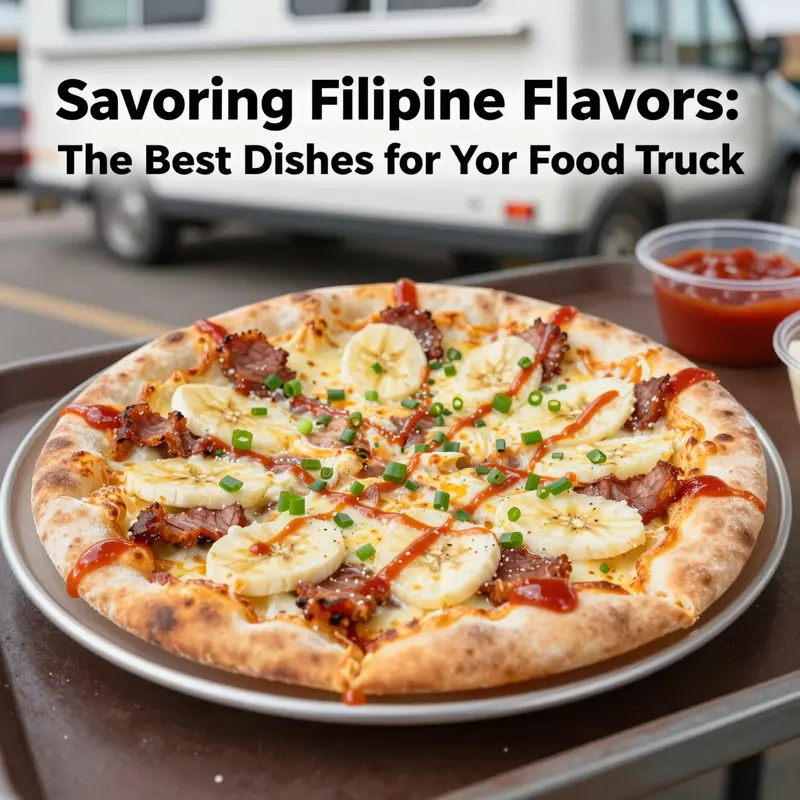
At its core, the Tocino-Infused Flatbread is a manifesto of balance. It leverages the pantry wisdom of traditional Filipino fare—the sweet-sour, the tangy, the smoky—to deliver a handheld meal that feels both complete and novel. The structure of the dish is simple enough to be prep-friendly for a mobile kitchen: a sturdy flatbread or rustic crust, a thin layer of aromatics or a light sauce to bridge the toppings, a generous layer of tocino that has been lightly caramelized, and a few complementary accents that lift and frame the meat rather than overwhelm it. The result is a pie-like slice that can be picked up, eaten in bite-sized folds, and enjoyed without a fork, napkin, or plate in sight. This is not merely about slapping meat on bread; it is about engineering a mouthful that travels well, textures that play off one another, and a finished appearance that invites photos and shares. In practice, the base can be a rustic focaccia or a thin, crisp flatbread. The aim is to produce a crust that is sturdy enough to hold toppings in a busy truck environment yet tender enough to yield to a bite. The baking process should tease out the tocino’s glaze—its sweet, smoky lacquer that clings to the surface and slowly caramelizes as the edges crisp. The dish thrives when there is a narrative thread: the caramelized tocino leads to a bright brightness from a kalamansi finish, punctuated by the creaminess of a cheese that melts into the sauce, and a crunchy counterpoint that makes every bite an event rather than a obligation.
The magic happens in the glaze and its interaction with heat. Tocino’s marinade, historically a combination of sweet and savory, becomes richer when it encounters the oven’s dry heat. The surface sugars caramelize, creating a lacquer that not only looks glossy but tastes dynamic—velvety and bright at once. A light tomato-based sauce, or even a kare-kare-inspired drizzle, can serve as an ultra-thin bridge between the toastiness of the crust and the gloss of the tocino glaze. The sauce should be restrained so it doesn’t water down the crisp edges or create a soggy bite; think of it as a whisper rather than a shout. A soft cheese—mild, creamy, and able to melt—offers a comforting counterpoint to the meat’s sweet-salty profile. If you want a sharper contrast, a tangy cheese or a tangy yogurt-based drizzle can sharpen the flavors while still staying within a cohesive Filipino flavor map.
The toppings deserve careful curation to preserve portability. Crispy onion strings or fried shallots add crunch without adding moisture that would sog the crust. Fresh herbs or a bright squeeze of lime or kalamansi can provide a citrus lift that keeps the dish from feeling heavy. A few shards of chicharrón, if used, should be crisp and light, offering a crackling texture rather than a chewy interruption. The choice of topping should always consider the handheld nature of the dish. Every element should remain discrete enough to stay on the bread during a hot ride but bold enough to sing when the customer takes the first bite. The result is a dish that is both comforting and exciting—a handheld export of a familiar flavor profile that invites curiosity and repeat orders.
From a production perspective, the Tocino-Infused Flatbread is a lesson in efficiency. The tocino can be pre-cooked in batches, then cooled and sliced to order. When a ticket comes in, a few slices get reheated briefly and crisped to draw out their lacquer of sweetness. The crust should be prepped with a light oiling or brushed with a subtle infusion of garlic oil to deepen aroma, then baked in a high-heat environment to achieve a blistered, golden surface that glistens with the tocino glaze. The sauce, if used, is kept in a separate, easily reachable station container so it can be added in controlled amounts to preserve texture and avoid sogginess. Cheese, if used, should be grated or sliced thinly so it melts quickly and evenly across the surface, creating an inviting, glossy finish that is visually appealing in a quick-service setting.
The piping-hot, grab-and-go format is complemented by thoughtful packaging. A compact, heat-wielding wrap or a recyclable sleeve can keep the flatbread warm without trapping steam that would degrade texture. The packaging should also carry the dish’s story—an element that makes customers pause and photograph the moment. In practice, the best packaging speaks with the dish itself: it carries color cues that echo the glossy tocino glaze, it protects the crust so the first bite remains crisp, and it offers a napkin-friendly experience for a messy, joyful mouthful. Social media love often answers to a dish’s photographic appeal as much as its taste. A well-lit, vividly plated slice on a board or a close shot of caramelized edges can travel across screens as quickly as the dish travels along the curb. In this sense, the dish becomes a visual anchor in a live-menu narrative. The goal is to craft a dish that is not only delicious but also highly shareable.
An essential driver of success for any handheld Filipino fusion item is how it sits within the broader menu. The Tocino-Infused Flatbread acts as both a bridge and a showpiece. It nods to tradition with tocino, while letting the delivery system—bread, cheese, bright acidity, and crisp textures—carry it into a modern street-food orbit. It also invites easy pairing with other dishes that share the same cultural roots and flavor psychology, such as a light, fresh salad to balance richness or a cold halo-halo-inspired dessert cup that offers a cooling finish after a spicy bite. The dish’s adaptability is a major strength in a mobile kitchen where space, energy, and time are precious. You can scale the toppings, adjust the cheese, or dial back sweetness to match the local palate and the day’s volume. The flexibility is a feature, not a bug—an invitation to customize and iterate in real-time based on what sells, what sells out first, and what patrons beg for again after their first bite.
From a branding perspective, the dish is an opportunity to tell a story about how Filipino flavors adapt to the global street-food scene. The visual language around the dish should echo warmth, generosity, and craft. Here, the branding on wheels becomes a practical ally. The concept benefits from a cohesive visual identity that communicates warmth and culinary pride through color and typography, reinforcing the idea that traditional flavors can travel with modern energy and a sense of play. The visual identity of a truck that presents Tocino-Infused Flatbread should be readily legible from a distance, with a color palette and typography that convey both comfort and excitement. The dish becomes a signature, a “why you stop here” moment that invites guests to line up for a first-half bite and then come back for a second round because the flavor has lingered in memory. To leverage this, a thoughtful social media strategy accompanies the launch—with behind-the-scenes shots of the marination process, close-ups of the glaze, and videos of the flatbread crackling as it comes out of the oven.
One practical edge of focusing on a handheld Filipino fusion item is the ease with which it can be introduced to new markets. In many places, people crave a taste of home but want it delivered in a new format. A Tocino-Infused Flatbread fits these conditions perfectly. It promises familiarity with a twist, comfort with novelty, and a ready-made story that travels well on social apps and in conversations. The joy of this dish lies in its clarity: you know what you’re eating, you know what it’s doing to your senses, and you know that it’s crafted to be eaten in public, on the go, with friends and followers watching. It aligns with the core principles of a successful Filipino food truck—bold, deeply seasoned flavors; discipline in portioning and cooking to ensure consistency; and a sense of shared ritual that makes customers feel connected to something both authentic and alive with new ideas.
To support readers who want to translate theory into practice, consider how the technique dovetails with broader culinary exploration. The Tocino-Infused Flatbread can be thought of as a gateway dish—accessible enough for curious locals yet exotic enough to lure tourists into tasting a little of the archipelago’s kitchen magic. It invites curiosity through its appearance, aroma, and bite. The technique is generalizable: marinate, pre-cook, glaze, assemble, bake, and serve hot. The concept can be paired with other handhelds that highlight regional staples presented in new forms—an invitation to build a menu that speaks of place, memory, and portability. If you are seeking a practical blueprint, start with a simple flatbread or small pizza base, a modest amount of tocino, and a minimal set of toppings that can be scaled to demand. Then, observe the flow of orders, the speed of cooks, and the feedback of customers; iterate on crust thickness, glaze intensity, and the balance of savory-sweet-acid to refine what the truck does best.
For chefs and operators who want to dip a toe into this approach without losing the core of Filipino flavor, the Tocino-Infused Flatbread is an appealing, deeply marketable option. It marries comfort with curiosity and spreads the aroma of home across the street, inviting people to pause, savor, and share. When done with care, it can become a flagship that anchors a broader, more adventurous menu while respecting the tradition that inspired it. And while this particular dish centers on tocino, the underlying philosophy—leveraging bold, portable flavors, crafting textures that reward bite-by-bite, and presenting with an unmistakable, sharable identity—applies to any number of other handhelds in a Filipino food truck repertoire.
For those who want to explore the technical side of dough and dough-adjacent techniques, a deeper dive into bread and glaze methods can be enlightening. An external resource offers a detailed look at dough hydration, moisture balance, and crust development that can be applied to flatbread or focaccia bases used in handhelds like this one. The techniques described there illuminate how to achieve a crust that remains crisp yet yields to the filling, a balance that is essential to the success of this concept. Tomato-Infused Focaccia Bread Recipe And Tips provides a relevant framework for thinking about moisture control, crumb structure, and aroma development that can be translated into a tocino-focused flatbread application. The emphasis on gloss, caramelization, and texture is precisely the kind of culinary craftsmanship that makes a food truck dish rise above standard fare.
To connect this idea to ongoing culinary storytelling, consider the branding and identity side that helps a dish rise from novelty to staple. A robust, consistent brand narrative invites guests to feel they know what to expect and to trust that what they get will be both comforting and exciting. In this light, the internal linking strategy to a brand-focused resource can become part of a larger, cohesive menu and marketing plan. The dish’s success is not only in the bite but in the way the bite fits into a chain of experiences: the queue outside the truck, the sizzle and aroma, the social posts, the photos taken by delighted patrons, and the memory that lingers after they’ve walked away.
The Tocino-Infused Flatbread thus stands as a confident statement about how Filipino flavors travel with modern speed and style. It is a dish that invites experimentation, rewards precise execution, and speaks to the shared joy of food that is as portable as it is soulful. It is the kind of offering that can become a calling card for a truck, a reason for locals to bring friends, and a hook for visitors to linger longer and order again. The success lies in thoughtful preparation, green-lit improvisation, and a menu that balances signature comfort with dynamic, shareable moments. In a street-food ecosystem that rewards speed, aroma, and a story worth telling, this flatbread does more than fill a stomach. It communicates culture, craft, and a modern appetite for boundary-pushing, handheld comfort—the very core of what makes a Filipino food truck resonate with diverse crowds today.
null
null
Final thoughts
The world of Filipino food trucks is brimming with exciting possibilities for event organizers, corporate teams, and dedicated food enthusiasts. From the deeply savory adobo skewers to the spicy sisig tacos and innovative tocino pizza, these dishes showcase the rich tapestry of flavors that define Filipino cuisine. When planning your next event or catering opportunity, consider the unique offerings from a Filipino food truck. Not only do they fulfill the desire for delicious, authentic dishes, but they also provide a memorable tasting experience that guests will rave about long after the event. Embrace the culinary delight of Filipino street food and make your gathering truly special.