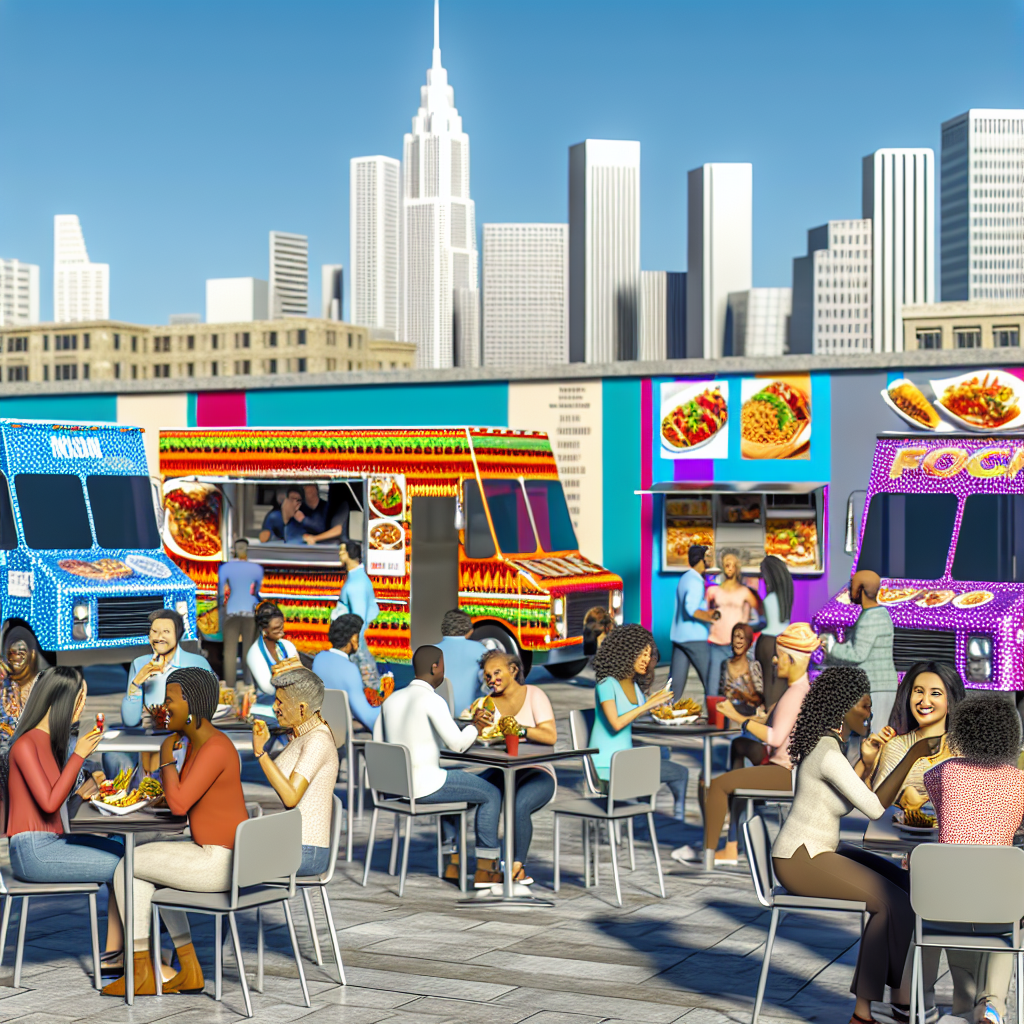
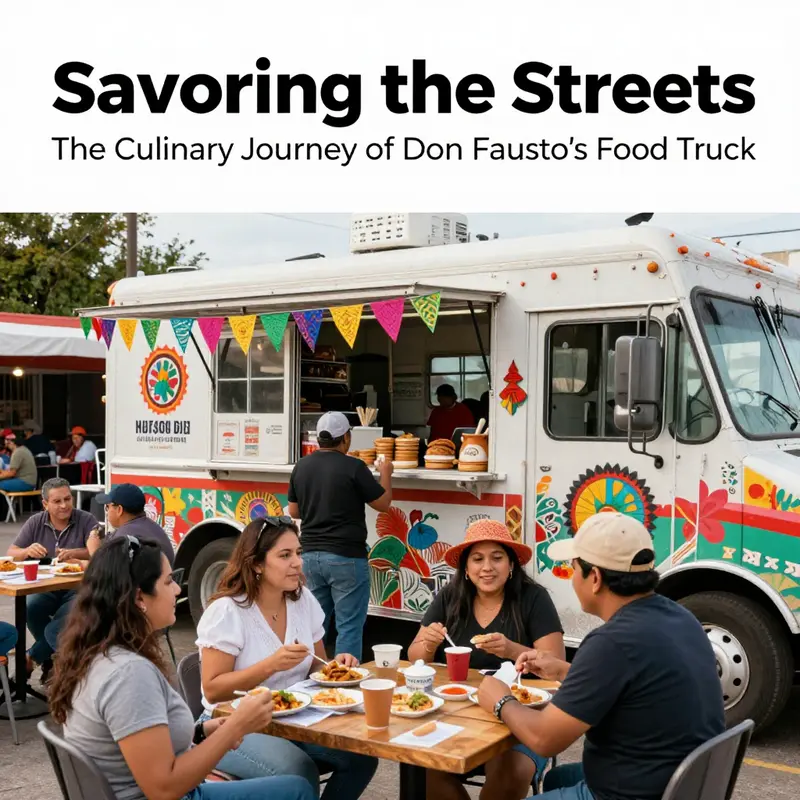
Don Fausto’s Food Truck is more than just a mobile kitchen; it embodies the vibrant spirit of authentic Mexican cuisine, bringing high-quality dishes directly to food enthusiasts across the United States. Event planners, corporate teams, local communities, and individual consumers find a unique dining experience that reflects both culinary excellence and cultural authenticity. In this article, we’ll take a closer look at the diverse array of delectable offerings of Don Fausto’s, delve into the ingenious business model that keeps it thriving, and highlight its profound impact on community engagement and cultural appreciation.
Cuban Fire on Wheels: Crafting Authentic Flavors and Cultural Immersion on Don Fausto’s Food Truck
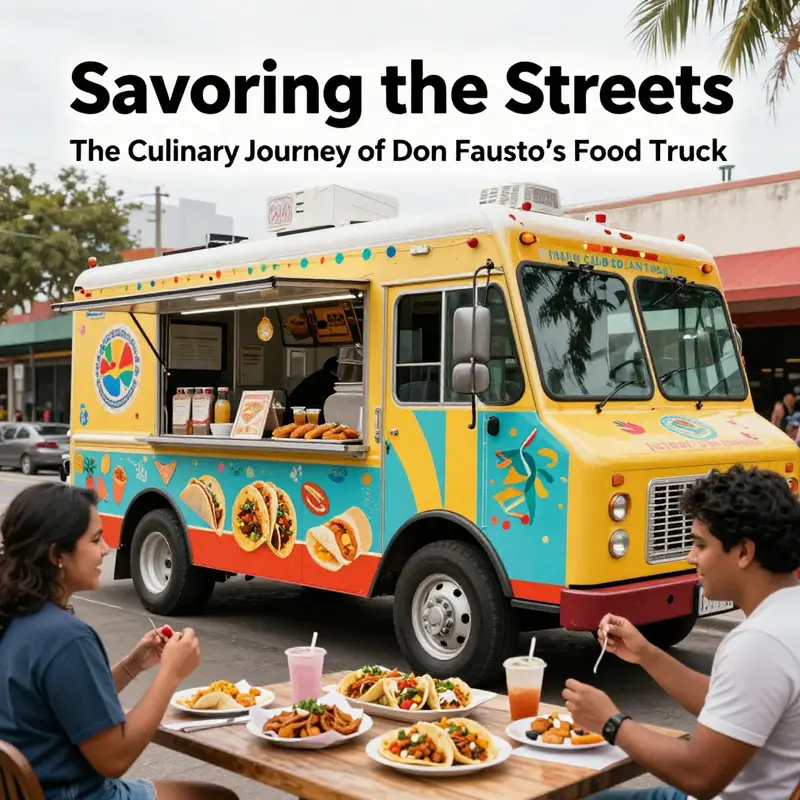
The street becomes a kitchen when Don Fausto’s Food Truck rolls into a neighborhood, a bright silhouette against the skyline and a swirl of scents that distill years of home kitchens into a few square feet of metal and flame. In this chapter, we follow the moving heartbeat of a Cuban-inspired dining experience that travels with the open air in front of diners, letting the city feel the warmth of a distant island while staying firmly rooted in the immediacy of a street meal. What makes this truck more than a quick bite is the fidelity to traditional techniques, the insistence on using fresh ingredients, and a sense of ceremony that accompanies every plate. It is not merely the act of feeding people; it is the act of inviting them to taste a cultural memory in motion, a vibrant reminder that the best comfort foods often arrive on wheels.
From the outset, the truck signals its philosophy: give people the flavors of Cuba in a way that respects time-honored practices while adapting to the tempo of modern city life. The crew speaks softly about sourcing and prep with a reverence usually reserved for a grandmother’s kitchen, yet their execution is precise, almost clinical in its efficiency. This balance—between reverence and speed—defines the dining experience as much as the flavors themselves. The ingredients matter, yes, but so does the method. Fresh vegetables are sliced with care, herbs are torqued into oils and sauces, and meat is treated with patient attention that turns a simple dish into a narrative of home-cooked pride. The result is a meal that feels both celebratory and intimate, a street-corner feast that still tastes like a family recipe handed down through generations.
One of the truck’s strongest appeals lies in its approach to texture and contrast. The concept is simple: a crisp exterior that yields to a tender interior, a bright sauce that cuts through richness, and a plate that balances protein with starch and fruit to create a mesa of flavor rather than a single sensation. The signature offerings emerge from this logic, with careful attention paid to the journey of a bite from mouth to memory. A plate that features pork—juicy, well-seasoned, and slowly coaxed to tenderness—sits at the center. It is paired with a bed of rice and beans, a classic duo whose savory depth acts as a canvas for the meat’s personality. To this is added sweet plantains, their caramelized edges and honeyed notes providing a counterpoint that cools the palate and elevates the overall harmony. Each component is prepared with intention: the pork is seasoned with a thoughtful blend that echoes Cuban home cooking, the beans simmered to a comforting, earthy richness, and the plantains fried to a deliberately crisp exterior and soft, almost buttery interior. When plated together, the combination becomes more than the sum of its parts; it becomes a story of a culture that treats food as an act of care, a way to share history across a crowded urban sidewalk.
The sensory experience extends beyond taste into aroma and sight. The sizzle of the grill announces the moment food begins its travel from raw to ready, a sound that invites attention and curiosity. The sauce—balanced, not aggressive—lends a bright lift to the entire dish, pulling forward notes of citrus and a gentle heat that lingers without overwhelming. The color palette on the plate—earthy browns, creamy whites, and the warm, sunlit tones of caramelized plantains—speaks to a dining experience designed to be photographed as much as eaten. This is food designed for a social moment: a friend’s quick lunch, a family gathering near a bus stop, a couple sharing a late-night bite after a show. The mobile format adds a layer of storytelling; the truck’s movement mirrors the rhythms of life in a city that never quite slows down, making every stop a mini-cultural event in its own right.
Yet what anchors the experience is a commitment to cultural connection. Don Fausto’s Food Truck does more than serve food; it curates a temporary space where Cuban culinary traditions are honored and made accessible. The kitchen becomes a stage on wheels, where classic techniques—seasoning that respects the palate without overpowering it, careful heat management that preserves tenderness, and sauces made in-house with a respect for fresh produce—are performed with a lightness that makes the meal approachable. Diners aren’t merely consuming sustenance; they’re participating in a ritual that acknowledges the island’s rich culinary heritage while recognizing the forces that shape modern street food: speed, accessibility, and a shared sense of discovery.
A crucial element of this approach is the rotating nature of the menu, which allows the truck to highlight different regional influences within Cuban cuisine and to reveal the chef’s evolving relationship with ingredients. The rotating lineup isn’t a gimmick; it’s a practical expression of cultural practice. Cuban cuisine, after all, is not a monolith but a tapestry woven from regional techniques, agricultural cycles, and the resourcefulness that marks home cooking. By shifting the emphasis from one component to another, the menu becomes a living dictionary, inviting regulars to explore new flavors while newcomers can trace a lineage of taste that begins with familiar, comforting foundations.
The culinary craft is matched by an atmosphere that invites community. The truck’s staff exudes a warmth that makes every guest feel seen, whether they approach with a long line of curious onlookers or a solitary diner savoring a quick bite. The hospitality is personal without becoming intrusive, a balance that is essential when food is served from a compact, high-traffic space. The sounds, smells, and conversations that swirl around the truck contribute to a sense of place: a temporary neighborhood, a shared experience, and a reminder that cuisine operates as a social glue as much as it does as nourishment. In this way, Don Fausto’s Food Truck becomes a microcosm of cultural exchange, offering not only a plate but a doorway—one that leads diners into an intimate, tactile memory of Cuban hospitality.
For those who track the arteries of food culture in urban spaces, this truck offers a case study in how to translate traditional cuisine into a mobile format without losing its soul. The success rests not on catchy slogans or flashy trends but on a fidelity to craft, a respect for ingredients, and a participatory spirit that invites diners to learn and taste in tandem. The plantain rounds, the rice and beans, the pork with its smoky aroma, and the soft sweetness of plantains all work in concert to form a complete, satisfying meal that feels both familiar and newly discovered. The sensory economy of the truck—the way scents drift between card tables and street corners, the way the steam fogs a window of opportunity for a quick bite—transforms a simple lunch into a pause that invites reflection on the breadth of Cuban culinary culture and its capacity to travel.
In weaving these threads together, Don Fausto’s Food Truck situates itself as more than a culinary port of call. It functions as a mobile cultural center, a place where recipes are not only prepared but explained, where the provenance of ingredients is shared in short, meaningful conversations, and where the act of eating becomes a kind of cultural storytelling. The experience is built on a reverence for traditional methods while embracing the pace and improvisation needed to serve a city on the move. It is a model of how street food can honor heritage while simultaneously inviting new audiences to participate in its living history. The result is not simply a meal but a moment of connection—a reminder that cuisine, at its best, is a shared memory made tangible, carried forward by the legs of a truck and the warmth of a kitchen that refuses to stand still.
As this chapter looks to situate Don Fausto’s within the broader landscape of movable dining, it is worth considering how storytelling and branding intersect with taste. The visual and verbal identity surrounding a food truck often functions as an extension of its kitchen—the menu boards, the color palette, the typography, and the rhythm of the service all broadcast a narrative. In this case, the Cuban influence is not garbled by generic street-food branding; it is expressed through a cohesive voice that respects tradition while communicating accessibility. The truck’s material culture—its signage, its display of fresh ingredients, and its kitchen aura—conveys a promise: that what you taste on the curbside is a fragment of a larger cultural mosaic, offered with sincerity and care. This is where the brand and the cuisine become inseparable, with each bite reinforcing the other and together telling a story that is both rooted and expansive.
For readers interested in how such an identity can be cultivated beyond the plate, the insights found in the branding arena offer practical guidance. The approach to on-wheels branding emphasizes consistency, clarity, and a sense of place. It is not merely about making a truck look attractive; it is about ensuring every line of the menu, every scent that escapes the exhaust, and every interaction with staff aligns with a unified cultural message. This alignment strengthens recognition and loyalty, giving regular customers a sense of familiarity even as the menu shifts with the seasons or the day’s supply. In the end, the success of a Cuban-inspired truck like Don Fausto’s rests on the seamless fusion of taste, hospitality, and storytelling—a convergence that makes the experience memorable enough to accompany the bite long after the napkin is discarded.
To those who follow the evolution of street cuisine and the ways it travels across cities, this truck illustrates a model of culinary conversation in motion. It speaks to the power of traditional cooking to adapt without losing soul and to the importance of a communal dining moment in a world that often values speed over savor. The result is a chapter in a larger narrative about how food experiences migrate, how communities are built on sidewalks as much as in dining rooms, and how the best mobile kitchens become not just places to eat but spaces to share culture, memory, and a sense of belonging. Don Fausto’s Food Truck embodies that ideal with a plate that carries the warmth of home, the brightness of a cultural exchange, and the resilient energy of a city that loves to come together around a shared table—even if that table sits on a curb in the middle of a busy street.
Internal link note: To explore branding considerations that echo the descriptive approach described here, see branding-on-wheels-the-ultimate-guide-to-food-truck-graphics-and-identity. branding-on-wheels-the-ultimate-guide-to-food-truck-graphics-and-identity
External reference: For a broader sense of diners’ impressions and the kind of authentic Cuban-inspired offerings that drive conversations about the cuisine, you can consult the following resource: Yelp page.
Wheels, Heat, and a Lean Blueprint: The Real-World Mechanics of Don Fausto’s Mobile Kitchen
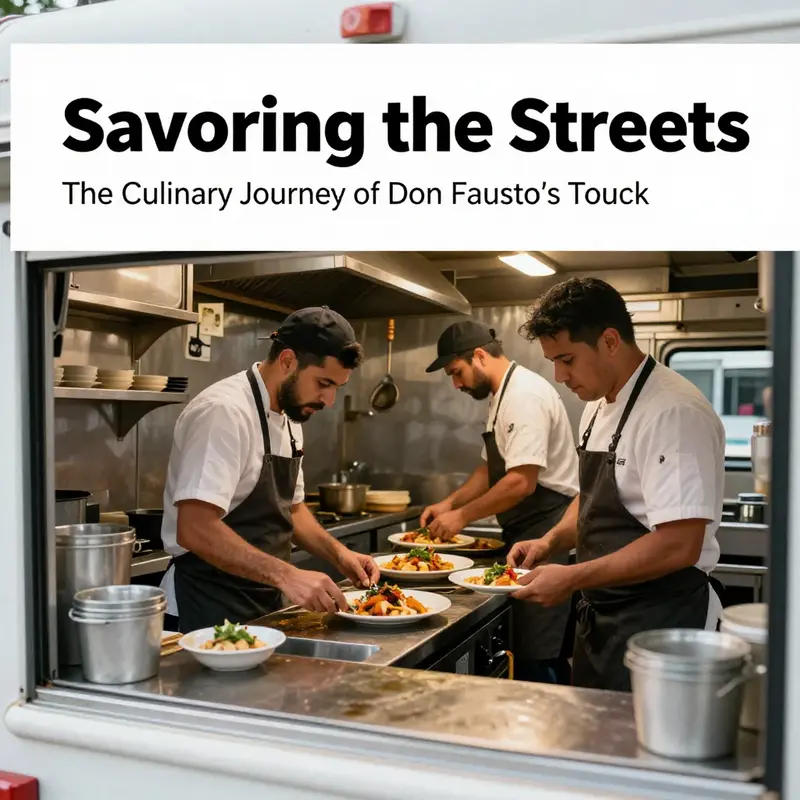
Don Fausto’s Food Truck sits at an intersection where cuisine, commerce, and velocity meet. It’s a story of a mobile kitchen that tried to translate the precision and soul of regional cooking into a format that could chase audiences across cities, parks, and festival grounds. The core idea behind the business model is simple in concept, but complex in execution: leverage mobility to reach hungry customers where demand is surging, maintain lean operations to keep costs predictable, and continuously adapt both menu and service to the weather of consumer tastes. The research material on Don Fausto’s Cocina Cubana, born during the pandemic as a food truck venture, offers a lens into how this model works in practice. It reveals a blueprint that is as much about structure as it is about flavor—about how a small, nimble enterprise can use space, speed, and storytelling to sustain momentum in a crowded marketplace. While the end of Don Fausto’s truck might be a cautionary note about the fragility of the format, the underlying mechanics provide enduring lessons for any operator who wants to blend craft with velocity.
Mobility and flexibility form the backbone of the enterprise. The ability to move to high-foot-traffic corridors—near business districts at lunch, at weekend events, or along rotating routes that the team tests week by week—allows the business to ride the tides of urban life rather than wait for a single, permanent location to pay dividends. In practice, this means frequent location scouting, a well-timed calendar that aligns with events and market days, and a readiness to detour when a street festival suddenly becomes a hotter draw than a fixed storefront would allow. The truck’s mobility is not just about geography; it is about pace. It creates a rhythm that matches the pace of modern dining: customers craving hot, freshly prepared flavors but also attracted to the immediacy of an encounter with a live kitchen on wheels. This flexibility makes the business resilient to a changing urban landscape—economic shifts, street-level regulations, or even weather—because the model can pivot rather than pause.
A second pillar of the model is the economic calculus of lean overhead. Compared with a full-scale restaurant, a mobile operation carries far fewer fixed costs. There is no need to lease a brick-and-mortar footprint in a prime commercial zone, no dependence on a large staff for daily operations, and a more predictable exposure to variable costs that align with actual sales. This lean posture translates into lower barriers to entry and a faster path to profitability, especially in the uncertain early stages. Yet lean does not mean minimal. It demands careful budgeting for permits, fuel, maintenance, and reliable equipment. It also means a disciplined approach to inventory, with a focus on ingredients that deliver the most flavor per dollar. The emphasis is on efficiency: smart prep, clean lines, and a kitchen workflow that minimizes waste while maximizing the quality of the finished plate. In the Don Fausto’s narrative, lean overhead was not a cost-cutting measure at a gamble’s expense; it was a design choice that allowed experimentation, faster iteration, and the flexibility to respond to the market with speed.
This leads into the third strand: menu iteration as a built-in capability. The mobile format is particularly well suited to change. A truck can rotate its offerings with the seasons and with what’s freshest in the market. The Don Fausto’s story, with roots in Cuban-inspired fare and a broader spectrum of regional influences, demonstrates how a rotating menu can become a feature rather than a constraint. Customers come to expect novelty, yet they also seek the comfort of familiar flavors. The balance is struck by using the mobile platform to test concepts, gather reactions, and retire dishes that don’t land while doubling down on flavors that do. The team can calibrate spice levels, portion sizes, and accompaniment options in response to live feedback. This dynamism is not just about chasing novelty; it is about learning in public, shaping the brand through tangible experience. A rotating lineup keeps lines moving and conversations flowing, creating a narrative that customers parse through social media and word of mouth. In this sense, the menu becomes a living instrument, tuned by feedback from the streets rather than a static menu pinned to a wall.
Brand visibility and direct engagement with customers are the fourth and fifth pillars that keep the enterprise humming. The truck’s identity—its colors, logo, signage, and the personality of its staff—acts as a mobile billboard that travels with every stop. A rolling kitchen is a stage, and a strong brand makes the show feel consistent, even as the script changes from one city to the next. The social media presence, particularly on platforms like Instagram, is not just a marketing channel but an operational nerve center. Announcements about new locations, changes in hours, and seasonal menu items create real-time dialogue with a geographically dispersed audience. This direct line to customers enables immediate feedback. A question from a passerby about spice levels can translate into a tweak for the next service, which in turn fuels loyalty as patrons see their input reflected in the plate and the process.
The proximity to customers on a truck also creates a feedback loop that is much more instantaneous than what a sit-down restaurant can achieve. When a customer asks for extra cilantro, or a milder version, or a gluten-free option, the cook can respond with practical adjustments on the next service. The relationship becomes a two-way street: the brand learns from the crowd, and the crowd feels seen and valued. This is not simply about customization; it is about a sense of participation in the culinary story. It fosters belonging, a crucial ingredient for repeat visits and for the kind of brand advocacy that travels through social networks and at-event conversations.
Yet every model carries risks, and the Don Fausto’s case highlights the tensions that come with mobile success. Demand in the food truck world is notoriously fickle. A sunny Saturday in a coastal city can deliver a surge of customers, while a rainy weekday can dampen foot traffic to a degree that makes a night and day difference in revenue. This variability places a premium on agility—on the ability to shift routes, adjust stock, and rotate offerings in response to the latest data. The operational costs naturally rise with the scale of the operation. Permitting regimes, fuel, vehicle maintenance, and the cost of reliable equipment all eat into margins. When sales swing, the difference between profitability and loss can hinge on tight inventory and efficient crew management. The Don Fausto’s narrative underscores how easily high ambition can outpace the practicalities of a single vehicle, a single team, and a single city’s appetite.
Competition in the mobile dining space adds another layer of pressure. The food truck landscape is dense, with operators chasing similar audiences in the same urban ecologies. Standing out requires more than great food; it requires a compelling story, a consistent experience, and a delivery model that makes your truck a habitual stop. The branding element becomes a strategic asset. The visibility provided by social channels and live interactions helps keep the brand top of mind even when a rival truck sets up nearby. But visibility without execution is a mirage; a well-branded truck still needs dependable throughput, recipe reliability, and efficient service to convert curiosity into loyalty. Don Fausto’s demonstrated the power of a clear identity paired with a menu that evolves in tandem with customer sentiment, but it also reveals how easily external noise—another truck, a festival schedule, a new vendor—can steal foot traffic away from a location that previously felt reliable.
Sustainability and long-term viability emerge as a critical, sometimes underemphasized, concern. Mobility offers singular advantages, yet it can complicate efforts to build a scalable, repeatable model. The lack of a fixed point of sale can obfuscate long-term relationships with landlords, suppliers, and even staff. A single truck may attract a loyal following in several neighborhoods, but sustaining that base as routes change requires purposeful strategy: formal partnerships with events, targeted customer engagement campaigns, and a clear plan to transition from a test-and-learn phase into a repeatable operating rhythm. The Don Fausto’s case, even in its Cuban-leaning origins and evolving menu, hints at a trajectory where success in the early stages depends on translating that city-by-city excitement into a disciplined, scalable framework. Without that translation, the energy of the moment risks dissolving as attention shifts and cash flow becomes less predictable.
The broader industry context adds context to these observations. The life cycle of many food truck ventures often begins with a burst of enthusiasm and a flexible, low-overhead setup. But sustaining momentum requires navigating a web of regulatory, logistical, and commercial realities. Permits must be kept current, inspections completed, and routes secured. Costs can rise quickly when expansion is contemplated, and the capital required to scale a mobile operation is distinct from the capital needed to scale a restaurant. The Don Fausto’s narrative mirrors a larger pattern in which early, enthusiastic success faces a set of systemic pressures that demand disciplined financial planning, a cautious expansion strategy, and an ever-clear value proposition that can travel across different urban environments. The broader takeaway is not to abandon the model of mobility and lean operations, but to acknowledge that sustainable growth in this space often requires a more intentional path toward scalability—whether that means adding a second vehicle, building a stronger brand partnership network, or investing in processes that can be replicated across multiple locations without sacrificing the quality of the experience.
For readers who want to understand how to translate these dynamics into a practical playbook, the literature around food truck resilience and industry fundamentals emphasizes a few guardrails. One section of the donut-shaped landscape around mobile dining centers on the importance of forecasting demand with precision, even when the demand looks playful and inconsistent on a given weekend. A second rent is the ongoing investment in equipment and maintenance, which tends to be the silent drain if not planned for in a calendar. A third, crucial element is the relationship with suppliers and the ability to source ingredients that align with the rotating menu without causing supply-chain friction. The Don Fausto’s experience demonstrates both the potential and the potholes of this approach. It shows that a well-conceived model—mobility, lean overhead, adaptive menus, and direct customer engagement—can deliver a distinctive culinary experience that travels. It also shows that without careful attention to scale, sustainability, and consistent demand, even the strongest flavor story can struggle to endure the long seasonal arc of a business.
In telling the Don Fausto’s story, there is a quiet but undeniable throughline: the business model thrives when cooking and commerce move in harmony. The truck is not just a vehicle; it is a platform for authentic storytelling, quick feedback loops, and a learning environment for cooks, servers, and organizers alike. The cadence of location, the tempo of the menu, and the tempo of the supply chain must align. When they do, the truck becomes a living laboratory of regional taste, entrepreneurial grit, and the evolving relationship between a food business and the cities it serves. When they don’t, the same vehicle can feel like a rolling reminder of what happens when enthusiasm outpaces operational discipline.
This synthesis underscores a practical takeaway for operators considering a mobile model: lean isn’t merely a cost discipline; it’s an operating philosophy. Mobility isn’t just a sales channel; it’s a promise of proximity to customers and to the evolving tastes of a city. A rotating menu isn’t a gimmick; it’s a tool for learning what will stick, what will travel, and what will endure as a signature. A strong brand isn’t decoration; it’s the framework that lets customers interpret a new dish as part of a familiar story. And a community-centric approach to service—where customers see themselves in the journey and feel invited to influence it—builds loyalty that sustains activity across the unpredictable calendar of a mobile dining business.
Internal link note: for operators curious about the logistics that support such a model, there is a practical resource focusing on parking strategies and curbside logistics, a critical but sometimes overlooked aspect of keeping a mobile kitchen efficient and compliant. See Mastering Food Truck Parking Challenges for a concise guide to turning a busy street corner into a reliable operational advantage. Mastering Food Truck Parking Challenges
External resource: broader industry trends and resilience considerations are discussed in contemporary business guidance on food truck ventures. Learn more at Shopify’s analysis of “Food Business Ideas: 16 Ways To Be the Boss (2026).” https://www.shopify.com/south-africa/blog/food-truck-business-ideas-2026
Wheels of Connection: Don Fausto’s Food Truck as a Living Bridge Between Neighborhoods and Cultures
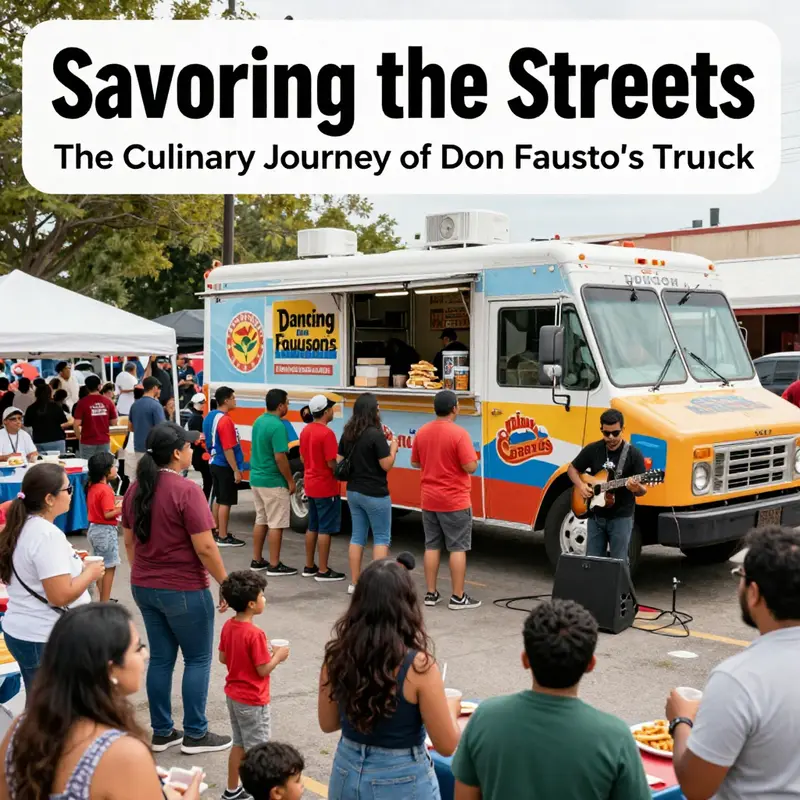
Don Fausto’s Food Truck is more than a mobile kitchen rolling through city streets; it is a moving sanctuary where taste becomes a language, and language becomes belonging. In the urban mosaic, where neighborhoods pulse with distinct rhythms and histories, a bus-like kitchen on wheels can sense the subtle shifts in appetite, memory, and identity and respond with something both familiar and new. The concept of community engagement, when applied to a food truck with a strong sense of place, morphs into a practice that invites people to linger not just for a meal but for conversation, for shared discovery, and for a sense of being seen. This is the essence of what a contemporary food venture, grounded in authentic regional cooking, can offer a city: a space where dining becomes a conduit for cultural exchange, a site where strangers become neighbors at the table, and where the act of eating becomes an invitation to witness a living tradition in motion. In observing a model that blends mobility with cultural storytelling, one can see how a single truck can cultivate a network of relationships that extend far beyond the moment of service, turning fleeting encounters into durable memories and shared commitments to community life. The approach borrows from a broader set of practice-based strategies that have shown promise in other mobile food projects: strategic placement that meets diverse audiences where they gather, a social footprint that acts as a real-time map of who the truck is serving and why, and a menu that rotates to honor regional flavors while remaining rooted in a thread of authenticity that customers can taste. The strength of this model lies not only in what is on the plate but in how the experience unfolds around it—the ways in which the truck becomes a backdrop for storytelling, collaboration, and collective memory, rather than a mere vendor of sustenance. In practical terms, this means selecting locations with intention, but also with generosity: neighborhoods with a history of immigrant labor, students seeking affordable comfort food, families looking for a shared ritual, and workers needing a quick but nourishing break all become part of a common narrative around food. The rotating menu—anchored by traditional preparations and seasonal produce—acts as a map of memory and place. Dishes rooted in specific regions of Mexico carry with them the stories of farms, markets, and cooks whose hands have long known the weight of a masa dough or the brightness of a carefully balanced salsa. Yet the menu is not a museum piece; it is a living document that invites adaptation. If a community celebrates a local harvest, the truck might showcase a regionally inspired preparation that highlights those ingredients; if a neighborhood hosts a festival of street art, the truck may pair a bold, commodity-agnostic plate with a live muralist session to create a space where taste and color collide in a single moment. This approach speaks to the broader principle that food can be a form of public pedagogy, a way to teach and learn without didactic sentences. By presenting dishes that carry memory and meaning, the truck invites conversations about origin, labor, and belonging. The conversation, in turn, shapes the choices that the business makes—from sourcing to pricing to partnerships—creating a feedback loop that strengthens community ties. The vehicle becomes a stage where customers are not just diners but co-curators of the experience: they vote with their presence, their questions, and their willingness to share their own stories. The engagement strategy is not a marketing trick but a commitment to mutual responsibility. It begins with listening: staff and operators cultivate a practice of listening to residents, students, workers, and vendors, discovering what the community values in a food moment and what stories deserve emphasis in a rotating program. The next step is visible responsiveness: where feedback points to a craving for more plant-based options, a healthier alternative, or a more generous kid-friendly plate, the menu adapts in meaningful ways. This responsiveness is not simply accommodation; it is a form of reciprocity—the truck asks for input, and the community offers it back through their choices, their presence at events, and their willingness to engage in dialogue about tastes, histories, and futures. The social life of the truck is also enriched by intentional partnerships that extend the circle of influence beyond the kitchen window. Local artists, musicians, and educators can collaborate to create events that fuse cuisine with other forms of cultural expression. A night of live painting beside the serving window or a short talk by a local poet about memory and migration can transform a routine stop into a memorable cultural moment. In this sense, the truck is less a cart than a portable cultural venue that travels with the crowd from park to plaza to campus quad. This approach echoes a broader, globally resonant idea: that food can be a medium through which politics, memory, and art are negotiated in everyday life, away from formal institutions and within the ordinary rhythms of city living. The case study parallels a campus-focused model of community nutrition and cultural exchange seen in similar initiatives where a campus dining hall or a public square becomes a hub for cross-cultural dialogue. There, food is deployed not just to satisfy hunger but to create a shared vocabulary that can bridge disparate groups in a space that feels both public and intimate. The culinary work thus becomes an act of diplomacy at the street level, a way of inviting conversation across difference by centering shared needs—sustenance, curiosity, and belonging—while still honoring the distinctive flavors that tell each community’s story. An important dimension of this work is the sensory ethics of sourcing and preparation. Authenticity is not about replicating a recipe in perfection but about honoring the labor, the terroir, and the people who bring ingredients to the table. In practice, that means forming relationships with local farms and small-scale producers who can supply ingredients that carry traceable origins and a transparent, conscientious story. It also means transparent kitchen practices—the way chiles are roasted, how corn masa is treated, the care given to clean, bright sauces made in-house. Customers come to the truck for the flavor, but they also come to witness a level of care that signals respect for both the dish and the community. The public-facing side of this work—the interactions at the window, the quick moments of exchange with passersby, the aftertaste that lingers long enough to spark a memory—becomes the core of what can turn a simple meal into a shared ritual. It is in these moments that the truck earns its role as a cultural ambassador, a traveling emblem of community life that can be deployed wherever there is space for a gathering, conversation, or a pause to reflect on where food comes from and who it belongs to. The discipline behind this approach is steady, patient, and iterative. It relies on the humility to admit when a practice is not working and the resolve to pivot without abandoning core values. It depends on a schedule that respects the rhythms of the places it visits, learning when a park is most active, when a college campus background hum becomes a chorus of interest, and when a neighborhood street corner with long-standing businesses becomes a shared stage for collaboration. In the long arc, this is not just about selling meals but about shaping urban life, turning temporary street-side tables into spaces of welcome and dialogue. The more the truck participates in the life of a city—the more it offers spaces for themed evenings, collaborations with local poets, or demonstrations by young cooks—the more it becomes woven into the fabric of that city’s collective memory. The result is a revitalized sense of place, where people pass by and pause not merely because they are hungry, but because they recognize in the truck a sign that their community is attentive to them. The practice of community engagement is, at its heart, a practice of hospitality that invites others to contribute to the story being told around the plate. It is about inviting people to imagine themselves as part of a larger whole, where a recipe is not just a set of steps but a narrative thread that links farms to tables, neighborhoods to shared futures, and strangers to a sense of belonging. The broader cultural impact of this approach is visible in how audiences come to see cuisine as a living artifact rather than a fixed artifact. A rotating program of dishes rooted in memory can function as a traveling exhibit, with each stop adding a new panel to the ongoing story. The truck thus becomes a site of ongoing learning—an informal classroom where conversations about history, migration, labor rights, and regional identity occur in real time, sometimes in languages other than English, sometimes in gestures and shared smiles that transcend words. In this sense, Don Fausto’s Food Truck does more than feed people; it offers a forum for citizenship, a place where urban life might be reimagined as a space of exchange rather than encounter by chance. The potential for impact expands when the truck fosters collaborations with artists and educators who can animate evenings with performances, talks, or workshops that foreground culture as a living practice. A simple example might involve an evening of storytelling that pairs a traditional dish with a calling card from a local artist, inviting attendees to consider not only the recipe but the memory that inspired it. The effect is to reframe dining as a form of public art, where plates carry not only flavors but also signals of shared history and future possibility. The cumulative effect of these efforts is a city that sees a mobile eatery as an extension of public life rather than a commercial stop. Visitors begin to expect more than quick service; they anticipate an experience that resonates with the neighborhood’s current concerns and aspirations. In this sense, the truck acts as a catalyst for civic engagement, a catalyst that can stimulate conversations about food security, equitable access to nourishment, and the creation of space for cultural exchange in places that might otherwise feel transient or impersonal. The result is a more inclusive urban expression, where people from different backgrounds come together to celebrate their common humanity through a shared plate. To those who study or practice food-based community initiatives, the Don Fausto’s Food Truck model offers a reminder that the most powerful forms of engagement often emerge from listening first, serving with integrity second, and then opening doors for others to contribute to the ongoing narrative. The path from a single street corner to a citywide dialogue is not instantaneous. It unfolds through consistent presence, honest storytelling, and a willingness to adapt while preserving core values. The practice of hospitality—cooking with care, speaking with empathy, and designing experiences that invite participation—can ripple outward into school curricula, neighborhood associations, and cultural institutions that begin to see food as a legitimate anchor for learning and exchange. In this light, the truck’s mission aligns with a broader vision of urban life that respects tradition while welcoming change, and it borrows its strength from the very communities it serves—the people who choose to stop, to ask questions, to share a memory, and to contribute a new idea to the collective table. As the vehicle continues its journeys, its role in the city becomes less about mobility and more about continuity—the continuity of welcome, the continuity of memory, and the continuity of a shared future built around meals that carry the weight and warmth of lived experience. The chapter of the city that opens when the truck arrives is a chapter written in conversations, in the crack of a ladle against a metal pot, in the soundscape of a plaza where music meets the hum of a crowd, and in the quiet moment when someone tastes a familiar flavor and discovers a new personal meaning. It is in these quiet, everyday interactions that the social contract of a community is renewed: a promise that nourishment will be tied to listening and learning, that food will serve as a bridge rather than a barrier, and that a traveling kitchen can, for a time, become a home wherever it stops. For readers seeking practical guidance, this approach translates into concrete actions: cultivate ongoing relationships with local producers to ensure freshness and transparency; design menus that honor the culinary landscape of the communities served; leverage social media to share stories behind each dish and bring audiences into the decision-making process; create events that pair food with art, music, and conversation; and, above all, listen more than you talk, respond with humility, and remain anchored in a commitment to belonging. In this way, Don Fausto’s Food Truck becomes a case study in how food can shape public life—how it can turn a street corner into a classroom, a park into a festival, and a neighborhood into a shared home. For further exploration of how food trucks can drive community engagement and cultural exchange, refer to the broader strategies outlined by industry practitioners and scholars who emphasize the importance of location strategy, social presence, and direct customer feedback. branding on wheels offers a complementary lens on how identity and storytelling on the margins of urban life contribute to a lasting sense of place. Externalizing insights beyond the local level, a thoughtful examination of the field’s practice demonstrates that the most enduring impact comes from treating cuisine as a language that invites dialogue rather than a product that satisfies appetite alone. External resource: https://www.linkedin.com/pulse/food-truck-strategies-community-engagement-alex-kim
Final thoughts
Don Fausto’s Food Truck encapsulates the spirit of community, flavor, and authenticity, creating a space where food lovers and cultural enthusiasts unite. As we explore its culinary delights, innovative business strategies, and significant community impact, it’s clear that this food truck is not just a provider of meals but a catalyst for cultural connection and joy. Supporting local food trucks like Don Fausto’s enriches our communities and cultivates appreciation for diverse culinary heritage. So, whether you’re planning an event, looking for delicious catering options, or simply wanting to indulge your cravings, Don Fausto’s is sure to deliver an unforgettable experience.