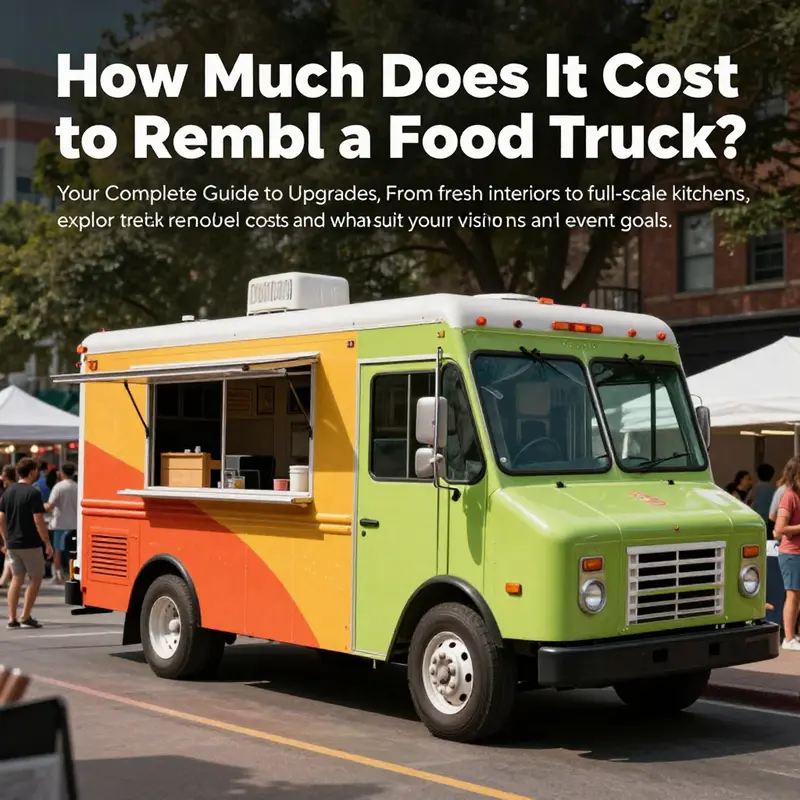
Remodeling a food truck isn’t just about swapping old counters for new—it’s about breathing fresh energy into your mobile kitchen, making it match your brand, your menu, and your clientele. Whether you’re an event planner looking for a showstopper, a corporate team creating an engaging employee perk, a community leader driving local vibrance, or a passionate foodie seeking a dream truck, knowing the true cost is key. In this guide, we break down the prices into clear ranges: from basic remodels for subtle updates, mid-range customizations that shine with personality, to high-end builds that become destinations on wheels. We’ll also uncover hidden expenses often overlooked and give you practical tips to get accurate quotes from the right suppliers. This way, you can align your remodeling investment with both financial reality and your ultimate culinary vision.
Remodeling Costs on Wheels: Navigating Basic, Mid-Range, and Premium Upgrades for a Food Truck
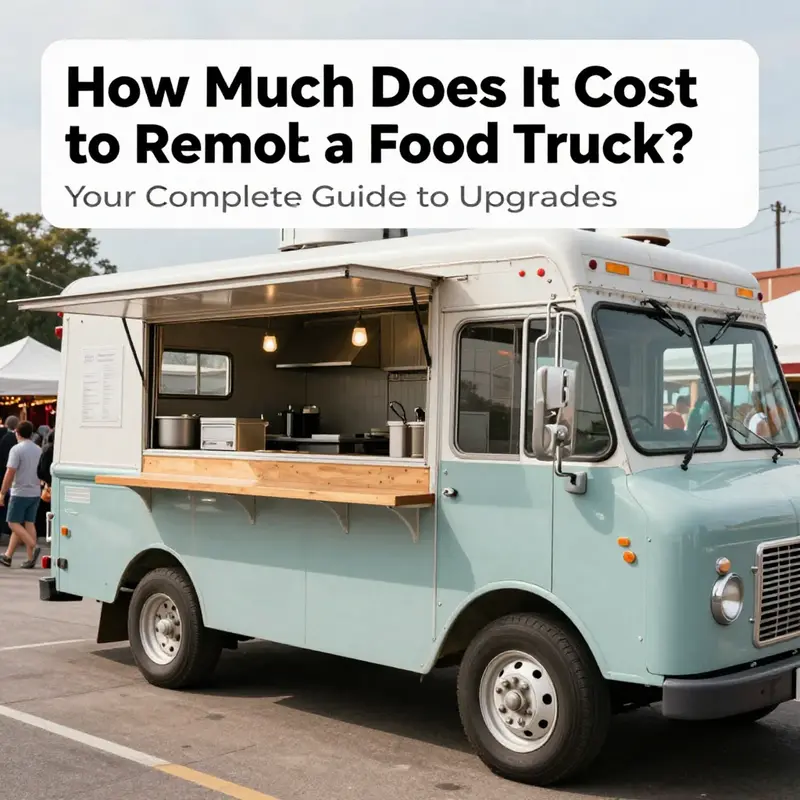
Remodeling a food truck is not merely a cosmetic endeavor. It is a strategic investment that intersects safety, efficiency, food quality, and the pace at which you can serve customers. The costs you encounter hinge on how far you want to go, the materials you choose, and the level of customization your cuisine demands. Across the market, the price bands are real and sometimes wide, reflecting everything from a simple interior refresh to a full-scale kitchen rebuild that turns a vehicle into a certified commercial kitchen on wheels. As you map out a remodel, it helps to anchor your plan in three broad tiers: basic, mid-range, and high-end. Each tier carries distinct implications for workflow, compliance, and the speed at which your business can begin earning revenue, but they also share a common thread: a careful, goal-driven budget yields better results than a rushed, piecemeal upgrade.
A basic remodel can be tempting when the goal is a refreshed look and modest improvements to function. In the market, basic interior refreshes—repainting, refreshed lighting, minor fixture updates, and perhaps a few new countertops—can span a broad range. On the lower end, you might encounter packages that start around a couple of thousand dollars, but more commonly, the practical sweet spot falls between roughly $2,000 and $5,000. This range captures the essentials: improved lighting, a cleaner interior aesthetic, and some upgrade to the surface and fixture quality without overhauling the kitchen layout. In some listings, basic packages that include a few standard kitchen elements or turnkey-like refreshes sit closer to the mid-$4,000s, while others escalate toward the $5,000 range if you seek a bit more polish or a couple of added upgrades. It’s important to note that these figures typically exclude the cost of shipping, delivery, and any labor you don’t perform yourself—and they don’t automatically cover more expensive equipment that might be needed for certain menus.
As you move toward a more substantive refresh, the scope shifts. A mid-range remodel often blends cosmetic improvements with meaningful upgrades to the kitchen’s core functionality. Expect to invest more in storage optimization, upgraded refrigeration or freezer space, and improved electrical and plumbing systems that support new appliances. Custom cabinetry and more robust insulation can become part of this tier, as can branding elements that reinforce your identity on wheels. The mid-range band commonly runs from about $6,000 to $6,500, though some configurations can tilt higher if you demand heavier-duty equipment or more elaborate finishes. This tier represents a practical balance: you gain increased efficiency, reliability, and a more polished appearance without venturing into the realm of bespoke luxury. The result is a kitchen layout that flows better during service, reduces bottlenecks, and accommodates a wider range of menu offerings while preserving the vehicle’s footprint.
For operators who envision a truly distinctive space—one that blends premium materials with state-of-the-art equipment—the high-end category takes the conversation in a different direction. This tier is about optimizing every watt of space and every second of workflow, alongside delivering a distinctive ambience that can become a competitive differentiator. Premium features might include advanced ventilation systems, high-grade finishes, full commercial-grade appliances, and specialized cooking setups tailored to a specific cuisine type. Costs in this tier can rise well beyond the $10,000 mark and, in some projects, exceed $30,000 when you include luxury finishes, specialty HVAC considerations, and bespoke design elements. It’s not unusual for ambitious builds to push the upper bounds when a business aims to operate with a full-scale, chef-grade kitchen in a mobile format. If you’re considering this route, it’s essential to quantify not only the upfront investment but also the longer-term return—how the enhanced efficiency, menu flexibility, and branding payoff during high-demand periods and peak events.
The practical reality is that the numbers above are anchored in the broader market, yet every project carries its own frictions and opportunities. Shipping and delivery costs are typically not included in those base estimates and must be negotiated with suppliers. Labor, whether you hire professionals or do some of the work yourself, adds another dimension: skilled labor for electrical, plumbing, and mechanical work can be a meaningful portion of the budget, especially when your plan includes complex code-compliant installations. Permits and inspections add time and cost as well, and downtime during a remodel translates into lost business if you rely on a fixed schedule or seasonal demand. A disciplined budgeting approach can help you navigate these realities without derailing your plan.
A careful budgeting mindset begins with a clear outline of your menu, workflow, and service model. If your concept hinges on rapid service and high-volume throughput, investing in better ventilation, more reliable refrigeration, and a layout that minimizes motion can yield tangible savings in time and labor costs over repeated service days. Conversely, if your concept emphasizes a compact footprint and a tight menu, you may be able to optimize within smaller upgrades that still deliver improved efficiency. Either way, it helps to quantify how changes affect your daily operations. A layout that reduces steps for cooks and servers, combined with powerful, reliable equipment, can shorten service times and improve consistency, leading to higher customer satisfaction and repeat business.
In the conversation about value, resale potential matters too. A well-planned remodel that preserves or enhances the truck’s functional integrity can increase resale value should you decide to upgrade again or move to a different concept. Thoughtful upgrades to storage, insulation, and durable surfaces typically deliver the highest leverage in terms of long-term value, especially if you can demonstrate compliance with safety codes and a clean, serviceable workflow. For a deeper look at strategies that retain or boost resale value, consider exploring guidance that centers on maintaining a truck’s market appeal and functional readiness.
Alongside the practical budgeting and design considerations, it pays to connect the remodel with your broader business goals. If you intend to expand to multiple locations or to participate in bigger events, the resilience and scalability of your kitchen become crucial. A mid-range remodel that introduces more robust refrigeration, safer electrical systems, and better workflow might be justified by the increased service capacity and reduced downtime. On the other hand, if your plan is to launch on a shoestring budget, you may lean more heavily on a proven, cost-effective refresh that maximizes reliability and compliance while staying within a conservative price band. In either case, a phased approach can help you validate assumptions as you progress. You might begin with essential upgrades needed to meet health and safety regulations, then add upgrades that support higher menu complexity as your business grows.
As you work through the numbers, it’s helpful to look at the broader market to calibrate expectations and frame discussions with suppliers. A comprehensive overview of remodeling costs across basic, mid-range, and premium builds provides a backdrop against which you can compare your specific plans. While actual quotes will vary by region, vehicle size, and equipment choices, the general pattern holds: basic packages emphasize refreshed interiors and essential equipment; mid-range upgrades emphasize workflow optimization and better core appliances; and high-end builds pursue top-tier performance, efficiency, and branding. If your goal includes a complete reinvention of the space or a shift to a new cuisine profile, preparing for a broader range of possibilities will help you avoid sticker shock and keep the project aligned with your business expectations.
When you begin gathering quotes, frame your requests around clear priorities: safety compliance, reliability of essential systems, and the degree to which the space supports your service model. Request a bill of materials and a work plan that shows how much and what will be replaced, along with a realistic timeline that accounts for potential inspections and permit processing. It’s also wise to build a contingency into your budget for contingencies—things that often surface during a remodel, such as unexpected repairs, rework to meet health codes, or subtle misalignments between your envisioned layout and the truck’s actual dimensions. A robust budget, paired with a pragmatic implementation plan, reduces anxiety and helps ensure you get the most value from your investment.
In the end, the question isn’t only, “How much does it cost to remodel a food truck?” but rather, “What level of remodel delivers the best balance of safety, efficiency, and brand impact for my business plan—and how can I manage that within my budget?” The answer, as trials and case examples show, sits along a spectrum that starts with necessary refreshes and can escalate to a fully customized kitchen that aligns with a distinctive cuisine and a branded experience. By grounding your decision in the menu, service pace, and growth trajectory you envision, you can make informed choices about where to start, what to add later, and how to measure the impact of every upgrade. For ongoing considerations about resale value and how remodel choices influence future opportunities, see the guidance linked here: Boost Your Food Truck’s Resale Value. For a broader market reference, you can explore industry pricing trends and ranges in external resources that summarize the typical bands across basic, mid-range, and premium builds. External reference: https://www.foodtrucks.com/food-truck-remodeling-costs/
Mid-Range Mastery: Designing a Functional, Appealing Food Truck Kitchen Without Breaking the Bank
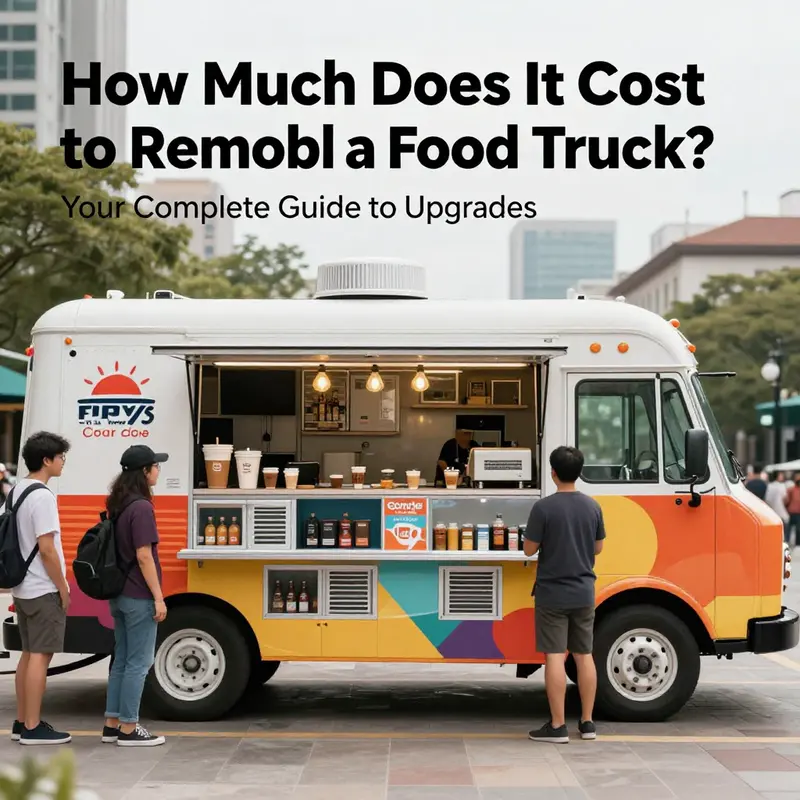
Mid-range remodeling sits in a practical middle ground between a cosmetic refresh and a full, custom rebuild. For operators upgrading an existing unit or purchasing a semi-custom platform, the mid-range budget—roughly between $25,000 and $60,000—opens room for meaningful upgrades that improve flow, reliability, and presentation without defaulting to top-tier, bespoke pricing. This is the space where craft, efficiency, and branding converge to deliver a kitchen that supports steady service on busy days while still allowing room for future refinements. The core of this approach is clear: invest in space-saving, workflow-enhancing elements, choose durable yet stylish finishes, and plan for essential systems that keep health and safety standards in proper balance with your service goals.
At the heart of a mid-range remodel is space optimization. Operators often opt for custom or semi-custom cabinetry to maximize every inch of the trailer or truck. The goal is not merely to store more but to keep the line of sight and the path through the kitchen simple and intuitive. A well-designed layout reduces motion waste and minimizes the time between orders, a benefit that translates directly into faster service and higher throughput during peak hours. cabinetry can be tailored to the specific menu footprint—whether you need an elevated prep zone for delicate fillings, a dedicated cold storage area, or a compact, efficient assembly station that keeps the cook within easy reach of the pass-through window. This balance between form and function is a hallmark of mid-range work: you trade a bit of ultra-premium customization for proven, reliable layouts that still feel polished and cohesive.
Appliances in this budget range are typically mid-range commercial-grade units chosen for durability and energy efficiency. You’ll often see a high-efficiency grill or stove paired with an under-counter refrigerator or two, creating a compact yet capable meat-and-vegetable prep area that remains easy to sanitize and maintain. The choice of countertops—quartz or stainless steel—adds longevity and reduces maintenance costs over time. These materials are impervious to the kinds of heat, moisture, and knife-score abuse common in mobile kitchens, and they maintain a professional look even after months of daily use. The combination of semi-custom cabinetry with these mid-range appliances yields a kitchen that feels purpose-built, not merely assembled, while staying within a budget that preserves room for contingencies.
Beyond the core cooking and storage elements, the mid-range approach pays close attention to the surfaces and the environment that surround the work zones. Lighting is elevated to more than a cosmetic feature; it becomes a tool for efficiency and sales presentation. Task lighting over prep areas helps reduce errors and fatigue, while ambient lighting can improve the overall customer experience from the curb. Non-slip flooring reduces the risk of slips and falls, a constant concern in fast-paced environments where spills are common. These features may seem small in isolation, but together they contribute to a safer, more efficient operation and a more attractive customer-facing space. Likewise, ventilation is upgraded to keep the kitchen comfortable and to meet health and safety expectations. A better hood and exhaust setup not only improve air quality but also support consistent cooking performance, especially on hot days when natural convection is limited.
Electrical systems, plumbing, and waste handling are other critical pieces that often define the success of a mid-range remodel. Upgraded electrical capacity ensures that all new appliances and lighting run reliably without nuisance tripping. A robust plumbing plan supports efficient wash-down routines and ensures that sinks, handwashing stations, and dish areas meet health code requirements. Even at this level, operators must consider how water runs through the space—how many sinks are needed, where the waste lines go, and how to keep all systems accessible for routine maintenance. The aim is to create a kitchen where gear is not just installed but integrated into a cohesive workflow, where every fixture supports quick cleaning, fast turnover, and smooth sanitation routines.
Cost drivers in this band are diverse but predictable. The biggest levers tend to be cabinetry complexity, the choice between a single tailored layout versus a hybrid design, and the degree of equipment efficiency sought. If you add more specialized features—such as a broader ventilation solution or a larger refrigeration footprint—the budget can creep toward the upper end of the range without straying into true luxury territory. Conversely, sticking with a leaner, yet still well-planned layout, and selecting mid-range equipment can keep you comfortably within the lower portion of the band. One practical approach is to stage upgrades. Start with a solid base that guarantees reliable day-to-day operations, then earmark a future phase for finishing touches like branded finishes or premium lighting. This staged approach safeguards cash flow while maintaining the momentum of the remodeling project.
From a financial planning perspective, a mid-range project demands careful budgeting and a disciplined procurement process. Given the potential for unexpected issues in a mobile kitchen, setting aside a contingency is prudent. A cushion of about 10–15 percent of the total budget helps absorb unplanned costs such as retrofit needs, modifications to meet local code interpretations, or shipping delays that push lead times beyond initial estimates. While shipping and delivery costs are not included in baseline pricing and must be negotiated directly with suppliers, they can influence the overall alignment of your project. Also, labor costs, whether you hire contractors or take on portions of the work yourself, must be accounted for. Even when you plan to assemble pieces in-house, some components, like electrical work or complex ventilation modifications, typically require licensed professionals to ensure compliance and safety.
A thoughtful mid-range remodel also considers the long game of value—what the upgrades do for throughput, consistency, and branding. A kitchen that operates more efficiently reduces service times, which in turn supports higher daily revenue without requiring additional staff. A cohesive, well-lit presentation enhances the visual appeal of the space, which helps attract passerby customers and supports branding efforts. In this sense, the mid-range budget isn’t just about the kitchen’s inner workings; it’s about delivering a reliable, repeatable experience that customers recognize and trust. When you’re weighing options, you might think beyond immediate functionality and consider how the chosen layout or finishes will age with your brand as you expand or refine your menu. It’s not just about cutting a ribbon on a new kitchen; it’s about crystallizing a dependable operating core that can scale with your ambitions.
For operators who want to anchor their planning with market data, this mid-range window aligns with the practical realities of current pricing while still leaving room for sophistication. If you’re just beginning to calibrate your budget, start by listing the essential upgrades that yield the biggest gains in workflow and safety. Prioritize cabinetry and counter space that directly support your menu’s preparation stages. Pair these with a dependable mid-range appliance line and durable surfaces. Then carve out budget for lighting, flooring, and ventilation that enhances both the working environment and the customer experience. The objective is a balanced package where form follows function without overextending the project into premium, bespoke territory.
The journey to a mid-range remodel naturally invites a dialogue with suppliers and installers. The landscape of available configurations, delivery timelines, and customization options is broad, so asking for detailed quotes and timelines is essential. When you’re ready to explore what fits best, consider how you design your space with a view toward long-term reliability and service speed. A practical way to frame this is to think in terms of the work triangle—the flow between the preparation area, cook zone, and service window—and then test whether your layout will sustain peak-hour demand without bottlenecks. The design is as much about the human element as the mechanical. A kitchen that reduces unnecessary steps and fatigue in the crew translates into steadier performance over time, which is the foundation of a sustainable business.
As part of the broader decision-making process, it can be valuable to examine related chapters on how to choose the right truck configuration and model. These decisions ripple through every subsequent phase of renovation, from weight distribution and electrical load to branding opportunities. A well-chosen base model often corresponds to easier retrofits and better alignment with mid-range upgrades, reinforcing the idea that the right starting point can multiply the value of the remodel. For a concise pathway into model selection, you can explore further here: Choosing the right food truck model.
The mid-range remodel is thus a nuanced negotiation between cost, performance, and sustainability. It asks for discipline in budgeting, clarity in design, and realism about what can be achieved within the given shell of the vehicle. It rewards operators who approach the project with a staged, prioritized plan and who treat the remodel as an investment in daily operations and future growth rather than a one-time storefront upgrade. The result is a kitchen that feels engineered for efficiency, a space that remains visually cohesive with the brand, and a service model that can reliably support the menu you’ve chosen to offer to your customers. With this approach, the cost remains substantial but manageable, and the promise of a durable, scalable system becomes tangible rather than theoretical.
External resources that provide broader market data and professional perspectives can complement your internal estimates. For a granular breakdown of mid-range costs and real-world contractor insights, consult the industry discussion on renovation costs at the external resource linked below. This can help you refine your line-item budgeting approach and set expectations for timelines and deliverables across different regions and setups: https://www.foodtruckempire.com/food-truck-renovation-costs
Chapter 3: The Luxury Turnkey Kitchen on Wheels — Cost, Craft, and Return in High-End Food Truck Remodels
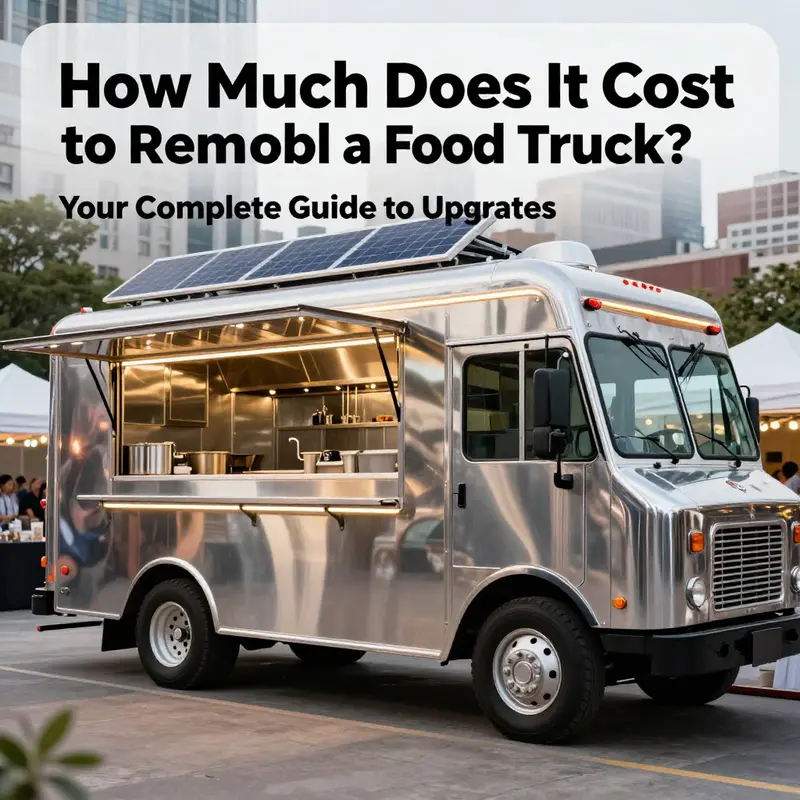
Remodeling a food truck into a high-end, fully customized unit is less a purchase and more a strategic build. It’s a project that blends architecture, culinary science, and brand storytelling into a mobile platform. The price tag reflects that breadth: far beyond the basics of new countertops or better insulation, a premium remodel contemplates every touchpoint from the kitchen’s performance to the customer’s sensory experience. In the realm of high-end builds, estimates typically start around the mid five figures and can soar well past six figures, depending on how deeply you customize, the materials chosen, and the sophistication of the equipment. This isn’t merely about outfitting a small restaurant on wheels; it’s about engineering a reliable, efficient, and memorable operation that can endure a busy service schedule and a demanding market. When you push into premium territory, the value proposition shifts from “cheapest per square foot” to “best-in-class workflow, energy efficiency, and brand differentiation.” The many variables that come into play create a broad spectrum of costs, but the logic behind the investment remains clear: higher upfront investment can translate into faster service, lower operating costs, better food quality, and stronger customer recall over time.
At the core of the premium remodel is the structural and systems backbone. You’re looking at more than a cosmetic refresh; you’re rethinking the entire kitchen flow and duty cycle. Structural modifications might include reconfigured layouts to optimize the line between kitchen and service window, improved access for cleaning, and reinforced floors and walls to handle heavy, commercial-grade equipment. These changes set a foundation that can handle not just immediate usage but future expansion or cuisine shifts. The plumbing and electrical systems receive parallel upgrades. Expect upgraded electrical panels, enhanced wiring with dedicated circuits for heavy load appliances, improved ventilation, and fire suppression infrastructure tailored to commercial guidelines. The goal is not only compliance but real-world reliability during peak hours. The ventilation system, in particular, becomes a central investment; a robust, energy-efficient solution minimizes heat and odors while maintaining a comfortable crew environment and complying with health standards. Large, dependable refrigeration units, commercial-grade ovens, and induction cooktops are priced not merely as individual devices but as integrated components of an uninterrupted kitchen workflow. When you’re cooking for high volumes, a momentary power hiccup or a briefly failed component can cascade into delays and losses. Premium builds anticipate such contingencies with redundant systems and superior components that tolerate long service days with minimal attention.
The interior finishings are equally consequential. Premium cabinetry, countertops, and finishes are chosen not just for aesthetics but for longevity under the rigors of daily use. Solid-surface countertops, quartz or granite surfaces, and durable cabinet assemblies withstand moisture, heat, and constant handling. The design aims to minimize lingering sanitation concerns, streamline wipe-down routines, and support efficient line work. In tandem with durability, the ambience matters. Lighting in a high-end trailer is more than visibility; it’s mood, brand signaling, and operational clarity. LED systems that balance color temperature, brightness, and energy use help cooks focus on accuracy while presenting a polished, premium look to customers. Insulation and soundproofing aren’t optional luxuries; they contribute to crew comfort and customer experience by keeping heat and noise predictable and manageable, especially when the truck operates in crowded, urban environments with variable ambient noise.
A defining feature of the highest tier is the thoughtful integration of advanced technology and data-enabled management. Smart capabilities can encompass a range of functions: remote monitoring of equipment temperatures and performance, predictive maintenance alerts, and energy management that tracks kilowatt use against operating hours. An integrated point-of-sale (POS) system, while a standard in many operations, becomes a strategic asset at the premium level when paired with analytics that inform inventory, portion control, and peak service planning. These digital layers support accuracy in orders and consistency in service, while also providing data to guide future adjustments in menu, staffing, and pricing. The upfront cost of such systems is not merely for convenience; it’s an investment in operational intelligence. It’s also a platform for branding and customer engagement, because a smooth, fast, and visually coherent service can turn first-time customers into repeat patrons who remember the experience as uniquely yours.
Brand identity on wheels becomes a premium consideration as well. This is where design language—color, typography, signage, and graphics—extends beyond the exterior and into the operational core. A high-end build often features custom paint schemes, signage, and branding elements that communicate cuisine identity and market positioning at a glance. The effect is pragmatic as well as aesthetic: a cohesive brand presentation reduces confusion, speeds service, and reinforces the perceived value of the offering. When the truck’s interior and exterior align with the brand promise, customers form a stronger impression, which supports higher price points and greater loyalty. To emphasize how branding and design intersect with the mechanical and culinary heart of the business, consider the broader resources that explore how to shape on-wheels identities. Branding on Wheels: The Ultimate Guide to Food Truck Graphics and Identity offers perspective on how graphics and identity choices reinforce the entire concept of a premium mobile kitchen. For a deeper dive, you can explore that guide here: https://loschifladostruck.com/branding-on-wheels-the-ultimate-guide-to-food-truck-graphics-and-identity/.
The range of premium features can also reflect the cuisine’s demands and the business model’s ambitions. A gourmet burger concept might justify a high-output griddle, precise broilers, a robust dehydrator or smoker, and a climate-controlled storage zone that keeps ingredients at peak freshness. A sushi or sashimi-forward concept might invest in specialized refrigeration, precise temperature and humidity controls, and water filtration and ice systems that preserve texture and texture integrity. An artisanal coffee or tea operation might justify advanced espresso machines or specialty brewing systems and a controlled environment that protects flavor profiles. Each of these configurations increases both capital outlay and potential revenue because it improves product quality and consistency, reduces waste, and shortens service times during peak demand. The “premium” tag here isn’t only about luxury—it’s about measurable competence, reliability, and the capacity to deliver a consistent customer experience day after day, in weather and traffic conditions that would challenge a lesser setup.
Of course, all this quality comes with a price. It’s common to see premium builds in the broad range of forty thousand to a hundred thousand dollars or more, especially when you factor in high-grade appliances, sophisticated climate control, and custom interiors. The exact figure hinges on several variables: the size and configuration of the truck, the complexity of the electrical and plumbing upgrades, the level of customization in cabinetry and finishes, the sophistication of the ventilation and fire suppression systems, and the degree of smart technology integration. Labor costs can also escalate quickly if you contract with specialized teams for design, engineering, and installation rather than doing work in-house. Shipping and delivery, often separate from the equipment and construction costs, can add to the total when the chassis or finished shell is sourced from distant suppliers. Permits and inspections are another recurring expense that must be planned for, particularly when the remodel involves significant structural changes or new gas and electrical lines. All of these elements accumulate toward a total that reflects not only the present needs but the resilience of the business in a competitive market. The intent behind this level of investment is not merely to win attention but to improve throughput, food quality, and the customer journey in ways that create lasting value.
For readers planning a premium remodel, a practical approach blends vision with phased execution. Start with a detailed design brief that prioritizes what matters most for your cuisine and service model, then map these priorities to cost estimates for each major subsystem: kitchen layout and fixtures, electrical and plumbing, climate and ventilation, and brand and graphics. Build in contingencies for unforeseen pricing swings in materials or labor, and reserve a portion of the budget for testing and iterations after installation. If you’re considering partnerships or suppliers, seek quotes that break down costs by subsystem and specify the scope of work, warranties, and delivery timelines. A staged approach can help control risk while preserving the opportunity to upgrade or pivot as the business finds its footing. It also helps to maintain a coherent brand narrative throughout the build, ensuring that every design decision—from the placement of a refrigeration unit to the hue of the signage—contributes to a unified customer experience rather than a disjointed collection of features.
In sum, a high-end, fully customized food truck remodel is a substantial investment with meaningful upside. It’s not merely a game of acquiring top-tier gadgets; it’s about engineering a vehicle that can deliver superior culinary quality, efficient operations, and a compelling brand story under one moving roof. The payoff lies in a more consistent product, a faster and more reliable service, and the ability to command premium pricing in crowded markets. The total cost reflects the breadth of what you’re attempting to achieve and the degree to which you are willing to align every element with your cuisine, your customers, and your business goals. For those who prioritize long-term performance, differentiation, and brand resonance, the premium path on wheels offers a compelling balance of risk and reward. External perspectives on market costs provide context for planning, but the true value emerges when the project is envisioned as an integrated system that elevates the entire mobile dining experience.
External resource for broader market context: https://www.foodtrucks.com/food-truck-costs
Beyond the Build: Uncovering Shipping, Labor, Permit, and Delivery Costs When Remodeling a Food Truck
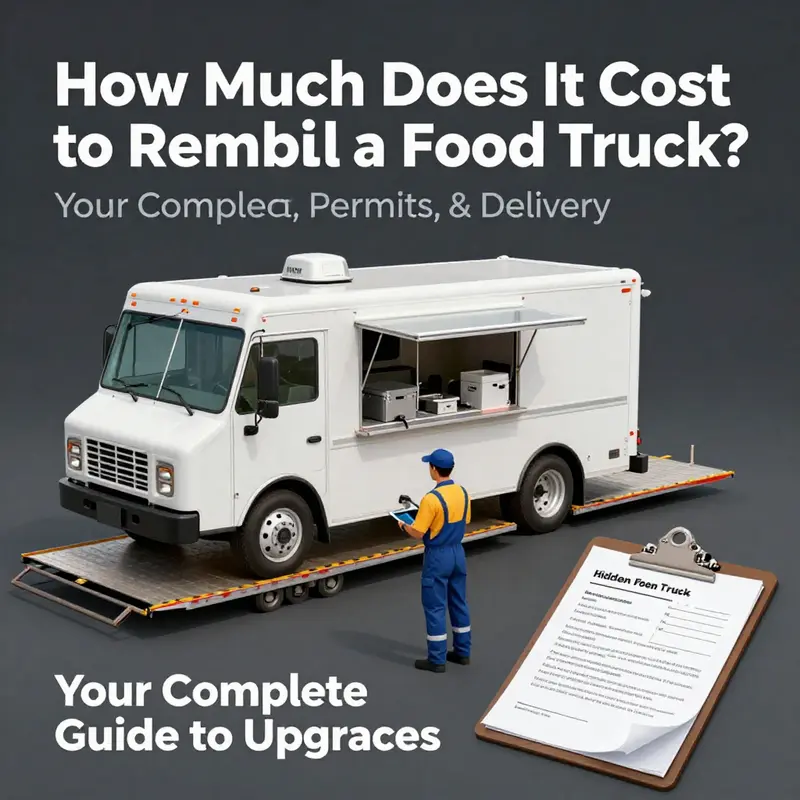
Remodeling a food truck looks simple in concept: choose equipment, pick finishes, and install a functional kitchen. In practice, the visible line items are only part of the story. Hidden costs—shipping heavy equipment, skilled labor, permitting and inspections, and the logistics of delivery—can inflate a modest estimate into a major investment. This chapter walks through those unseen expenses, explains what drives them, and offers practical strategies to control them while keeping your project on schedule.
Start with shipping. Major appliances and metal components are heavy and bulky. Freight charges scale with size, weight, and distance. A commercial-range, a ventilation hood, or a walk-in cooler may each require palletized freight or white-glove delivery. Temperature-sensitive items and delicate glass or stainless fixtures often need special handling. Those services add surcharges. If supplies are imported, tariffs, customs clearance, and inland drayage further raise costs. Shipping estimates can therefore range from a few hundred dollars for small batches to several thousand for heavy or oversized items. In some builds, consolidated freight for multiple pieces lowers per-item costs. Ask suppliers for FOB terms to determine who assumes freight risk. Using a logistics broker can simplify consolidated shipping and insurance, especially when components come from multiple vendors.
Labor is the other major hidden expense. A food truck remodel needs trade-specific expertise. Designers and project managers convert ideas into code-compliant layouts. Metalworkers and fabricators adapt the truck’s shell and install mounts. Licensed electricians and plumbers route power and water safely. HVAC and fire-suppression specialists ensure safe operations around open flames. Each discipline charges hourly or flat rates. Local wage rates and scarcity of experienced mobile-kitchen technicians can push prices higher. Complexity compounds costs. A simple countertop swap may take hours. Reworking electrical systems to support multiple high-draw appliances can take days and require panel upgrades. Custom cabinetry and trim demand skilled labor and time. In many regions, experienced crews bill between moderate to high hourly rates. For a full remodel, labor totals commonly span a wide range. Small-scale refreshes may cost a few thousand dollars in labor. Full custom conversions often reach tens of thousands.
Permits and inspections sit at the intersection of cost and risk. Municipal health departments, fire marshals, and transportation authorities regulate mobile food operations. Getting permits often involves submitting floor plans, load calculations, and equipment certifications. Fees include application charges and inspection costs. Electrical and plumbing permits may be separate line items. Fire code compliance can require specific ventilation and suppression systems. Failing an inspection triggers rework and additional fees. Some regulatory steps require a commissary affiliation or proof of commercial kitchen access. Others require vehicle reclassification if structural changes affect gross vehicle weight or dimensions. Permit fees vary by city. In some places, total permit costs are only a few hundred dollars. In larger jurisdictions, they can climb into the thousands. Importantly, timeline impacts cost: permit delays extend downtime and accrue storage or labor holding charges.
Delivery and on-site logistics are frequently underestimated. Moving a remodeled truck or heavy equipment requires coordination and, sometimes, special machinery. Crane or forklift rentals come into play for bulky refrigeration units or bolted equipment. Tight urban delivery access can mean off-hours deliveries or temporary street closures, which cost extra. If the remodel shop is distant from the truck’s operating base, transportation fees escalate by mileage and driver time. Staging fees at docks or commissaries also show up. When delivery schedules don’t align with permit clearances, trucks can sit idle, tying up capital. Contingency planning for delivery delays is essential. Budget for potential re-delivery charges and temporary storage.
Several cost drivers repeat across these categories. First, scope creep: changing specifications mid-build triggers extra shipping, labor, and possibly permit amendments. Second, remote locations and tight access increase both freight and delivery labor. Third, specialty equipment and custom fabrication raise shipping complexity and labor hours. Fourth, regulatory complexity varies widely by jurisdiction, affecting both time and spend.
Practical strategies reduce the shock of hidden costs. Consolidate orders so suppliers ship together. Negotiate FOB and insurance responsibility up front. Request itemized quotes that separate shipping, labor, permits, and delivery. That facilitates clear comparisons between vendors. When possible, choose modular or standard-sized equipment to lower freight and simplify installations. Consider refurbished or off-the-shelf gear for lower upfront cost and simpler shipping. Use local tradespeople experienced with mobile kitchens. Their familiarity with code nuances and installation shortcuts often avoids costly rework. Define a fixed scope in writing, including a bill of materials and an agreed schedule, to limit change orders. If timeline flexibility exists, schedule work during slower seasons for better labor rates. Always include a contingency of 10–30% of the total remodel budget for unexpected fees, permit-related rework, and delivery hold-ups.
Documentation and proactive communication matter. Keep equipment spec sheets, load calculations, and manufacturer certificates on hand for permit applications. Record delivery inspections and take photos of freight on arrival. That protects against freight damage claims and speeds insurance settlements. Coordinate delivery dates with permit approvals and inspections. A single synchronized calendar can prevent days of idle truck time.
To put the pieces together, imagine a mid-range remodel. Base equipment and interior fit-out might sit between moderate and high five figures. Adding realistic shipping, labor, permit, and delivery expenses quickly doubles a low-ball estimate. That is why owners who budget only for visible upgrades often face unpleasant surprises. A disciplined approach—detailed scope, multiple quotes, local expertise, and a contingency fund—keeps the budget realistic and manageable.
For owners new to the regulatory landscape, consult a local guide to food-truck regulations early. That resource helps translate equipment choices into permit requirements and expedites approvals. A practical primer on compliance and permits can save significant time and money; for a focused overview of local rule navigation, see this guide on navigating food-truck industry regulations.
Finally, when sourcing equipment and customization options, compare supplier pricing and freight terms directly on platforms that list customizable mobile kitchens. One such marketplace provides current pricing and customization options for reference: https://www.made-in-china.com
Between Bumpers and Brisket: Navigating Real Costs and Accurate Quotes for Remodeling a Food Truck

Remodeling a food truck is more than a design refresh. It’s a deliberate financial move that defines what your kitchen can do, how fast you can serve, and how reliably you can scale. The spectrum of costs reflects the breadth of choices—from a light interior refresh to a full, turnkey kitchen rebuild with custom cabinetry, ventilation, and brand integration. The market today shows a broad range, and the exact figure depends on the scope, the materials you choose, and whether you’re upgrading basic components or creating a fully customized operation. The numbers below help map what you might expect and why getting precise quotes matters more than ever before stepping onto the lot with a plan.
A basic remodel is a sensible starting point if you’re prioritizing a refreshed look and increased efficiency without rebuilding the entire workflow. In practice, such projects cover interior finishes, new countertops, insulation improvements, and the replacement or upgrade of essential appliances. On the lower end, this tier can begin around a few thousand dollars and scale upward with the extent of updates. Real-world listings suggest that some basic setups can start in the neighborhood of roughly US$4,400 to US$5,500, especially when the scope centers on refurbishing existing fixtures and improving energy efficiency. Yet even within this tier, the line between “basic” and “robust” can blur quickly when your goals include better workflow, more durable materials, or higher-capacity equipment. Shipping and delivery are typically not included and must be negotiated separately with suppliers, and labor costs add another layer as you decide whether you’ll tackle tasks yourself or hire professionals.
If you’re aiming for a step up, mid-range customization represents a meaningful upgrade in function and presentation. This level often includes custom cabinetry, upgraded refrigeration, enhanced electrical systems, and branding elements that carry through from the kitchen to the curb-side experience. The cost sweet spot for mid-range work commonly lands between US$6,100 and US$6,500, though some projects may push higher when premium finishes are requested or when the layout demands more complex electrical and refrigeration configurations. A retro-style or designer shell can also drive the price up as the finishes and fittings demand more specialized craftsmanship. In this tier, the investment is usually justified by gains in efficiency, reliability, and the ability to offer a broader menu without sacrificing speed or safety.
For owners who want a transformative, high-end result, a full custom renovation becomes a different engineering problem. Premium features—solar power integration, advanced HVAC systems, full commercial-grade appliances, superior insulation, meticulous branding, and custom interiors—can push costs well beyond the mid-range. While the early market mentions suggest that high-end projects can exceed US$10,000, most complete, fully customized builds with extensive design work, turnkey permitting assistance, and bespoke fabrication commonly reach well into the tens of thousands, and some projects may surpass US$30,000. The exact figure hinges on the sophistication of the kitchen layout, the quality of the appliances, and the extent of the non-kitchen elements such as branding and ambiance, which now play a bigger role in attracting customers.
Cost reality, however, seldom lies in the sticker price alone. Shipments, delivery logistics, and the availability of trade labor all factor into the total. If you’re starting from a standard chassis with a straightforward layout, your bill might stay closer to the lower bands. If you’re repurposing a less ideal platform into a high-performance micro-kitchen with premium components and a distinctive aesthetic, expect the total to stretch as you add layers of equipment, code-compliant electrical and plumbing work, and sophisticated ventilation. Even when the core kitchen is sound, permit fees, inspections, and potential upgrades to meet local health and electrical codes can add meaningful sums to the final bill. A careful estimator will fold these items into a realistic budget rather than leaving them as afterthoughts.
To arrive at something genuinely accurate, it helps to start with a detailed specification set. Describe the truck you’re converting—the make, model, year, and current condition—and pair that with your desired layout. Clarify your equipment needs: grills, fryers, refrigeration units, ice makers, espresso machines, and any specialized venting or water heating systems. Don’t overlook non-kitchen requirements either, such as grease trap compliance, floor coatings with food-safe finishes, and anti-slip surfaces in wet zones. Accessibility for maintenance and cleaning is another practical dimension. Then, outline your compliance obligations: which health department standards, electrical code requirements, and gas safety codes apply and how you expect your team to meet them. Providing these specifics to multiple suppliers helps you capture apples-to-apples quotes and reduces the risk of hidden charges that often appear later in the project.
When you’re evaluating suppliers, there are a few yardsticks that consistently predict a smoother remodeling journey. Experience in food-truck conversions matters, because a vendor who understands the unique constraints of mobile kitchens is better at designing for safety, airflow, and service speed. Quality craftsmanship shows up in the stability of cabinetry, the reliability of refrigeration, and the finish work on exterior branding that endures through daily exposure to sun, rain, and heat. Timeliness is another practical virtue; a reliable team will deliver on a promised schedule and communicate clearly about potential delays. Warranties are worth insisting on, not as a defense against the unexpected but as a signal of confidence in workmanship and parts. Request references, review portfolios, and ask how problems are handled after installation. Some suppliers offer turnkey solutions that include permitting assistance and equipment sourcing, which can streamline the process and reduce the friction of coordinating multiple vendors.
It’s not unusual to consider ready-made or pre-remodeled options when time, space, or budget constraints loom large. In the market today, platforms that list turnkey or ready-to-go configurations can give you a clear benchmark for the price-to-performance equation. For example, a customizable snack food truck with a street coffee kiosk setup has appeared in listings around US$6,100 as of January 2026. It’s important to recognize that those numbers often reflect new builds or pre-configured packages rather than a retrofit of an existing unit, and they can serve as a useful reference point when your current vehicle is in poor condition and would require extensive upgrades. If you’re comparing remodel quotes to a ready-made option, treat the latter as a ceiling or baseline rather than a direct replacement for the work you’ll do to your own chassis.
As you navigate this process, it helps to anchor your thinking in the model you’re aiming for. The choice of chassis and the overall footprint dramatically influence remodeling cost and feasibility. A small, longer-term goal is to align your truck’s capabilities with the menu you intend to offer, your peak service throughput, and the customer experience you want to create. In that sense, remodeling cost becomes part of a larger decision about the right vehicle and kitchen flow for your concept. For further guidance on choosing the right model, you can explore practical considerations at this resource: Choosing the right food truck model.
Beyond the core price, there is a practical discipline to prevent cost creep. Ask for itemized quotes that break out every major category: shell work, plumbing, electrical, gas lines, ventilation, insulation, ceiling and wall finishes, flooring, cabinetry, refrigeration and cooking equipment, and exhaust systems. Include an explicit line for delivery and installation in your budgeting. It’s equally important to confirm whether the quote includes all required inspections, permits, and any necessary training or commissioning of the equipment. If a supplier cannot provide an itemized quote, that is a red flag that hidden charges may follow as the project progresses. Compare quotes on the same basis, and allow a reasonable contingency—vendors often add 5% to 15% for unforeseen complexities, but the industry standard tends to lean toward 10% as a general guardrail. While it can be tempting to choose the lowest bid, the real test is whether the bid demonstrates a clear plan for achieving health and safety compliance, reliable operation, and a durable finish that withstands a rigorous daily schedule.
In parallel with chasing precise quotes, think about the lifecycle value of the remodel. A well-executed upgrade that improves throughput, reduces energy use, and enhances branding can boost resale value and customer appeal. The branding element, in particular, has grown in importance; it’s no longer just about a logo on the side but about a cohesive identity that travels with your truck across markets and locations. The cost impact of branding should be integrated into the project plan, not tacked on at the end. If you’re curious about the branding side of mobile kitchens, there are dedicated guides that explore identity and graphics for food trucks and how those decisions interact with kitchen design and operating efficiency.
As you near a decision, you’ll likely find yourself juggling two parallel tracks: the practical constraints of your existing vehicle and the higher-level vision of your operation. A disciplined approach is to gather multiple quotes, share the same detailed spec with each supplier, and insist on clear, line-by-line breakdowns. Don’t shy away from asking for references or asking for portfolios that demonstrate similar conversions. If a supplier can provide turnkey services, ask how they handle permitting and sourcing, and request a timeline that aligns with your target opening date. The aim is a transparent, well-documented proposal that you can compare against a careful cost model of materials, labor, and contingencies. This is how you move from a guess to a plan you can defend when you present to lenders, investors, or partners.
For readers seeking a practical benchmark as they plan, remember that basic refreshes will not automatically fit every menu or kitchen workflow. Mid-range builds often yield meaningful improvements in both efficiency and customer experience, while high-end remodels unlock performance features that can set your truck apart in crowded markets. Whatever route you choose, the goal is to connect your financial plan to a kitchen that serves your concept with consistent quality. The cost math should reflect not just today’s price tags but the long game of reliability, compliance, and guest satisfaction.
External reference: For a broader view of ready-made options and market benchmarks, see the Alibaba listing referenced in the detailed research results for this chapter: https://www.alibaba.com/product-detail/Customized-Snack-Food-Truck-Street-Coffee-Kiosk_1600487961271.html
Internal reference: When you’re weighing which model to invest in before remodeling, the following resource can help align the choice with remodeling expectations and constraints: Choosing the right food truck model.
Final thoughts
Remodeling a food truck is as much an investment in personality and functionality as it is in appliances and aesthetics. From basic refreshes that can get you serving quickly, to mid-range upgrades that make your brand pop, all the way up to premium builds that rival stationary kitchens, there’s a clear price range to guide your decisions. Accounting for hidden costs ensures your budget stays realistic, and working closely with trusted suppliers guarantees that the end result meets your expectations. Whether for events, corporate perks, community gatherings, or personal passion, knowing the true remodel cost helps you roll out not just a truck— but an experience filled with flavor, culture, and charm.