Food trucks have taken the culinary world by storm, delivering mouth-watering dishes right to our neighborhoods and events. But have you ever considered the average length of a food truck? While it might not be the first thing on your mind as you savor a gourmet taco on the go, understanding the dimensions of these mobile kitchens can significantly impact event planning, operational efficiency, and culinary creativity. In this exploration, we will break down the average length of food trucks, the design considerations that affect their dimensions, variations in length based on cuisine, how size affects mobility, and the exciting emerging trends. Let’s dive into the fascinating world of food trucks and their sizes that accommodate diverse culinary adventures!
Length on Wheels: Decoding the Standard Footprint and Its Impact on Food-Truck Performance
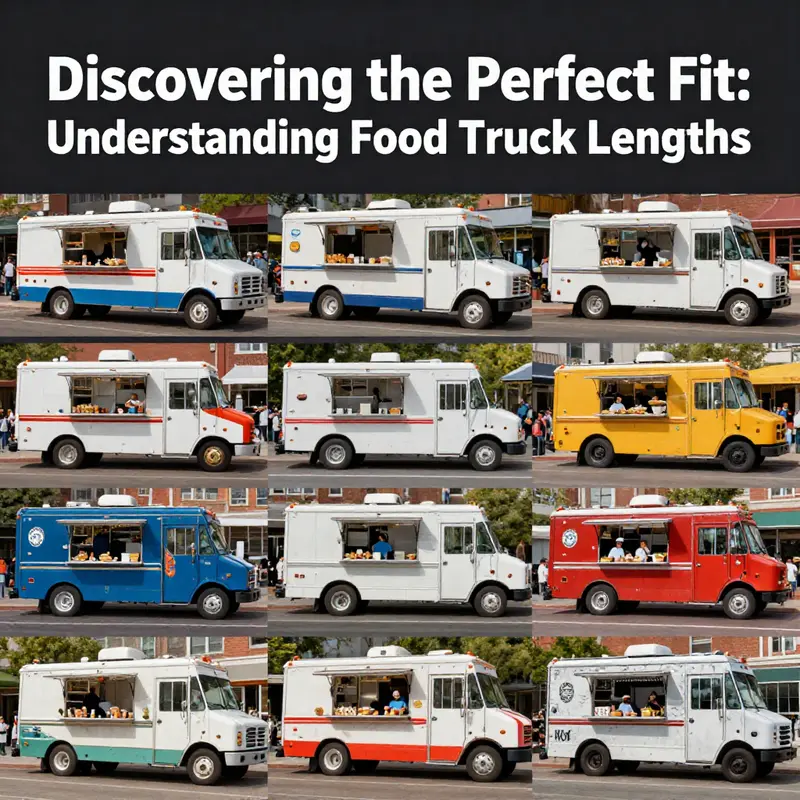
Choosing the right size for a food truck is less a fashion choice than a strategic decision about how a kitchen on wheels will actually work. The length of the vehicle influences almost every practical aspect of operation, from how a cook can move and reach equipment to where a truck can park for a shift, a festival, or a pop-up event. The question of length is not simply a matter of preference; it is a constraint that shapes menu design, workflow, staffing, and even the ease with which a business can enter and stay active in crowded urban spaces. In this sense, the length of a mobile kitchen acts like a frame that determines what content – the menu, the equipment layout, and the customer experience – can realistically fit inside. The discussion of average length, therefore, must balance general industry norms with the realities of different operating models and space limitations that vendors routinely face.\n\nAcross industry discourse, the typical footprint tends to fall within two broad ranges, each with its own justification. On one hand, the more expansive range cited in some sources centers around 24 to 30 feet in length. That span can accommodate a kitchen that feels restaurant-like in scale, with room for robust cooking lines, multiple appliances, ample cold storage, and several service windows. In the context of larger events, night markets, and venues that expect high throughput, this longer frame can be advantageous because it creates a more forgiving interior layout. It also aligns with certain custom-built configurations that aim to maximize workspace for a team of cooks, a broader front-of-house operation, or even separate prep and service zones. On the other hand, a frequent practical baseline observed by many operators is closer to 20 to 24 feet. This shorter, standard footprint typically offers a well-balanced combination of interior workspace and exterior maneuverability. It makes parking easier, helps with street navigation in tight urban lanes, and reduces the logistical burden when positioning for curbside service or inside event lots. The tension between these two ranges is less about preference than about how much kitchen real estate a vendor genuinely needs to support the intended menu and volume, while still meeting local parking and permitting constraints.\n\nTwo observations help reconcile these ranges with real-world operations. First, the majority of mobile vendors aiming for reliability and speed tend to optimize around the shorter, 20-to-24-foot band. This length provides sufficient space for essential equipment—grills or fryers, refrigeration, a sink, a modest dry-storage area, and a few small prep surfaces—without sacrificing the ability to glide through crowded streets or squeeze into smaller event spaces. A 20- to 24-foot truck often serves as the “go-to” option for dessert stands, coffee concepts, or compact, high-margin menus where the kitchen can be tightly choreographed and the service area kept deliberately lean. Second, longer configurations—approaching 25 to 30 feet or beyond—enter the field primarily when operators anticipate higher throughput, require multiple service windows, or must accommodate a more expansive menu. In practice, while these larger trucks do exist, they require careful planning around parking accessibility and traffic management. They benefit from venues that can accommodate wider loading zones and have event organizers who understand the unique needs of multi-window operations. Still, even in these scenarios, longer trucks demand more careful attention to turning radius, route planning, and on-site maneuverability.\n\nA broader view includes the regulatory and logistical frameworks that shape what sizes are feasible in different regions. In the United States, the regulatory landscape treats food trucks as commercial motor vehicles, with governing bodies focusing primarily on weight, axle configurations, and overall vehicle safety rather than prescribing a single length. The Federal Motor Carrier Safety Administration (FMCSA) does not publish a universal length standard for food trucks; instead, it sets rules that correlate to gross vehicle weight rating (GVWR) and axle arrangements. This means that while a truck’s physical length is a critical design choice, it is evaluated alongside how much weight the vehicle is expected to carry and how the axles support that weight during operation. Local and state regulations often translate these considerations into practical limits, signs of a city’s permitting process, and parking constraints that can indirectly cap what operators actually deploy. In urban markets and event districts, these practical limits frequently push vendors toward the 20- to 24-foot middle ground, especially for those new to the field who must align with a broad spectrum of permit rules and street dimensions.\n\nThis is not to say longer trucks lack purpose. A longer footprint can offer a more forgiving kitchen workflow when the operator’s model relies on higher volumes, more elaborate menus, or distinct service windows that reduce cross-traffic in a busy kitchen line. A longer configuration can also allow for separate prep, cooking, and service zones within a single mobile unit, which can simplify sanitation practices and help with staffing. However, the advantages of extra length must be weighed against the realities of logistics: parking space, truck transportability, drive-by traffic, and the ability to fit inside event corridors or alleys that frequently impose strict width and turning constraints. In practice, many proportionate designs use modular or compartmentalized layouts that maximize usable space within a compact footprint, enabling operators to adjust configurations as menu needs evolve or as events dictate.\n\nFrom a design and planning perspective, the length of the truck directly influences interior layout and equipment planning. A 20-to-24-foot framework typically requires a tightly integrated kitchen line where the ventilation hood, fire suppression system, and exhaust are efficiently arranged to optimize air flow and safety. It demands precise sequencing of appliances to minimize the distance a cook must travel between prep and service windows, which translates into faster service and reduced fatigue during long shifts. This compact philosophy also pushes operators toward vertical storage solutions and clever use of under-counter spaces to keep the work surface uncluttered without compromising essential cold storage and dry goods. In contrast, a longer truck can accommodate more generous prep counters, a larger multi-bay cooler or freezer, a secondary sink, and perhaps a separate baking or pastry corner. For those pursuing a multi-menu concept with diverse cooking styles, the longer frame becomes a practical foundation for maintaining an efficient workflow while keeping the service window footprint compact enough to manage.\n\nFor aspiring operators, the takeaway is not a single best size but a careful alignment of menu, throughput goals, and parking realities. If the plan is a streamlined menu with a small crew aimed at high-velocity service at festivals and farmers markets, a 20- to 24-foot unit often strikes the right balance. If the business model envisions exhaustive menus, high-volume weekend operations, or a need for multiple service windows to separate customers and avoid bottlenecks, a longer unit may be justified, provided there is a reliable plan for parking, movement, and on-site logistics. In either case, it is prudent to begin with a clear sketch of the kitchen workflow, then map that workflow to a realistic interior layout, and finally test the plan against typical event layouts. The aim is to preserve speed, safety, and sanitation while ensuring customers experience an approachable, well-organized front of house.\n\nAs readers contemplate their options, a practical touchstone can be found in industry guidance and professional associations that address dimensions, compliance, and best practices for mobile vendors. These resources offer a broader frame for understanding why a given length makes sense in a given market and how regulations and venue requirements shape the decision. For readers seeking further reading beyond internal case studies and vendor discussions, industry guidance from recognized bodies provides a structured approach to dimensions, safety, and compliance that complements the hands-on intuition developed from field experience. For more on official guidelines and the practical implications of mobile vendor dimensions, see NAMFV’s resources: https://www.namfv.org. And for readers exploring the decision-making process behind model selection and size, the article on choosing the right food truck model offers a detailed look at how kitchen needs translate into vehicle footprints, accessible here: choosing the right food truck model. This synergy between menu planning, space management, and regulatory considerations helps explain why the average length in practice tends to settle in a practical range, rather than a theoretical maximum or minimum.\n\nIn the end, the length you choose is a statement about how you intend to work. It encodes estimates of throughput, the breadth of your culinary offer, and the kinds of spaces you will call your workplace. It signals how you will interact with customers—whether a tight, counter-style service or a more expansive, stage-like experience. It also determines, to a meaningful degree, where and how you will park, how you will breeze through a schedule filled with permits and lane closures, and how you will keep your team safe and efficient under the pressure of a busy service window. The average length is not a solitary statistic but a compass: it helps businesses align their ambition with the practicalities of street logistics, the pace of service, and the realities of urban space. As the industry continues to evolve—with modular designs, evolving health regulations, and a growing ecosystem of support organizations—the precise number may shift, but the underlying principle remains steady: the best length for a food truck is the one that harmonizes your menu, your crew, and your environment into a smooth, reliable cadence that keeps both cooks and customers satisfied.\n\nExternal resources can illuminate the path further for readers who want to deepen their understanding of the regulatory and dimensional landscape that governs mobile food operations. NAMFV provides official guidance on dimensions and compliance, which is invaluable for operators navigating the specifics of their own markets. For more practical insights into mobile-lab logistics and how length shapes daily operations, see the NAMFV resource linked above. By coupling practical kitchen design with regulatory awareness, prospective operators can approach the planning stage with a clearer map—one that respects both the artistry of street cuisine and the discipline of safe, compliant mobility.
Balancing Footprint and Flavor: Designing Space and Determining the Ideal Length for a Food Truck
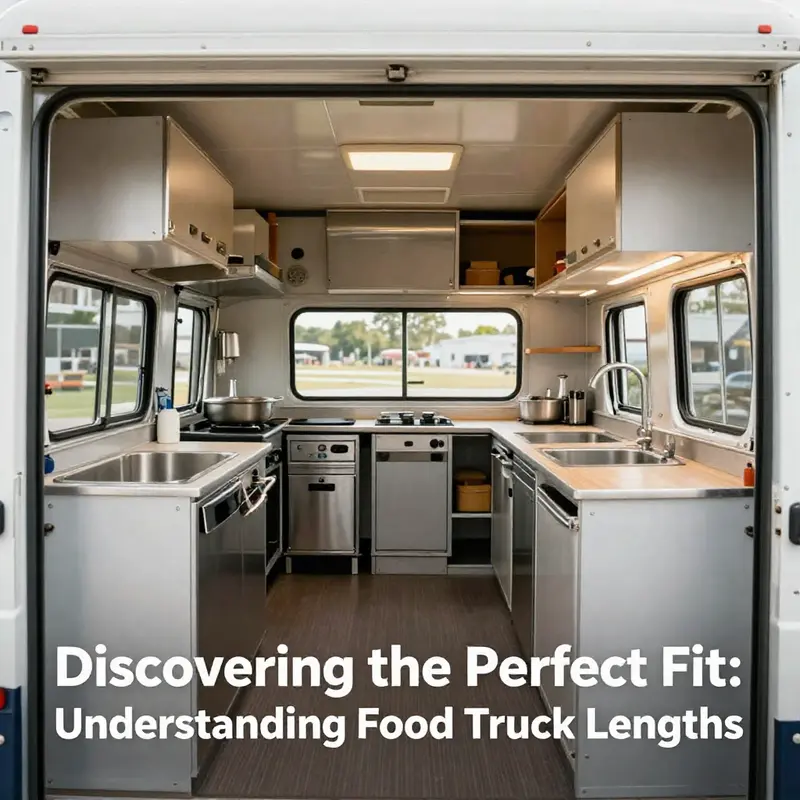
Length should not be treated as a fixed constraint but as a design parameter that shapes what a mobile kitchen can deliver. When people ask what the average length of a food truck is, they are really asking how much space a kitchen on wheels needs to operate efficiently without sacrificing mobility. The straightforward answer is that typical mobile kitchens span a range rather than a single number. In many markets, operators find success with trucks in roughly the 24 to 30 foot band, with some extending to 32 or 34 feet to accommodate larger ovens, specialty equipment, or extended prep zones. Yet others trim down to about 20 to 24 feet for dessert concepts, coffee stations, or compact menus that prioritize speed and simplicity. These figures reflect a balance between interior workspace for kitchen equipment, storage, and staff movement, and the realities of parking and maneuvering in tight urban streets, at events, or in crowded markets. The idea behind this spectrum is that the length should support the menu, the service style, and the environments in which the truck will operate, rather than be viewed as a universal standard.
Understanding this variability is essential for anyone planning to launch or scale a mobile kitchen. The length you choose directly affects layout, workflow, and even maintenance costs. A longer unit may offer more square footage for equipment and multi_station work zones, but it can also complicate parking, loading at venues, and compliance with street dimensions or event space limits. Conversely, a shorter footprint can enhance agility and reduce parking friction but may force compromises in the kitchen line and storage capacity. The practical takeaway is not to chase a number in isolation but to translate length into a precise configuration that supports the menu, the tempo of service, and the specific sites where the truck will operate.
From an interior design perspective, the need for kitchen equipment, cold storage, and prep areas drives most of the length decisions. High-volume operations with complex menus, such as pizza, burgers, or multi-meal concepts, tend to push toward the longer end of the spectrum because they require ovens, grills, and robust prep space in addition to dedicated work zones for assembly and finishing. In contrast, operations focused on simpler items or beverages can succeed with a compact layout that maximizes throughput in a smaller footprint. The central challenge is to allocate space so that staff can move with flow and safety while maintaining sanitary practices and quick service. This involves a thoughtful balance of horizontal spread and vertical storage, with clever integrations that maximize every inch of available room.
Interior space utilization rests on a few core principles that translate length into usable capability. First, modular equipment is a practical response to the variability of menus and event needs. Appliances that can be shifted or reconfigured allow operators to adapt to different menus or peak times without purchasing a new truck. This flexibility is not just about economic efficiency; it also supports faster setup and break down at venues where time is money. Second, vertical storage is a game changer in the restricted footprint of a mobile kitchen. Wall-mounted shelves, magnetic tool holders, and overhead racks free up floor space for prep and service lines. Third, multi-functional workstations enable a single zone to perform several tasks. For example, a prep island might serve as a staging area for raw ingredients, a cold-work surface, and a finishing line for plated dishes. These strategies help convert limited floor space into a versatile kitchen that can handle both high-volume service and more intricate cooking tasks when needed.
In parallel with spatial planning, safety and compliance set non negotiable boundaries that often inform length choices. A food truck is not merely a vehicle; it is a kitchen on wheels that must meet both transportation and food service standards. Ventilation and exhaust systems, fire suppression, and waste management all demand careful integration within the chassis. Adequate ventilation is necessary to manage heat, smoke, and odors while maintaining air quality for the crew. Fire suppression systems are essential when heavy-duty cooking equipment is in use, not only for compliance but for the safety of staff and customers. Waste management strategies must fit within the limited footprint, with dedicated zones for grease, solids, and recyclables that minimize cross-contamination and simplify cleaning. These safety and regulatory needs can influence how long a truck needs to be to fit the necessary equipment and the required clearance around stations for movements and inspections. In many respects, the guiding principle is that a food truck is both a kitchen and a vehicle, and it must satisfy the rules that apply to both domains without compromising usable space or service quality.
Adaptability is the other axis that shapes length. The modern mobile kitchen often needs to operate in a wide variety of settings: bustling street corners, festival grounds, farmers markets, corporate campuses, and private events. Each setting has its own spatial constraints and expectations for service speed and presentation. A longer truck might offer better separation between cold and hot stations or allow room for a dedicated pastry zone or a separate beverage bar, which can help in markets with diverse crowd preferences. A shorter truck, by contrast, can slip into spaces that longer units cannot reach and can reduce the logistical burden of parking and transporting equipment to smaller venues. The best operators design with this variability in mind, creating layouts that can be taught and replicated across events. Flexibility is thus not a luxury but a core component of profitability and scalability, enabling a business to maintain consistent service levels across venues and durations while managing space efficiently.
With the drive toward premium offerings and faster service, innovations in design continue to push the envelope within compact footprints. Designers are exploring sharper, more efficient workflows that minimize walking distances between prep, cooking, and service zones. Innovations in compact ventilation, energy-efficient appliances, and compact refrigeration concepts have reduced the space these systems require, allowing meal quality and speed to coexist with a manageable truck length. Yet every innovation must be weighed against the realities of street operations, towing or driving regulations, and the realities of maintenance regimes for a mobile kitchen used across many settings. The overarching trend is toward smarter layouts that deliver restaurant-level performance inside a footprint that remains nimble enough to navigate city streets, parking lots, and event spaces. Operators who pursue such layouts often find that a slightly longer chassis is worth the tradeoffs when it unlocks more robust kitchen capabilities, faster service, and better staff ergonomics.
The conversation about average length also intersects with the business planning that underpins a successful food truck venture. A kitchen that strikes a balance between interior space and exterior mobility supports not only the menu but also staffing models, supplier relationships, and maintenance schedules. Longer layouts can accommodate more staff in a single shift and provide room for a wider array of ingredients and equipment. Shorter layouts, while leaner, can yield advantages in terms of fuel efficiency and flexibility to work across varied venues with minimal logistical friction. In practice, operators should map out a service plan that aligns the expected menu breadth with the corridor of space required for each functional area. This alignment ensures that the truck size supports service speed, food quality, and regulatory compliance without becoming a burden in the day-to-day realities of street and event work. For operators who want to explore how the choice of truck model interacts with layout and capacity, there is a broader discussion in the guide about selecting the right truck model that can adapt to different menus and environments choosing the right food truck model.
As the industry moves toward more nuanced concepts and higher standards of service, the average length becomes less a marketing bullet and more a planning instrument. It is a starting point from which a business can design workflows, optimize procurement, and schedule maintenance. The most successful operators are those who translate this starting point into a precise, repeatable layout that matches their menu, their service tempo, and the realities of the sites where they will operate. In other words, length is a design constraint that can be harnessed to amplify performance rather than a limitation that restricts ambition. The end goal is not simply to fit a kitchen into a trailer but to ensure that the space works in concert with the staff, the equipment, and the customers. When this harmony is achieved, the truck becomes more than a vehicle; it becomes a mobile kitchen that can sustain a reliable, scalable, and adaptable business over time. For readers seeking deeper context on how space and performance come together in mobile kitchens, external resources offer structured perspectives on how space is allocated, how it affects throughput, and how it translates into venue readiness and profitability: https://www.eventbrite.com/e/food-truck-space-available-composition-performance-and-how-it-is-used-across-industries-tickets-123456789
Length on Wheels: How Cuisine and Service Models Shape the Size of Food Trucks
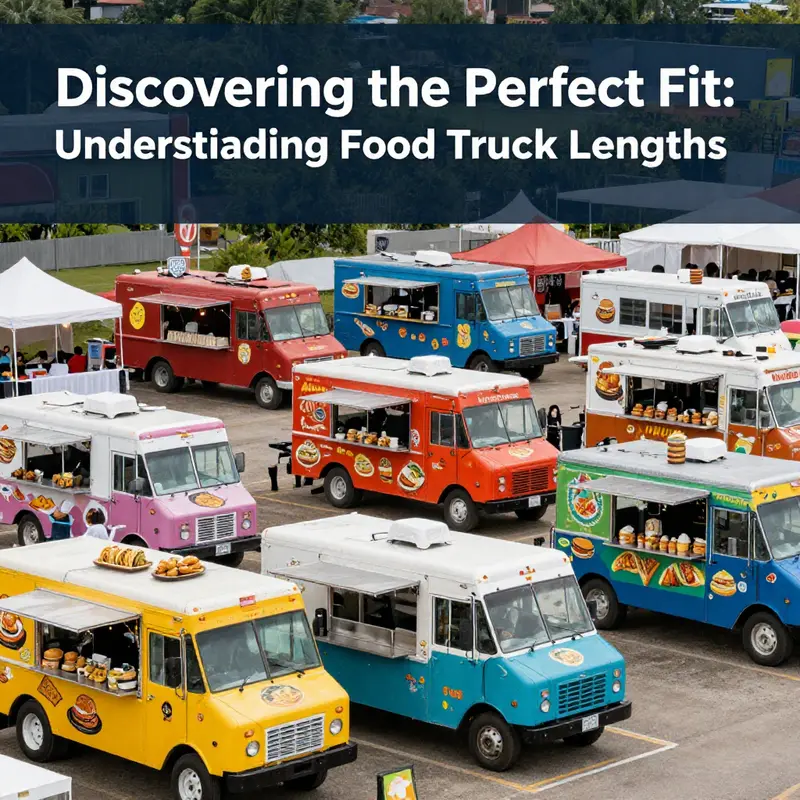
Length on wheels is not merely a measurement; it is a connective tissue between what a kitchen can dream up and what a city street will tolerate. In the world of mobile dining, the size of the truck becomes a foundational constraint and an opportunity all at once. It governs the choreography of prep, cooking, and service, and it silently shapes a brand’s identity as surely as color and logo. When operators plan a vehicle, they are not just choosing a number on a spec sheet. They are negotiating a complex trade-off among menu ambition, equipment needs, staff movement, and the realities of parking, loading, and event layouts. A longer truck can host more equipment and more extensive prep work, allowing a broader menu and higher throughput. It can accommodate dedicated smokers, multiple ovens, large refrigeration arrays, and generous prep counters. But with length comes challenge: parking in tight urban spaces, negotiating narrow streets, and securing spaces at festivals, markets, and curbside events can become a daily puzzle. Weight, weight distribution, and fuel costs rise as capacity grows, and the operational footprint grows with the vehicle’s footprint. The economics mirror this: longer units typically demand larger upfront investment, higher insurance, and greater maintenance. The narrative here is not a simple question of “how long.” It is a story about fit—fit for the menu, fit for the venue, and fit for the business model that a brand is pursuing. Industry observers note a practical core: many trucks cluster in a band that supports versatility without surrendering mobility. Yet the data reveal a wider tapestry when you factor in cuisine, service type, and intended use. A single, universal standard is elusive. Instead, the size of a food truck reflects a spectrum where small, compact operations sit beside full-scale mobile kitchens; vintage or retro aesthetics compete with the most modern, high-tech layouts; and even non-motorized setups play a role in the seasonal and event-driven economy. Consider the compact, quick-service format, where speed and ease are the guiding principles. These trucks typically measure around 18 to 20 feet in length. The emphasis is mobility, not surplus space. In dense urban environments, with countless footpaths, plazas, and festival grounds, an 18–20-foot unit has a distinct advantage: it can access tighter parking zones, slip into congested square footage, and still present a coherent, efficient workflow for a small crew. The kitchen may lean toward streamlined equipment, with a compact grill, a small cold storage section, and an efficient prep counter. The service area is proportionally smaller, but the emphasis on high turnover remains the driver. Businesses exploring this path often pursue lower initial investment, faster break-even timelines, and the flexibility to reposition between venues as market demand shifts. On the other end of the spectrum lies the full-scale mobile kitchen. Here, length commonly ranges from about 22 to 24 feet, a size that grants space for more complex cuisines and a broader menu. In these configurations, operators frequently install advanced cooking stations, multiple heat zones, robust ventilation, and large refrigeration arrays. The extra length is not just for show; it translates into practical gains: more parallel work surfaces, dedicated areas for different cooking stages, and ample space for staff to move without crowding the backline. This enables higher volume output and more menu variety, which can be essential for brands seeking to build a reputation across multiple events or neighborhoods. A longer unit also invites a more deliberate branding approach. The vehicle itself becomes a canvas for brand storytelling, with generous wall space for graphics and a layout designed to showcase the kitchen’s choreography as a sensory performance. Yet the same trade-offs surface in reverse: parking and maneuvering become more demanding, the cost of maintenance climbs, and the ramping needs at events or crowded streets require meticulous planning regarding logistics and staffing. Even within that full-scale category, there is nuance. Retro or vintage trucks, which fuse nostalgia with functional interiors, typically align with the 22–24-foot range. They must balance visual appeal with a workable kitchen footprint, ensuring the space remains usable and safe while the exterior project a distinctive personality. The aesthetic impulse—brand identity embedded in the vehicle’s look—often drives a desire for certain proportions, but no amount of charm can fully compensate for an undersized kitchen when a long menu and high-volume demand collide. The weight of design decisions grows heavier when non-motorized setups are considered. To a degree, towed trailers used at fixed events or seasonal locations inhabit a similar length range, commonly in the 18 to 24-foot band. These configurations share the same fundamental need: efficient use of limited space while preserving mobility advantages. They are not self-propelled, and therefore their logistical equation includes towing, hitch compatibility, and the logistics of site access for trucks and trailers alike. Across these categories, the central balancing act remains consistent: how to craft a layout that respects the kitchen’s functional needs while preserving the agility that makes a food truck a viable, repeatable vehicle for entrepreneurship. The interior logic reveals itself in the everyday reality of kitchen work. For compact operations, the line between prep, cooking, and service is tight, and every inch must support a purposeful workflow. The design prioritizes speed, easy cleaning, and quick staff movement. In larger units, the emphasis shifts toward flow and resilience. There is room for separate prep zones, efficient cross-ventilation for smoke and heat, and multiple refrigeration systems that keep ingredients organized and safe. With increased length comes the potential to special-case your service model: an extended service window at festivals, a more elaborate menu at night markets, or even a rotating lineup of regional specialties at fixed locations. The kitchen becomes not just a place of work but a narrative space that communicates the brand’s promise at a glance. That narrative, however, cannot ignore the practical constraints of real-world operation. Length interacts with parking rules, permitting environments, and the geometry of city streets. A longer truck needs more planning to find suitable curb space, turn safely at intersections, and align with loading zones or event ingress points. The challenges are real, but so are the solutions. Savvy operators design with flexibility in mind: modular cabinetry, scalable equipment footprints, and service counters sized for a comfortable line without creating bottlenecks. They also consider future growth. A business may start with a lean, 18- or 20-foot footprint to test a concept in a handful of venues, then scale to a 22- to 24-foot setup as demand solidifies. The decision to scale is not simply financial but strategic. It reflects a confidence in the menu, a predictability in event calendars, and a readiness to deliver consistent quality at a higher pace. For those weighing options, there is merit in looking beyond the immediate appetite of a single market. The long view considers operational flexibility: can the same truck operate across different city regulations, or will a second vehicle or a trailer be necessary for peak seasons? And what about branding continuity? The physical size becomes a canvas for identity, but identity must align with the practical realities of space and workflow. In this context, the choice of length intersects with a broader question about model selection. Operators frequently anchor their decisions in the menu’s breadth, the expected crowd size, and the types of events they target. These considerations often lead to consulting disciplined guidance, such as resources focused on choosing the right food truck model. You can explore this practical decision framework here: choosing the right food truck model. This bridge between concept and construction is where many new ventures find the balance between ambition and feasibility. The evolving market reinforces that there is no universal length that guarantees success; instead, there is a spectrum that accommodates diversity in cuisine, in service rhythm, and in the places where food on wheels thrives. A growing forecast from industry analysts emphasizes diversification, with size trends evolving alongside preferences in meal occasions and distribution channels. In practice, this means future trucks may be tailored more often to micro-niche markets, or to hybrid models that combine elements of compact and larger configurations in modular forms. The result is a marketplace that values both nimble, low-cost entry points and robust, high-capacity kitchens that can anchor a brand’s growth across multiple venues. For readers seeking a broader context, this trend aligns with the broader market shifts documented in industry analyses forecasting continued evolution in the food truck sector. External perspectives underscore the idea that the length question is less about a single answer and more about adaptive design practices: how a truck’s size supports the menu, the events, and the business model’s sustainability. In practical terms, that means embracing a design philosophy that prioritizes versatility without sacrificing efficiency. The length of a truck becomes a tool for storytelling, workflow optimization, and strategic execution rather than a mere figure on a spec sheet. As the landscape grows more nuanced, operators will increasingly evaluate length in tandem with the total footprint, including wheelbase, turning radius, service counter width, and the layout’s ergonomic flow. The takeaway is clear: for most ventures, aiming for a length within a practical band—typically 18 to 24 feet for many standard operations and leaning toward 22 to 24 feet for more expansive menus—offers a flexible foundation. Yet the upper reaches of 24 to 30 feet still find purpose in certain contexts—where the menu demands scope and the team benefits from space for sophisticated equipment, larger refrigeration, and a multi-zone kitchen. The chapters that follow will build on this understanding by exploring how specific cuisines and service models translate into concrete vehicle configurations, and how new entrants can translate size decisions into a viable business plan. For those ready to dive deeper into the regulatory and planning implications, the next sections will connect these size considerations with permitting, parking strategies, and event logistics to help translate theory into practice. External resource: Food Truck Market – Global Forecast 2025-2032.
Length as Leverage: How Typical Food Truck Size Shapes Mobility, Costs, and Kitchen Reach
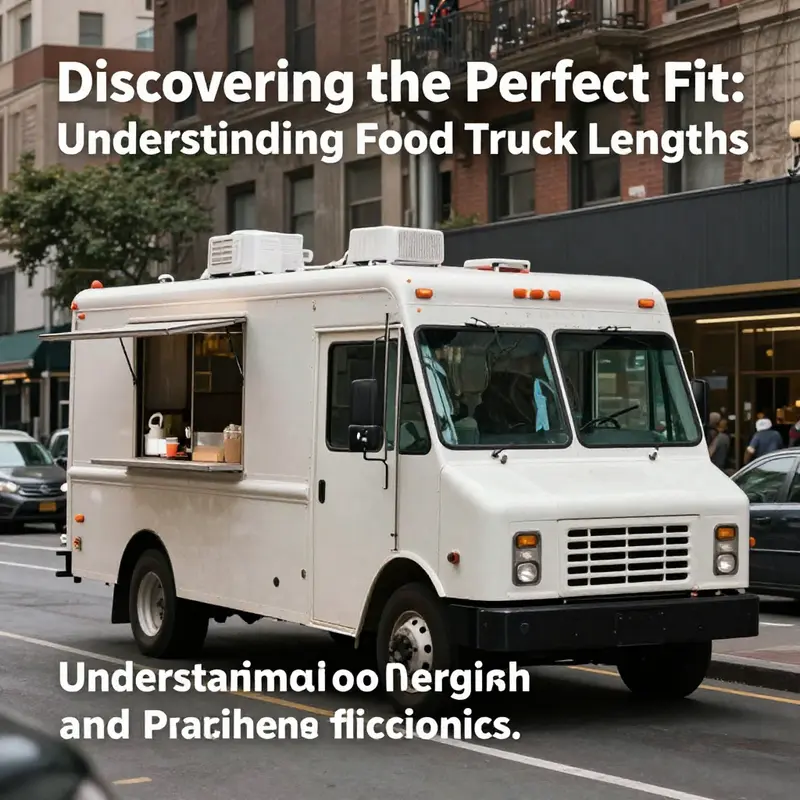
The question of how long a food truck should be is not a simple one. It invites a deeper look at daily rhythm, city streets, festival lines, and the economics that underlie every menu item sold on wheels. The average length of a food truck is a practical starting point, but the real story is how size translates into mobility and into the ability to serve a hungry crowd with consistency. Across major markets, including the UK, the tension between interior kitchen space and exterior maneuverability is a constant design constraint. In listening to operators and analyzing street patterns, one sees a recurring pattern: a truck length within a compact but capable range tends to unlock the most reliable balance between speed of service and reach of market opportunities. The core numbers matter less than what they enable in crowded urban spaces and at diverse events where every inch of curb and turn of a wheel can bend a plan toward success or failure.
In the United Kingdom, industry observations converge on a practical range. Most mobile kitchens fall between 6 and 8 meters in length, roughly 20 to 26 feet. This size is widely regarded as optimal for balancing mobility with operational efficiency in dense city centers where parking bays are tight and street geometry favors compact profiles. The shorter end of the spectrum is common for vans that carry delivery-style kitchens; these units are easier to drive, easier to park, and cheaper to operate in daily terms. They are well suited for quick service, limited menus, and frequent city center deployments where speed and agility trump scale. The longer end accommodates more equipment and a broader menu but introduces measurable frictions. Longer trucks require more careful route planning, larger access windows at venues, and a higher tolerance for the administrative complexity that comes with bigger vehicles. This is especially evident when comparing vans built on standard panel or delivery chassis to full service mobile restaurant formats, which can exceed 8 meters in length and push the envelope on access, insurance, and maintenance.
The yardstick used by many operators is not just inches but how those inches translate into daily life on the road or at a site. Shorter trucks excel in accessibility. They glide into narrow lanes, squeeze into compact loading zones, and slip into parking spaces that would challenge larger rivals. The payoff is lower fuel consumption and reduced operating costs, which matter when margins depend on high-volume throughput and tight labor scheduling. A smaller footprint can mean more stops per shift, increased customer reach, and the ability to respond quickly to changing foot traffic patterns. For entrepreneurs testing a concept in a dense market, the compact option offers a lower risk of getting boxed out by venue restrictions or by the simple physics of urban parking—turning radii, curb heights, and loading dock access all become part of a practical calculus.
On the other side of the spectrum, longer trucks extend the culinary toolkit and the potential for a richer customer experience. They create space for additional equipment such as extra burners, larger ovens, more refrigeration, and expanded storage for ingredients. For menus that require a broader array of items or a more elaborate cooking process, extra length can be the difference between a six burner setup and a full stove line that runs efficiently through a peak service window. In a setting where the goal is to deliver restaurant-quality meals from a mobile platform, the additional interior volume may be worth the tradeoffs in maneuverability and cost. Yet the increase in space comes with a corresponding rise in logistical complexity. Narrow streets become more challenging to navigate, festival fields require more planning for vehicle placement and setbacks, and the insurance and maintenance bills tend to scale up with length. A longer truck also tends to command greater attention from licensing authorities and traffic regulations, underscoring the reality that mobility is a function of both space and policy as much as it is of design.
The practical implications extend into daily operations, staff workflow, and the customer experience. A compact truck can be designed around a swift assembly line: a focused menu, a streamlined prep area, and a kitchen that moves efficiently with a small crew. The workflow is tight, the risk of cross-contamination is easier to control, and the time from order to delivery can be shortened with fewer hands in the hot zone. In a city setting, this translates into quicker turnarounds, more service slots in a day, and the ability to upcycle downtime into additional market participation. A compact footprint also means a lighter environmental footprint per service encounter, offering incremental savings on fuel and maintenance when operating within dense urban cycles. For operators who aspire to run multiple events weekly, the economics of a smaller unit often scale upward in the form of more frequent engagements and a lower fixed cost per event.
In contrast, the longer form opens doors to broader culinary expression and menu engineering. A full-service mobile kitchen can host a more complex array of equipment, enabling higher-output dishes, greater batch preparation, and more consistency across a demanding service window. This can be a strategic advantage at larger events or at venues with longer peak periods. However, the logistical realities of longer vehicles grow with the length. Access to certain venues becomes more selective, and the cost of parking, loading, and insurance rises. The potential revenue uplift must be weighed against these increased overheads and the possibility of higher downtime between deployments caused by location constraints. For entrepreneurs who target venues with consistent crowd sizes and who can plan around permits, a longer truck can be a feasible path to a broader culinary identity and a more distinctive service proposition.
A key takeaway for any operator evaluating length is that the choice is not a fixed single decision but a strategic alignment with market, service style, and operational environment. In practice, a 6 meter panel van built for a compact but efficient kitchen is a common entry point for first-time operators who want to minimize risk while learning the rhythms of food on wheels. As the business scales, a move toward the 8 meter range becomes an option for those seeking to widen the menu and elevate service quality in markets where space permits. The decision must reflect the realities of the daily route, including parking availability, street dimensions, and the seasonal cadence of events. Where a market or city imposes strict length limits, operators adapt by designing modular interiors, optimizing the use of vertical space, and prioritizing essential equipment that delivers the most pounds of flavor per hour rather than simply adding more square footage.
The global context also matters, even when the focus is on a specific regulatory environment. The broader industry standard often sits around a mid range that balances interior capacity with exterior maneuverability. In many regions, a 24 to 30 foot spectrum remains a widely accepted guideline for versatile operation. Operators who live near event hubs or busy corridors frequently default to units within this band, appreciating how the middle ground supports both mobile agility and kitchen breadth. The ability to move quickly between venues and adapt to varying crowd sizes is valued highly by teams that must respond to shifting demand and weather conditions. Yet the decision to pick a longer or shorter platform should always spring from a model of the business: what customers want, where they want it, and how the operator plans to sustain quality and service during a long service day.
For entrepreneurs who are sizing up their business model, the length you choose should align with the target market, the service style, and the daily operating environment. A carefully chosen size ensures regulatory compliance and operational sustainability, while also shaping how a brand is perceived on the street. A smaller unit conveys nimbleness and a compact charm, which can be attractive in dense urban cores or markets with tight traffic and access rules. A larger unit conveys capability and breadth, signaling an all-in beverage and food experience at larger gatherings or in venues that tolerate more expansive kitchen settings. Neither option is inherently superior; each embodies a different path to customer reach and profit, and the best choice often lies in the long view of a company’s growth trajectory and the cadence of opportunities in its chosen locales.
For readers looking to connect practical guidance with the realities described here, practical considerations around regulations and licensing are critical. Operators can gain valuable context from resources that discuss governance and compliance in the industry. For perspectives on regulations, see navigating-food-truck-industry-regulations. This resource helps illuminate how local rules shape vehicle length, safety standards, and operational requirements, encouraging planners to map a route that respects both city constraints and the ambition of a mobile kitchen. The entwined dance of length, mobility, and service quality remains at the heart of a thriving food truck venture, and the best outcomes arise when every inch is chosen with intention, not merely inherited from a tradition of what has always been done.
External resource: https://www.gov.uk/guidance/vehicle-and-licensing-rules-for-mobile-food-vendors-in-the-uk
Sizing the Plate on Wheels: How Lengths Shape Flavor, Function, and Freedom in the Food Truck World
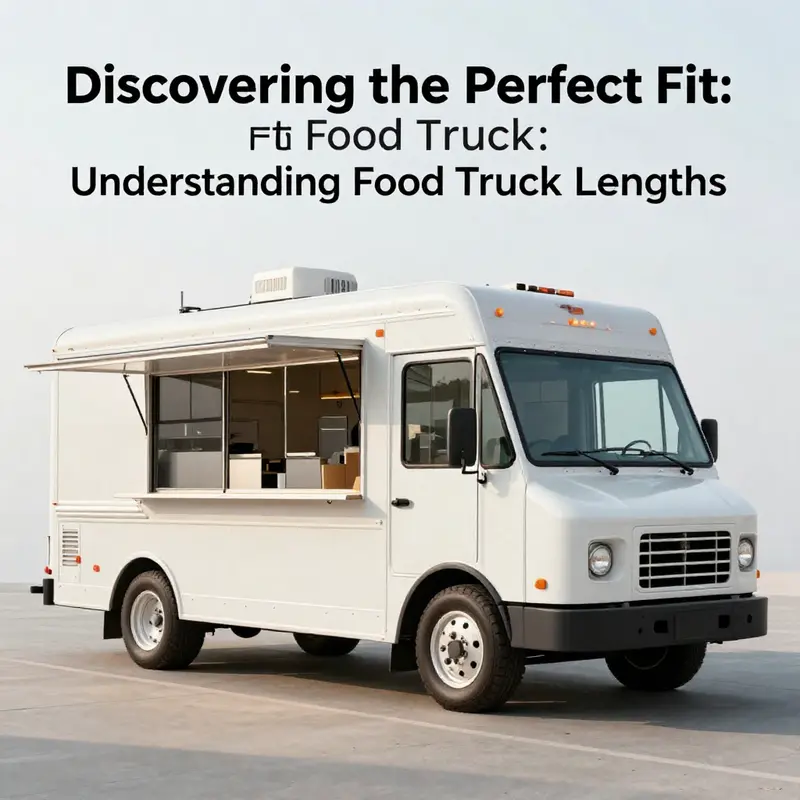
The question of how long a food truck should be is rarely answered by a single number. It is instead a story about constraints and opportunities, a negotiation between how much you need to cook, store, and serve, and how easily you can move through tight city streets, loading docks, or crowded festival grounds. The research that threads through this chapter centers on a practical truth: the average length of a food truck typically sits in a broad corridor, extending roughly from 20 to 30 feet. Within that range, the choices operators make reveal as much about their ambitions as about their menus. A truck in the lower end of that spectrum tends to balance compact maneuverability with enough space to house essential cooking appliances and a service counter. A unit toward the upper end often signals a commitment to more elaborate equipment, greater storage, and even redesigned customer experiences. In real-world terms, many mobile setups designed for restaurant-quality meals—or those built to perform at events, night markets, or densely trafficked urban environments—land comfortably in the 24 to 30 foot range. This alignment is not arbitrary. It reflects a tested balance between interior depth for kitchen workflows and the exterior footprint that makes parking, telematics, insurance, and city inspections manageable in varied locales. It also accounts for the practical realities of moving a fully equipped kitchen through streets, ramps, and curb cuts, while still leaving enough room for crew movement, dining or pickup windows, and the occasional staging area for prep between shifts. The takeaway is not simply a statistic to memorize; it is a framework for planning that translates into safer navigation, smoother service, and a more resilient business model.
Yet in the evolving world of mobile food, the trend toward a fixed average belies a broader diversification. Operators are increasingly tailoring their footprint to the exact rhythms of their operating environment. Some are opting for smaller, nimble units—roughly 15 to 20 feet—designed for high-traffic corridors, pop-up neighborhoods, or events where space is at a premium. These compact units lean into speed and simplicity: they optimize for rapid service, easy repositioning, and minimal parking friction. With fewer square feet, however, there is less room for a wide range of equipment or for extended multi-course menus. The upside is agility; the downside is a more selective menu and tighter storage plans. On the other side of the spectrum, larger, custom-built trucks that exceed 30 feet are becoming common among operators pursuing multi-concept kitchens, more seating, or integrated outdoor dining elements. These longer rigs can house expanded stoves, larger refrigeration arrays, multiple prep zones, and even separate service windows. They are the mobile analog of a restaurant floor plan that can split attention across multiple culinary disciplines and a broader customer experience.
A further layer of sophistication in sizing comes from design innovations that stretch the utility of a given length. Expanding modules and detachable sections are no longer speculative concepts but practical solutions that many builders now offer. A truck can travel as a compact vehicle and, once parked or staged at an event, unfold into a larger workspace that accommodates more equipment, a longer line, or a secondary bar or pastry station. This modular approach helps operators adapt to a spectrum of venues—from a single curbside stall to a two-block-long festival footprint—without sacrificing efficiency or safety. In effect, a truck’s length becomes less of a fixed constraint and more of a flexible design parameter. A unit that looks modest on the road can, through careful engineering and smart deployment, deliver a surprisingly expansive service area when parked and connected to external power, water, and waste systems. The resulting operational cadence—transit efficiency paired with event-grade capacity—speaks to a broader shift in the industry toward customization, branding, and experience as central pillars of the business model.
The practical implications of these sizing choices ripple through every aspect of a food truck operation. Layout planning—how the kitchen, refrigeration, and pantry are arranged—depends on expected volume, the complexity of the menu, and the pace of service. Even within the same length category, a 24-foot unit can feel very different from another if the kitchen discipline prioritizes deep fryers, a large griddle, or a heavy reliance on cold storage. Fire suppression systems, ventilation, electrical capacity, and gas lines all hinge on the footprint and the flow of work between prep zones, cooking appliances, and the service window. A longer truck may allow a more expansive and ergonomic work triangle, reducing bottlenecks and enabling two or more cooks to operate in parallel during peak rush moments. But it also introduces parking and turning radius considerations that can constrain where and when it can operate. In tight urban spaces, even a modest increase in length can necessitate a rethinking of where the truck can legally park, how it negotiates narrow lanes, and how it integrates with nearby pedestrian traffic.
The service model itself also evolves with length. Shorter, leaner configurations often align with a fast-casual service approach, where the emphasis is on speed, consistency, and a compact menu designed to minimize prep time. In such setups, the physical footprint supports a snappy service window, a clean line of sight for the customer, and a straightforward workflow that keeps the kitchen crew in tight rhythm. Longer, more elaborate configurations can enable a broader menu, a dedicated beverage station, or even a two-part service flow that separates steam-kettle meals from cold prep or dessert. This can enhance perceived value and brand storytelling, especially when the truck doubles as a mobile dining room at larger events or in neighborhoods that reward novelty and breadth of choice.
The regulatory context adds another layer of complexity to sizing decisions. Cities and municipalities increasingly emphasize sidewalk usage, curb space, and parking constraints as they regulate how street food vendors operate. In many places, this translates to a premium on compact designs that conform to local ordinances while still maximizing service potential. The push toward compactness does not merely reflect bureaucratic stipulation; it mirrors a practical demand from operators who must navigate a crowded cityscape, negotiate with event organizers, and comply with health and safety standards in spaces where every square foot of stall area counts. Operators are responding with inventive interior layouts, modular add-ons, and a focus on branding that can punch above its weight in smaller footprints. In other words, the average becomes a starting point, not a ceiling, as the industry actively experiments with dimensions that balance compliance, efficiency, and the appetite for growth.
From the perspective of someone planning or evaluating a food truck venture, the length question is not about chasing a single metric but about aligning the physical canvas with business ambitions. A 20-foot unit might be ideal for a single-concept operation, a seasonal route, or a city that places a premium on easy parking and rapid turnarounds. A 25-foot truck can strike a middle ground—offering enough kitchen depth for a robust menu while preserving enough maneuverability to survive urban micromarkets and busy street corners. A 30-foot-plus design opens doors to multi-concept endeavors and more immersive service environments, but it requires a strategic approach to site selection, partner venues, and scheduling that leverages the expanded capabilities while mitigating the constraints of road and curb. Even within each category, the decision is compound: what is the plan for growth? How will branding and perceived value scale with physical size? Do the communities you serve permit the type of footprint you envision, and can your back-of-house layout translate into a smooth, repeatable customer experience?
For readers seeking practical guidance rooted in a real-world framework, a thoughtful approach is to explore how others have shaped their fleets around these principles. Consider how a model that prioritizes compactness can be a springboard for expansion into more ambitious projects later, while recognizing that a longer, more expansive truck can be a platform for national events, culinary experimentation, and a durable brand presence. This is not merely a matter of choosing between 20, 25, or 30 feet. It is about designing a mobile kitchen that travels with confidence, serves well, and grows with the operator’s ambitions. When you review potential layouts, it can be instructive to examine how the chosen length aligns with the menu, the expected customer flow, and the event ecology in which you plan to operate. The right size helps you minimize wasted space, maximize throughput, and deliver a consistent experience that customers remember long after the last bite. If you want a deeper dive into selecting the most fitting model for your goals, you can explore a detailed resource on choosing the right food truck model.
Choosing the right food truck model
For a broader, external perspective on how regulations and market demands are shaping the physical evolution of food trucks, readers may find the following analysis informative: The Atlantic discusses how evolving policy environments and consumer expectations are driving changes in truck sizes and configurations. Read more here: https://www.theatlantic.com/food/archive/2024/07/food-truck-size-trends-innovation/
In sum, the average length of a food truck is a useful starting point, but the real value lies in how length is married to workflow, safety, branding, and opportunity. The sector’s ongoing experimentation—through modular designs, expandable spaces, and regulatory-aware layouts—signals a future where a truck’s length is less a fixed constraint and more a flexible instrument for telling a flavorful story on wheels.
Final thoughts
In understanding the average length of a food truck—from the standard industry dimensions to the various adaptations across cuisine types—you gain insights that shape mobile food operations and culinary creativity. Choosing the right vehicle influences not just the efficiency of operations but also customer satisfaction, mobility, and ultimately, the success of the business. As you plan your next event or consider joining the food truck revolution, remember the importance of size—it’s about finding that perfect fit that will help your culinary dreams roll out smoothly!