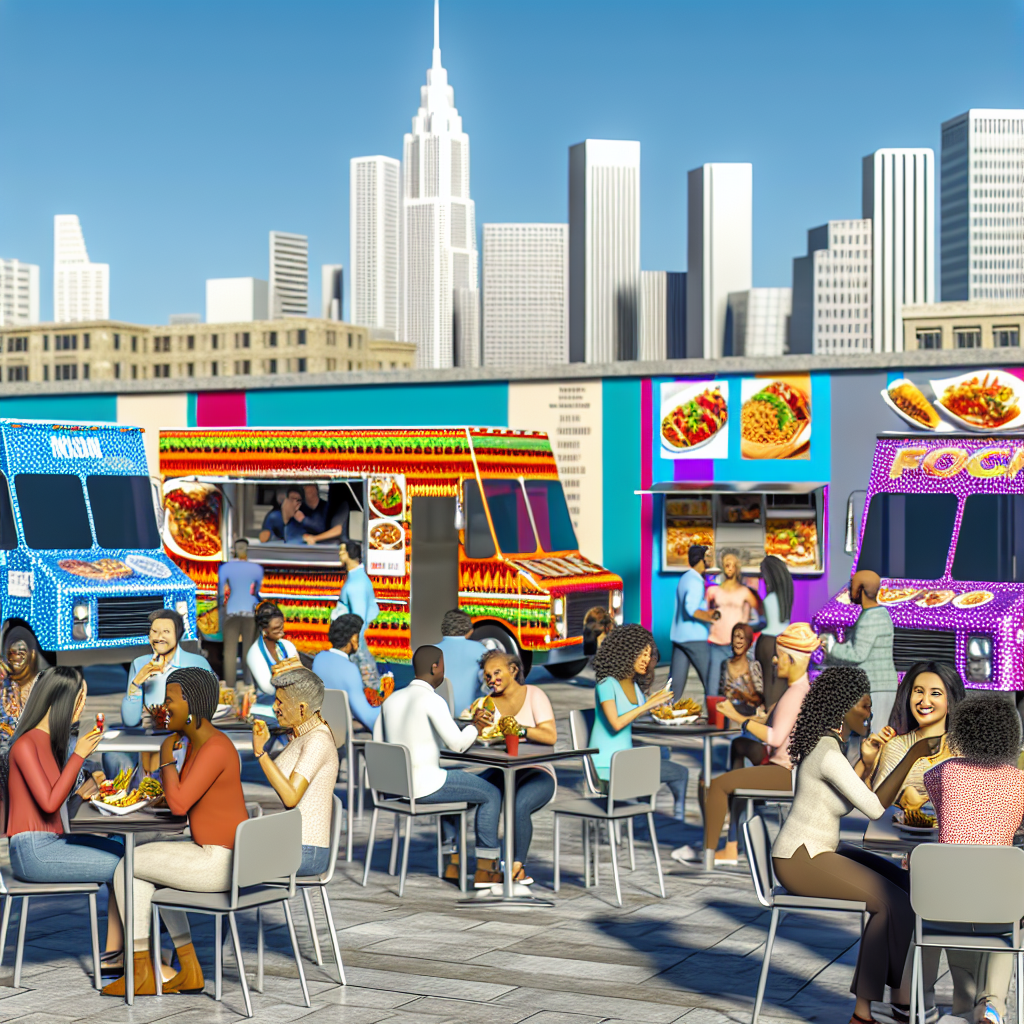
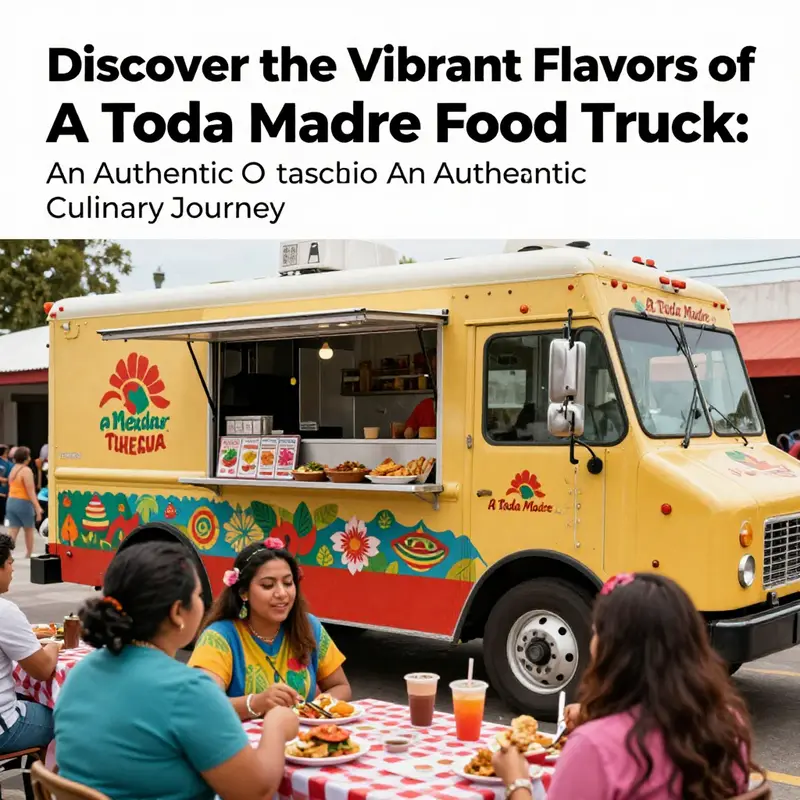
A Toda Madre Food Truck promises a joyous experience bursting with genuine Mexican flavors and culture right from the kitchen to the community. This mobile eatery serves not just food but also a vibrant cultural experience ideal for event planners, corporate teams, and food enthusiasts alike. Each chapter delves into various aspects of A Toda Madre, from its unique culinary offerings to its thriving place in the local market. As we embark on this flavorful journey, readers will uncover the food truck’s relevance in today’s culinary scene, its competitive edge, and the potential for future growth within the market landscape.
A Toda Madre on Wheels: Tracing the Rise and Current Footprint of a Mexican Street Food Phenomenon
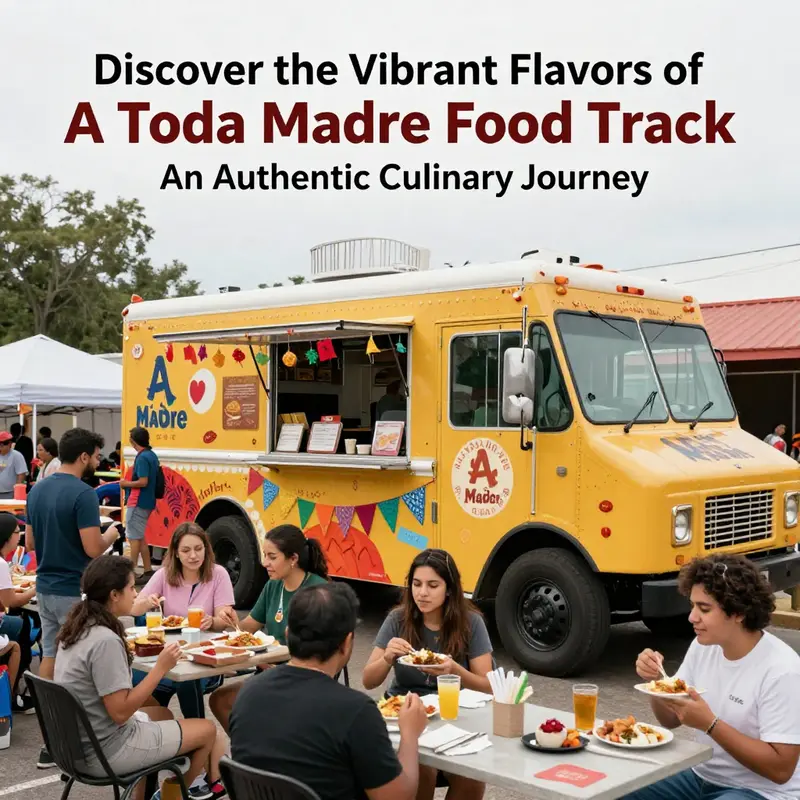
Across the urban map of contemporary American dining, a wave of mobility has turned street-inspired cooking into a staple of neighborhood identity. A Toda Madre on wheels sits squarely in that trend, a vivid symbol of how authentic flavors, bold techniques, and a digitally amplified presence can turn a simple cart into a regional magnet. The story isn’t merely about a truck rolling from lot to lot; it’s about the way a single concept—modern urban Mexican cuisine rooted in time-honored recipes—can travel, adapt, and find welcoming crowds in multiple cities at once. When a brand earns national recognition for a sandwich shop as a defining moment, it reframes what a food truck can become. It invites the public to see street food not as a fallback option but as a legitimate channel for high-quality, crave-worthy meals delivered with speed and personality. In Charlotte, North Carolina, that narrative has continued to unfold, with the truck operating where foot traffic meets festival energy and where a loyal, social-media-savvy audience seeks bold, shareable flavors after sunset or during weekend wanderings.
What begins as a mobile kitchen often borrows the texture of a city’s street life: the clatter of metal, the scent of roasting chilies, the sizzle of a pan, and the rhythm of mobile service that can bend to a crowd’s tempo. A Toda Madre has leaned into this energy by presenting a menu that centers on tortillas as a canvas and birria as a signature broth of depth and heat. The appeal is twofold: on one level, there is the immediate sensory draw of bright spices, slow-cooked stews, and crisp toppings; on another, there is the storytelling that comes with each handheld taco and each steaming bowl. The result is a dining experience that feels approachable yet carefully curated—street-food authenticity tempered by kitchen-tested techniques and a willingness to experiment with textures, sauces, and portions that invite sharing.
Recognition has played a substantial role in accelerating the brand’s reach. When American media outlets feature a street-level concept as a top culinary experience, the effect ripples beyond a single city. The attention acts like a beacon for curious eaters who are chasing both quality and novelty. It also adds a layer of legitimacy that can soothe the concerns of prospective hosts, event organizers, and customers who may otherwise question how a mobile operation could compete with stationary venues. The narrative of a truck that earned national acclaim helps explain why communities are eager to welcome it to their calendars, their farmers’ markets, and their busy weekend corridors. It’s a reminder that the mobile format, when executed with consistency and personality, can stand toe to toe with brick-and-markets, offering a dynamic alternative rather than a stopgap.
Location news, as with any mobile food business, remains inherently fluid. In early 2026, this particular venture has solidified its footprint in Charlotte, a city known for its growing appetite for diverse, accessible cuisines. The current market status reflects more than a simple opt-in by a chef with a truck; it signals a deliberate channeling of urban Mexican flavors into the rhythm of a Southern hub that values both tradition and flair. Patrons in Charlotte can expect a familiar lineup of handcrafted tacos and a birria-forward option that invites communal enjoyment. Yet even as regulars learn the routine—where to find the truck, what specials might be offered on a given weekend—the reality of a mobile operation remains that the map changes. For any diner who wants to follow the journey, the best bet is to keep an eye on social media updates, post-event schedules, and map-based listings that reflect the truck’s current routes. This is not a static restaurant in a fixed storefront; it is a living, mobile story that rides with the energy of the city it serves.
The business logic behind such a movement blends culinary craft with a nimble operational model. The core menu lines—tacos that cradle slow-cooked proteins, and a birria experience that can be shared as a comforting bowl or a drizzled, dipping consommé—are designed to translate well to the street platform: quick assembly, vibrant toppings, and a presentation that photographs well. The social element is not an afterthought but a strategic pillar. Platforms that reward visual storytelling—where behind-the-scenes cuts, kitchen hacks, and sizzling pans accumulate views—become essential tools for customer engagement. When a truck gains traction on a platform that rewards short, shareable videos, a feedback loop forms. Viewers translate into visitors, and visitors translate into repeat customers who anticipate new twists or seasonal riffs. The cycle reinforces the brand’s identity while feeding its appetite for experimentation.
In practical terms, the Charlotte operation—like many mobile food ventures—navigates a landscape of permits, parking constraints, and event-driven demand. The operational clarity must coexist with creative flexibility: the menu can stay anchored in its core strengths while still adapting to local palates and supply dynamics. This balance—between fidelity to the original concept and responsiveness to local tastes—helps the truck solve a common mobile-trade challenge: creating a consistent experience without becoming repetitive as it moves through different neighborhoods. The ability to maintain a recognizable flavor profile while showcasing the chef’s touch in plating, garnishes, and sauces becomes a differentiator in a crowded field. It is this blend of consistency and adaptability that often determines whether a mobile concept simply survives or thrives.
An often overlooked yet crucial element in the success of mobile brands is identity-building—the craft of turning a truck into a moving ambassador for a city’s appetite. A Toda Madre’s public persona, reinforced by its social media cadence, invites followers into the kitchen, not just to admire but to participate as co-creators of the experience. Behind-the-scenes footage, flavor reveals, and limited-time deals contribute to a sense of urgency and belonging. Viewers become participants; participants become ambassadors who physically bring friends to the truck. The effect can magnify the impact of each location stop, especially when the brand pairs a striking visual identity with a menu that promises comfort and novelty at once. In this sense, the mobile format becomes less about portability and more about curation: curating moments of flavor, of conversation, and of discovery in an urban landscape that is always evolving.
This dynamism intersects with broader industry considerations. For brands that grow across multiple cities, the challenges multiply: supply chain consistency, staffing across shifting hours, and compliance with local regulations. Yet there are practical strategies that emerging mobile operators can borrow from established players: developing a clear, repeatable prep routine; investing in portable, reliable equipment; and cultivating a loyal base of followers who will track the truck’s next stop. The literature on food-truck operations highlights the salience of strong branding and resilient planning in weathering market fluctuations, regulatory shifts, and the freight realities that often affect mobility. In a city like Charlotte, where food culture is embracing more diverse narratives, a well-executed mobile concept can become part of the fabric of weekend rituals, pop-up events, and al fresco dining scenes. The result is a compelling blend of convenience, character, and craft that makes the truck more than a place to eat—it becomes a social experience with a clearly defined taste map.
For readers curious about how mobile brands articulate their visual language and craft their identity for a crowded marketplace, one might explore how a strong on-wheels branding strategy translates into customer recognition and loyalty. The discourse around graphics, typography, color palettes, and the overall “look” of a food truck is not cosmetic—it is functional. The right design signals what to expect, communicates price and quality cues, and frames the customer’s experience before a single bite is taken. A deeper dive into these visual strategies can be found here: branding on wheels: the ultimate guide to food-truck graphics and identity. This resource helps connect the practicalities of a truck’s curb appeal with the strategic goals of a mobile brand that hopes to translate curiosity into trust and repeat visits.
As the market continues to evolve, the ongoing story of this truck serves as a case study in how a concept with strong roots in authentic, labor-intensive cooking can maintain relevance while scaling across metropolitan contexts. The fusion of traditional Mexican techniques with a modern, social-media-driven engagement model demonstrates the potential of the mobile format to carry cultural flavors forward without sacrificing depth or quality. It also underscores the importance of staying responsive to the community that sustains it—listeners who want the latest location, the new special, or the chance to share a plate with friends during a busy weekend. In an age where the best food experiences are often discovered through a screen before they appear on a plate, the truck’s ability to translate digital attention into tangible meals remains central to its enduring appeal.
For those seeking real-time updates on locations and offerings, turn to the channels that move with the truck. While the exact street corners and festival slots shift, the core promise remains stable: a modern take on urban Mexican cooking, served with speed, personality, and a sense of place that makes each stop feel like a local celebration. As the landscape of mobile dining continues to expand, this narrative—of a once-grounded street food ethos elevated by media savvy and culinary rigor—offers a lens into how a single concept travels, adapts, and ultimately anchors itself in multiple communities without losing its soul. To see how the industry discusses the regulatory and financial realities that accompany such growth, readers may also explore the broader conversations on navigating the food-truck landscape and the financial planning that sustains repeated, site-specific operations. External perspectives, schedules, and visual storytelling converge to shape the next chapter in this moving feast.
External resource: https://www.tiktok.com/@atodamadre
Rolling Flavors on Wheels: Inside the A Toda Madre Food Truck Experience
The first thing you notice when the A Toda Madre Food Truck arrives in a new neighborhood is its sense of purpose. A portable kitchen on four wheels, it folds the urban street into a makeshift dining room where the scent of herbs, smoke, and roasted chiles travels faster than the line of pedestrians. The truck is more than a place to eat; it is a moving homage to family traditions, a mobile canvas where recipes honed in kitchens, home kitchens, and street stalls meet the energy of city life. In these moments, food stops being just sustenance and becomes a conversation—between cook and customer, between generations, between the memory of a grandmother’s pantry and the modern demand for convenience without sacrificing flavor. The essence of this mobile venture rests on the idea that genuine Mexican flavors can travel, adapt, and still feel intimate, a reminder that some meals are meant to be shared around the curb, not confined between four walls.
From the outside, the truck looks like a bright doorway into a kitchen that has learned to sprint. The voice of the cooks speaks through steam, their hands moving with the rhythm of a station that must both be fast and precise in a city where time is a currency as valuable as any. The menu philosophy is anchored in authenticity: a deliberate return to traditional techniques, to ingredients chosen for color and aroma, and to heat that respects the balance of a dish rather than overpowering it. It is about doing one thing well and doing it in a way that makes sense for a crowd that values speed but refuses to sacrifice soul. In other words, this is street food with a storyteller’s compass—food that tells a story with every bite, even as it lands on a busy lunch tram or a weekend market corner.
The dining experience begins with an implication of choice. Orders arrive quickly, yet the kitchen remains attentive to the nuance of each preference. The approach is less about offering a long list of items and more about presenting a curated spectrum of flavors that reflect a tradition carried forward by a modern, mobile format. Guests can expect a range of preparations and accompaniments that echo regional variations, reimagined in a way that travels well and holds up under heat and wind. The intent is not to mimic a single fixed restaurant menu but to translate a family table into a format that’s accessible to anyone who happens to wander by with a craving for something bright, comforting, and familiar. This is where the food truck mode proves its value: it can invite a spontaneous audience into a shared culinary moment, then adapt to what the street and the day demand—whether it’s the midday rush near an office cluster, a park-side lunch, or a post-work gathering that spills onto a sidewalk.
A crucial element of the experience lies in how food trucks today increasingly blend tradition with convenience. The vehicle’s mobility allows the kitchen to chase opportunities rather than wait for them to come to a fixed location. It means a customer can encounter a meal that feels rooted in a place and time while also receiving it through a lens of efficiency. Interactions with staff are direct and personal, but never slow; the pace is tuned to the rhythm of street traffic, the tempo of a queue forming in front of the window, and the anticipation of patrons who might be stopping by for a quick bite or a longer, lingering tasting moment. The cooks, in turn, bring a sense of craft to this pace—ingredients are prepped with care, heat is monitored with a conductor’s attention, and the plating, while simple, emphasizes color, texture, and the ease of eating without fuss. It is a choreography that respects the street’s demands while honoring the kitchen’s lineage.
The menu strategy, while not exhaustively listed here, centers on a reverence for time-honored recipes and the traditions that shape them. The cuisine emphasizes authentic techniques and ingredients traditionally associated with Mexican street fare, but it translates them through a modern lens that accommodates a broad, urban audience. The process invites customization within a framework that keeps the core flavors intact. Rather than a rigid catalog, the offering unfolds as a narrative of warmth and balance, where sauces, herbs, and chiles provide the lift, and textures—crisp edges, creamy interiors, and a gentle char—deliver satisfaction across a quick lunch and a longer evening meal. Such a structure is especially well-suited to a mobile format, where the ability to scale portions, adjust heat levels, and tailor accompaniments can respond to the moment’s energy while preserving the integrity of the dish. It is also a reminder that flavor travels well when it is anchored in tradition but flexible in presentation.
In practical terms, the experience is supported by a straightforward digital ordering channel designed to streamline access to the kitchen’s offerings. The platform enables customers to browse the available options and customize their orders with ease, a feature that aligns with how commuters value clarity and speed. While the specific menu items and pricing are subject to change, the underlying model remains focused on making traditional flavors approachable in a contemporary setting. The online component acts as a bridge between the immediacy of street service and the convenience of digital access, a balance that helps keep the operation nimble while maintaining quality, consistency, and a sense of hospitality that travelers and workers alike can rely on.
The physical address and the fluctuating status of the truck on any given day capture the realities of operating a mobile culinary project. The Arlington location serves as a temporary stage, a space where a portable kitchen can set up shop without the constraints of a brick-and-mortar footprint. This arrangement invites a certain spontaneity—customers may discover the truck as a lunch stop or a post-work ritual, and the staff’s attention to service can turn a fleeting encounter into a personal connection. It is this dynamic that elevates a simple meal into a small event, a moment of cultural exchange where the aroma of a shared tradition meets the brisk pace of city life. Yet the life of a food truck also tests resilience. Weather, street permits, and the logistics of securing parking and a steady flow of foot traffic all shape how often and where the truck can operate. In times of constraint, partnerships with local guides, community boards, and loyal patrons can become the backbone that keeps momentum alive. The chapter of a mobile kitchen, then, reads as much like a narrative of adaptation as it does a catalog of dishes. It is a story of how a family recipe can become a public performance, performed on wheels and shaped by the city’s daily rhythms.
For readers who navigate the world of food trucks—owners, operators, enthusiasts, and researchers—the experience of A Toda Madre Food Truck offers a lens into how authenticity and mobility can coexist. The project demonstrates that a mobile approach to Mexican street food can deliver more than quick bites; it can deliver a sense of place, a connection to lineage, and a platform for community conversations around food, family, and neighborhood life. It is in these conversations that the truck earns its name, a phrase that resonates with the idea that the best meals are often those that feel like they come from someone’s mother—the warmth, generosity, and hospitality that greet you at the curb.
If one looks beyond the plate, the operational ethos of the truck becomes a case study in modern culinary entrepreneurship. It compels a closer look at how mobile venues leverage digital tools to manage orders while maintaining a human touch on the front line. It invites questions about how to balance speed with care, how to scale without losing character, and how to stay connected to the communities that welcome such ventures. A Toda Madre Food Truck embodies a wider trend toward flexible, experience-rich dining that can weave into the fabric of urban life. In this sense, the truck is less an isolated source of meals and more a moving thread in the broader tapestry of food culture, one that reminds us that food served from a window on the street can be a powerful catalyst for memory, conversation, and belonging.
For those curious about the practical path that supports this kind of operation, the included internal reference points provide a map to the often unseen work behind the scenes. The logistics of parking, the realities of city regulations, and the choreography of a busy service window all demand attention and practical problem-solving. A few thoughtful practices—like coordinating with local events, maintaining a flexible schedule, and cultivating a loyal customer base through consistent, friendly service—can help a mobile kitchen become more than a seasonal novelty; it can become a reliable staple in a city’s culinary ecosystem. When the truck appears, it invites a shared moment of cultural exchange, a chance to savor tradition through a modern, fast-paced lens, and a reminder that the most memorable meals are often the ones that arrive with a story, a smile, and the sense that you are stepping into a home that travels with you.
To readers who are exploring the broader landscape of mobile culinary ventures, a practical touchstone lies in recognizing how a strong, authentic voice can translate into enduring appeal on public streets. The A Toda Madre Food Truck offers a model of hospitality that travels well, one that respects the roots of the cuisine while embracing the adaptability that a street-food format demands. It is a living example of how heritage and innovation can coexist, how a family recipe can become a communal banner, and how an ordinary lunch can transform into a memory of shared flavor, as if the city itself had gathered around a single lively kitchen on wheels. The narrative is not simply about a menu or a moment in time; it is about how food travel and memory converge, turning a curbside stop into a small but meaningful celebration of culture, community, and craft.
For those seeking further reading on how the logistics of mobility, branding, and community engagement shape the experience of food trucks, consider exploring related discussions that illuminate best practices in parking strategies and operational resilience. Mastering food truck parking challenges offers a concise look at how to navigate curb space, permits, and the choreography required to keep a mobile kitchen moving smoothly through busy urban environments. This perspective complements the sensory journey of tasting authentic flavors on the street by highlighting the practicalities that make such experiences reliable rather than episodic. In tandem with the sensory richness of the food, understanding the space of the street completes the picture of what makes a mobile venture sustainable and inviting over time.
External resources can also illuminate how diners access these experiences in an increasingly digital landscape. While the menu’s heart remains rooted in tradition, the digital ordering layer adds convenience and speed that align with contemporary expectations. For a direct view of the ordering pathway and how it supports customer choice and delivery efficiency, see the official online ordering interface associated with this concept. The link provides a snapshot of how online platforms can bridge the gap between a kitchen on wheels and a diverse audience that values both authenticity and accessibility.
External link: https://www.tacosatodamadre.com/order
On Wheels, In Tune with the City: A Toda Madre Food Truck’s Target Audience and Customer Engagement
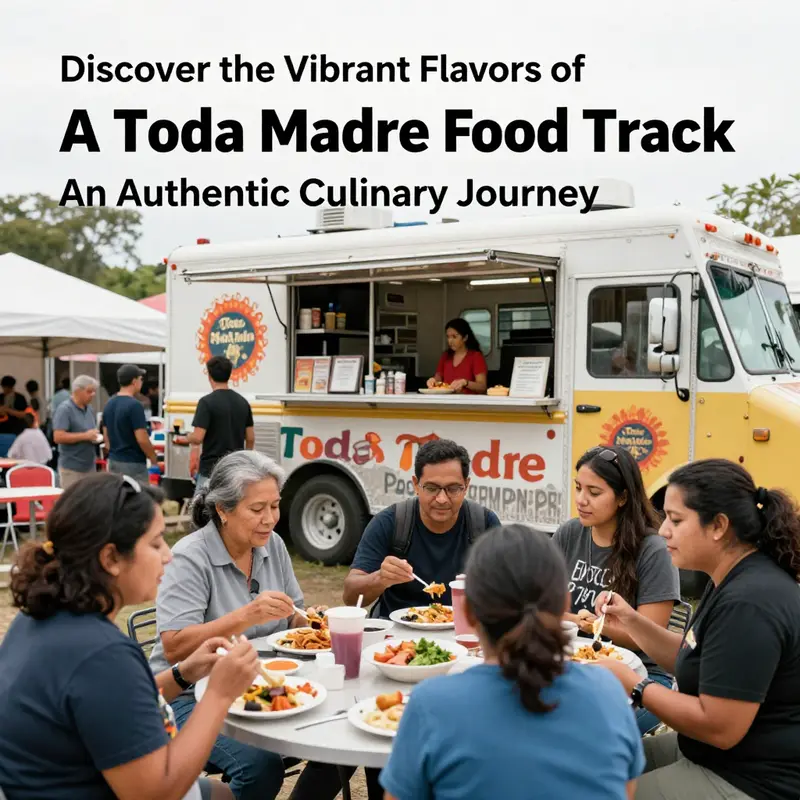
A Toda Madre Food Truck exists at the intersection of craft, community, and motion. Its appeal hinges less on a fixed storefront and more on the spontaneity of a city that moves with it. In this setting, the truck becomes a mobile hub where authentic Mexican flavors meet the tempo of urban life. The research landscape around this concept suggests a deliberate, audience-centric approach: a mix of younger urban tastemakers, a strong emphasis on shared experiences, and a reliance on digital channels to keep the rhythm alive between appearances. Even if no formal record of a standalone “A Toda Madre Food Truck” is readily available, the study of similar mobile ventures reveals a consistent pattern. The most reliable signal for real-time updates and promotions, in this case, comes from the truck’s social footprint, particularly a dedicated TikTok presence that announces weekly appearances, specials, and pop-up moments. This combination—local immersion with digital immediacy—frames a compelling model for how a mobile dining concept can cultivate followers, not just customers, in a crowded landscape.
The primary audience that an on-demand Mexican cuisine experience like A Toda Madre aims to attract tends to be younger, urban, and culturally curious. Millennials and Gen Zers are drawn to experiences they can share, not just meals they can savor. The experiential dimension matters as much as the ingredients; people want to photograph a dish, narrate a moment, and feel part of a story that travels with them beyond the single bite. Price sensitivity is real, but so is the desire for high-quality, artisanal flavor at a value that fits a busy city life. The truck’s value proposition sits squarely at that junction: affordable gourmet-quality meals that are easy to access, easy to share, and easy to remember. In practice, this means menus that surprise without alienating, portions that satisfy without demanding a full dining commitment, and service that feels personal enough to turn a casual visit into a recurring habit.
Community engagement is not an add-on; it is integral to the truck’s identity. The truck often parks at venues that are themselves community magnets—breweries, pop-up markets, and outdoor events that invite lingering, conversation, and a collective sense of occasion. The use of “special deals” and free items at certain moments signals a hospitality-first approach. These tactics serve two purposes: they lower the barrier to trying something new and they seed good will that travels beyond the plate. When people leave with a story to tell, the story travels further through word of mouth and social feeds. The strategy is not merely transactional; it is social, rooted in the idea that dining is a shared experience as much as it is a personal one.
Seasonal and culturally resonant events extend this reach and deepen loyalty. The research notes an emphasis on community-centered moments—seasonal dinners, holiday gatherings, and other festive occasions—that give residents a reason to associate the brand with warmth and belonging. In a city that thrives on seasonal rhythms, a street-side kitchen that leans into these moments becomes a familiar corner of the social map. For a Mexican-inspired concept, these events can become a bridge between heritage and contemporary city life, offering a platform where tradition carries a modern voice. The result is not just a menu but a memory—one that patrons want to relive and share during future visits or at future gatherings.
The customer engagement strategies deployed by a mobile operator like A Toda Madre are best understood when viewed as a trio of interlocking practices. First is dynamic menu adaptation. The truck’s offerings evolve in response to broader cultural shifts and local tastes. This mirrors what scholars have observed in immigrant-led taco operations elsewhere: adaptiveness is not a compromise on authenticity but a way to keep authenticity relevant. A Toda Madre does not cling to a single recipe; it iterates with the city’s palate, testing new flavors, riffs on classics, and seasonal items that reflect both the heritage of Mexican street food and the evolving preferences of a diverse urban audience. This flexibility signals to customers that the truck is listening, responding, and growing in tandem with them.
Second is its role as a cultural ambassador. By presenting authentic Mexican cuisine in a way that remains approachable, the truck becomes a conduit for cultural exchange. It invites newcomers to experience genuine flavors while offering longtime residents a curated, reliable touchstone. The idea of the truck as a cultural ambassador also shapes expectations for the staff. When the team embodies warmth, knowledge, and openness, each interaction becomes a moment of learning as well as dining. A customer who feels seen—who is greeted not just as a potential sale but as a person with a story—will likely return with friends, share a post, or save the location for future visits. That personal dynamic is a cornerstone of sustainable growth in a business where foot traffic is inherently volatile.
Third is the emphasis on personable customer interaction. Reviews consistently highlight staff who are “very personable,” a descriptor that captures how hospitality translates into loyalty. In a space as crowded as the modern street-food scene, where many vendors compete on flavor alone, the human connection becomes the differentiator. The value of a friendly greeting, a quick ownership of a small misstep, or a thoughtful recommendation can turn a one-time customer into a regular who becomes an advocate. This is where the art of service intersects with the science of engagement. The truck’s frontline team-operates as the brand’s most visible ambassadors, translating a menu of flavors into a living narrative of hospitality and community.
Digital engagement completes the triangle. In an era where a single post can reach hundreds or thousands, the taxi-ride cadence of a food truck aligns naturally with social media. For A Toda Madre, TikTok has emerged as the most reliable vein for real-time updates on location, availability, and upcoming promotions. Short clips capturing the sizzle of meat on a griddle, the steam curling from warm tortillas, or a snippet of a friendly exchange between staff and customers create a visceral anticipation that a static menu cannot. The platform’s immediacy fits the tempo of mobile dining, where a location can be transient and a crowd can shift by the hour. The social feed becomes a calendar, a menu, and a mood board all at once, inviting followers to participate in the event rather than merely observe it.
This digital-to-physical loop is reinforced by a mindful approach to branding and identity. The challenge for any mobile concept is to maintain a consistent visual and tonal language across ephemeral stops. When the identity feels cohesive, new audiences instantly recognize the truck as a reliable option amid a sea of options. A Toda Madre’s branding strategy, in this sense, is not only about color and logo; it is about signaling readiness to welcome, to celebrate, and to host a slice of home wherever the truck lands. For readers interested in how this kind of on-wheels identity comes together, a practical companion resource lays out the essentials of truck graphics and branding. You can explore a thorough guide to branding on wheels here: branding on wheels: the ultimate guide to food truck graphics and identity.
Together, these strands form a coherent ecosystem for a mobile Mexican-food concept that seeks to embed itself in the daily life of a city. The audience is not merely a demographic slice; it is a living, breathing community with rhythms of work, leisure, and social sharing. Engagement, therefore, must be threefold: responsive to tastes, hospitable in person, and energetic in digital space. When a truck staff greets a new customer with warmth, adjusts a plate to suit dietary preferences, and then invites that customer to share a moment online, the chain of loyalty is set in motion. This is where the city becomes the partner, the menu becomes a conversation, and the truck—moving from stop to stop—becomes a persistent, beloved fixture rather than a one-off flavor of the day.
For readers who want to observe how this translates into practice, the practical takeaway is clear. A Toda Madre’s model demonstrates that a successful mobile dining operation does more than serve food; it curates moments that people want to collect, revisit, and broadcast. It highlights the importance of meeting the audience where they are—both in person at the point of service and online where a feed can sustain anticipation between appearances. It also suggests that a brand’s resilience hinges on its ability to adapt while staying true to a core sense of identity—a balance that keeps the experience fresh without losing the heart of what makes it feel familiar. In the broader arc of the article, this chapter connects the push toward authentic, community-rooted cuisine with the evolving expectations of a generation that values speed, relevance, and social connection as much as flavor and value.
Real-time connections, a welcoming posture from staff, and a clear, evolving menu are not incidental; they are the scaffolding for durable relationships. The city, with its shifting neighborhoods and recurring events, provides the stage on which these relationships play out. A Toda Madre’s approach—embracing change, celebrating culture, and inviting participation—offers a robust blueprint for other mobile concepts seeking to turn casual diners into lifelong supporters. And while the specific truck may or may not have a fixed route in every locale, the principles it embodies—audience awareness, local integration, and a compelling, shareable voice—remain universally applicable across the street, the festival, and the unpredictable hours of a food-truck life. For those who want to see how branding strategies translate into on-the-ground presence, the linked resource above serves as a useful companion that contextualizes the visual and narrative choices that help a mobile kitchen stand out in the crowd.
External resource: For ongoing updates and a window into how this approach looks in motion, follow the truck’s latest clips and announcements on TikTok at https://www.tiktok.com/@taquerianumber1.
On Wheels and in the Local Spotlight: A Toda Madre Food Truck at the Crossroads of Competition and Craft
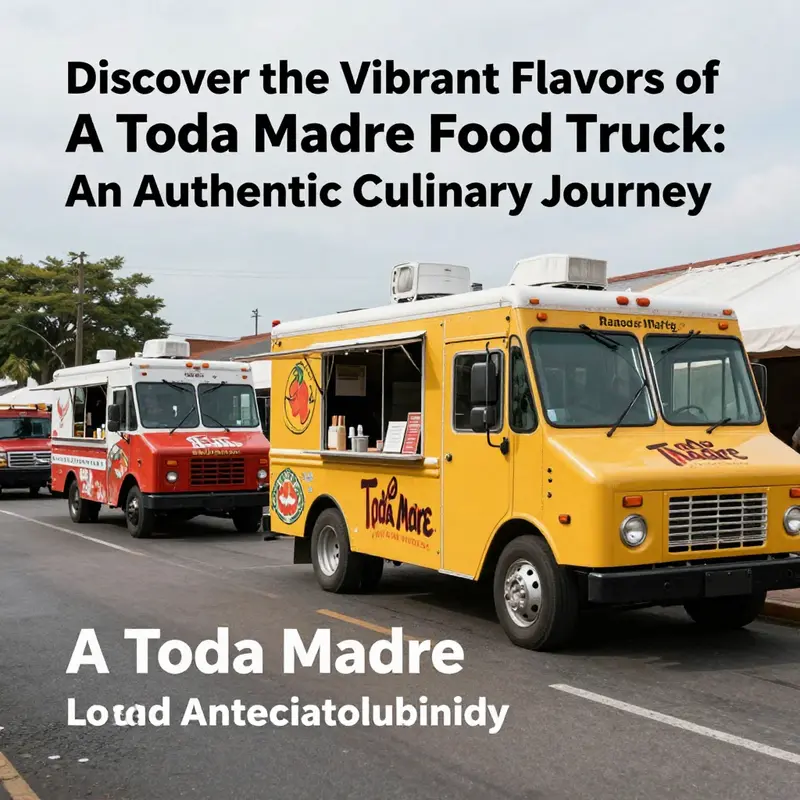
The steady hum of diesel engines, the sizzle of a hot plancha, and the quick, friendly banter of a crew turning fresh ingredients into something memorable—these elements sketch the rhythm of a growing mobile culinary scene. In the Washington, D.C. metro area, a food truck like A Toda Madre Food Truck embodies how small, nimble teams are redefining how a meal reaches customers. The story of this truck isn’t just about a single menu or a single city; it’s a reflection of a broader shift in how people choose food, where they find it, and what they expect from a dining experience that travels with them. Even as data streams search results and reviews across Yelp and Google Maps at a rapid pace, the larger, slower motion is clear: competition in the mobile segment is intensifying, and brands must blend authenticity, reliability, and a bit of theater to stand out in a crowded market.
In Arlington and the surrounding corridors, the food truck model has grown from a novelty to a reliable option for quick, flavorful meals that respect time budgets and the desire for variety. A Toda Madre Food Truck, as a representative of this trend, operates in a space where customers are looking for something more than convenience. They want a story, a sense of place, and a one-of-a-kind tasting moment that travels with the truck. This reality sits at the intersection of several industry currents: urban dining that meets portability, a surge in experiential expectations, and a digital ecosystem that makes discovery and ordering almost effortless. The market’s expansion in urban centers over the past decade has not only widened the potential customer base but also intensified the need for a well-defined identity that travels as reliably as the truck itself. For operators and observers alike, the key differentiators remain unchanged at heart: authenticity in flavor and process, quality ingredients, and a brand that feels as real as the people cooking behind the wheels.
The practical implications of these dynamics reveal themselves in the daily choices a truck makes. A Toda Madre’s menu—Mexican-inspired, anchored in the use of fresh produce and bold seasonings—illustrates how a mobile concept can channel local flavors into a portable format. The flexibility to rotate offerings with the seasons gives a fleet a living menu that feels current and invites repeat visits. Customers aren’t only buying a plate; they’re buying a moment of connection with a chef who stands by the plancha, who greets the line with a smile, and who adapts to the rhythm of a neighborhood that shifts from weekday lunch crowds to weekend festival crowds. This is the experiential dining trend in action: people want more than a quick bite; they want to feel seen, guided, and part of a recurring story, even if that story travels down a street corner or two.
The market growth narrative for mobile kitchens is anchored in three enduring forces: convenience, affordability, and a widening appetite for global flavors. For busy professionals, families, and students, a truck offers a practical alternative to sit-down meals or heavily discounted takeout options. Prices are typically approachable, giving customers value without sacrificing quality. And because food trucks do not rely on a single brick-and-mortar footprint, they can curate a dynamic menu that nods to regional tastes while still delivering the core identity of the brand. In the context of A Toda Madre, these forces translate into a menu strategy that balances familiar favorites with inventive twists. The result is not merely a quick lunch option but a belt-tightening, taste-rich break that can travel to farmers markets, street fairs, and office complexes, providing a consistent thread of presence across neighborhoods.
As competition intensifies, the distinctive edge shifts from a fixed storefront to a more nuanced blend of experience and reliability. Experiential dining, a trend that has grown alongside mobile food concepts, is no longer about theatrical cooking on a stage but about the story surrounding the dish and the character of the crew. The crew’s friendliness, the pace of service, and the ability to tailor interactions to the moment all contribute to a memorable encounter. Seasonality, too, becomes a talking point and a marketing lever. A Toda Madre can lean into seasonal ingredients, rotating the menu to reflect harvests and holidays, and thus invite customers to return for something new without abandoning the core identity. In a market saturated with options, the chance to offer guests a small, new sensory surprise—be it a seasonal salsa, a rotating taco, or a signature beverage—creates a loop of anticipation that reinforces loyalty.
In practice, the digital layer is inseparable from the on-ground experience. The modern food truck relies on online ordering, responsive social media, and real-time location updates to reduce friction for customers who are chasing a flavorful moment in a busy day. Social platforms become a portfolio of the truck’s personality, featuring behind-the-scenes looks, chef profiles, and customer spotlights that validate the brand’s humanity. This is the kind of engagement that helps a mobile kitchen scale its appeal beyond a single neighborhood and sustain demand across a week that might otherwise be shaped by the weather, competing events, or fluctuating traffic patterns. The arc from discovery to loyalty is accelerated when patrons feel they know the team, when the truck’s branding feels consistent across channels, and when the ordering process is as smooth as the food is satisfying. For operators, the lesson is simple: invest in a coherent digital presence that mirrors the warmth of the in-person encounter, and let the brand narrative travel as reliably as the vehicle itself.
Branding becomes a discipline with outsized payoff in the world of mobile cuisine. An identity that resonates—the colors, the typography, the iconography that hints at traditional Mexican influences while signaling modernity—helps a truck stand out on crowded streets and at bustling festival grounds. For teams who are building their brand from the wheels up, collaborating with designers who understand the pace of street-facing business can transform a truck into a moving storefront with a personality customers want to follow. A well-crafted brand is more than a logo; it is a promise about the experience, the level of care in ingredients, and the consistency customers can expect. In this sense, the branding on wheels is not a decorative afterthought but a strategic asset that informs product development, service style, and even the timing of menus and events. A Toda Madre, like many of its peers, benefits from treating brand storytelling as an ongoing project rather than a one-time design exercise. It is through recurring touchpoints—tweets about a new weekly special, a vibrant Instagram post announcing a pop-up, a Facebook event for a neighborhood market—that the brand becomes a living organism that can adapt without losing its core essence. In this way, branding and menu strategy reinforce each other, enabling the truck to carve out a stable space in a fluctuating market.
The physical realities of operating a mobile kitchen also shape strategic choices. Permits, parking logistics, and compliance with city regulations require diligence and planning. Yet these factors often become competitive advantages when managed well. A well-located truck that honors local ordinances, engages with event organizers, and maintains timely service can outperform a flashier rival that neglects operational discipline. The synergy between disciplined operations and creative cuisine is precisely where the most resilient mobile concepts thrive. A Toda Madre’s approach, evidenced by its described market activity, suggests a balance between reliability and adaptability: a dependable menu core that can be offered in multiple venues, coupled with the flexibility to experiment with seasonal offerings and community collaborations. This dual approach not only broadens reach but also deepens relationships with customers who appreciate consistency as well as novelty.
Community presence emerges as another pillar of sustainable growth. Participation in farmers markets, street festivals, and local pop-ups does more than generate sales; it nurtures brand affinity and situates the truck within a network of neighborhood stakeholders. This presence translates into word-of-mouth referrals, repeat visits, and the sense that the truck is a familiar neighbor rather than a transient vendor. In markets where residents value local pride and cultural authenticity, a Mexican-inspired kitchen on wheels can become a community hub—a place where conversations happen over shared plates, and where the truck’s crew becomes recognizable faces who know regulars by name. A Toda Madre’s potential community strategy thus benefits from a deliberate calendar that interweaves market appearances with private events and school or workplace partnerships. The result is not just a revenue stream, but a reputational asset: a brand that is known for warmth, quality, and a respectful approach to the neighborhoods it serves.
From a broader perspective, the arc of the mobile food truck sector over the last decade has been one of steady professionalization. Being a good cook is necessary, but not sufficient. The most successful players combine culinary craft with strategic agility: they cultivate repeatable processes, invest in a consistent customer experience, and embrace digital tools that reduce friction for diners. For A Toda Madre and peers, this means treating each event as a platform to reinforce the brand story while using data to fine-tune menus and schedules. It also means recognizing that the neighborhood is a continually evolving audience, one that values transparency, accessibility, and a sense of place. The truck’s ability to listen to customers, to learn from feedback shared on social channels, and to adapt while staying true to its culinary roots becomes a durable differentiator in a market where transient options are a dime a dozen.
The practical takeaway for readers—whether they are potential truck operators, local restaurateurs, or enthusiasts—centers on the interplay between local engagement and scalable systems. A Toda Madre’s experience underscores that success on wheels requires more than great recipes; it demands a well-tuned balance of experiential dining, community integration, and a digital-native approach to marketing and operations. The brand’s narrative travels with the truck, but its impact is amplified by the trust that customers place in it every time they decide to chase a scent of spice down a busy street or to seek out a familiar stall at a market. In doing so, the truck feeds a larger conversation about how food, place, and mobility intersect in contemporary urban life. For anyone seeking a current snapshot of where this space is headed, local reviews and profiles—like the Arlington truck’s page—offer a useful barometer of evolving consumer expectations and the practical realities of running a mobile kitchen in a competitive landscape. branding on wheels provides a framework for shaping identity in ways that travel as smoothly as the vehicle itself, tying together flavor, function, and feel in a cohesive, repeatable experience.
External reference: https://www.yelp.com/biz/a-toda-madre-food-truck-arlington
A Toda Madre on Wheels: Reading the Future for a Mexican Food Truck Expansion
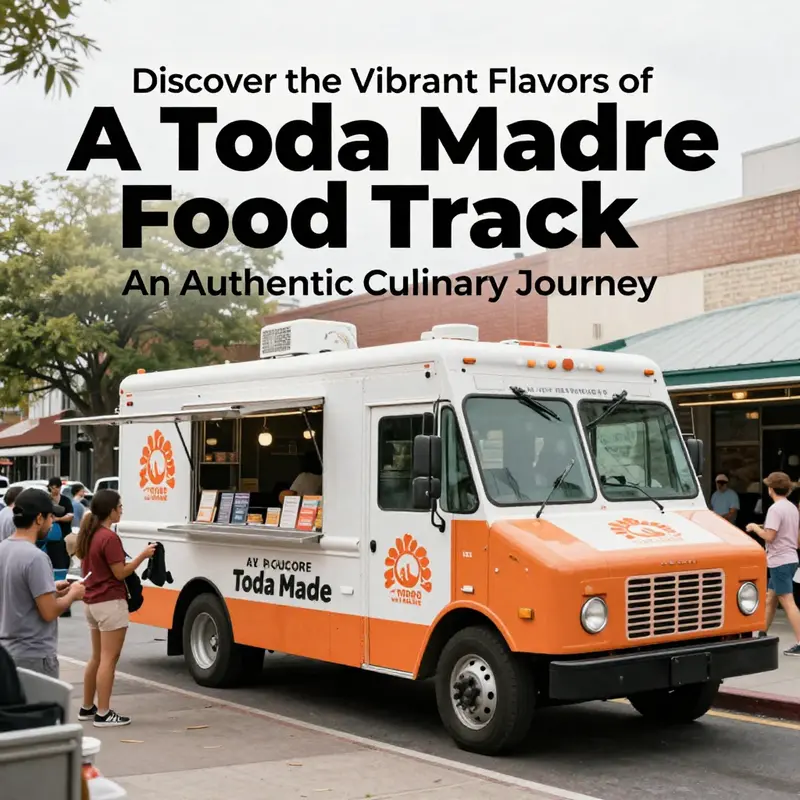
When a brand like A Toda Madre contemplates moving from a fixed storefront to the open road, the imagination can run ahead of the data. The available documentation shows brick‑and‑mortar roots for similar names and concepts in different places, with no explicit evidence of a dedicated food truck venture under the A Toda Madre banner. Yet the idea of a mobile kitchen is not a distraction from a brand’s core story; it can be a natural extension when it aligns with heritage, quality, and community access. In many markets, a truck becomes a storytelling machine, traveling from one neighborhood to another and turning culinary moments into conversations. This chapter treats the hypothetical path of a Toda Madre on wheels as a lens to examine how a Mexican-influenced brand could approach future prospects and expansion opportunities, while staying faithful to its identity and responsibly assessing risks and rewards in a 2025 context that increasingly embraces mobility, social media amplification, and nimble operations.
The rationale for a food truck, for any brand rooted in comfort food and regional flavors, rests on three intertwined pillars: accessibility, speed to market, and the ability to test new ideas without a long lease commitment. A Toda Madre on wheels could enter markets where new customers are curious about modern Mexican cuisine, while allowing the team to collect real-time feedback about flavors, portion sizes, and service tempo. This is not simply a chase for foot traffic; it is a strategic vehicle for brand localization. A truck can appear in a busy downtown corridor one day, a campus zone the next, and a weekend market the following week. The lessons learned from each stop inform the broader menu and brand narrative, enabling the company to refine its core offerings while retaining a consistent throughline that customers recognize across channels.
Despite the allure, the road to expansion demands rigorous planning. The 2025 landscape for mobile dining remains promising but competitive. Industry observers point to growing consumer appetite for convenient, flavorful options delivered in an attraction that feels personal, portable, and social. A mobile footprint offers a way to reach diverse audiences without immediate capital expenditure on brick-and-mortar real estate, though it introduces a different set of costs—permits, vehicle maintenance, commissary dependencies, and schedule management. In this sense, a Toda Madre food truck would not be a substitution for the brand’s existing footprint but a complementary channel, one that can amplify the brand’s reach while preserving the values that define its kitchen—craft, care, and a sense of family in every bite.
To translate a brick-and-mortar ethos to a truck requires an intentional menu strategy. The vehicle must carry forward the brand’s signature flavors while adapting to the constraints of portability and the realities of on-the-go preparation. A practical approach is to anchor the truck in a core set of crowd-pleasing items that travel well and stay true to the brand’s roots, paired with a rotating set of seasonal items that test new flavors or regional twists. This dual approach preserves consistency for loyal customers while inviting curiosity among first-time tasters who encounter the brand on a curbside stage. Menu design becomes an exercise in balance: bold, recognizable profiles that taste as good off a steam table as they do through a terrazzo of urban textures and weather. The kitchen layout should be compact yet capable, prioritizing a workflow that minimizes cross-contamination, optimizes heat retention, and ensures quick service in peak hours. In practice, this means choosing equipment that is efficient, reliable, and scalable—an approach that resonates with operators who have thoughtfully balanced taste, cost, and uptime in tight spaces.
A Toda Madre’s expansion into a food-truck format would also hinge on sourcing discipline. When the vehicle is mobile, supply chains need to be as flexible as the route map. Partners who can deliver consistent quality, even with limited cold storage on the go, become essential. This is where the broader conversation about food trucks becomes relevant: the ability to maintain the integrity of a dish when it travels is as much an operations challenge as it is a culinary one. Committing to a limited, well-curated supplier list and establishing a dependable cold-chain can help reduce waste and ensure that the brand’s plates deliver the same satisfaction from first bite to last. Such discipline also helps in managing costs, a critical element for any growth plan, because the economics of a vehicle-based kitchen differ markedly from a fixed-location restaurant.
Location strategy, perhaps the most practical facet of a truck’s future, requires a blend of data-driven scouting and intuitive fieldwork. The mobile model thrives where there is predictability in foot traffic patterns and receptivity to new experiences. Office districts, urban plazas during lunch windows, farmers markets, and arts festivals each offer different rhythms and potential returns. Yet the same vehicle that draws people in can also become a liability if it oversaturates a market. A savvy expansion plan would emphasize limited, well-timed appearances rather than a scattershot approach. A phased rollout—pilot runs in a few carefully chosen neighborhoods, followed by a measured scale-up after the learnings accumulate—helps calibrate the brand’s appetite for risk with its appetite for growth. In this framework, the truck serves as a living laboratory, providing qualitative feedback about what resonates and what does not, while the brand’s core menu remains a constant touchstone of quality and authenticity.
Beyond flavor and location, branding plays a pivotal role in how a Toda Madre on wheels would be perceived. A mobile venture is a walking billboard, a scene of performance where visuals, sound, and presence matter as much as ingredients. The mode of presentation on the truck—its graphics, the typography, the color palette, and the way staff uniforms align with the brand’s story—becomes a critical part of the consumer experience. A strong, cohesive visual identity helps customers recognize the brand at a glance in a crowded street and invites repeat encounters across different neighborhoods. For brands exploring this path, there is value in studying the transfer of identity from brick-and-mortar to the open road. A dedicated resource examining how to carry brand graphics and identity on a moving platform can offer practical guidance on consistency, while adapting to the constraints and opportunities of a mobile operation. See branding on wheels: the ultimate guide to food-truck graphics and identity for a comprehensive look at this dimension.
In parallel with creative and culinary considerations, the business model must address regulatory and operational realities. A food truck is a regulated kitchen on wheels, and operating within a city’s health, fire, and transportation codes requires diligence. Permitting timelines, inspection cycles, and the logistics of obtaining and renewing licenses can influence a rollout plan as much as the menu itself. Financing is another axis of decision-making. Initial equipment purchases, vehicle customization, and ongoing maintenance must be weighed against projected daily revenue and gross margins. A prudent approach often involves engaging with seasoned operators who have navigated the financing maze, as well as exploring partnerships with commissary kitchens that can provide essential support services—dishwashing, storage, and waste management—without overwhelming the operational model. The aim is to create a sustainable, repeatable system that can endure the inevitable ebbs and flows of mobile dining.
There is also a cultural and strategic advantage in aligning a mobile venture with broader brand storytelling. Mobility enables experiential marketing: the chance to bring the brand’s kitchen into communities, to narrate the origin of the recipes through live demonstrations, and to invite customers into a shared meal on a street‑level stage. Social media becomes an amplifier for this experience. Real-time updates about location, menu changes, and chef insights can generate engagement far beyond the footprint of a single brick‑and‑mortar site. ATube-like bite-size moments, behind-the-scenes kitchen processes, and customer testimonials can all fuel a growing following that translates into repeat customers and timely feedback for ongoing refinement. In this sense, a Toda Madre food truck would not be just a new sales channel; it would be a storytelling engine, translating the brand’s heritage into portable resonance.
The broader industry context for mobile dining in 2025 supports a cautious optimism. Experts emphasize that trucks remain a viable, potentially profitable model when operators implement disciplined cost control, smart route planning, and authentic brand storytelling. The shift toward digital engagement—short-form video, influencer collaborations, and location-based campaigns—can magnify impact when paired with a consistent menu and reliable service. For readers seeking a wider industry frame, the following resource provides a broader outlook on the opportunities and challenges facing food trucks in 2025: https://www.foodbusinessnews.net/articles/food-trucks-2025. This external perspective situates the A Toda Madre‑style expansion within the evolving ecosystem of portable culinary businesses and highlights the importance of adaptability as tastes, regulations, and technology continue to evolve.
As with any growth idea, the concept of a food truck for a brand rooted in Mexican-inspired cuisine invites both excitement and due diligence. The right move would be framed not as a race to open the second location on wheels but as a strategic initiative that tests a new channel while preserving the quality and soul of the core kitchen. In that sense, the journey is as important as the destination: each stop becomes a conversation with new communities, each service time offers a data point about demand and preference, and each menu tweak teaches a lesson about feasibility. The imagined arc of a Toda Madre on wheels thus becomes a case study in how traditional culinary brands can thoughtfully embrace mobility without diluting their essence. If the lessons learned through such a path resonate with readers, they offer a practical blueprint for other brands contemplating the same route—one grounded in careful menu design, disciplined operations, and a brand narrative that travels as well as it tastes.
In sum, while current public records do not confirm a specific plan for a Toda Madre food truck, the expansion concept aligns with both the entrepreneurial imagination and the realities of modern dining. The most persuasive path forward treats the truck as an extension rather than a replacement: a channel that invites new audiences, validates the brand’s broad appeal through experiential encounters, and yields actionable insights to refine the menu and operations across all formats. For those who want to explore more about how to shape brand graphics and identity for a moving business, the internal resource on branding on wheels offers a practical foundation. And for a broader industry context, the 2025 outlook on food trucks provides a useful frame to gauge timing, investment, and potential returns as mobility continues to redefine where and how people enjoy great food.
Final thoughts
A Toda Madre Food Truck embodies the spirit of community dining while offering authentic urban Mexican flavors that resonate with diverse audiences. Their offerings not only satisfy hunger but also connect people through vibrant culinary experiences. This mobile venture is well-positioned to thrive amidst competitive dynamics, with appealing food, targeted demographics, and an eye towards future growth and expansion. Embracing this delightful culinary experience opens doors to exciting gastronomic discoveries while enhancing event offerings and community gatherings.