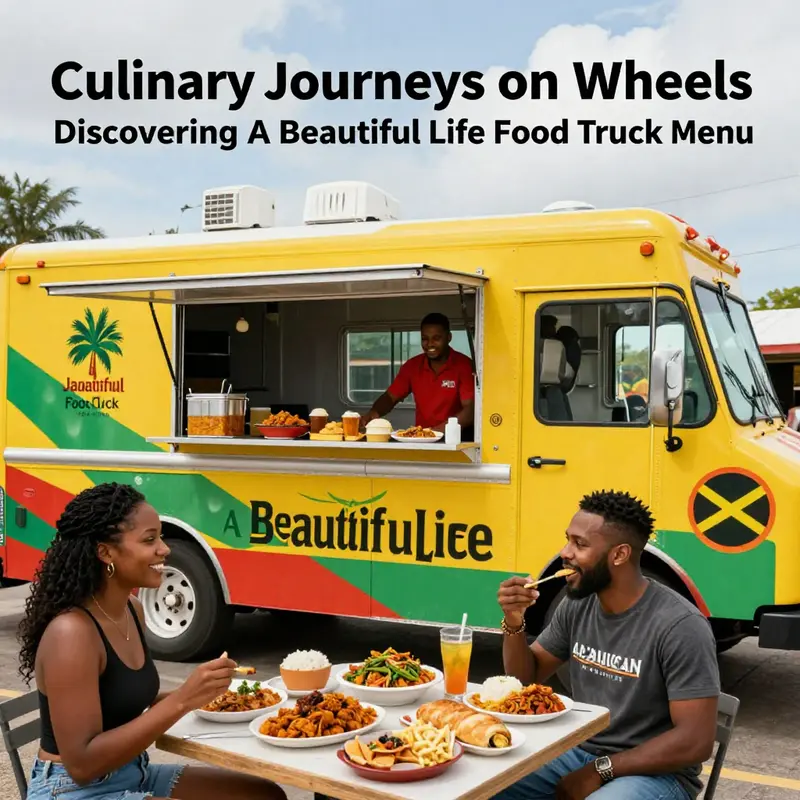
Welcome to a culinary adventure with A Beautiful Life Food Truck! This vibrant eatery on wheels brings the rich and diverse flavors of Jamaican cuisine directly to your community. Whether you’re an event planner looking to impress guests, a corporate HR team searching for unique catering options, or simply a food lover eager to explore authentic dishes, A Beautiful Life Food Truck offers something for everyone. In this article, we delve into the menu details, highlighting signature dishes, seasonal offerings, and the nutritional value of each dish. We also share customer feedback, giving you a taste of what to expect. Join us as we uncover the flavors that make A Beautiful Life Food Truck a beloved choice for food enthusiasts and event organizers alike!
Crafting the Menu Identity for A Beautiful Life Food Truck
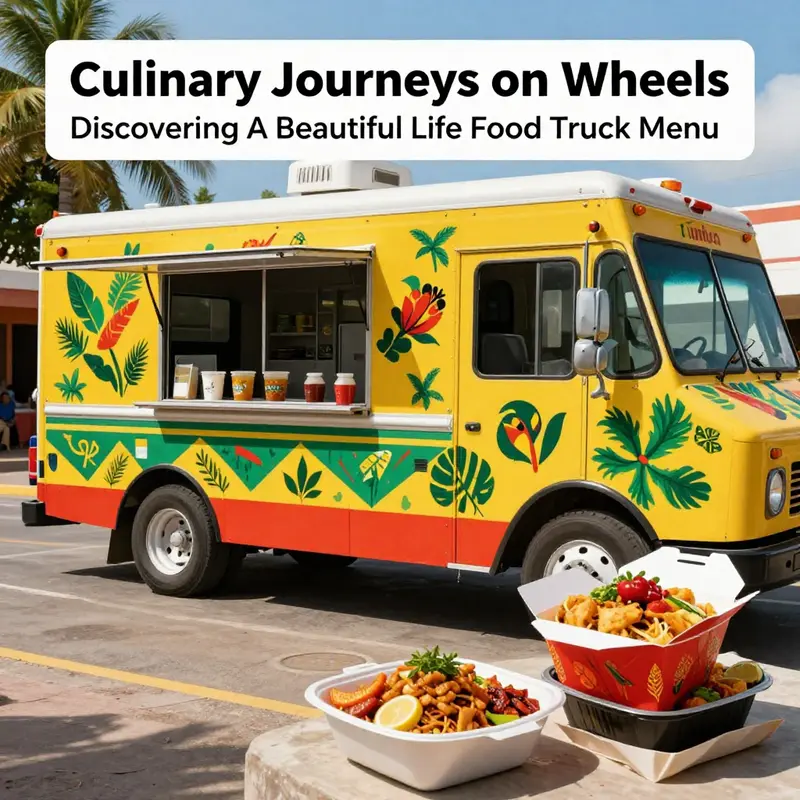
A Beautiful Life Food Truck presents an opportunity to translate a simple promise into a menu that feels both nourishing and joyful. The available review notes a handful of Jamaican-inspired items — fried oysters, jerk chicken wings, and beef patties — with the fried oysters receiving particular praise. From that starting point, a coherent menu can be imagined that honors those flavors while expanding into offerings that match the truck’s name: bright, wholesome, and full of life.
The menu begins with a clear concept. Plates and snacks should reflect vibrant textures and bold seasonings, anchored by fresh produce and careful sourcing. Seafood and island spices stand naturally beside healthy bowls and hands-on snacks. Imagine a small, focused menu built around a few signature mains, several shareable snacks, and a tight selection of drinks designed to boost margins. This balance lets the truck serve customers who want bold flavor, and those who want lighter, nutrient-forward options.
Signature items form the heart of the menu. The fried oysters cited in the review suggest a house technique that could become a trademark. Crisp, golden oysters with a light, seasoned batter can be offered solo or as a shareable plate, paired with a tangy lime aioli and a crunchy slaw. Jerk chicken wings play a complementary role, carrying char and smoke with a careful balance of heat and sweetness. Beef patties, a familiar Jamaican street-food staple, provide a quick, portable option. Together these three items establish a clear identity: coastal influences, Caribbean spice, and comfort-on-the-go.
Around these anchors, the truck can layer variety. A handful of bowls would appeal to diners seeking a complete meal. A warm quinoa bowl with roasted seasonal vegetables, jerk chicken, and avocado would feel both wholesome and rooted in the truck’s flavor profile. A grilled fish taco bowl could borrow the slaw and lime elements from the oyster plate, while offering a lighter protein option. Bowls should be modular, with protein choices like jerk chicken, grilled fish, and a plant-based spiced jackfruit. This modularity simplifies operations and speeds service.
Tacos and hand-helds broaden accessibility. Two or three taco varieties fit well: a fried oyster taco with crisp slaw, a jerk chicken taco with pickled onions, and a plant-forward roasted vegetable taco. These are quick to assemble and portable for mobile customers. The beef patties remain a staple and can be offered in original form or reimagined as a slider plate with a cooling mango chutney.
Sides and snacks create add-on revenue and enhance perceived value. Offerings like sweet potato fries, cassava chips, and a seasonal slaw are low complexity, high satisfaction. A compact list of dipping sauces can elevate every item. Think lime aioli, mango-jalapeño chutney, and a yogurt-cilantro dressing. Small sides pair naturally with mains and invite incremental sales.
Beverages should be simple and profitable. Cold-pressed juices, creative lemonades, and a couple of smoothies fit the truck’s wellness-leaning name. Specialty blends that incorporate tropical fruits and a mild, palate-cleansing herb, like mint or basil, support the Caribbean thread. Bottled sparkling water keeps options broad. Drinks require minimal prep yet yield healthy margins, which supports steady cash flow.
Desserts can be compact and local. A small selection of handheld sweets — think grilled pineapple skewers with a dash of spice or coconut-laced cookies — echoes the menu’s themes without stretching the kitchen.
Dietary flexibility keeps more customers satisfied. Every core item should list simple swaps. Bowls that default to quinoa should be available on brown rice. Protein swaps among chicken, fish, and plant options support vegan and gluten-conscious diets. Clear menu markers for spice levels and allergens build trust and speed ordering.
Sourcing and ingredient strategy matters. Prioritize local seafood and produce where possible. Fresh, seasonal vegetables make bowls shine. A few premium elements, like oysters and sustainably sourced fish, justify slightly higher prices. At the same time, choose cost-stable ingredients for the menu’s backbone. Grains, root vegetables, and legumes provide consistency. This mix protects margins while allowing occasional specials that celebrate peak-season items.
Portioning and price structure must be deliberate. Smaller plates and shareables should land at accessible price points. Signature mains and bowls can command a modest premium. Drinks and sides are the built-in upsell. A typical structure might place shareables in the $6–$10 range, tacos and hand-helds at $8–$13, bowls at $12–$16, and drinks at $4–$7. Price bands depend on local market conditions, but the concept benefits from clear value perception and predictable cost controls.
Operational simplicity is key. A compact menu reduces ticket times and waste. Cross-utilize ingredients between items. The slaw used with oysters can appear in tacos and bowls. A single house sauce can dress multiple dishes. Standardize prep to maintain quality during busy service. Streamlined recipes and well-practiced assembly keep lines moving and reduce stress on staff.
Packaging and presentation enhance the experience. Compostable containers and neatly stacked components support the lifestyle-oriented brand. Visual cues — bright garnishes, colorful slaws, and clear branding — make the food feel intentional. Packaging should protect texture. Crispy oysters need a vented tray to stay crunchy. Bowls should separate warm and cool elements when necessary.
Marketing and menu storytelling tie the food to the truck’s name. Short menu descriptions that highlight flavor and origin add personality. For example, the fried oyster plate could read: “crispy local oysters, lime aioli, crunchy island slaw.” Those few words create expectation and encourage trial. The menu can also rotate a weekly special that tests new ideas and keeps regulars engaged.
Profitability considerations guide item selection. Drinks and simple snacks often carry the best margins and should be prominent. High-cost items like premium seafood should be limited to signature dishes, where their perceived value is high. Batch-cooked bases, like roasted vegetables and grains, reduce labor and contain costs. Track waste closely and adjust portions or pricing as needed.
Community engagement supports longevity. Pop-ups at markets and collaborations with local farms or producers strengthen roots. Participating in neighborhood events introduces the menu to new audiences and builds repeat business. Visual branding helps here; consistent imagery and menu language create recognition. A focused guide to truck visuals and identity can be useful when building this presence, such as the practical tips in the branding on wheels guide.
Finally, menu evolution should be steady and thoughtful. Start tight, then expand based on sales data and customer feedback. Keep the most beloved items, like the praised fried oysters, front and center. Use specials to trial new combinations or seasonal produce. Over time, a concise, well-edited menu will deliver both culinary satisfaction and sustainable business performance, true to the promise of a beautiful life on the move.
Heartfelt Flavors: The Signature Plates That Define a Beautiful Life Food Truck Menu
Signature Plates That Tell a Story
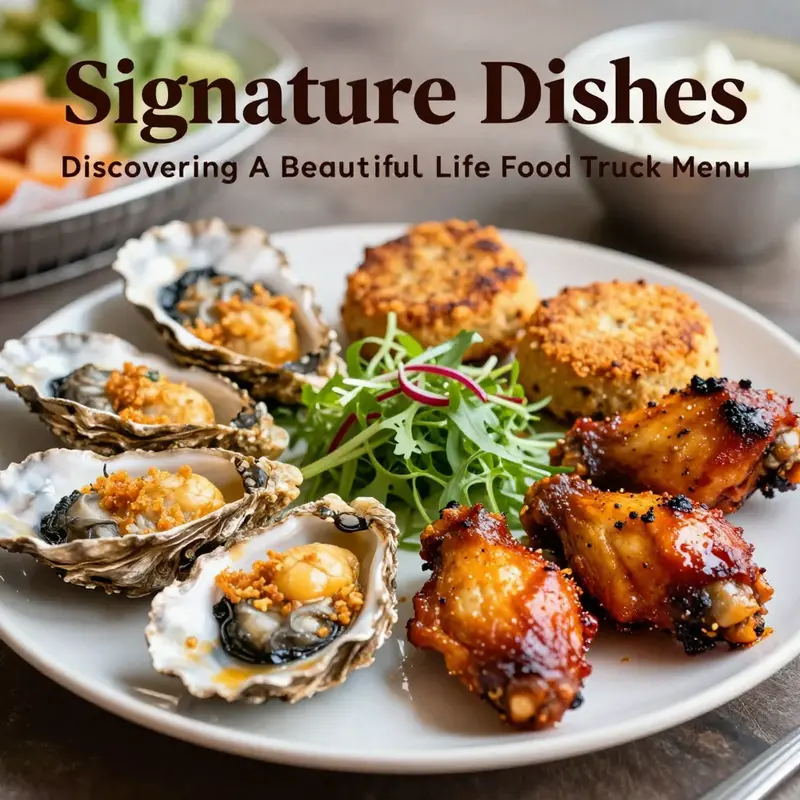
A signature dish is more than an item on a sheet of paper. It is a map to the kitchen’s soul, a promise of consistency, and the quickest way to build loyal customers. For a food truck like A Beautiful Life, where the menu information remains sparse and reviews highlight a handful of standout bites, those signature plates shape perception. The handful of items mentioned in reviews and social posts—fried oysters, jerk chicken wings, beef patties, jerk chicken, and oxtail—point to a Caribbean-forward direction. Each of these dishes carries distinct textures, cooking techniques, and cultural weight, and together they sketch a compact, memorable menu.
Fried oysters are one of the items reviewers singled out for praise. They arrive as a study in contrast: the briny, tender interior and a crisp, golden exterior. Preparing fried oysters that become a signature requires discipline. Shellfish must be fresh, shucked carefully, and patted dry to ensure an even, thin crust. A batter that clings without tasting heavy—seasoned with a hint of citrus zest, a whisper of cayenne, and a crunchy starch—keeps the oyster central. Serve them with a bright dipping sauce. A tangy slaw or a peppered tartar made with pickled scallions and lime elevates the oyster and keeps the plate balanced. Because oysters are a seasonal and perishable ingredient, a truck aiming to keep them as a signature will need supplier relationships and careful portioning.
Jerk chicken wings and classic jerk chicken both reflect the smoky, pepper-forward profile of Jamaican cuisine. The marinade is where identity forms: pimento (allspice), Scotch bonnet peppers, fresh thyme, garlic, ginger, and a measure of brown sugar for caramelization. For wings, a shorter marinade and a hot, quick finish—grill or high-heat oven—delivers sticky, charred skin and juicy meat. For whole jerk chicken or thighs, longer marination and a slower cook time permit the heat and aromatics to penetrate. A signature jerk should present an immediate hit of warm spice, followed by herbaceous notes and a lingering smoky sweetness. Complementing sides like rice and peas, fried plantain, or a cooling cucumber-mint slaw extend the experience. They also help manage heat for guests unaccustomed to Scotch bonnet intensity.
Beef patties—handheld, flaky enclaves of curried beef—function as both comfort and convenience. Their crusts are built on layers of butter or shortening worked into the dough to achieve the characteristic lamination. The filling is decisive: a deeply seasoned ground beef, simmered with curry powder, thyme, scallion, and a touch of browning for color. A signature patty balances spice, savor, and texture. Because patties travel well, they become a natural street-food ambassador. A truck can experiment with variations—added vegetable curried blends, spicy cheese, or jerked protein—to broaden appeal while keeping the classic patty as the anchor.
Oxtail represents another axis of signature authenticity. Slow-braised until gelatin-rich and falling from the bone, oxtail rewards patience. Browning the meat deeply, layering in aromatics, and finishing with a stock reduced to glaze the meat yields a dish that feels luxurious, even from a window. Serving oxtail with starches—starchy rice, creamy mashed tubers, or roti—lets the sauce shine. Oxtail also communicates a commitment to technique. A truck that takes the time to steward tougher cuts into refined plates signals culinary competence and value.
Crafting these dishes into a coherent menu requires more than cooking skill. It needs strategy. First, look for ingredient efficiencies. A single spice blend can thread through multiple plates. A jerk paste can be used on wings, chicken, and mixed into a glaze for roasted vegetables. A curry base used in beef patties can inform a spiced rice or a braising liquid. Cross-utilization reduces waste, simplifies prep, and reinforces a unified flavor profile that customers recognize.
Second, mind the workflow. Food trucks operate in cramped spaces. Fryers, griddles, and small smokers must be scheduled to avoid bottlenecks. Offerings that share prep steps—such as a common marinade or a shared slaw—save time. Stationing an organized assembly line for handheld items like patties and wings keeps service fast during rushes.
Third, tell stories with presentation. A signature dish becomes memorable when service includes a short, consistent line about origin or method. A small chalkboard note about an oyster’s source, a sticker about a family jerk recipe, or a verbal line about slow-braised oxtail invites connection. Street food thrives on personality. The narrative around a plate encourages repeat visits and social shares, which are essential for a truck whose online presence may still be emerging.
Fourth, consider price and portion logic. Signature items often carry the highest margin but also the highest expectation. Price them to reflect labor and ingredient cost while keeping them accessible. Offer a single-item price and a modest combo that pairs a signature with an inexpensive side. Combos create perceived value and increase average spend without complicating operations.
Fifth, plan for consistency and variation. A core set of signatures should be available often. Rotate one or two specials to keep the line intrigued. Seasonal shifts help, too: oysters in peak months, heartier stews in colder weather, lighter sides in summer. Special editions—say, a spiced oyster po’boy or a jerk chicken sandwich—allow the truck to spotlight techniques while testing new concepts.
Finally, be transparent about ambiguity. Current public records give only a partial view of the truck’s offerings. When details are uncertain, invite customers to verify through official channels. Social media posts and short-form videos are common ways to preview dishes and build anticipation. Maintaining a clear social hub reduces confusion and strengthens customer trust.
Signature plates are both a culinary and a branding decision. They define the truck’s voice, dictate operations, and shape customer memories. Whether that voice is carried by a crisp fried oyster, a sticky jerk wing, a flaky beef patty, or a slow-braised oxtail, each dish must be executed with intent. That intent shows in ingredient choices, prep efficiency, and the story shared with every order. For a truck like A Beautiful Life, where every publicly known dish hints at warmth and Caribbean roots, focusing on a tight set of standouts will create a menu that feels complete, even when it remains small.
For food trucks refining their visual language around these plates, exploring branding resources can help align menu and look. See the in-depth resource on branding-on-wheels: the ultimate guide to food truck graphics and identity for ideas on connecting food and image.
For direct examples and short-form demos that highlight possible signature dishes and techniques, refer to the truck’s social posts on TikTok: https://www.tiktok.com/@islandvybz
Seasonal Rhythm: Designing Rotating Specials for A Beautiful Life Food Truck Menu
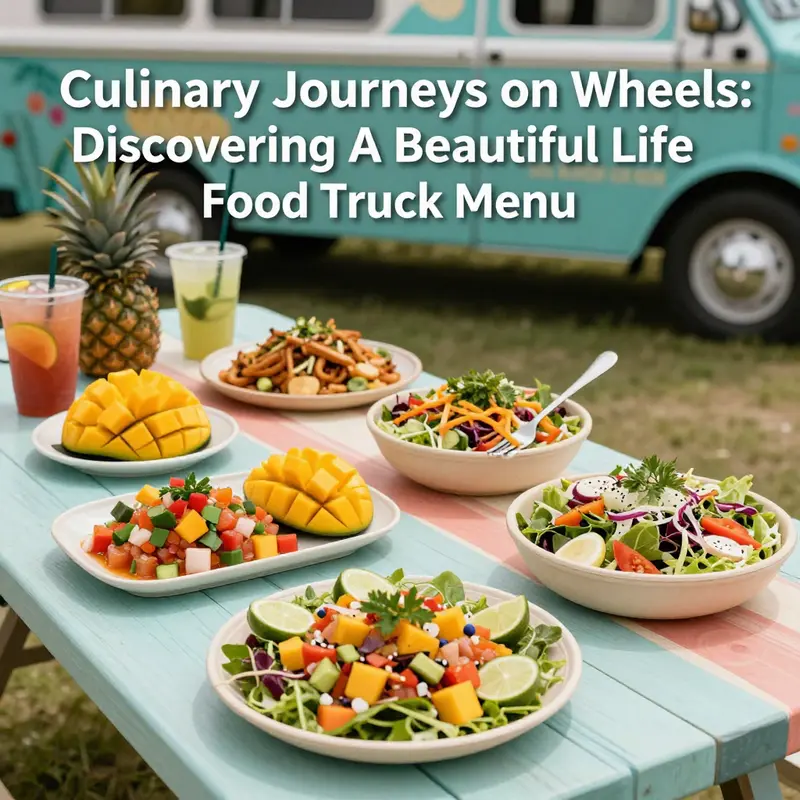
Seasonal Rhythm: Designing Rotating Specials for A Beautiful Life Food Truck Menu
Creating seasonal offerings for a compact operation like A Beautiful Life Food Truck is part culinary strategy, part practical logistics. With only a few confirmed items mentioned in a 2026 review—fried oysters, jerk chicken wings, and beef patties—there is a clear starting point rooted in bold Caribbean flavors and handheld comfort. From that base, seasonal programming can expand appeal, deepen the brand, and manage costs without overcomplicating service.
Start by defining the truck’s seasonal purpose. Is the rotation meant to highlight local produce, respond to weather and crowd patterns, or showcase coastal or festival-ready items? Choosing a primary goal focuses the seasonal calendar. For example, emphasize coastal harvests in spring, street-festival sharables in summer, root-vegetable riffs in fall, and warming comfort plates in winter. Each season should keep two or three steadfast staples for regulars, and one to three limited-time offerings that change the conversation.
Menu balance matters. Aim for a predictable anchor item, a flexible special, and a portable side. Anchors keep lines moving. If fried oysters earned praise, keep them as a spring-to-early-summer staple when shellfish are freshest. Jerk wings and beef patties function well year-round because they travel and plate quickly. Seasonals then become the surprise: a mango-jalapeño glaze for summer wings, a squash-and-callaloo empanada for fall, or a hot-goat-soup bowl for winter market crowds. Each special must suit the kitchen footprint and prep rhythm of a truck.
Sourcing shapes seasonality. A food truck that leans on local produce cuts cost and bolsters flavor. Build relationships with a few reliable suppliers, and plan specials around their harvest windows. Shellfish availability will guide an oyster-focused special. Citrus and stone fruit can anchor sauces through the warmer months. Root vegetables and braising options work when markets cool. When local supply is inconsistent, plan fallback recipes that use similar techniques but different ingredients—for instance, swap oysters for firm white fish in a fried batter when needed.
Think like a diner and a chef at once. Portion sizes should protect margin while satisfying appetite. A single special that becomes a crowd favorite should be priced to reflect prep intensity and ingredient cost. Keep sides simple and familiar: tangy coleslaw, pickled red onion, or fried plantain chips complement Caribbean mains and require minimal labor. Limited-time desserts, such as a rum-spiked banana fritter in autumn, add perceived value without lengthening lines.
Operational discipline prevents menu creep. Track labor and ingredient impact of every special for at least three weeks. If a seasonal item increases ticket time, consider modifications: change plating to a handheld format, pre-portion elements, or move a garnish to the pickup counter. Inventory control is essential. A small truck has limited refrigeration and dry storage. Build specials around ingredients that store well or can be purchased in small batches. Daily and weekly ordering guides, tied to projected foot traffic, keep waste down and freshness high.
Marketing seasonal rotations amplifies value. Use social channels to tease weekly specials with vivid imagery and short, actionable text. Create a simple rhythm—”Monday Market Feature,” “Weekend Shellfish Drop,” or “Friday Wing Flavor”—so customers learn when to expect novelty. Collaboration with neighborhood events helps place specials where they make the most sense. For example, a seafood-forward weekend special works well near waterfront festivals. If parking logistics are a recurring challenge, reference guides like this piece on mastering food truck parking challenges to choose spots that match seasonal offerings.
Design specials with service speed in mind. Busy evenings demand items that can be prepped and finished quickly. Marinades and brines can be done off-site and stored safely. Sauces may be batch-cooked and portioned. When a special involves frying, ensure batter and oil are managed to maintain consistency across shifts. For colder seasons, soups and bowls that travel well can reduce stress at the window, since they can be ladled to order and kept warm without complex assembly.
Flavor continuity maintains identity across seasons. Customers should recognize the truck’s voice. For a Jamaican-inspired operation, that voice may be bright citrus, smoky char, and island spice. Seasonal items should echo those notes—play with technique rather than abandon the profile. Take a classic beef patty and offer a seasonal fold: summer mango chutney inside, or autumn jerk-shroom for vegetarians. Doing so invites experimentation while keeping the menu cohesive.
Allergy and dietary transparency matter more than ever. Clearly mark gluten-free, dairy-free, and vegetarian options on chalkboards and digital listings. Seasonal specials should include at least one alternative for common dietary preferences when possible. Grain bowls, salads paired with jerk protein, or a plant-based patty made from seasoned lentils provide options that fit the truck’s rhythm without adding complexity.
Promotions and scarcity drive attention. Limited runs, daily counts, and “only at” timings create urgency. However, avoid overpromising. If a special requires complex assembly, cap quantities based on realistic prep capacity and communicate that limit. Loyalty incentives work especially well with seasonals: offer a punch-card reward for trying three seasonal dishes in a row. Partnerships with nearby vendors—coffee carts, breweries, or dessert trucks—extend the experience and can create bundled seasonal menus for events.
Measure impact with simple metrics. Track which specials sell out, which linger, and how they affect average ticket and return visits. Monitor customer feedback—listen for repeated requests or critiques, not just compliments. Quarterly, evaluate which seasonals should graduate to staples. Conversely, identify dishes that underperform and avoid repeating them without a clear rework plan.
Sustainability and waste reduction are natural allies to seasonality. Use trimmings and secondary cuts in stocks, sauces, or specials to maximize value. A carrot top chimichurri or a broth made from roasted bones can elevate everyday items and reduce costs. Communicate these practices to customers; many appreciate food ethic transparency, and it can become a marketing point for seasonal campaigns.
Finally, keep the calendar flexible. Weather, supplier availability, and foot traffic shift unpredictably. Maintain a short list of quick-to-activate specials that reuse existing ingredients. That agility allows A Beautiful Life Food Truck to honor its Caribbean roots, highlight regional harvests, and keep customers returning for both comfort and surprise. Seasonal offerings are not just temporary menu items. They are a means to tell evolving stories about place, flavor, and the care behind each plate.
What Diners Tell Us: Honest Feedback on A Beautiful Life Food Truck Menu
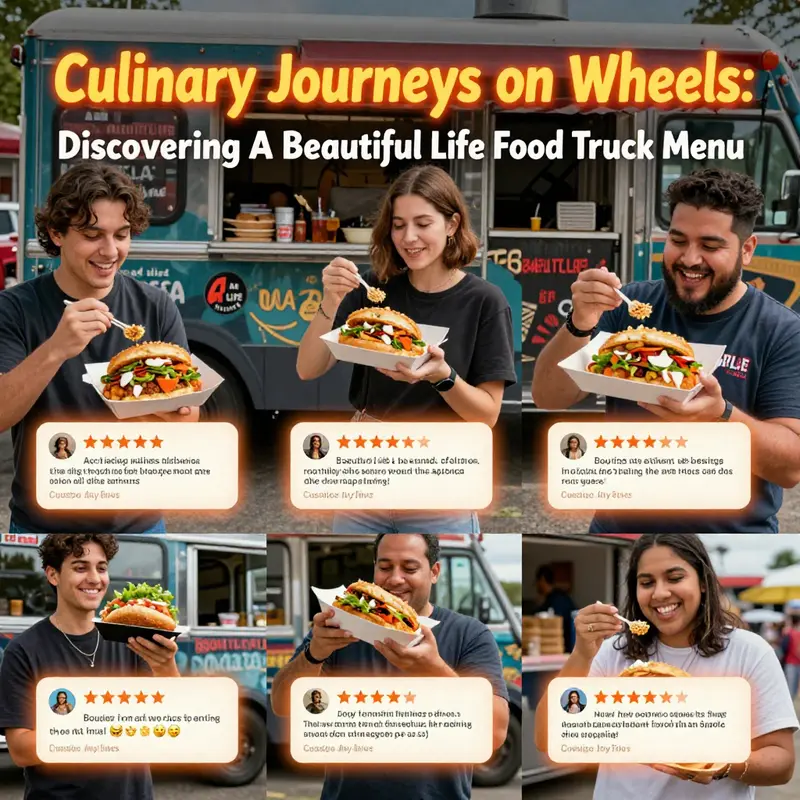
A Beautiful Life Food Truck earns attention for a compact, flavorful menu and a friendly service rhythm. Customer feedback paints a picture of a small operation doing many things well, while also showing clear opportunities to refine the menu and sharpen the truck’s identity. This chapter synthesizes what patrons consistently note, highlights where the food excels, and offers practical directions the team can use to turn customer impressions into lasting strengths.
Many customers remark first on the atmosphere surrounding the truck. Despite a smaller footprint, the setup feels inviting. Lines move at a steady pace, and service is usually described as warm and efficient. Those traits matter for a food truck because friendly, timely service raises the perceived value of every dish. Patrons often emphasize the speed of service alongside the personal touch from staff. When food arrives quickly and with a smile, mild inconsistencies in seasoning or portion size become easier for guests to accept.
Across reviews, a few menu items emerge as clear anchors. The fried oysters receive particularly strong praise. For several regulars, the oysters stand out for texture and flavor. Descriptions highlight a crisp exterior and a satisfying brine inside. This kind of focused acclaim is valuable. It signals a specialty that can be promoted as a signature item. Jerk chicken wings also earn a reliable following. Customers describe them as flavorful and well paired with sides like plantains. These wings serve as another clear selling point. Together, oysters and wings form a duo that defines the truck’s strengths: robust seasoning and solid frying technique.
At the same time, other items elicit more mixed responses. Beef patties are called “good” by some diners, but a few reviewers note they have tasted better versions elsewhere. This kind of comment is common for classic comfort items that many vendors offer. It suggests an opportunity to either elevate the patty through a distinct spice profile and pastry technique, or to position it differently on the menu so expectations match the product. Coco bread is mentioned as a familiar companion to other dishes. Its presence signifies a commitment to authentic pairings, but a stronger presentation or a signature twist could shift it from a side to a memorable addition.
Drinks and weekend offerings also contribute to the truck’s identity. The caramel apple rum cocktail appears in brunch orders and signals versatility. When a truck can offer a compelling beverage, it broadens appeal beyond standard lunch crowds. Brunch cocktails and occasional specials create social-media-friendly moments. Patrons enjoy these seasonal or time-specific offerings because they feel unique and worth traveling for.
Reading between the lines, three themes emerge that the truck can use to refine its approach. First, highlight and protect signature wins. When fried oysters and jerk wings consistently receive praise, amplify them. Present them in combo formats, offer tasting flights at events, and feature them in visual marketing. A clear focus helps attract new customers seeking those exact flavors.
Second, manage consistency and clear expectations. Mixed reviews on items like beef patties often stem from variable execution or from customers comparing the item to other vendors. Standardize recipes and plating. Train staff on key points like portion size, frying times, and spice balance. When every service window produces the same strong bite, the menu’s weaker items gain credibility by association. Clear menu descriptions also help. Brief, evocative text can set accurate expectations and reduce disappointment.
Third, lean into storytelling. Patrons respond to authenticity. When menu items are presented with short origins or flavor cues, they resonate more. Explain what makes the fried oysters special. Share the jerk wings’ heat level and marinade notes. A small line about coco bread tradition or the inspiration behind the caramel apple rum cocktail turns a transaction into an experience.
Operational context matters too. The truck’s smaller size is an asset and a constraint. It enables personal service and focused execution, but limits kitchen capacity. Given those limits, prioritize items that deliver the highest praise and profit per preparation cycle. Rotate specials intentionally rather than over-extending the core menu. Use peak times to showcase signature dishes and quieter moments for testing tweaks. Collecting feedback in those quieter moments is low-risk and highly informative.
Practical tactics to act on customer feedback are straightforward. Introduce a simple feedback card or QR survey offering a small incentive. Track mentions of specific dishes by name and quantify sentiment trends over weeks. If the beef patty appears in three or more neutral comments, plan a tasting panel and test three recipe variations. If oysters consistently score high, consider a seasonal special that elevates the dish with a limited-time sauce or side. Visual cues matter, so update menu boards and social posts to reflect the truck’s best-loved items.
Promotional choices should align with the menu’s strengths. Feature the most praised items in photos and short videos. Encourage customers to post their favorite order combinations by offering a weekly shout-out or a small discount for tagged posts. Social proof from real customers amplifies the authentic praise the truck already receives in reviews.
Finally, consider how branding and presentation reinforce feedback. A focused visual identity clarifies what the truck offers to new customers. For practical guidance on building a coherent visual and identity strategy, explore a compact guide on establishing truck branding that aligns with menu highlights. This resource helps translate customer praise into consistent visual messaging.
Customer reviews offer a clear roadmap: celebrate and protect what delights diners, tighten execution on items that get mixed marks, and use authentic storytelling to elevate everyday bites. With limited space, thoughtful prioritization will amplify strong dishes while creating room to experiment. The voice in the reviews is constructive: patrons appreciate the food and service, and they signal a willingness to return when favorites stay excellent and new touches surprise pleasantly.
External source: For the original customer reviews referenced in this analysis, see the Yelp listing: https://www.yelp.com/biz/abeautifullife-jamaican-kitchen-los-angeles
Internal resource: For help aligning menu strengths with visual identity, see the truck branding guide: branding on wheels guide.
Reading the Plate: Practical Nutrition Insights from A Beautiful Life Food Truck Menu
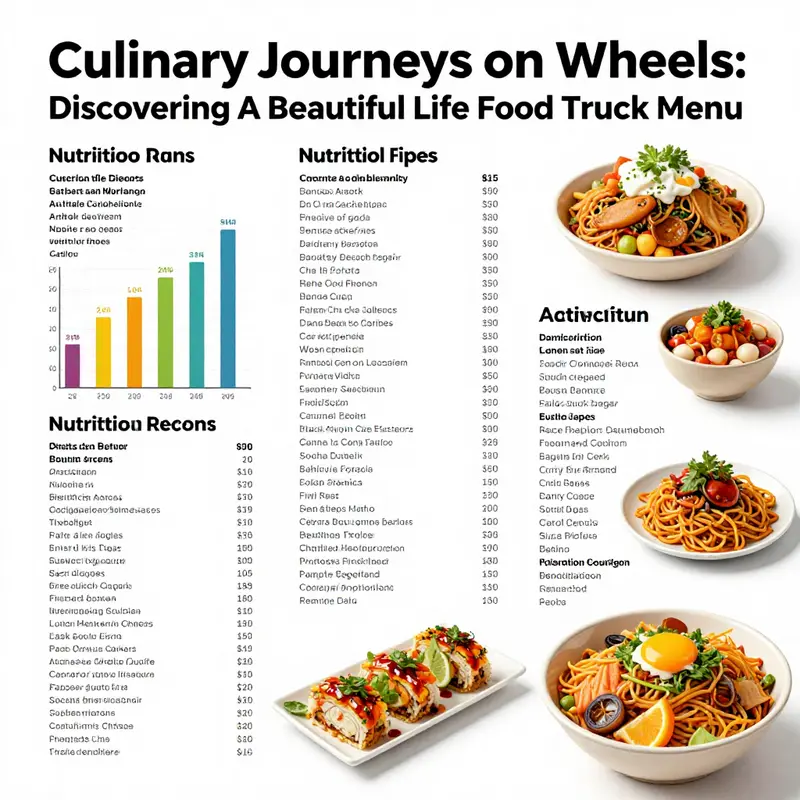
Interpreting the Nutrition Facts and Making Smart Choices
Understanding the nutrition behind a meal changes how you order from a food truck. A Beautiful Life Food Truck offers a range of bowls, wraps, and salads. Each selection balances flavor and fuel differently. The numerical breakdown for four signature items highlights how portion, protein, fat, and sodium shape a meal’s impact.
Calories are the headline, but they are not the whole story. A Grilled Chicken Bowl with quinoa and mixed greens sits around 480 calories and delivers 38 grams of protein. That protein helps you feel full longer and supports muscle repair after activity. The bowl also includes 9 grams of fiber, which slows absorption of carbohydrates and stabilizes blood sugar. With 18 grams of total fat but only 3 grams saturated fat, the majority of fat likely comes from heart-healthy sources like olive oil or avocado. Sodium at 720 mg is moderate for a prepared meal, but it adds up if you combine that bowl with salty sides or drinks.
A Vegan Buddha Bowl clocks in near 510 calories, with 16 grams of protein and 12 grams of fiber. Those fiber numbers are notable; fiber improves digestion and enhances satiety. The bowl’s 20 grams of fat may come from plant-based oils and nuts, contributing healthy monounsaturated and polyunsaturated fats. For someone prioritizing plant-forward meals, this option provides sustained energy and a satisfying mouthfeel without relying on animal protein.
The Turkey & Avocado Wrap is lean and convenient at about 420 calories and 28 grams of protein. Whole wheat gives roughly 8 grams of fiber, while avocado contributes healthy fat and texture. Sodium here is about 750 mg, a reminder that deli-style proteins and prepared condiments raise salt content quickly. The Classic Caesar Salad with added grilled chicken is the most calorie-dense of the four, at 550 calories and 38 grams of protein, largely due to dressings and cheeses. With 38 grams of total fat and 7 grams saturated fat, it’s a richer choice best shared or paired with lighter sides.
Numbers like calories, grams of fat, and sodium are tools. Use them to match meals to your day. If you plan a long training session, the higher carbohydrate and calorie items support sustained performance. If you are controlling sodium for blood pressure reasons, aim for lower-sodium choices or ask for dressing on the side. If protein is your priority, the Grilled Chicken Bowl and the wrap give dependable amounts.
Beyond single nutrients, consider balance. A satisfying meal pairs protein, fiber, and fat. Protein preserves lean mass and curbs hunger. Fiber slows digestion and supports gut health. Fat carries flavor and helps absorb fat-soluble vitamins. The provided items each represent a different balance of these elements. The Grilled Chicken Bowl emphasizes protein and fiber. The Vegan Buddha Bowl favors fiber and plant fat. The Turkey & Avocado Wrap offers portable protein with moderate carbs. The Caesar Salad prioritizes richness and protein but has higher fat.
Portion control is a subtle lever. Trimming a half-cup of grains or requesting less dressing can lower calories by 50 to 150 calories. Removing a cheese sprinkle on the Caesar reduces saturated fat and sodium. Choosing a side of mixed greens instead of a fried option saves both calories and sodium. Small swaps add up without compromising flavor.
Sodium deserves its own attention. Prepared and seasoned foods often exceed recommended limits quickly. A single meal approaching 700–900 mg supplies a large portion of the advised daily limit. For people monitoring salt, simple tactics help: ask for sauces on the side, limit cured meats, and choose grilled over fried preparations. Also pair a salty entree with low-sodium sides and water instead of a salty canned beverage.
Allergens and ingredient swaps also influence nutrition. Swapping a dairy-based dressing for a vinaigrette reduces saturated fat. Replacing a wheat tortilla with a lettuce wrap cuts carbohydrates. For vegan diners, the Buddha Bowl is already suitable, but confirm dressing ingredients and cross-contact processes if allergies matter. Clarifying how items are prepared helps you adjust choices to dietary needs.
The nutrition data also guides meal timing. A higher-calorie, balanced bowl is ideal for lunch on a busy day, providing hours of steady energy. A lighter wrap might serve as a mid-afternoon meal when you need to snack but not feel weighed down. The calorie-dense salad can be saved for an active evening, or shared as part of a multi-course street-food experience.
Practical customization keeps meals aligned with goals. Request half portion of dressing, extra greens instead of fries, or a double portion of lean protein for an athlete. Be mindful that adding extras such as cheese, fried items, or sweet sauces will shift the data upward quickly. If tracking macros, use the provided values as a baseline and log modifications as you order.
Sustainability of eating stems from pleasure and repeatability. Choose items that satisfy you without leaving you overfull or deprived. If you love the Caesar but want to manage fat intake, order with dressing on the side and add a citrus squeeze. If you prefer plant-forward choices, the Vegan Buddha Bowl gives flavor and texture without sacrificing satiety.
Portion size communication is also a negotiation. Food trucks vary in their serving sizes, and a bowl labeled “regular” at one vendor may differ from another. If consistent nutrition tracking matters, ask about portion sizes or consult the truck’s nutrition page. For operators and patrons interested in how the truck presents its offerings, understanding how model and equipment choices affect menu preparation is useful. For those exploring operations or partnerships, resources on choosing the right food truck models explain how layout and equipment influence menu capabilities and consistency. You can read more about choosing the right food truck models here: choosing the right food truck models.
Finally, treat the provided nutrition numbers as approximations. Ingredient sourcing, seasonal produce, and chef technique all shift values slightly. Use the data for decision-making rather than as absolute truth. When precision matters, ask for the most current information. The truck maintains a nutrition page where detailed values are available for reference. For convenience and accuracy, check that source before relying on numbers for strict dietary goals: https://www.ablfoodtruck.com/nutrition
By reading a plate through the lens of protein, fiber, fat, and sodium, you can choose meals that support your needs. Small swaps let you keep flavor while managing calories and nutrients. The four highlighted items illustrate how variety on a food truck menu can meet different priorities. Use the numbers thoughtfully to order with intention and enjoy the experience.
Final thoughts
Exploring the menu of A Beautiful Life Food Truck showcases the heart and soul of Jamaican cuisine on the go. From the crispy fried oysters to the spicy jerk chicken wings and the savory beef patties, each dish tells a story of rich culture and delicious flavors. Seasonal offerings add a refreshing twist, making each visit to the truck a new culinary experience. Moreover, with customer reviews highlighting satisfaction and happiness, it’s clear that this food truck is making its mark in the community. Whether you’re planning an event, seeking corporate catering solutions, or just indulging in your cravings, A Beautiful Life Food Truck is here to elevate your food journey. Don’t miss out on these vibrant tastes of Jamaica!