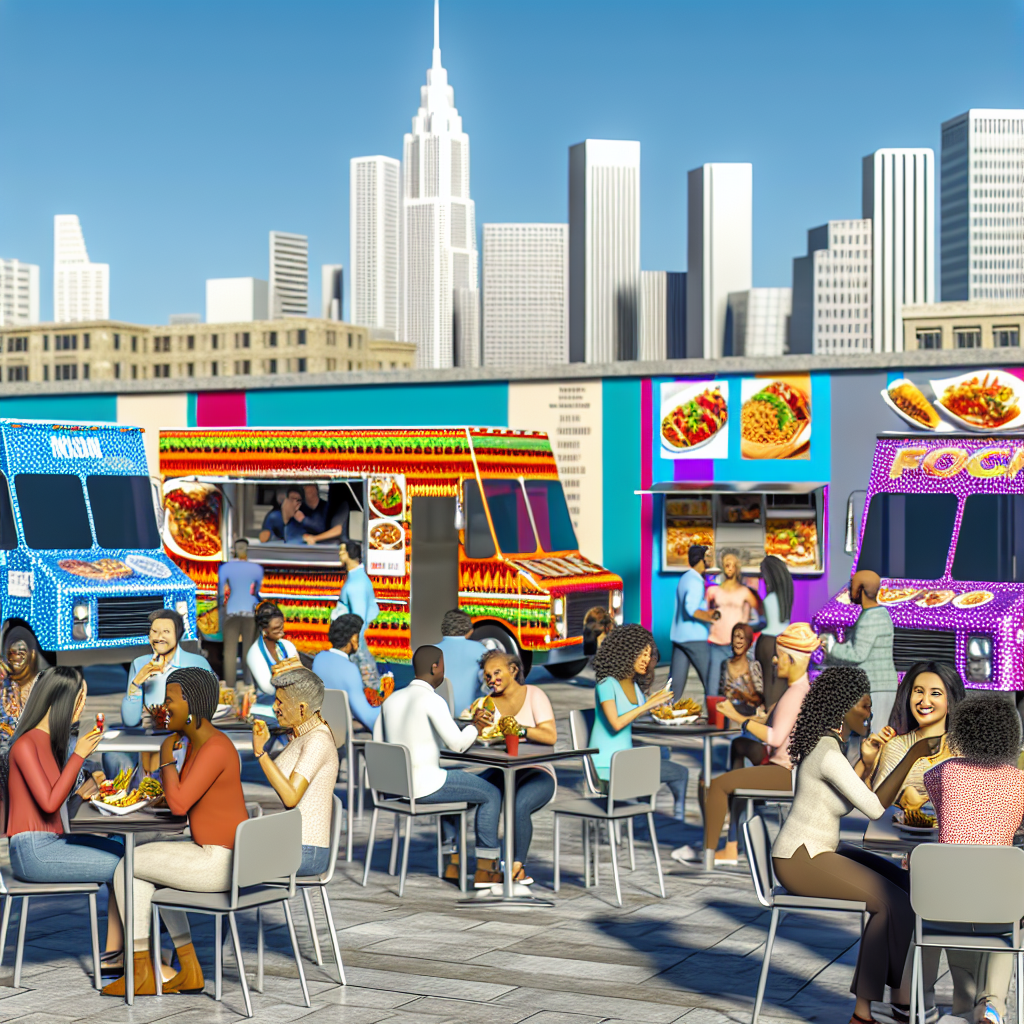
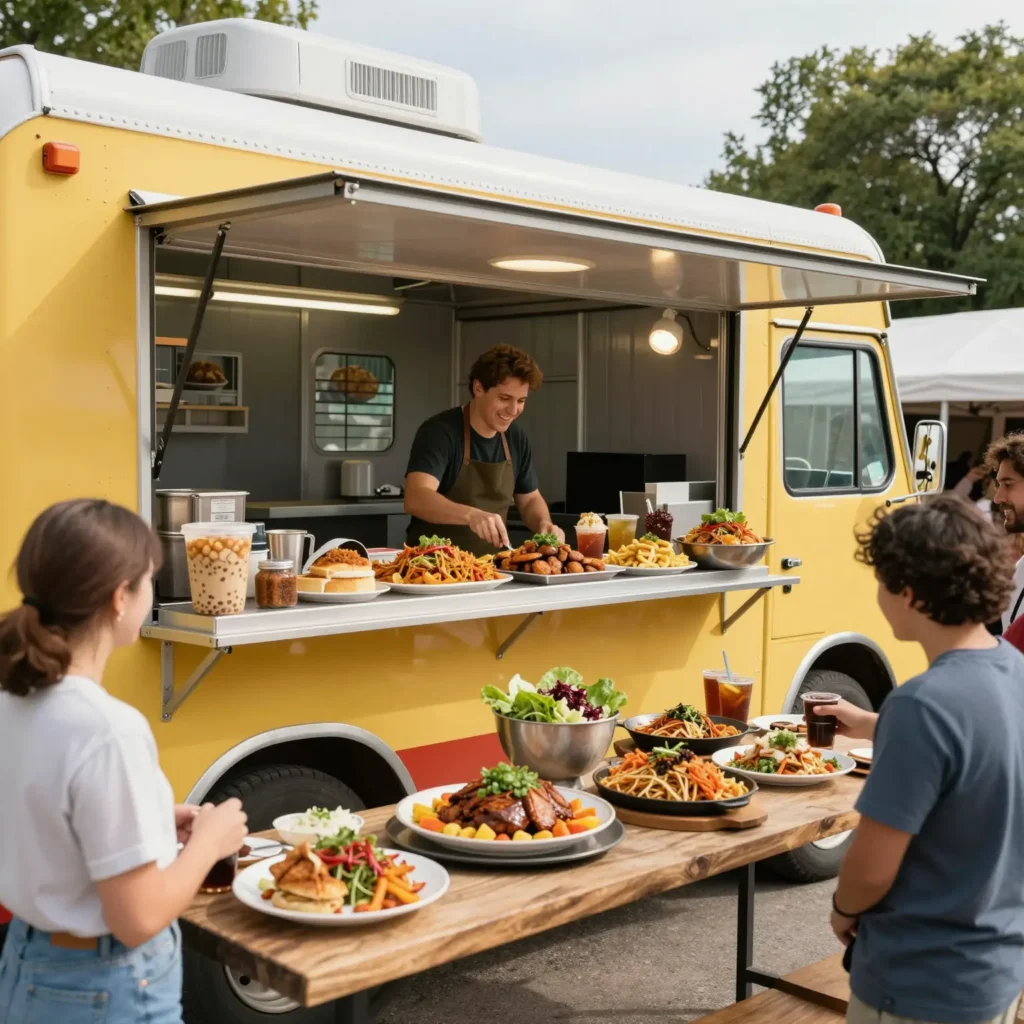
Introduction: The Thrill of the Food Truck Adventure
Imagine the scent of sizzling fare wafting through the air, the vibrant colors of delicious dishes adorning your menu, and the buzz of happy customers gathered around your food truck. Starting a food truck business is not just about serving food; it’s about creating an experience that brings people together. As the food truck industry continues to flourish-projected to grow at a rate of 3.7% yearly-the opportunities are as vast as your culinary imagination
With lower startup costs than traditional restaurants, often ranging between $100,000 to $175,000, food trucks present an accessible entry point for aspiring culinary entrepreneurs Plus, the mobility of a food truck means you can take your culinary creations to thriving events and bustling neighborhoods, adapting your location to the buzz of the moment. So, whether you’re an event planner looking to spice up gatherings or a food enthusiast eager to showcase your unique flavors, embarking on this food truck journey is sure to be your recipe for success-fun, exciting, and absolutely delicious!
Overview of Estimated Costs to Start a Food Truck
Starting a food truck can be an exciting and rewarding venture, but it comes with its share of significant costs that you need to budget appropriately. Here’s a detailed breakdown of the key expenses involved in launching your food truck business:
-
Vehicle:
-
Estimated Cost: $50,000 – $150,000
-
This is the main investment; whether you buy a new truck or retrofit a used one, it requires a significant upfront cost.
-
Permits and Licenses:
-
Estimated Cost: $1,864 – $3,000
-
Depending on your location, you will need various business licenses, food service permits, and mobile vendor licenses to operate legally. It’s vital to account for these to avoid fines.
-
Equipment:
-
Estimated Cost: $20,000 – $60,000
-
Your food truck will need kitchen appliances and cooking equipment tailored to your menu. This includes refrigerators, grills, fryers, etc.
-
Initial Inventory:
-
Estimated Cost: $3,000 – $10,000
-
This includes the first batch of food supplies and ingredients to get your business up and running before you start generating revenue.
-
Insurance:
-
Estimated Cost: $2,000 – $4,000 annually
-
Coverage for general liability, property, and potentially vehicle insurance to mitigate risks.
-
Operational Expenses:
-
Estimated Cost: $500 – $2,500 monthly
-
These ongoing costs include fuel, maintenance, and any additional fees such as commissary costs for kitchen space or parking fees.
Here’s a chart representing the estimated costs for starting a food truck:
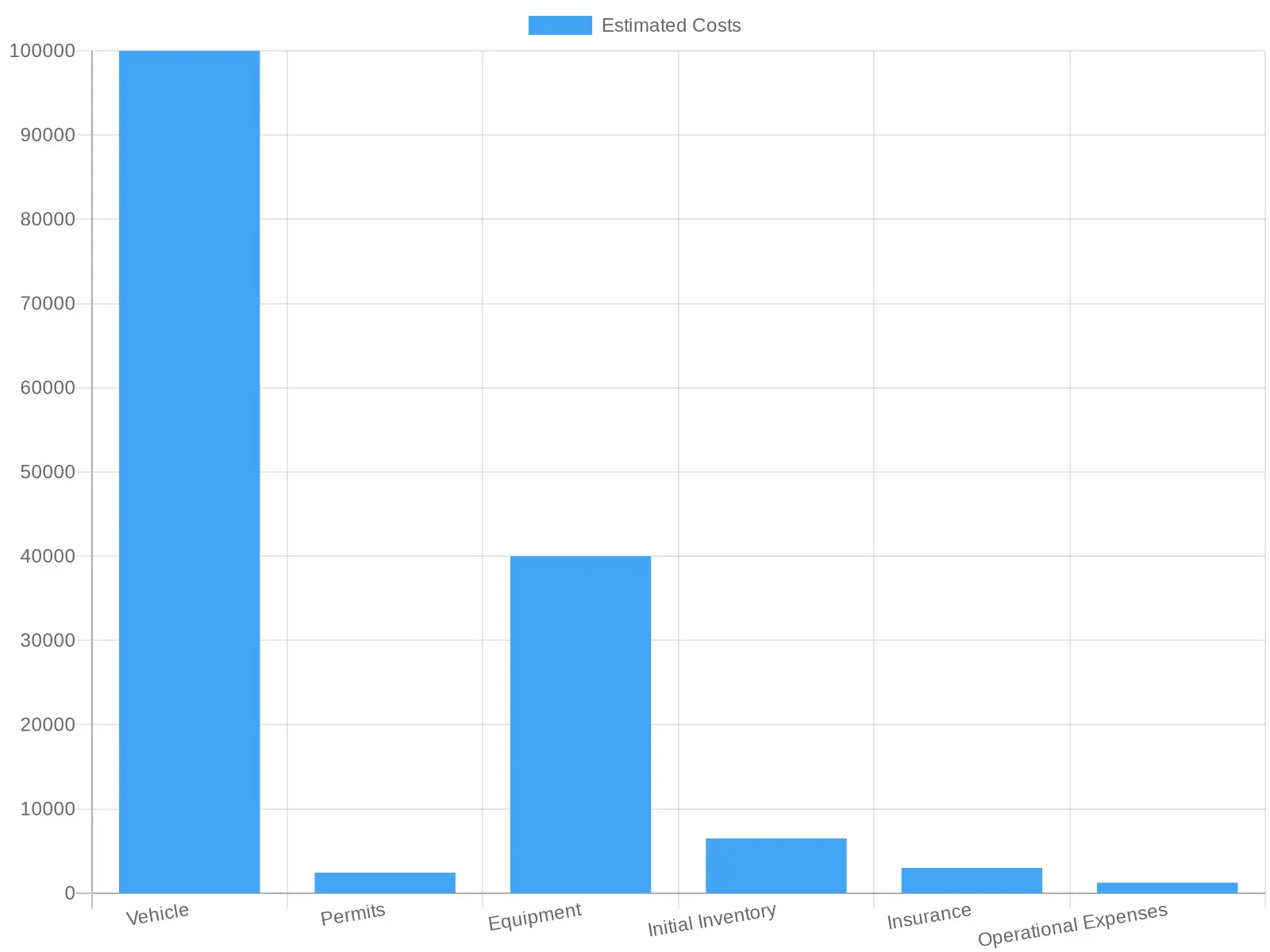
In total, starting a food truck can cost anywhere between $20,000 and $150,000 or more, depending on your specific choices and needs. To explore the right truck models for your vision, check out this guide on choosing the right food truck model.
Starting your food truck business can be a daunting process, but with proper planning and budgeting, you can make your culinary dreams a reality!
Financing Options for Food Trucks
Starting a food truck can be an exciting venture, but figuring out how to finance it can feel daunting. Luckily, there are several options available to help you turn your culinary dreams into a reality.
1. Loans
Loans are one of the most common methods for financing a food truck. Here are a few types to consider:
- Equipment Loans: These loans use your new food truck as collateral, allowing you to secure the necessary funds for purchase without risking your home or other personal assets. According to National Funding, these loans can cover both the truck and necessary kitchen equipment.
- SBA Loans: These are loans guaranteed by the Small Business Administration, making them a good option for many food truck owners. They generally have favorable terms, including lower interest rates, which can ease the financial burden over time.
- Unsecured Loans: These loans don’t require collateral, but they may come with higher interest rates. Personal guarantees might still be required, which could risk your personal assets if the loan is not repaid.
2. Crowdfunding
Crowdfunding has become a popular way for aspiring food truck owners to raise money. Platforms like GoFundMe and Kickstarter allow you to present your business idea and seek contributions from the public. This option not only raises funds but also creates a community of supporters before you even hit the road. Many successful food trucks have used crowdfunding to cover startup costs, allowing them to focus on crafting their unique offerings.
3. Personal Savings
Using your own savings can be the simplest and least complicated financing method. This route allows you to have full control over your business without the burden of debt. However, it’s essential to consider how tapping into your savings will affect your personal finances. Some food truck entrepreneurs recommend balancing between savings and other forms of financing to mitigate risks while still growing the business.
Conclusion
With the food truck industry projected to grow significantly-reaching an estimated market value of $2.29B by 2032 according to a report from National Business Capital-it’s vital to explore all financing avenues. By understanding your options, you’ll be better equipped to make the right choice for your unique situation and embark on your culinary adventure!
For more tips on financial strategies, check out our financial tips for first-time food truck owners to help you navigate this exciting journey!
Cost Comparisons for Food Truck Models
When starting a food truck business, understanding the costs involved is crucial. Here’s a table comparing new vs. used food trucks, leasing vs. buying options, and the average costs of essential equipment.
| Category | New Trucks | Used Trucks |
|---|---|---|
| Cost | $75,000 to $150,000+ | $20,000 to $100,000 |
| Customization Time | Longer lead time | Often ready-to-go |
| Maintenance | Lower initial maintenance costs | Higher maintenance costs may apply |
| Leasing vs Buying | Leasing | Buying |
|---|---|---|
| Upfront Costs | Lower initial investment (3-6 mos deposit) | 10-30% down payment |
| Long-Term Value | Does not build equity | Builds equity over time |
| Flexibility | Easier to change models | More commitment |
Average Costs of Essential Equipment
Here are some average costs of equipment necessary for a food truck operation:
- Cooking Equipment: $10,000 – $30,000
- Refrigeration: $5,000 – $15,000
- Serving Equipment: $3,000 – $8,000
- Point of Sale System: $1,000 – $3,000
Getting the right food truck model and knowing whether to lease or buy can significantly impact your startup costs and financial future. Learn more about choosing the right food truck model to ensure you make the best investment!
Additionally, investing in quality essential equipment is equally important to keep your operations running smoothly and profitably. Explore equipment needs for your food truck to optimize your success!
Permits and Licenses for Your Food Truck
Operating a food truck is an exciting venture, but before you start serving up delicious meals, you’ll need to navigate through the maze of permits and licenses. This step is crucial for ensuring that your food truck business complies with local regulations and operates safely.
Essential Permits and Licenses
-
Business License: This is a fundamental requirement that allows you to conduct business legally in your city or state. The cost varies but generally ranges from $50 to $500.
-
Health Permit: Obtained from your local health department, this permit ensures that you meet food safety standards. The application process often involves an inspection of your food truck. Costs can range from $100 to $1,000 depending on your location.
-
Mobile Vendor License: This is specifically for food vendors and can cost between $50 to $1,500. The cost largely depends on the city regulations.
-
Food Handler’s Permit: Required for anyone handling food, this permit may require basic food safety training. Fees typically range from $10 to $50.
-
Fire Department Permit: If you’re using any cooking equipment, you may need a permit from the fire department. Expect to pay around $50 to $200 for this.
Cost Summary
The total cost for permits and licenses can vary widely based on your location, often falling between $1,000 to $10,000. For instance, states like California can impose costs exceeding $5,000, while Texas can complete the process for about $1,500 in roughly two weeks.
| Permit Type | Estimated Cost | Time to Obtain |
|---|---|---|
| Business License | $50 – $500 | Varies |
| Health Permit | $100 – $1,000 | Varies (often up to 30 days) |
| Mobile Vendor License | $50 – $1,500 | Varies (up to 3 months) |
| Food Handler’s Permit | $10 – $50 | 1-2 weeks |
| Fire Department Permit | $50 – $200 | 1-2 weeks |
The Application Process
- Research local regulations: Each state and city has different requirements. Check the Food Truck Association Los Angeles for specifics in your area.
- Prepare your documents: This typically includes your truck’s specifications, a food safety plan, and proof of insurance.
- Submit your applications: Be prepared for possible inspections and to follow up on your applications to ensure timely processing.
Getting your permits and licenses may seem daunting, but it’s a necessary part of launching your food truck. Ensure you keep everything organized and stay informed about your area’s specific rules to make the process smoother and faster.
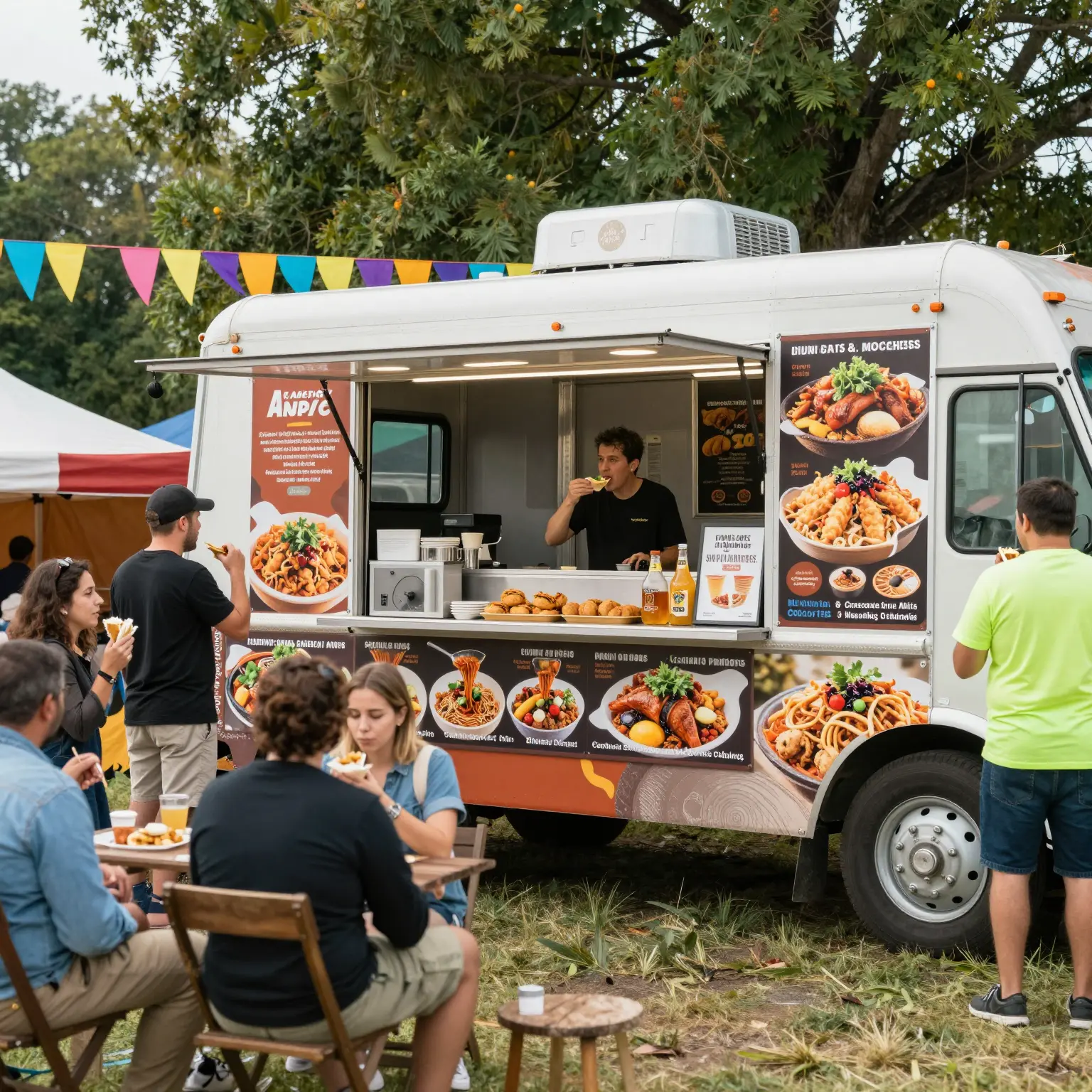
As we wrap up our exploration into the exciting world of food trucks, it’s clear that this industry is brimming with potential for aspiring entrepreneurs. Not only does operating a food truck offer a unique platform to showcase your culinary creativity, but it also allows you to connect with your community in a meaningful way. With the right planning, dedication, and a pinch of passion, you can turn your food truck dreams into a thriving reality. If you’re considering making the leap, we encourage you to take the next step-explore how Summit Fairings can support you on your journey to success. The future of street food is in your hands, and we can’t wait to see what you bring to the table! So, gather your ideas, fire up your enthusiasm, and join the vibrant world of food trucks-where your culinary creations can delight food lovers everywhere!
Average Timeline for Setting Up a Food Truck
Starting a food truck can be an exciting venture, but it’s essential to understand the average timeline involved in getting your business off the ground. Here’s a breakdown of the average durations for each key phase of the process:
| Phase | Duration |
|---|---|
| Business Planning | 4 – 6 weeks |
| Licensing & Permits | 8 – 12 weeks |
| Sourcing Equipment & Truck | 4 – 8 weeks |
| Marketing & Branding | 2 – 4 weeks |
| Launch Preparation | 2 – 4 weeks |
This chart illustrates the various phases and their respective durations:
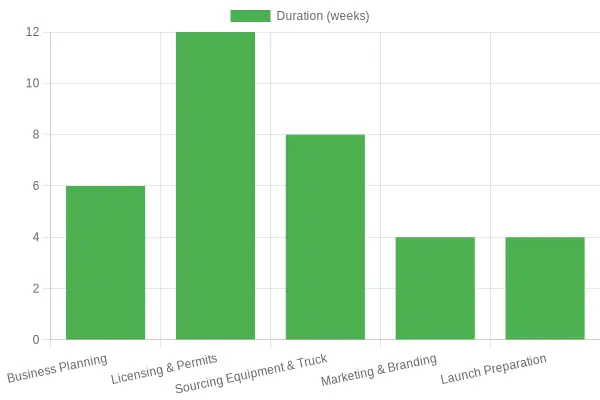
As shown, the most time-consuming aspect is typically acquiring the necessary licensing and permits, which can take up to three months in some cases. Careful planning and timely execution of each phase can significantly impact your launch success.
Learn more about choosing the right food truck model to suit your vision!
“In every challenge lies an opportunity. When I opened my food truck, it wasn’t just about serving food; it was about connecting with people and sharing my culture. Every day I step out into the community, I remember that passion fuels everything we do.”
This insight from a food truck entrepreneur emphasizes not just the challenges but also the rewarding aspects of making meaningful connections through your business.
Starting your own food truck can be a thrilling adventure. If you’re interested in diving deeper into the various models available, don’t hesitate to learn more about choosing the right food truck model.As you consider your investment, be sure to check out our financial tips for first-time food truck owners to help guide you through the initial stages of your journey.
This section brings you one step closer to understanding the exciting world of food trucks, focusing on both the financial and emotional aspects of making this business work for you.
Popular Food Truck Cuisines and Themes
Exploring the world of food trucks reveals an exciting array of cuisines and themes that cater to diverse tastes. From gourmet options to health-conscious eats, food trucks are a vibrant part of contemporary culinary culture. Here are some popular food truck cuisines and themes that are winning the hearts of food enthusiasts:
- Gourmet Tacos: Creative takes on traditional tacos are a staple in food truck offerings, often featuring unique fillings like Korean BBQ, vegan jackfruit, and fresh seafood.
- Vegan & Plant-Based: With the rising trend towards plant-based diets, many food trucks are specializing in innovative vegan dishes ranging from burgers to desserts.
- Barbecue: A crowd favorite, barbecue food trucks serve up smoky, tender meats, often paired with classic sides like coleslaw and baked beans. They reign supreme in popularity across many regions.
- Asian Fusion: Food trucks are fusing traditional Asian dishes with other cuisines. You’ll find offerings like sushi burritos, kimchi tacos, and pho-inspired burgers!
- Gourmet Grilled Cheese: This comfort food has been elevated with artisanal breads and gourmet cheeses, often accompanied by unique dips and sides.
- Comfort Food Classics: Think mac and cheese, fried chicken, or specialty burgers – these trucks are all about nostalgia with a modern twist.
- Dessert Trucks: From gourmet cupcakes to unique ice cream flavors and creative desserts like deep-fried Oreos or donut sandwiches, these food trucks bring sweet indulgences to the street.
- Global Flavors: Food trucks are not afraid to experiment, offering dishes inspired by various cultures from Caribbean jerk chicken to Middle Eastern falafel wraps.
These themes showcase the continuous innovation found in the food truck scene! For those looking to start their own food truck adventure, understanding these trends and developing a delicious concept is crucial. If you’re keen on the mechanics of running a food truck, don’t forget to check out choosing the right food truck model to tailor your vehicle and offerings to appeal to your target audience.