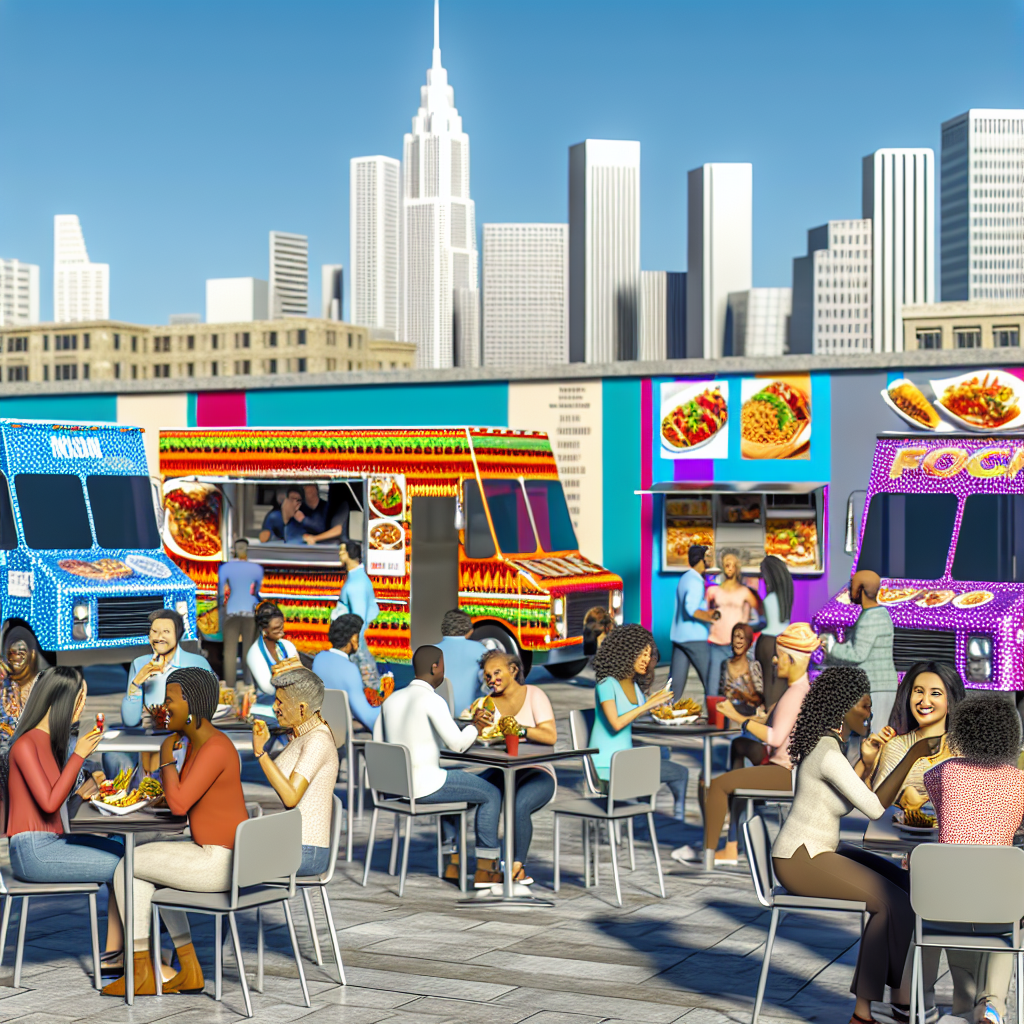
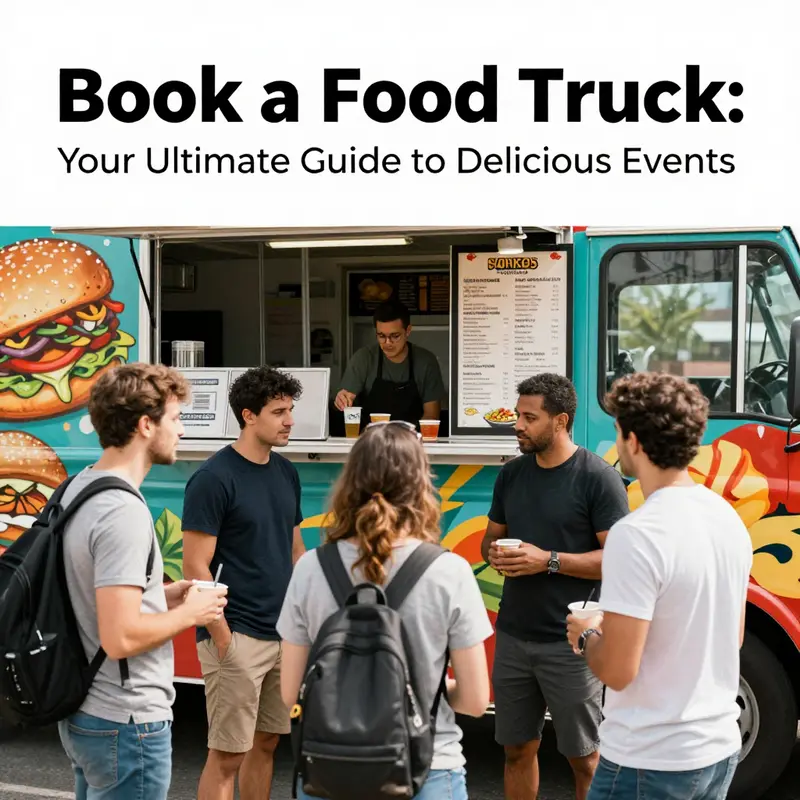
Are you ready to bring the joy of gourmet street food to your next event? Whether you’re planning a festive wedding reception, a corporate gathering, or just a casual block party, booking a food truck can elevate the experience and delight your guests. This guide takes you through the essential steps—from identifying your culinary needs to finalizing your booking—ensuring that every mouthful serves up satisfaction. Each chapter will provide the necessary details so you can navigate the food truck world with confidence.
null
null
Finding the Right Food Truck Partner: A Practical Guide to Choosing Your Provider
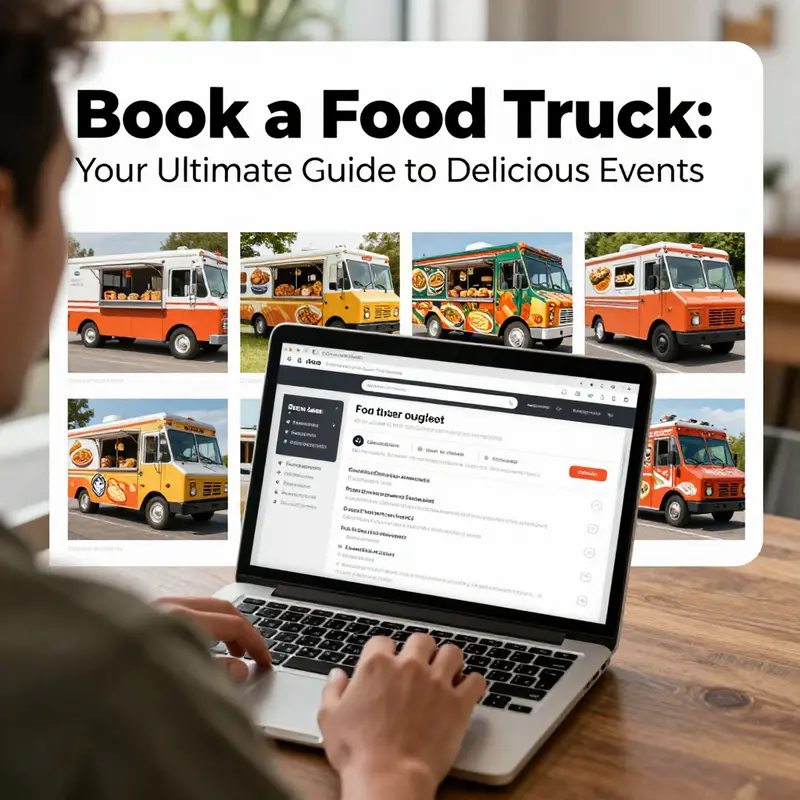
When you set out to book a food truck, the decision process extends far beyond selecting a menu or a date. The success of your event or venture often hinges on the partner you choose to supply the truck, the people behind it, and how well their capabilities align with your goals. This chapter offers a cohesive path to finding the right provider, one that blends your immediate needs with a durable, scalable approach to operations. It is not just about securing a truck for a one-off occasion; it is about building a reliable relationship that keeps your brand consistent, your guests satisfied, and your logistics efficient from start to finish. To begin, you must translate your initial concept into a clear set of requirements. Do you need a single-unit solution for a private event, or a broader arrangement that can support multiple locations or seasonal spikes? The cuisine you select—whether it is pizza, tacos, coffee, or a health-forward bowl concept—will influence the type of truck and the equipment you require. You should also decide the service model you want from the provider. Some operators offer a full-service package, handling everything from sourcing ingredients to staffing, while others provide a more modular approach that lets you manage branding and marketing while the truck team methodically covers the kitchen and service delivery. Clarity here is essential because it shapes every subsequent interaction, from vendor outreach to contract terms. As you map your needs, you should be precise about your date, location, and expected guest volume. These practical details impact not only availability but also the truck’s capacity, the throughput of the service line, and the ability to maintain quality under pressure. The better you articulate your expectations, the more likely you are to attract providers who can meet them rather than propose ideas that miss the mark. A thoughtful description of the setting—whether an outdoor festival with changing weather, an indoor corporate gathering, or an intimate wedding—helps a provider assess whether their equipment, power requirements, and service model will perform reliably in your environment. The equipment piece deserves special attention. A professional food truck is not a cosmetic shell with a flashy exterior; it is a compact kitchen on wheels designed for efficiency, safety, and speed. You want a unit that features well-maintained appliances, proper ventilation, adequate cold storage, and a workflow that minimizes cross-contamination and bottlenecks. The alignment between kitchen layout and your menu is critical. If you are selling hot, fried fare, you may require heat lamps, reliable fryers, and sufficient exhaust capacity. If your menu leans toward cold beverages or chilled desserts, robust refrigeration and a smooth power draw become non-negotiable. Ask for details about the truck’s health department compliance, recent inspections, and any certifications the operator holds. A credible provider should readily share documentation or be able to coordinate joint inspections. The right partner also demonstrates operational maturity. They should have well-defined logistics such as ingredient sourcing, inventory management, and cleaning schedules. Their capacity to scale—handling additional locations, accommodating seasonal demand, or meeting longer event timelines—indicates whether a single booking will form part of a broader, long-term relationship. Staffing is another dimension that deserves careful scrutiny. Some providers bring trained chefs and service crews; others rely on subcontracted staff. You want a team that not only can execute the menu with consistency but also can interact with guests in a way that reflects your brand voice. It is worth asking about backup plans for staff shortages, as even the best-laid schedules can be disrupted by weather or last-minute changes. From a risk-management perspective, compliance is non-negotiable. Ensure the provider holds the necessary licenses and insurance—general liability, workers’ compensation, and vehicle liability. For businesses handling perishable foods, verify adherence to food safety standards such as HACCP guidelines and FDA regulations. A credible operator will also talk through traceability and accountability, which can be more salient for high-risk items or complex supply chains. Modern expectations may include real-time tracking of food safety outcomes and even blockchain-based traceability for critical ingredients, enabling you to demonstrate provenance and maintain confidence with your guests and regulators. As you evaluate providers along these lines, you should also look beyond the tangible assets to understand their networks and reputation. A robust provider is often part of a trusted ecosystem that extends beyond a single truck. They may be connected to vetted suppliers, logistics partners, and industry networks that help ensure reliability even when demand spikes. This is where platforms and communities come into play. Engaging with networks and attending relevant events can reveal which providers have a reputation for professionalism, punctuality, and consistent quality. During your outreach, listen for a pattern rather than a pitch. Do they ask thoughtful questions about your audience, your venue, and your goals? Do they present a clear plan for on-site coordination, power and water needs, waste management, and contingency measures if weather or traffic factors complicate the schedule? Transparency about pricing is also telling. A credible provider will outline whether the rate covers the core truck service, the exact equipment included, any required permits, delivery and setup fees, and whether there are surcharges for peak times or holidays. They should also be transparent about deposit requirements and cancellation terms, including how changes to the event date or guest count affect the contract. Negotiation is not a battle but a pathway to a sustainable arrangement. In a good partnership, pricing models are clear, whether they are flat fees, hourly rates, revenue sharing, or hybrid structures. What matters is that you understand what you are committing to over the life of the contract and what constitutes a change order. Clarify responsibilities for maintenance and repairs, staffing, and service on the day of the event. The strongest relationships tend to emerge when both sides see themselves as co-authors of a successful experience rather than as adversaries protecting their own interests. As you approach this process, consider using trusted platforms and industry networks to widen your options and to verify credibility. Platforms that specialize in food transport and mobile catering can help match you with vetted providers who understand the sensitivities of perishable foods, compliance requirements, and event-specific constraints. Networks and associations in the mobile-food space also offer curated lists of qualified providers and can facilitate introductions that save time while maintaining quality standards. If you want to broaden the scope of your inquiry while keeping your criteria disciplined, you can reference material on equipment configurations and unit types to inform your expectations about what a given provider can deliver. For a deeper dive into the equipment side, you can refer to Choosing the right food truck model. This resource explores different unit types, layouts, and the practical implications of each choice for workflow, hiring, and branding. It helps you translate a concept into a technical specification you can bring to negotiations, so your chosen provider can propose a feasible setup that aligns with your menu and guest flow. In addition to evaluating the provider through the lens of cuisine and operations, you should also consider how they integrate with your broader goals and brand. A provider who understands your target market, speaks to your concept, and can adapt to evolving circumstances will deliver a better guest experience than one whose strengths lie only in a flashy exterior or a fixed menu. The best outcomes come from ongoing collaboration: a partner who shares your commitment to food safety, guest satisfaction, and operational reliability. You should think in terms of a long-term relationship rather than a single booking. A mutually beneficial arrangement often yields improved pricing terms, more tailored equipment configurations, and a smoother day-of-execution process as both sides learn how to coordinate effectively. As you move from inquiry to agreement, keep the conversation anchored in clarity and alignment. Confirm availability for your date and venue early, and maintain a detailed checklist of deliverables, from the exact menu and timing to the delivery window, power supply, water access, and waste management plan. Once terms are settled, request a formal contract or booking confirmation, and secure the date with a deposit that reflects the level of customization and risk involved. Make a note to revisit all details 1–2 weeks before the event, using that window to confirm any last-minute adjustments and to verify that regulatory requirements, permits, and insurance are up to date. The aim is to create a frictionless process for your guests and an orderly, enjoyable experience for your team. In practice, the right provider becomes an extension of your brand, a partner who can translate your culinary vision into an operational reality and who can respond gracefully when the inevitable curveballs of an event arise. By defining needs, assessing expertise and equipment, ensuring compliance, leveraging trusted networks, and approaching negotiations with a cooperative mindset, you position yourself to book a food truck with confidence rather than compromise. If you want to explore the equipment and unit options in greater depth, consider the resource linked above for a practical framework. For further industry context and to connect with vetted providers and logistics partners, you can explore external platforms that specialize in temperature-controlled food transport and related services. External resource: https://www.freightamigo.com
The Call That Locks It In: Mastering Vendor Outreach to Book Your Food Truck
When you’re planning a food experience on wheels, the moment you reach out to a vendor is more than a request for a date. It’s the first real test of how your event will feel from the kitchen to the curb. A well-placed inquiry does more than check availability; it sets expectations, invites collaboration, and gives you the material you’ll use to compare options with clarity. The art of contacting a vendor for a food truck booking is a careful balance of precision and openness. It requires you to translate an idea—your menu concept, your venue, your audience—into a concrete ask that a supplier can respond to with confidence and detail. As you move from this outreach to a signed agreement, the quality of this initial step often forecasts everything that follows: on-time delivery, smooth setup, and a service experience that aligns with your brand as much as your event plans.
Begin with a recognition that vendors operate within a busy marketplace. They juggle multiple events, equipment configurations, and service levels. Your goal is to stand out not through pressure, but through clarity. A clear inquiry tells them you’ve done your homework and that you value their capabilities enough to tailor a solution to your needs. Start by identifying a few viable providers who are geographically positioned to serve your event and who have the capacity to meet your timing. You don’t need a long list; you need a shortlist with enough breadth to compare without overwhelming yourself.
In crafting your outreach, keep the message focused and practical. Your inquiry should answer the basics: the event date and location, the approximate service window, and the flavor profile you’re imagining. You may not know the exact menu yet, but you should articulate the style of cuisine and the level of service you expect. For example, are you seeking a full-service setup with staff and a portable power supply, or a more basic, self-contained rental that provides a simple service window and self-pickup logistics? Vendors can tailor equipment packages and staffing based on these preferences, and you’ll want to know what’s included and what isn’t. If you’re unsure about the menu, describe two or three options that align with your theme and guest expectations. This gives the vendor a starting point for proposing equipment and staffing that support those choices.
A robust inquiry also asks about the practicalities that will shape your event. What is the delivery radius, and where will the truck park? What are the power requirements, water needs, and waste disposal arrangements? Will there be shade or shelter for the service area? If your event has unique access constraints—an upstairs venue, a narrow entry, or limited loading hours—these are the details that should appear in your message. The more you reveal at the outset, the less back-and-forth will be required later, which speeds up both price accuracy and availability confirmation.
In terms of tone, aim for concise, professional language rather than glossy marketing phrases. A vendor wants to know you’re organized and that you’re thinking about the entire guest experience, not just the food. A practical template can help you hit the right cadence without sounding robotic. Lead with your event basics, then present your culinary concept, then outline your logistical questions. Close with a clear call to action: please confirm availability for the date, provide a quote, and share what you would need from us to move forward with a formal proposal. If you’ve worked with a specific tent company, sound system provider, or photographer, you can note those dependencies, but keep the message centered on the food truck booking.
In the realm of specifics, there are several non-negotiables worth including in every outreach. First, confirm the date and the service window with a precise range to avoid ambiguity. Second, request a price range for different service levels—rental with basic equipment, full-service with staff, or premium packages with branding and décor options. Third, ask what is included in the package and what would constitute an add-on: the kitchen equipment, the POS system, the utensils, the napkins, the uniforms, the branding opportunities, the setup time, and the breakdown cleanup. Fourth, probe for the transport and delivery terms: who handles the setup and breakdown, what fees apply, and whether there are minimum staffing hours. Fifth, verify credentialing and safety. Request proof of insurance and any health and safety measures or certifications that reassure you and your event partners. Finally, request samples of the vendor’s proposed service style, perhaps through photos or short videos of past events, to help you gauge whether their execution aligns with your vision.
As you communicate, you’ll find it useful to reference a standard set of questions you can reuse with multiple vendors. Ask about availability for your date, the range of equipment included, whether a fully staffed service is possible, and what customizations are feasible for your menu concept. Inquire about lead times, deposit requirements, and refund policies. Seek transparency on travel and setup fees, and ask whether the price is all-inclusive or if there are potential surcharges for peak hours or remote locations. These questions aren’t meant to gatekeep; they’re designed to illuminate the true cost and service scope so you can compare apples to apples when you receive formal proposals.
Sometimes a vendor’s response will reveal alignment beyond the numbers. You’ll notice how promptly they reply, how clearly they articulate what’s possible, and whether they can tailor a package to your goals. A good reply will address your questions directly and offer additional ideas that enhance the guest experience, such as branding options or interactive service elements that still fit your budget. The tone of the conversation also matters. You want a partner who listens, clarifies, and proposes solutions that reflect your event’s personality rather than pushing a one-size-fits-all model. If you sense hesitation or vagueness, that’s information too. It may signal a mismatch in logistics, capacity, or responsiveness. While you don’t want to assemble a list of red flags, you do want to notice patterns that indicate potential friction in the booking process.
Once you’ve received initial feedback, you’ll want to compare what each vendor offers in terms of value, not just price. Consider the integration of food concepts with service style, the reliability of the equipment, and the vendor’s ability to adapt to last-minute changes. Do they offer a clear contract with defined milestones? Is there a deposit structure that protects both sides while holding the date? Is there a plan for weather contingencies or last-minute venue changes? These questions are not mere formalities; they are part of ensuring the event runs smoothly from the moment the truck arrives to the moment the last guest leaves the venue. The deposit, typically a portion of the total, is a practical way to secure the date while preserving flexibility for adjustments. Understanding the terms now can save you headaches later and help you maintain momentum as you proceed toward a formal agreement.
In this process, you may also encounter the practical reality of a broad marketplace where vendors offer a spectrum of equipment configurations, service levels, and branding options. You should be curious but discerning about how the vendor’s capabilities align with your event’s aesthetic and operational constraints. Tools such as a straightforward inquiry form, a well-timed follow-up, and a requested sample menu or demonstration video can transform a tentative interest into a confident booking. If you’re unsure how to navigate these options, a useful point of reference is the guidance on selecting the right food truck model, which helps you calibrate expectations for size, power needs, and layout. See here for more context: Choosing the right food truck model.
As you move from inquiry to proposal, you’ll also be thinking about the broader coordination around the event. The vendor will need to confirm access times, parking arrangements, and any restrictions at the venue. You may need to arrange a site visit for layout planning, especially if the service area involves complex branding or a high guest throughput. In some cases, the vendor might suggest a staged setup to minimize disruption or to optimize service during peak hours. In all of this, your role is to keep communication crisp and collaborative. A successful outreach doesn’t end with a single email; it begins a dialogue that involves questions, clarifications, and mutual adjustments.
Ultimately, the goal of Step 3 is simple in principle: secure a partner who can deliver the food truck experience you envision, on the date you’ve chosen, with transparent pricing and reliable execution. The content and tone of your outreach can determine how easily you move into the contract stage. A well-constructed inquiry demonstrates that you know what you want, that you respect the vendor’s expertise, and that you’re prepared to work together to make the event shine. And while you should be precise, you should also be open to the vendor’s insights. A collaboration thrives when you are willing to incorporate a vendor’s practical knowledge about workflow, kitchen flow, and guest interaction into your plan. That becomes the difference between a great idea and a well-executed experience for your guests.
If you’ve followed along and you want to explore how to make a decision with confidence after you receive proposals, you’ll find value in the next step of this article, which delves into choosing the right model and building a plan that scales with your ambitions. For your immediate outreach, remember this: clarity beats ambiguity, responsiveness signals professionalism, and a genuine readiness to collaborate accelerates the path to a memorable event. For a concrete sense of how pricing, lead times, and equipment configurations are presented in actual listings, you can review a marketplace example here: https://www.alibaba.com/product-detail/Mobile-Food-Truck-For-Snack-Cart-Breakfast_1600714755248.html?spm=a2700.galleryofferlist.0.0.6a6f1b8cZjXpKq
null
null
Final thoughts
Booking a food truck can be a delightful and simple process when you approach it with intention and preparation. By thoughtfully determining your needs, exploring the right providers, communicating effectively, and solidifying the agreement, you’re on your way to delivering an unforgettable culinary experience. Remember, every step is an opportunity to explore delicious cuisines and bring joy to your event. So go ahead—get your party started today!