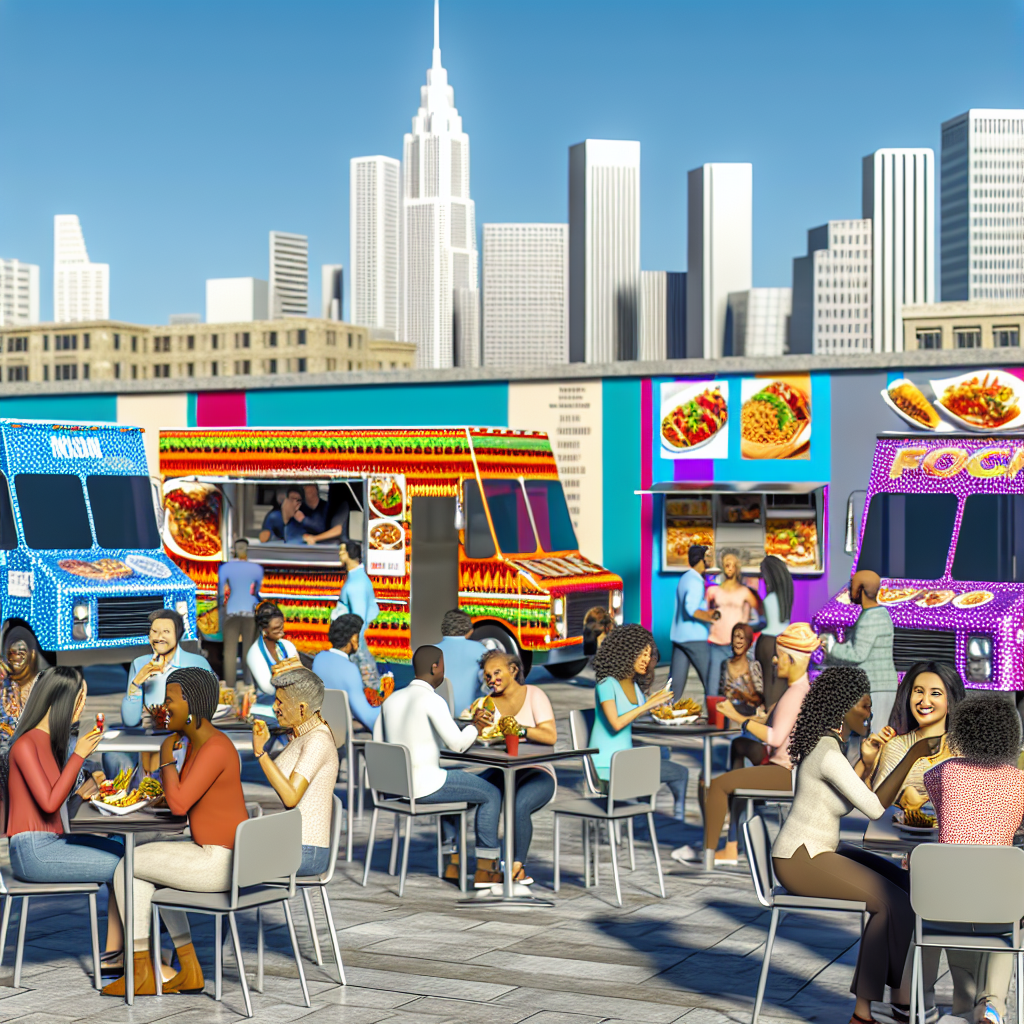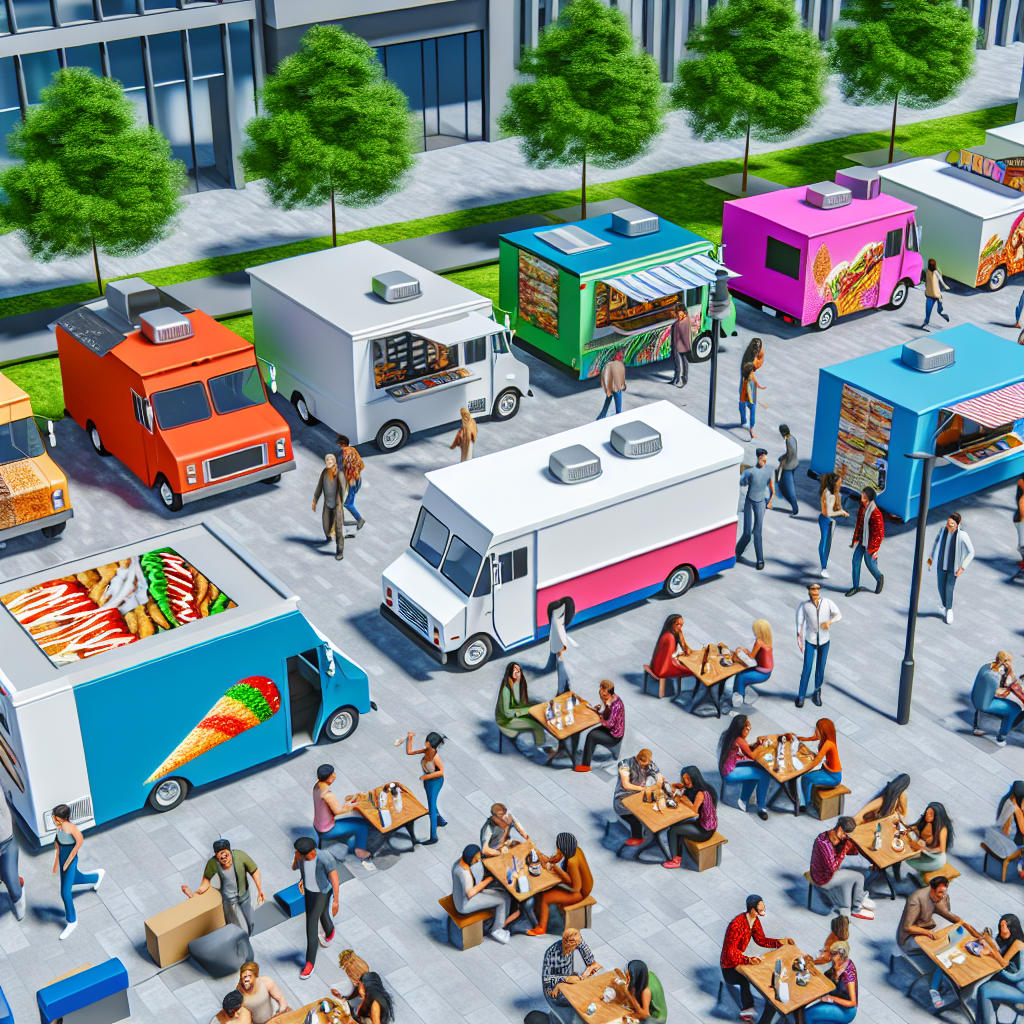
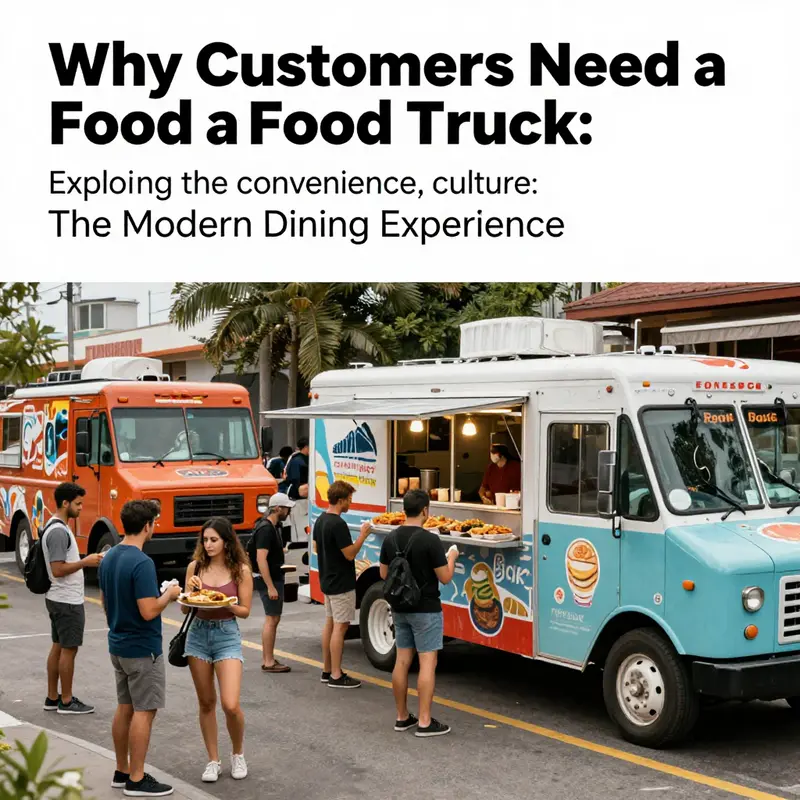
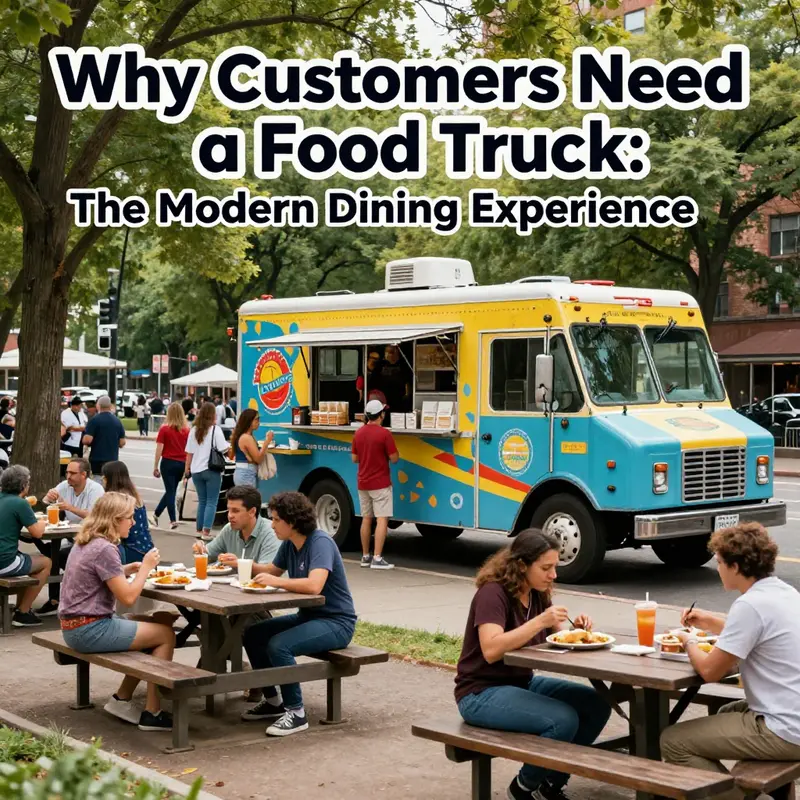
Food trucks have become essential in today’s dining landscape, giving customers more than just food; they offer unique experiences, convenience, and diversity. From event planners and corporate teams to local community groups and individual food enthusiasts, the need for food trucks stems from their ability to provide affordable and delicious meals in a variety of settings. This article will delve into five critical aspects: convenience and accessibility, economic benefits, cultural significance, social engagement through media, and the flexibility in catering to diverse palates. Each chapter will reveal how food trucks have shaped modern dining and why they are a vital resource for customers everywhere.
null
null
On the Move, on the Wallet: The Economic Case for Affordable Dining Through Food Trucks
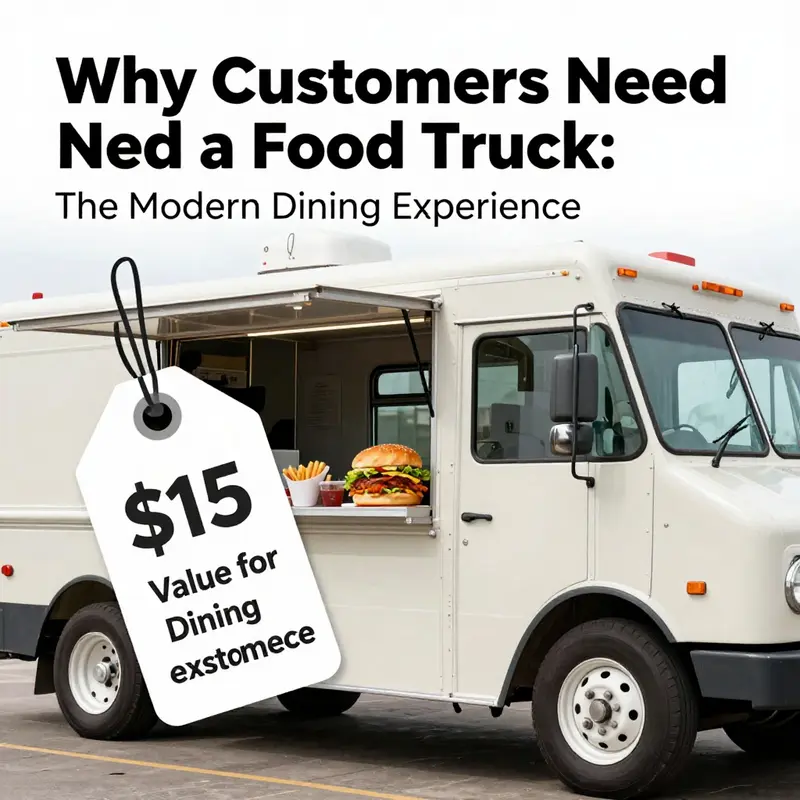
When customers seek value without sacrificing quality, food trucks respond with a precise and practical business logic. The lean mechanics of a mobile kitchen—minimal fixed overhead, adaptable locations, and rapid turnover—translate into an everyday affordability that traditional brick-and-mortar venues often struggle to match. This isn’t just about cheaper meals; it’s about delivering steady accessibility in a fast-paced urban landscape. The core advantage lies in the way a truck operates: a compact kitchen that travels to where people are, rather than people chasing a fixed address. A smaller footprint means lower rent, fewer expensive renovations, and reduced energy bills. In turn, operators can price meals more competitively while still preserving healthy margins. The result is a dining option that doesn’t force a choice between convenience and cost, but rather pairs both in a single, mobile bite of nourishment.
This lean cost structure is not a theoretical benefit. Recent industry analyses underscore how the economics of mobile food service have positioned trucks as an increasingly viable alternative to traditional fast-food chains and even some delivery-heavy models. By sidestepping long-term leases and substantial interior builds, trucks contain fixed costs that would otherwise pressure prices. Even when prices rise due to wage or supply fluctuations, the relative efficiency of a mobile unit helps keep meals approachable for a broad spectrum of diners. In effect, the economics of mobility act like a price discipline: operators must price competitively to attract consistent foot traffic in a crowded urban field, and that pressure benefits the consumer who wants both speed and savings.
A critical strand of this affordability is the way trucks source ingredients. Local procurement and direct-to-producer relationships shorten the chain between farm and plate. Without the layers of packaging, warehousing, and centralized distribution that characterize many large-scale supply systems, food costs can be trimmed without compromising freshness. This is more than a cost cut; it’s a quality signal. Fresh, minimally processed ingredients often require less handling, reduce waste, and translate into brighter flavors that customers remember. The economic tale here is twofold: lower input costs for operators and better value for customers who can taste the difference in a dish that relies on seasonal produce rather than preserved or heavily processed components.
A striking illustration from a 2026 industry narrative shows how bypassing middlemen directly benefits price points. A mobile fruit vendor, for example, was able to offer apples at a price well below online retailers precisely because he eliminated packaging, warehousing, and last-mile delivery fees. The model demonstrates that when the logistics of delivery are compressed into a shorter, more direct route from producer to consumer, the savings can be shared with customers in near real time. The lesson extends beyond fruit: meat, vegetables, herbs, and even ready-to-eat components can be sourced through rapid, localized channels that preserve quality while tamping down costs. This is not a one-off anecdote but an example of a broader economic pattern connected to the portability of the business model. It reinforces the idea that affordability in this space isn’t about skimping on ingredients; it’s about eliminating the redundant steps that inflate price without adding proportional value.
Mobility amplifies value in another, equally important way: it concentrates demand in time and place. Food trucks excel at meeting peak-hour needs—office commutes, lunch clocks in corporate districts, construction zones, and event sites—where customers crave quick, reliable options. The ability to shift locations in response to demand means operators can maximize sales during the few hours when the market is hottest. This concentrated traffic creates a scale effect: higher volumes often depress per-unit costs and enable efficient production schedules, even with a limited menu. Customers benefit from faster service and the assurance that a sought-after item will be readily available where they work or gather, rather than waiting for a reservation or a special event at a fixed restaurant.
Policy and urban planning also shape the affordability landscape. Governments and municipalities increasingly recognize the role of mobile vendors in fueling local economies and broadening access to fresh foods. Incentives for electric or hybrid trucks, streamlined permitting processes, and zoning policies that allow curbside commerce can lower entry barriers for new operators. When capital and regulatory hurdles are reduced, the market attracts more entrants, intensifying competition and driving prices downward while maintaining variety and quality. In this way, public policy can reinforce the economic logic that makes food trucks a resilient component of urban food systems. The affordability narrative thus extends beyond the individual deal customers strike with a single vendor; it becomes a broader ecosystem effect, where policy, mobility, and procurement practices converge to create a more accessible dining culture.
What this means for consumers is not merely a lower ticket price. It is a combination of speed, variety, and reliability that traditional models often struggle to deliver at scale. The mix of local sourcing, efficient operations, and location agility yields a value proposition that feels tangible in the daily routine. Instead of being tethered to a single menu or a fixed storefront, customers can sample diverse cuisines, discover new flavors, and do so without the long lines or inflated prices sometimes associated with high-demand urban eateries. The social dimension compounds this value. As a growing body of 2025 research shows, food trucks increasingly use social media to forecast locations, tease menus, and build loyal communities around their moving brands. This real-time engagement adds a personal touch to the experience, turning a meal into an event and a vendor into a neighborhood fixture. The combination of price, speed, and social connection creates a compelling reason for customers to choose the truck—especially when the alternative is a long drive, a crowded chain, or a costly sit-down meal.
Of course, affordability is not a guarantee of universal appeal, and there are realities operators must manage that indirectly touch customers. Menu design often reflects the need for efficiency and speed; dishes are crafted to balance flavor with quick assembly and predictable waste. Labor, insurance, regulatory compliance, and food-safety costs remain essential considerations, even as the overhead spine remains lighter than a brick-and-mortar operation. Put simply, the goal is to deliver value without compromising safety or quality. Customers benefit when operators maintain rigorous standards while staying responsive to demand. In practice, this means a constant balancing act—simplifying menus enough to keep costs predictable, yet diverse enough to satisfy varied tastes across neighborhoods and events. In the long run, this balance sustains affordability by preserving throughput, ensuring consistent quality, and reducing the likelihood of price shocks caused by supply or labor disruptions.
For readers curious about how these margins stay viable for operators while prices stay approachable, there is a practical entry point to explore. Financial considerations for a first-time food-truck venture often shape the price discipline that customers experience day to day. Understanding the basics of cash flow, capital recovery, and supplier contracts can illuminate why a seemingly simple taco or bowl can be priced where it is. To gain a clearer sense of these dynamics, consider reviewing the financial tips for first-time food truck owners. It offers a grounded look at how operators negotiate costs, plan menus, and build resilient pricing strategies that keep affordability at the forefront for the consumer. This perspective helps connect the dots between the micro-decisions inside a truck’s kitchen and the macro experience of affordable dining on the curb. financial tips for first-time food truck owners
In this broader context, the economics of food trucks align with a larger shift toward more inclusive urban dining. Prices reflect not only the cost of ingredients and labor but also the efficiencies unlocked by mobility and direct sourcing. The result is a dining option that can be both fiscally sensible and richly satisfying. It’s a model that appeals to budget-conscious diners who still want variety, quality, and a sense of discovery in their meals. And because trucks are portable by design, they can adapt to new neighborhoods and evolving urban patterns without the inertia that can slow traditional eateries. The consequence is a dining landscape that feels more dynamic, where affordability is a natural outcome of smarter operations, local connections, and the strategic use of space and time on the street.
External perspective reinforces this trend. The Guardian’s 2026 analysis on the future of affordable dining highlights how mobile vendors contribute to urban resilience by making high-quality food accessible where conventional options fall short. The piece frames food trucks as integral to the evolving food economy, capable of delivering consistent value in diverse settings while supporting local producers and reducing waste through shorter supply chains. For readers seeking a broader lens on how mobile dining fits into the city’s food ecosystem, this external resource offers a valuable context that complements the internal drivers discussed above. https://www.theguardian.com/business/2026/jan/06/food-trucks-affordable-dining-urban-economy
Flavor on Wheels: How Food Trucks Carve Cultural Identities and Create Unequaled Culinary Experiences
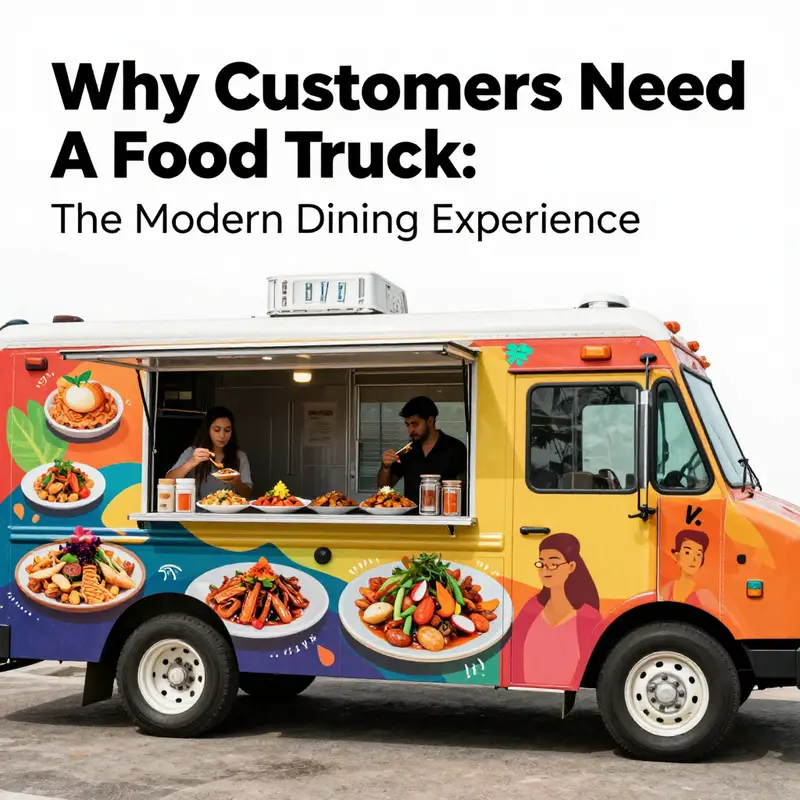
Flavor on Wheels: How Food Trucks Carve Cultural Identities and Create Unequaled Culinary Experiences
Food trucks inhabit a paradox that many traditional eateries try to emulate but seldom match: they fuse quick, accessible dining with a palpable sense of place, memory, and identity. They are not merely moving kitchens; they are circulating cultural moments. In today’s food culture, customers seek meals that feel rooted in place, stories, and community. Food trucks deliver exactly that, by transforming street geography into living, edible narratives. Their bite-sized menus often tell bigger stories about where the cook comes from, what holidays are celebrated, and which local ingredients are in season. This is not just about feeding a body; it is about feeding a sense of belonging and curiosity that modern diners increasingly crave.
At the heart of this cultural resonance is the immigrant and entrepreneurial spirit that animates many food-truck operations. A 2024 UCLA study shows that more than six in ten operators in major U.S. cities identify as first- or second-generation immigrants. Those identities are not incidental; they shape menus as much as mobility does. A plate of Korean BBQ-inspired tacos or Jamaican jerk chicken is as much a cultural artifact as a consumer favorite. Each dish carries memories of a homeland, a grandmother’s kitchen, or a family ritual, and every bite invites customers to participate in a narrative larger than itself. This is why customers repeatedly choose a truck not just for what is on the plate, but for what the plate represents—heritage, resilience, and a form of mobility that keeps evolving as families, geographies, and tastes shift.
This layering of personal history onto food is not simply sentimental; it becomes a public dialogue about identity. When operators foreground shared stories—recipes learned abroad, ingredients brought from a distant market, or techniques adapted to local climate—customers become co-authors of a growing culinary canon. In this context, a menu becomes a living gallery of migration and adaptation. The result is a dining experience that expands beyond calories and flavor to include memory, curiosity, and a sense of invitation into someone else’s world. The cultural value of this exchange resonates in how people describe their meals. They don’t just say they liked it; they say they connected with a story, and in the process, they felt seen and included.
Food trucks also function as inclusive urban spaces that reclaim underused spaces and reframe them as vibrant meeting points. In cities like Portland, the idea of a “food cart pod” shows how clusters of mobile kitchens can become social and cultural anchors. These pods turn parks, plazas, and street corners into shared dining rooms where people from different backgrounds cross paths, exchange tips, and celebrate local flavors. The communal ritual of wandering from cart to cart, sampling different cuisines, mirrors a broader cultural habit: the taste of discovery. In this sense, customers do not just eat; they participate in a microcosm of a diverse city. This experiential layer is particularly meaningful for people who spend long hours in urban settings, where a quick dash into a restaurant might feel inconvenient or impersonal. A truck’s proximity to workplaces, schools, and transit hubs makes it an accessible doorway to cultural exchange that fits the rhythm of modern life.
The mobility of food trucks also matters. Their capacity to pivot quickly means they can respond to shifting cultural currents and seasonal moods with a level of agility that brick-and-mortar eateries often cannot match. A truck can reassemble its menu around harvest seasons, holidays, or global movements—from vegan festivals to Pride-themed offerings—creating a series of limited-time experiences that feel fresh and timely. This adaptability invites customers to participate in a broader, evolving culture rather than a fixed menu anchored to a single season. When customers encounter a new dish tied to a festival or harvest, they encounter a moment of shared celebration that encourages repeat visits and social media sharing, turning a simple meal into a memory in the making.
Consumers increasingly seek novelty and significance in what they eat. A 2025 survey from the National Restaurant Association underscores this trend, reporting that 78% of respondents travel to food trucks specifically to try something new and culturally meaningful. The appeal here is not only the novelty of a dish but the authenticity of the experience behind it. In a landscape that can feel homogenized due to chain proliferation, the food-truck scene offers pockets of authenticity where the cuisine reflects a distinct local or immigrant story. The trucks on the streets are, in effect, portable galleries of taste, where a customer’s choice becomes a personal endorsement of a particular culture told through flavor.
Beyond the plate, food trucks cultivate a dynamic brand ecology that deepens customer engagement. Operators increasingly use social media to announce pop-up locations, highlight new dishes, and share snippets of their personal journeys. This digital layer turns a meal into a live, ongoing conversation. Customers no longer encounter a fixed storefront; they follow a living story that unfolds in real time. The social-media feedback loop strengthens the emotional tie between truck and eater, creating a sense of anticipation and belonging. When a friend posts about a new dish or a late-night stop, it becomes a social cue that invites participation, turning a casual bite into a shared ritual.
This cultural exchange tends to broaden access to high-quality food in neighborhoods that lack consistent access to diverse culinary options. Food trucks diversify the urban palate and, in the process, empower communities with agency over what is available to them in public spaces. They appear in schools, parks, office districts, and festival grounds, bridging the gap between everyday routines and a richer culinary life. The result is a more inclusive food landscape where people who might not have encountered certain flavors before can discover them in approachable settings. The cultural footprint is reinforced when operators deliberately design menus that celebrate local produce, regional techniques, or diasporic influences, inviting diners to learn as they eat.
The intrinsic link between culture and experience also transforms how people value the act of eating. For many customers, a meal is an occasion; a truck offers a portable stage for that occasion. The plate becomes a catalyst for conversation, a reason to linger, and a prompt to learn about the person who cooked it. In a country that often measures success by speed and convenience, food trucks remind us that dining can be a social performance—one that invites neighbors to gather, share stories, and participate in a broader culinary dialogue. When customers choose a truck, they opt into a cultural experience that extends far beyond the sum of its ingredients.
To those who study the urban culinary scene, this cultural significance has tangible implications for how communities think about food justice and local economies. Immigrant-owned trucks contribute to neighborhood vitality, job creation, and the diffusion of knowledge across communities. The menus themselves act as language across cultural divides, enabling people who do not share a common tongue to connect through taste. This is not about novelty alone; it is about building bridges. It is about creating a space in which someone can encounter, through food, a story that resonates with their own life or curiosity. In a time when places to gather and share are challenged by speed and distance, food trucks offer a form of culinary diplomacy that is as practical as it is poetic.
The branding and identity of these trucks contribute to the cultural narrative as well. The graphic language, signage, textures, and color choices on a truck are not mere marketing; they are a visual invitation to participate in a story. For operators who consciously design their on-wheels identity, the truck becomes a storytelling device that travels with it, sparking recognition and curiosity wherever it parks. A thoughtful approach to branding, captured in resources like branding on wheels: the ultimate guide to food truck graphics and identity, helps transform a mobile kitchen into a recognizable, trusted, and beloved cultural node.
The cultural significance of food trucks is not an afterthought to convenience. It is a core aspect of why customers seek them out. They offer more than sustenance; they present an invitation to participate in a living, evolving culture. The trucks become ambassadors of flavor and memory, carriers of tradition, and spaces where strangers become neighbors through shared meals. They also reflect a national mood of entrepreneurship and mobility, celebrating small business owners who blend heritage with innovation to meet people where they are. In this sense, the customer’s need is not simply for a quick meal, but for an experience that feels responsible, connected, and richly human.
External perspective helps frame this experience as part of a broader national conversation about food identity. For a wider view of how food trucks shape America’s culinary landscape and cultural identity, see an overview in The Atlantic’s 2025 coverage. https://www.theatlantic.com/health/archive/2025/01/food-trucks-culinary-identity-america/692345/
Branding on Wheels: Social Media-Driven Engagement and the Community-Building Power of Food Trucks
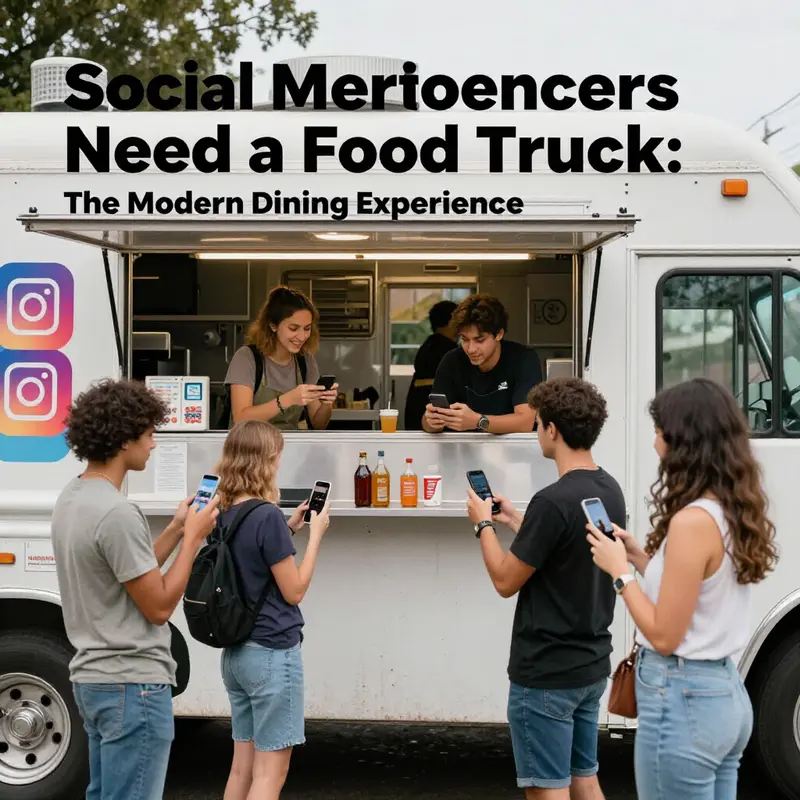
A food truck is more than a kitchen on wheels. It is a moving stage where flavors, stories, and personalities converge, and social media acts as the light that draws crowds to that stage. In an urban dining landscape crowded with choices, platforms like Instagram, Facebook, and TikTok have transformed the humble mobile eatery into a dynamic, interactive brand. The truck’s posts do more than advertise today’s menu; they invite people into a live, evolving experience. A quick glimpse of a location pin, a behind-the-scenes reel of dough being stretched, or a customer spotlight celebrating a favorite bite can turn a routine lunch into a social event. This digital layer is not garnish; it is the main course of how customers engage, anticipate, and participate in the food-truck journey.
Visibility compounds quickly in the mobile dining model. A truck that shares its daily route through short, flavorful updates creates a predictable rhythm that followers can plan around. The value here goes beyond convenience. When a customer knows a truck is near a park at noon, a campus after class, or a festival queue forming at 5 p.m., they don’t just buy a meal; they become part of a recurring pattern. That pattern feeds a sense of belonging. People return not only for the dish but for the habit—the moment when friends compare notes on the latest seasonal offering, when a line becomes a social thread, when the driver signs off with a wink and a promise to be back tomorrow. The social feed becomes a gateway to belonging, not simply a calendar of meals.
This is where engagement becomes community. Food trucks thrive on spontaneity and proximity, and social media makes those qualities scalable. Encouraging followers to share their meals with branded hashtags or to post photos from a particular event creates a network of advocates who extend the truck’s reach far beyond the physical curb. When a customer posts a picture with a colorful dish, the truck’s own account can amplify that content, creating a loop of recognition and validation. In turn, customers start to measure their visits not only by the freshness of the menu but by the social currency of their own post—the anticipatory comments, the likes, the moment of being featured. The restaurant’s wall of fame is now a wall of stories, preserved in feeds as a living archive of the community’s meals and memories.
Community-building through social media also translates into tangible, real-world gatherings. A truck can leverage digital conversations to orchestrate pop-ups, collab events with other local vendors, or seasonal festivals where people know they will encounter a familiar crew and a trusted menu. Those gatherings feel inevitable because the social audience has already helped arrange them. A simple post about a weekend collaboration can recruit eligible attendees who would otherwise have chosen a different plan. This is the social economy of a food truck: the online presence is not separate from the street hustle; it is an amplifier that makes the street hustle more predictable, more inclusive, and more sustainable.
What makes this online-to-offline dynamic more compelling is the human element that social media makes visible. The most successful operators don’t hide behind perfect angles; they lean into transparency. They respond to comments with warmth and specificity, celebrate loyal followers with shout-outs, and share small, imperfect moments that reveal a real human behind the wheel. The effect is a brand that feels approachable rather than transactional. A customer who feels seen is more likely to show up, bring friends, and tolerate minor hiccups because the relationship feels authentic and reciprocally beneficial. In this sense, engagement becomes a form of customer care—an ongoing conversation that deepens trust and shapes expectations for every future bite.
This conversational intimacy is not mere marketing fluff. It aligns with broader consumer preferences for flexible, authentic, and connected dining experiences. People are drawn to food trucks because they offer variety and speed, but they stay because they feel part of something larger than a single meal. The social media loop supports this by turning a quick bite into a story worth sharing, a moment worth revisiting, a memory that evolves with each new post, each new feed update, each new bite. When a truck announces a new daily special, the anticipation is not only about taste but about the chance to contribute to the ongoing narrative—the comment you leave, the photo you post, the memory you help create in a place that keeps evolving.
The practical advantages of this approach extend beyond loyalty. A well-managed social presence can flatten uncertainty in a crowded market. By posting real-time location data and menu previews, trucks help customers plan efficient visits, which in turn reduces wait times and increases turnover without sacrificing the quality customers expect. The ability to scroll through a history of posts also allows new customers to gauge consistency—the rhythm of successful collaborations, the emergence of crowd-pleasing dishes, the way a truck adapts to events or weather. Newcomers gain confidence that the truck is more than a one-off performance; it is an ongoing project with a track record they can trust.
The idea of community-building on wheels also foregrounds the social values embedded in the food truck model. Many operators design menus that reflect local tastes, celebrate regional ingredients, or support neighborhood initiatives. When these themes travel through social channels, they become shareable signals of identity and belonging. The audience is invited to participate in the cultural conversation around food, rather than simply sample a product. Branded content, from a behind-the-scenes reel to a customer feature, becomes a conversation starter that prompts others to contribute their own perspectives, photos, and memories. The truck becomes a forum where cuisine, place, and personality intersect, drawing participants who appreciate both the food and the sense of place it represents.
There is also a strategic edge to this approach. The most effective food trucks treat social media as a daily operating discipline, not a sporadic promotional channel. Consistency in posting, quality in visuals, and responsiveness in dialogue build a durable reputation. While a single viral post can spike visibility, sustained engagement relies on a steady cadence of meaningful content: menu changes that echo seasonal cravings, stories that spotlight community partners, and timely alerts about location shifts that keep the audience connected. In this light, the social media footprint is not vanity—it’s a core component of the customer experience and the truck’s ability to adapt to shifting urban dynamics.
For readers seeking a practical taste of how these concepts translate into a coherent identity on wheels, consider the branding-on-wheels framework that helps translate online presence into on-the-ground consistency. branding on wheels: the ultimate guide to food truck graphics and identity. This resource offers actionable guidance on visual storytelling, typographic clarity, and color systems that reinforce the online-to-offline narrative. By aligning the visuals that followers see online with the physical experience at the curb, operators can ensure a cohesive brand that feels familiar wherever customers encounter it.
In sum, customers need food trucks not only for the convenience, affordability, or variety they offer but for the social experience they embody. The mobile nature of the business naturally invites constant update and interaction, but it is social media that actualizes the promise of a connected, engaged, and inclusive dining community. The truck becomes a space where culinary curiosity meets social affinity, where a bite is a gateway to conversation, and where every post, story, or comment is a thread in a living tapestry of shared taste and place. The result is a new expectation in urban dining: a format that does not just serve food but builds belonging, one post at a time, one location at a time, and one memorable bite after another.
External resource for further exploration: https://www.researchgate.net/publication/392845675ACaseStudyofSocialMediaandContemporaryFoodTrucks
On the Move, On the Menu: How Flexibility and Variety Make Food Trucks Essential for Satisfying Diverse Tastes
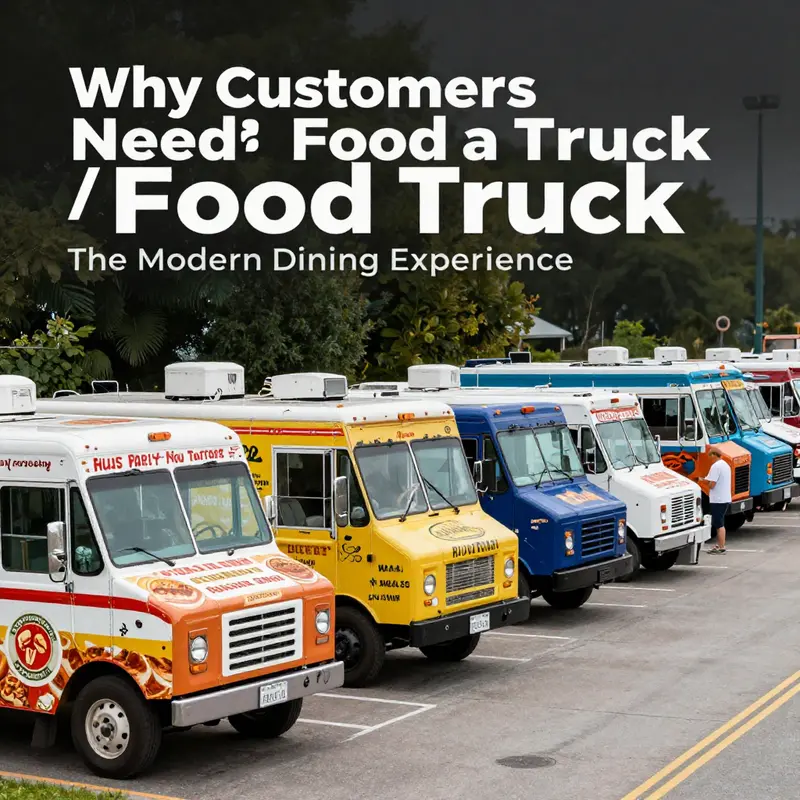
The modern food truck exists at an intersection of mobility, craft, and consumer expectation. It is not merely a portable kitchen; it is a responsive platform where chefs, bakers, and street-food artisans can meet shifting crowds with something more than speed alone. In an era when meals are as much about experience as they are about sustenance, the truck becomes a flexible gateway to flavor. Its value lies not only in how quickly it serves a hungry line but in how deftly it reads a moment, a venue, and a season, then responds with a menu that feels both curated and alive. For customers, that translates into reliable access to fresh, varied options in places where the need for quick, affordable meals is strongest—from crowded office corridors to bustling campuses, from parks during a sunny afternoon to festival grounds after dark. Flexibility and variety are the two axes along which a food truck defines its relevance in a rapidly evolving food landscape.
Flexibility is the truck’s most obvious strength. Because a truck can reposition with purpose, it can synchronize with the rhythms of daily life in a way a fixed restaurant cannot. A truck that parks near office towers at the morning rush can offer a streamlined, coffee-forward breakfast lineup—espresso pulled to order, flaky pastries, perhaps a savory twist on a breakfast burrito. As the day transitions, the same vehicle can roll onto a campus or business district to catch lunchtime cravings, staging a shift from quick caffeine hits to more substantial, chef-driven options like gourmet burgers, vibrant vegetarian wraps, or bowls that pair fresh vegetables with bold proteins. Come evening, it may reappear at a music venue, a city plaza, or a neighborhood market, presenting late-night bites that feel both elevated and approachable: loaded fries with nuanced toppings, artisanal tacos, or small plates designed for sharing. The capacity to adapt to timing, audience, and mood makes the truck a highly efficient form of urban dining, one that can respond to demand without the friction of a permanent site, long lease, or fixed menu.
But it is not just about when and where the truck appears. The real magic of flexibility lies in the ease with which a single vehicle can pivot its offerings to suit different palates and dietary needs. A well-designed mobile kitchen can feature a rotating core menu that highlights signature dishes while leaving room for weekly specials or seasonal innovations. This is where variety becomes a strategic asset, not a mere ornament. The modern truck often embraces niche specialization, delivering authenticity through focused concepts rather than attempting to be a little bit of everything. A truck might perfect a handful of dishes that showcase technique and ingredient quality—think a few standout curry blends, a set of carefully composed bowls, or a compact pastry program—then expand the reach with limited-time items that explore cross-cultural influences. The advantage here is not just taste but tempo: a small, well-tuned footprint can launch a concentrated set of flavors with precision, delivering consistency and quality that visitors come to expect.
The broader menu strategy, however, also embraces inclusivity. Variety does not only mean offering more dishes; it means presenting options that respect different dietary preferences and restrictions. A single truck can accommodate vegetarian, gluten-free, and low-carbon diets by designing dishes that emphasize fresh vegetables, plant-based proteins, and naturally lighter accompaniments. In practice, this often translates into menu items that rely on clean flavor profiles, bold sauces, and smart combinations rather than heavy reliance on single ingredients. The agility to adjust ingredients, portions, and sourcing in response to local supply or customer feedback is another facet of this adaptability. When a neighborhood becomes more interested in vegan options or when a festival crowd leans toward spicy, the truck can reframe its offerings without a costly redesign or a complex supply chain overhaul. This capacity to tailor the culinary experience to the moment reinforces the idea that customers are not simply getting a quick bite; they are gaining access to a dynamic dining experience that reflects their preferences at that exact time and place.
From a consumer perspective, the blend of mobility and menu diversity lowers barriers to trying something new. People who might hesitate to commit to a new restaurant can dip their toes into a handful of flavors in a single outing. A friend group with different tastes can enjoy a shared meal with enough options to satisfy everyone, rather than compromising on a single heavy choice. And because these options are often priced competitively, the truck presents an attractive alternative for crowds seeking both variety and value. The affordability aspect is not a drawback; it is a feature that emerges from lean operations and the absence of a static footprint. In practice, this affordability translates into frequent shifts in price points across the day—an early, budget-friendly coffee-and-pastry offer, a mid-day premium bowl for a bit more, and evening specials that experiment with premium ingredients without breaking the bank for the customer.
Beyond the practical considerations of time, location, and price, flexibility and variety contribute to the social and emotional dimensions of dining in public spaces. Food trucks often operate as social hubs within neighborhoods, festivals, and business districts. They create points of connection where people gather, share experiences, and discover new flavors together. The social aspect is amplified when operators use digital tools to announce locations, menu changes, and limited-time items in real time. Real-time updates cultivate anticipation and a sense of belonging among regulars who track a truck’s movements as they would a favorite band’s tour schedule. This brand-building dynamic is a distinctive strength of mobile cuisine. It turns a simple meal into an event, a recommended stop into a destination, and a familiar vehicle into a familiar flavor profile that people seek out across different neighborhoods and seasons. As a result, the truck becomes less a transient service and more a reliable partner in the rhythms of urban life.
The integrated experience—speed, adaptability, and a curated, evolving menu—helps explain why customers increasingly depend on food trucks as a staple of city life. In many ways, the truck addresses a fundamental consumer need: the desire for convenient access to high-quality, diverse food without the heavy commitment of a sit-down meal. It offers a practical solution for busy workers who want quick nourishment that still feels thoughtfully prepared. For students buzzing between classes, it provides a flavorful pit stop that respects time constraints. For event-goers who crave novelty and a sense of place, it offers a living showcase of culinary craft in motion. In short, customers do not simply eat; they participate in a mobile dining culture that values responsiveness, creativity, and inclusive options. The food truck, with its agile spirit and diverse offerings, has become a modern answer to the question of how to feed a city that moves at a fast pace.
For operators charting a path through this landscape, the emphasis on flexible capacity and varied menus also points toward practical decisions. The way a truck is configured, the selection of equipment, and the plan for rotating items can significantly influence how well a business can respond to demand. The guiding principle is clarity: define a core set of dishes that can be prepared consistently under dynamic conditions, then layer in rotating specials that push customers to explore and return for the next surprise. This approach helps ensure that quality remains high while the operation stays nimble. Those who study and embrace this balance often find themselves better prepared to meet a broad spectrum of tastes without sacrificing speed, reliability, or cost control. In pursuing this balance, remember that flexibility is not a compromise but a strength, and variety is not a luxury but a necessity for a food landscape that rewards curiosity and engagement.
For readers curious about operational frameworks that support this approach, a deeper dive into practical design and model options can illuminate how to translate these ideas into a tangible setup. See Choosing the Right Food Truck Model for a structured look at how different configurations align with demand and flavor strategy. Choosing the Right Food Truck Model. This kind of guidance helps ensure that a truck’s mobility and its menu are strategically synchronized with local markets, events, and customer expectations, turning flexibility and variety from aspirational ideas into everyday realities.
Finally, the broader industry context reinforces what customers experience at street corners and in pop-up plazas. The continuous evolution of mobile cuisine—driven by crowds, climate, and digital connectivity—points to a food future where travel and taste are inseparable. Operators who embrace this truth, and customers who seek it out, will likely discover that the most satisfying meals are not just what is on the plate, but where and when it arrives—and how boldly the menu adapts to the moment. For a wider perspective on these trends, you can explore the latest industry insights from the field’s leading researchers, such as the 2026 trends in mobile cuisine. External resource: https://www.foodtruckassociation.org/insights/2026-trends-in-mobile-cuisine
Final thoughts
Food trucks represent more than just a convenient dining option—they embody a shift toward accessible, varied, and culturally rich food experiences. Catering to the needs of consumers, event planners, corporate teams, and community groups alike, they serve as mobile culinary hubs that engage, nourish, and foster community connections. As you can see, the reasons customers increasingly turn to food trucks are multifaceted and powerful, meeting the demand for flexibility and diversity in today’s fast-paced world. Embrace the food truck culture—it’s more than just a meal; it’s an experience waiting to be explored.