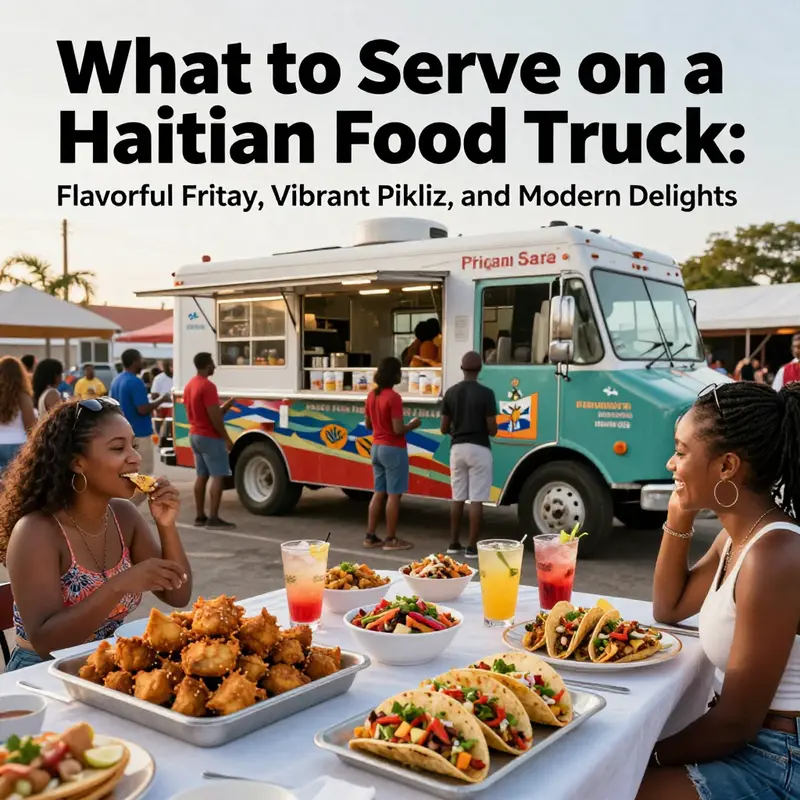
Haitian cuisine is a celebration of rhythm, color, and bold, comforting flavors. A well-crafted Haitian food truck menu can delight event planners seeking memorable catering, corporate teams looking for crowd-pleasing options, local communities craving familiar favorites, and individual food enthusiasts chasing authentic bites with a modern twist. At the heart of every great Haitian truck are classic fritay—the vibrant assortment of fried treats that spark joy at street corners and events alike. Pikliz, a fiery, tangy condiment, ties dishes together with bright acidity and heat. Griot, diri kolokolo, and dandé anchor the menu in tradition, while Haitian twists like Haitian Tacos bring the roots into a contemporary setting. From fried plantains to refreshing moringa juice and sorrel, beverages complete the experience. This guide unfolds in five chapters, each building on the previous to help you design a cohesive, appealing, and executable menu that stays true to Haitian flavor while resonating with diverse audiences. Whether you’re planning a festival booth, a corporate catering event, a neighborhood festival, or a pop-up tasting, these insights will help you craft a menu that looks as good as it tastes, travels well, and keeps guests coming back for more.
Core Dishes and Traditional Staples: Building a Haitian Food Truck Menu That Feels Like Home
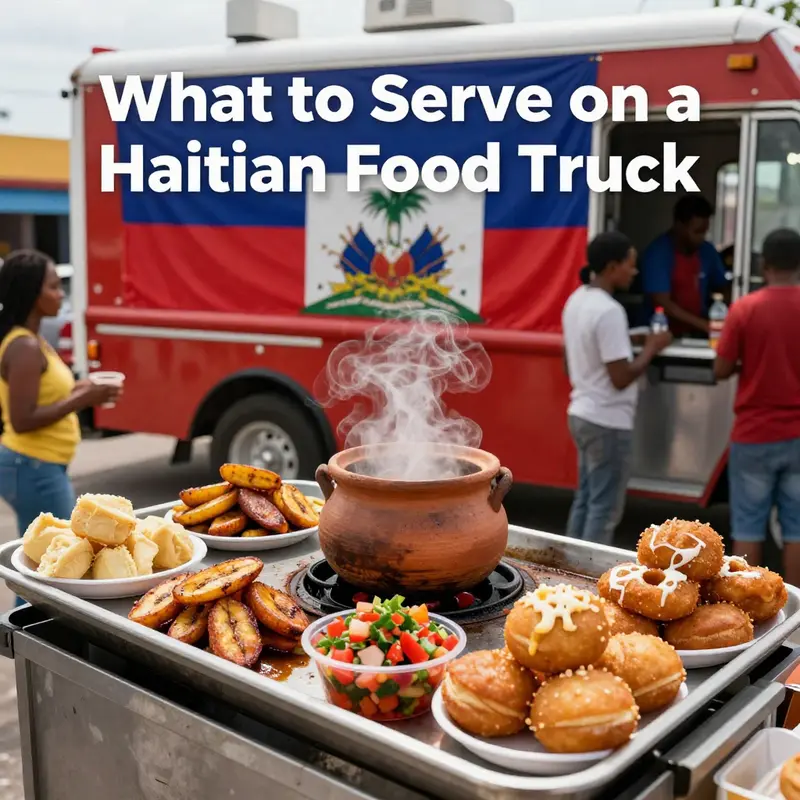
A Haitian food truck succeeds when the menu carries the warmth and complexity of home kitchens into the street. The core of that success lies in a handful of traditional staples and iconic dishes that communicate Haiti’s culinary language as clearly as a drumbeat. When customers bite into a plate, they should hear a story of family gatherings, market baskets, and the clever improvisations that turn simple ingredients into something celebratory. To achieve this on wheels, the menu must balance bold, bright flavors with comforting textures, and it should do so with a rhythm that keeps service quick without sacrificing authenticity. Central to this balance are a few star components: plantains, root vegetables, sharp condiments, and a handful of time-tested preparations that have stood up to street food service for generations. The resulting plate is not just food; it is an edible map of Haiti’s agricultural heritage turned into a portable, shareable experience.
At the heart of many Haitian dishes lies heat and brightness, often driven by scotch bonnet peppers, fresh herbs, citrusy marinades, and the natural sweetness of ripe fruit. That brightness is essential for a food truck, where aromas travel quickly and first impressions are formed in seconds. Plantains anchor the menu in multiple forms and moods. Sweet, ripe plantains slip into a golden dessert or a caramelized side, while green plantains offer a sturdy, savory bite when fried or fried-tried with garlic and herbs. These variations provide visual appeal and textural contrast, making it possible to please diners who want something recognizably Haitian and those who crave a more streamlined, modern bite. The same versatility should inform the planning of other starches and root vegetables, which introduce color, density, and a sense of fullness to a plate that must travel well from pan to tray to mouth.
A good Haitian food truck speaks through a handful of signature preparations. Griot is one such preparation, a savory, slightly spicy fried pork that has become a national favorite and a staple on street menus. The meat is marinated with citrus juice, thyme, and garlic, then fried to a crisp exterior that yields a juicy center. Pikliz—a bright, spicy cabbage and carrot slaw—acts as a zesty, acidic counterpoint that brightens the richness of the pork. Together, griot and pikliz demonstrate how a few elements can create a sense of ceremonial street food: familiar, satisfying, and unmistakably Haitian. The same pairing strategy appears in other combinations on the truck: bright slaw with a bold protein or a tangy sauce poured over a bed of fragrant rice. The key is balance: heat and acidity temper richness, while a touch of sweetness from fried plantains or caramelized bananas keeps the palate engaged rather than overwhelmed.
Another pillar is diri ak djon-djon, a black rice dish that uses a broth infused with wild mushrooms and the naturally earthy notes of black rice. The result is a deeply aromatic, almost wine-dark pot of rice that carries an umami richness without needing heavy sauces. This dish offers a sense of ceremony—rice as the canvas, mushrooms as the accent—that translates well to a food truck setting where plates need to read quickly in the hands of a hungry line. For harmony, pair diri djon-djon with a lean protein or with a hearty bean-relay, allowing the aroma to linger between bites. In the same vein, a hearty bowl of poul ak pwa—chicken simmered with kidney or butter beans—gives customers a comforting, complete meal. The chicken remains tender and juicy, while the beans lend body and a satisfying, slightly nutty finish. Served with rice, it becomes a no-nonsense staple that travels, holds, and earns repeat orders.
The broader family of staples includes diri kolokolo—rice with pigeon peas and a blend of spices—a dish that showcases how Haitian cooks layer flavor through accessible ingredients. It is a reminder that not every plate needs a dramatic centerpiece; sometimes success comes from a well-tuned chorus where rice, legumes, and spice drums stay in rhythm. Alongside these, there are sturdy accompaniments that build a complete experience. Fried plantains—whether sliced green for a crisp, savory bite or ripe for a sweet, soft slice—are a universal crowd-pleaser. They invite dipping, they mingle with meat, and they stand alone as a satisfying side. And then there are the tubers and starchy staples many Haitian cooks reserve for slow, soulful stews: mangas (steamed or boiled green bananas) and the hearty presence of yam varieties—colloquially nicknamed “dreadnoughts”—that add texture and density to stews and sides alike.
To add a modern texture to the menu while honoring tradition, a truck might offer akra—deep-fried fritters made from vegetables like okra, carrots, and onions. Akra is a bright, citrus-scented bite that can bridge the gap between a traditional plate and a cafe-like snack, offering a flavorful contrast to meat-centric dishes. A dessert component such as banan peze—fried bananas spiced with sugar and cinnamon—provides a sweet finale that echoes the caramelized notes found in plantains and helps round out a meal for customers who want a satisfying end without leaving the street experience. These traditional items pair with a beverage program that feels authentic yet refreshing: a glass of moringa juice for green notes and a tart, fragrant sorrel drink to cleanse the palate mid-meal.
The table is further enriched by an occasional modern twist that does not overshadow the core. Haitian Tacos, where soft corn tortillas fold in grilled griot or chicken and are topped with pikliz and fresh herbs, emerge as a bridge for younger crowds seeking familiar textures in a new form. The idea is not to replace tradition but to reinterpret it in a way that travels well, reads quickly, and remains unmistakably Haitian in taste and aroma. The result is a menu with depth, where classic dishes appear side by side with inventive presentations, yet every plate carries the same essential DNA—bold flavors, bright contrasts, and a sense of communal eating you feel in every bite.
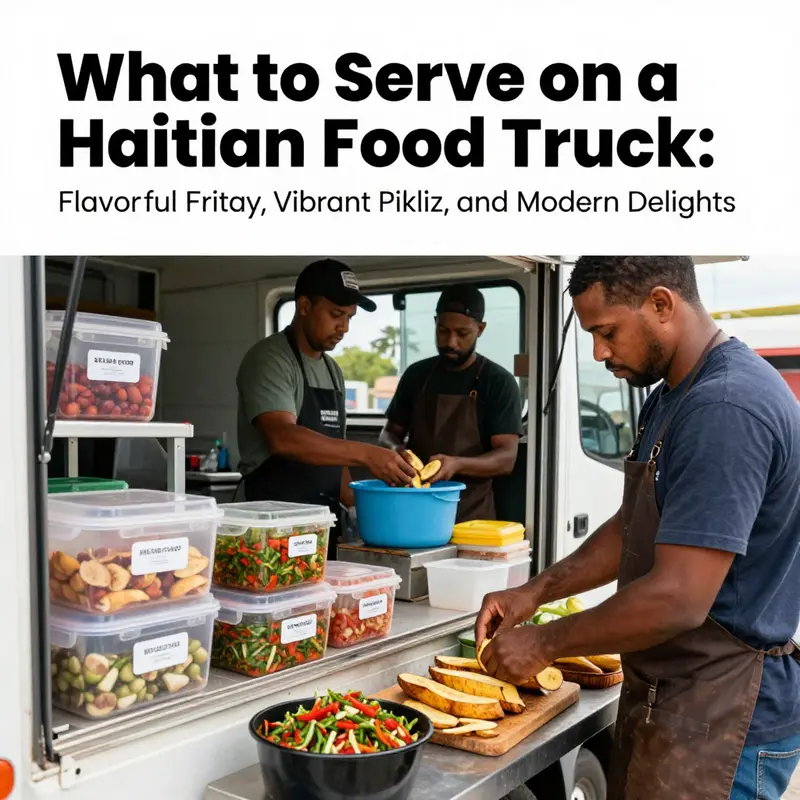
Executing this menu in a mobile format requires more than a list of dishes. It requires a system for prep, portioning, and cross-utilization that minimizes waste and speeds service. Core ingredients should be versatile across several items: plantains can anchor both fritters and sides; beans can boost both soups and bowls; and a few staple spices—hot peppers, garlic, thyme, and citrus zest—should be present in every mise en place. Careful planning ensures that the same stock pot can yield multiple finished plates, so the line moves with a predictable cadence rather than a jagged rush. It also means paying attention to heat management and fry oil life, two operational realities that shape how many items can truly be offered in a single pass. When a truck presents a simplified, well-curated list—three to five starches, two proteins, one or two vegetables, a couple of sides, and a couple of condiments—the kitchen becomes a choreography rather than a race. The visuals matter here too: a glowing skillet of griot, a pot of black rice, a bright bowl of pikliz, and a basket of fried plantains create a busy, inviting tableau that draws passersby and tells a story before a single bite is taken.
In thinking about the customer journey, it helps to reference how real street outfits translate this philosophy into action. A well-curated, core-menu approach keeps the menu readable and the kitchen lean, while still offering enough personality to stand out in a crowded market. The experience should invite curiosity without overwhelming the diner with choices. A well-balanced display of options—say, one crispy meat, two rice-based dishes, a plantain-forward side, and one lighter option—offers a clear path from line to table. It is here that the relationship between tradition and modernity truly shines. The traditional items anchor the menu in culture and memory; the modern twists invite new audiences to discover those same flavors in a different context. The result is a menu that feels both familiar and fresh, a reason to return that does not demand a full return trip to the same stall every week.
For those seeking a sense of how these ideas play out in the real world, a practical touchstone is available through a community-driven platform that highlights Haitian street food in action, including griot, fried plantains, and fresh drinks. To explore how a mobile truck can present core dishes and traditional staples in a contemporary format, consider visiting the Los Chiflado’s Truck blog for ongoing insights into menu design and execution at street venues loschifladostruck.com/blog/. The example is not a blueprint but a reminder that authenticity paired with efficient service can travel far and thrive on wheels.
As a final note, the conversation around these core dishes is not merely about what to serve but how to tell the story of Haitian flavors through service, aroma, and texture. It is about choosing items that travel well, hold their integrity, and invite conversation with customers who may be encountering Haitian cuisine for the first time. It is about recognizing the subtle differences between a plate that satisfies a craving and a plate that educates the palate. And it is about embracing the way tradition and innovation meet on a crowded street, where a sizzling pan, a herbaceous scent, and a bright splash of pikliz can turn a simple meal into a shared memory. For further exploration of real-world resources and community perspectives, an external reference provides a glimpse into how mobile platforms support Haitian street-food culture and customer engagement: https://apps.apple.com/us/app/gourmet-kreyol-app/id1567239408
null
null
From Fritay to Fusion: Building a Haitian Food Truck Menu That Honors Tradition While Welcoming Global Tastes
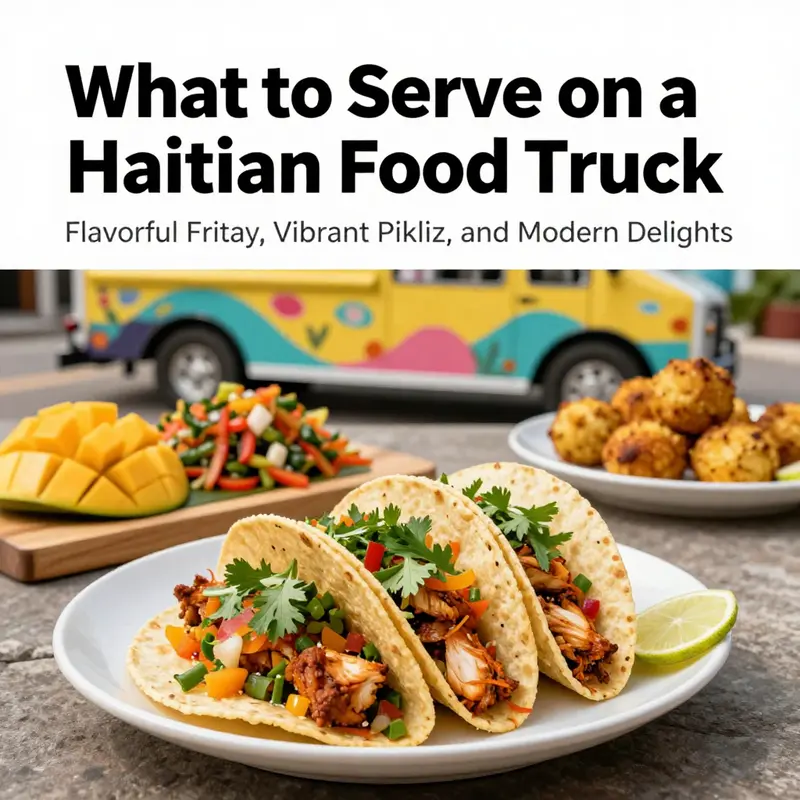
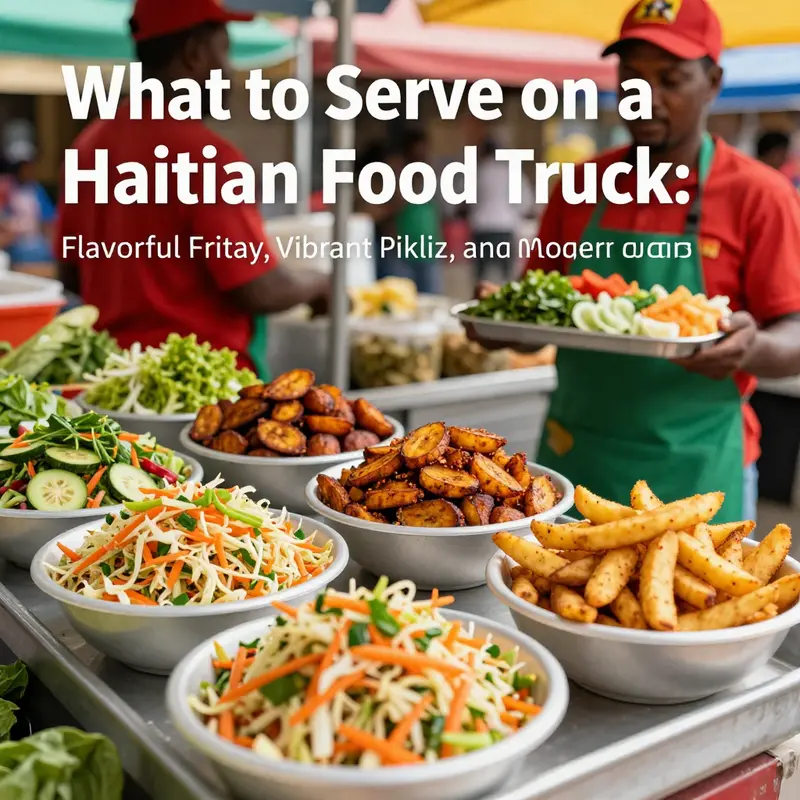
The aroma rises first, a warm invitation that travels through the crowded street and lands on the shoulders of every passerby. A Haitian food truck becomes a moving festival, a tiny stage where tradition is plated with pride and the hustle of the street is turned into a feast. The core of the menu should anchor guests to the homeland’s flavors even as it invites curiosity. Start with fritay—the beloved assortment of fried snacks—where plantains, cassava, and cheese fritters offer texture and contrasts in a single bite. These bite-sized treats work beautifully as appetizers or shared plates, drawing in curious crowds and prompting conversations about the country’s vibrant culinary heritage. The fritay spread is not merely a sampler; it is a map of textures—golden edges crackling against soft, starchy centers, each piece a reminder of street corners and family kitchens where these flavors learned to travel with the wind.
Pikliz is the zesty companion that makes everything else sing. A bright, crunchy slaw of cabbage and carrot spiked with vinegar, peppers, and a touch of lime, it cleanses the palate and lifts heavier bites. It is not a garnish but a character in its own right, a tangy chorus that turns any plate into a more complete Haitian plate. A good vendor keeps pikliz in a small, accessible container, ready to brighten everything from griot to a simple fried plantain. Speaking of griot, the marinated and fried pork that forms the backbone of the national table, deserves a place of honor. Its marbling, crisp edges, and peppery kiss are notes that anchor the menu in tradition. When griot leaves the fryer, it carries the memory of family gatherings, late-night cooking, and the communal joy of sharing food around a hot pot. It is best served with a ring of plantains or a bed of rice; the pairing is a familiar story told through sizzling, savory edges.
Diri kolokolo—rice with pigeon peas and spices—and dandé, a hearty goat or beef stew, round out the classic core. These two items anchor the truck’s identity, offering depth and savor that reward repeat visits. The rice dish provides a comforting, familiar base while the protein stews bring bold, hours-long flavors into a compact, portable form. On the street, the trick is to balance portions and keep the starches from drying out while ensuring the meat stays tender and juicy. A well-timed ladle of broth or a dab of pikliz on top can transform the simplest bite into something memorable. The beauty of this traditional core is its adaptability: it can be served family-style on a shared tray or as individual portions in a compact, handheld format that travels from the counter to the curb with ease.
For guests who crave a lighter, modern experience, the menu can gracefully tilt toward fusion without losing its soul. Haitian tacos, for instance, place soft corn tortillas around the familiar soul of griot or chicken, finished with bright herbs and a hint of pikliz. The concept respects the heritage while offering a playful, portable option that trips easily across a crowded line. A well-designed taco becomes a conversation starter; it invites people who might not yet know the country’s flavors to experience them in a fresh context. The same energy can be channeled into other formats that fit a busy truck’s rhythm—the sizzle of a grill, the crisp of a fried crust, the cool bite of a fresh herb finish—all of which translate to charismatic visuals and quick service on the move. A modern touchstone is the way the fritay’s components can be repurposed into vibrant, shareable dishes that travel well and present clearly from the window.
To truly harmonize tradition with contemporary appetite, the menu can feature a spectrum of bold, portable dishes that center the same flavors in new formats. Consider the ideas inspired by Haitian ingredients and cooking methods, reimagined for streetside dining. Picture lalo pwa blanc tacos, where a purée of white beans and sautée d jute leaves folds into a crispy shell, topped with a cilantro-lime crema and a scatter of fried plantain bits. The texture play is deliberate: the shell holds a soft interior, the greens offer a slightly bitter contrast, and the crema adds a bright, herbaceous lift. The name itself nods to the classic lalo, a stew that anchors the dish in Haitian farming and family cooking while presenting it in a handheld form that satisfies the current demand for quick, satisfying eats.
Another compelling option is diri ak woma bowls, a grain-forward take on the familiar rice and beans. A coconut-infused jasmine rice base with black beans becomes a stage for grilled jerk-spiced chicken or seared tofu, bright mango mangos, avocado, and pickled onions. A tamarind-spice vinaigrette glides over the top, delivering a subtle sweet-tang and a touch of heat. The bowl format plays into the growing preference for colorful, Instagrammable meals that feel both nourishing and adventurous. Such bowls also allow kitchen teams to optimize protein and vegetable sourcing while maintaining bold, cohesive flavors that speak to Haitian roots and global tastes alike.
Pate sliders translate a beloved pastry into a casual, shareable format. Soft brioche buns cradle a savory filling—seasoned ground beef or spiced lentils—with caramelized onions and a hint of Scotch bonnet. A pineapple salsa on the side introduces a tangy brightness that harmonizes with the pastry’s sweetness and the filling’s spice. The result is a crowd-pleasing bite that travels well, encourages sampling, and demonstrates how a traditional favorite can be reimagined for a modern, on-the-go audience. In the same spirit, akvap smoothie bowls offer a refreshing breakfast or dessert option that doubles as a photo-worthy treat. Made from watermelon juice, coconut milk, and lime, they arrive in a bowl topped with granola and edible flowers—an invitation to slow down for a moment of tropical renewal amidst a busy day.
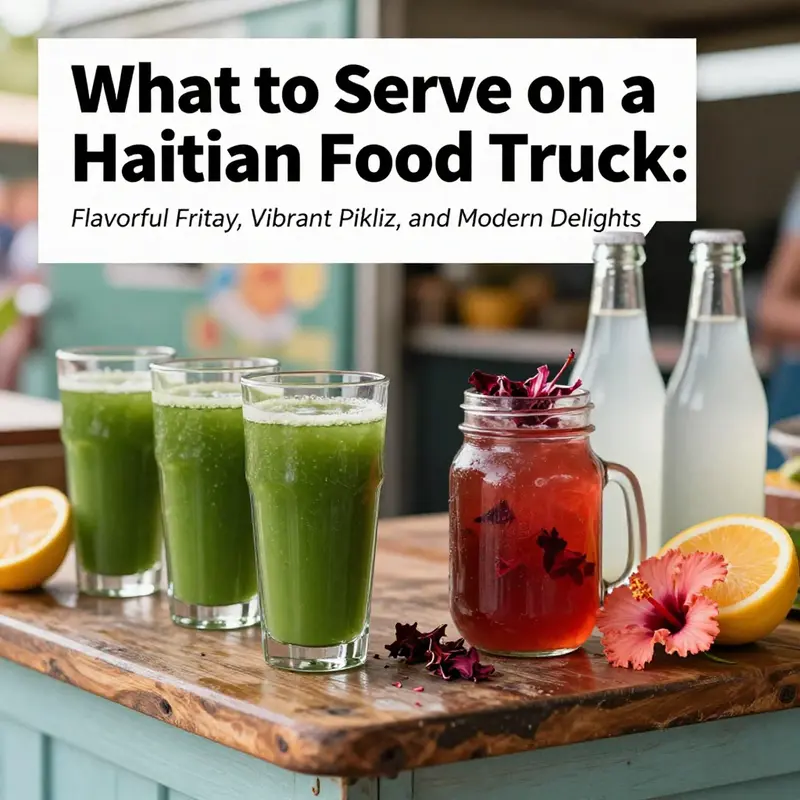
Sanco street wraps bring a third dimension to the menu: a large tortilla or flatbread slick with avocado, then layered with shredded jerk chicken or grilled shrimp, diced tomatoes, scallions, and a purée of diri ak woma for a burst of familiar flavors in a new form. This wrap approach merges portability with packing power, enabling guests to savor Haitian flavors without the fuss of a traditional plate and cutlery. Across all these ideas, drinks must not be an afterthought. Moringa juice and sorrel provide vibrant, refreshing counterpoints that cleanse the palate, offer color, and complete the experience with a bright, fragrant finish. The goal is a cohesive, mobile menu that remains unmistakably Haitian yet unexpectedly contemporary in its presentation and execution.
In shaping this menu, it helps to view the truck as a rolling ambassador for a culture that thrives on family, music, and meals shared under open skies. The plating should be visually expressive—colors that pop, textures that invite a bite, and aromas that tell stories of markets, kitchens, and street corners where recipes were born. The business side also matters: the choices should support efficient prep, cross-utilization of ingredients, and a flexible pricing model that can adapt to high-traffic days or quieter evenings. A well-curated menu can be scaled up or down to match demand without sacrificing identity. There is a rhythm to street service—an ebb and flow that rewards a menu with clear anchors and a handful of flexible, crowd-pleasing innovations. The balance between tradition and experimentation becomes the distinctive voice of the truck.
The value of a strong, story-driven menu goes beyond taste. It shapes how customers perceive the brand, how they linger in line, and how they imagine the meal before the first bite. A consistent narrative communicates respect for the homeland’s culinary language while inviting others to participate in the conversation. This is not about chasing every new trend; it is about weaving the old and new into a living, dynamic menu. When executed with care, the fritay foundation, the zing of pikliz, and the robust heart of griot become the anchor of a broader, more adventurous offering. The fusion dishes become natural extensions of the culture, not separate curiosities. And as the truck travels from neighborhood to neighborhood, the stories remain constant even as flavors shift with the seasons and the crowd’s appetite.
For readers seeking further inspiration on how branding intersects with this menu strategy, explore Branding on Wheels: The Ultimate Guide to Food Truck Graphics and Identity. The chapter’s ideas align with a cohesive identity that communicates both heritage and innovation, turning every stop into a chance to celebrate and introduce Haitian flavors to new palettes. If you’re curious about how this approach translates into real-world execution, a vivid example of authentic street-food culture in motion can be found through Sak Pase Foodtruck, which demonstrates how a focused fritay-forward menu can resonate deeply with diverse audiences while staying rooted in tradition. https://www.sakpase.com/
null
null
null
null
Final thoughts
A successful Haitian food truck blends timeless favorites with thoughtful execution. Start with core dishes and traditional staples to establish flavor credibility, pair them with bright pikliz and well-chosen sides to expand the menu, and then invite curiosity with modern twists and fusion options that feel authentic yet fresh. Don’t overlook beverages, which carry the meal from first bite to lingering satisfaction. Finally, build a reliable operation—smart sourcing, clean prep, and responsive service—that ensures consistency at every event. With a menu like this, your truck becomes a cultural ambassador that delights every guest, from planners and HR teams to neighborhood diners and food enthusiasts.