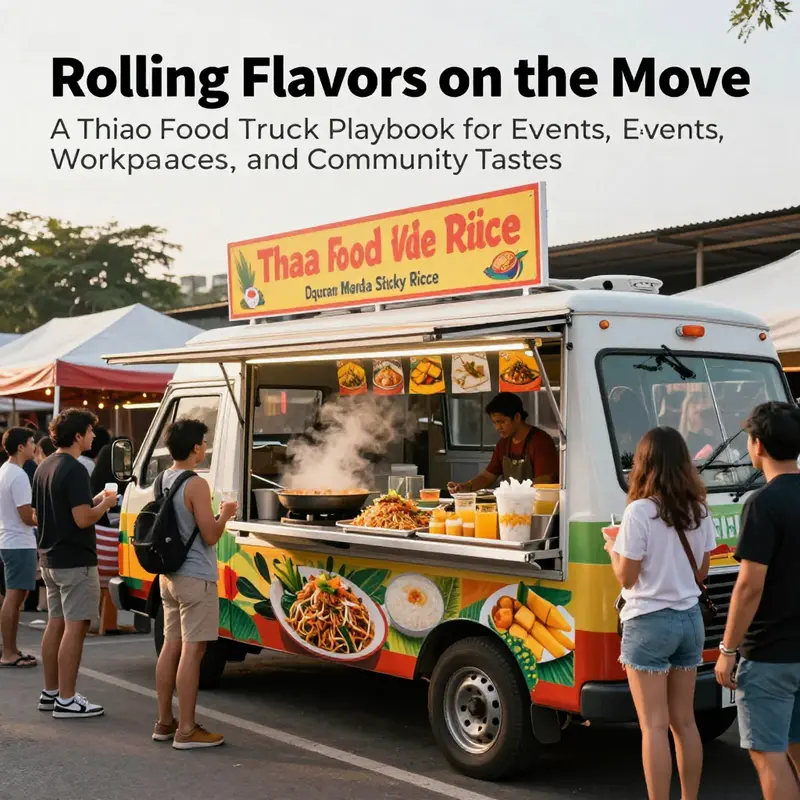
Thai street food on wheels has moved from alleys to festival grounds, conference halls, and campus plazas, expanding the reach of flavor, culture, and connection. A Thai food truck is more than a kitchen on a trailer—it’s a mobile ambassador that blends bold, aromatic recipes with strategic planning, technology, and sustainable practices. For event planners, corporate HR and admin teams, local community groups, and curious diners, a well-designed Thai food truck offers flexible menu options, scalable service, and a tactile cultural experience that can be customized for any gathering. The on-board kitchen concepts, economic models, regulatory considerations, social impact, and evolving festival ecosystems all come together to shape a compelling, repeatable guest experience. Across five chapters, we’ll explore how authentic Thai cooking is realized on wheels, how startups can thrive financially, how laws and geopolitics influence deployment, how culture and labor intersect with sustainability, and how trends and platforms are shaping localization and growth. Together, these threads form a holistic picture of what it takes for a Thai food truck to be both delicious and dependable in any setting.
Rolling Flame on Wheels: Designing a Thai Food Truck Kitchen for Authentic Wok Hei and Seamless Service
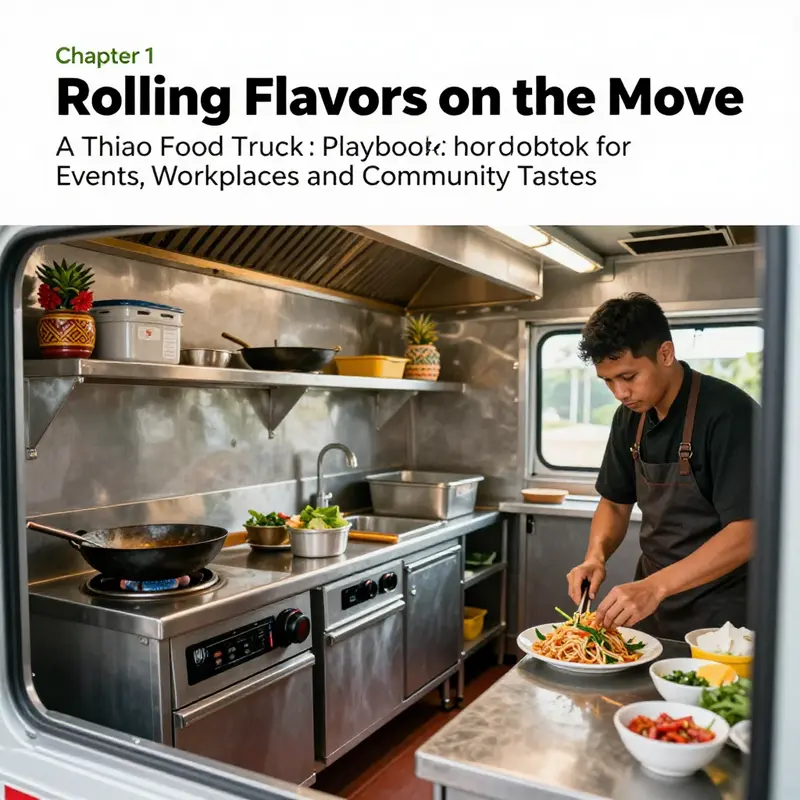
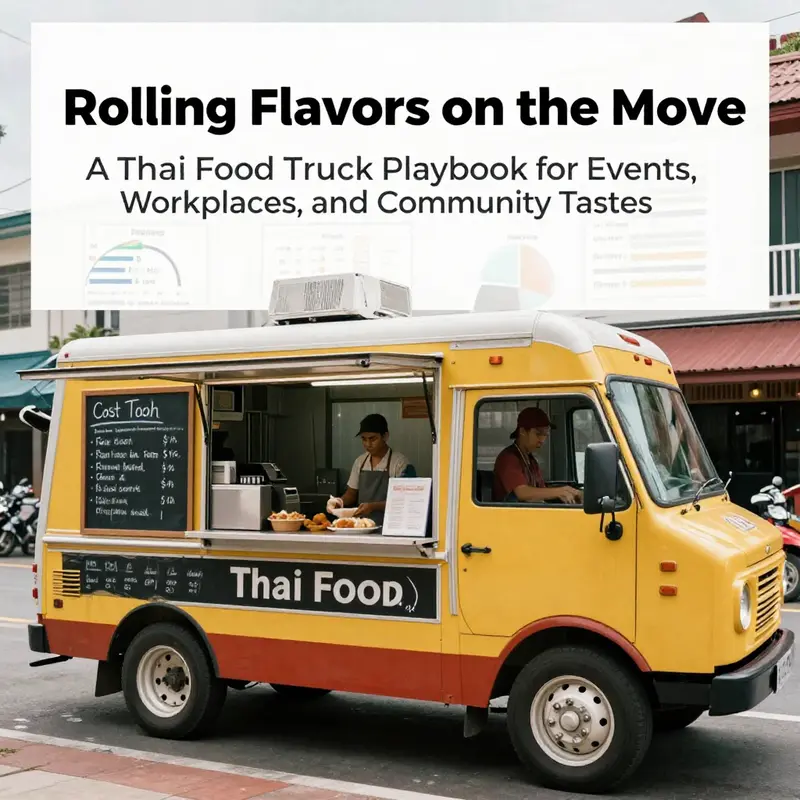
Consider a reference point in the Thai street-food world, where a mobile kitchen becomes a signature experience rather than a mere concession. The most successful trucks treat their interior as a compact culinary laboratory: a wok station that can roar with high-BTU heat, a precise sauce and simmering area, and a service window that frames the moment when a dish meets the plate. The technological backbone must be reliable enough to withstand the variable conditions of outdoor service while flexible enough to allow a kitchen to pivot with seasonal ingredients or a changing menu. Power strategy, therefore, becomes central. A hybrid approach—combining a quiet, fuel-efficient generator with shore power at events and a modest solar augmentation for ancillary loads—offers the balance between reliability and sustainability. The loads must be mapped with care: the cooking surface, refrigeration for perishables and coconut milk, water pumps for handwashing and cleaning, lighting for safety, and the small electronics that keep orders flowing through the POS and inventory systems. Designers and operators alike benefit from a conservative design margin of twenty to thirty percent to cover startup surges from induction modules or the high flame of a wok. Efficiency is not optional here; it is a requirement to preserve wok hei and to keep costs under control during long days on the road. The choice between gas and electric elements is not a moral decision but a practical one. Gas burners deliver the quick, dramatic heat essential to true wok cooking, especially for deeper, faster sears and the charred edges that define stir-fries. Carbon steel woks in the 14- to 18-inch range are a natural match for this method because their heat retention and rapid response respond well to the visual cue of smoke and the audial cue of a sizzling sizzle. Induction modules, when used judiciously, offer precision for delicate sauces, emulsions, and simmering that would risk scorching with a gas flame. In practice, most kitchens on wheels deploy a hybrid approach: a robust wok station on gas, complemented by induction for sauces, curries, and tempering. This duo supports the dual demands of high heat and careful control that Thai cuisine often requires. Ventilation remains a non-negotiable element. A hood sized to the cooking load, with well-maintained grease filtration, ensures air quality for staff and compliance with regulations, while also preventing a smoky spectacle that could deter customers. The rhythm of service is itself a form of design; the flow of air, heat, and people through a compact space should feel like a well-planned dance rather than a chaotic scramble. The design challenge is to support that flow without sacrificing flavor development. Beyond heat and air, water and sanitation demand parallel attention. Fresh water capacity is a practical matter that affects both hygiene and workflow. A portable, potable supply, paired with a reliable pump and a clean water line for washing and hand hygiene, keeps sanitation at the core of daily operations. Wastewater management—careful separation of grey water, appropriate drainage, and easy cleaning protocols—prevents backflow into sauce wells or prep surfaces and helps maintain a calm, organized workspace. A three-compartment sink remains the standard, with a separate handwashing station to reinforce good habits among crew members. The material choice for the truck interior also speaks volumes about its long-term viability. Stainless steel surfaces, ideally AISI 304, deliver the durability and ease of cleaning required in a humid, sauce-heavy kitchen. Seams and corners should be welded to minimize grime accumulation, and non-porous finishes make sanitation more predictable under pressure. Insulation becomes a cooperative partner in the climate of service. In hot environments, insulation reduces heat load on the staff and preserves cold storage efficiency; in cooler climates, it stabilizes the interior so that equipment can run efficiently without excessive energy draw. When it comes to monitoring and control, even a modest mobile kitchen benefits from a simple data loop: a few digital thermometers for cold storage, a basic inventory log, and a POS tethered to a receipt printer that aids prep planning and minimizes over-production. Safety devices—fire suppression interlocks, gas leak detectors, and electrical guards—should be standard, not add-ons, with a preventive maintenance schedule that preempts failures during peak shifts. Sustainability threads through the design too. The fuel choices should reflect a balance between emissions and reliability, with thoughtful waste-reduction practices such as pre-portioned sauces and batch-cooked pastes that minimize spoilage and packaging waste. Water efficiency can be achieved through spray nozzles, efficient faucets, and careful cleaning methods that reduce consumption while maintaining hygiene. The on-board layout, guided by space planning principles, follows a production-line concept, mapped into distinct zones that support a clear sequence from prep to plate. A cold/prep zone, a cooking zone, a cleaning/maintenance zone, a service/assembly zone, and a storage zone form a logical tapestry rather than a maze. The kitchen should feel like a small, intentional workshop where the staff can reach what they need without leaving their zone or stepping over hoses and cords. Ergonomics matter as much as equipment. Counter heights around 34 to 36 inches suit standing operations, while work surfaces should offer knee room and allow a natural range of motion for repetitive actions like stirring, chopping, and plating. Frequent items—knife sets, spice blends, ladles, and sauces—should be within a worker’s primary reach, reducing wasted motion and fatigue during long shifts. The Thai cooking considerations cannot be separated from the physical design. Wok hei demands a wok that heats evenly and quickly, maintaining a broad, high flame during short bursts. The wok itself should be seasoned properly to maintain this gloss of metal and to prevent sticking. The sauce bases and pastes, a core element of Thai flavor architecture, must be prepared in advance to allow rapid finishing. In practice, this means a prep area that holds small portions of aromatics, chilies, and curry pastes in clearly labeled containers, ready for quick addition. Coconut milk, fish sauce, palm sugar, lime juice, and tamarind paste populate a flavor pantry that supports a quick, confident finish. Ingredient handling in a mobile context adds another layer of discipline. Perishables require strict cold-chain discipline, with prep-to-cook time minimized. Allergen management must be clear, with separate prep areas or clearly labeled cross-contact controls if necessary. A single, cohesive menu is preferable here; it allows the kitchen to maximize shared ingredients and reduce the number of separate equipment configurations required to execute a broad range of dishes. The operational heartbeat of the truck is its ability to turn orders into plates with speed and care. Case studies of layouts, though regionally specific, illustrate a spectrum from compact to expanded interiors. A compact interior might house a single wok station, a compact induction surface, a small fryer, and a single refrigeration unit, with a pass-through window designed to reduce the distance between finishing and plating. An expanded interior can host a larger wok setup, more substantial refrigeration, a separate prep sink for bases, and more generous storage. The service strategy should reflect this: the pass-through should be wide enough to support chalk-free plating; garnishes and finishing sauces should have their own small, dedicated station to reduce cross-contamination and speed throughput. The end result is a kitchen that feels both authentic and responsive, where the flame is a constant companion and the dish arrives with the same spark that inspired it during prep. For those planning their own vehicle, a practical touchstone is to examine guidance that helps balance form and function. If you’re still weighing options, consult Choosing the Right Food Truck Model. The larger lesson is to design for the dish first and the ride second, ensuring you can sustain wok hei, preserve flavor contrasts, and deliver speed without sacrificing dignity or safety. The contemporary Thai truck, after all, is a stage on wheels that honors tradition while embracing mobility, making the road a pantry, a stage, and a dining room all at once. For further inspiration on authentic Thai street kitchen concepts online, see Thaiphoon. External resource: https://www.thaiphoon.com/
null
null
Steering Thai Street Flavor Through Rules and Borders
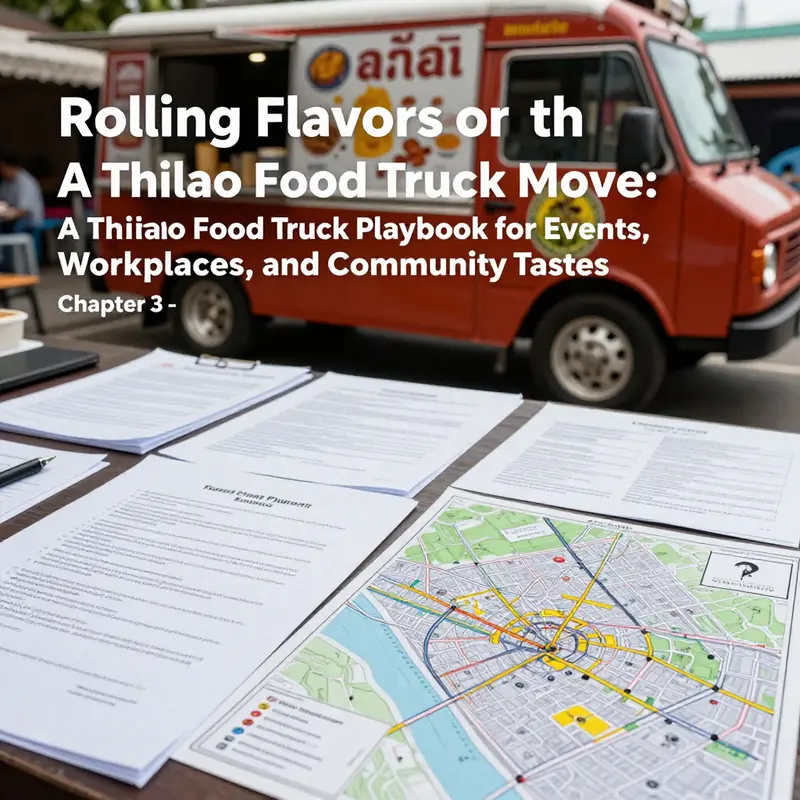
Thai street food on wheels sits at a crossroads of flavor and regulation. The sizzle of a wok and the lure of lime, herbs, and chili meet the reality of licenses, zoning codes, and inspector schedules. The journey from concept to cart involves not only recipes but a web of permits, health inspections, and site restrictions that shift from city to neighborhood. The result is a dynamic where taste and policy push and pull each other in real time.
Regulatory landscapes are uneven and layered. Vendors may encounter licensing, health permits, vehicle inspections, and sometimes waste-disposal or climate-control standards. Compliance costs accrue and margins are squeezed, especially for small operators who rely on mobility to reach diverse customers. Public-health expectations remain central, but enforcement style can vary, shaping risk calculations and daily menu decisions.
Zoning translates policy into concrete choices about where a cart can operate and which cooking methods are allowed. Open flames or high-heat wok work may be restricted in many zones, forcing equipment changes or menu adaptations while still trying to honor traditional techniques. Mobility, once the core advantage, becomes a navigational constraint when spots are capped by quotas or seasonal rules.
Geopolitical and cultural dynamics influence regulatory receptivity. Cities with strong ties to Thai cuisine may be friendlier to mobile vendors, while others emphasize immigration concerns or neighborhood character. Operators therefore learn to translate Thai culinary ideas into forms that meet local safety, labeling, and public-health expectations, while preserving the essence of street-food storytelling.
The practical takeaway is to design operations that map permissible zones, track regulatory updates, and build relationships with authorities and communities. A resilient model blends authentic flavors with disciplined compliance, turning regulation from a risk into a framework for sustainable, culturally valuable street food.
On Wheels and Across Cultures: The Social Fabric, Labor, and Sustainability of Thai Street Food Trucks
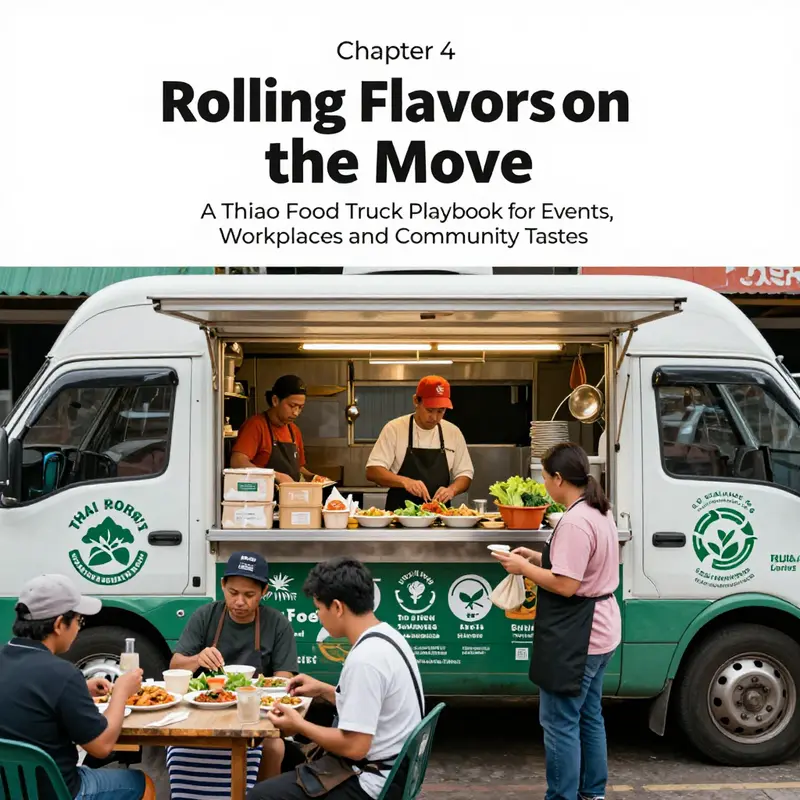
The Thai food truck movement travels more than miles; it travels cultures, neighborhoods, and ideas about how urban life should taste and feel. These mobile kitchens operate in public spaces where conversations, aromas, and the rhythm of daily life mingle. They are not merely places to eat; they are dynamic forums for social connection, cultural exchange, and shared memory. A street-side cook can transform a simple commute into a brief cultural encounter, inviting passersby to pause, sample, and listen to stories carried in steam and spice. In this sense, Thai street food on wheels becomes a living archive of regional flavors, a rolling classroom where the past and present converge in the act of feeding strangers who might become neighbors, patrons, or friends. The trucks move through markets, transit hubs, and residential lanes, punctuating the city with bursts of color, sound, and scent. The result is not only a meal but a social ritual that strengthens neighborhood bonds and broadens the reach of Thai culinary heritage beyond any fixed restaurant door.
Culturally, these trucks are storytellers whose dishes carry centuries of regional variation. The country is a tapestry of culinary zones, from the fiery curries of the northeast to the bright balance of central Thai cuisine. The mobility of the trucks allows a wide audience to encounter these flavors without a passport or a reservation, creating a shared culinary language that bridges urban and rural divides. The informal setting—customers standing at a compact counter, music or chatter mixing with the hiss of a wok—fosters spontaneity and innovation. Yet even as new ideas surface, the respect for tradition remains evident. Cooks draw on time-honored techniques, adjust intensity to local tastes, and improvise with seasonal produce. This dynamic tension between experimentation and authenticity keeps the street food scene fresh while preserving a sense of cultural lineage. In parallel, sustainable farming initiatives in rural areas offer a practical model for how cultural preservation can intersect with ecological stewardship. Banana cooperatives and similar smallholder networks encourage eco-friendly practices, fair pricing, and resilient supply chains, ensuring that the cultural appeal of Thai street food does not come at the expense of farmers or the land. These interconnected threads—storytelling, regional pride, and responsible sourcing—help define the social contract of a mobile food culture that travels with the city rather than staying pinned to a single location. The result is a unique urban ecosystem where culinary heritage is not fossilized in a museum but actively lived and refreshed in daily interactions.
Labor dynamics within the street food sector reveal a blend of independence and precarity. Many operators are self-employed, choosing the freedom to set hours, menus, and locations. Yet long hours, exposure to weather, and the absence of robust social protections can erode that freedom over time. The people who prepare and serve these meals are artisans who must balance speed, safety, and flavor in a compact space. Their well-being matters not only to their own dignity but to the quality and consistency of the food and the experience at the window. Good labor practices—clean, safe working environments; fair compensation; and access to training and apprenticeship opportunities—are foundational to the sector’s long-term vitality. When workers feel respected and protected, service improves, communities trust the trucks, and the trucks gain reputations for reliability and care. Cooperative models, where workers participate in decision making and share in the success of the operation, offer promising paths toward equity without sacrificing entrepreneurial energy. This approach aligns with broader movements in urban food systems that recognize the interconnectedness of people, place, and product. The challenge is to translate flexibility into security: flexible scheduling paired with predictable protections, flexible learning paired with formal training, and flexible ownership paired with social benefits. The path toward dignity and safety for all workers—cooks, prep staff, and delivery personnel alike—becomes not a side note but a central pillar of a just and sustainable street food economy. In practice, that means clear health and safety standards, transparent wage practices, and accessible pathways for professional growth that respect cultural expertise and individual aspirations.
Sustainability practices are no longer add-ons but integral to the street food ethos. Operators increasingly adopt eco-friendly packaging, minimize waste through precise inventory and portion control, and prioritize locally sourced ingredients that support nearby farmers and reduce transport emissions. The circular logic of sustainability fits neatly with the improvisational character of street food: a chef can adapt menus to what is available, cut waste by using every part of an ingredient, and communicate transparent values to customers who are increasingly attentive to environmental impact. In Thailand and beyond, the connections between street food and sustainable agriculture extend beyond packaging and waste. They involve community-led efforts to revitalize neglected spaces, create urban farms, and establish cooperative networks that enhance resilience and reduce environmental degradation. While these efforts are rooted in distant projects and research, their lessons are palpable on a city block: when a street food operation aligns with local ecological and social systems, the success of the business and the health of the community reinforce each other. The concept of shared benefits is especially powerful when it comes to farmers, whose livelihoods become more stable through cooperative models, and when urban dwellers gain reliable access to affordable, culturally meaningful meals that reflect their neighborhoods and histories. This holistic approach produces benefits beyond a single meal: it nurtures an ecosystem where culture, labor, and the land support one another, turning a street corner into a site of communal well being rather than just a place to eat.
The social impact of Thai street food trucks, then, is a story of inclusion and exchange. These mobile kitchens democratize access to flavor-rich experiences, inviting people from diverse backgrounds to participate in a shared culinary moment. They can help bridge gaps between megacities and more rural communities, allowing ideas about food, family, and technique to travel together with the trucks themselves. Public spaces become laboratories for collaboration, where customers contribute to co-design processes by giving feedback on spice levels, portion sizes, and even the pacing of service. In this sense, the street becomes a living classroom, and the kitchen a workshop where tradition and innovation meet in real time. The model also invites designers, policymakers, and researchers to imagine new ways to support these enterprises without erasing their informal, adaptable nature. Participatory approaches, similar to those studied in urban sustainability projects, can empower communities to co-create spaces that are welcoming, vibrant, and productive. A key ingredient is a generous view of what labor and ownership can look like in this sector. When workers own part of the venture, or when riders and cooks participate in training and governance, the trucks become not only engines of culture but also engines of social mobility. The net effect is a more inclusive urban culture where street food is not a fringe activity but a central thread of city life.
For readers seeking practical pathways to engage with this world, a starting point lies in understanding branding as a bridge between culture and commerce. A strong visual and service identity can amplify the storytelling embedded in each dish, helping a truck communicate its regional roots, ethical commitments, and culinary technique with clarity and warmth. A thoughtful approach to branding respects tradition while inviting new audiences to participate in the experience. This is where the idea of branding on wheels becomes crucial; it is not merely about logos or colors, but about conveying a narrative that resonates with customers while honoring the people who create the food. See how identity on a mobile platform can translate complex values into approachable experiences; the right design communicates lineage, quality, and accessibility in one glance. For readers curious about practical steps, the linked guide on food truck branding offers a synthesis of aesthetic choices and operational considerations that support cultural storytelling and customer trust. branding on wheels: the ultimate guide to food truck graphics and identity
External resources underpinning these reflections point to broader conversations about sustainable farming partnerships, worker welfare, and community-led urban design. They remind us that the street food phenomenon is not isolated to a single city or street corner but is part of a global conversation about how food, labor, and locality can co-create resilient urban ecosystems. External reading can deepen understanding of how grassroots collaborations and cooperative models contribute to stability and opportunity in food supply chains. For a comprehensive exploration of these themes, see the external resource linked below. https://www.sciencedirect.com/science/article/pii/S235255412500089X
Rolling Flavor, Global Stage: The Rise, Platforms, Festivals, and Future of Thai Food on Wheels
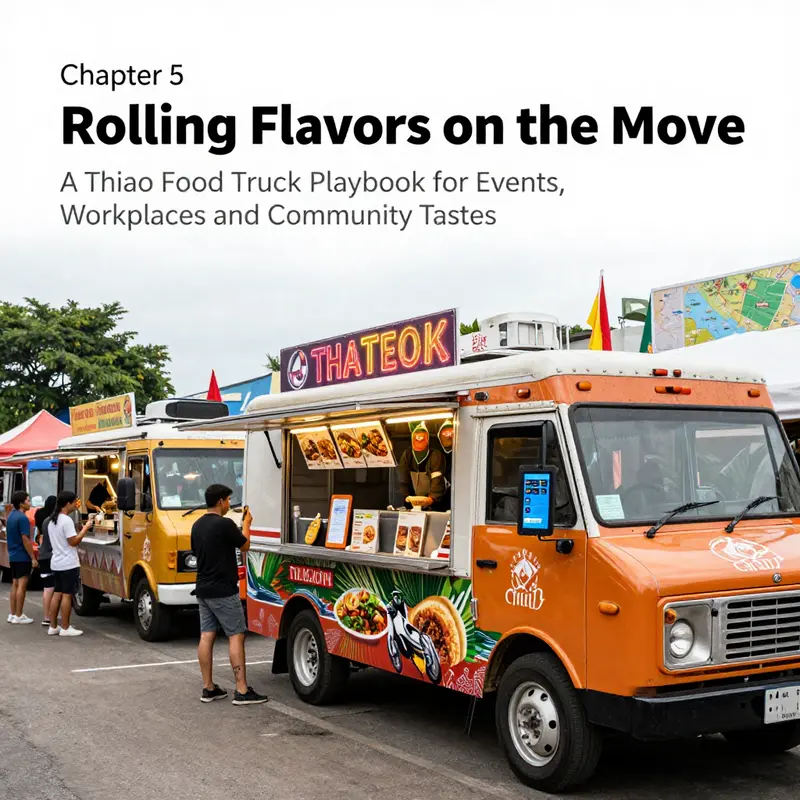
A Thai food truck is more than a kitchen on wheels. It is a mobile stage where tradition and experimentation meet street-level access. These round-the-clock kitchens travel through neighborhoods and festivals, turning urban corners into temporary dining rooms and cultural classrooms. The experience is designed to be immediate: the crackle of sizzling wok, the scent of lemongrass and garlic, the sight of bright chilies brightening a crowd, and the hum of conversations that arise when strangers share a single plate and a single moment. In this sense, the Thai food truck has become a moving ambassador for a cuisine known for balance, spice, and balance again—sweet, sour, salty, and hot all at once. The form invites a kind of theater where cooks perform, patrons participate, and memories form not just around a meal but around a shared sensory journey. It is street food reimagined for the pace of modern life, where authentic flavor is delivered with speed, warmth, and a sense of place.
Across major cities and emerging capitals alike, the Thai food truck scene has begun to fuse time-honored techniques with global creativity. The trend leans into a dynamic fusion: traditional flavors meet local ingredients, and bold methods meet compact, efficient kitchens. This evolution is underscored by a growing recognition from government and tourism bodies that street-level dining can be a powerful magnet for visitors. When a mobile kitchen becomes part of the city’s tourist map, it offers an intimate, spontaneous encounter with a culture that can feel distant in formal restaurants. In Bangkok, the energy of Yaowarat Road’s street food culture travels with the trucks as they set up in international markets, bringing a spark that resonates with both locals and travelers seeking authentic experiences. The result is a culinary conversation that travels with people as they move, creating hybrid stories about place and palate rather than simply passing through them.
A crucial driver of this growth is the convergence of platform and palate. Digital tools have turned the Thai food truck from a door-to-door curiosity into a scalable, multifaceted business model. Delivery apps, social media, and real-time location updates let operators test menus, gauge demand, and shift routes with agility. The menu, once a fixed signature from a single street corner, now becomes a flexible slate for experimentation. Operators can introduce a spicy, vegetable-forward option in one quarter and a milder, protein-focused version in another, all while maintaining core identity through color, tag lines, and packaging that signal Thai authenticity. This digital ecosystem also supports brand loyalty. Customers who crave the distinctive peppery aroma and crisp textures can follow a truck’s route, order ahead, and collect rewards. The result is a blend of spontaneity and reliability that suits both festival crowds and busy city dwellers who want a quick yet meaningful meal.
Even the broader cultural imagination has begun to take note. Popular media and gaming culture reflect a growing curiosity about the entrepreneurial journey behind mobile kitchens. Games that simulate food truck management—planning routes, balancing budgets, and adapting menus to local tastes—mirror the real-world challenges operators face. These virtual experiences normalize the idea that a small kitchen on wheels can become a serious business venture, a platform for storytelling, and a catalyst for cultural exchange. In parallel, the festival circuit remains a vital engine of visibility. Festivals offer concentrated moments when diverse communities converge, and Thai street food trucks can showcase seasonal specialties tied to festivals and rituals. The festival environment magnifies hospitality, with cooks inviting audiences to experience dishes in bite-sized portions that encourage sampling and conversation. It is here that a simple bowl can become a doorway to understanding a culinary tradition, and a playful dish can invite questions about history, trade, and daily life in Thai communities.
If the festival and cityscape provide the stage, location and localization supply the script. The ongoing dialogue between authenticity and adaptation is central to sustainable growth. Thai food on wheels now leverages partnerships with local farmers and producers to weave regional flavors into a universal narrative. Rather than simply exporting a fixed recipe, operators curate experiences that honor local palates while preserving the essential identity of Thai cooking. This means offering adjustable spice levels, providing options for plant-based diners, and presenting combos that pair familiar local grains or vegetables with Thai techniques. It is a careful balance: celebrate regional taste and texture while maintaining the core textures and aromas that define the cuisine. In practice, this translates to menus that can be refreshed with minimal waste, packaging that is durable and recyclable, and kitchens designed for energy efficiency. The aim is to create a mobile dining system that respects the environment as much as it respects the customer, a consideration increasingly central to audience expectations and regulatory norms.
The future of Thai food on wheels also hinges on deliberate localization and scalable design. A growing number of operators treat the truck as a flexible platform rather than a single-purpose vessel. This mindset unlocks a sequence of practical advantages: modular equipment that can be updated as technology and tastes shift, robust supply chains aligned with seasonal availability, and branding that travels as easily as the truck itself. To translate flavor into a sustainable enterprise, operators are embracing durable, eco-friendly materials for both construction and packaging. They are adopting energy-efficient kitchen equipment and waste reduction strategies, so the footprint of each mobile kitchen becomes lighter over time rather than heavier with every new location. In this frame, local adaptation does not mean dilution; it means informed curation—crafting menus that nod to local markets while keeping a recognizable cadence of Thai cooking that travelers and locals can trust.
Tourism and urban development writers have highlighted the strategic value of food trucks as part of the cultural economy. When authorities in Thailand and beyond promote mobile dining as a tourism asset, they acknowledge that the experience extends beyond a meal. A truck can be a gateway to a neighborhood, a way to spur foot traffic for nearby vendors, and a micro-lab for culinary tourism. The mobility of these kitchens makes them adaptable to events, markets, and festivals where a city’s story is told through textures, colors, and sounds as much as through monuments and galleries. In practice, this means trucks become itineraries in motion—curated experiences that invite visitors to linger, taste, and learn. In turn, local restaurants, markets, and cultural centers may benefit from spillover traffic, as curious foodies seek a broader portrait of Thai cuisine and its regional variations.
To ensure the narrative stays cohesive across spaces, many operators invest in the visual language that travels with the truck. A strong, consistent identity helps customers recognize quality across neighborhoods and continents. The branding on wheels—the graphics, typography, and color palette that travel with the vehicle—has become as important as the recipe itself. A well-designed truck can communicate warmth, precision, and a sense of play, inviting people to step closer and become part of the story. For readers curious about translating a mobile kitchen’s essence into a recognizable, lasting brand, there is a practical guide that dives into the elements of on-wheels identity and how to weave them into every touchpoint, from packaging to social media, within a global framework. branding on wheels: the ultimate guide to food truck graphics and identity.
As the street becomes a classroom and the kitchen a passport, the Thai food truck movement speaks to broader ambitions: hospitality as an engine of cultural exchange, entrepreneurial resilience as a form of storytelling, and sustainable practice as a non-negotiable standard. The push toward sustainable localization—creating menus that honor local flavors while preserving authentic Thai technique—becomes a blueprint for long-term growth. The approach requires listening to communities, understanding supply realities, and designing kitchens that can travel with minimal environmental impact. It also calls for a clear vision of how to scale without sacrificing quality. A scalable model might include tent-pole dishes that travel well, standardized cooking procedures to maintain consistency, and collaborative ventures that bring together farmers, cooks, and designers in a shared mission. In this sense, the Thai food truck is less a trend and more a mobile ecosystem—a living organism that adapts, travels, and evolves while keeping its core heartbeat intact.
For researchers and practitioners, the implications are tangible. The street-food-on-wheels phenomenon offers a case study in how culinary culture, urban development, and digital platforms intersect to shape tourism and local economies. It demonstrates how people respond to accessible, authentic experiences in an era of rapid mobility and global connectivity. It also reveals the delicate balance required to maintain authenticity when expanding into new markets: listening to local tastes, honoring traditional methods, and choosing collaborations that respect the origins of the cuisine. The result is not just a larger audience, but a richer conversation about what Thai food means when it travels—from Yaowarat to Brussels, from Bangkok markets to a festival square in a distant city.
External context can deepen this understanding. For readers seeking a broader perspective on how national strategies are shaping food-truck growth and tourism, recent coverage highlights that Thai authorities are positioning mobile dining as a strategic lever for visitor activity and regional development. This framing helps explain why the sector is receiving attention from policymakers, economic developers, and cultural institutions alike. It also clarifies why the on-wheels model matters beyond the plate: it is a way to connect people to places, stories to senses, and communities to shared meals in a format that respects both speed and humility. For a wider context, see the following external resource: https://www.reuters.com/business/industries/thailand-eyes-food-trucks-new-tourism-trend-2023-03-12/
Final thoughts
A Thai food truck is a dynamic integration of authentic cooking, smart operations, and community engagement. When designed with on-board efficiency, clear economics, compliant deployment, and a commitment to cultural respect and sustainability, it becomes more than a meal on wheels—it becomes a movable cultural experience that travels to events, workplaces, and neighborhoods, enriching guests’ senses and connections. By embracing five interconnected pillars—technology, economics, regulation, social impact, and evolving trends—event organizers and communities gain a reliable, scalable way to share bold Thai flavors while honoring local contexts. The result is a flavorful, responsible, and memorable gathering that leaves guests inspired and coming back for more.