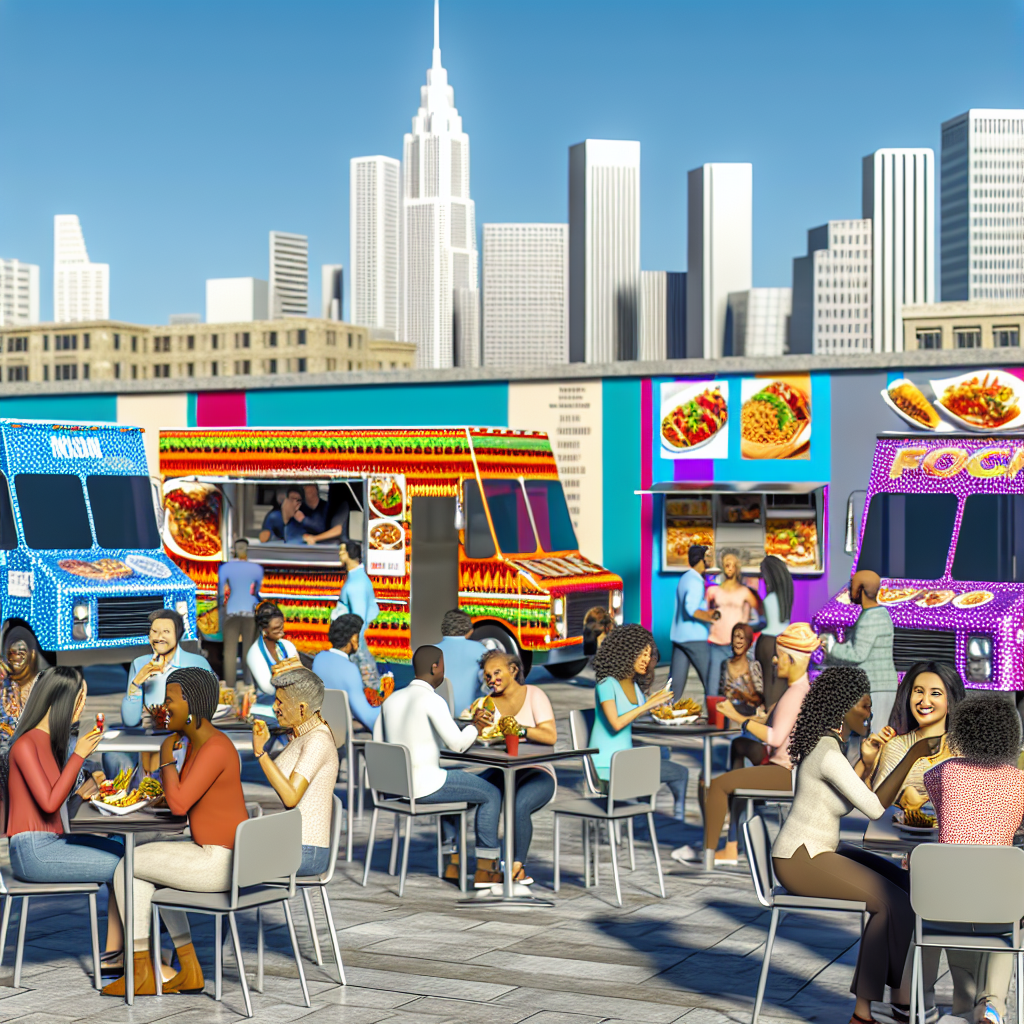
From bustling campus gatherings to international conferences, food trucks have become mobile anchors for communities and brands alike. They bring flavor, energy, and a sense of discovery—right to the doorsteps where people gather, collaborate, celebrate, and learn. For event planners and organizers, HR and admin teams coordinating retreats, community groups rallying for a neighborhood festival, or individual food enthusiasts chasing new tastes, the wide world of mobile kitchens offers options that fit every palate, budget, and setting. The challenge is less about choosing a single option and more about pairing the right mix of trucks with the moment, the venue, and the audience.
This guide explores what kinds of food trucks are there, organized into four chapters that map the landscape from core categories to on-trend innovations and the economic realities under the hood. Chapter 1 introduces the core categories and iconic examples—pizza, burgers & hot dogs, Mexican & Latin—so planners can quickly identify proven crowd-pleasers and plan a balanced lineup that resonates with diverse groups. Chapter 2 shifts to desserts, coffee and beverages, and niche innovations that surprise guests and elevate service at late-night or family-friendly events. Chapter 3 dives into Asian and fusion trends, a space where cross-cultural offerings create new experiences, snackable moments, and collaborative menus that spark conversations. Chapter 4 pulls back the curtain on the business side: the infrastructure, licensing and permits, equipment needs, logistics, and global market dynamics that determine what can be delivered, where, and how sustainably.
As you read, think about your stakeholders: event attendees seeking memorable flavors, corporate teams aiming for efficient catering with a twist, local communities building inclusive evenings, and food lovers hunting for bold, shareable bites. Each part of this article is designed to help you translate taste into planning decisions—whether you’re curating a one-off festival, orchestrating a multi-day conference, or running a community market that needs reliable partners. Together, the four chapters form a practical map: from familiar favorites that draw a crowd to innovative concepts that spark curiosity, and finally to the economic forces that enable reliable, scalable mobile dining across neighborhoods and nations. Let’s explore what kinds of food trucks are there and how to choreograph them into events that feel effortless, festive, and delicious.
What Kinds of Food Trucks Are There? Core Categories and Iconic, Portable Cuisines that Define Street Dining
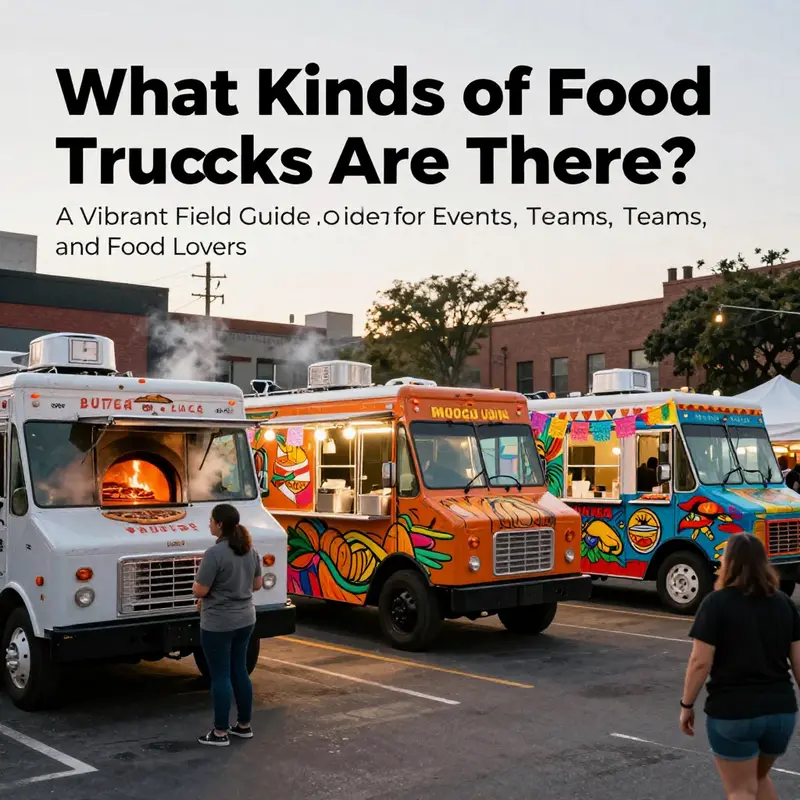
Across cities worldwide, food trucks have evolved from simple carts into a vibrant, portable map of taste. They travel light yet carry the luggage of a full kitchen—heat, aroma, and the promise of something freshly made in minutes. This chapter surveys the core categories that consistently anchor the food-truck world: pizza, burgers and hot dogs, and Mexican and Latin cuisine. These three groups endure because they balance high demand with practical lines of execution on wheels. They also illustrate how mobile dining can be both deeply traditional and unexpectedly innovative, a blend that keeps the street-food scene endlessly dynamic. The appeal starts with the menu and the method. A pizza truck, for example, brings a wood-fired oven or a compact pizza-making setup onto a trailer or truck chassis. The heat travels with it, so pies can exit the oven in minutes and be plated or sliced for customers at a showman’s pace. The core advantage is immediacy: a customer orders, a pie finishes, and the scent of baking crusts becomes the advertisement. The equipment, while compact, is engineered for reliability under a traffic-choked schedule, and cooks learn to optimize dough readiness, topping assembly, and heat zones to maintain consistency from one service to the next. In practice, a pizza-focused mobile kitchen may prioritize a stone or brick oven setup, steel decks for quick turnover, and a precise venting system to manage smoke. It is this combination of craft and efficiency that allows a small, technically lean unit to deliver a menu that feels both artisanal and accessible. The experience is as much about the sensory register as the food itself: the crack of a perfectly blistered crust, the scent of molten cheese, and the spectacle of a pie sliding from oven to slicer to plate in a continuous, almost ritual rhythm. The same logic applies to burgers and hot dogs, another core pillar of street dining. A burger truck typically centers on quality ingredients, precise grill work, and a set of signature sauces that distinguish it from the crowd. The equipment may be a flat-top griddle or a high-heat grill, paired with fryers for a side and a compact prep zone to assemble toppings. The menu often evolves with the seasons or with chef-driven experiments, but even an ever-changing lineup can maintain a throughline: a focus on texture, temperature, and a bun that complements the patty rather than simply holding it together. A well-executed burger on wheels leans into contrasts—smoky, caramelized, bright, and umami-rich—so customers feel a tactile and emotional pull in every bite. Even when the burger truck leans toward novelty, it tends to anchor its identity in a few core flavors, a strategy that makes the line moves predictable for the crew and the appetite consistent for the customers. Hot dogs, meanwhile, offer a canvas for creativity within a familiar framework. A dedicated hot dog operation can surprise with inventive toppings, or it can lean into regional classics and veteran comfort while maintaining a lean mise en place. The practical advantage of hot dogs is their portability: a good dog travels well, stays warm, and can be dressed in a dozen ways without complicating the prep workflow. A successful hot dog truck often pairs a few standout condiments with a core bread-and-sausage pairing, allowing the operator to deliver a crisp, recognizable product with minimal wait time. The third front in this trio, Mexican and Latin foods, brings a different kind of efficiency and a different palette of flavors that translate especially well to mobile service. Tacos, burritos, quesadillas, and other handhelds lend themselves to a streamlined assembly line where tortillas are warmed, fillings are portioned, and sauces or salsas are added with a measured hand. The cultural repertoire behind this category is rich, drawing on regional traditions from across Mexico, Central America, and portions of South America. A notable strength of Latin street fare is the emphasis on fresh ingredients and vibrant contrasts: tender meat or vegetables with bright herbs, acidity from citrus or pickled accompaniments, and a interplay of soft and crisp textures in every bite. In a well-run taco truck, flour or corn tortillas heat on a grill or comal, fillings are prepared in advance or on the move, and toppings—like cilantro, onions, lime, and salsa verde—provide a bright, immediate lift that customers can tailor to their taste. The portability of these dishes makes them a natural fit for a rotating schedule, pop-up locations, and events where variety and speed prove decisive for turnout. The cultural gravitas of this category also translates into storytelling—the vendor who can articulate a recipe, a regional technique, or a family tradition often earns loyalty that goes beyond a single bite. Beyond these three pillars lies a broader family of mobile kitchens that share the same DNA: mobility, speed, and a commitment to flavor that can travel across neighborhoods, fairs, campuses, and corporate campuses. Dessert and ice cream trucks, for instance, transform sweetness into a portable ritual, using compact freezers, soft-serve machines, and candy or donut lines that ride along with the main kitchen. Asian and fusion trucks expand the map with ramen, bao buns, sushi rolls, and Korean barbecue-inspired offerings, demonstrating how global flavors adapt to the constraints and opportunities of a rolling kitchen. Specialty and niche trucks push the envelope even further, repurposing vehicles as thematic canvases—a crepe truck might ride on a vintage fire engine, offering sweet and savory crepes with a theatrical touch; a shipping-container-based unit can house a Neapolitan-style pizza operation with a precision-focused workflow and a striking, modular silhouette. Each of these variants shares a core logic: the food must be approachable in a handheld format, cook quickly, travel well, and remain visually compelling. The economic calculus behind this spectrum is equally consistent. The most successful mobile kitchens balance equipment costs with service speed and menu breadth. A compact unit may excel in high-volume urban environments if it can produce a steady, repeatable product in short windows. A more ambitious unit—perhaps built into a repurposed vehicle or a custom frame—can offer a broader menu, a stronger brand presence, and a singular customer experience, but it will demand more planning around maintenance, fuel efficiency, and regulatory compliance. This is where the practical, day-to-day decisions intersect with the artistry of the menu. For operators, the choice of category often reflects questions about space, equipment, and the kind of customer they want to attract. A pizza-focused operation, for instance, may appeal to readers who crave a fast, shareable, shareable experience with a strong visual element—the oven flame, the pie’s crust, the moment of slicing—that can drive social media attention as well as foot traffic. A burgers-and-dites approach may suit those who want to experiment with toppings, textures, and specialized buns, offering a fingerprint that can travel just as easily as the truck itself. The Latin and Mexican lanes invite a direct conversation about culture, memory, and flavor, with an emphasis on freshness and a sense of place that can humanize the mobile kitchen in a way that resonates across age groups and neighborhoods. The common thread across all three core categories is a blend of authenticity, speed, and adaptability. These trucks exist in a space where crowd dynamics, weather, and local regulations shape every decision. They must be resilient—able to park, operate, and move on schedule—and they must remain compliant with health codes and safety standards that govern portable kitchens. The interplay between menu planning and logistics becomes a core skill: how to keep ingredients fresh in a limited cold chain; how to stage a service so everyone on the crew has a clear, repeatable rhythm; how to manage waste, fuel, and utensil flow without interrupting the line. Operators nurture a sense of theater around their craft, not as flashy showmanship but as a demonstration of competence—how quickly dough rests, how sauces emulsify, how toppings are layered to achieve flavor and balance in every bite. This chapter’s focus on the three primary categories is not a narrowing of the field but a lens through which to view the broader street-food ecosystem. The same principles apply to the dessert, beverage, and fusion niches that often accompany the core offerings. Dessert trucks may rely on a quick-cook pastry or a frozen treat that travels well and compels impulse purchases. Beverage trucks center on efficiency, with espresso equipment or blending stations that can deliver a quick caffeine fix or a refreshing beverage during every shift. Fusion and specialty concepts push creative boundaries, testing new flavor pairings and cross-cultural techniques within the constraints of a mobile footprint. For those who want to plan a venture with a practical edge, the question of model design becomes central. The choice between a standard, ready-to-use unit and a fully custom build can define not only cost but also the speed to market, the ability to scale, and the long-term resale value of the business. A practical starting point is to study how different configurations affect throughput and maintenance, then align the kitchen layout with the intended menu. A compact, high-velocity setup built for a narrow footprint may yield higher throughput in crowded urban settings, while a larger, more modular design may offer flexibility to expand the menu or adapt to seasonal events. The decision is not just about today; it is about laying a foundation that can evolve with demand, regulations, and a changing cityscape. Those who embark on this path should consider how their chosen category translates into branding, service style, and customer relationship. A pizza truck’s identity might lean on aroma, flame, and a crisp crust; a burger truck might center its image on quality ingredients and bold sauces; a Latin truck could emphasize freshness, color, and a sense of regional pride through its toppings and tortillas. Each identity reinforces the narrative that the food truck offers more than a meal; it offers a moment, a memory, and a connection to place. In the end, the core categories—pizza, burgers & hot dogs, and Mexican & Latin—provide a reliable compass for both newcomers and seasoned operators. They map onto a shared reality: street food remains one of the most efficient expressions of culinary craft when it travels. The vehicles are as important as the recipes, and the performance on wheels is a direct extension of the chef’s or operator’s ambitions. If you want to explore beyond the basics, you can think of the broader ecosystem as a living ecosystem of flavors intersecting with mobility, urban space, and consumer appetite. The fundamental logic stays intimate and practical: a well-chosen category paired with a thoughtful kitchen design can deliver consistent quality in minutes, attract curious passersby, and convert casual interest into repeat visits. For those who want to dive deeper into the practicalities of choosing the right equipment and layout to support a chosen category, see Choosing the right food truck model. This path can help translate culinary vision into a mobile operation that is durable, scalable, and capable of turning a simple bite into a personal experience. As part of the broader field, these core categories anchor an evolving street-food culture that continues to adapt in response to urban rhythms, consumer curiosity, and the creative energy of cooks who see the street as a stage and the cart as a compass. External trend perspectives help place this local, street-level craft in a wider frame; for a broader look at how street-truck dining is evolving, see https://www.foodandwine.com/food-trucks-2023-trends
Sweet Wheels, Bold Brews, and Bold Concepts: Desserts, Coffee & Beverages, and Specialty/Niche Innovations on Mobile Kitchens
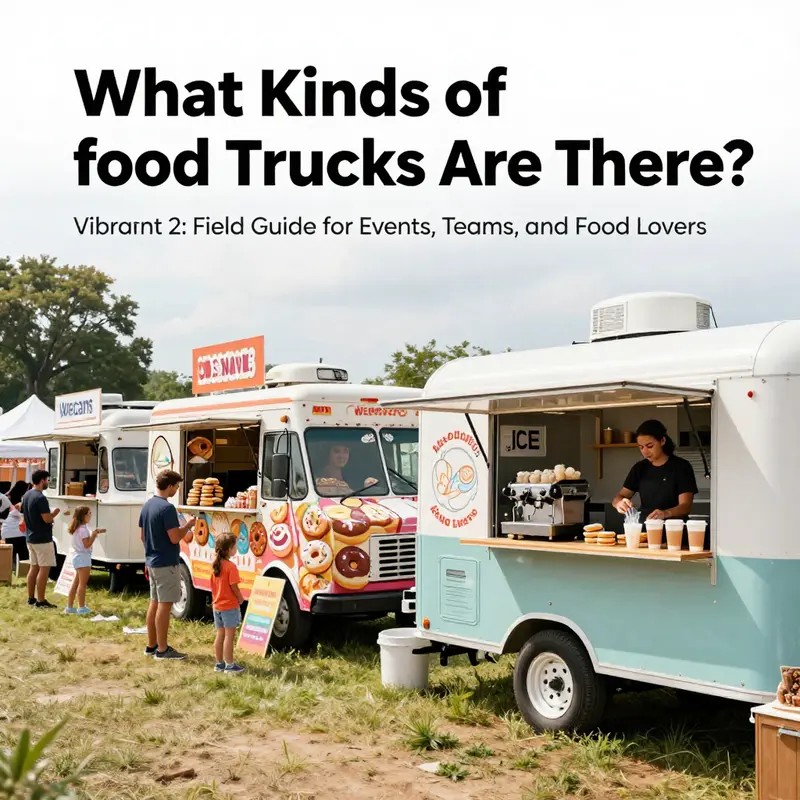
Across the spectrum of food trucks, dessert-focused concepts, coffee and beverage hubs, and specialty or niche innovations form a distinct and increasingly influential strand. They trade on sensory delight, visual appeal, and the thrill of novelty, all while operating within the same urban ecosystems that power pizza carts, burger wagons, and Latin street vendors. This chapter follows that thread, exploring how mobile dessert purveyors turn comfort into spectacle, how coffee and beverage trucks convert caffeine into portable rituals, and how niche concepts push the boundary with creative forms, equipment, and storytelling. The narrative is less about a catalog of offerings and more about the underlying rhythms—how these trucks design experiences, manage logistics on tight city streets, and build brands that resonate with festival crowds, office workers, and neighborhood wanderers alike. In doing so, it also hints at the practical considerations behind choosing such paths, including equipment needs, permits, and the delicate balance between quality and speed. For readers seeking deeper guidance on the practicalities of choosing a vehicle, a linked resource below points toward a framework that many operators use when mapping a concept to a workable chassis.
Dessert trucks, at their best, fuse indulgence with artistry. They don’t merely offer a fried snack or a sugar hit; they curate a set of experiences that customers photograph, share, and remember. The core appeal is the promise of an elevated sweet moment delivered in a portable, high-energy package. Deep-fried desserts and treat-based temptations—think fried doughs, churros, donuts in bite-sized forms, and the like—have found a robust home on wheels. This is not just about repetition; it’s about pushing culinary boundaries within the constraints of a mobile kitchen. A single menu item can become a signature through texture, temperature contrast, and a savvy topping plan.chalk-white powdered sugar dustings, glossy chocolate drizzles, and ribbons of dulce de leche, for example, can transform a humble fried treat into something that reads as premium in a crowded street lineup. The culinary opportunity here is not only to satisfy a craving but to craft a moment that invites a pause, a photo, and a shareable memory.
What makes mobile dessert concepts stand out is their ability to negotiate improvisation and refinement in the same breath. A truck can experiment with fry oil temperatures, batter formulations, or the balance of sweet versus savory accents while still delivering a consistent customer experience. The portability of the format means a cart can adapt to festival stages, outdoor markets, and campus clusters, but it also demands discipline. The menu must be engineered for speed and reliability; the kitchen flow should minimize cross-contamination risks and oil waste, and the equipment must be rugged enough to weather the urban logistics of power, water pressure, and drainage. Yet when these constraints are met, dessert trucks become event magnets. They anchor lines at parades, fairgrounds, and nightlife corridors where sugar cravings align with social energy. The visual identity—the color palette of the truck, the font on the menu, the gleam of the toppings—becomes part of the dessert’s storytelling, inviting guests to share their moments online and in person alike. The result is a performance as much as a product, a slice of street culture that feels both nostalgic and modern.
The beverage and coffee segment has its own tempo. Coffee trucks operate with the precision of a micro-cafe, equipped with espresso machines, grinders, milk systems, and cold-brew or nitro taps if space allows. Even in a compact footprint, these units can create the sense of a full-service cafe on wheels. Baristas, carefully trained in latte art and flavor profiling, craft beverages that travel well and hold up as crowds surge. The challenge here is not merely to brew good coffee but to design a workflow that sustains speed and quality from dawn through dusk. Efficient order flow, heat retention, and clean water management become as important as the roast level. Some operators pair coffee with complementary options—handmade pastries, bite-sized cookies, or small-plate bites that provide contrast to the coffee experience—so the customer’s route through the truck feels intentional and satisfying. And there’s a social dimension to coffee-on-wheels that mirrors the broader coffee culture: a sense of neighborhood hub, a place to pause during a commute, or a spot to meet before a concert. The portable cafe thus doubles as a mobile social space, a subtle claim on urban time and attention.
Dietary preferences and dietary flexibility have become central to the coffee-and-desserts equation as well. Plant-based milks, gluten-conscious batters, and allergen-aware production practices are no longer niche demands; they are baseline expectations in many markets. A well-designed dessert or beverage menu will reflect this, offering options that feel curated rather than improvised. The design of the truck’s interior supports this ethos: modular storage for dairy alternatives, clearly separated prep areas, and labeled equipment to prevent cross-contact. The on-truck testing ground for new ideas becomes a way to gauge what resonates with people who are often open to trying something new, but who also expect reliability and hospitality from a small team running a mobile kitchen.
Beyond sweets and coffee, niche and specialty concepts expand the imagination of what a truck can look like and how it can operate. The most compelling examples in this category push the vehicle itself into the storytelling. A truck built on a historically themed chassis or one housed in an unusual body type—such as a converted fire engine or a shipping-container module—becomes a living stage for the cuisine it serves. The appeal is not merely culinary novelty; it is a message about creativity, craft, and the willingness to reframe a transportation asset as a culinary instrument. These concepts underscore a larger truth about mobile food: the journey to the customer is part of the flavor. A crepe truck built into a compact, modular unit may feature a vertical cooking stack, enabling the operator to prepare both sweet and savory crepes with speed. A different concept might showcase an artisanal pastry lineup on a rotating display, with the vehicle designed to maintain pastry integrity through heat management and humidity control. In each case, the focus is on delivering a coherent tasting narrative that can be understood at a glance, even from a passing street view or a bustling festival line.
Operationally, the success of dessert, coffee, and niche trucks rests on careful orchestration. The core workflow—from order intake to food production to pickup and payment—must be tight, visible, and simple enough for a fast-moving crowd. The staff’s ability to communicate efficiently, handle high volumes, and maintain clean stations translates into customer trust and repeat business. In practice, this means a well-planned layout with distinct zones for beverage production, dessert assembly, and behind-the-scenes tasks like oil filtration or waste disposal. Visibility also matters: customers often judge quality by what they see. A display of glossy toppings, sizzling fry stations, and steaming espresso cups creates an appealing theatre that invites eye contact, conversation, and a sense of connection. The most successful trucks balance showmanship with sustainability—minimizing waste, optimizing ice and water use, and choosing eco-friendly packaging that aligns with the customer’s expectations for responsibility as well as indulgence.
All of these considerations feed into a wider conversation about how to position a dessert, beverage, or niche truck within a broader strategy. A successful concept isn’t just about a single menu item or a flashy vehicle; it’s about the alignment of concept, equipment, location, and audience. Operators who map their menu to specific settings—festivals with tight traffic flow, office parks with predictable lunchtime surges, or nightlife corridors with high foot traffic—tend to see more stable revenue streams. The ability to adapt to weather, seasonality, and event calendars is equally critical, since these factors influence what customers are seeking and what an operator can produce efficiently. This adaptability is often supported by modular equipment choices, scalable menu items, and a workforce trained to pivot quickly between different service formats—counter service, booth-style presentation, and mobile pickup windows.
From a strategic perspective, one practical step for readers who are considering entering this space is to study the broader ecosystem around mobile food. The literature on dessert and beverage trucks emphasizes not only culinary creativity but also the importance of a disciplined business framework. This includes understanding the regulatory landscape, securing the necessary food service permits, and aligning with local health and safety standards. It also means planning financials with clarity: equipment costs, ongoing maintenance, insurance, fuel and power consumption, and depreciation. A thoughtful operator treats the mobile venue as a small, highly controllable business unit, one that can be scaled or reimagined as markets shift. For readers who want guidance specifically on selecting the right vehicle model and layout, a practical framework that many operators rely on can be found in the linked resource below, which offers a structured approach to translating culinary ambitions into a workable chassis. Choosing the Right Food Truck Model.
As the chapter into the wider world of mobile food continues, it’s worth noting how consumer expectations drive continuous innovation. The best dessert trucks are continually experimenting with texture, temperature, and aroma to create moments that delight the senses in multiple dimensions. The combination of a crisp exterior, a creamy interior, and a glossy finish of sauce or sugar can turn a simple treat into a memory. Beverage concepts invest similarly in texture and aroma—the ripple of a steam wand, the shine of a sugar-tweet on a cappuccino, the clink of ice against a glass—all elements that contribute to a sensory narrative customers return to. Niche concepts, meanwhile, lean into storytelling and identity. The truck becomes a moving exhibit of a culinary approach, a portable kitchen that communicates a philosophy through its design, its menu, and its sourcing ideas. In this way, these trucks aren’t just ways to sell food; they are mobile experiences that invite people to linger, photograph, and share their discoveries with friends and followers.
The interplay among desserts, coffee, and niche concepts also reflects a broader urban trend: food trucks are increasingly places where people gather to reconstruct their day around a focal, flavorful moment. A line at a dessert truck can double as a social scene, a short break in a busy schedule, or a chance to encounter neighbors and strangers who share an instant common language. A coffee truck can anchor a morning routine or become a post-work meetup point, a small ritual that signals permission to slow down and savor. Niche concepts, with their distinctive vehicle forms and highly curated menus, offer a form of cultural micro-tourism—a taste of a specific idea, era, or technique that travelers and locals alike are eager to experience on their own terms. Taken together, these facets illustrate how mobile food culture has matured into a sophisticated ecosystem that blends culinary craft, design, and community-building into a single, movable stage.
For readers who want to deepen their understanding of the dessert-truck segment, across markets and seasons, the latest insights emphasize both the durability of the concept and the need for continual evolution. The field keeps renewing itself with new toppings, new formats, and new ways to present familiar comforts in unexpected ways. It’s not just about fried or sugar-laden items; it’s about curating a sensory journey that feels fresh while still offering the nostalgic warmth that customers seek. The dialogue between tradition and innovation is particularly vivid in the way toppings, textures, and presentation evolve as technologies and palettes change. In coffee and beverage operations, the same tension exists—between the reliability of a trusted cup and the thrill of a new flavor frontier, such as experimental syrups or cold-weather variants that feel both familiar and surprising. And in niche concepts, the drive toward storytelling through design and function shows no sign of slowing, as operators continue to reimagine space, equipment, and function in ways that make a mobile kitchen feel like a curated venue rather than a mere cart.
The chapter’s arc comes full circle when we consider how this subset of food trucks links back to the broader landscape. Desserts, coffee, and niche innovations complement the more traditional staples by expanding the reasons people reach for a street-food snack in the first place. They transform a quick bite into an experience, a break into a memory, and a casual encounter into a moment that people want to capture and revisit. In the end, the appeal of these mobile offerings rests on three intertwined strengths: a high-caliber sensory product, an intimate and portable consumption environment, and a brand story that travels as well as the vehicle itself. The journey from concept to street presence is as much about the story you tell as the recipe you perfect. For readers ready to translate this into action, the next step is to align concept with capacity, identify the right location strategy, and design a system that sustains quality while creating the social bridges that make mobile food so compelling. The path is not a straight line, but it offers a clear way forward for anyone who wants to bring the sweet, the caffeinated, or the curiously innovative to streets near you.
External resource for deeper insights: https://www.foodtruckreport.com/dessert-food-truck-guide-2025/
Salt, Sizzle, and Street Crossings: Asian Fusion Trends on Wheels
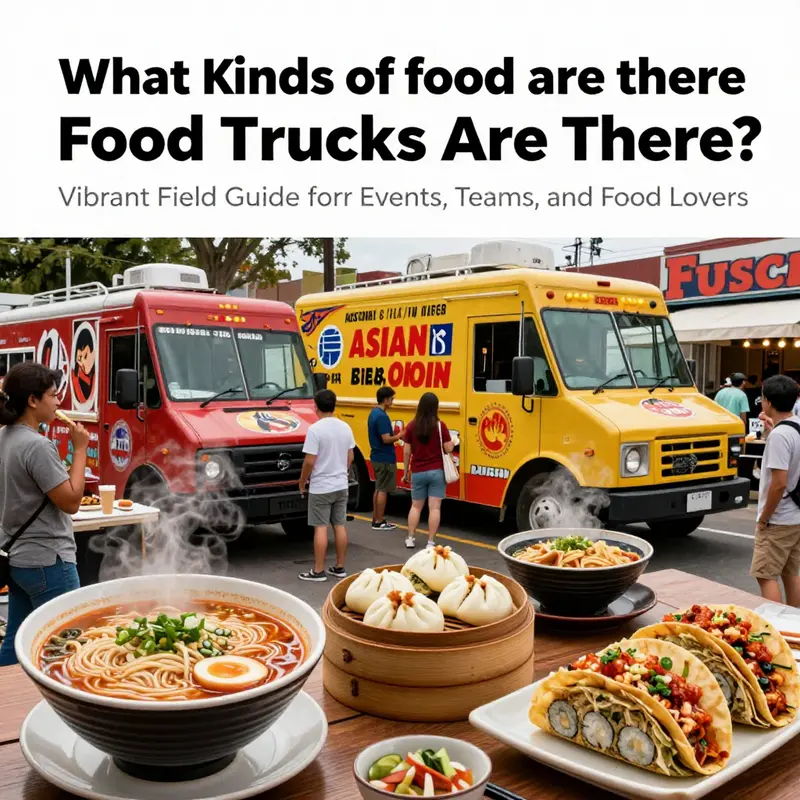
In the map of modern street food, food trucks have evolved from mere roving kiosks into micro-culinary laboratories where technique, texture, and tempo fuse with urban identity. Among the many currents shaping this landscape, Asian-inspired offerings stand out not only for their bold flavors but for the way they translate a broad spectrum of traditions into portable, craveable plates. A defining throughline in this chapter is the deliberate use of a robust salt-and-pepper foundation. Far from a mere condiment, this approach behaves like a culinary skeleton—one that lends structure to proteins, vegetables, and starches alike while inviting a playful taming of heat, sweetness, and aroma. In cities where culinary diversity is the default setting, the salt-and-pepper paradigm has become a shorthand for quick, satisfying flavor that still rewards curiosity. The trucks working this space are not chasing novelty for novelty’s sake; they are testing how far lean seasoning and precise technique can carry complex ideas from the wok, the grill, and the plant kitchen into the street. The result is street food that feels both rooted and revolutionary: comforting enough to be a regular, daring enough to spark a second visit for the next layer of taste.
This trend sits at a curious intersection of craft and accessibility. Operators lean into high-quality, locally sourced ingredients and then let the seasoning do the heavy lifting. A crisp, well-seasoned exterior on a protein, a bright, clean finish on a vegetable, or a simple starch that carries a subtle umami depth—all are amplified when the core seasoning is intentionally minimal yet radiantly effective. Salt becomes a signal, not a midfield player. It draws out natural sweetness, brightens acidity, and intensifies aroma without masking the ingredients’ intrinsic character. Pepper, in its many forms, answers with heat and zest, turning a familiar bite into something distinctly street-ready. This philosophy translates into menus that feel approachable to a broad audience while inviting repeat exploration, as guests learn to anticipate the way a simple dusting of pepper shifts a familiar dish into something with edge and personality.
Regionally, the salt-and-pepper ethos has become a hallmark of Asian-inspired street fare in major markets. It travels well in cities with dense, diverse populations where diners bring complex tastes and high expectations. The technique supports rapid execution without compromising depth, a crucial advantage for trucks that must balance speed with quality under pressure. Texture becomes a defining feature. A battered crunch on a bite-sized protein, a delicate lip of sesame oil at the finish, and a crisp-edged vegetable that carries a bright pickled note—all of these elements converge to create a resonance that feels both new and reassuring. The sensory experience is tactile as much as it is gustatory: the crackle of fried edges, the sheen of a well emulsified sauce, the tang of a citrus finish—each cue reinforcing the sensory drama that makes street food memorable.
Beyond technique, the pursuit of texture and balance is deeply tied to the cross-cultural dimension at the heart of Asian fusion. Fusion, in this context, means more than slapping two cuisines together. It means translating time-honored methods into a shared language that can speak to people from many backgrounds. A salt-and-pepper crust on a seafood bite might be paired with a lime crema and pickled onions in a taco format, a mashup that nods to Cantonese wok skill while embracing Latin street-food sensibilities. Similarly, a bun or tortilla can cradle tender bulgogi or pork infused with gochujang, accompanied by kimchi slaw and a bright herb oil. The effect is not confusion but conversation: each bite whispers a lineage while inviting a new interpretation. The result is a confident, tested menu that can travel from a bustling curb to a neighborhood market without losing its essence.
There is a quiet elegance in this approach. The emphasis on minimalist seasoning creates a broad canvas, allowing high-quality ingredients to shine while the kitchen’s technique provides the narrative. It is a chef’s invitation to savor detail: the precise moment a peppery sting meets a mineral savor; the way a soy-sesame glaze clings to a protein just long enough to yield a satisfying chew; the way a pickle or citrus tang cuts through richness to reset the palate. The trucks that master this balance cultivate a perception of craftsmanship that feels accessible. Diners sense that the cooks know their vegetables, their proteins, and their sauces—and that the entire operation is designed to showcase those elements in the clearest possible light. The minimalist frame becomes a virtue, enabling cooks to tell stories through texture, aroma, and clean contrasts rather than through overwhelming complexity.
A closer look at the cross-cultural patterns reveals a few reliable pathways by which Asian fusion street fare travels and transforms. One enduring pattern blends East Asian techniques with Caribbean, Latin American, or Southern U.S. flavors, not as a gimmick but as a culinary conversation where each partner keeps a recognizable identity intact. Imagine salt-and-pepper shrimp or chicken prepared with Cantonese stir-fry precision, then paired with toppings like pickled red onions, lime crema, and a soft tortilla or crisp taco shell. The result is a dish that reads as both familiar comfort and adventurous bite—a street-food synthesis that can be labeled quickly in a single sentence yet reveals layers in every mouthful. Another trajectory centers on Korean-inspired profiles—bulgogi or kalbi with a gochujang punch—merged with burrito textures, kimchi slaw, or even a Southern-barbecue-inspired glaze. These combinations speak to urban identities where fast-casual or street formats become home for a broader palate. They reflect how city dwellers use food as a passport, sampling global notes in a single, portable experience.
What makes these trends sustainable in the long run is their emphasis on ingredient integrity and the human scale of the kitchen. The salt-and-pepper foundation invites cooks to lean on quality produce, responsibly raised proteins, and house-made sauces that are simple yet expressive. When a sauce is built around a core of miso, sesame, citrus, and a touch of heat, it can be used across a range of proteins and vegetables with minimal labor and maximum effect. House-made toppings—like a bright herb oil, a quick pickled onion, or a tangy lime-based finish—offer the chef a small but mighty toolkit that can be rotated to reflect seasonal produce or local preferences. The aim is not to chase a dizzying array of ingredients but to cultivate a core repertoire of flavors that can travel with the truck from market to festival, from a coastlines-rich urban core to a belt of suburban communities looking for bold, high-quality street fare.
From a consumer perspective, the appeal lies in predictability paired with discovery. A diner who understands the salt-and-pepper motif expects a certain precision: a crisp bite, a clean finish, a balance of savoriness and brightness that makes every bite feel intentional. Yet the fusion layer offers constant invitations to new experiences. A customer can order a dish with the comforting cues of familiar forms—taco, burrito, bao, or bun—while encountering an unfamiliar harmony of seasonings and textures. This dynamic invites repeat visits, as each trip can reveal a different interpretation built around the same guiding principles. It also allows operators to design menus that scale—keeping the core dishes consistent while rotating sides, toppings, or occasional limited-time offerings that reflect the season or a local collaboration. The genius of this approach is that it preserves identity while enabling a flexible, responsive business model.
For operators, the pathway is clear but demanding. It requires attention to sourcing, kitchen layout, and staff training. Sourcing becomes a conversation about quality and responsibility: farmers’ markets and local farms can provide vegetables with vibrant color and robust flavor; meat and seafood can be chosen for tenderness and sustainability. The kitchen must be organized for speed and consistency, with mise en place designed to support quick transitions between dishes that share components. Training focuses on technique sticks—how to season with restraint, how to execute a perfect sear, how to finish a plate with a precise aroma and color—and on flavor storytelling so that staff can articulate the dish’s concept in a sentence or two to customers. In short, the salt-and-pepper-inflected Asian fusion trucks demand a level of precision that once lived primarily in full-service kitchens, now adapted to the speed and intimacy of street dining.
Urban demographics continue to shape what works and what doesn’t in this niche. Neighborhoods with high foot traffic and a penchant for experimentation become natural test beds for menu ideas, while family-oriented districts may respond more to reliable flavors that still carry an edge. The best operators read these signals and shape menus that balance risk with reassurance. They lean into the elegance of minimalism—small, well-curated menus that emphasize a few star dishes and a handful of supporting sides. By maintaining focus on a handful of core techniques, they can ensure consistency across peak service hours, even when the crowd changes from week to week. Over time, these choices contribute to a recognizable brand language on wheels: a vertex of textures, a signature aroma, a predictable finish. The bag of tricks remains small, but the impact grows as each dish earns its place in a broader culinary narrative that the truck helps tell in real time.
Crucially, these developments reflect broader shifts in street-food culture toward mindful consumption and craft-led gastronomy. Diners increasingly value transparency, sustainability, and craft, and this aligns naturally with the salt-and-pepper fusion approach. Local sourcing, reduced waste, and house-made sauces become not just marketing points but operational disciplines that reinforce flavor integrity. The strongest trucks use seasoning as a means of telling stories about place: a coastal pepper with citrus from a nearby grove, a sesame finished with a drizzle of sesame oil sourced from a neighborhood co-op, or a pickled onion that carries brightness from a local vinegar maker. The culinary conversation becomes a map of the city itself, each bite a micro-tour of its markets, farmers, and cultural exchanges.
As researchers, operators, and diners look ahead, several questions emerge about the trajectory of Asian fusion on wheels. Will salt-and-pepper remain the anchor, or will new foundational techniques echo the same desire for balance with a different sensory target? How will sustainability evolve alongside demand for bold, globally inspired flavors? And how will spatial constraints—garage-heavy cities, curbside regulations, and festival lanes—continue to shape the creative process behind the truck’s burners and grills? These questions signal a future where street food is not simply a stopgap between home-cooked meals and fine dining but a robust, ongoing pedagogy of flavor, texture, and cultural exchange. The trucks that thrive will be the ones that can articulate a clear culinary philosophy, stay nimble in response to local tastes, and maintain the discipline to keep their core seasoning language strong and legible across a crowded, ever-changing street-food scene.
For readers who want to explore the wider conversations that have propelled Asian fusion street cuisine into the limelight, recent journalism and culinary commentary reveal how these trends gained traction across North America. They illuminate how chefs turned salt and pepper into a menu-wide strategy for flavor depth that feels both elevated and accessible. This narrative—of technique meeting place, of global ideas filtered through everyday ingredients, of a dining shorthand that travels—offers a lens for understanding what kinds of food trucks exist today and what they might become tomorrow. It also suggests practical paths for operators seeking to enter or expand in this space: cultivate a tight, coherent flavor vocabulary; invest in quality core ingredients; design a kitchen flow that supports fast, precise execution; and build a brand voice and visual identity that communicates the fusion story without overcomplication. The street is a classroom, and the menu is the syllabus written in salt and pepper and bright finishing notes.
If you’re curious to read a broader discussion of how Asian fusion trucks have evolved in major urban markets and how critics and diners are interpreting this shift, a notable ongoing reference point is a recent feature from a leading daily publication. It offers profiles of standout vendors and signature dishes, illustrating the breadth of experimentation that defines today’s street-food culture. While recipes, stylistic choices, and business models vary, the underlying principle remains consistent: flavor is exciting when it is precise, textures are memorable when they are deliberate, and a strong, honest point of view travels well on the pavement. The food truck, then, becomes less a vehicle for novelty than a rolling forum where technique, heritage, and modern taste converge in real time.
To those exploring the wider ecosystem of mobile gastronomy, this chapter’s arc points toward opportunities to learn from existing work while adding one’s own voice. The salt-and-pepper foundation is a reminder that great flavor often hinges on restraint and clarity. Fusion, in turn, teaches humility: that the best combinations emerge not from random pairings but from thoughtful dialogue between traditions, seasons, and local preferences. When these ideas find expression on a truck window or a bright, inviting menu card, they invite a city to lean in closer, to taste, to question, and to return. It is the essence of street food’s enduring appeal—a dynamic, delicious conversation that keeps moving, one carefully seasoned bite at a time.
For a deeper dive into the rise of Asian fusion food trucks in North America, see the contemporary article that surveys standout vendors and signature dishes, highlighting how the fusion narrative continues to unfold in urban centers. https://www.nytimes.com/2025/12/26/dining/food-trucks-asian-fusion-trends.html
Internal link example (for operators and brand builders): to understand how visual identity can strengthen the fusion story on wheels, you can explore branding on wheels. branding on wheels.
Rolling Tastes, City on the Move: The Diverse World of Food Trucks
Food trucks have evolved from niche curiosities into resilient, city-defining threads of urban life. They sit at the intersection of appetite, entrepreneurship, and the rhythms of a city’s hours, events, and evolving ideas about what makes a meal convenient, affordable, and memorable.
A single block may host a taco truck, a Korean barbecue cart, a coffee vehicle, and a dessert wheel, each offering a distinct story. The appeal rests on flavor clarity, consistency, and the trust built with regulars who visit for a dependable, delicious moment on the street.
Policy and infrastructure shape possibility: permits, parking, waste management, and digital payments. The behind-the-scenes work determines whether a concept can move from idea to street quickly and safely.
Global currents influence menus as supply chains, interest in cross-cultural mashups, and the pull of regional ingredients shift over time. Cities that invest in flexible street-food infrastructure and fair licensing create spaces where mobile kitchens thrive alongside brick-and-mortar venues.
For readers starting out, practical decisions matter: choosing the right truck model, budgeting for equipment, and designing a compact kitchen that delivers quality within a small footprint. The journey rewards those who balance craft, speed, and sustainability.
Final thoughts
Across core categories, desserts and beverages, Asian and fusion, and the broader market dynamics, the world of food trucks offers endless ways to spark connection and appetite. For planners, the secret is to design a lineup that aligns with the audience and venue, build flexibility into permits and logistics, and partner with operators who bring reliability and personality. For communities, trucks that celebrate local makers and diverse cuisines can become event magnets; for consumers, the thrill of discovering a new dish from a seasoned cook is part of the appeal. By embracing the spectrum of flavors and the stories behind each truck type, you can plan with confidence, adapt on the fly, and craft experiences that leave lasting memories and eager appetites.