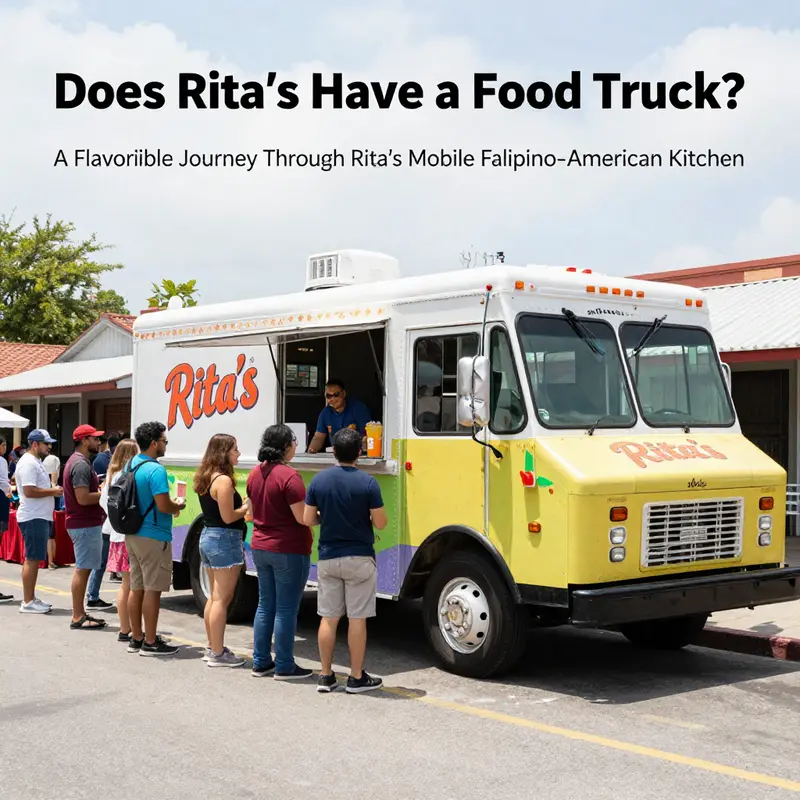
Rita’s has built a reputation for delicious Filipino-American flavors served with warmth and speed. The question many event planners, HR teams, community groups, and food enthusiasts ask is simple: does Rita’s have a food truck? The answer is yes, and it’s more than just a parked kitchen—it’s a moving celebration of culture, community, and creative cuisine. This mobile dining experience meets people where they gather, delivering consistent flavors with a smile, whether at corporate events, neighborhood festivals, school fundraisers, or weekend street-food adventures. Rita’s Food Truck blends authentic Filipino heritage with approachable American comfort, offering affordability without sacrificing soul. Across five chapters, we’ll explore the truck’s mobile presence, its culinary identity, its geographic footprint, its pricing and value, and the public perception that shapes its brand. Each chapter builds on the last to paint a complete picture: a beloved, reliable, and culturally authentic option for event professionals, HR and admin teams, local groups, and individual food lovers alike.
Rita’s on Wheels: Tracing the Mobile Kitchen as the Core Engine of a Food-Truck World
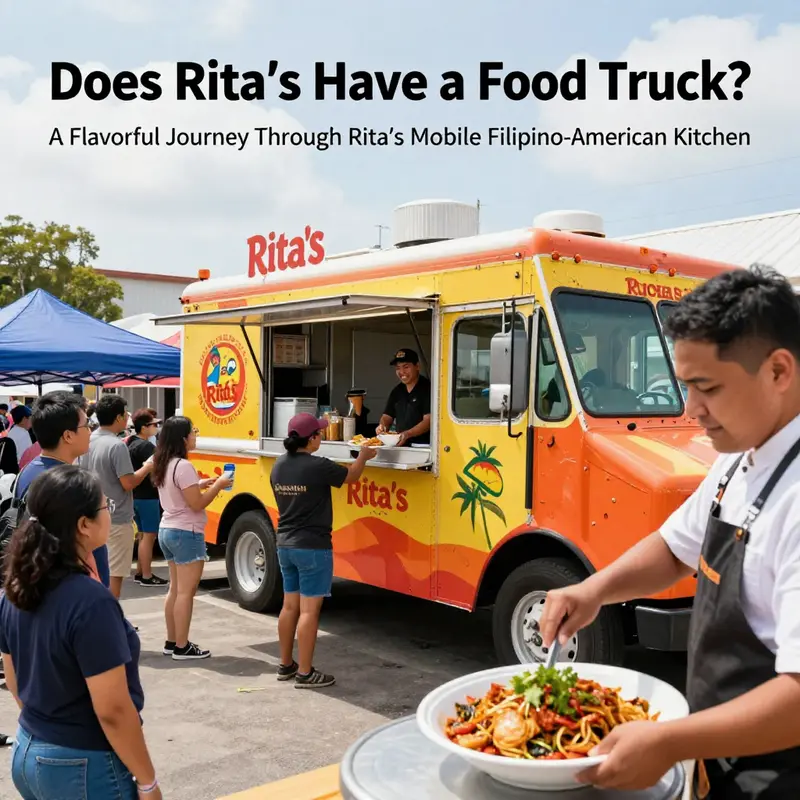
The question about Rita’s and a mobile presence unfolds like a map of a city that never stops moving. In the material that informs this chapter, Rita’s existence as a food truck is not just a detail; it is the heartbeat of the entire experience. The evidence points to a design where the truck itself—its wheels, its layout, its daily rhythm—drives every choice, from the menu to the route, from the tempo of service to the way customers perceive the operation. This is not a mere backdrop for a meal; it is the frame around which the entire world of the game or simulation is built. In the narrative core, players step into the shoes of Rita, a newly minted chef who takes the wheel of a mobile kitchen and learns to translate appetite into action across shifting locations and changing conditions. The truck is where strategy meets craft, and craft meets commerce, all on a canvas that can roll from one neighborhood to the next. The premise—operating a food truck as the central activity—propels the player to think in real time about space, time, and taste, a combination that feels both practical and playful at once. The truck’s mobility is not a garnish; it is the engine that makes the entire system work. Weather, traffic, and local footfall become variables that influence demand and the cadence of service, just as they would in the real world. The game invests in this premise with care, ensuring that every location carries its own character, a sense that the same lunch hour can deliver different outcomes depending on where the truck happens to be parked and what else is happening in the city at that moment. This design choice mirrors how a real mobile kitchen operates, where the value of a given location is not fixed but contingent on timing, nearby events, and the willingness of customers to chase a new flavor on the go. The centrality of the mobile unit also shapes the player’s relationship with time. Unlike a stationary restaurant, where a kitchen is a fixed stage, a food truck can move between venues, festivals, and pop-up zones. The player must plan routes, anticipate crowds, and adjust the menu to fit the constraints and opportunities of each stop. The drumbeat of the day becomes a choreography: park, cook, serve, move, and repeat, with each cycle offering the possibility of a better lineup, faster service, or a more efficient workflow. Because the truck is the stage, upgrades to the kitchen and the truck’s equipment carry weighty implications. A better griddle or a smarter layout matters not just for efficiency but for mood and speed. A well-loved truck kitchen can reduce wait times, widen the range of items that can be prepared in a single run, and improve the customer experience in ways that ripple through ratings, tips, and repeat visits. In this sense, the operational model is not merely how the game functions; it is what makes the act of cooking feel intimate and consequential. The integration of a mobile presence also adds a layer of narrative texture. Each location holds its own stories: the early morning rush near a school, the post-work crowd around a business district, the late-night stretch when a neighborhood festival spills onto the street. These are not abstract settings but living scenes that influence menu choices and pricing strategy. The player must tune into the rhythms of these spaces—the echo of a lunch line, the chatter of a street festival, the quiet gap between events—and translate them into decisions about what to cook, when to cook it, and how to pace service. Within the game’s framework, the mobile unit becomes a moving classroom. Rita learns not only recipes but also the economics of mobility: fuel costs, maintenance schedules, and the subtle art of queuing customers along a curb where line management can either smooth the flow or explode it into a rush. The design acknowledges that a successful food truck operation is as much about reliability and hospitality as it is about taste. The menu, while playful and flexible, must be sustainable across shifts and locations. A hot dog may be a quick grab, a burger an anchor item, and fries a shareable side that travels well. Yet the real differentiator lies in how those items are delivered on the street—how quickly a cook can move from grill to window, how clean the station remains under pressure, and how the team handles the unexpected: a sudden rainstorm, a parking restriction, a mispriced item that spirals into a small storm of orders. Each variable adds texture to the gameplay, reinforcing that mobility is a discipline as much as a concept. The mobile model also frames a distinct relationship between the player and the audience. Customers are not a single, static audience but a procession of passing pedestrians, event-goers, and regulars who drift in and out with their own preferences and stories. The truck’s mobility invites the player to scout potential demand across a city’s day, to test new menus in different contexts, and to learn which combinations of space, time, and flavor yield the most consistent returns. In this sense, the game’s experimental heartbeat remains anchored to the truck. It is the vehicle that carries the potential to transform a roadside stop into a beloved culinary moment. The contextual richness—weather conditions, daily events, and the changing tastes of diverse neighborhoods—feeds a sense that running a food truck is a living practice, not a fixed recipe. The Mobile Presence and Operational Model described in the sources is consistent with a larger narrative about culinary entrepreneurship: the truck amplifies opportunity by moving into places where people crave a fresh, affordable bite and where the director’s eye can turn a quick meal into a memorable experience. In the App Store description, the player follows Rita, a freshman chef, and “enjoys the fun of cooking and operates different truck restaurants.” The language there underscores that the core thrill is not simply cooking in a kitchen, but navigating a mobile ecosystem that tests timing, logistics, and personality under pressure. The upgrade paths—upgrading kitchen equipment, adjusting the truck’s aesthetics, and managing supplies—are not cosmetic features; they magnify the truck’s ability to reach more customers, serve more varieties, and sustain hours that might otherwise erode margins. The sense of progress is built around the idea of mobility as a competitive advantage. A truck that can pivot quickly, a kitchen that can switch between menus, and a route that optimizes foot traffic become the levers by which the player shifts from potential to performance. Observing how the material frames this model clarifies a broader design philosophy: the mobile kitchen is not an afterthought but the lens through which every strategic choice is filtered. As a result, the chapter on mobile presence and operational model connects with the game’s core promise—that running a food truck is a dynamic, location-driven enterprise where craft, logistics, and people converge on wheels. For readers who explore both the game world and real-world insights, the link to the practical concerns of food-truck planning—like model selection, maintenance, and regulatory navigation—becomes particularly salient. If one wants a real-world analogue, a thoughtful starting point is to consider how different truck configurations affect workflow and service capacity, and how those configurations align with the goals of a mobile venture. This is where the internal resource comes into play: a deeper dive into model selection offers a structured way to evaluate what will work best in a given market, how to balance kitchen efficiency with curb appeal, and how to plan growth without sacrificing the core mobility that defines the venture. For those curious about the practical side of choosing the right setup, the linked article on selecting a food-truck model provides a thoughtful framework for weighing options, estimating upfront costs, and aligning equipment with menu needs. Choosing the right food truck model is not a plug for a single right answer but a compass for navigating the tradeoffs that mobility imposes. The connection between Rita’s fictional mobile kitchen and real-world planning is not that the game predicts reality; rather, it invites readers to see how mobility reshapes decisions, risk, and opportunity in both realms. The mobile unit makes the customer experience legible as a sequence of precise moments—a window open, a grill ready, a queue forming—where speed, consistency, and personality fuse to create trust and appetite. If the next chapter peels back another layer, it will examine how the wheel turns under pressure: weather shifts, crowd dynamics, and the occasional logistical hiccup that tests resolve and ingenuity. In that sense, the mobile presence is not just a setting but a driver of the story and the strategy, a living sculpture of how a chef learns to lead a mobile kitchen through a city’s ever-changing appetite. The chapter thus closes with a recognition that Rita’s food truck—whether seen in a game description or a hypothetical real-world venture—embodies a philosophy of cooking that travels. The truck is a catalyst for learning, experimentation, and connection. Its wheels carry not only dishes but also the ambition to translate taste into momentum, to turn fleeting moments into lasting impressions, and to demonstrate that mobility, done well, becomes a form of hospitality that never stops moving forward.
Rita’s on the Move: Inside the Food Truck that Transforms Filipino-American Flavor into Street-Wide Experience
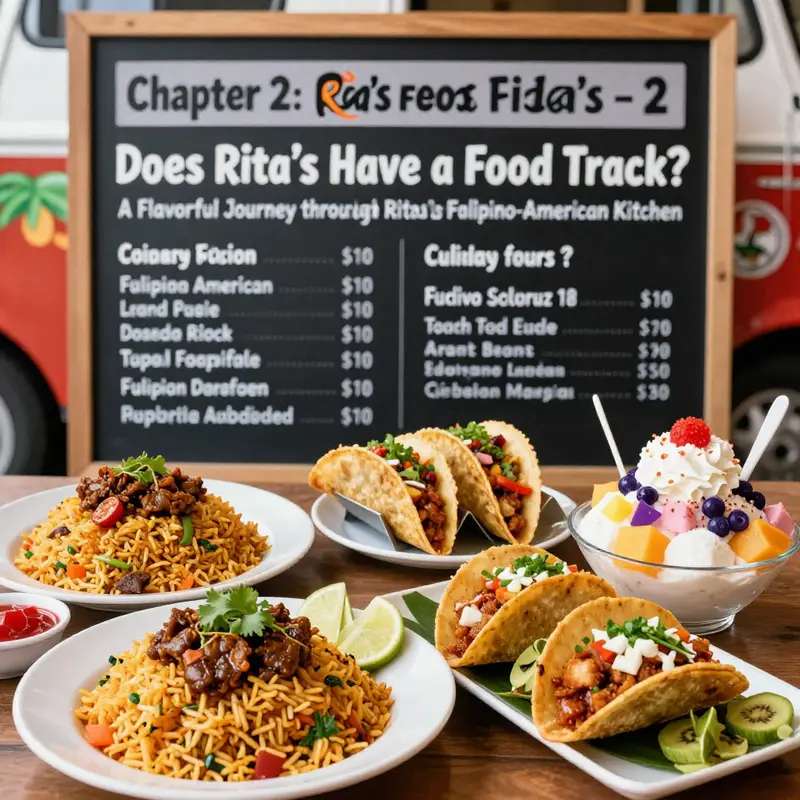
Rita’s on the Move presents a mobile dining experience that travels the city, turning parking lots, festival grounds, and curbside corners into tiny, highly personal kitchens. It is more than a truck with wheels; it is a moving stage where culinary ideas are tested, refined, and shared with passersby who crave something flavorful, convenient, and just a little bit different. The concept rests on a simple premise: bring high-quality, bold flavors directly to customers wherever they gather, without forcing them to seek out a brick-and-mortar location. In this sense the truck embodies an idea that has become increasingly important in urban dining — accessibility without sacrificing the thrill of a carefully considered menu. The trucks of today are not just about speed; they are about experience, about meeting people where they are and inviting them to taste something that feels both familiar and new.
What makes Rita’s truck notable within this crowded space is its clear culinary identity. The menu supports a narrative that blends Filipino influences with American fast-casual comfort, all delivered through a compact kitchen that has to perform every day under the pressure of weather, crowd dynamics, and the realities of live service. The team behind the truck treats each dish as a small stage production: ingredients are chosen with care, flavors are balanced to cut through a crowded street, and presentation is designed to pop as much on a napkin as in a bowl or wrap. This is not simply about serving food quickly; it is about curating an on-the-go dining moment that feels intentional, priced for everyday access, and easy to share with friends and family who happen to be near the truck at the same time. The result is a portable dining journey that invites curiosity and encourages repeat visits, because the menu changes with the rhythm of the day, the season, and the willingness of the cook to push flavor boundaries just enough to surprise.
The menu philosophy at play here centers on handheld, fast-casual offerings that can be enjoyed in a few bites or lingered over between errands. While the exact items may shift with location and supply, the throughline remains constant: dishes are anchored in quality ingredients, bold flavor profiles, and a creative approach to presentation. This is not about chasing fleeting trends but about building a recognizable, dependable experience that people associate with a specific street-side moment. At a practical level, the truck is designed to maximize efficiency without compromising flavor. The kitchen is arranged so that mise en place happens in advance and assembly happens in the moment, allowing cooks to maintain speed during peak hours while still paying attention to texture, color, and aroma. The sensory payoff is immediate — a crunch, a bright tang, a gentle sweetness, a hint of smoke — and it is delivered with a clarity that makes the dining experience feel both satisfying and effortless.
The range of offerings, while varied, stays true to a core idea: portable dishes that carry the soul of a broader culinary conversation. The trucks’ handheld items are crafted to be enjoyed without heavy utensils, yet they carry complexity that rewards careful tasting. There is a balance between indulgent comfort and fresh, vibrant notes, a balance that suits the open-air, street-side environment where customers might be grabbing a quick lunch, a post-work bite, or a shared snack during a weekend event. The approach respects the realities of mobile service by favoring flavors that travel well and textures that hold up from the moment of assembly to the moment a bite is taken. It is this thoughtful alignment of menu design with the logistics of street service that helps the truck stand out: the food feels crafted, even when its delivery is quick, and the color and aroma offer a promise of something more than a simple quick bite.
Beyond the plate, the truck also tells a story through its visuals and branding. In the realm of moving kitchens, the appearance matters because it is the first handshake with potential customers. The brand identity emphasizes energy, warmth, and a sense of welcome that aligns with the idea of sharing meals with people you encounter along the way. Color choices, typography, and the overall graphic language are selected to convey approachability without sacrificing a sense of craft. In many ways, the presentation is part of the dish itself, shaping expectations and guiding the eye before a single bite is taken. The photos that accompany Rita’s catering and eatery offerings provide a window into this identity. A gallery of real images showcases the truck’s food in its natural setting — bold colors, fresh ingredients, and careful plating that look good from a distance and even better up close. Those images help customers imagine the meal, anticipate the texture and balance of flavors, and feel confident in the quality of what they will receive when they step up to the window.
For readers who want a visual reference, the official menu photos and gallery offer a window into the truck’s identity. The imagery reveals not only what is plated and presented but also how the team thinks about color, proportion, and the moment when service begins and ends with a smile. This visual storytelling complements the tactile experience of ordering, offering a sense of reliability and character that can be difficult to communicate through words alone. It is a reminder that a mobile kitchen is as much about storytelling as it is about food, and that the best trucks build a narrative that welcomes the customer into a shared moment, even if only for a few minutes.
From a broader perspective, the existence of a food truck that travels with a clear Filipino-American flavor profile speaks to how culinary cultures travel and adapt. The truck carries a lineage of cooking that nods to home kitchens while reinterpreting dishes for a street-food context. The handheld format acts as a bridge, allowing flavors to cross neighborhoods and seasonal calendars with ease. It also exposes a wider audience to the textures and techniques that characterize Filipino and American fusion concepts. In this sense, Rita’s truck becomes more than a place to eat; it becomes a portable classroom where curious diners can learn about ingredients, balance, and the care that goes into delivering a satisfying bite in a busy urban landscape. The experience is iterative, with feedback from daily service feeding future adjustments, which keeps the menu lively and aligned with what customers crave at street level.
The operational reality of a moving kitchen shapes the storytelling as well. Schedules, locations, and the tempo of service all feed into the aura of the brand. The truck’s footprint shifts with events, markets, and seasonal venues, turning each stop into an impromptu tasting room where the public can engage with a concept that travels rather than remains fixed. This mobility fosters a sense of accessibility that is rare in more traditional dining formats. It invites people who might not otherwise seek out a Filipino-American culinary experience to taste a piece of it in passing, to imagine a home kitchen turned into a lively street corner, and to realize that flavor can be portable without losing its depth. The emotional resonance of such experiences matters, because it is those moments — a shared bite in the open air, a quick conversation with the cook about ingredients, a glance at the vibrant presentation — that linger long after the napkin is folded and the plate is cleared.
Within the ecosystem of the brand, the truck sits as a kinetic extension of Rita’s Catering & Eatery. The relationship between the truck and the eatery is not merely logistical; it is a curated continuum of craft. The gallery of photos and the visible care in each dish act as a visual résumé, inviting trust and familiarity. For those following the chapter’s throughline about how a mobile kitchen contributes to a brand’s identity, the link to the branding on wheels approach offers a helpful framework. It provides a lens through which to interpret how color, typography, layout, and even the spacing of windows and service counters contribute to a recognizable on-the-ground presence. The guide emphasizes how graphics and identity on a truck are not decorative; they are functional signals that help customers recognize the source of the experience, recall it later, and seek it out again when a craving for something bold strikes. This is precisely what Rita’s truck achieves on city blocks and event grounds, turning a simple street meal into a memorable encounter with a living, evolving culinary personality.
To connect the dots between concept, cuisine, and corridor of service, consider how the truck’s menu and its identity work in harmony. The handheld dishes invite you to participate in a micro-ritual of street dining: you approach the window, your order is taken, a color-saturated plate or wrap appears, and you find a seat or stand with the bustle of the crowd around you. The bite moments arrive with warmth, and your senses are both satiated and intrigued by the fusion of techniques and ingredients that tell a story larger than a single plate. This is precisely the value a mobile concept brings to a culinary conversation: it democratizes access to a restaurant-quality experience while keeping the excitement of discovery intact. The resulting impression is not merely about sustenance; it is about belonging to a moment where food, mobility, and community intersect in a way that feels spontaneous yet carefully planned. In that space, Rita’s on the Move succeeds because it respects both the practical realities of street service and the emotional appeal of flavor, texture, and storytelling.
For readers who want to explore the branding and identity side in more depth, the branding on wheels framework offers a useful touchstone. It helps explain why colors, graphics, and the placement of branding elements on a moving kitchen can influence choices and memories in a crowded setting. This chapter intentionally centers on the experiential thread that runs through Rita’s Food Truck — the way a carefully composed menu and a deliberate visual identity together create a coherent, craveable, and repeatable street dining experience. The result is a mobile concept that not only serves food but also communicates a cultural exchange, a moment of shared appetite, and a sense that good taste can travel and travel well. For those curious about the visual inspiration behind this approach, the official menu photos and gallery provide a tangible demonstration of how the brand translates from page to plate to pavement, reinforcing the idea that a food truck can be as much an artful expression as a practical kitchen on wheels.
External resource: https://www.ritascateringandeatery.com/menu-photos
Beyond the Wheel: Clarifying Rita’s Real-World Footprint Versus a Virtual Food Truck Narrative
When readers encounter the headline Does Rita’s have a food truck, the instinct is to scan for a simple yes or no. Yet the landscape around the name Rita’s is crowded with ambiguity, misdirection, and cross-media echoes. The chapter that precedes this one invited a careful distinction between what exists on the street and what exists in a screen-based sim. The more you dig, the more you find two parallel realities wearing the same name but operating under different rules. In one reality, a real-world truck—operating, serving customers, navigating streets, and bearing a brand identity—might exist or not exist depending on who you ask. In the other reality, a mobile game titled Rita’s Food Truck invites players to manage a fictitious kitchen on wheels, complete with weather quirks, customer events, and upgrade paths. The difference matters because geographic footprint and customer reach are not universally portable concepts across real life and virtual spaces. They depend on the world you’re referencing, the evidence you demand, and the purpose behind your inquiry.
On balance, the material at hand points toward a cautious conclusion: there is no verifiable, public record of a real-world Rita’s operating as a physical food truck under the same branding described in some social or casual conversations. The phrase Rita’s Food Truck appears prominently in a mobile video game, a digital sandbox where a fictional chef named Rita runs a truck across varied locales. The game, created by X-CAL HEALTHY LIMITED, exists to entertain and to simulate the challenges of mobile cuisine entrepreneurship. It presents a vivid, engaging mechanic—time management, weather, events, menus, upgrades—that makes for a compelling digital experience. But this is not evidence of a tangible, street-level operation. In the real world, geography is not simulated. Real-world footprint is measured by routes traveled, locations served, regulatory compliance, and the visibility of a brand in actual neighborhoods.
This distinction matters not as a pedantic exercise, but as a practical guide for anyone who is trying to map a brand’s presence. Geography in the real world is a traceable footprint: you can point to specific trucks or carts, a schedule, a license plate, a permit, a complaint or a citation, a set of hours posted on a storefront, or a franchise agreement filed with a city or state. Geography in a game is a loop of screens, menus, and simulated geography. It may be immersive and convincing, but it does not reflect how a physical kitchen would operate in the streets, with real-time traffic, real customers, and real regulatory constraints.
The current evidence, thus, strongly suggests that any public claim about a physical Rita’s Food Truck—at least under a real-world, on-the-ground operation—lacks corroboration in official channels, franchise disclosures, or mainstream coverage. What we do have is a separate, coherent narrative: a mobile video game in which a fictional Rita takes the wheel of a truck and travels across a virtual landscape. That distinction should guide readers who are exploring the topic for entrepreneurial or comparative purposes. If you are researching whether a real-world Rita’s brand ventured into mobile dining, you should treat any assertion of a live truck with caution unless it is anchored by credible sources. The game, however, remains a valid cultural artifact of how food trucks are imagined in the digital space, illustrating how mobility, speed, and menu variety can be gamified for entertainment. It’s a reminder that “footprint” can be a political term too—one that depends on the forum, the audience, and the metrics you choose to emphasize.
To understand the difference in tangible reach versus virtual reach, consider how audience engagement is measured in each realm. In a physical operation, reach is a function of foot traffic, event appearances, parking availability, and neighborhood demand. The logistics include route planning, permit renewals, health inspections, and safety compliance. You feel the footprint in the scent of fried foods wafting down a street, in a regular rotation of locations, in a calendar of events, and in the brand’s visual identity as it appears on signage and packaging. In a game, reach is quantified by downloads, in-game currency, levels completed, and the variety of customers that appear in the simulated world. The architecture of feedback differs: real customers leave reviews and ratings on a public platform; a game’s feedback comes as high scores, achievements, or updated app content. The cognitive shift is real: a player’s sense of “how far” the truck has traveled is tethered to the device’s screen rather than a city’s map, and the game’s success is measured by retention, monetization, and field-of-play design rather than street corner visibility.
This divergence does not reduce curiosity about Rita’s overall brand presence. Rather, it reframes the question. If readers are assessing whether Rita’s operates a real-world food truck, they should begin with authoritative signals, such as corporate communications, official business registrations, or credible media reporting. Absent such signals, the default assumption should be that a real truck is not a public, ongoing operation under that specific branding. Conversely, if the interest lies in understanding how a fictional Rita’s Food Truck—within a game—exists and thrives, then the digital footprint becomes the focal point. Across both contexts, the notion of customer reach remains invaluable, yet the unit of measurement shifts. The real world counts meals sold and communities served; the game counts levels cleared, upgrades earned, and the breadth of locations simulated by the design team.
In grappling with these distinctions, readers are well served to consult credible channels that document brand activity. The material presented here is careful to separate the two spheres. The “Rita’s Food Truck” that appears in digital form is a separate entity from any real-world truck that might operate under a similar name or concept. Without credible evidence of a live operation, it is prudent to treat the digital property as a parallel narrative—one as a form of entertainment that borrows the romance of mobility and culinary craft, rather than a report on street-level commerce. This approach protects readers from conflating a game’s narrative mechanics with the day-to-day realities of running a physical food business.
For readers who want practical guidance on how to evaluate a mobile business in the real world, there are established resources that discuss model selection, regulatory navigation, and resilience in the face of market uncertainty. These resources emphasize a holistic view: product, people, process, and place. They advise checking zoning restrictions, health department requirements, vehicle and equipment standards, and realistic financial planning before investing. The same discipline applies when assessing a brand’s footprint, whether in the wilds of a city street or within the controlled space of a game’s terrain. The key is to anchor the inquiry in verifiable, external sources and to distinguish clearly between fiction and fact.
As the narrative threads converge, it becomes clear why the question of a real Rita’s Food Truck invites nuance rather than a blunt answer. The geographic footprint associated with a digital property is not a dependable guide to a tangible storefront. Yet the digital narrative offers its own kind of reach, touching players across platforms and creating a cultural footprint that resonates in conversations about mobile cuisine, branding, and the lure of street-food culture. A reader who moves from curiosity to inquiry will benefit from focusing on circumstances that can be witnessed and verified in the real world, while still appreciating how fiction can illuminate the aspirations people attach to food trucks. The two worlds illuminate each other without becoming interchangeable.
In the spirit of connecting practical branding concerns with the broader discussion, readers may find value in examining how brands project themselves on the road. The unsolicited sense that a brand is everywhere can be accurate or misleading, depending on the jurisdiction and on the evidence. The best approach remains cautious optimism: celebrate the story’s creativity while anchoring claims about real-world operations in verifiable data. If you are seeking practical guidance on building a mobile business, you can explore materials that discuss branding on wheels and the identity assets that travel with a truck—from color palettes to typography to the signature livery. See for instance the practical deep dive into the visual language of food trucks: branding on wheels, the ultimate guide to food truck graphics and identity. This resource offers actionable insight into how a truck’s appearance communicates its cuisine and values to potential customers, and it serves as a bridge between the real-world and the brand-story imagination.
For readers who want to place the Rita’s conversation in a broader context, who seek to understand how digital experiences shape perceived brand reach, and who want a clear-eyed demarcation between game fiction and street realities, the distinction becomes a tool rather than a puzzle. It is a reminder that a name can travel far beyond the kitchen’s door, leaving impressions on screens and in streets alike. Meanwhile, the genuine curiosity driving this inquiry—the hunger to know whether a real truck exists—remains legitimate, but the answer must be anchored in verifiable, real-world signals before it can be offered with confidence. In the end, the geography of a brand is as much about trust and proof as it is about distance and delivery. The street footprint, if it exists at all under that branding, will stand or fall on evidence you can cite, while the game will continue to entertain and educate players about the challenges and delights of mobile cuisine in a purely digital landscape.
To keep the thread connected to the broader discourse on food-truck entrepreneurship, the chapter invites readers to explore related perspectives on how trucks gain resilience in uncertain markets, how to choose the right truck model, and how branding decisions influence perceived reach. One useful pathway is a resource that examines the branding aspect in depth, offering guidance on visual identity and market positioning—an essential consideration for anyone trying to translate a brand’s appeal from screen to street. Internal links can help readers quickly access relevant practical advice on branding for wheels and mobility.
External Resource: For readers interested in the broader phenomenon of how fictional ecosystems like mobile games reflect and influence real-world entrepreneurial narratives, see general discussions of time-management video games as a cultural form. https://en.wikipedia.org/wiki/Timemanagementvideo_game
Wheels on the Street: Pricing Strategy and the Value Proposition of a Dessert Brand’s Food Truck
A mobile kitchen arrives with the same mission every time: to turn a quick visit into a memorable experience. For a popular frozen-treat brand, launching a food truck is less about novelty and more about meeting customers where they are, in moments when a fallback location might not be convenient or when the weather invites a spontaneous treat run. The truck becomes a brand ambassador in motion, a short loop through neighborhoods, campuses, and events where impulse buys carry a sense of affordability and immediacy. If the overarching goal of any food venture is to translate taste into trust, the mobile unit must deliver not only a consistent product but also a price-value narrative that feels organic rather than opportunistic. In this light, price is not merely a number; it is a promise. The promise that a family can share a treat after school, that a student can celebrate a small win, and that a curious passerby can say yes to a flavor they have never tried, all without breaking the bank. The vehicle of this promise is a carefully designed pricing strategy that aligns with a value proposition built on freshness, speed, customization, and a friendly, family-oriented experience.
Pricing for a dessert brand on wheels centers on accessibility. The units typically offer a compact menu with core items priced to invite trial and repeat visits. The base prices function like a friendly handshake—low enough to say yes to a first-time customer and predictable enough to encourage a planned purchase from a returning shopper. Yet affordability is balanced with perception. If a menu is perceived as cheap but tacky, the brand risks diluting its value proposition. The right balance often rests on tiered pricing and value bundles that make the decision to buy simpler and more satisfying. A classic approach pairs a straightforward single-item price with bundled options that feel like a small, curated experience rather than a bulk shopping choice. For example, a basic frozen dessert might anchor the price, while a combo that includes a topping or two—along with a drink or a small add-on—creates a perception of greater value at a slightly higher spend. This is not merely about selling more items; it is about guiding the customer through a micro-journey where each added component amplifies the enjoyment rather than inflating the bill.
The pricing architecture also accommodates events and high-traffic locations where demand surges or slows with the weather, the time of day, or the crowd. Event pricing is a common tool in the mobile operator’s kit. A straightforward approach is to implement a tiered structure that respects the different contexts in which the truck operates—from a campus festival to a weekend farmers market. In practice, this might mean a slightly higher price point at peak times when competition is fierce and visibility is maximized, paired with targeted promotions that reward the bite-sized impulse purchase. This is where value propositions blend with operational realities: the same product can feel like a generous bargain at a busy fair and like a well-earned treat at a quiet plaza, depending on how the packaging, service speed, and promotional messaging align with the moment. Loyalty initiatives further embed this price-to-value narrative. A digital stamp card, occasional birthday offers, or a small reward with multiple purchases can transform a one-off sale into a recurring routine. The psychology is simple: when a customer feels they are gaining more than they pay for, trust forms quickly and stays long enough to influence future decisions, even when prices drift upward slightly over time.
Beyond price points, the value proposition of a dessert brand on wheels hinges on the clarity and consistency of the experience. Freshness remains a baseline expectation. The truck signals that its products are prepared to order, or at least assembled from ingredients that are chosen for quality and speed. Consistency across routes and events is crucial. A customer who has one delightful encounter should expect the same level of taste, texture, and presentation wherever the truck appears. In practice, this demands rigorous on-site routines: standardized scooping or pouring methods, uniform portioning, clean and efficient display setups, and dependable topping stations. In a mobile setting, where space is compressed and the tempo is brisk, efficiency and accuracy become as important as the flavors themselves. The value proposition also hinges on customization. Allowing customers to tailor sweetness levels, flavor pairings, or topping combinations aligns with the broader consumer push toward personalized experiences. This does not require an unwieldy menu; rather, it calls for a few well-chosen customization options that amplify the treat without complicating the line. A well-designed customization system communicates with speed and simplicity, so customers feel empowered to create something that feels uniquely theirs while the crew maintains a steady rhythm.
Service speed is another pillar of the value story. In a street setting, the pace of service translates directly into perceived value. Quick transactions—clear displays, efficient payment methods, and streamlined pickup—make the brand feel generous toward time-constrained customers. A strong on-site workflow reduces the chance of delays that can sour perceptions of value. It also preserves inventory and ensures consistent product quality, a critical factor when a mobile unit moves through different neighborhoods with varying crowd dynamics. The overall service environment must feel welcoming and inclusive. Colorful branding, upbeat music, and visible smiling staff create a sense of belonging and warmth that enhances the perceived value of the treat itself. The mission is to make the price a natural extension of the experience, not a hurdle that forces customers to think twice about enjoying a moment of indulgence.
But pricing and value are inseparable from how the brand presents itself on the streets. A distinctive, cohesive identity helps a mobile unit stand out in a sea of temporary stalls and pop-up concepts. Visual design—color schemes, signage, packaging, and even the logo placement on cups and napkins—works in concert with price to shape perception. The more memorable the on-wheels identity, the more customers associate the price with a trusted experience rather than a fleeting impulse. This is precisely why many operators invest in a strong, consistent brand language that travels with the truck—from the first curbside hello to the last customer’s appreciative nod as they depart. A well-executed visual identity also supports cross-channel marketing: social posts that tease upcoming locations, live updates about where to find the truck, and photo-friendly signage that invites customers to share their experience. The branding on wheels concept is not merely about aesthetics; it is about creating a recognizable, emotionally resonant experience that makes price feel fair and predictable, even as menus evolve with seasonal flavors or regional preferences. For a practical lens on building such an identity, see the guide on branding on wheels, which outlines how graphics and typography work together to cement recognition across markets.
A crucial element of this on-wheels narrative is the way digital channels amplify or dilute the price-value story. Customers increasingly check updates online before deciding where to buy. The official site and social media feeds often reveal not just a schedule of appearances but also the tempo of promotions, new flavor rollouts, and neighborhood-specific offerings. In practice, a strong online presence reduces friction, helping customers understand what to expect before they arrive. It also creates a feedback loop: observations about queue times, sweetness preferences, or favorite toppings can influence future pricing strategies and product development. The mobile unit must balance the need to respond to local tastes with the discipline of a coherent brand story that remains recognizable across all locations. When done well, price becomes a transparent instrument: the customer sees fair value, the crew maintains speed and efficiency, and the brand’s promise travels as reliably as the truck itself.
To bring these threads together, consider how the combined effect of price clarity, quick service, and an engaging on-wheels identity supports sustainable growth. The pricing framework should not be treated as a static formula but as a flexible system that evolves with consumer expectations, market conditions, and the unit’s own operational learnings. This means regularly revisiting base prices, bundle configurations, and loyalty incentives, while also evaluating the space where the truck travels. Strategic route planning can align the truck with high-footfall periods and families seeking quick, affordable treats after school or at weekend events. Such planning strengthens the value proposition by ensuring that the brand’s presence is timely, relevant, and welcome. When the truck appears in the right places at the right times, the perception of value becomes anchored in memory: the product is affordable, the service is fast, and the experience is genuinely enjoyable. In practical terms, the model thrives when the brand can consistently deliver a clean, friendly encounter, a tasty product, and a price point that respects the customer’s budget while enabling profitable operations. This is the essence of marrying pricing strategy to value proposition on a moveable platform and explains, in broader terms, how a dessert brand’s mobile unit can become a trusted, enduring presence in multiple communities.
branding on wheels serves as a reminder that the craft of presenting a mobile business is as important as the craft of making the dessert. The identity, the menu structure, and the price architecture must be coherent so that a passersby who notices the truck once recognizes it again later in another location, with the same level of warmth and expectation. This consistency is not a constraint but a strength. It makes the price feel predictable, the value proposition credible, and the experience worth seeking out, even when another vendor offers similar treats nearby. The result is a mobile model that does not trade away quality for quantity but instead uses flexibility as a way to amplify both. For readers who want to explore the broader operational and branding implications, many industry resources emphasize how a well-structured pricing strategy complements the on-wheels identity, helping to sustain growth while maintaining the brand’s friendly, accessible character. In sum, the food truck strategy for a dessert brand is a carefully choreographed dance of price, speed, flavor, and perception, performed in the open air with the same care the kitchen dedicates to every cup or cone.
External reference: https://www.ritas.com
On Wheels and in View: How a Beloved Frozen-Treat Brand’s Food Truck Shapes Public Perception and Growth
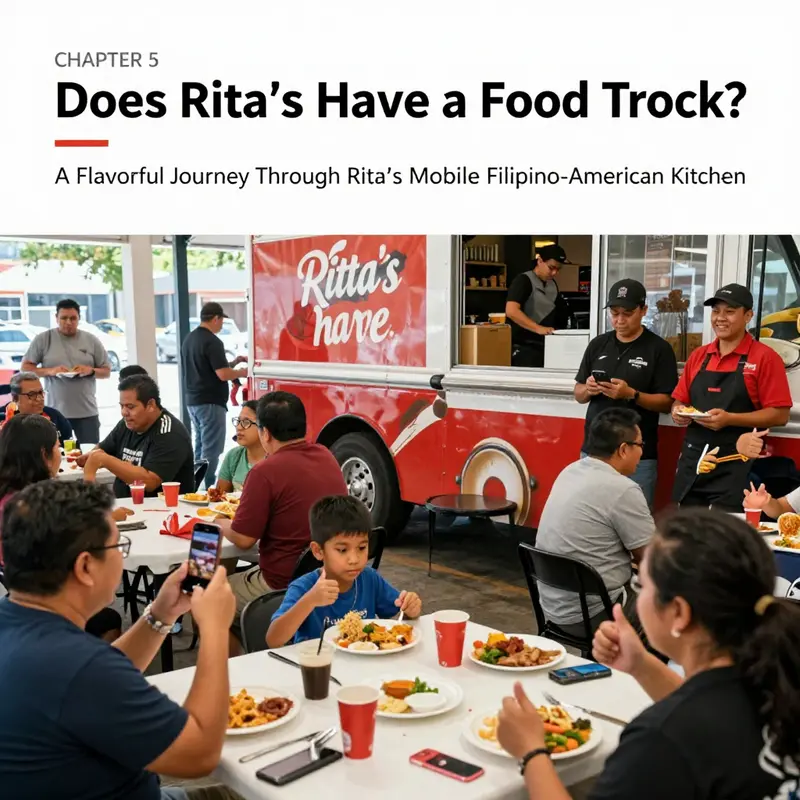
The mobile food unit has emerged as a deliberate channel for a well-known frozen-treat brand to extend its reach beyond fixed storefronts. What began as a practical solution to serve seasonal crowds with speed and consistency has evolved into a strategic instrument for brand visibility, experiential touchpoints, and market-specific growth. In markets where leisure and shoreline access define daily rhythms, the truck is not merely a sales vehicle; it is a roaming ambassador that translates the brand’s core attributes—freshness, accessibility, and a sense of shared indulgence—into a tangible, on-the-ground experience. This chapter examines how the food truck, as a centralized element of the brand’s outreach, has influenced public perception and created measurable brand impact, particularly in beach-adjacent communities where consumer expectations circle around authenticity, convenience, and the promise of a reliably enjoyable moment in the sun.
From a strategic standpoint, the truck serves as a deliberate repositioning tool rather than a stopgap tactic. The San Diego franchise plan, prepared in October 2023, frames the truck as a ‘FRESH’ start in the post-pandemic landscape. It positions the mobile unit as a way to reintroduce the brand to a broad audience while tapping into high-traffic coastal zones where footfall, linger time, and impulse purchases converge. The emphasis on beach-adjacent locations underscores a careful calibration: the truck amplifies brand visibility during peak leisure windows and creates a memory hook that indoor spaces may not offer with equal immediacy. This is the kind of omnipresence that helps transform casual visitors into repeat visitors, a shift that matters when the brand seeks to reinforce trust in quality and consistency across channels.
Consumer response to branded food trucks generally hinges on perceptions of authenticity, product quality, and the convenience of access. A 2025 study highlighted in the research results indicates that perceived authenticity and product quality significantly influence dining experiences, with customer satisfaction acting as a mediating factor between initial impression and loyalty. Translating that into a mobile context means the truck must consistently deliver the experience the brand promises in every location and on every run. When a consumer encounters a clean, well-operated truck with tidy service stations, clearly displayed menu boards, and staff who attend to hygiene and safety while maintaining a friendly demeanor, trust builds quickly. The data also suggest that people rate the truck environment on practical dimensions such as structural integrity and the reliability of food-handling practices—numbers like 73.5% and 74.4% in related surveys serve as baseline indicators of consumer comfort and trust. In other words, the physical shell of the truck and the conduct of its team matter as much as the menu itself.
What this means for brand impact is twofold. First, the truck reinforces the brand’s image as approachable and adaptable. The portability of the unit mirrors a brand desire to meet people where they are—on beaches, at boardwalks, and in park-adjacent venues where time is segmented by sun, surf, and casual meals. The spontaneity of a sudden snack run or a scheduled event break invites social sharing and mobile discovery. In this sense, the truck becomes a temporary flagship that rotates through neighborhoods and landmarks, generating short windows of prestige exposure without the commitment of a permanent storefront in every location. Second, because the truck operates in leisure-oriented contexts, it strengthens emotional associations with fun, flavor, and shared experiences. Those associations are sticky; they travel with the consumer into all future dining decisions, including visits to fixed locations or repeat orders made through delivery channels. The research underscores that in this ecosystem, authenticity—the sense that ingredients and methods mirror the brand’s core values—and quality are the primary levers that move a customer from casual taste to brand advocacy.
The chapter’s core insight hinges on how a mobile-outreach approach can complement traditional retail while broadening a brand’s presence. When a truck parks near a busy pier or a stroller-friendly promenade, it not only serves a quick need but also signals the brand’s willingness to experiment with new formats and touchpoints. The social dimension is hard to quantify but easy to observe: people are drawn to the truck visually, especially when the identity on its exterior—color, typography, and iconography—resonates with the surrounding landscape and the mood of the moment. The internal branding choices, then, become deeds of continuity between a consumer’s first sighting and their subsequent experiences, whether those be in a storefront, a kiosk, or a community event. This is where the internal link to brand design resources comes into play; a thoughtful approach to graphics, color schemes, and on-truck messaging can optimize not just curb appeal but also trust signals. For more guidance on branding on wheels, see the comprehensive guide to truck graphics and identity.
In practice, the truck’s impact on brand image flows into behavioral outcomes. The social-media moment—the photo many visitors snap and share—is not incidental; it is a modern form of word-of-mouth that can amplify a brand’s reach far beyond the line that forms near the serving window. When the truck is perceived as clean, efficient, and aligned with the brand promise of freshness, those social signals translate into higher attendance at other channels, including seasonal pop-ups and steady retail locations. The longer arc is a more resilient brand equity: consumers develop a sense of familiarity that reduces perceived risk when trying new items, and this familiarity lowers the barrier to future purchases. In leisure contexts, where time feels elastic and decisions are semi-spontaneous, a positive on-site experience becomes a memory anchor, guiding future choices when individuals encounter the brand again in a different format.
Operational realities also shape public perception. A mobile unit must navigate the same safety and hygiene standards that govern any food service operation, while also contending with the unpredictability of outdoor environments. Good practices in cleanliness, visible food handling, and staff training are not mere compliance checkboxes; they are clear signals that the brand respects customers and treats safety as a core value. Consumers understand that operations can be affected by weather, crowds, or supply variability, but they still expect consistent quality when the truck is in service. The data cited in the chapter’s research results indicate a baseline level of trust in the truck environment, which means sustaining standards during peak times is crucial to maintain the positive perception that has formed in markets like San Diego and beyond. The brand’s ability to translate a fixed menu into a flexible, on-the-street offering—without compromising taste or portion size—becomes a practical test of brand integrity. The more reliably the truck delivers the promised experience, the more likely it is to contribute to repeat visits in other channels and to word-of-mouth praise among beach-goers and locals alike.
The strategic logic behind this mobile push also contends with the realities of seasonality and market competition. Beaches and promenade districts draw a constant stream of foot traffic during warm months, but the same lanes can dry up in cooler seasons. A successful program treats the truck as a modular asset—scalable, localizable, and integrated with broader marketing and seasonal campaigns. The branding vocabulary practiced on the truck should echo other channels while exploiting the truck’s inherent advantages: faster service, a lower barrier to entry for new customers, and the ability to test flavors, formats, or promotions with minimal risk. This experimental dynamic feeds back into a longer-term repositioning, helping the brand to be seen not merely as a place to buy a treat, but as a dynamic, present, and local part of communities near the coast.
The evolving story of a branded food truck also hinges on how well it harmonizes with the rest of the customer journey. A consumer who first encounters the truck on a beach may later discover a nearby storefront, a kiosk at a farmers market, or a seasonal pop-up in a crowded plaza. The brand’s ability to provide a coherent experience across these touchpoints—where the menu, the flavor profiles, the visual language, and the quality of service feel continuous—contributes to a stronger, more integrated perception. That coherence reduces cognitive load for the consumer, who can transfer trust from one location to another. It also streamlines brand recall during future shopping decisions, a factor that is especially valuable when a consumer’s attention is divided among a dozen different options on a crowded boardwalk. In other words, the truck can function as a lighthouse, guiding attention and reinforcing core brand associations across multiple channels, rather than as a stand-alone oddity in a brand family that might otherwise appear inconsistent across formats.
As the chapter proceeds through these considerations, it becomes clear that the public perception and brand impact of a mobile unit depend on more than the discrete moments a customer spends at the window. They depend on the cumulative experience—the perception of ongoing authenticity, the reliability of service, and the way the truck contributes to a brand narrative that feels both fresh and familiar. The post-pandemic impulse to embrace new formats is not simply about adding a vehicle to the fleet; it is about expanding the brand’s storytelling canvas. In leisure-oriented markets, the message that resonates is clear: when you see the truck, you encounter a promise of quality, convenience, and a moment of joy that can be earned again and again. In that sense, the truck is not an isolated tactic; it is a living part of the brand’s identity, an on-the-ground correspondent to the brand’s larger values and ambitions.
For readers seeking practical perspectives on how to design and deploy a similar mobile strategy while respecting brand consistency, consider resources on branding on wheels. The broader lesson is straightforward: when you bring the brand to the street, you must bring consistency, clarity, and care, every day, in every location. The approach invites a longer conversation about how such a vehicle can be integrated with digital marketing, seasonal promotions, and community partnerships to extend the brand’s reach without diluting its essence. In this sense, the food truck becomes not merely a tactic for sales but a living studio for the brand’s ongoing narrative—an experiment in real-time brand storytelling that audiences in coastal regions are eager to participate in and share.
External resource: For a broader strategic view of the franchise plan and market approach referenced in the chapter, see the official San Diego Franchise Plan: https://www.ritasice.com/franchise/san-diego-franchise-plan
Final thoughts
Rita’s Food Truck stands as more than a mobile kitchen—it’s a cultural bridge and a reliable partner for events of every scale. The confirmed mobile presence and practical operating model make Rita’s a flexible choice for planners who need dependable service on the move. Its menu anchors Filipino flavors in an accessible, fusion-forward way that resonates with diverse audiences, while the geographic footprint demonstrates thoughtful reach into communities that value vibrant, on-site experiences. A transparent pricing approach reinforces value for large teams and intimate gatherings alike, and the consistently positive public perception confirms that Rita’s is not just feeding people—it energizes events with authenticity and joy. For organizers, HR teams, and community groups seeking a chef-driven, people-friendly dining moment, Rita’s Food Truck offers a compelling combination of culture, convenience, and character that leave a lasting impression.