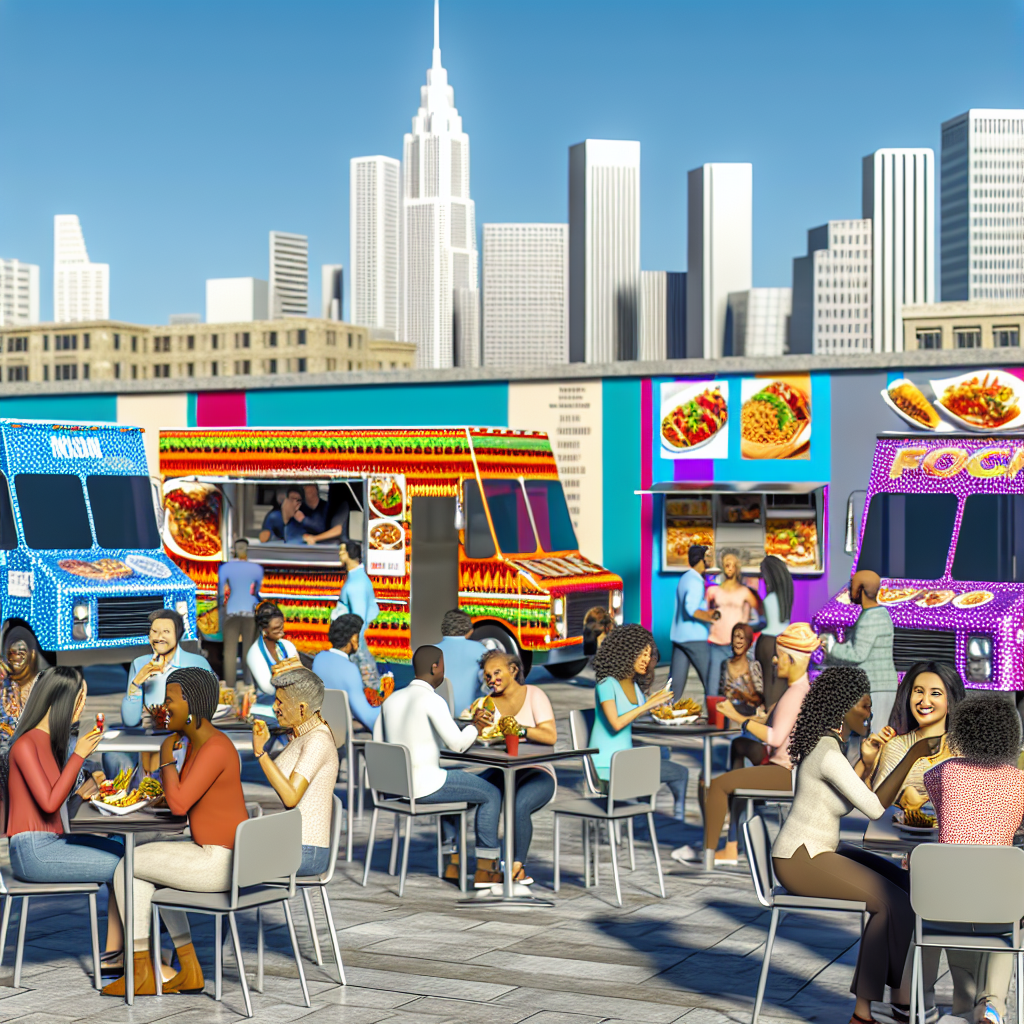
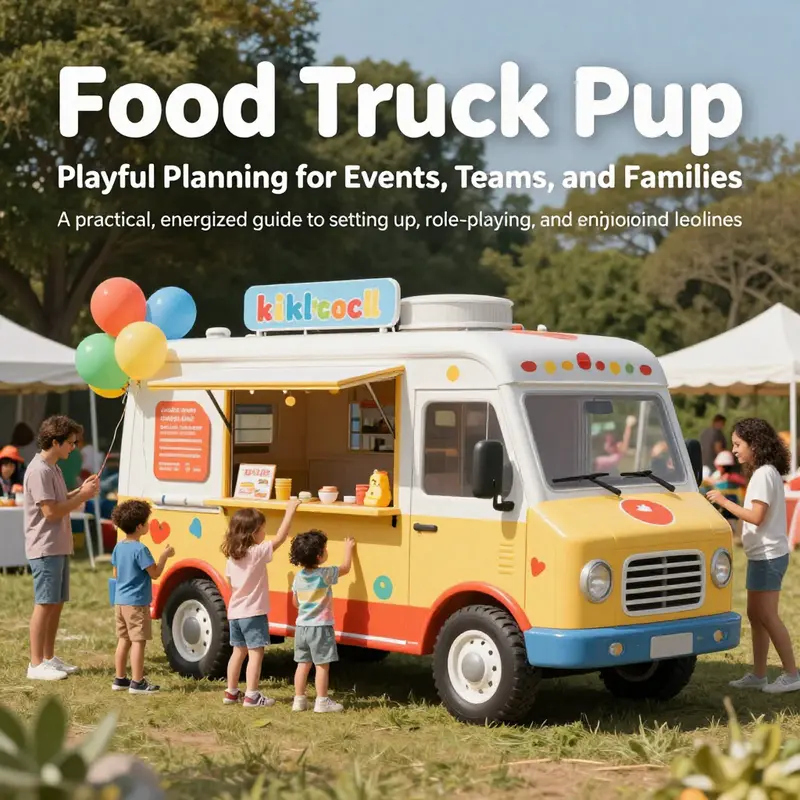
Food truck pup blends imagination with social learning, turning a simple toy truck into a vibrant, multi-sensory space for events, workplaces, neighborhoods, and homes. Whether you’re an event planner coordinating kids’ activities at a festival, an HR or admin lead curating team-building moments, a local group organizing community programming, or a family exploring creative play at home, food truck pup offers a flexible framework that invites participation, language, and laughter. The concept centers on a pretend food truck that kids, families, and adults can operate together—vendors and customers swapping roles, stories unfolding across a playful menu, and little moments of math, negotiation, and empathy happening in real time. In the chapters that follow, you’ll find practical steps to set up the space, foster healthy role-play dynamics, enrich the play with props and digital resources, and understand the developmental and bonding benefits that emerge when communities engage with this kind of immersive play. Each section is designed to be adaptable across settings, whether you’re staging a one-off family activity, a multi-site corporate workshop, or a neighborhood pop-up event. Read on to discover how to turn a simple toy into a powerful, inclusive play experience that celebrates creativity, collaboration, and connection. The journey unfolds through four chapters that build from space to social dynamics, then to storytelling and tools, and finally to the measurable benefits you’ll see in participants and participants’ relationships. By the end, you’ll have a clear blueprint for integrating food truck pup into your programming, with ideas you can tailor to diverse ages, cultures, and goals.
Sparking Imaginations on Wheels: Designing the Food Truck Pup Pretend-Play Space
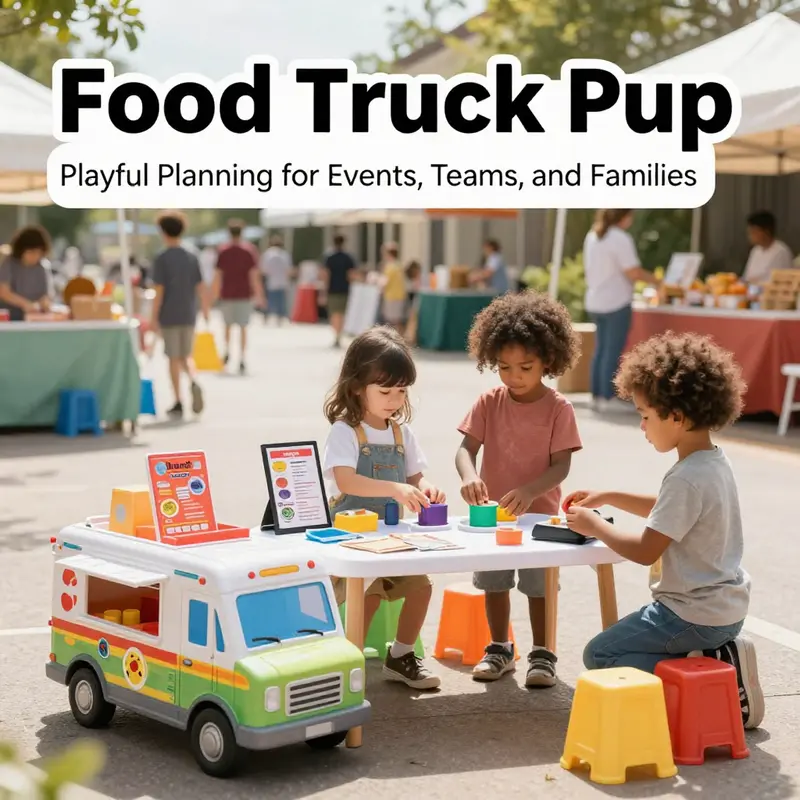
The moment children step into a pretend food truck world, they embark on a voyage that blends language, math, museum-worthy attention to detail, and shared storytelling. Food Truck Pup is less a game than a disciplined moment of play where rules become recipes and roles become opportunities for empathy. The art of setting up the pretend play space is not about constructing a flawless replica of a business on wheels; it is about creating a stage where young minds can experiment with communication, cooperation, and problem solving in a way that feels safe, exciting, and completely in their control. A well-designed space anchors the play, gives kids a sense of agency, and invites adults to observe, guide, and celebrate the little wins that accumulate over a session. The goal here is not to overprofessionalize the activity but to cultivate a welcoming environment that mirrors the vibrancy of a real food truck while remaining accessible to children with varying comfort levels, languages, and play preferences.
To begin, imagine the space as a small town square on wheels—a corner of a classroom, a table set on a quiet patio, or a corner of the living room transformed with a bright banner and a few sturdy shelves. The design ethos centers on clarity, safety, and adaptability. Clarity comes from a clean, organized layout that makes it obvious where service begins, where food is prepared, and where orders are picked up. Safety is ensured by choosing durable, non-toxic props, avoiding small loose pieces for younger players, and keeping cords and fragile items out of reach. Adaptability means allowing children to switch roles easily, rotate responsibilities, and switch scales—standing, sitting, or kneeling—so every child can participate meaningfully. The result is a space that invites conversation, negotiation, and improvisation without becoming overwhelming or rigid.
The layout unfolds in a few quiet but essential zones that work in nearly any setting. First is the front-of-house counter, the place where customers arrive in line, greet the staff, and place orders. A chalkboard or a simple printed menu board stands here, with friendly icons and large, legible prices. The act of reading a menu, even with pictures, invites early literacy practice and vocabulary growth. Across from this counter sits the kitchen or prep area, a compact observatory where pretend ingredients are examined, layered, and balanced into meals. The equipment should be intentionally simple: a sturdy toy stove, safe utensils, and an assortment of pretend foods that are easy to handle and unlikely to cause frustration during a rush of pretend orders. A small sink or a dish station invites children to discuss cleanliness and care for the tools they are using, reinforcing hygiene in a playful, non-didactic way.
Another essential zone is the order pickup or serve window. Here, the joy of completion—the moment when a pretend recipe becomes a plated item—is celebrated. A simple badge or name tag on the server, a pretend receipt, and a “tap-to-pay” card reader or coin set complete the transactional feel without complicating the play. The pickup window is also an opportunity to introduce sequencing: the order is taken, the food is prepared, and the customer receives the meal in a logical flow. In a tiny, well-structured space, even a short play cycle becomes a teachable moment about timing, order management, and attention to detail.
Branding and ambiance anchor the scene. A small flag, banner, or awning with a cheerful Food Truck Pup motif tells the room that this is a dedicated space, a place with its own identity. Soft color palettes and consistent texture in props help the scene feel cohesive rather than a grab-bag of toys. This is where a measured touch of branding can lift the play from make-believe to a shared, immersive experience. For adults guiding the setup, a quick nod toward branding ideas—consistent colors, a simple logo, or a color-coded menu—can make the space feel intentional and cared for. If you’re exploring branding ideas further, resources focused on graphics and identity can offer useful inspiration. For example, Branding on Wheels: The Ultimate Guide to Food Truck Graphics and Identity provides thoughtful ideas on how to carry a theme through the space, from signage to aprons to packaging, without turning the activity into a static exhibit. Branding on Wheels: The Ultimate Guide to Food Truck Graphics and Identity.
The selection of props forms the tactile backbone of the play space. Front-of-house pieces include a pretend money set, a small chalkboard for prices, order slips, and a toy cash register or a card-reader. The money exchange, even in play form, invites early math practice—counting coins, making change, and comparing prices. The kitchen area benefits from safe, child-friendly play equipment and a modest array of pretend ingredients. Plastic vegetables, toy burgers, pretend pizza slices, and simple kitchen tools like spoons and bowls become the vocabulary of the food truck world. While the ideas are playful, the props should be chosen with a thoughtful eye toward durability and safety; large, sturdy pieces are easier for little hands to maneuver and less prone to being stepped on or dropped.
To lend authenticity to the play without tipping into realism that could become intimidating, add a few subtle touches. A small banner with the wording Food Truck Pup, a tablecloth or placemats to define service zones, and background sounds—a gentle kitchen ambience or soft music—can enhance immersion without overpowering dialogue or movement. Hygiene and safety signs placed within reach of players reinforce routines in a non-confrontational way. A simple handwashing station, whether a sealed-water dispenser or a clearly labeled sink, reminds children that cleanliness is part of the cooking process. The emphasis should always be on learning through play, not on creating a perfect replica of a real business. In this approach, the pretend space acts as a springboard for social and cognitive growth rather than a screen-like simulation of adult life.
The play space is built to welcome a wide range of learners and comfort levels. Labels with pictures alongside words help early readers and language learners navigate the scene. Offer roles that can be comfortable for shy players or for those who are more expressive. Some children may want to lead the kitchen, others may prefer the front-of-house tasks, while some enjoy the rhythm of being a curious customer. The goal is to invite collaboration, not competition, and to celebrate each child’s contribution. When children feel capable in a space, they naturally take more initiative, try new phrases, and negotiate politely with their peers, practicing essential social-emotional skills in the moment.
The practical setup of this pretend space can be achieved with a simple, scalable plan. Start by clearing a dedicated area and identifying the zones: a counter for ordering, a preparation zone with clear containers for pretend ingredients, and a small window or opening for serving. Place a menu board at the front and a signage board near the branding corner. Arrange sturdy seating or marked spots for customers, ensuring there is a clear path for movement and for cleanup. Gather props in labeled bins—front-of-house items, kitchen items, and service ware—so that children can independently retrieve what they need and return items after play without creating clutter. A short practice cycle helps the group learn the flow: one child greets the customer, another takes the order, a third prepares the item, and a fourth delivers it with a smile. The practice session can be short, but even a few minutes of rehearsal helps children feel confident when real play begins. If a child struggles to remember a step, a simple prompt card with a single cue, such as “greeting first” or “count the money,” can offer gentle guidance without interrupting the play’s momentum.
Beyond the initial setup, the space invites ongoing exploration and iteration. Maintenance becomes a shared responsibility rather than a chore. After each play session, children can help tidy by returning items to their bins, wiping surfaces with child-safe cleaners, and checking that any damaged pieces are set aside for repair or replacement. Rotating the props keeps the scene fresh; a new set of pretend items or a different color scheme for the menu can spark renewed interest and new vocabulary. The extension of learning comes through subtle challenges: counting the day’s sales, expanding the menu with new item names, or writing a simple feedback card to share what they enjoyed about the “meal.” Storytelling is a powerful thread that ties the whole experience together. One child might narrate the shop’s “journey”—opening for breakfast, handling a morning rush, and closing after a long day of service—giving others a chance to contribute as customers or staff while weaving a coherent narrative that children can revisit during future sessions.
A brief, practical blueprint can help anyone start quickly. Begin with a 20– to 30-minute setup that yields a functioning scene and a sense of accomplishment. In the first five minutes, designate the space, lay out the zones, and hang the menu board. In the next five to ten minutes, organize the front-of-house and kitchen items, and assign roles to the players. In another five minutes, rehearse a short, shared order flow with two or three participants. Finally, begin the customer rounds, rotate roles to keep the play dynamic, and invite quick, informal feedback from the group. This rhythm keeps the space alive without demanding a heavy planning load from adults, making it easy to repeat and adapt across days and groups. The emphasis remains on imagination—the heart of Food Truck Pup: a space where language grows, counting becomes a game with a golden rule, and stories roll out as naturally as a tray of pretend pastries.
For families and educators seeking to weave theory into practice, pretend-play spaces like Food Truck Pup offer more than entertainment. They become living classrooms where social communication thrives through everyday exchanges. Children practice greetings, ask clarifying questions, and confirm details as they would in a real service scenario. They learn to read a room, manage their own pace, and negotiate shared goals with peers. In this environment, math emerges as a natural companion to the dialogue, with counting, simple addition, and change-handling evolving from a curious activity into a confident skill. Literacy, too, blossoms through menu naming, ingredient labeling, and the simple writing of orders or feedback. The pretend space becomes a microcosm of community life—an opportunity to rehearse what it means to listen, to contribute, and to celebrate collective effort.
To invite continued growth, consider enriching the space with small, focused enhancements. A math corner can host a mini cash register station with price tags, prompting children to practice change-making and tally daily sales. A literacy corner can introduce posters with new dish names or laminated menus that can be updated as the pretend truck evolves. A science and creativity thread might invite children to design a “recipe” for a new dish, discuss what makes meals appealing, and reflect on taste, texture, and color through hands-on exploration. A social-emotional thread can emphasize polite greetings, patient listening, and constructive feedback, turning everyday interactions into tiny social experiments that yield big gains in confidence and empathy. In this way, the Food Truck Pup space becomes a living, evolving workshop where play directly nurtures cognitive and emotional development while remaining a source of fun and wonder for children and adults alike.
If you are curious about how to connect this space to broader learning goals or to a broader curriculum, there are abundant resources to consult. For ideas that center branding, identity, and how to carry a theme through the space, see Branding on Wheels: The Ultimate Guide to Food Truck Graphics and Identity. This reference offers practical notions about how color, signage, and layout can harmonize the play environment with the narrative children are building around Food Truck Pup. It reinforces the idea that structure and imagination can coexist in a single, cohesive experience rather than feeling like two competing demands. As you cultivate the pretend space, you’ll notice that the most powerful elements are not the most elaborate props but the moments when a child makes a connection—between a price, a choice, and a story that someone else adds to the scene. Those moments become the threads that weave a durable, joyful learning tapestry around the food truck on wheels.
For families who enjoy extending the play into digital channels, there are gentle, kid-friendly options that preserve safety and imagination. A browser-based game about running a pretend food truck can offer a parallel experience that invites children to apply the same language and numerical skills in a screen context, while still emphasizing imaginative play, collaboration, and problem solving. If you explore online resources, be mindful to pick age-appropriate experiences that encourage active participation rather than passive consumption. A widely accessible option is available at https://www.abcya.com/games/food-truck, which provides an accessible, supervised way to translate the pretend play into a digital format that still centers on cooperation and creativity.
In sum, the setup of a Food Truck Pup pretend play space is not a fixed blueprint but a living invitation. It invites children to use language with intention, to count and manage small sums with care, to plan and adapt in real time, and to tell stories that reflect their own interests and culture. It invites adults to watch closely, to step in with gentle prompts when needed, and to celebrate the agency of every young participant. It invites a family or classroom to join in a shared mission: to create a small, mobile world where kindness, curiosity, and collaboration drive the day. The result is not just a good play session; it is a seedbed for future learners who understand how to communicate, how to cooperate, and how to imagine a world that is both delicious and inclusive. The Food Truck Pup space is a doorway to rhythm, language, and joy—a place where every child can feel seen, heard, and capable as the wheels turn and the stories begin.
Playing Food Truck Pup: A Rich, Socially Charged Adventure in Canine Crepe Commerce
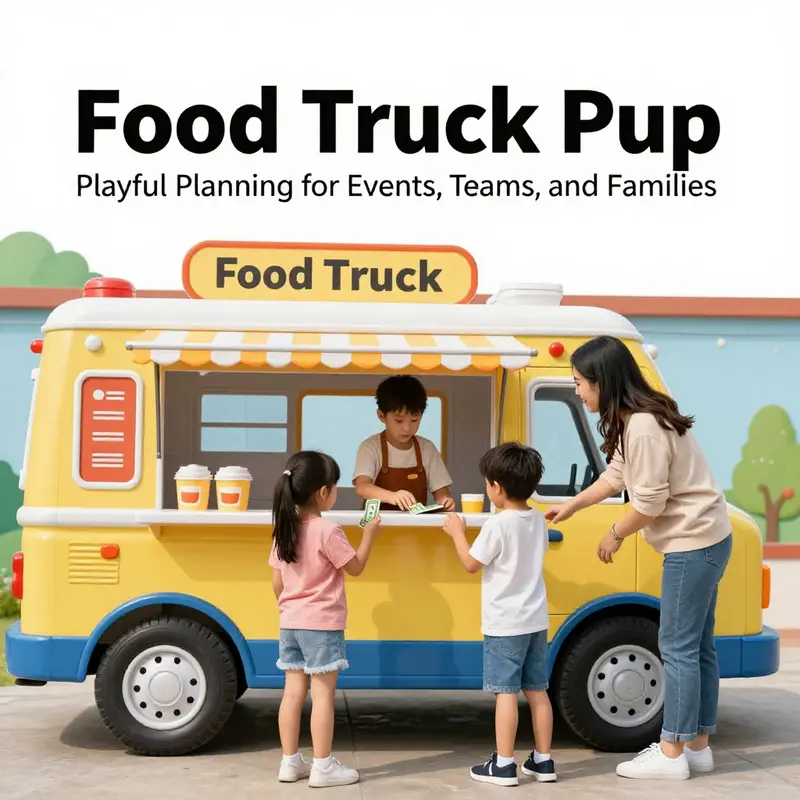
The world of Food Truck Pup unfolds as a playful, pixel-bright street scene where imagination blends with social practice. In this chapter, we follow a small crew of canine crepe shop entrepreneurs as they set up a tiny, bustling kitchen on wheels. The idea is simple on the surface: roll up, flip a few crepes, greet passing customers, and keep the counter humming. Yet the beauty of the game lies in how those small moments become lessons in listening, cooperation, and flexible thinking. The play space might be a real table transformed into a street stand or a tablet screen where hungry patrons stroll by in a loop. In either setting, the core experience remains the same: a structured playground that invites children to practice social cues, problem solving, and leadership in a low-stakes, endlessly repeatable way. The canine team, with their sparkling eyes and wagging tails, serves as a friendly, non-threatening cast that makes every interaction feel approachable. The first and most important step is to establish a scene that signals safety and belonging. A clean, well-lit space with a clear countertop, tiny menu boards, and a few decorative touches helps players feel ready to engage. The pretend environment is more than a backdrop; it is a social rehearsal room where the rules are simple and the outcomes forgiving. Children learn not by winning, but by practicing how to listen, respond, and adapt throughout a sequence of small exchanges with customers and teammates.
In this world, the customers are lively, diverse animal characters who come with distinct preferences, moods, and needs. Some tip with a wag of the tail; others pause to sniff and sample a bite before making a choice. Each encounter becomes a chance to rehearse a fundamental social skill: clear communication. The vendor speaks in short, friendly phrases, repeats the order to confirm accuracy, and offers options when a customer hesitates. The script is flexible enough to accommodate spontaneous requests—extra syrup, a gluten-free crepe, a playful topping—yet predictable enough that a child can anticipate the next steps without feeling overwhelmed. This balance between structure and spontaneity mirrors real-world customer service scenarios, and the game encodes those dynamics into approachable, age-appropriate practice.
A central mechanic in Food Truck Pup is listening with intention. The player who runs the counter must listen to the order, nod or paraphrase to show understanding, and check for any missing details. When a customer requests a specific topping or a particular presentation, the vendor adapts, offering a suggestion if needed and confirming the final choice before the food leaves the counter. This short loop—listen, confirm, serve—becomes a blueprint for communication that young players can apply beyond the pretend street. It also teaches empathy: recognizing that a friend might be unsure, providing gentle guidance, and celebrating a successful exchange with a bright, approving wag or a high-paw bump.
Within this premise, role-play dynamics naturally expand to include other players as part-timers and customers. The part-timers, typically other dogs, contribute to a sense of teamwork and shared responsibility. They can take on tasks that feel meaningful yet manageable for a child. One dog might gather ingredients from a pretend pantry, another could manage the cash register, and a third might handle the clean-up or set fresh tables. Delegation becomes a micro-lesson in leadership without the weight of real-world accountability. Children learn how to assign tasks by observing strengths, provide gentle guidance, and adjust workloads when the line forms or when a rush hits at a particular moment. The moment-to-moment collaboration—checking inventory, coordinating who serves which customer, and navigating the flow of a busy stand—builds practical cooperation and a sense of collective achievement.
Add to this the playful element of marketing and engagement. A clever twist in Food Truck Pup invites players to hand out flyers to passing animals. The act of inviting others to join in the fun mirrors the early marketing conversations many budding entrepreneurs encounter in the real world. It is never about pressuring someone to buy a crepe; it is about inviting curiosity, sharing a story about the truck, and making space for a friend to imagine their own role in the scene. Through such moments, children practice initiative, diplomacy, and social initiative—skills that translate into classroom participation, playground interactions, and family life. It’s a reminder that business sense in the game grows from human connection, not from pushing a product, and that the best customer service arises when the seller treats every encounter as a chance to build rapport.
The aesthetic choices in the game—clothing for the dogs, the decor of the shop, and even the small furniture pieces borrowed from other pretend storefronts—develop a new dimension of social expression. Dressing the team in coordinated outfits or matching colors can create a shared identity that feels exciting and personal. This is not vanity; it is a subtle exercise in self-presentation and branding. When players select outfits that reflect the truck’s theme, they practice visual storytelling and learn how presentation can influence perceptions. A cohesive look helps customers, even in a game, to read the scene quickly and know what to expect, which in turn reduces confusion during busy periods. The practice of decorating the shop and personalizing the characters also fosters pride in one’s own work and a sense of investment in the community being built at the stand. The children see the effect of care and intentional design on the mood of the space, a lesson that quietly underpins how people craft environments they want to inhabit.
Beyond the surface of cute imagery and cheerful banter, the game is designed to cultivate emotional intelligence. Players learn to read cues—smiles or frowns, wagging tails or stillness—and adjust their tone and pace accordingly. A customer who seems hurried receives succinct information and a quick, cheerful response; a curious youngster may be invited to ask a question about toppings, prompting a polite dialogue that reinforces respect and curiosity. The game frames feedback as part of the experience, not as a judgment. If a customer expresses disappointment with a bite, the vendor can respond with empathy, offering a fresh sample or an apology and a plan to make amends. In practice, this is where players internalize a core customer-service virtue: a positive mood helps maintain momentum and a welcoming atmosphere, even when the line grows long or a minor mistake occurs.
Another facet of the gameplay centers on the concept of adaptation. The street scene in Food Truck Pup is lively, and the logistics of a pretend crepe shop shift with the demands of the moment. A sudden rush of customers can become a chance to regroup, reallocate tasks, and maintain calm under pressure. Players learn to modulate pace, decant ingredients with care, and communicate changes to the team. The ability to adapt without frustration is a transferable skill that supports resilience in real life, especially in collaborative projects where roles can shift and priorities evolve. Parents and caregivers can use these moments to model calm problem-solving, describing aloud the steps they would take to handle a surge—checking supplies, reassigning a worker, and communicating expected wait times to customers. When children see adults handle complexity with poise, they gain a template for their own future leadership, even in the simplest of games.
The social tapestry of Food Truck Pup extends to how players handle feedback from both within the game and from others in their social circle. Children learn to interpret feedback signals—from a customer’s satisfied nod to a disappointed sigh—and respond with grace. The game’s feedback loop encourages players to reflect on what went well and where improvements could be made, reinforcing a growth mindset. This reflective practice is one of the hidden strengths of play: it teaches humility, patience, and the value of continual improvement without ever becoming a source of shame or fear. When kids practice soliciting feedback—asking a customer if the crepe was delicious or what could be improved—the habit of constructive dialogue begins to crystallize. The result is a more confident, cooperative child who understands that success in a shared endeavor grows from listening, learning, and adapting together.
For families and educators, the beauty of Food Truck Pup lies in its accessibility. The rules are straightforward, interactions are short, and the emotional beats align with common experiences across childhood. The framework invites a broad range of children to participate: those who enjoy fast-paced play, those who prefer careful, turn-taking conversations, and everyone in between. It is a friendly space where differences in temperament can be honored and leveraged. A child who loves storytelling can narrate the adventures of the crepe shop, while another who excels in rhythm and social timing can take the lead in taking orders and delivering food. The blend of roles supports inclusive participation and helps ensure that no one feels sidelined during a session. Together, players learn that a community thrives when every voice has a chance to contribute and every contribution matters.
In the spirit of connected play, the game also nudges players toward a broader sense of identity within a community. The outfits, the shop’s color palette, and the little furniture pieces become a visual language that communicates who they are as a team. The act of coordinating style choices with the shop’s broader theme gives players a sense of agency and pride in their collective creation. It’s not just about selling crepes; it’s about telling a story through visuals and conversations. This storytelling through style invites children to think about branding in a gentle, age-appropriate way. It turns the act of dressing the crew into an exercise in identity-building and group cohesion, a playful primer for the more formal branding work they may encounter later in life.
For readers seeking to connect play with real-world practice, consider how these dynamics mirror early entrepreneurial exploration. The sequence—from greeting customers to delivering a product, from soliciting feedback to adjusting the offering—maps closely to fundamental business literacy. The conversation that unfolds around how best to attract customers—whether through friendly interactions, simple promotions, or the occasional flyer handed to passing animals—offers a light but meaningful introduction to marketing concepts. Children experience the basics of customer relations and brand presence without the complexity or risk of real-world commerce. The joy is in the process; the crepe tastes secondary to the skill-building baked into each interaction. The design of the game deliberately lowers barriers to participation while elevating the social and emotional payoff. In this way, playing Food Truck Pup becomes a primer on teamwork, service, and creative problem solving that can be carried into school projects, group activities, and family routines.
As the play unfolds, there is room for quiet observation as well. Not every child thrives on constant dialogue or rapid task-switching. In those moments, the game can gracefully shift to a slower pace: a single customer, a shorter menu, or a small one-on-one scene between a vendor and a customer. These variations ensure the experience remains welcoming to different personalities and energy levels, while still preserving the core opportunity to practice social skills. When a child masters a simple exchange—listening, confirming, and delivering—confidence builds. That confidence spills over into other arenas: answering questions in class, joining a conversation with peers, or taking initiative in a group project. In short, Food Truck Pup is not just about crepes and customers; it is about building a social toolkit that travels beyond the pretend street and into daily life.
The chapter’s closing insight centers on the integration of play with reflection and growth. A quick post-session chat, either with a caregiver or a peer, helps crystallize what was learned. Asking questions like, “What part of the order was the hardest to understand?” or “Which team role helped the most in keeping the line moving?” invites children to connect actions with outcomes. When players recognize how small choices—the way they phrase a question, or how quickly they respond to a customer—shape the experience, they gain agency over their own social development. The practice becomes a habit, and the habit becomes a skill set that supports collaboration, empathy, and resilience as children grow.
In weaving together these threads—the charm of a canine crepe crew, the rhythm of service, the color and character of the shop, and the social intelligence that underpins every interaction—Food Truck Pup offers more than entertainment. It provides a scaffold for children to explore how people connect around something they care about: sharing food, telling stories, and building a small business together. It invites both the heart and the mind to participate in a playful enterprise where leadership and teamwork stand side by side with kindness and curiosity. And in doing so, it helps children learn not just how to play a game, but how to listen, adapt, and collaborate in the many scenes of life that await them beyond the pretend street.
For readers who want a broader perspective on how such play supports social development through digital and physical play, a trusted educational resource offers thoughtful context and evaluation. See the Common Sense Media review to explore how Food Truck Pup is positioned as both an entertaining game and an educational tool that nurtures responsibility, creativity, and social awareness in young players. External resource
Internal note: as you cultivate these play sessions, you may also want to explore how branding and visual identity can elevate the sense of community within your play space. The notion of branding on wheels—focusing on a cohesive look, signifiers, and a shared narrative—can deepen the role-play experience and help children articulate who their team is and what they stand for. A practical glance at such branding ideas can be found in the related post on branding and identity for food-truck graphics and storefronts, which offers a kid-friendly lens on how appearance ties into belonging and storytelling. Check out branding on wheels: the ultimate guide to food-truck graphics and identity to see how visual choices guide conversations and cohesion in a playful setting.
From Paws to Profits: Playing Food Truck Pup with Props, Storytelling, and Digital Tools
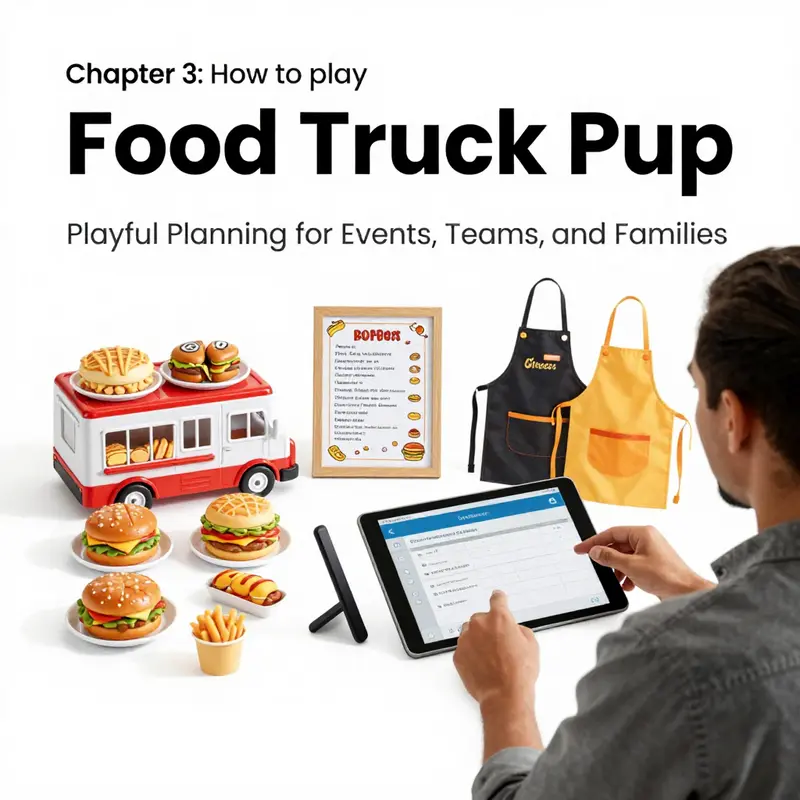
From the moment the screen brightens and a wagging pixel tail circles a gleaming crepe cart, Food Truck Pup invites players into a small, bright economy where dogs aren’t just pets but budding entrepreneurs. The game threads whimsy with practical business sense, translating playful choices into planning, collaboration, and storytelling. It mirrors real-world steps in a way that is accessible to families, offering a gentle entry into management concepts through narrative beats and familiar tasks.
The core appeal lies in how the game blends lightweight time management with a storytelling voice that treats each order as part of a larger journey. You watch the team grow not just by numbers but by the stories you tell with your choices, the storefront you decorate, the crew you hire, and the rhythm of the kitchen when demand sizzles. The ability to assemble a team of canine characters is more than cute flavor; each breed and personality adds a different dynamic to scheduling and delegation.
The game teaches resource management through ingredient gathering, where strawberries, bananas, and pantry staples become harvestable assets earned via light mini-games. The more efficiently you collect and stock ingredients, the faster you can serve customers and reinvest in equipment, branding, and staff. This gentle primer mirrors how real businesses balance inventory with customer demand.
Marketing in the game nods to real world branding: flyers handed to passing animals become visible signals of awareness, and creative design draws visitors to the window. The emphasis is on communicating a coherent brand story rather than chasing quick gimmicks, so players learn to think about brand voice, color, and identity as part of service quality.
The cooking mode sits at the heart of the rhythm. Time-constrained orders require a blend of timing, precision, and taste, with actions that feel like a duet with a kitchen timer. The goal is steady, repeatable performance rather than pure speed, fostering workflow design: where ingredients live, how to assemble them, and how to keep a line moving without overburdening any one team member.
Staffing and delegation reflect real entrepreneurial leadership. Players hire part-timers to handle tasks such as ingredient gathering or customer service, learning to balance workload, assign duties to strengths, and adjust as demand shifts. The game keeps complexity approachable, rewarding thoughtful staffing decisions that unlock growth a single player could not achieve alone.
Customization ties the entire experience together. The shop’s interior becomes a canvas for personality and workflow, and second-floor upgrades let players dress the crew to reflect roles. The act of styling is a storytelling mechanic, signaling who does what and reinforcing the shop’s identity. A well-planned layout speeds service and clarifies roles, while branding-inspired outfits can help players communicate a clear narrative to customers inside the game.
Beyond decoration, the game invites a storytelling layer that reinforces real-world entrepreneurship. Visual style, humor, and character interactions create a world where business decisions feel meaningful. The journey from a local cart to a modular fleet mirrors a familiar arc: start small, prove your concept, and scale thoughtfully, guided by milestones that reward planning and teamwork.
The inclusion of digital tools expands the horizon. Digital stickers and micro-upgrades can be earned by completing story arcs, offering a sense of progression that mirrors real-world milestones. These tools become expressive channels for narrating a brand’s story and for aligning visuals with service quality, creating a cohesive experience that prizes ownership and consistency.
For educators, parents, and curious players, the game also provides a bridge to real-world resources. The chapter notes that players can consult practical guides, such as the U.S. Small Business Administration’s starting-a-food-truck guide, to map in-game decisions to tangible tasks. These connections aren’t a checklist but a pathway to thoughtful exploration of permits, branding considerations, and market research beyond the screen. In short, Food Truck Pup offers a sandbox where experimentation with branding, customer service, and product mix can become a foundation for future ventures should players choose to test ideas in the real world.
If you’re curious about how a particular choice translates to real-world skills, resources like branding on wheels or SBA’s practical guide to launching a food truck can provide inspiration and structure. The game invites players to translate confidence gained in play into deliberate planning, refining a shop, coordinating a crew, and delivering a delightful product that earns repeat visits. The result is a cohesive, repeatable experience that encourages experimentation, reflection, and conversation about what makes a small business feel alive.
A Wag and a Whisk: Immersive Play, Learning, and Family Bonding Through a Canine-Driven Kitchen on Wheels
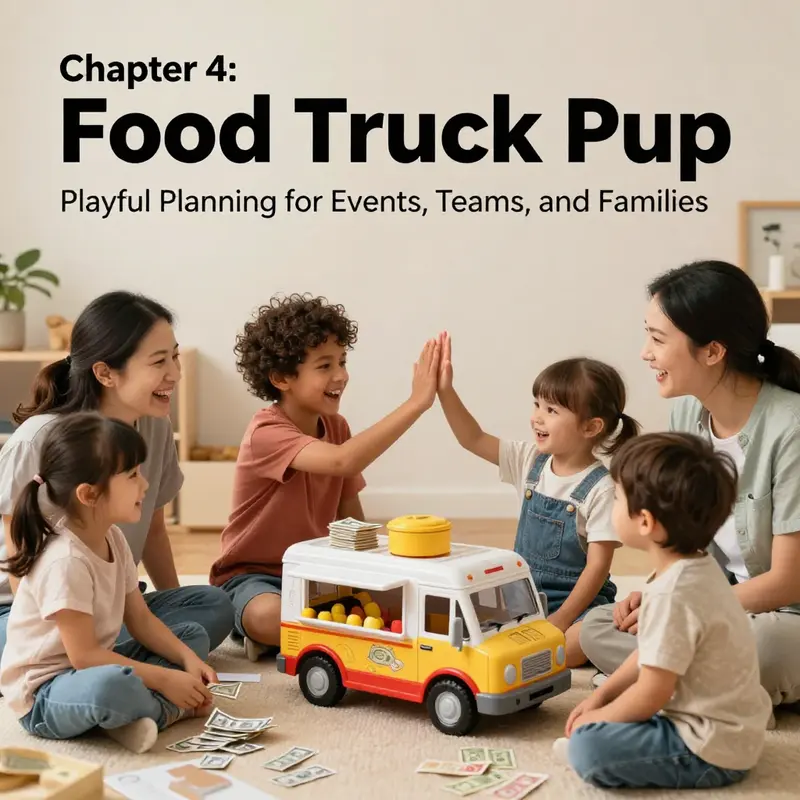
In the realm of pretend play, few setups mirror the lively rhythm of a street-side kitchen as vividly as a wagging canine crew running a mobile cafe. This chapter invites readers to step into a scene where imagination, small-world economics, and family teamwork intersect in a playful, constructive way. The core idea is simple: children act as cooks, customers, designers, and marketers all at once, guiding a crew of pixel dogs through a sequence of tasks that resemble real-world kitchen and small-business operations. The charm is not merely in the cuteness of the canine teammates or the glossy colors of the crepes, but in the way the play unfolds as a natural, integrated practice of attention, planning, and collaboration. When a child slides ingredients across a counter, swipes to season, or taps a timer to ensure a perfect flip, they are rehearsing cognitive skills that form the groundwork for more complex problem solving later on. The narrative flow of the play mirrors a day in the life of a small, bustling shop, from opening the window to greeting a hungry crowd, to closing up after the last customer departs.
A central thread in this kind of play is the transformation of a simple kitchen scene into a social stage. Players begin with a small set of tasks that resemble an in-town cooking game: gather ingredients, prepare a simple menu item, and serve a client before the next order arrives. In the described play pattern, the central dish becomes crepes—light, flexible, and easy to customize with different toppings—so children can experiment with flavors while practicing sequencing. The act of gathering strawberries and bananas, combining batter, and coordinating timing invites the developing mind to engage in ordered steps. This kind of hands-on activity nurtures focus, hand-eye coordination, and the ability to anticipate the next move. It also frames comprehension around cause and effect: if the batter sits too long, if a topping is forgotten, or if a customer’s request isn’t heard clearly, the scene shifts and the child adapts. Such cause-and-effect reasoning is foundational to later mathematical reasoning and scientific thinking.
Beyond the kitchen counter, the play expands as the child earns “coins” and uses them to customize the truck’s interior. The act of design—choosing chairs, tables, and decorative touches—becomes a creative outlet that supports decision-making and spatial awareness. The ability to imagine a shop’s layout, weigh aesthetic choices, and see how one layout might improve customer flow engages a form of practical creativity that strengthens executive function. When the child decides where a shelf should go or which color palette best communicates the shop’s mood, they practice planning and prioritization, skills that transfer into classroom projects and family decisions alike. This design phase also invites the child to think about user experience in a safe, guided environment. How does the shop feel to customers who walk in? Does the layout make it easier to see the menu or to reach the pastry case? These questions nurture a budding sense of civic-minded design and user-centered thinking, even though the setting remains playful and fictional.
A further dimension emerges through the playful cast of canine teammates. The dogs—the pixelated helpers—aren’t mere props; they are character agents with distinct personalities that children can discover and express. Dressing the dogs, giving them names, and assigning roles supports identity development and social imagination. The act of choosing outfits or accessories becomes a mirror for self-expression, while also inviting the child to consider how appearance and presentation influence how others perceive a product. This is not vanity; it is an early foray into branding from a child-friendly perspective. It also invites empathy as children imagine the dogs’ likes, dislikes, and needs—factors that can help a youngster practice perspective-taking and emotional literacy. When a dog looks excited about a topping or worried about a long line, the child learns to recognize cues and respond with warmth, patience, and problem-solving.
The mechanics of play—gathering ingredients, managing inventory, and serving customers—offer a gentle primer in resource management. Children learn to tally supplies, track earnings, and plan ahead for anticipated demand. The idea of sending dogs on missions around a map to collect ingredients introduces an element of strategic planning. Players must decide how to allocate limited resources, which missions to prioritize, and how to adjust plans when new orders appear or when a particular ingredient runs low. These decisions model early budgeting concepts and aid in developing a forward-looking mindset. The very act of saving up coins to unlock new furniture or outfits introduces the habit of delayed gratification, a cornerstone of financial literacy. In simple terms, the child learns to balance immediate satisfaction with longer-term goals, a pattern that translates into real-world behaviors such as saving for a desired toy, a group activity, or a future family project.
Marketing and social interaction weave themselves naturally into the play narrative. Handing out flyers to passing animals is not merely a decorative flourish; it is a gentle introduction to communication, repetition, and audience awareness. Children learn to craft a brief message, consider the best moments to share it, and observe how others respond. The act of promoting the shop fosters confidence in speaking, tone, and pacing, while the feedback from customers—positive reactions or questions—gives the child a cue to adjust service or offerings. This social loop mirrors real-world entrepreneurial learning without introducing pressure. The play becomes a safe laboratory for social experimentation: how to greet customers, how to respond when a request is unclear, or how to handle a busy rush of orders with calm efficiency.
Central to the overall play experience is the “cooking mode”—a focused setting where the child must manage multiple orders and timing. The rhythm of taking an order, preparing items, and delivering them promptly mimics the cognitive load of multitasking in a real kitchen. The child’s ability to juggle tasks, switch attention, and monitor a sequence of actions grows during these moments. It is here that patience and perseverance are cultivated, as the child learns to pace themselves and to maintain quality under pressure. The pacing also teaches resilience: a hiccup—a burnt edge, a missing topping, or a misheard request—turns into a moment to adapt, reevaluate, and retry. The result is a quiet confidence that spills over into other daily activities, from classroom tasks to family chores.
Equality and teamwork naturally surface when the play invites others to join. Hiring part-timers to help gather ingredients or assist customers models delegation and collaboration. Children observe that tasks can be shared, roles can be rotated, and a team can achieve more than a single player alone. This team-based structure fosters communication, respect, and shared responsibility. The sense of working toward a common goal—a thriving crepe truck that serves a growing community—creates a socially meaningful context for learning. The game’s progression system, which rewards milestones like opening a new location or expanding the team, reinforces perseverance and long-term goal setting. As children watch their in-game business evolve, they experience a tangible sense of achievement and the motivation to plan ahead and build something that outlasts a single play session.
From a developmental perspective, this kind of play blends cognitive development with emotional growth. Children practice problem-solving as they sequence tasks, allocate resources, and refine their strategies after each round. Fine motor skills are exercised through tapping, dragging, and swiping, which support dexterity and precision in younger hands. Emotional intelligence is nurtured by exploring social dynamics with a diverse canine cast and by managing the emotional tone of customer interactions. These early experiences with social emotion and feedback cultivate a readiness for cooperative play and collaborative problem-solving in school and in family life.
Educationally, the play introduces basic economics in a gentle, intuitive way. Kids experience earning money, saving toward upgrades, and making choices about how to spend. They encounter concepts of inventory management, budgeting, and opportunity costs without the abstraction of a formal lesson plan. They count ingredients, track earnings, and reason about the value of different items. Language development follows naturally as players read simple prompts, interpret customer requests, and communicate with their canine team. The interface provides a scaffold that makes these early literacy experiences accessible, reinforcing vocabulary, comprehension, and spoken language through playful, meaningful dialogue with NPCs and with family members who participate in the pretend play.
Family-bonding benefits emerge most vividly when play unfolds as a shared, collaborative project. Parents and children can co-create the shop’s layout, brainstorm menu ideas, and celebrate milestones together. The shared decision-making process—whether choosing a shop theme, selecting dog outfits, or designing the floor plan—becomes a catalyst for creative collaboration and mutual appreciation. Positive reinforcement around milestones—opening a new location, completing a level, or achieving a high customer satisfaction score—creates moments of joy that strengthen family bonds and build confidence in one another. Even the quieter moments—reviewing a plan, resolving a scheduling conflict, or simply admiring the finished shop—become opportunities for connection and learning in a supportive, low-pressure frame.
For families who want to extend the digital play into the real world, a simple, hands-on approach works wonderfully. Set up a pretend play space with a table, a play mat, and a small shelf of pretend food items, using miniature kitchen props and role-play accessories. The child can assume the same roles they enjoy in the digital realm: chef, cashier, designer, and marketer. Use toy cash registers, menus, aprons, and hats to enrich the scene. Create a short day-in-the-life routine for the pretend truck: open the window, greet customers, prepare a couple of items, and then close for the day. This transition from screen-based play to home-based play reinforces the same skills—sequencing, social interaction, and creative problem-solving—while grounding them in real-world, tangible activities. It also invites the whole family to participate, turning playtime into a shared project rather than a solitary screen experience.
If you’re seeking additional perspectives on how to maximize the educational and developmental value of this type of play, a broader set of ideas can be found in the family and education blog sphere. A resource such as the official blog for related play concepts offers curated articles and activities that complement the game’s themes—creative play ideas, simple economics activities, and tips for nurturing collaboration among siblings during pretend play. This kind of reference can provide a steady stream of fresh prompts, ensuring that the play remains dynamic and engaging over time.
For readers who want a quick navigation point to more ideas on creative, educational play in this vein, a reliable companion resource is the loschifladostruck blog, which collects practical tips and creative play prompts that align well with the themes described here. You can explore ideas and activities that echo the same spirit of imaginative play and family collaboration at the following resource: loschifladostruck blog.
As play evolves, so does the child’s understanding of how games can echo real life. The cluster of activities described—designing a shop, managing resources, coordinating a small team, and promoting a service—serves not only as entertainment but as a scaffold for lifelong skills. The child learns to listen, to plan, and to adjust as conditions change. They experience pride in a job well done and grow more confident in their ability to contribute to family life and problem-solving conversations. The narrative of a wagging kitchen on wheels invites families to see play as a credible, valuable pathway to development, not merely a diversion. The gentle feedback loops embedded in the play—improvement after practice, success after collaboration, joy in shared achievement—offer a blueprint for how playful learning can blossom into resilient, curious, and capable young thinkers.
External resource: For families seeking a broader context on digital play and its educational potential, an external app listing provides additional perspectives on how similar experiences are packaged for young audiences. You can review the official app listing here: https://apps.apple.com/us/app/food-truck-pup/id1536029978
Final thoughts
Food truck pup offers more than simple play; it creates a shared language for collaboration, creative problem-solving, and cultural curiosity. By setting up an accessible space, guiding thoughtful role-play, and layering in props, storytelling, and digital tools, you invite participants—from busy event planners to curious families, from HR teams to neighborhood organizers—to practice communication, numeracy, empathy, and teamwork in a low-stakes, high-fun environment. The benefits ripple outward: stronger social bonds, more inclusive group dynamics, and a playful mindset that carries into real-world settings. Start with a single pop-up event or a recurring family evening, and let the pretend truck grow with your community’s needs. The core takeaway is simple: when we play together, we learn together—and food truck pup is a delicious, approachable way to do it.