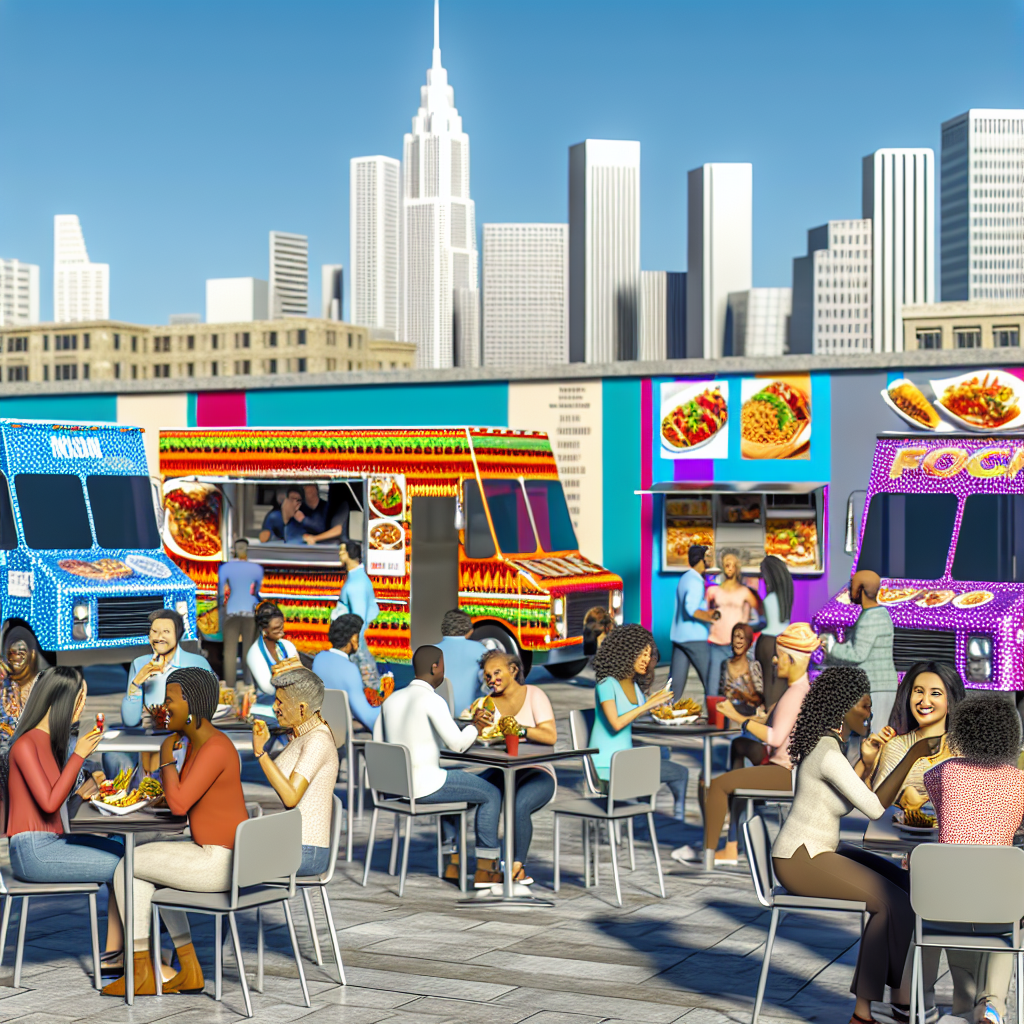
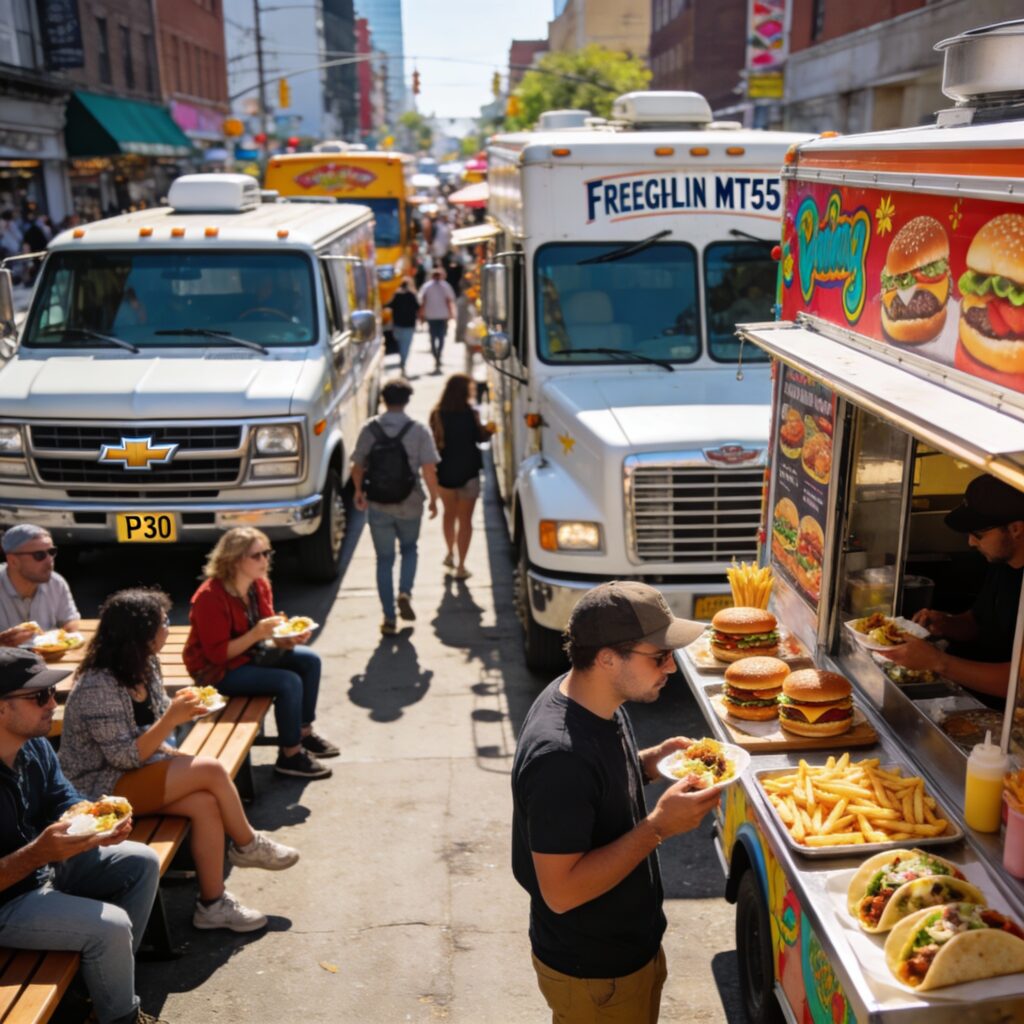
As the food truck scene continues to flourish, attracting food enthusiasts and entrepreneurs alike, choosing the right model for your venture has never been more critical. With approximately 36,000 food trucks currently operating across the U.S., each offering a unique culinary experience, it’s essential to understand the diverse options available that align with both your menu ambitions and budget constraints.
Whether you are catering to a niche market with distinctive offerings or planning to serve a broad audience with a varied selection, selecting the appropriate food truck model can significantly influence your operational efficiency and success. This guide aims to provide practical decision-making insights and refreshing perspectives on food truck models, ensuring you not only serve up delicious food but also run a sustainable and profitable business.
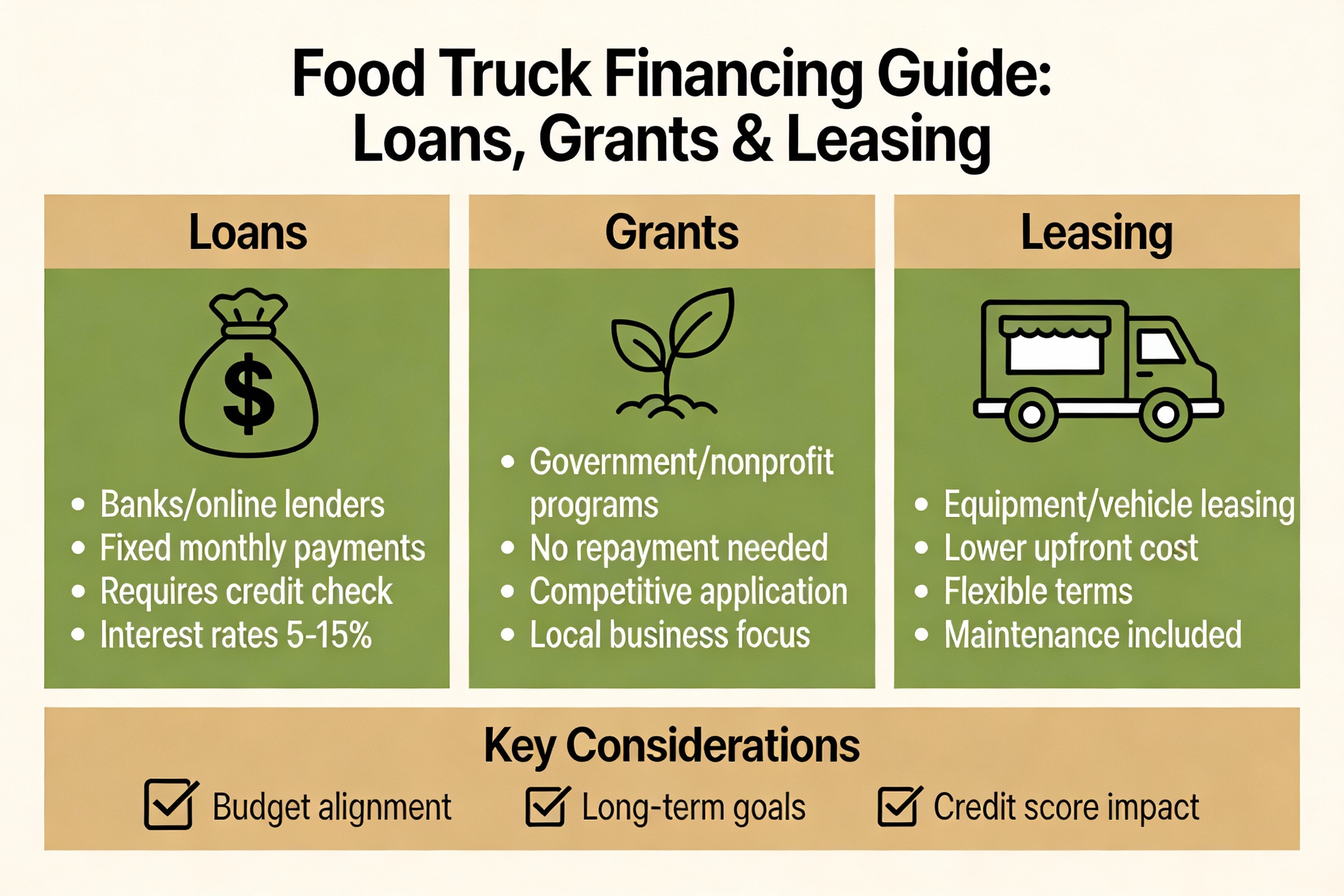
In this article, we will also discuss essential food truck business tips, financing options, and permits to consider when starting your food truck operation.
| Food Truck Model | Price Range | Main Features | Suitable Menu Types |
|---|---|---|---|
| Chevy P30 | $30,000+ | Reliable chassis, spacious interior, customizable | Fast food, gourmet sandwiches |
| Freightliner MT45 | $60,000 – $100,000 | Heavy-duty build, efficient layout, large storage | Barbecue, fusion cuisine |
| Ford P700 | $50,000 – $80,000 | Versatile design, good maneuverability | Coffee, pastries, snacks |
| RAM ProMaster | $44,000 – $60,000 | Wide body, easy to customize | Tacos, mobile kitchens |
| Ford Transit | $46,000 – $70,000 | Adjustable shelving, robust engine | Burgers, tacos, street food |
Key Factors to Consider When Choosing a Food Truck Model
Choosing the right food truck model can be overwhelming. It involves balancing important factors that impact your operations. Here are key considerations you should keep in mind:
1. Menu Requirements
Your menu will largely dictate the type of food truck model you choose. It will influence the kitchen layout and equipment needed. Consider the following:
- Space Needs: If your menu requires several cooking stations, you will need a truck with ample space. Step vans or larger models like the Freightliner MT45 are often the best choices for extensive menus. Reports indicate that “menu complexity directly dictates equipment needs, such as power systems, cooking appliances, venting, and wiring. Modular kitchen designs are crucial for adapting to diverse menus while maintaining mobility and hygiene standards.”
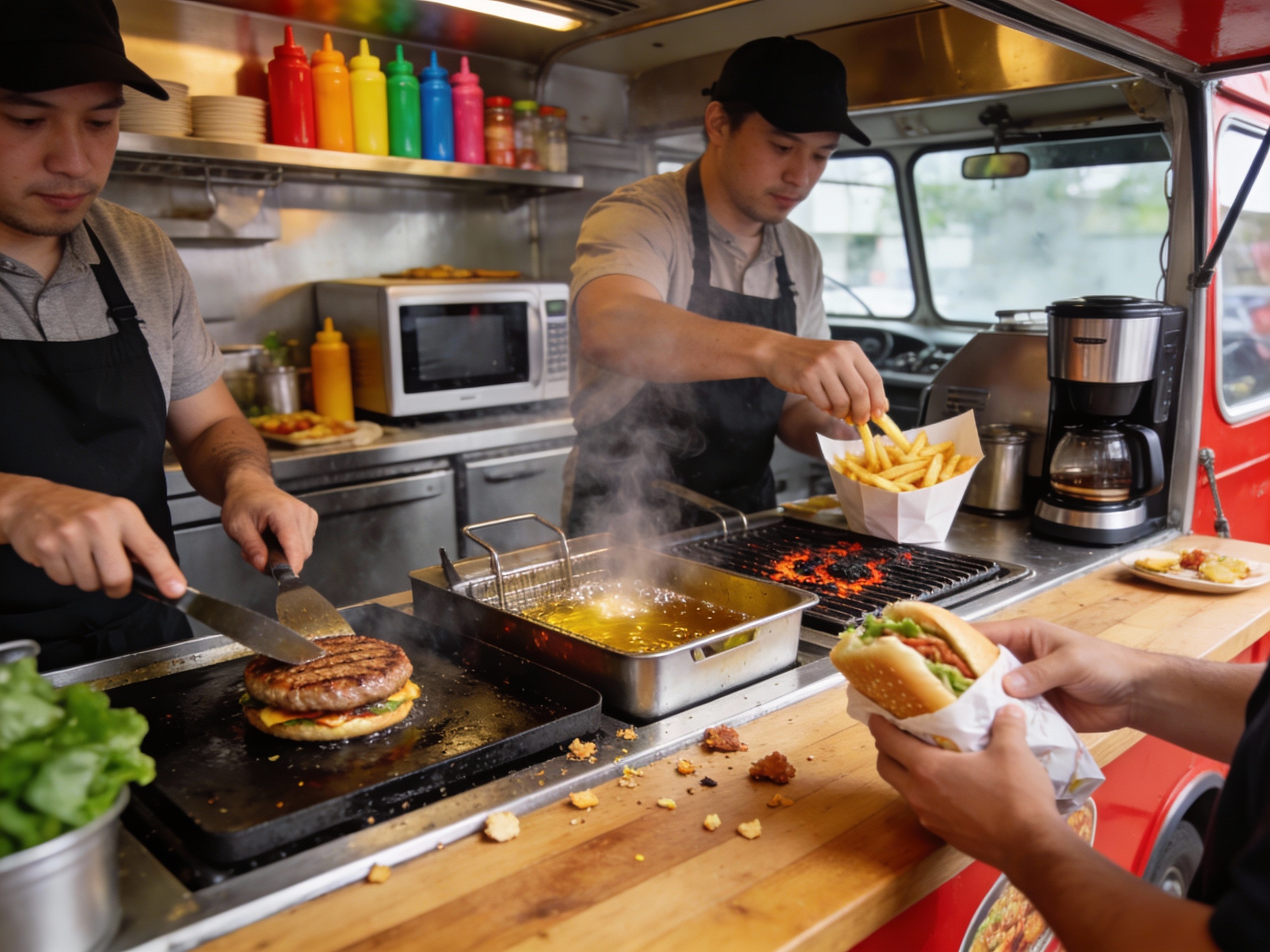
- Essential Equipment: It is vital to have the right equipment for your food offerings. If your menu needs an oven, deep fryer, or grill, ensure the truck model can comfortably fit these appliances. Analyses suggest that “menu scope influences vehicle selection: compact trucks are suitable for limited menus while trailers can accommodate diversified offerings with expanded kitchen spaces.”
2. Budget Constraints
Understanding your financial capacity is crucial. Food truck models vary significantly in price, and ongoing costs should also be considered:
- Initial Investment: Prices for new trucks range from budget-friendly options like the Diamond Cargo Trailers (less than $6,000) to more expensive step vans that can start at $30,000 and exceed $100,000.
- Operating Costs: Don’t forget to factor in maintenance, fuel, insurance, and permits. Knowing these costs upfront helps with long-term budgeting.
3. Parking Limitations
Where you operate your food truck can affect your choice of model:
- Size and Maneuverability: Make sure that the truck can easily navigate where you plan to operate. Some urban areas have restrictions that may prevent larger trucks from parking in certain places.
- Local Regulations: Different municipalities have various regulations regarding food truck parking. Research local guidelines to see if a smaller model like a RAM ProMaster might be more suitable.
4. Personal Preferences
Your preferences as the owner are essential in model selection:
- Aesthetic and Brand: The look of your food truck can impact brand perception. Choose a model that aligns with your vision and the preferences of your target audience.
- Capacity and Comfort: Depending on how the truck will be operated, consider the comfort for you and your staff. If you expect a lot of traffic, you might opt for a model with a more open design.
In conclusion, carefully considering these factors will help you make an informed decision when selecting a food truck model that meets both your needs and those of your target market.
Food Truck Adoption Statistics in the U.S.
The food truck industry in the U.S. is experiencing significant growth in 2023, showcasing its evolving popularity and the advantages of selecting the right food truck model. Here are key statistics that highlight this trend:
- Growing Number of Businesses: As of 2023, there are approximately 36,324 food truck businesses operating across the U.S., marking a 9.9% increase from the previous year. This demonstrates a growing acceptance and interest in food truck operations among entrepreneurs.
- Overall Industry Growth: The overall count of food truck businesses has reached around 52,624, reflecting a consistent upward trend in the industry over recent years. This increase signifies how food trucks are becoming a staple in the culinary landscape.
- Market Valuation: The food truck market is valued at $4.3 billion in 2023, with projections showing a compound annual growth rate (CAGR) of over 5% from 2024 to 2032. This economic potential underscores why choosing the right food truck model can be a profitable decision.
- Consumer Demographics: A significant factor driving food truck revenue is the millennial demographic aged 25-44, who contribute approximately 43% of monthly spending on food trucks. Their preferences and spending habits make them a critical audience for food truck operators.
- Factors Supporting Growth: Government initiatives and support aimed at food entrepreneurs are facilitating entry and innovation in the food truck market. Moreover, changing consumer behaviors, particularly the trend towards on-the-go dining, are favorable for food truck businesses, emphasizing the need to adopt suitable truck models that cater to this demand.
In conclusion, these statistics reinforce the importance of understanding food truck dynamics and the value of selecting the right food truck model that aligns with both market opportunities and consumer preferences.

Different Types of Food Truck Models
When entering the food truck business, selecting the right vehicle is paramount to ensuring operational efficiency and satisfying your culinary ambitions. There are three primary types of food truck models: cargo vans, step vans, and trailers, each serving different business needs and menu possibilities.
1. Cargo Vans
Cargo vans, such as the Ford Transit or Mercedes Sprinter, are compact and highly maneuverable. They are ideal for smaller menus or startup operations due to their lower initial costs and good fuel efficiency. These vans typically offer limited interior space, making them better suited for food concepts that require fewer cooking appliances. For instance, Waffle Love, based in Utah, serves delicious Liege waffles from a cargo van, highlighting how a compact setup can effectively manage a focused menu.
Pros:
- Lower operating costs
- Easier to navigate urban settings
- Good for small-scale operations
Cons:
- Limited kitchen space
- Difficulties in accommodating extensive menus
2. Step Vans
Step vans, such as the Freightliner MT45, provide significantly more interior space and headroom. They allow for full kitchen installations, making them suitable for businesses with complex menus. Step vans are often used by popular brands like Melt Shop, which focuses on gourmet grilled cheese sandwiches. These vehicles can handle a higher volume of traffic and are seen as industry standards because of their durability and efficient layouts.
Pros:
- Ample space for kitchen equipment
- Higher capacity for diverse menus
- Easier access to different cooking stations
Cons:
- Higher upfront costs than cargo vans
- Less fuel-efficient compared to smaller models
3. Trailers
Food trailers offer the most flexibility and space for customization, making them ideal for businesses serving extensive and diverse menus. For instance, Cousins Maine Lobster operates from a trailer, allowing for a spacious layout that accommodates various cooking equipment. While trailers provide extensive cooking capabilities, they require a tow vehicle and can be less mobile.
Pros:
- Exceptional space for large operations
- Customizable layouts for specific cuisine needs
- Potentially less expensive than premium food trucks
Cons:
- Require towing vehicles for mobility
- Might face parking limitations in urban environments
In conclusion, the choice between cargo vans, step vans, and trailers will significantly impact your food truck business’s operation and success. Evaluating your specific needs, target market, and menu will help you choose the right model to build a thriving culinary enterprise.
Conclusion
Choosing the right food truck model is not just a matter of preference but a critical decision that can determine the success of your food truck business. The model you select should resonate with your menu offerings, budget, and operational demands.
When assessing food truck models, consider how the space and equipment options available affect your menu capabilities. For instance, a step van may be more suitable for a diverse menu requiring multiple cooking stations, while a cargo van works well for smaller, simpler operations. Understanding your menu’s requirements is paramount in making an informed choice that supports your culinary vision.
Additionally, budget constraints play a significant role in the decision-making process. Each model comes with varying price points and associated operating costs that must be factored into your financial plan. Choosing a model that fits comfortably within your financial framework can help ensure the sustainability of your business in the long run.
Furthermore, the flexibility to adapt to local regulations and parking limitations can make a substantial difference in daily operations. Selecting an appropriately sized food truck model that complies with local guidelines ensures smooth operation, avoiding regulatory hiccups that could hinder your business.
In conclusion, the right food truck model is integral to not only launching your venture but also sustaining it in a competitive market. Thoroughly evaluating all relevant factors, from menu and budget to local regulations, will set the foundation for a successful food truck operation.
Summary of Advantages of Various Food Truck Models
Choosing the right food truck model comes with distinct advantages based on your operational needs and menu requirements. Cargo vans, such as the Ford Transit, are cost-effective and maneuverable, making them perfect for smaller menus and urban settings. Step vans, like the Freightliner MT45, offer substantial kitchen space and flexibility, catering well to diverse menu options and high volumes. Finally, trailers provide remarkable customization and room for extensive operations, ideal for businesses offering complex cuisines but require a towing vehicle. Selecting the optimal model significantly impacts your success in the food truck industry.
Summary of User Testimonials about Food Trucks
-
User Praise for Versatility and Ease of Use:
Many users appreciated models that support multiple cooking methods (like grilling, frying, and teppanyaki) and can be operated by a small team of 1-2 people. For instance, one user highlighted the ease of operation with a multifunctional food truck designed for quick setup and flexible adaptations. -
Operational Efficiency and Revenue Boost:
Testimonies reflected that well-integrated features like refrigeration and coffee machines significantly enhance operational efficiency and sales figures. A business owner noted that their multi-functional food truck with advanced kitchen setups improved their revenue dramatically compared to previous fixed-location operations. -
Considerations about Fuel Types and Maintenance:
Several users pointed out that the compatibility of fuel types is critical to avoid issues with heat control during cooking, often affecting the quality of food served. Also, the complexity of maintaining electric systems was highlighted, suggesting that brands with robust technical support are preferable when making a selection. -
Size and Compliance Concerns:
Users expressed the importance of choosing models that align with legal dimensions and permit regulations to avoid location restrictions. One user mentioned the significance of ensuring the food truck complies with local licensing requirements to prevent operational challenges. -
Safety Recommendations:
In regards to safety, it was emphasized that food trucks equipped with gas units require regular checks to ensure operational safety, which can minimize the risk of accidents significantly. Some users advocated for models designed with safety features focused on fire hazards and the efficient storage of equipment and materials.
Case Studies of Successful Food Truck Models
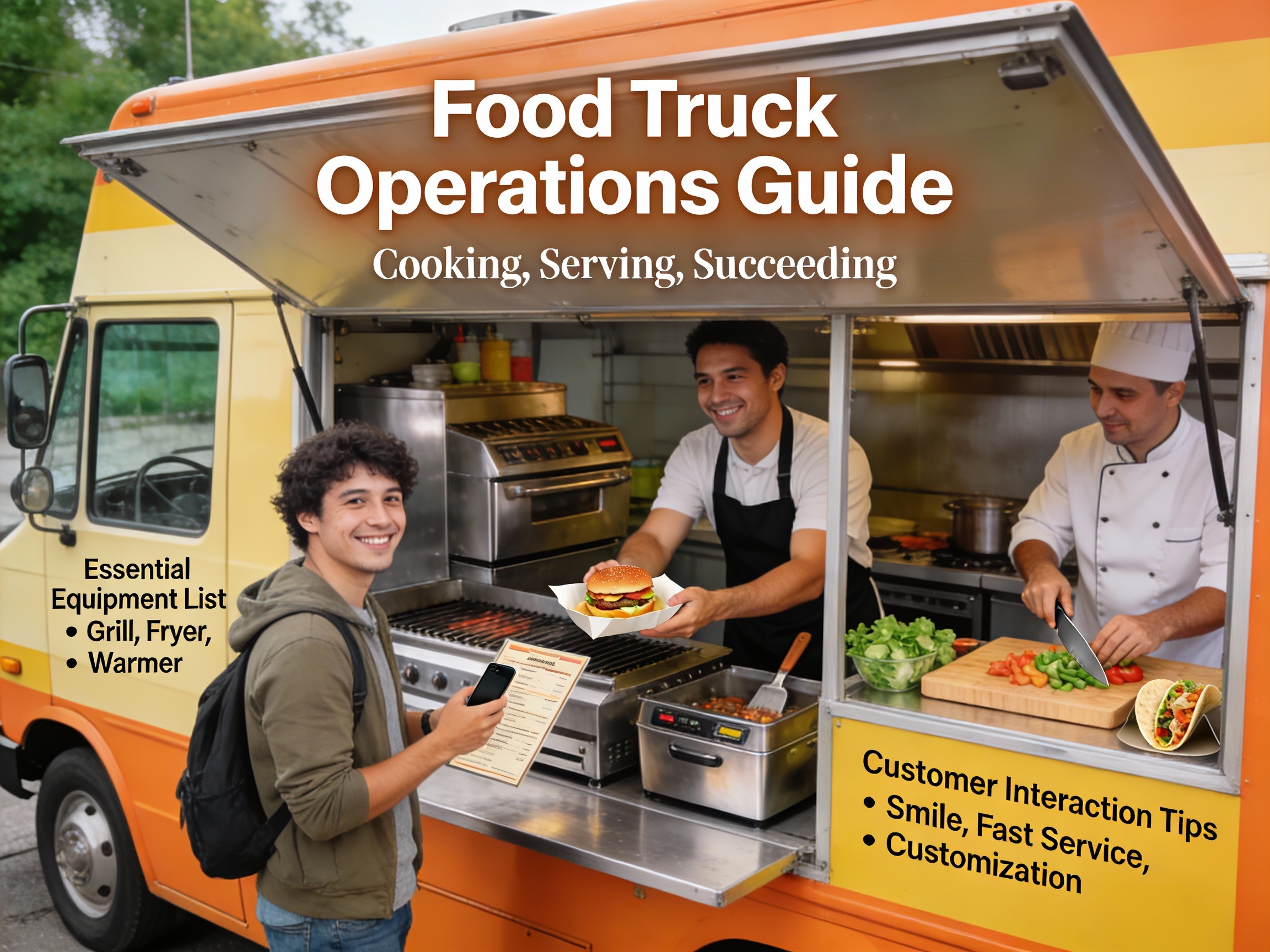
To enhance your understanding of the different food truck models and their potential, let’s explore some real-life success stories:
-
Kogi BBQ
- Model Highlights: This food truck pioneered the Korean-Mexican fusion cuisine model, using a Freightliner MT45 for its operations.
- Impact: By leveraging social media marketing, Kogi BBQ generated massive lines and buzz. Their annual revenue tops $2 million, showcasing high-volume strategies and minimal overhead.
- Source: Food Truck Empire (May 15, 2023)
-
The Halal Guys
- Model Highlights: Originally a single hot dog cart in NYC, they successfully transitioned to food trucks serving Egyptian-style halal food while maintaining cost-effective operations.
- Impact: The brand now operates over 400 locations worldwide, proving that a strong operational model can lead to global franchising.
- Source: Entrepreneur (August 10, 2022)
-
Cousins Maine Lobster
- Model Highlights: Featured on Shark Tank, they operate multiple trucks built for high volume, focusing on fresh lobster.
- Impact: Their diversified revenue streams, including food trucks, brick-and-mortar stores, and e-commerce, allow them to maintain high-quality offerings across the country.
- Source: Forbes (June 5, 2018)
-
The Grilled Cheese Truck
- Model Highlights: Specializes in catering events, using a custom-built truck designed for event-focused operations.
- Impact: This has led to predictable revenue and higher margins, expanding their fleet while keeping operational consistency.
- Source: Food Truck Business Guide (January 20, 2023)
-
LeRoy and Lewis
- Model Highlights: This food truck has established itself as a culinary destination in Austin with a focus on innovative barbecue.
- Impact: They utilize an efficient kitchen layout to keep overhead low while innovating their menu and expanding their brand presence.
- Source: Eater Austin (March 15, 2022)
Food Truck Owner Testimonials on Different Models
Collating real-time feedback from food truck owners helps in understanding the pros and cons of various models:
-
Freightliner MT45
- Experience: Owners praise this model for its durability and capacity for high-volume events, making it ideal for busy locations.
- Source: FoodTruckEmpire (May 12, 2023)
-
Isuzu NPR
- Experience: Cited for excellent maneuverability in urban environments, making it a favorite among taco truck operators.
- Source: Mobile Cuisine (November 8, 2022)
-
Mitsubishi Fuso
- Experience: Owners appreciate the low maintenance and ease of repair, recommending it as a sensible investment for beginners.
- Source: Food Truck Nation (2022)
These case studies and testimonials provide valuable insight into how different food truck models impact business operations and growth, helping prospective owners make informed decisions.