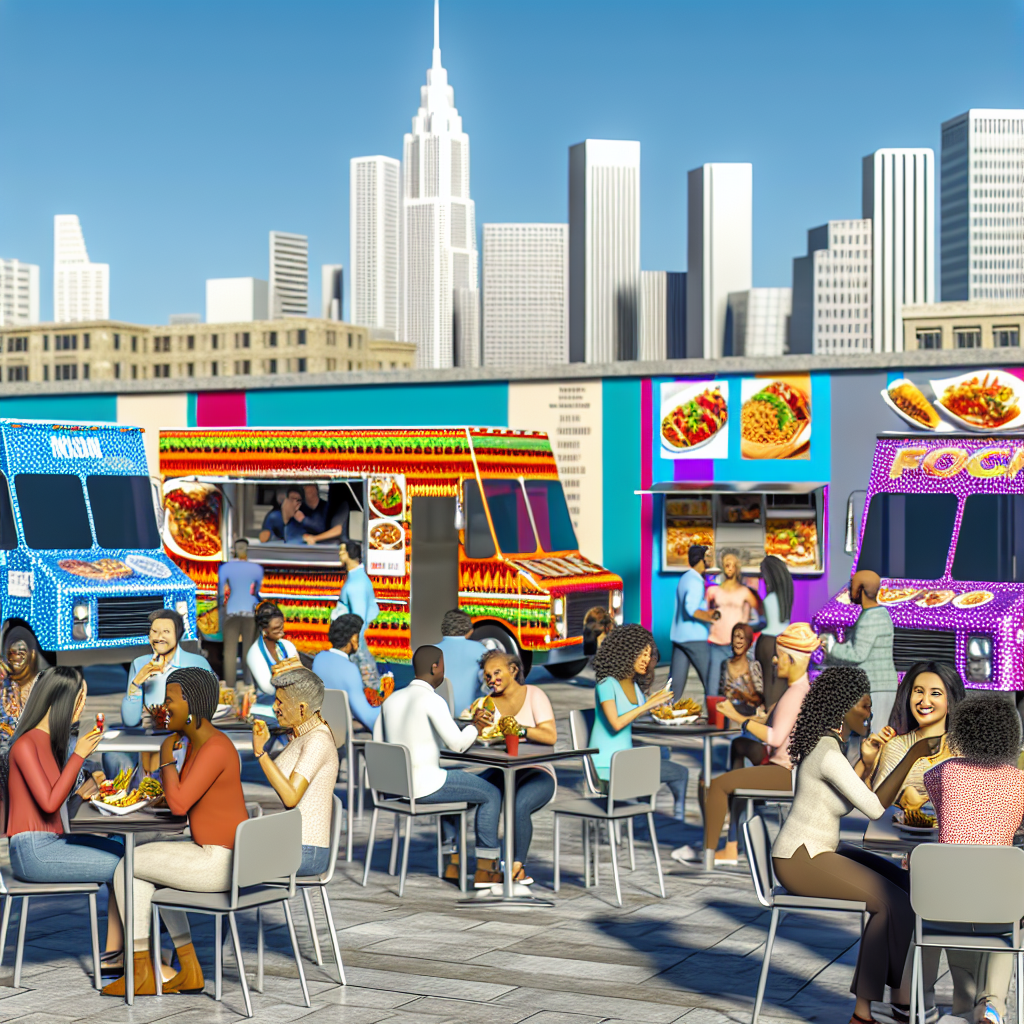
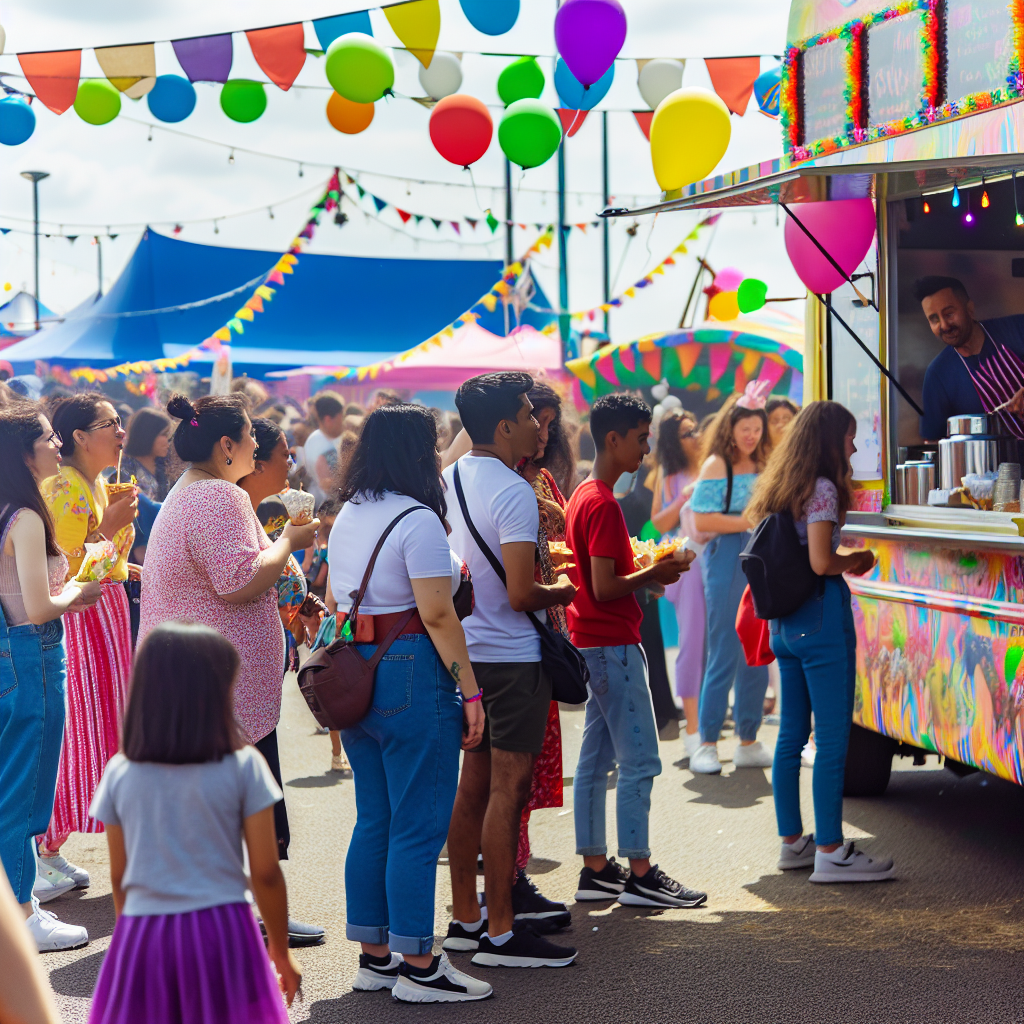
The food truck industry has exploded in popularity, emerging as a vibrant alternative to traditional dining experiences. With the allure of unique culinary creations served on the go, food truck financing options are enticing for aspiring entrepreneurs looking to dive into this dynamic market.
One of the most compelling strategies for entering this bustling sector is to start with careful choices, particularly by opting for used vehicles and creating modest menus. This approach minimizes initial investment costs while leveraging current mobile business trends to optimize growth potential. A well-curated menu not only leads to easier inventory management, but also caters to the growing demand for fast, quality food on the streets. This menu variety can invite a loyal customer base, bringing delicious offerings closer to communities.
With the right vehicle and concept, you can turn your passion for cooking into a thriving business, tapping into a market that is ripe for personal success and fulfillment. As you embark on this journey, embrace the unique opportunities that come with launching a food truck, and watch your culinary dreams come to life!
Starting a food truck business often entails significant upfront costs, which can deter many potential entrepreneurs. However, one of the key financial benefits of opting for a used vehicle is the stark contrast in initial investment compared to purchasing new models.
For instance:
- A new Ford Transit may cost around $46,000.
- A RAM ProMaster is about $44,000.
- A small trailer from Diamond Cargo Trailers can cost less than $6,000.
This substantial cost difference not only makes entry into the food truck industry more accessible but also allows budding entrepreneurs to allocate funds toward essential operations and marketing. By starting small, owners can manage their initial risks and gain valuable business insights without being burdened by excessive debt.
Moreover, a used vehicle can often be renovated or customized in cost-effective ways to efficiently meet specific business needs. This financial prudence can provide a stable foundation to build upon, while also leaving room for profits to be reinvested into inventory or menu expansion as the business grows. Overall, commencing with a used vehicle can lead to healthier profit margins and a more sustainable venture for food truck founders.
| Food Truck Model | Approximate Cost |
|---|---|
| Ford Transit | $46,000 |
| RAM ProMaster | $44,000 |
| Diamond Cargo Trailer | $6,000 or less |
A well-chosen menu is pivotal for the success of any food truck, especially when operating on startup resources. By selecting a modest menu, food truck owners can streamline their operations, which leads to increased efficiency and lower overhead costs. A focused menu helps in minimizing ingredient waste and simplifies inventory management, making it easier to maintain product quality and freshness.
Additionally, this strategic choice allows you to specialize in a few items, thereby honing in on unique recipes that can quickly become customer favorites. This can enhance your brand identity, making it easier for patrons to remember and recommend your offerings. Ultimately, an appealing yet simplified menu can draw in diverse customers looking for quality rather than quantity.
It is important to strike a balance between offering signature dishes that showcase your culinary talents and maintaining operational feasibility. This smart approach not only conserves resources but also nurtures a dynamic environment where creativity can thrive amid manageable complexities.
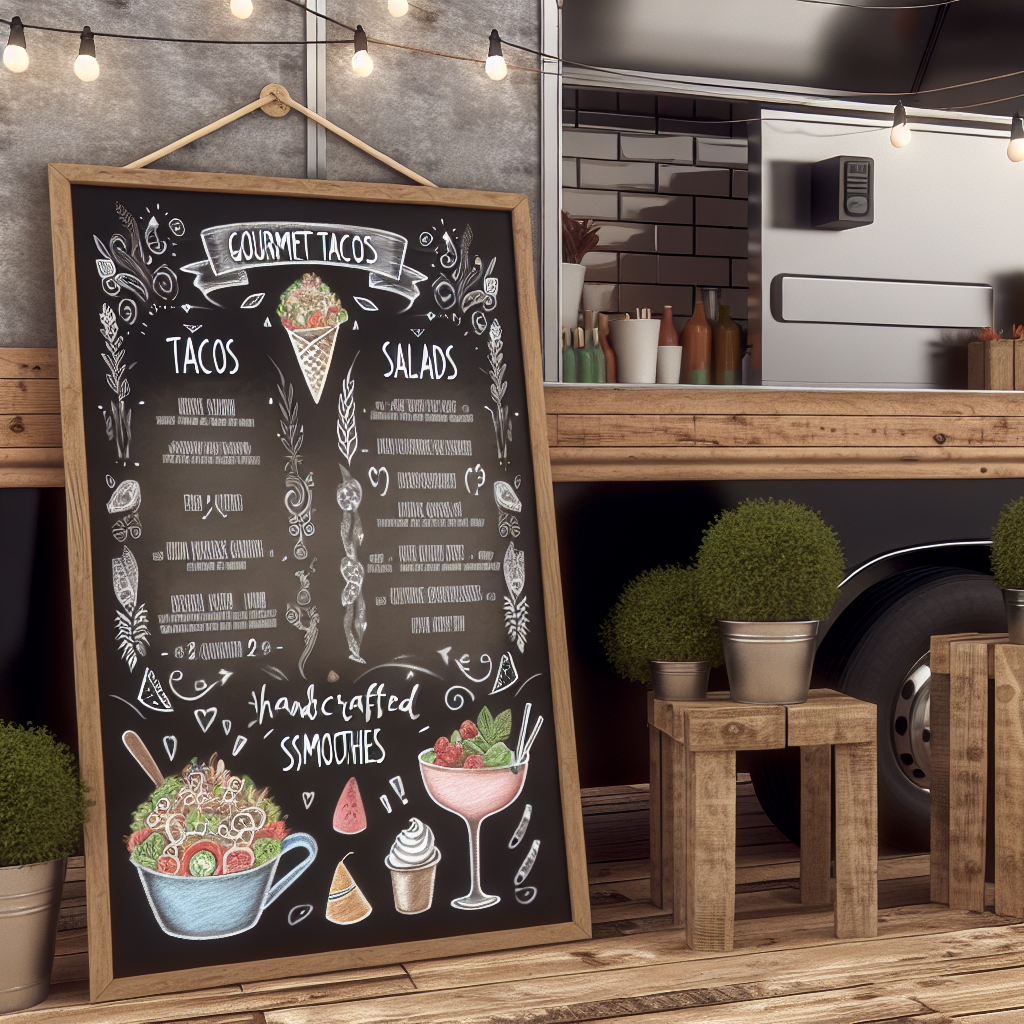
The insights from various quotes reveal crucial connections between menu design, equipment needs, and space requirements in the food truck industry. A well-planned menu not only defines the culinary offerings but also dictates the essential equipment necessary for food preparation and storage. For aspiring food truck owners, understanding that your menu determines the equipment you’ll have to have, as well as how much space you need for food prep and storage is vital for strategic planning. This underscores that significant thought must be given to what items will be offered to streamline operations effectively.
Moreover, menus that are concise can simplify the business model, leading to easier inventory management and reduced operational complexity. As pointed out, if your equipment relies heavily on a single machine, such as a soft-serve ice cream machine, opting for models like a Ford Transit or RAM ProMaster can prove advantageous. This highlights the notion that understanding the link between what you serve and how you prepare it is essential in choosing the right vehicle and layout for your food truck.
Ultimately, these quotes collectively convey that meticulous planning of the food truck’s menu should align with equipment selection and spatial considerations. Entrepreneurs are encouraged to take a holistic view where their culinary creativity meets pragmatic equipment and space considerations, ensuring a smoother operational flow and a successful business venture.
In conclusion, embarking on a food truck venture does not require starting big. By beginning with a used vehicle and crafting a well-thought-out modest menu, aspiring entrepreneurs can significantly mitigate their initial investment risks while maximizing their chances for success. The food truck industry is thriving, and smart decisions can lead to rewarding opportunities.
For instance, consider the story of Roy Choi and the Kogi BBQ food truck. Starting with just one truck, they harnessed Twitter to announce their location, which generated incredible buzz and long lines. This innovative approach helped them grow into a culinary sensation known for Korean-Mexican fusion—a true testament to how starting small can lead to extraordinary success.
Similarly, Jodie Leggio from The Cupcakery began her entrepreneurial journey with a simple used truck and a focus on quality. Her determination to engage with the community through events and her passion for baking helped her expand from a single truck into multiple locations, demonstrating that community connection can amplify success.
Luke Holden of Luke’s Lobster leveraged family connections and a modest beginnings in New York to build a sustainable seafood empire. His methodical approach allowed him to test concepts and refine his offerings before scaling up—a strategic move that underlines the importance of starting with less.
Finally, Adam Sobel’s experience with The Cinnamon Snail illustrates how resilience and dedication can result in impressive growth. Starting with innovative vegan offerings, he built a loyal following through farmers markets, showcasing that even the simplest setups can thrive with creativity and commitment.
By looking at these examples, aspiring food truck owners should remember to take meaningful, practical steps forward. Choosing a used model that suits your needs and crafting a menu that reflects your culinary passion without overwhelming your resources will not only simplify your startup process but also foster strong community connections. With determination and creativity, you can transform your food truck dreams into reality—one delicious dish at a time!
Growing User Adoption and Market Trends in Food Trucks
The food truck industry is on a meteoric rise characterized by significant user adoption and market growth.
- Market Size Projections: The global food truck market is poised to exceed $55 billion by 2025, propelled by urbanization and shifting consumer behaviors.
- Geographical Influence: North America and Asia-Pacific dominate the scene, accounting for over 40% and nearly 30% of the market share, respectively.
- Consumer Trends: An impressive 65% of young consumers visit food trucks at least once a month, drawn by a mix of innovative flavors and engaging social media use that highlights new offerings.
- Growth Rate: The sector’s growth rate is significantly surpassing that of traditional restaurants, fueled by the demand for convenience, tailored customer experiences, and advancements in mobile technology.
- Technological Advancements: The market is transitioning toward intelligent, service-oriented ecosystems that leverage AI and digital solutions to boost operational efficiency.
- Government Initiatives: Increasingly, government regulations and policies that advocate for sustainability are emerging, particularly beneficial to the growth of food trucks in North America and Asia.
- Competitive Dynamics: Brand-name food trucks enjoy higher sales volumes compared to independent operators, underscoring a notable trend towards brand recognition in the food truck space.
These findings reinforce the growing allure of food trucks for both consumers and entrepreneurs, making it a fertile ground for aspiring business owners to explore opportunities.
Real-World Examples of Successful Food Truck Startups
Here are some inspiring stories of food trucks that started from modest beginnings and grew into successful businesses:
-
Kogi BBQ
Founded by Mark Manguera and Roy Choi in 2008, Kogi BBQ began with a single truck serving a unique fusion of Korean and Mexican cuisine, notably Korean BBQ tacos. The founders faced challenges regarding permits and skepticism over their innovative menu. They harnessed the power of social media, specifically Twitter, to announce their locations, which created viral excitement and long lines. Today, Kogi operates multiple trucks and has expanded into brick-and-mortar locations, credited as pioneers of the modern food truck movement.
Read more about Kogi BBQ -
The Cupcakery
The Cupcakery started in Las Vegas in 2009 with a simple menu of gourmet cupcakes. Founder Jodie Leggio used personal savings and a second-hand truck to launch her venture while overcoming challenges related to health regulations and finding ideal parking spots. By focusing on premium ingredients and participating in local events, they established a loyal clientele. They now boast multiple trucks and a flagship store, highlighting community engagement with flavors like Red Velvet and Cookies and Cream.
Explore The Cupcakery -
Luke’s Lobster
Founded in 2009, Luke’s Lobster started as a modest food truck in New York City, offering sustainably sourced lobster rolls. Founder Luke Holden invested his life savings alongside a small loan to kickstart operations, facing high costs and supply challenges. The food truck’s success led to the opening of a brick-and-mortar shop within the year, and now Luke’s Lobster operates over 30 locations nationwide, emphasizing traceability and quality in seafood.
Learn about Luke’s Lobster -
The Cinnamon Snail
Launching in 2010, The Cinnamon Snail began as a vegan food truck in New Jersey, founded by Adam Sobel with limited savings. Early challenges included sourcing unique vegan ingredients and educating potential customers. Their menu featured innovative items like Maple Mustard Tempeh Sandwiches and Vegan Doughnuts. Winning food competitions and effective social media marketing enabled them to build a strong following, resulting in multiple trucks and a permanent NYC location.
Read more about The Cinnamon Snail
Food Preparation Challenges in Food Truck Operations
Operating a food truck comes with a unique set of food preparation challenges that entrepreneurs must adapt to in order to thrive in the competitive market. Below, we will explore some of the most common obstacles faced by food truck owners and provide case studies to illustrate effective solutions.
Sourcing Fresh Ingredients
One of the fundamental challenges for food trucks is securing quality ingredients. The article from FoodTruckEmpire highlights that food trucks often require reliable suppliers for fresh produce, meats, and other ingredients while managing limited storage space. This necessitates a strategic approach to sourcing. For example, many operators benefit from developing partnerships with local farmers and wholesalers, which not only supports the local economy but also ensures fresher ingredients.
A great case study is Taco Terror, which effectively manages ingredient sourcing by prioritizing local suppliers. They have implemented “just-in-time” ordering processes to minimize spoilage and ensure the freshness of their menu items, though they also face ongoing difficulties due to limited refrigeration space. This example shows how careful logistical planning can aid in overcoming sourcing obstacles, leading to better product quality and customer satisfaction.
Time Management During Service
Time management is another critical aspect for ensuring efficient food preparation in a food truck. With limited working hours, particularly during peak service periods, food truck operators must streamline their workflows to handle high volumes of customers without compromising service quality.
According to a case study from Mobile Cuisine Magazine, Taco Terror has devised an efficient setup that includes pre-portioning ingredients and maintaining a streamlined assembly line. This methodology allows them to fulfill orders quickly during busy times, showcasing their adaptive strategies wherein careful preparation can lead to operational success. They also demonstrate the importance of workflow design, ensuring that every staff member is aware of their specific tasks and responsibilities during busy periods.
Additionally, Street Food News presents a comprehensive guide on managing time effectively within a food truck environment. Key recommendations include the development of pre-service prep lists and the use of timers for coordinated cooking. Such strategies allow food truck operators to maintain order and speed up food preparation without overloading the kitchen staff, ultimately enhancing customer experience.
Overcoming Equipment Limitations
Food trucks are notoriously limited in space and equipment compared to traditional restaurants, which can constrain menu options. Operators often need to get creative with the equipment available to them and design their menus around what they can efficiently make.
For instance, an article from Food Truck Hub discusses how successful food truck operators have adopted high-efficiency appliances like induction burners, which consume less energy and require less space. Some food truck owners may pre-cook items off-site to save time during service or partner with suppliers that allow for frequent, small deliveries to better manage inventory. This creativity ensures that they can serve delicious food while navigating logistical challenges.
The challenges posed by limited space also impact the types of dishes that food trucks can offer. Experts from the National Food Truck Association suggest developing menus that focus on versatile ingredients able to create multiple dishes, thereby maximizing the use of available cooking equipment and minimizing waste. By streamlining the menu in this way, food truck operators can effectively adapt to their constraints while still offering appealing options to customers.
Conclusion
The food truck industry is growing, but the preparation challenges remain critical factors that aspiring food truck owners need to consider. By examining successful case studies, food truck operators can find innovative solutions to sourcing challenges, time management issues, and equipment limitations. These insights not only help in operational efficiency but also in crafting a more engaging customer experience.