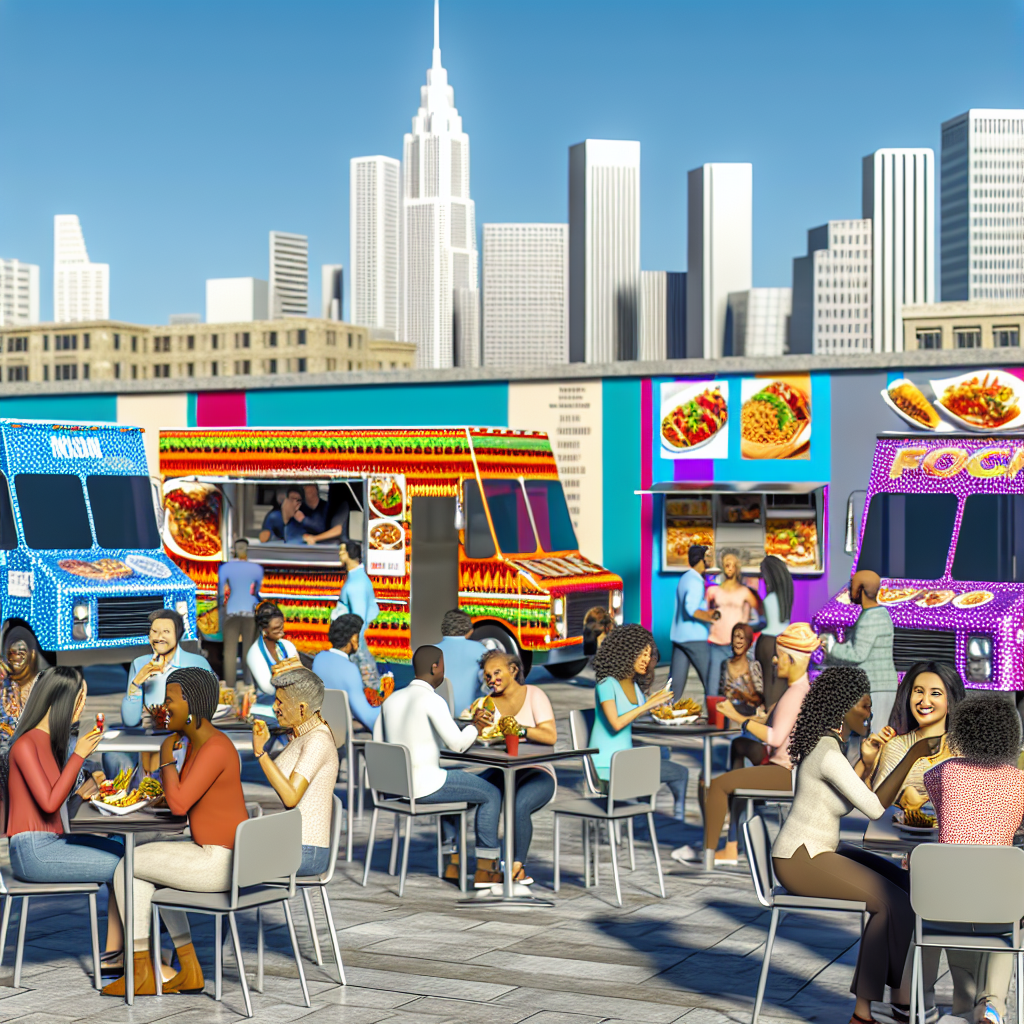
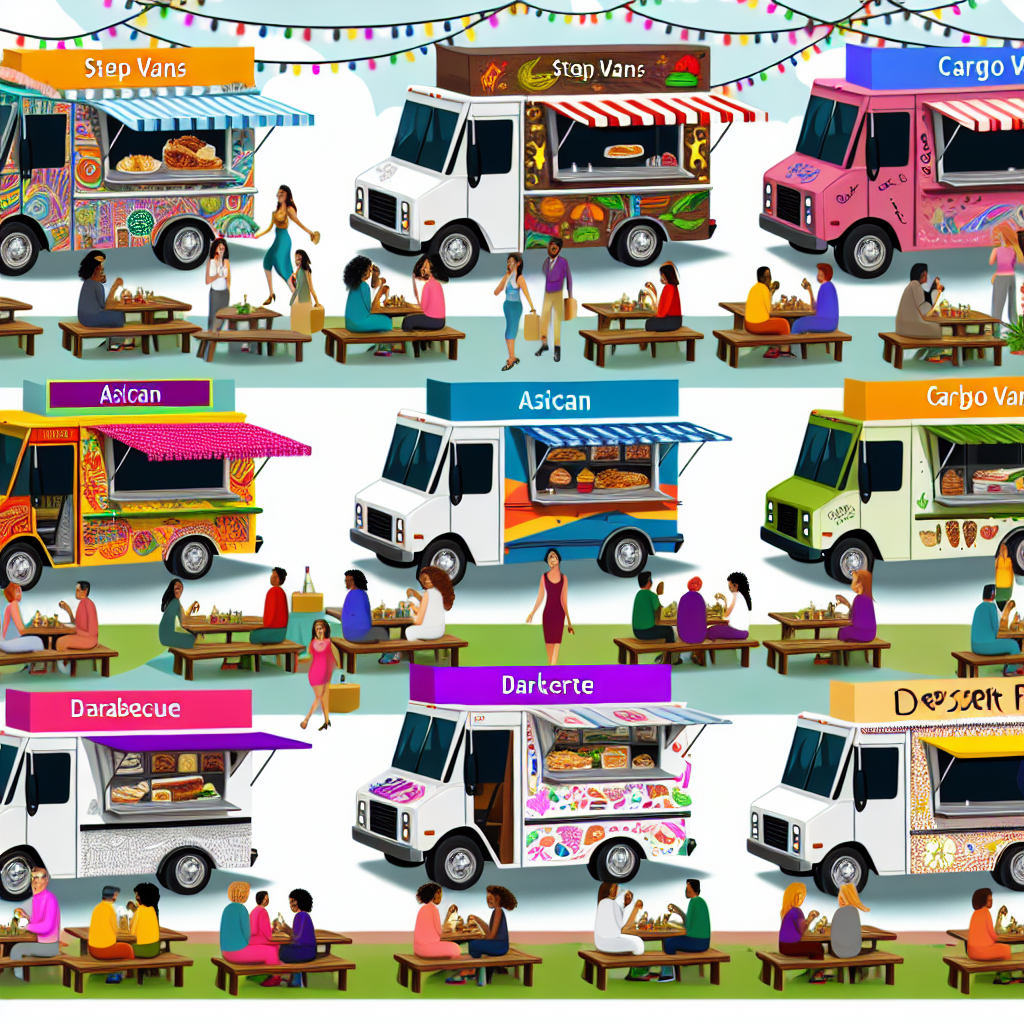
In recent years, food trucks have become a sensational culinary trend across the United States. As of 2024, there are over 58,000 food truck businesses operating nationwide, marking a significant increase of 10.3% from 2023. With the food truck market valued at approximately $4.3 billion in 2023 and projected growth exceeding 5% in the coming years, it is clear that this mobile dining experience has captured the hearts and palates of many consumers.
However, for entrepreneurs looking to join this booming industry, selecting the right food truck model is crucial. Choosing the appropriate model tailored to your menu offerings and budget can make all the difference in operational efficiency and profitability. From stepped vans perfect for cooking on the go, to cargo vans suitable for simpler menus, understanding the different food truck models available will empower you to make the best choice for your unique business vision. Whether you intend to serve gourmet cuisine or quick bites, aligning your food truck model with your business goals is the key to success in this fast-paced sector.
Exploring Food Truck Models
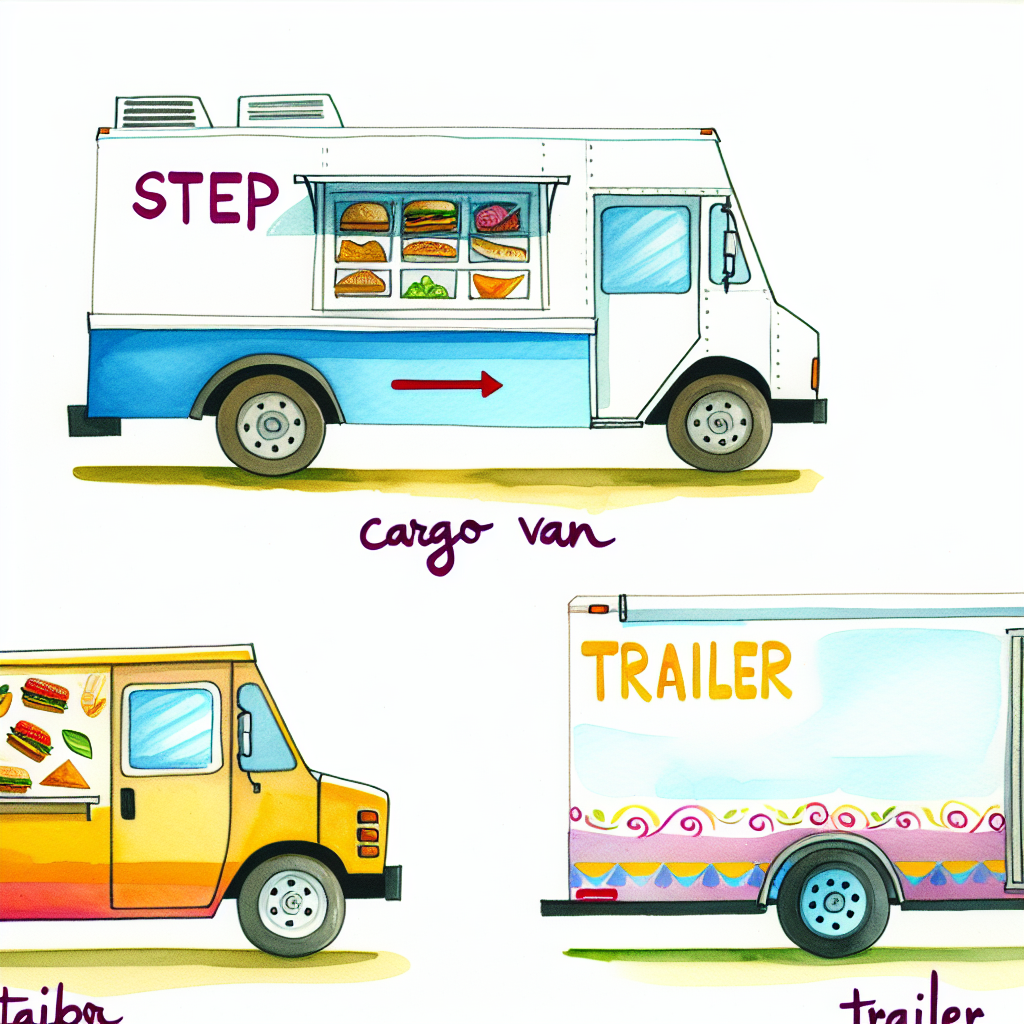
When it comes to choosing the right food truck model, understanding the various types available can significantly influence your success. Here are the three primary models to consider:
Step Vans
Step vans are the bread and butter of the food truck world. Typically ranging from 14 to 18 feet, they provide ample interior space for cooking and storage, making them ideal for ambitious menus. Models like the Freightliner MT45 and Chevy P30 are popular choices among vendors. With a price range of $40,000 to $80,000, they allow for extensive customizations, but bear in mind that higher fuel consumption (around 8-10 mpg) can impact your operating costs. Owners of step vans report a 25% higher average revenue compared to other models due to their ability to handle high volumes of customers.
Cargo Vans
If flexibility and maneuverability are priorities, cargo vans are your best bet. Models such as the Ford Transit and RAM ProMaster provide a more compact option, typically measuring between 15 to 20 feet, allowing easier navigation through crowded city streets. Prices range from $20,000 to $50,000, with better fuel efficiency (12-15 mpg) than step vans. However, with limited interior space, these vans may restrict your menu options to simpler fare.
Trailers
Food trailers are gaining traction, especially among part-time vendors. They are significantly more affordable, ranging from $10,000 to $40,000, and offer the greatest flexibility in terms of location. A downside is the need for a sturdy tow vehicle. However, trailers can typically be customized to include all necessary kitchen equipment, making them a viable option for seasonal operations and catering events.
Choosing the right model boils down to your specific business needs, menu complexity, and budget. Each type has its pros and cons, but aligning your choice with your culinary vision will lead you to success in the vibrant world of food trucks.
User Experiences with Food Truck Models
User experiences and testimonials provide valuable insights for prospective food truck owners. Here are some notable findings regarding the different food truck models available in the market:
Chevy
Chevy models, particularly the Chevy P30, are praised for their maneuverability, especially in urban settings. Owners appreciate the chassis design, which allows for ease of customization.
However, due to the age of many Chevy models, parts availability can sometimes be a challenge. Some users report issues related to ongoing maintenance repairs.
Freightliner
The Freightliner MT45 is known for its durability and ability to handle high-mileage operations. Users report that it offers a robust build quality, making it a preferred choice for long-term use.
However, higher fuel consumption has been noted, which can affect operational costs.
Ford
Ford trucks, like the Ford E-Series and Transit, consistently receive accolades for reliability and a wide dealer network for parts availability. Users cite excellent driving dynamics and the versatility of these models.
Some owners of old RAM models have highlighted transmission reliability as a drawback, but overall, Ford retains user satisfaction for better performance.
RAM ProMaster
Users of the RAM ProMaster love its front-wheel drive, which enhances traction and lowers the load floor, making it more accessible.
However, some have mentioned performance issues in older models, particularly related to the transmission.
Diamond Cargo Trailers and Workhorse
Diamond Cargo trailer conversions are celebrated for their durability and customization options. Users recommend robust weather sealing, but early delivery damages and longer lead times have been common concerns.
Workhorse chassis are noted for exceptional payload capacities but face issues with parts availability and maintenance costs, which can deter some users.
Mercedes Sprinter
Mercedes Sprinter users report high satisfaction with fuel efficiency and ride quality.
However, concerns like high repair costs related to the DEF system and limited interior space in standard models have emerged as common complaints. Many recommend opting for the high-roof versions to maximize working space.
In summary, while design and performance vary widely among food truck models, user satisfaction seems closely tied to reliability, parts availability, and customization capabilities.
Aligning Your Food Truck Model with Your Unique Menu
When starting a food truck business, aligning your vehicle choice with your unique menu is crucial for success. The specific equipment needed for your menu directly influences the type of truck model you should invest in. A well-planned alignment can optimize your operations and enhance customer satisfaction.
Consider the following points when choosing your food truck model:
- Complex Menus: If you plan to serve gourmet sandwiches or grilled items, you’ll need specialized kitchen equipment like panini presses and griddles. A step van may be the perfect choice due to its larger interior space.
- Revenue Potential: Food trucks designed for specific cuisines report up to 35% higher revenue compared to those using generic setups.
- Simpler Menus: If your offerings are limited to simpler items like tacos, a cargo van could suffice. However, ensure you consider necessary equipment like flat tops and refrigeration units.
- Efficiency Concerns: Mismatched equipment can lead to inefficiencies, with estimates suggesting potential reductions in efficiency of up to 40%, leading to increased operating costs.
- Specific Equipment Needs: A barbecue truck will require smoker installation and ventilation systems, while coffee trucks will need espresso machines and intricate water systems.
- Impact on Service Times: Ensuring proper alignment between menu and equipment can lead to service times improving by 30%, critical in a fast-paced environment.
In summary, focusing on aligning your truck model with your menu requirements lays the groundwork for operational efficiency, cost management, and enhanced customer service. This strategic alignment is not just beneficial but essential for carving a niche in the competitive food truck industry. The most successful food trucks are crafted around a specialized menu rather than trying to fit diverse concepts into a single truck model.
Key Costs Associated with Food Truck Models
- Step Vans: Costing between $30,000 to over $100,000, these vans offer extensive customization and are preferred for complex menus but have higher operational costs due to fuel consumption.
- Cargo Vans: With prices around $20,000 to $50,000, these vans are more affordable and easier to maneuver, making them suitable for simpler menu items but may limit kitchen equipment space.
- Trailers: Starting at less than $6,000 and ranging up to $40,000, trailers are the most budget-friendly option, especially for part-time vendors, but they require a reliable towing vehicle.
Budget significantly influences your food truck model choice, as it determines the type of vehicle you can afford. It is essential to weigh the initial costs against long-term operational expenses, including fuel and maintenance, to find the best fit for your business goals.
Comparison of Popular Food Truck Models
| Model | Length (ft) | Cargo Capacity (cu ft) | Typical Cost ($) |
|---|---|---|---|
| Chevy P30 | 16 | 450 | 40,000 – 60,000 |
| Ford Transit | 15 – 22 | 300 – 500 | 35,000 – 50,000 |
| RAM ProMaster | 16 | 460 | 43,000 – 50,000 |
| Freightliner MT45 | 16 – 24 | 600 | 50,000 – 80,000 |
| Mercedes Sprinter | 19 – 24 | 300 – 600 | 40,000 – 70,000 |
| Nissan NV Cargo | 15 – 20 | 300 – 600 | 30,000 – 40,000 |
Conclusion
In the vibrant and competitive landscape of food trucks, choosing the right food truck model is a pivotal step towards achieving success. Throughout this article, we have discussed how crucial it is to align your budget and menu offerings. Selecting a model tailored to your operational needs and financial capacity can maximize your investment, streamline operations, and ultimately enhance customer satisfaction.
Remember, whether you opt for step vans, cargo vans, or trailers, you must find a balance that best suits your culinary vision and budget. Investing time in assessing your menu requirements against the capabilities of various food truck models can set the foundation for a profitable venture.
It’s time to take action! Reflect on the insights shared and start your journey towards launching a successful food truck business. The right model is out there waiting for you, and with the right alignment of food truck models to your vision, your culinary dreams can become a reality!
Trends in Food Truck Model Popularity Over Recent Years
The food truck market has seen a dramatic upswing in popularity, with numerous reports detailing model preferences and industry growth. Here are some key insights:
- Overall Market Growth: According to IBISWorld, the food truck industry experienced a 6.2% annual growth rate from 2018 to 2023, indicating a robust demand for food truck services. The market size is projected to reach $4.3 billion in 2024.
- For further details: IBISWorld Food Trucks Industry Report
- Preferred Models: A survey conducted by Mobile Cuisine Magazine shows that 42% of food truck operators prefer using step vans, particularly models from Morgan Olson and Utilimaster. Custom-built trucks are favored by 28%, while 18% operate with trailers. The preference for step vans reflects their capacity to handle complex menus and operational requirements.
- For more insights: Mobile Cuisine 2023 Food Truck Operator Survey
- Regional Nuances: A report by Statista reveals insights about regional preferences, noting that the West Coast favors custom builds with 35% of operators, while the East Coast leans towards step vans with a 38% adoption rate. This points to the necessity for food truck owners to consider their geographical operating environment when selecting a model.
- More information available here: Statista Food Truck Model Preferences
- Market Share Analysis: Data from the U.S. Census Bureau indicates that step vans currently dominate the market, representing 37%, followed by custom-built trucks at 29% and trailers at 19%. This data underlines the popularity of step vans for their versatility and capacity.
- Accessible data can be viewed here: U.S. Census Bureau
- Rising Trends: A global market analysis from Grand View Research highlights trends such as automation and sustainability in food trucks. Increasingly, food trucks incorporate advanced kitchen technology and eco-friendly vehicles to attract modern consumers.
- Explore more: Grand View Research Food Truck Market Analysis
In summary, staying informed about food truck model trends is essential for aspiring vendors. By aligning their choices with these insights, food truck owners can enhance operational efficiency and meet consumer demand effectively.
Growth Statistics of the Food Truck Industry
The food truck industry is experiencing significant growth, with recent statistics highlighting robust trends and future projections:
- Market Valuation: The global food truck market was valued at $4.04 billion in 2024 and is projected to reach $4.33 billion in 2025, demonstrating a 7.1% compound annual growth rate (CAGR) (source: Industry Report).
- Number of Businesses: In the U.S., the number of food truck businesses has grown at an impressive average annual rate of 15.2% from 2020 to 2025 (source: Market Analysis).
- Future Projections: The global mobile food truck market is expected to expand to $4.76 billion by 2029, with a remarkable 17.7% CAGR, driven by trends like hybrid trucks and ghost kitchens (source: Business Research Company).
- Long-Term Growth: Another analysis estimates that the market will grow from $1.82 billion in 2025 to $3.9 billion by 2034, reflecting an 8.0% CAGR as it adapts to urban trends and demands for culinary diversity (source: Market Research Report).
This exponential growth presents promising opportunities for aspiring food truck owners, highlighting the importance of strategic planning when selecting a truck model that aligns with market demands and individual business goals.
In recent years, food trucks have become a sensational culinary trend across the United States. As of 2024, there are over 58,000 food truck businesses operating nationwide, marking a significant increase of 10.3% from 2023. With the food truck market valued at approximately $4.3 billion in 2023 and projected growth exceeding 5% in the coming years, it is clear that this mobile dining experience has captured the hearts and palates of many consumers.
However, for entrepreneurs looking to join this booming industry, selecting the right food truck model is crucial. Choosing the appropriate model tailored to your menu offerings and budget can make all the difference in operational efficiency and profitability. From step vans perfect for cooking on the go to cargo vans suitable for simpler menus, understanding various food truck models will empower you to make the best choice for your unique business vision. Whether you intend to serve gourmet cuisine or quick bites, aligning your food truck model with your business goals is the key to success in this fast-paced sector.
Exploring Food Truck Models
When it comes to choosing the right food truck model, understanding the various types available can significantly influence your success. Here are the three primary models to consider:
Step Vans
Step vans are the bread and butter of the food truck world. Typically ranging from 14 to 18 feet, they provide ample interior space for cooking and storage, making them ideal for ambitious menus. Models like the Freightliner MT45 and Chevy P30 are popular choices among vendors. With a price range of $40,000 to $80,000, they allow for extensive customizations. Still, bear in mind that higher fuel consumption (around 8-10 mpg) can impact your operating costs. Owners of step vans report a 25% higher average revenue compared to other models due to their ability to handle high volumes of customers.
For further details on market growth, please refer to this IBISWorld report which highlights important growth metrics, and a Mobile Cuisine survey detailing operator preferences.
Cargo Vans
If flexibility and maneuverability are priorities, cargo vans are your best bet. Models such as the Ford Transit and RAM ProMaster provide a more compact option, typically measuring between 15 to 20 feet, allowing easier navigation through crowded city streets. Prices range from $20,000 to $50,000, with better fuel efficiency (12-15 mpg) than step vans. However, with limited interior space, these vans may restrict your menu options to simpler fare.
Trailers
Food trailers are gaining traction, especially among part-time vendors. They are significantly more affordable, ranging from $10,000 to $40,000, and offer the greatest flexibility in terms of location. A downside is the need for a sturdy tow vehicle. However, trailers can typically be customized to include all necessary kitchen equipment, making them a viable option for seasonal operations and catering events.
Choosing the right model boils down to your specific business needs, menu complexity, and budget. Each type has its pros and cons, but aligning your choice with your culinary vision will lead you to success in the vibrant world of food trucks.
User Experiences with Food Truck Models
User experiences and testimonials provide valuable insights for prospective food truck owners. Here are some notable findings regarding the different food truck models available in the market:
Chevy
Chevy models, particularly the Chevy P30, are praised for their maneuverability, especially in urban settings. Owners appreciate the chassis design, which allows for ease of customization. However, due to the age of many Chevy models, parts availability can sometimes be a challenge. Some users report issues related to ongoing maintenance repairs.
Freightliner
The Freightliner MT45 is known for its durability and ability to handle high-mileage operations. Users report that it offers a robust build quality, making it a preferred choice for long-term use. However, higher fuel consumption has been noted, which can affect operational costs.
Ford
Ford trucks, like the Ford E-Series and Transit, consistently receive accolades for reliability and a wide dealer network for parts availability. Users cite excellent driving dynamics and the versatility of these models. Some owners of old RAM models have highlighted transmission reliability as a drawback, but overall, Ford retains user satisfaction for better performance.
RAM ProMaster
Users of the RAM ProMaster love its front-wheel drive, which enhances traction and lowers the load floor, making it more accessible. However, some have mentioned performance issues in older models, particularly related to the transmission.
Diamond Cargo Trailers and Workhorse
Diamond Cargo trailer conversions are celebrated for their durability and customization options. Users recommend robust weather sealing, but early delivery damages and longer lead times have been common concerns. Workhorse chassis are noted for exceptional payload capacities but face issues with parts availability and maintenance costs, which can deter some users.
Mercedes Sprinter
Mercedes Sprinter users report high satisfaction with fuel efficiency and ride quality. However, concerns like high repair costs related to the DEF system and limited interior space in standard models have emerged as common complaints. Many recommend opting for the high-roof versions to maximize working space.
In summary, while design and performance vary widely among food truck models, user satisfaction seems closely tied to reliability, parts availability, and customization capabilities.
Aligning Your Food Truck Model with Your Unique Menu
When starting a food truck business, aligning your vehicle choice with your unique menu is crucial for success. The specific equipment needed for your menu directly influences the type of truck model you should invest in. A well-planned alignment can optimize your operations and enhance customer satisfaction.
Consider the following points when choosing your food truck model:
- Complex Menus: If you plan to serve gourmet sandwiches or grilled items, you’ll need specialized kitchen equipment like panini presses and griddles. A step van may be the perfect choice due to its larger interior space.
- Revenue Potential: Food trucks designed for specific cuisines report up to 35% higher revenue compared to those using generic setups.
- Simpler Menus: If your offerings are limited to simpler items like tacos, a cargo van could suffice. However, ensure you consider necessary equipment like flat tops and refrigeration units.
- Efficiency Concerns: Mismatched equipment can lead to inefficiencies, with estimates suggesting potential reductions in efficiency of up to 40%, leading to increased operating costs.
- Specific Equipment Needs: A barbecue truck will require smoker installation and ventilation systems, while coffee trucks will need espresso machines and intricate water systems.
- Impact on Service Times: Ensuring proper alignment between menu and equipment can lead to service times improving by 30%, critical in a fast-paced environment.
In summary, focusing on aligning your truck model with your menu requirements lays the groundwork for operational efficiency, cost management, and enhanced customer service. This strategic alignment is not just beneficial but essential for carving a niche in the competitive food truck industry. The most successful food trucks are crafted around a specialized menu rather than trying to fit diverse concepts into a single truck model.
Key Costs Associated with Food Truck Models
- Step Vans: Costing between $30,000 to over $100,000, these vans offer extensive customization and are preferred for complex menus but have higher operational costs due to fuel consumption.
- Cargo Vans: With prices around $20,000 to $50,000, these vans are more affordable and easier to maneuver, making them suitable for simpler menu items but may limit kitchen equipment space.
- Trailers: Starting at less than $6,000 and ranging up to $40,000, trailers are the most budget-friendly option, especially for part-time vendors, but they require a reliable towing vehicle.
Budget significantly influences your food truck model choice, as it determines the type of vehicle you can afford. It is essential to weigh the initial costs against long-term operational expenses, including fuel and maintenance, to find the best fit for your business goals.
Comparison of Popular Food Truck Models
| Model | Length (ft) | Cargo Capacity (cu ft) | Typical Cost ($) |
|---|---|---|---|
| Chevy P30 | 16 | 450 | 40,000 – 60,000 |
| Ford Transit | 15 – 22 | 300 – 500 | 35,000 – 50,000 |
| RAM ProMaster | 16 | 460 | 43,000 – 50,000 |
| Freightliner MT45 | 16 – 24 | 600 | 50,000 – 80,000 |
| Mercedes Sprinter | 19 – 24 | 300 – 600 | 40,000 – 70,000 |
| Nissan NV Cargo | 15 – 20 | 300 – 600 | 30,000 – 40,000 |
Conclusion
In the vibrant and competitive landscape of food trucks, choosing the right food truck model is a pivotal step towards achieving success. Throughout this article, we have discussed how crucial it is to align your budget and menu offerings. Selecting a model tailored to your operational needs and financial capacity can maximize your investment, streamline operations, and ultimately enhance customer satisfaction.
Remember, whether you opt for step vans, cargo vans, or trailers, you must find a balance that best suits your culinary vision and budget. Investing time in assessing your menu requirements against the capabilities of various food truck models can set the foundation for a profitable venture.
It’s time to take action! Reflect on the insights shared and start your journey towards launching a successful food truck business. The right model is out there waiting for you, and with the right alignment of food truck models to your vision, your culinary dreams can become a reality!
Trends in Food Truck Model Popularity Over Recent Years
The food truck market has seen a dramatic upswing in popularity, with numerous reports detailing model preferences and industry growth. Here are some key insights:
- Overall Market Growth: According to IBISWorld, the food truck industry experienced a 6.2% annual growth rate from 2018 to 2023, indicating a robust demand for food truck services. The market size is projected to reach $4.3 billion in 2024.
For further details, check the Mobile Cuisine 2023 Food Truck Operator Survey which shows that 42% of food truck operators prefer using step vans. - Preferred Models: A survey conducted by Statista reveals insights about regional preferences, noting that the West Coast favors custom builds with 35% of operators, while the East Coast leans towards step vans with a 38% adoption rate. This indicates the importance of geographical considerations when selecting a truck model.
- Market Share Analysis: Data from the U.S. Census Bureau indicates that step vans currently dominate the market, representing 37%, followed by custom-built trucks at 29% and trailers at 19%. This data highlights the popularity of step vans for their versatility and capacity.
- Rising Trends: A global market analysis from Grand View Research emphasizes trends like automation and sustainability in food trucks, showcasing the increasing incorporation of advanced kitchen technology and eco-friendly vehicles that attract modern consumers.
In summary, staying informed about food truck model trends is essential for aspiring vendors. By aligning their choices with these insights, food truck owners can enhance operational efficiency and meet consumer demand effectively.
User Experiences with Food Truck Models
User experiences and testimonials provide valuable insights for prospective food truck owners. Here are some notable findings regarding the different food truck models available in the market:
Chevy
Chevy models, particularly the Chevy P30, are praised for their maneuverability, especially in urban settings. Owners appreciate the chassis design, which allows for ease of customization.
However, due to the age of many Chevy models, parts availability can sometimes be a challenge. Some users report issues related to ongoing maintenance repairs.
Freightliner
The Freightliner MT45 is known for its durability and ability to handle high-mileage operations. Users report that it offers a robust build quality, making it a preferred choice for long-term use.
However, higher fuel consumption has been noted, which can affect operational costs.
Ford
Ford trucks, like the Ford E-Series and Transit, consistently receive accolades for reliability and a wide dealer network for parts availability. Users cite excellent driving dynamics and the versatility of these models.
Some owners of old RAM models have highlighted transmission reliability as a drawback, but overall, Ford retains user satisfaction for better performance.
RAM ProMaster
Users of the RAM ProMaster love its front-wheel drive, which enhances traction and lowers the load floor, making it more accessible.
However, some have mentioned performance issues in older models, particularly related to the transmission.
Diamond Cargo Trailers and Workhorse
Diamond Cargo trailer conversions are celebrated for their durability and customization options. Users recommend robust weather sealing, but early delivery damages and longer lead times have been common concerns.
Workhorse chassis are noted for exceptional payload capacities but face issues with parts availability and maintenance costs, which can deter some users.
Mercedes Sprinter
Mercedes Sprinter users report high satisfaction with fuel efficiency and ride quality.
However, concerns like high repair costs related to the DEF system and limited interior space in standard models have emerged as common complaints. Many recommend opting for the high-roof versions to maximize working space.
In summary, while design and performance vary widely among food truck models, user satisfaction seems closely tied to reliability, parts availability, and customization capabilities.
Transitioning to Menu Alignment
Having explored the valuable user experiences and insights regarding various food truck models, it becomes evident how the choice of a model can significantly impact operational efficiency and customer satisfaction. As different models cater to unique requirements and preferences, it is crucial for prospective food truck owners to align their vehicle choice with their specific menu offerings.
Aligning Your Food Truck Model with Your Unique Menu
When starting a food truck business, aligning your vehicle choice with your unique menu is crucial for success. The specific equipment needed for your menu directly influences the type of truck model you should invest in. A well-planned alignment can optimize your operations and enhance customer satisfaction.
Consider the following points when choosing your food truck model:
- Complex Menus: If you plan to serve gourmet sandwiches or grilled items, you’ll need specialized kitchen equipment like panini presses and griddles. A step van may be the perfect choice due to its larger interior space.
- Revenue Potential: Food trucks designed for specific cuisines report up to 35% higher revenue compared to those using generic setups.
- Simpler Menus: If your offerings are limited to simpler items like tacos, a cargo van could suffice. However, ensure you consider necessary equipment like flat tops and refrigeration units.
- Efficiency Concerns: Mismatched equipment can lead to inefficiencies, with estimates suggesting potential reductions in efficiency of up to 40%, leading to increased operating costs.
- Specific Equipment Needs: A barbecue truck will require smoker installation and ventilation systems, while coffee trucks will need espresso machines and intricate water systems.
- Impact on Service Times: Ensuring proper alignment between menu and equipment can lead to service times improving by 30%, critical in a fast-paced environment.
In summary, focusing on aligning your truck model with your menu requirements lays the groundwork for operational efficiency, cost management, and enhanced customer service. This strategic alignment is not just beneficial but essential for carving a niche in the competitive food truck industry. The most successful food trucks are crafted around a specialized menu rather than trying to fit diverse concepts into a single truck model.