In the bustling world of culinary entrepreneurship, the food truck business stands out as a vibrant and exciting venture. However, the success of a food truck is intricately linked to one crucial decision: choosing the right food truck model. With a diverse array of options available—including step vans, cargo vans, and even trailers—the model you select will significantly influence your operational efficiency, menu offerings, and overall customer experience.
From the spacious Chevy P30, favored by vendors with extensive menus, to the agile Ford Transit, each model has unique advantages tailored to different business needs. This choice not only shapes the physical layout of your kitchen on wheels but also sets the stage for how you engage with your customers and deliver your culinary creations. Therefore, understanding the nuances of these models is essential for any aspiring food truck owner aiming to carve a niche in the competitive food truck industry trends.
In exploring the preferences of food truck vendors, it’s essential to understand how these insights lead us to the next critical component of our discussion—the food truck models themselves. The food truck industry has experienced significant evolution, with vendor preferences increasingly influencing the selection of food truck models. Key factors shaping these choices include market trends, consumer preferences, and operational challenges.
Market Trends and Consumer Preferences:
-
Sustainability and Eco-Friendly Practices: Vendors are prioritizing eco-friendly practices, such as using biodegradable packaging and solar-powered trucks, to meet consumer demand for sustainability. Notably, 78% of consumers prefer food trucks that implement sustainable practices.
Source -
Health-Conscious and Diverse Menu Offerings: There’s a growing demand for health-conscious options, including plant-based, gluten-free, and protein-rich dishes. Currently, 45% of food trucks offer vegan or vegetarian options, catering to this trend.
Source -
Technological Integration: The adoption of mobile apps, QR codes, and AI-driven personalized recommendations has become prevalent, enhancing customer convenience through contactless payments and real-time location tracking.
Source -
Fusion Cuisine and Unique Concepts: To stand out in a competitive market, food trucks are embracing bold fusion concepts and experimental flavors, such as Korean BBQ tacos and Thai basil pasta, generating significant buzz on social media.
Source
Challenges in Choosing Food Truck Models:
-
Regulatory Hurdles: Vendors often face challenges related to permits, licenses, zoning restrictions, and health and safety regulations, which can limit growth and expansion.
Source -
High Competition and Market Saturation: The industry is highly competitive, with new entrants frequently emerging due to low startup costs. This intense rivalry can lead to price wars, reduced margins, and difficulty in maintaining customer loyalty.
Source -
Operational Constraints: Limited space and infrastructure in food trucks can pose challenges in accommodating a large number of customers and accessing necessary facilities like water and electricity.
Source
In response to these trends and challenges, vendors are selecting food truck models that are adaptable to technological advancements, capable of supporting sustainable operations, and flexible enough to offer diverse and health-conscious menu items. Additionally, considerations such as compliance with local regulations, operational efficiency, and the ability to stand out in a saturated market are crucial in the decision-making process.
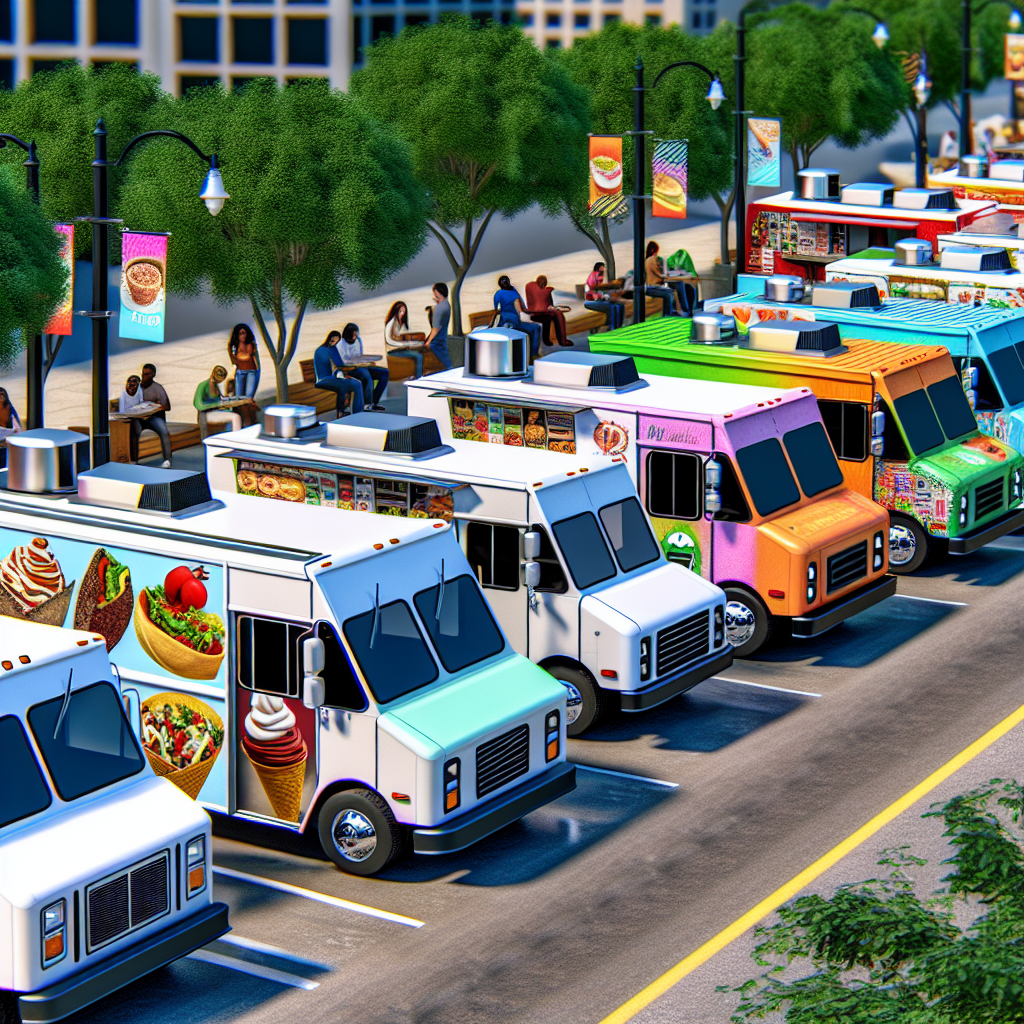
A visual representation showcasing various food truck models including styles like the Chevy P30, Freightliner MT45, Ford P700, RAM ProMaster, and Ford Transit.
| Food Truck Model | Key Specifications | Price Range | Size Options |
|---|---|---|---|
| Chevy P30 | Diesel engine; spacious interior; customizable kitchen space | $30,000 – $100,000 | Up to 22 feet |
| Freightliner MT45 | Diesel engine; high durability; ample cooking space | $50,000 – $100,000 | Up to 26 feet |
| Ford P700 | Gas or diesel engine; wide interior; versatile layout | $30,000 – $90,000 | Up to 22 feet |
| RAM ProMaster | Gas engine; compact design; good maneuverability | $30,000 – $50,000 | Up to 21 feet |
| Ford Transit | Gas or diesel engine; flexible configurations; varying lengths | $40,000 – $65,000 | 20 to 22 feet |
Pricing of Food Trucks
When venturing into the world of mobile food service, understanding the pricing landscape for food trucks is crucial. Generally, new food trucks can range from $30,000 to over $100,000, influenced by various factors such as model type, equipment, and customization.
Key Pricing Ranges
- Step Vans and Cargo Vans: Step vans, which provide ample cooking and storage space, often come at a higher price due to their size and capabilities. Prices for new step vans like the Freightliner MT45 typically start around $50,000 and can exceed $100,000, especially when equipped with specialized cooking and service equipment.
- RAM ProMaster: This model strikes a balance between cost and functionality, usually priced between $30,000 and $50,000. Its compact size and maneuverability make it an appealing choice for smaller menus or operations that prioritize agility over extensive space.
- Ford Transit: Similar to the ProMaster, the Ford Transit is another cost-effective model, generally ranging from $40,000 to $65,000. Its versatile configurations allow for a wide range of business types, from gourmet food to quick snacks.
Factors Influencing Pricing
Several factors contribute to the pricing of food trucks:
- Model Type: The choice of model profoundly affects cost due to dimensions, engine types, and intended use. Step vans are more expensive due to their size and the larger cooking amenities they can accommodate.
- Customization and Equipment: A fully outfitted food truck that includes cooking equipment, refrigeration, and storage solutions will naturally come at a premium compared to more basic models.
- Market Demand: The food truck market can vary based on region and consumer interest, impacting availability and pricing overall.
Understanding these factors will help prospective food truck owners make informed decisions about their investment and choose models that best fit their business needs and budget constraints.
Equipment Considerations Based on Menu Planning
When embarking on a food truck venture, one of the foremost considerations is how your menu influences your equipment needs. The complexity and variety of your menu directly determine the type and amount of equipment you will need to operate efficiently. As one industry expert aptly noted, “Your menu determines the equipment you’ll have to have, as well as how much space you need for food prep and storage.” This statement illustrates a crucial relationship: the more elaborate your menu, the more specialized equipment is required, and consequently, the more space you will need.
Understanding Menu Impact on Equipment Needs
Each menu item you plan to offer has specific requirements in terms of cooking methods, storage, and preparation styles. For instance, if your menu includes a variety of fried foods, you’ll need to invest in fryers and appropriate ventilation. Alternatively, if you plan to serve gourmet dishes that require sous-vide techniques, sous-vide machines and precise temperature controls will be essential. This necessitates thorough menu planning even before evaluating truck models or budgets.
Space Considerations
Space is another critical factor that food truck owners must consider. A comprehensive menu that features various cooking techniques will demand more space than a streamlined menu focusing on a few items. For example, a food truck that offers grilled dishes, deep-fried snacks, and desserts will require designated areas for grilling, frying, and baking, in addition to ample storage for ingredients.
Depending on your menu, certain truck models may be more suitable. Vendors with extensive menus often prefer step vans like the Chevy P30 or the Freightliner MT45 because of their spacious interiors that can accommodate multiple cooking stations and equipment. Thus, an in-depth understanding of the menu not only guides equipment acquisition but also helps in selecting the right truck model that complements operational needs effectively.
The Relationship Between Menu and Equipment
When planning a menu, it’s advisable to assess the following key elements to ensure an adequate alignment with equipment needs:
- Diversity of Menu Items: The more diverse your menu, the greater the variety of equipment required. A wider range of items often signals a need for customization and specialized tools.
- Preparation and Cooking Techniques: Consider what methods will be employed (grilling, frying, steaming) and acquire the necessary equipment. This will influence the type of storage and prep space required.
- Volume of Food Production: Anticipate the amount of food you expect to serve. High volume can necessitate larger equipment and additional storage space to keep up with demand.
By strategically planning the menu in conjunction with the space available, food truck operators can optimize their cooking processes, reduce costs, and, ultimately, enhance the customer experience. Effective menu planning lays the groundwork for a well-equipped kitchen on wheels, enabling the successful execution of a food truck business.
“Food trucks are full time jobs, and they don’t become a success overnight. You have to be patient and persistent to make this type of business a career.”
– Mohammad Altawaha, operator of Abu Omar Halal food truck
This quote illustrates the learning curve associated with operating food trucks, emphasizing the importance of perseverance and patience in achieving success in this demanding business environment.
Conclusion
Choosing the right food truck model is a pivotal decision that can shape the future of your food truck business. As we have discussed, factors such as space requirements, the complexity of your menu, and budget constraints play significant roles in this decision-making process. Prospective food truck owners should reflect on their unique business needs and consider what model will best support their operational goals.
With options ranging from the spacious Chevy P30 for extensive menus to the maneuverable RAM ProMaster suited for compact offerings, each model presents its own set of advantages. Additionally, it’s essential to consider the potential costs associated with each model and the customization options available that can enhance your service offerings.
Ultimately, making an informed choice in selecting the ideal food truck model can set the groundwork for success in the competitive food industry. Take time to evaluate your options, align them with your culinary vision, and you will be well-prepared to embark on this exciting venture with confidence.
FAQs About Food Truck Models and Operations
-
What are the typical startup costs for a food truck business?
Startup costs for food trucks can vary significantly based on the model and customization. Generally, initial investments range from $50,000 to $150,000, covering the vehicle, kitchen equipment, licenses, and initial supplies. Consider both the cost of a new truck (between $75,000 and $200,000) and options for used trucks (ranging from $15,000 to $100,000).
-
How do I choose the right food truck model for my menu?
Selecting the right model depends on your menu’s complexity and the equipment you need. For extensive menus, larger models like the Chevy P30 or Freightliner MT45 are ideal due to their spacious interiors. Smaller menus may benefit from more agile options like the RAM ProMaster or Ford Transit.
-
What ongoing monthly operating expenses should I expect?
Monthly operating expenses typically range from $6,000 to $28,000, factoring in ingredients, wages, maintenance, and other costs. For instance, fuel can cost around $400 to $1,000, while staff wages might run from $2,500 to $6,000.
-
Should I buy a new food truck or look for a used one?
This decision hinges on your budget and long-term plans. New trucks offer robust reliability and warranties but come with a higher price tag. Used trucks can be significantly cheaper but may require more maintenance.
-
How can I effectively manage my menu pricing to ensure profitability?
Aim to maintain a food cost percentage between 28% and 35% of total sales. Competitive pricing strategies should be informed by local market rates, and utilizing bundling can also increase average sales volume.
These FAQs provide a foundational understanding for anyone venturing into the food truck business, facilitating informed decisions as they embark on their culinary journey.
Food Truck Industry User Adoption Trends and Statistics
The food truck industry has experienced significant growth and transformation in recent years, marked by an increase in the number of operating trucks, evolving customer demographics, and expanding market value.
Industry Growth and Expansion
As of 2025, the United States boasts approximately 48,400 food trucks, reflecting an 8% annual growth rate over the past five years foodtruckprofit.com. This expansion is further underscored by the industry’s projected revenue of $2.8 billion by 2025 amraandelma.com. Globally, the food truck market was valued at approximately $4.91 billion in 2024 and is anticipated to grow at a compound annual growth rate (CAGR) of 7.00% through 2035 marketbusinessinsights.com.
Number of Food Trucks
The number of food trucks in the U.S. has seen a substantial increase, from 8,677 in 2011 to over 36,000 by 2023. This growth trajectory highlights the industry’s rapid expansion and its appeal to entrepreneurs seeking lower startup costs compared to traditional brick-and-mortar restaurants.
Customer Demographics
Food truck patrons predominantly fall within the 25 to 44 age bracket, accounting for 43% of monthly spending. Millennials, in particular, are significant consumers, with over 60% having dined at a food truck in the past year foodtruckprofit.com. This demographic values convenience, unique culinary experiences, and social media engagement, factors that food trucks effectively leverage.
Industry Employment and Operations
The food truck sector employs over 40,000 individuals nationwide. The average annual revenue for a food truck in the U.S. is approximately $346,000 foodtruckprofit.com, with operating costs increasing by 7.9% from 2020 to 2025 due to inflation and other factors. Notably, 91% of food trucks are independent operations, and the most common cuisine offered is Mexican food.
In summary, the food truck industry has demonstrated robust growth and adaptability, driven by increasing consumer demand for diverse and convenient dining options. The sector’s expansion is supported by favorable demographics, entrepreneurial opportunities, and evolving consumer preferences, positioning it as a dynamic component of the modern food service landscape.
Food Truck Industry User Adoption Visual Aids
To complement the discussion on the food truck industry’s user adoption trends, we have included relevant visual aids that showcase the significant growth statistics and vibrant atmosphere of food trucks.
User Adoption Infographic
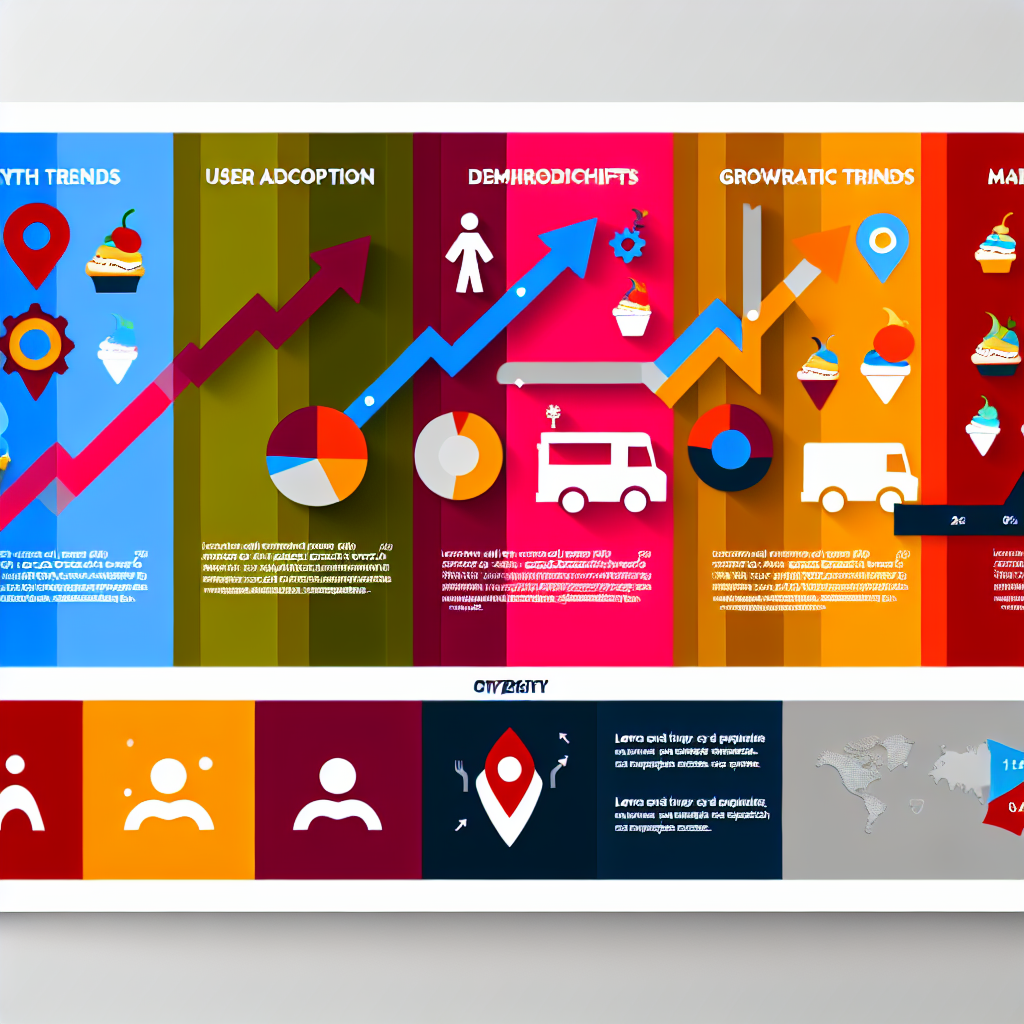
An infographic detailing user adoption statistics in the food truck industry, highlighting growth trends, demographic shifts, and market expansion.
Bustling Food Truck Scene
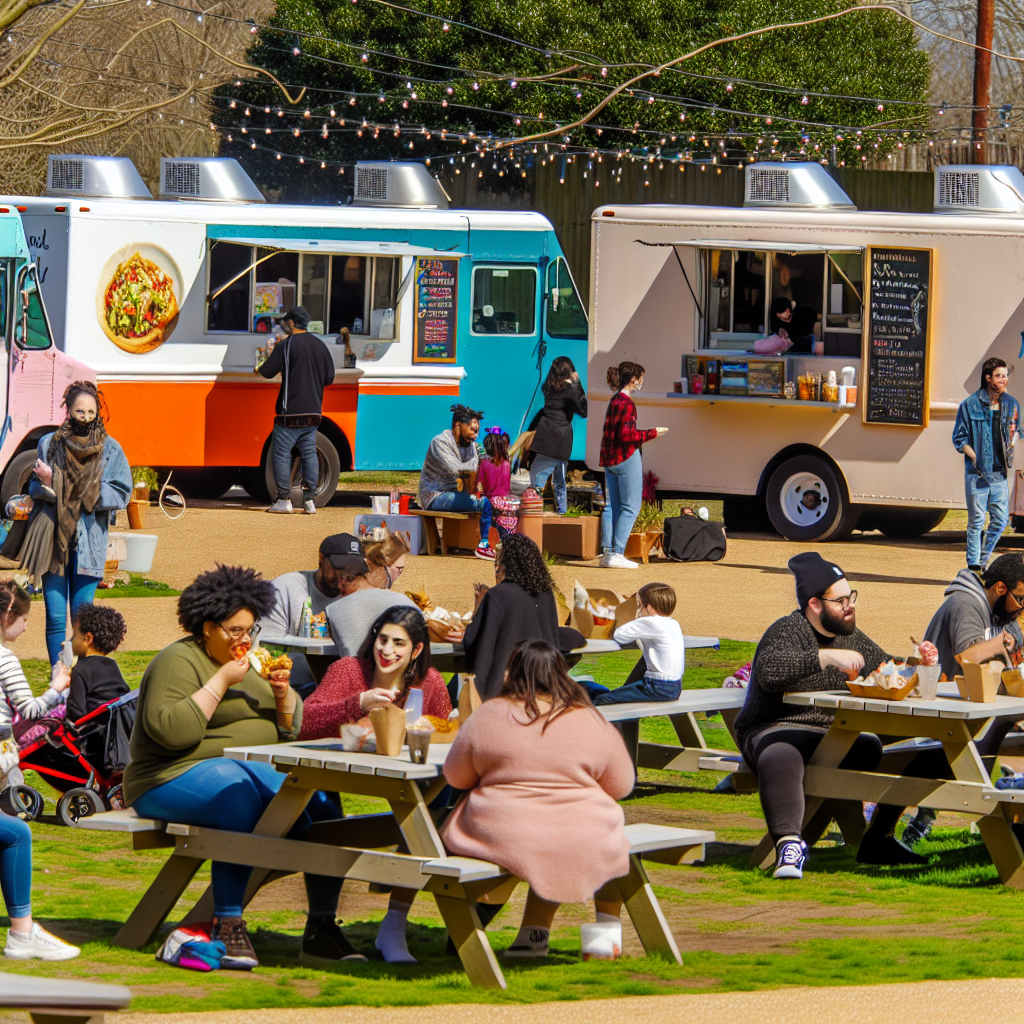
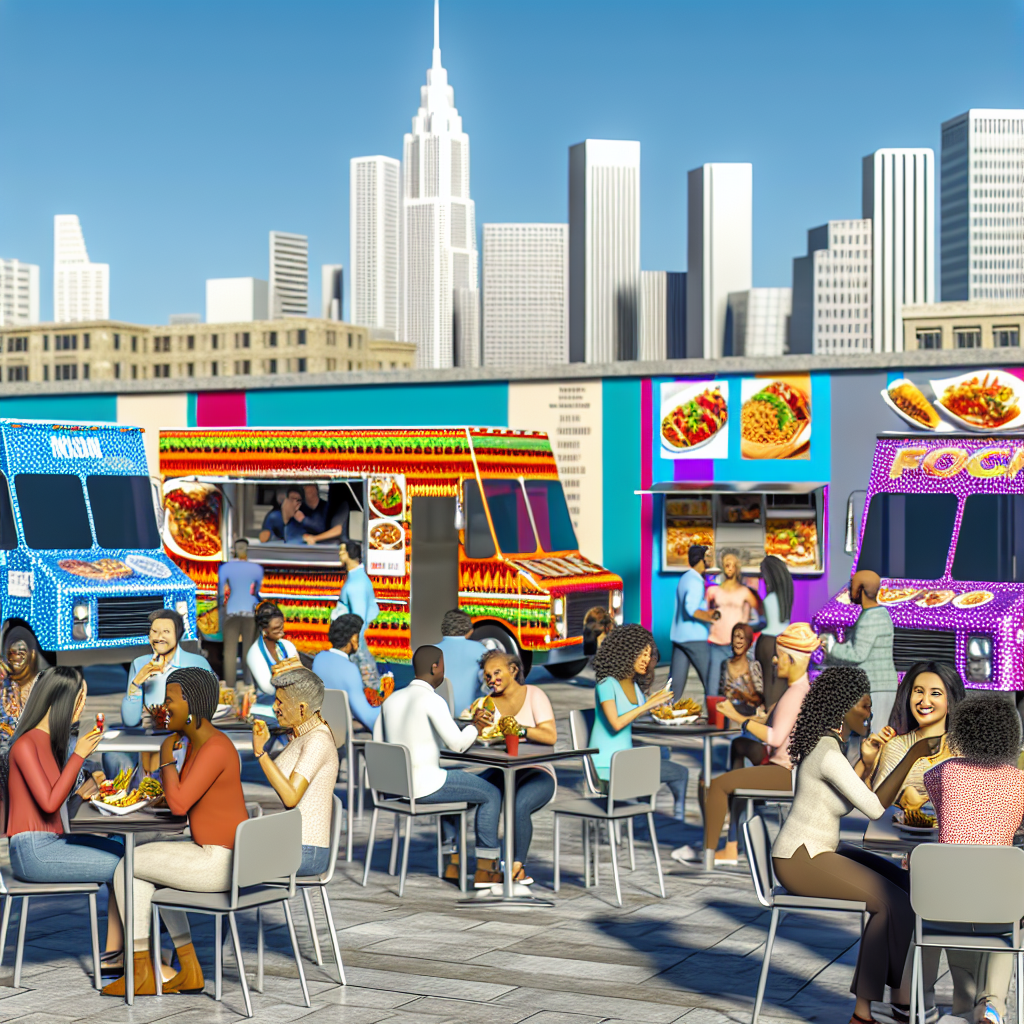
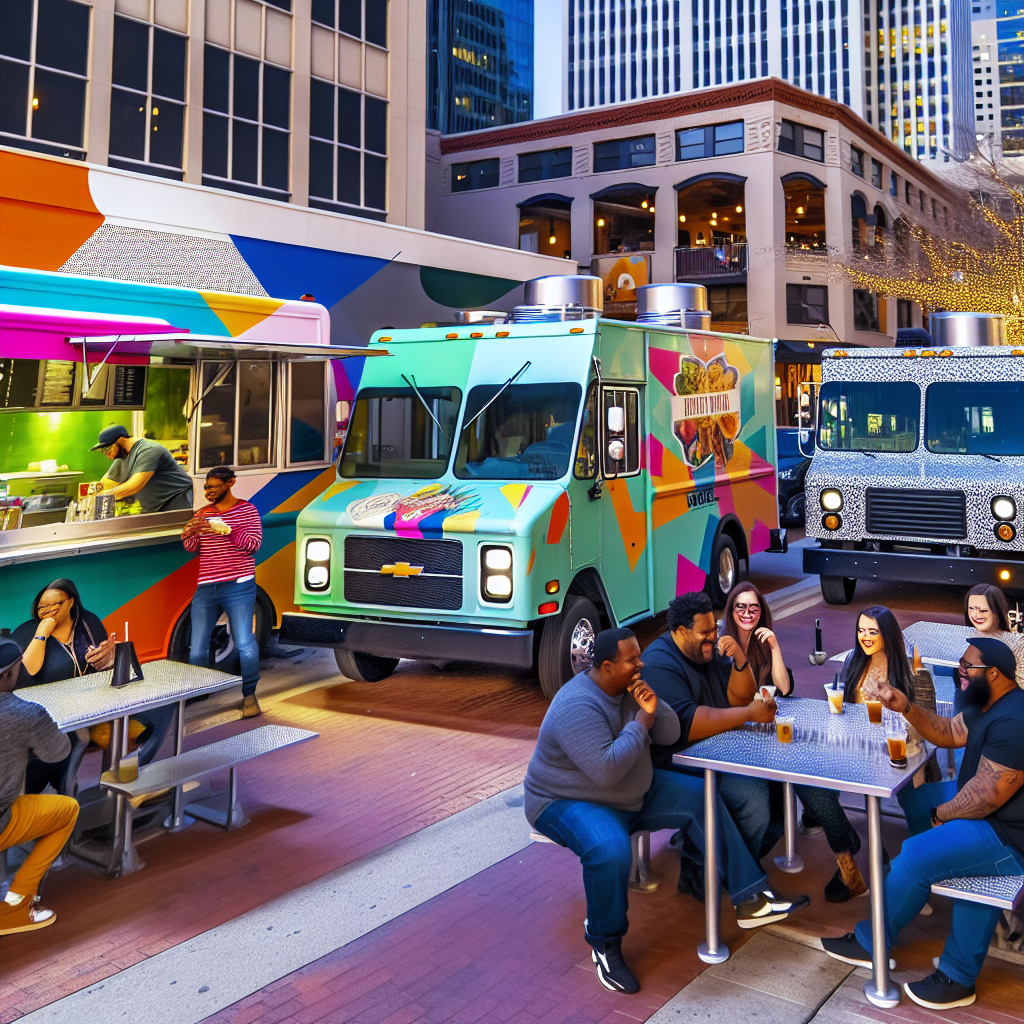
A vibrant image showing a bustling food truck scene with diverse customers enjoying food from various trucks, emphasizing the lively atmosphere of the food truck industry.
The Food Truck Business: Choosing the Right Model
In the bustling world of culinary entrepreneurship, the food truck business stands out as a vibrant and exciting venture. However, the success of a food truck is linked to one crucial decision: choosing the right food truck model. With a diverse array of options available—step vans, cargo vans, and trailers—the model you select can significantly influence your operational efficiency.
From the spacious Chevy P30, favored by vendors with extensive menus, to the agile Ford Transit, each model offers unique advantages tailored to different business needs. This choice not only shapes the physical layout of your kitchen on wheels but also sets the stage for customer engagement and culinary delivery. Understanding the nuances of these models is essential for any aspiring food truck owner looking to carve a niche in the competitive food industry.
In exploring the preferences of food truck vendors, it is important to understand how these insights lead us to the next critical component—the food truck models themselves. The industry has evolved significantly, with vendor preferences increasingly influencing the selection of food truck models. Key factors shaping these choices include market trends, consumer preferences, and operational challenges.
Market Trends and Consumer Preferences:
- Sustainability and Eco-Friendly Practices: Vendors are prioritizing eco-friendly practices to meet consumer demand for sustainability. Notably, 78% of consumers prefer food trucks that implement sustainable efforts. (accio.com)
- Health-Conscious and Diverse Menu Offerings: There’s a growing demand for health-conscious options, including plant-based, gluten-free, and protein-rich dishes. Currently, 45% of food trucks offer vegan or vegetarian options, catering to this trend. (accio.com)
- Technological Integration: Adoption of apps, QR codes, and AI-driven recommendations has become prevalent, enhancing customer convenience through contactless payments. (accio.com)
- Fusion Cuisine and Unique Concepts: To stand out, food trucks are embracing bold fusion concepts and experimental flavors, such as Korean BBQ tacos and Thai basil pasta, generating significant social media buzz. (accio.com)
Challenges in Choosing Food Truck Models:
- Regulatory Hurdles: Vendors often face challenges related to permits, licenses, zoning restrictions, and health regulations that can limit growth. (markwideresearch.com)
- High Competition and Market Saturation: The industry is competitive, with new entrants emerging due to low startup costs, leading to price wars and reduced margins. (credenceresearch.com)
- Operational Constraints: Limited space and infrastructure in food trucks can challenge accommodating customers and accessing facilities like water and electricity. (markwideresearch.com)
In response to these trends and challenges, vendors are selecting food truck models that adapt to technological advancements, support sustainable operations, and offer diverse menu items. Compliance with local regulations, operational efficiency, and the ability to stand out are crucial in the decision-making process.
When venturing into mobile food service, understanding the pricing landscape for food trucks is crucial. New food trucks typically cost between $30,000 to over $100,000, influenced by model type, equipment, and customization.
Key Pricing Ranges
- Step Vans and Cargo Vans: Step vans, which provide ample cooking and storage space, often come at a higher price. Prices for new step vans like the Freightliner MT45 start around $50,000 and can exceed $100,000 when equipped with specialized cooking gear.
- RAM ProMaster: This versatile model usually prices between $30,000 and $50,000, appealing for smaller menus or operations prioritizing agility.
- Ford Transit: Priced between $40,000 and $65,000, offering flexible configurations for various business types, from gourmet to quick snacks.
Factors Influencing Pricing
Model choice affects costs due to dimensions, engine types, and intended use. A fully outfitted food truck that includes cooking equipment will come at a premium compared to more basic models. Market demand can also impact availability and pricing overall.
By strategically planning the menu and understanding how it influences equipment needs, food truck operators can optimize cooking processes and enhance the customer experience. This planning lays the groundwork for a successful food truck business.
“Food trucks are full time jobs, and they don’t become a success overnight. You have to be patient and persistent to make this type of business a career.”
– Mohammad Altawaha, operator of Abu Omar Halal food truck
Choosing the right food truck model shapes the future of your business. Factors such as space requirements, menu complexity, and budget constraints play significant roles in the decision-making process. Evaluating options and aligning them with your culinary vision will prepare you for success in the competitive food industry.
FAQs About Food Truck Models and Operations
-
What are the typical startup costs for a food truck business?
Startup costs can range from $50,000 to $150,000, covering the vehicle, equipment, licenses, and initial supplies. -
How do I choose the right food truck model for my menu?
Selecting the right model depends on your menu’s complexity. Larger models like the Chevy P30 are ideal for extensive menus, while smaller menus benefit from agile options like the RAM ProMaster. -
What monthly operating expenses should I expect?
Monthly expenses typically range from $6,000 to $28,000, factoring in ingredients, wages, maintenance, and other costs. -
Should I buy a new food truck or look for a used one?
This hinges on your budget and long-term plans. New trucks offer reliability and warranties, while used trucks are cheaper but may require more maintenance. -
How can I manage my menu pricing for profitability?
Maintain a food cost percentage between 28% and 35% of total sales. Competitive pricing should consider local markets, and bundling can increase average sales volume.
The food truck industry has demonstrated robust growth and adaptability, driven by increasing consumer demand for diverse dining options. With favorable demographics and opportunities, it’s a dynamic component of the modern food service landscape.
| Food Truck Model | Annual Maintenance Costs | Comments |
|---|---|---|
| Chevy P30 | $2,500 – $4,000 | Known for durability, but requires specialized parts; maintenance costs can vary based on modifications and mileage. |
| Freightliner MT45 | $3,000 – $5,000 | High durability but may incur higher costs due to extensive truck features. |
| Ford P700 | $2,000 – $3,500 | Moderate maintenance costs; widely available parts may help in reducing repair costs. |
| RAM ProMaster | $1,500 – $3,000 | Generally lower maintenance cost due to the simplicity of design and availability of parts. |
| Ford Transit | $2,000 – $3,500 | Versatile and relatively affordable to maintain; parts are widely available. |
| Mercedes Sprinter | $2,500 – $4,500 | Parts can be more expensive; reliability can save costs in the long run. |
| Workhorse W42 | $3,000 – $4,500 | Focused on fleet operations, durability can offset higher maintenance costs. |