
The food truck phenomenon has swept across urban landscapes, capturing the hearts and appetites of food lovers everywhere. With their enticing menus and vibrant street-side presence, food trucks have transcended the boundaries of traditional dining, offering a unique culinary experience that is both affordable and accessible. As the industry continues to burgeon, the potential for success is palpable for enterprising individuals eager to join this mobile gastronomic revolution.
Mimi, co-owner of Mimi’s Bistro On The Go, puts it aptly: “Make great relationships with your customers and your vendors… Remember, that the customer always comes first. Make a trip to your truck an experience for them versus just selling them food.”
This highlights the crucial aspect of customer experience in the food truck business.
However, diving into this bustling market requires a keen understanding of the cost and reliability associated with popular food truck vehicles and trailers. This article will explore the essential vehicles that fuel this growing venture, examining the factors influencing their pricing, performance, and overall dependability. Whether you’re a seasoned vendor or a passionate foodie contemplating your first foray into the world of food trucks, the insights presented here will guide you towards making informed decisions that can set you on the path to success.
Food Truck Industry in the United States (2023)
As of 2023, the food truck industry in the United States has demonstrated significant growth and viability. Here are some relevant statistics:
- Number of Food Trucks: There are between 24,000 and 36,324 food trucks operating in the U.S. The variety in estimates reflects the rapid development in this sector.
- Market Growth Trends: The industry is thriving with an annual growth rate of approximately 9.9%. Projections indicate revenue could surpass $2 billion by 2030, showcasing a healthy expansion trajectory.
-
Demographics of Food Truck Owners:
- Approximately 50% of food truck owners are under the age of 50.
- The industry is predominantly male, with 76% of food truck chefs being men.
- About 30% of food trucks are owned by immigrants, highlighting the diverse entrepreneurial landscape.
These statistics underscore the dynamic nature of the food truck market and reflect its growing appeal as a business opportunity for many entrepreneurs.
Popular Food Truck Models
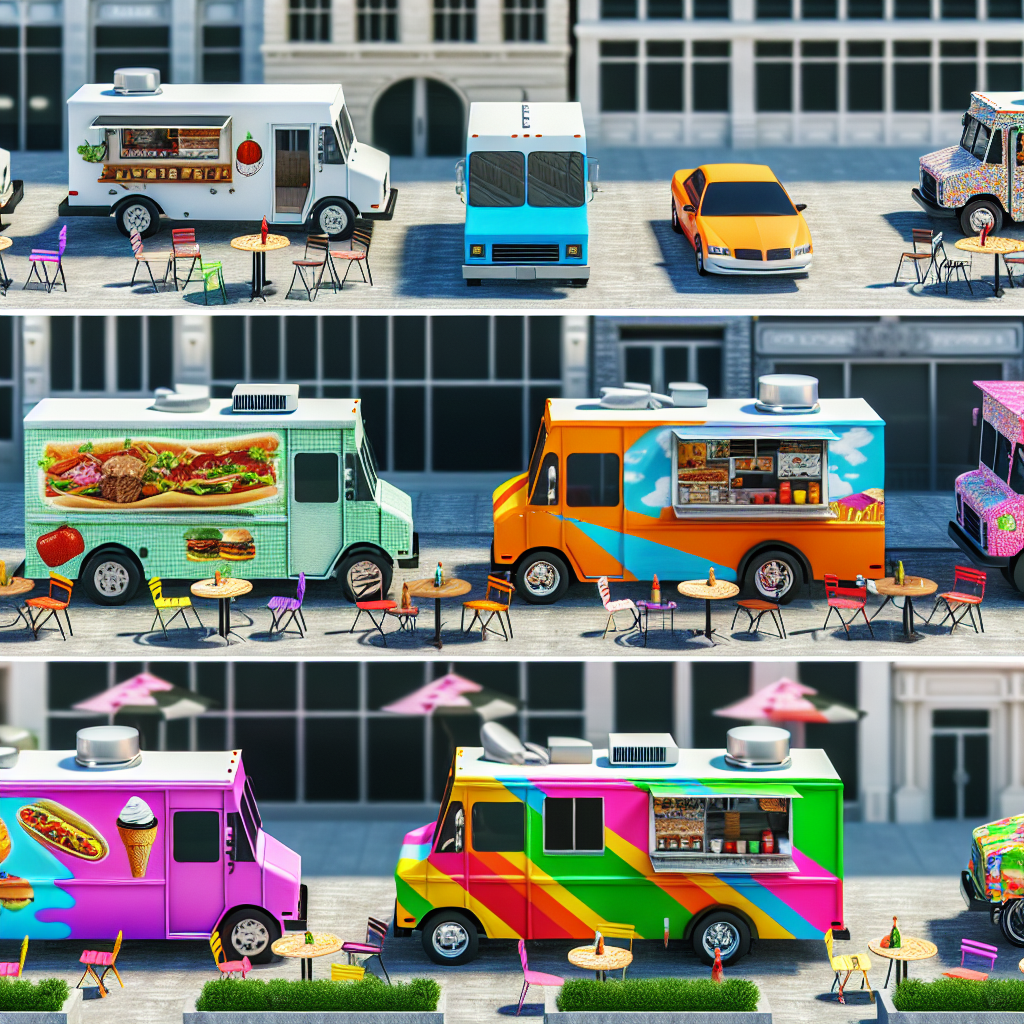
When selecting a vehicle for a food truck business, it’s essential to consider factors such as interior space, durability, fuel efficiency, and ease of maintenance. Three popular models in the industry are the Chevy P30, Freightliner MT45, and Ford Transit. Here’s an overview of their features, popularity, and reliability:
-
Chevy P30
- Features: The Chevy P30 offers a spacious interior, accommodating extensive kitchen equipment and food preparation areas. Its robust build makes it suitable for heavy-duty use.
- Popularity: Despite production ceasing in 1999, the P30 remains a favored choice among food truck operators due to its adaptability and availability in the used market.
- Reliability: While known for durability, the age of available models may require significant maintenance. Additionally, older models might have lower fuel efficiency compared to newer vehicles. source
-
Freightliner MT45
- Features: The MT45 is a heavy-duty chassis designed for commercial applications, offering a robust platform for customization. It typically features a diesel engine known for longevity and fuel efficiency.
- Popularity: Its spacious design and durability make it a popular choice for food truck conversions, especially for businesses requiring extensive kitchen setups.
- Reliability: Freightliner, with its heavy-duty trucking heritage, provides excellent long-term reliability. The Cummins diesel engines are considered workhorses, though access to specialized diesel mechanics can be more critical for maintenance. source
-
Ford Transit
- Features: The Ford Transit is a versatile cargo van with a customizable interior, allowing for various kitchen equipment installations. It offers respectable fuel efficiency and is easier to drive compared to larger step vans.
- Popularity: Its maneuverability and cost-effectiveness make it a preferred option for smaller food truck operations or those with limited menus.
- Reliability: The Transit is known for reliability and ease of maintenance. Its modern design includes driver-assistance technologies that enhance safety and convenience. source
In summary, the choice between the Chevy P30, Freightliner MT45, and Ford Transit depends on specific business needs:
- Chevy P30 is suitable for those seeking a spacious and adaptable vehicle, with the understanding that maintenance may be more intensive due to the age of available models.
- Freightliner MT45 is ideal for businesses requiring a heavy-duty platform with ample space and durability, though it may come at a higher initial cost and require specialized maintenance.
- Ford Transit is best for operators prioritizing maneuverability, fuel efficiency, and ease of maintenance, especially for smaller-scale operations.
Careful consideration of these factors will help in selecting the most appropriate vehicle for a successful food truck venture.
| Food Truck Model | New Cost Range | Used Cost Range | Pros | Cons |
|---|---|---|---|---|
| RAM ProMaster | $44,960 to $62,585 | Starting at $10,000 | Front-wheel drive, maximizes space | Limited engine choices |
| Ford Transit | Starts around $38,000 | Varies by year/condition | All-wheel drive option, multiple styles | Slightly more expensive than others |
| Chevy P30 | Not available new | $20,000 to $50,000 | Spacious interior, robust build | Requires significant maintenance |
| Freightliner MT45 | $58,000 to $69,000 | $30,000 to $55,000 | Reliable chassis, high payload capacity | Less common in used market |
Reliability of Food Truck Models
When diving into the world of food trucks, reliability is a key factor to ensure smooth operations and longevity of the business. Based on user reviews and industry comparisons, several food truck models consistently receive high marks for their dependability. Here, we will explore the reliability of four notable models: Freightliner MT45, Ford E-350/E-450, Chevy P-30, and Mercedes-Benz Sprinter.
-
Freightliner MT45
The Freightliner MT45 is revered for its heavy-duty performance. It features a spacious interior ideal for extensive kitchen setups, along with a robust diesel engine known for its longevity and fuel efficiency. Users report minimal issues with these models, stating, “The MT45 has been a reliable workhorse for my daily operations. The larger space allows me to serve more customers efficiently.” However, some have cautioned about the need for specialized maintenance, noting, “Finding a qualified diesel mechanic can sometimes be a challenge, especially if you are in a rural area.” -
Ford E-350/E-450
The E-350 and E-450 cutaway models are popular due to their accessibility and ease of service. Many food truck vendors appreciate their balance between size and functionality. A user commented, “These vans are easy to drive and offer enough space for most mid-sized operations. I have had a solid track record with mine over the past five years.” However, reviews also highlight a potential downside; a user mentioned, “While they’re generally reliable, my gas engine has needed a few repairs that added to my running costs.” -
Chevy P-30
Although production of the Chevy P30 ended in 1999, this model remains prevalent among food truck operators for its spaciousness and adaptability. Users appreciate its robust build and capacity to carry necessary kitchen equipment. One operator stated, “The P30 is easy to customize; I modified mine to fit a full kitchen. However, finding one in good condition can be tough, and many need considerable maintenance.” This underscores the importance of careful inspection before purchase since issues with older models can affect overall reliability. -
Mercedes-Benz Sprinter
Ideal for those looking to serve smaller menus, the Sprinter is well-regarded for its fuel efficiency and reliable diesel engines. Users praise the van’s driving comfort and modern safety features. A food truck owner noted, “I love how easy the Sprinter is to handle on city streets. It’s been reliable for my coffee truck, but I did have to spend more on parts and repairs compared to the other models I’ve used.” This indicates a need for owners to weigh repair costs against initial purchase benefits.
In conclusion, selecting the right food truck model involves considering the specific needs of your culinary business alongside the vehicle’s reliability. While models like the Freightliner MT45 and Ford E-350 offer robust, dependable performance, vehicles such as the Chevy P30 might serve well for specific setups, albeit with potentially greater maintenance challenges. Always conduct thorough research, user reviews, and potentially a pre-purchase inspection to ensure the truck you choose will serve your business well for years to come.
Cost Breakdown of Starting a Food Truck Business
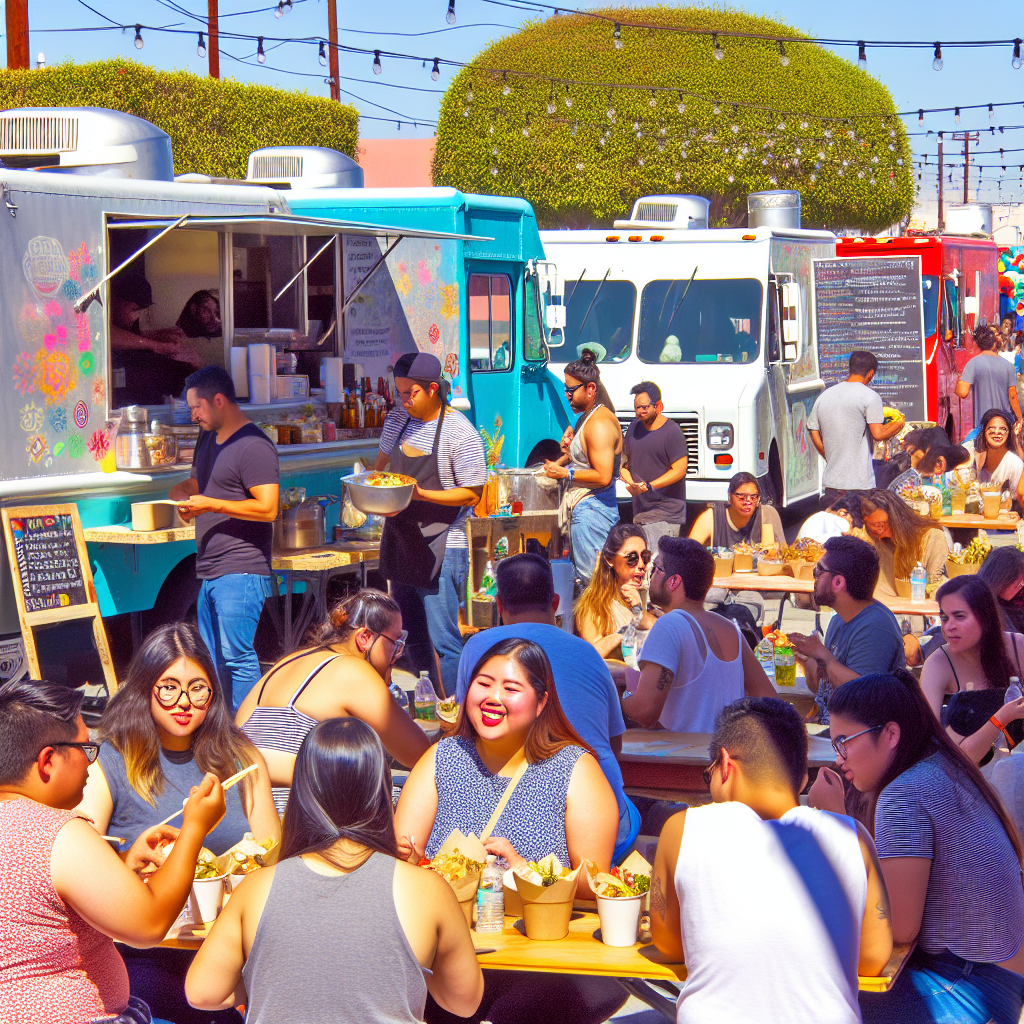
Starting a food truck business involves significant financial planning, including securing appropriate funding and implementing effective budgeting strategies. Below are current financing options available as of 2023, along with best practices for budgeting and managing costs for food truck startups.
Financing Options for Food Truck Businesses
- Equipment Financing: This type of loan is specifically designed for purchasing business equipment, such as a food truck and kitchen appliances. The equipment itself serves as collateral, which can make it easier to qualify for the loan. source
- SBA Loans: The U.S. Small Business Administration offers loans like the 7(a) and 504 programs, which can be used for various business purposes, including purchasing a food truck. These loans often come with favorable terms but require good credit and a solid business plan. source
- Business Term Loans: These are lump-sum loans that can be used for a variety of business needs, such as buying inventory or covering operational expenses. Repayment terms and interest rates vary based on the lender and the borrower’s qualifications. source
- Business Line of Credit: This provides access to a set amount of funds that you can draw from as needed, paying interest only on the amount used. It’s suitable for managing cash flow and unexpected expenses. source
- SBA Microloans: For smaller financing needs, the SBA Microloan program offers loans up to $50,000, with an average loan size of $13,000. These loans are administered through nonprofit, community-based organizations and can be an attractive option for food truck startups requiring smaller capital infusions. source
- Merchant Cash Advances: This option provides a lump sum of cash in exchange for a percentage of future credit card sales. It’s a quick financing method but often comes with higher costs compared to traditional loans. source
- Vendor Leasing Programs: Some vendors offer leasing options for food trucks, allowing you to use the vehicle without purchasing it outright. This can be a cost-effective way to start, with options to buy the truck at the end of the lease term. source
- Grants: Certain programs, such as the Healthy Food Financing Initiative, provide grants to food enterprises aiming to improve access to healthy foods in underserved areas. These grants can help cover various startup costs. source
Best Practices for Budgeting and Managing Costs
- Purchase Used Equipment: Opting for second-hand trucks and kitchen equipment can significantly reduce initial expenses. Ensure that used equipment meets all health and safety standards. source
- Simplify Your Menu: A focused menu with overlapping ingredients can lower inventory costs, reduce waste, and streamline operations. source
- Monitor Inventory and Portion Sizes: Consistent portion sizes and regular inventory checks help control costs and minimize waste. source
- Leverage Free Marketing Channels: Utilize social media platforms and local events to promote your business without incurring significant marketing expenses. source
- Plan Your Locations Strategically: Research and select locations with high foot traffic and reasonable permit fees to maximize sales while keeping costs manageable. source
- Collaborate with Other Vendors: Partnering with other food truck operators to purchase supplies in bulk can lead to cost savings for all parties involved. source
- Regular Maintenance: Keeping your truck and equipment in good condition prevents costly repairs and ensures smooth operations. Incorporating regular food truck maintenance practices further solidifies the foundation of your business, making it essential for long-term success. source
By exploring these financing options and implementing effective budgeting practices, you can establish a solid foundation for your food truck business and navigate the challenges of the industry more effectively.
Customer Quotes on Food Truck Experience
Customer feedback has played a crucial role in shaping the food truck industry, with quotes reflecting key aspects that impact their dining experiences. Here’s a summary of what customers have shared about their preferences and experiences with various food truck models:
Quality and Freshness of Ingredients
Customers express a strong preference for food trucks that use high-quality, fresh ingredients. Surveys indicate that about 70% favor fresh products over frozen options.
Menu Variety and Customization
Customers appreciate diverse menus, including vegan and gluten-free selections. Many enjoy trucks that offer “build-your-own” meal options, allowing for personal preferences and enhancing satisfaction.
Service Speed and Efficiency
Quick service matters significantly, with around 70% ranking promptness as essential. Customers expect meals to be served within a reasonable time, preferably under 10 minutes during peak hours.
Cleanliness and Hygiene
Cleanliness is paramount, with approximately 55% prioritizing hygienic conditions. A notable 83% stated that a food truck’s cleanliness directly influences their willingness to order.
Staff Friendliness
Engaging and friendly staff is vital, with 88% of customers stating that positive interactions enhance their experience, directly impacting repeat business.
Sustainable Practices
Food trucks employing eco-friendly practices resonate well with patrons, making sustainability a value-added aspect influencing their dining choices.
This compilation of feedback illustrates the elements that enhance customer satisfaction and loyalty within the bustling food truck scene.
In conclusion, entering the food truck industry presents exciting opportunities, but success hinges on the informed choices made at the outset. Understanding the costs associated with various food truck models is essential, as prices can range significantly—from used vehicles starting at about $10,000 to new options exceeding $100,000.
Notably, models like the Ford Transit and RAM ProMaster are praised for their reliability and suitability for smaller operations, while heavy-duty options like the Freightliner MT45 cater to larger setups requiring more extensive kitchen space.
Additionally, reliability plays a critical role in day-to-day operations, influencing both customer satisfaction and operational efficiency. Vendors must consider the long-term maintenance needs of older models, like the Chevy P30, against the dependable performance of newer ones.
Ultimately, selecting the right food truck is not merely about initial investment; it’s about paving the way for a sustainable and successful culinary venture. With careful planning and consideration, aspiring food truck owners can enhance their chances of thriving in this competitive market.