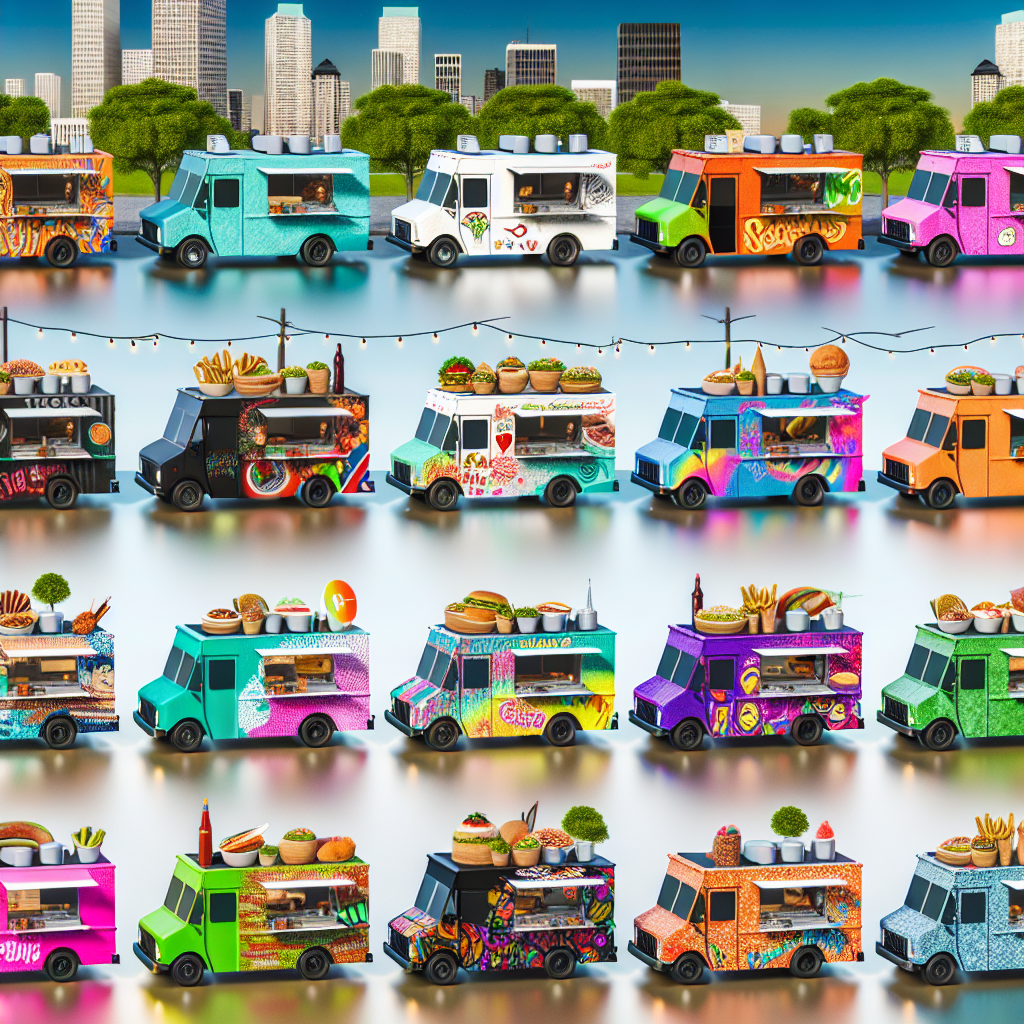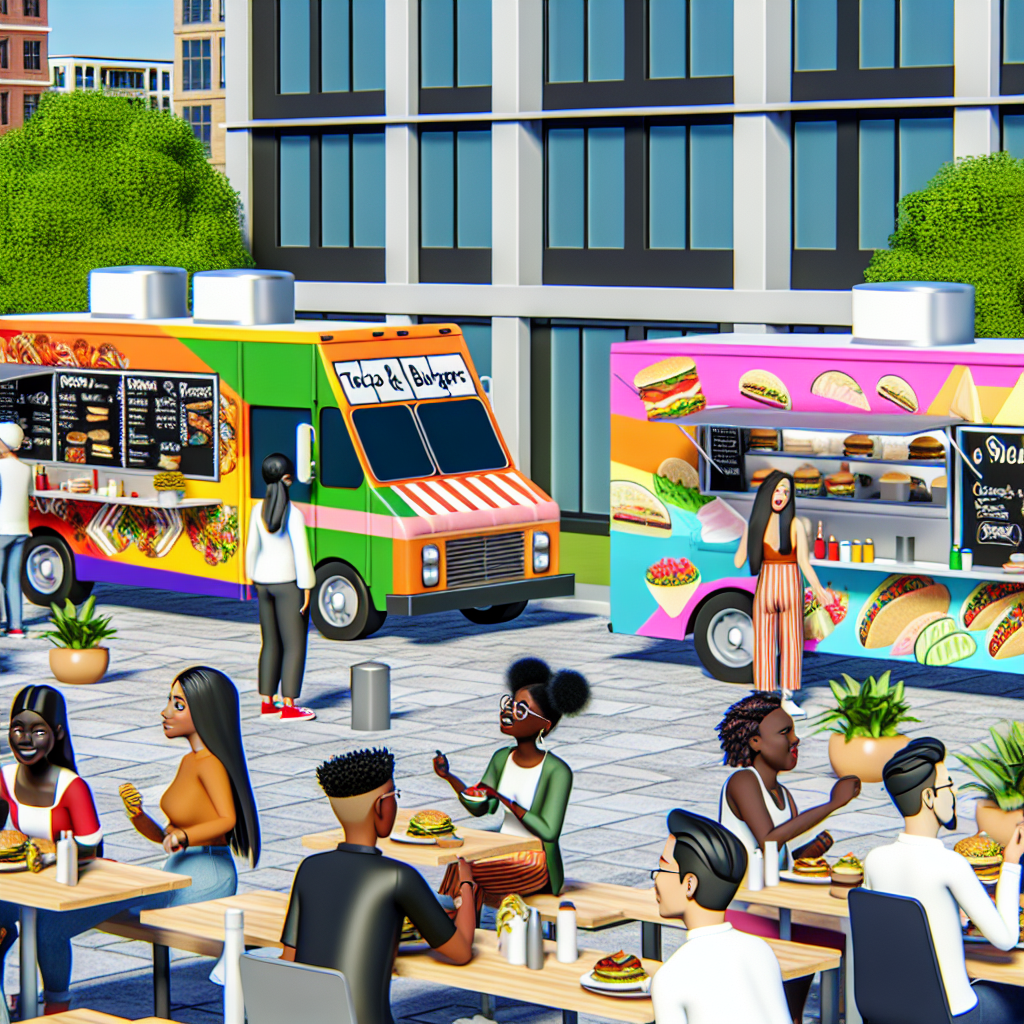

The food truck industry has taken American streets by storm, rapidly transforming from a niche market to a culinary phenomenon. With the freedom to serve delectable meals from unique mobile kitchens, aspiring entrepreneurs are harnessing the flexibility that food trucks offer. However, venturing into this exciting venture comes with its challenges, not the least of which is selecting the right food truck model.
With a plethora of options available, ranging from classic step vans to modern cargo vans and specialized gourmet food trailers, choosing the appropriate food truck model is crucial to your business’s success. This decision can dictate not just the type of cuisine you want to present but also how effectively you can operate your business. Understanding the various food truck models available and their specific advantages will arm you with the tools necessary to thrive in this booming industry.
Whether you are looking to serve mouth-watering tacos from a bright colored RAM ProMaster or gourmet sandwiches from a sleek Mercedes Sprinter, finding the perfect match for your culinary dreams is the first step toward success in the vibrant food truck world.

Overview of Food Truck Models and Their Benefits
Choosing the right food truck model can significantly impact your business’s success. Here’s a rundown of the most common models available—step vans, cargo vans, and food trailers—along with their key benefits.
Step Vans
Step vans, such as the Chevy P30 and Freightliner MT45, are often favored for their spacious interiors, allowing for ample cooking and storage space. Here are the benefits of step vans:
- Spaciousness: Their design provides a larger working area for multiple kitchen appliances and equipment, making them ideal for extensive menu offerings.
- Customization: Step vans are highly customizable, offering flexibility in layout to fit specific business needs.
- Storage: These models usually come with extensive storage options both inside and outside, allowing for better organization of ingredients and tools.
- Visibility: The design also promotes good visibility for both staff and customers, creating a welcoming environment.
Cargo Vans
Cargo vans, such as the RAM ProMaster and Ford Transit, are popular among food truck owners due to their maneuverability and lower costs compared to step vans. Their advantages include:
- Cost-Effective: Generally priced lower than step vans, cargo vans can be a more budget-friendly option for startups.
- Fuel Efficiency: Smaller and more aerodynamically designed, cargo vans typically offer better fuel efficiency, which is beneficial for operating costs.
- Compact Design: Ideal for urban areas, their compact size allows for easier navigation and parking in busy streets or crowded venues.
- Versatile Use: They can be used for various types of cuisine, from gourmet coffee to quick-service meals, appealing to a broad customer base.
Food Trailers
Food trailers provide the ultimate flexibility in terms of location and the physical space needed for a kitchen. Their key benefits include:
- Lower Initial Investment: Generally less expensive than purchasing a food truck, food trailers provide a lower barrier to entry for new vendors.
- Mobility: They can be towed by a vehicle, giving you the freedom to change locations without selling or trading a vehicle.
- Expandability: If your business grows, you can easily expand your operations by adding more trailers or separate units without the need to purchase larger trucks.
- Easier Storage: When not in use, food trailers can be parked and stored conveniently without occupying large amounts of space.
Conclusion
Each food truck model comes with unique advantages that can cater to different business types and operational needs. By understanding the specific benefits of step vans, cargo vans, and food trailers, you can make a more informed decision that aligns with your business goals and budget. Whether you’re a startup looking to serve delicious meals or a seasoned vendor aiming to expand, selecting the right food truck model is crucial for your success in the bustling food truck market.
| Food Truck Model | Cost Range | Size | Type | Common Uses |
|---|---|---|---|---|
| Chevy P30 | $30,000 – $40,000 | Large | Step Van | Tacos, Burgers |
| Freightliner MT45 | $70,000 – $100,000 | Very Large | Step Van | Full-Service Meals |
| Ford P700 | $60,000 – $80,000 | Large | Step Van | Gourmet Street Food |
| RAM ProMaster | $44,000 – $55,000 | Medium | Cargo Van | Sandwiches, Salads |
| Ford Transit | $46,000 – $50,000 | Medium | Cargo Van | Coffee, Quick Bites |
| Nissan NV Cargo | $38,000 – $50,000 | Medium | Cargo Van | Fast Casual Dining |
| Mercedes Sprinter | $50,000 – $75,000 | Medium | Cargo Van | High-End Gourmet Cuisine |
| Workhorse W62 | $50,000 – $70,000 | Large | Step Van | Barbecue, Pizza |
| Diamond Cargo Trailers | $6,000 – $20,000 | Variable | Trailer | Mobile Cooking Equipment |
Cost Considerations for Food Truck Models
Understanding the financial implications of investing in a food truck is crucial for prospective vendors. The costs associated with various food truck models can vary significantly based on type, condition, and necessary modifications. Here’s a summarized breakdown:
Step Vans
- New Step Vans: Prices typically range from $50,000 to $100,000, influenced by make, model, and features like refrigeration.
- Used Step Vans: Usually between $20,000 and $50,000, depending on age and condition.
- Conversion Costs: Basic modifications may cost $10,000 to $40,000, while complete custom build-outs can reach $80,000 to $200,000.
Cargo Vans
- New Cargo Vans: Generally range from $25,000 to $50,000 (e.g., Ford Transit and RAM ProMaster).
- Used Cargo Vans: More affordable at about $10,000 to $25,000.
- Conversion Expenses: Can amount to $10,000 to $40,000 for basic modifications and $80,000 to $200,000 for extensive outfitting.
Trailers
- New Trailers: Typically range from $5,000 to $40,000, based on size and features.
- Used Trailers: Generally more budget-friendly, dependant on condition and equipment.
- Conversion Costs: Similar to other models based on customization needs.
Additional Considerations
- Equipment Costs: Upgrading or outfitting a food truck incurs additional costs that significantly influence total investment.
- Operational Costs: Include permits, insurance, maintenance, and inventory, which impact overall budget.
- Market Variability: Prices can fluctuate based on demand and availability of vehicles.
When investing in a food truck, consider your business needs, budget, and cuisine type to choose the most suitable vehicle and configuration for your operations.

User Trends and Preferences in Food Truck Models
In 2023, the food truck industry reflected notable shifts in user trends and preferences influenced by consumer demands and technological advancements. Understanding these trends can provide valuable insights for aspiring food truck owners.
1. Health-Conscious Menus
Vendors are increasingly offering plant-based options in response to demand for healthier choices. Approximately 25% of food truck menus now feature plant-based items, with tacos being a popular choice. Options like jackfruit tacos and vegan burgers from ingredients such as quinoa and chickpeas have gained traction.
2. Fusion Cuisine
Food truck offerings are diversifying with fusion cuisine that blends global flavors, attracting adventurous diners. Examples include Korean BBQ burritos and sushi tacos, which introduce unique culinary experiences to customers.
3. Technological Integration
Technology adoption has surged, enhancing operational efficiency and customer engagement. Most food trucks now harness mobile apps for pre-orders, contactless payments, and real-time tracking. About 74% of food truck operators are investing in technology to improve customer experiences.
4. Sustainability
Sustainability remains a cornerstone for many vendors, who are adopting eco-friendly practices such as using biodegradable packaging and sourcing local ingredients. Transitioning to solar-powered kitchens and energy-efficient appliances is also on the rise.
5. Niche Concepts
With increased competition, food trucks are distinguishing themselves through specialized menus catering to specific dietary preferences or thematic concepts, such as offers solely featuring cauliflower dishes or coastal cuisine.
Popular Food Truck Models
Current popular food truck models reflect these trends, focusing on flexibility, efficiency, and eco-friendliness. Models with low emissions and energy-efficient features are gaining favor. Common model preferences include:
- Chevy P30 and Freightliner MT45 (Step Vans): Known for spacious interiors that accommodate multiple equipment setups, these models offer customization potential that suits various cuisine types.
- Ford Transit and RAM ProMaster (Cargo Vans): These models are becoming increasingly popular due to their cost-effective nature, compact design, and versatility for urban operation.
- Food Trailers: Offering lower initial investments and mobility, food trailers are attractive for startups, allowing for varied location setups and room to expand as needed.
As food truck vendors navigate a rapidly evolving market, these user trends and preferences will play a significant role in shaping their business strategies and operational choices. By understanding the landscape and preparing to adapt, they can enhance their chances for success in this vibrant industry.
Related Keywords
Some related keywords that reflect the ongoing trends in the food truck industry include:
- Food Truck Regulations: Understanding legal requirements for operating food trucks.
- Catering Options: Exploring catering services food trucks can provide for events.
- Food Truck Technology: The latest technological advancements used in food trucks to enhance operations.
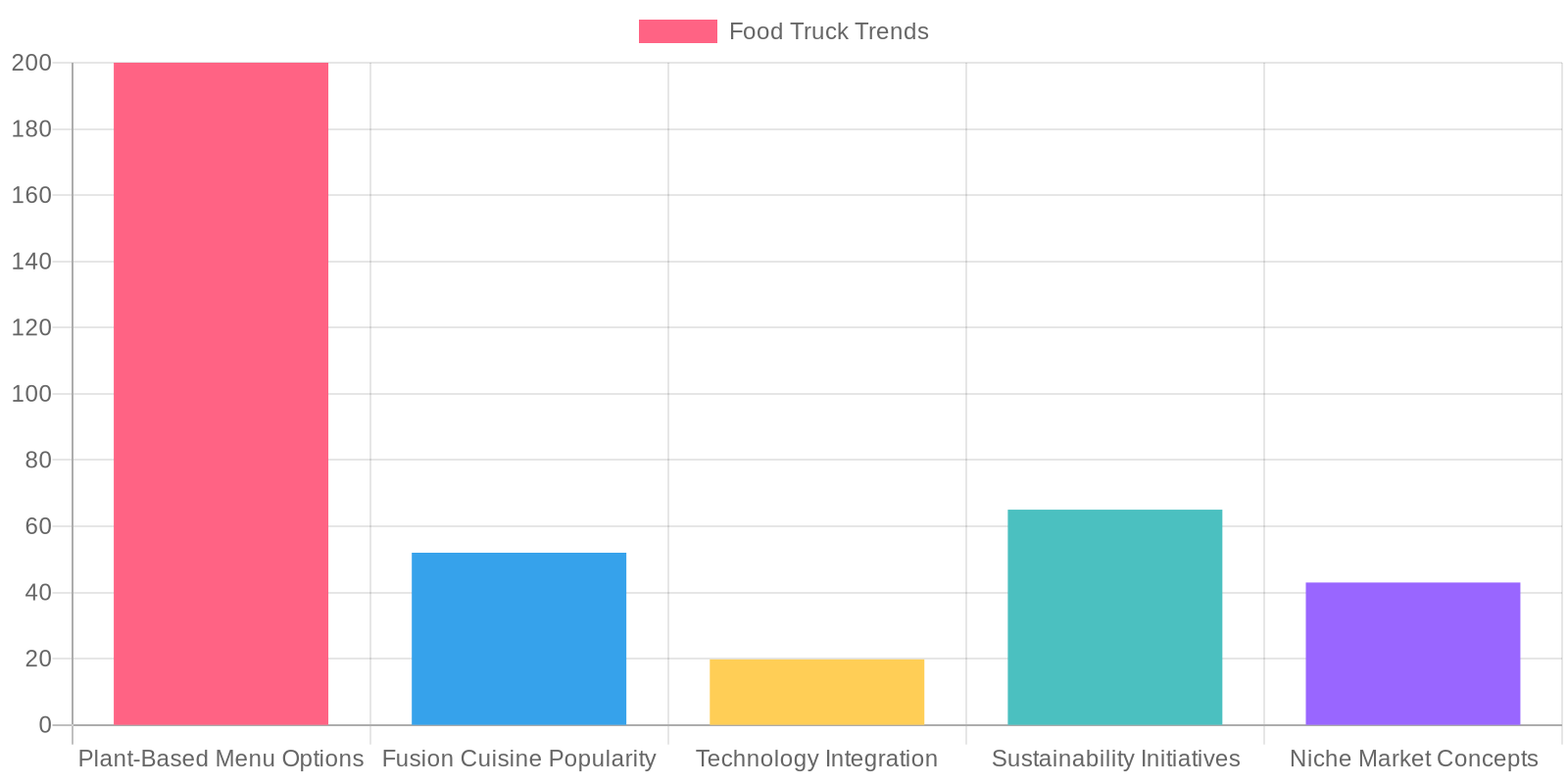
This bar chart illustrates significant trends in user preferences in the food truck industry effective in 2023.
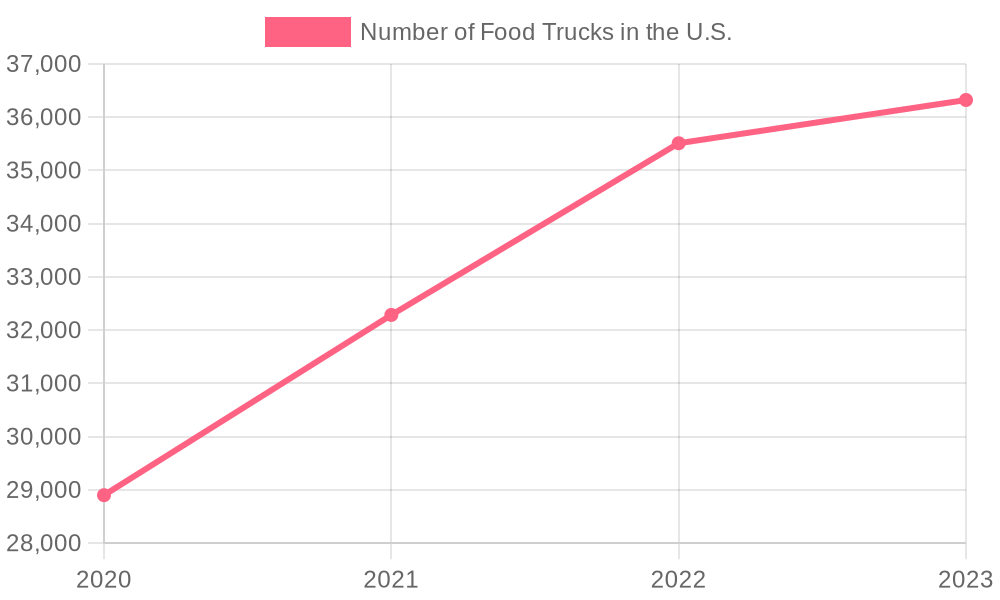
This line chart showcases the growth of the food truck industry in terms of the number of trucks in the U.S. from 2020 to 2023.
Conclusion
Selecting the right food truck model is a pivotal decision that can determine the success and sustainability of your business. Each model offers distinct advantages that align with specific operational needs, whether it be the ample workspace of a step van, the maneuverability of a cargo van, or the flexibility of a food trailer. By taking the time to carefully evaluate your options, considering factors such as budget, type of cuisine, and target market, you can make an informed choice that aligns with your entrepreneurial vision.
Understanding the implications of your model selection will not only set the foundation for your food truck’s operational success but also influence customer experience and satisfaction. The right vehicle can enhance efficiency in the kitchen and create an inviting atmosphere for customers—a crucial aspect of building loyalty in the competitive food truck scene.
As you embark on this exciting venture, remember to reflect on your unique goals and requirements before making a decision. The future of your food truck business hinges on this critical choice, so invest the time and effort necessary to discover which model best fits your culinary aspirations and operational plan. With the right food truck, you can drive your dreams forward and bring delicious food to the streets.
Key Quotes and Insights About Food Truck Models and Their Costs
To enhance the credibility of the discussion regarding food truck models and their costs, here are relevant insights, quotes, and facts:
1. The Importance of Vehicle Selection
“If you anticipate tight parking areas with limited spots, you might need to scale down your menu… necessitating a shift towards smaller, more compact food trucks.”
This illustrates a food truck operator’s perspective on the relevance of location in model selection. Understanding your business’s operational environment is crucial when selecting a food truck model. Source
2. Cost Statistics
As of 2023, the food truck industry includes approximately 48,400 trucks in operation, with startup costs ranging significantly:
- Initial Investment: Upfront investment around $50,000 to $250,000.
- Vehicle Costs: New food truck prices can range from $60,000 to $120,000, while used retrofitted trucks vary between $25,000 to $45,000. This variance underlines the need for meticulous planning. Source
3. Revenue and Profitability
The average annual revenue for food trucks is approximately 346,000, with a profitability margin of about 6.2%, highlighting the sector’s appeal for entrepreneurs. Source
4. Operational Insights
“A well-planned layout enhances workflow and improves customer service.”
This emphasizes the crucial role of design in operational efficiency. Food truck operators suggest that effective layouts drastically improve service speed and customer satisfaction. Source
5. Trend Insights
In 2023, there was a growing demand for health-conscious options, with 25% of menus featuring plant-based items. This reflects a shift toward healthier cuisine. Source
Conclusion
Integrating these quotes and statistics underscores the significance of informed decision-making when selecting a food truck model and understanding the associated costs. The right food truck model can lead to operational efficiency, catering to market trends and consumer demands.
Key Quotes and Insights About Food Truck Models and Their Costs
To enhance the credibility of the discussion regarding food truck models and their costs, here are relevant insights, quotes, and facts:
1. The Importance of Vehicle Selection
“If you anticipate tight parking areas with limited spots, you might need to scale down your menu… necessitating a shift towards smaller, more compact food trucks.”
This illustrates a food truck operator’s perspective on the relevance of location in model selection. Understanding your business’s operational environment is crucial when selecting a food truck model. Source
2. Cost Statistics
As of 2023, the food truck industry includes approximately 48,400 trucks in operation, with startup costs ranging significantly:
- Initial Investment: Upfront investment around $50,000 to $250,000.
- Vehicle Costs: New food truck prices can range from $60,000 to $120,000, while used retrofitted trucks vary between $25,000 to $45,000. This variance underlines the need for meticulous planning.
3. Revenue and Profitability
The average annual revenue for food trucks is approximately $346,000, with a profitability margin of about 6.2%, highlighting the sector’s appeal for entrepreneurs.
4. Operational Insights
“A well-planned layout enhances workflow and improves customer service.”
This emphasizes the crucial role of design in operational efficiency. Food truck operators suggest that effective layouts drastically improve service speed and customer satisfaction. Source
5. Trend Insights
In 2023, there was a growing demand for health-conscious options, with 25% of menus featuring plant-based items. This reflects a shift toward healthier cuisine. Source
Conclusion
Integrating these quotes and statistics underscores the significance of informed decision-making when selecting a food truck model and understanding the associated costs. The right food truck model can lead to operational efficiency, catering to market trends and consumer demands.