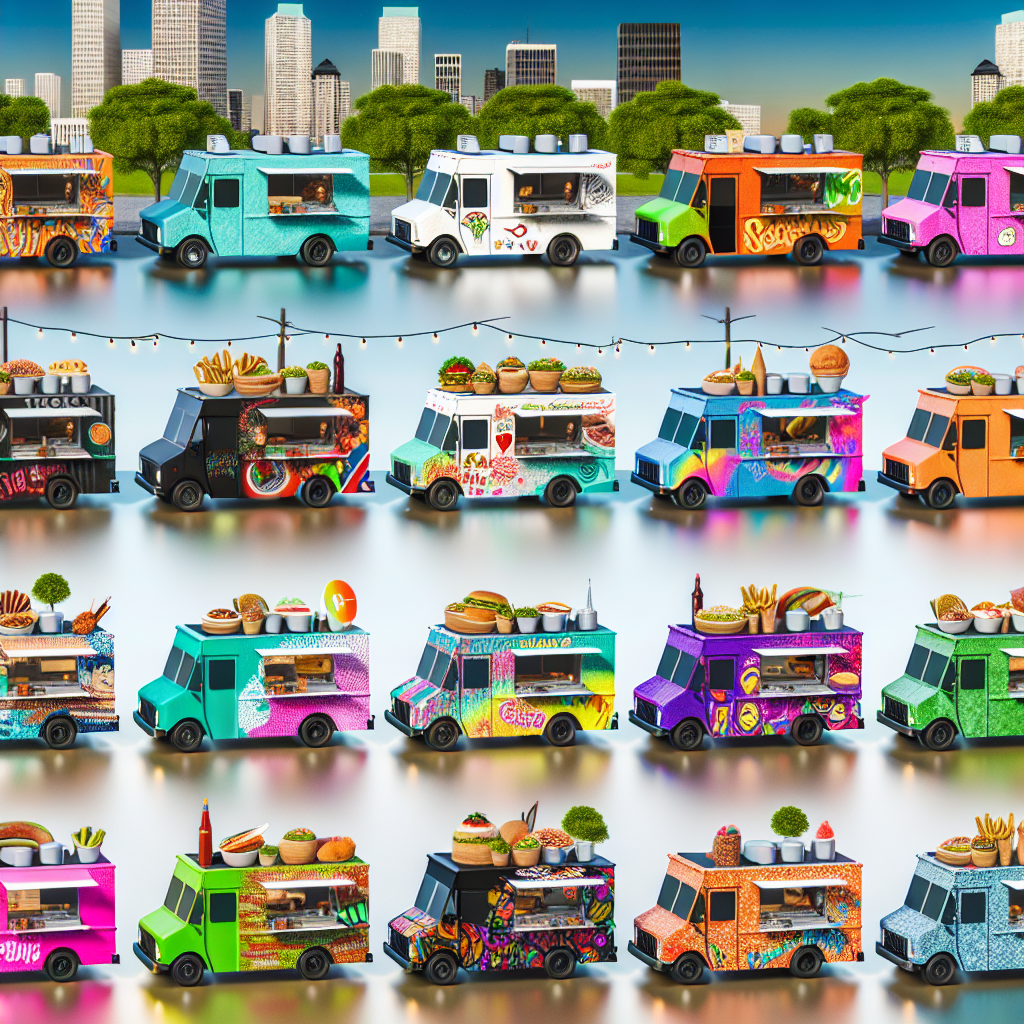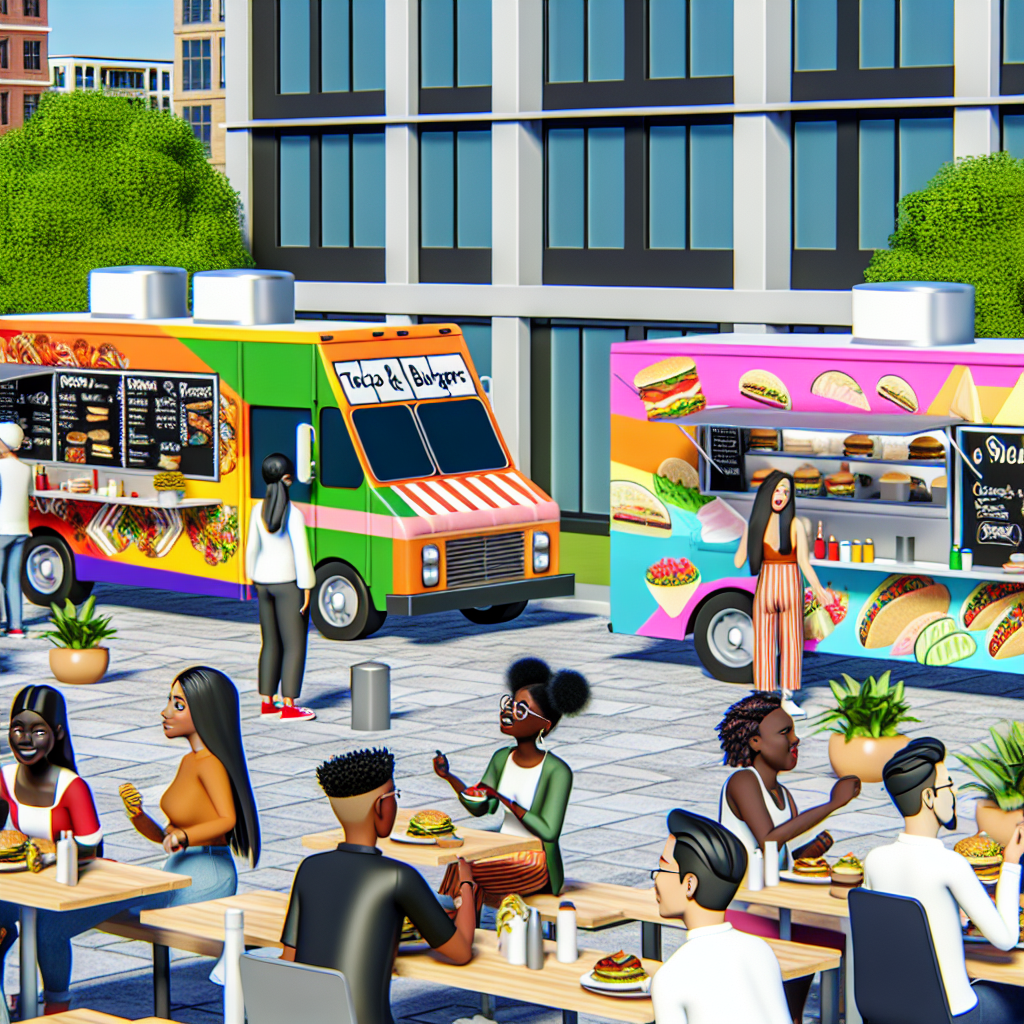
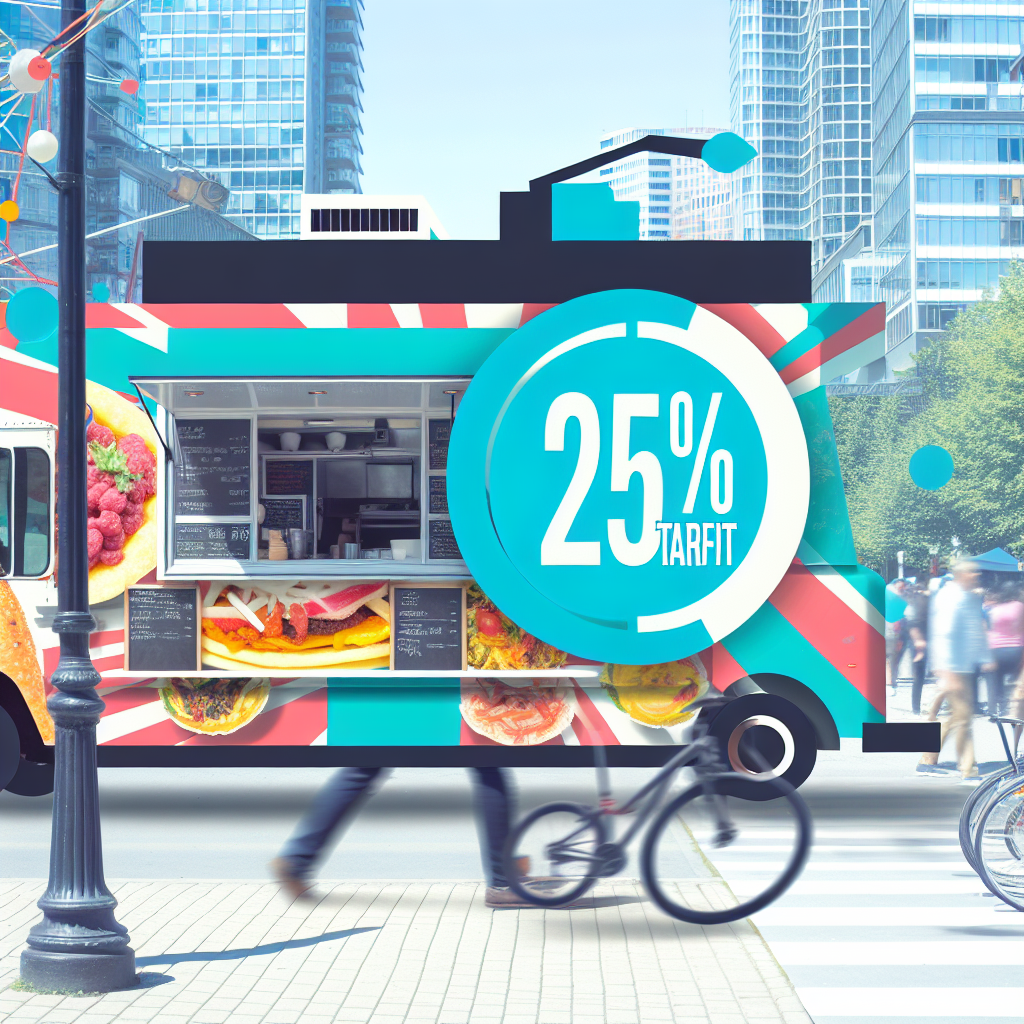
As the sun rises over bustling city streets, the familiar sound of sizzling grills and cheerful chatter from food trucks fills the air. Yet, for many food truck owners, this vibrant scene is shrouded in uncertainty. The recent announcement of a 25% tariff on heavy trucks not built in the United States has cast a long shadow over the dreams of many aspiring entrepreneurs in the food truck industry.
These hardworking individuals, who have poured their savings and passion into launching mobile kitchens, now face the daunting specter of increased operational costs and confusion over regulatory compliance. With the prices of essential vehicles soaring, the dream of serving gourmet dishes on wheels risks becoming a financial nightmare. This stark reality forces food truck owners not just to confront rising expenses, but to navigate a maze of tariffs and import regulations that could derail their ambitions before they even begin.
Understanding the implications of these tariffs is essential, not only for survival but for maintaining the unique culinary contributions that food trucks offer to our communities.
Understanding the 25% Tariff
On October 17, 2025, President Donald Trump signed a proclamation. It imposed a 25% tariff on imported medium- and heavy-duty trucks and parts. This tariff will take effect on November 1, 2025. The measure aims to support domestic manufacturing and address national security concerns. Source
Governmental Reasoning Behind the Tariff
The administration’s decision follows a Section 232 investigation. This investigation found that imports of medium- and heavy-duty trucks and parts pose a threat to U.S. national security. These vehicles are vital for military readiness, disaster response, and economic stability. The growing reliance on foreign suppliers for these trucks and components was viewed as a vulnerability. The tariff aims to protect and expand domestic manufacturing capabilities and ensure a reliable supply chain for these assets. Source
Impact on Food Truck Owners
Food truck operators typically use medium-duty trucks as the basis for their mobile kitchens. This tariff will likely have significant financial consequences for them. The 25% increase in the cost of imported trucks will raise the initial investment necessary to buy or replace these vehicles. For small business owners with tight margins, this could mean higher operational costs and potential price increases for consumers. Additionally, supply chain disruptions may arise, causing delays in acquiring vehicles and parts, complicating business operations. Source
Recent Developments on the 25% Tariff on Heavy Trucks
| Manufacturer | Pre-Tariff Price (USD) | Post-Tariff Price (USD) | Price Increase (USD) |
|---|---|---|---|
| Mack Trucks | 195,000 | 243,750 | 48,750 |
| Volvo | 180,000 | 225,000 | 45,000 |
| Peterbilt | 175,000 | 218,750 | 43,750 |
| Freightliner | 165,000 | 206,250 | 41,250 |
| Kenworth | 190,000 | 237,500 | 47,500 |
Impact on Food Truck Budgets
For food truck owners, these increases in truck costs could mean tighter budgets and potential adjustments in pricing to manage increased operational expenses. The significant variations between manufacturers emphasize the need for careful consideration when selecting a vehicle to ensure financial viability.
Regulatory Considerations for Food Truck Owners
Operating a food truck requires navigating a complicated regulatory framework that has far-reaching implications for business owners. Understanding these regulatory considerations is critical for avoiding fines and ensuring the long-term viability of the business.
Tariffs and Their Impact
One of the most pressing regulatory concerns for food truck owners is the impact of tariffs, particularly the 25% tariff on medium- and heavy-duty trucks. This tariff not only increases the purchase price of essential vehicles but may also affect secondary costs involved in manufacturing and importing equipment and supplies. For example, food truck operators who rely on imported materials or equipment could see a rise in costs, making budgeting more challenging.
Operational Costs
Beyond the initial financial outlay, food truck owners must account for various ongoing operational expenses. Regular vehicle maintenance, fuel, insurance, and inventory replenishment constitute significant areas of expenditure. Insurance costs can range from $2,000 to $4,000 annually, while renting a commissary kitchen may set owners back between $400 and $1,500 a month. These ongoing costs can strain budgets, especially for small business owners operating with thin margins.
Health and Safety Regulations
Compliance with health and safety regulations is non-negotiable for food truck operators. They must adhere to guidelines from local health departments and the FDA concerning food handling and preparation to ensure public safety. Regular health inspections are often mandated, with associated fees varying from $100 to $1,000 annually, depending on the municipality. Failure to comply can result in fines or even shutdowns, making it vital for owners to stay informed and compliant.
Permits and Licensing Requirements
Food truck owners must also secure various permits and licenses, which are often required at local, state, and federal levels. Common permits can include:
- Business License: Typically costs from $50 to $400, but in larger metropolitan areas, fees can reach up to $5,000.
- Health Department Permit: Required to ensure compliance with health codes, fees range from $100 to $1,000 annually.
- Mobile Food Facility Permit: Specific to mobile vendors, costs can range from $200 to $2,000 annually.
- Fire Safety Inspection: Required if using open flames, fees are typically between $50 and $300.
These costs can accumulate quickly, making proper budgeting and planning essential for food truck owners.
Labor Laws
Lastly, understanding labor laws is crucial for food truck operators. Compliance with federal and state labor laws ensures fair treatment of employees, including adherence to minimum wage and overtime pay regulations. For instance, while the federal minimum wage is $7.25 per hour, many states—including California—have higher thresholds, such as $15.50 per hour. Non-compliance with labor laws can lead to significant penalties and legal repercussions.
In conclusion, navigating regulatory considerations such as tariffs, operational costs, health and safety guidelines, permits, and labor laws is essential for food truck owners. Staying informed and compliant is critical not only for operational success but also for the sustainability of a food truck business in the competitive market.
Perspectives from Key Stakeholders on the 25% Tariff
The recent 25% tariff on heavy trucks has ignited varied reactions from key stakeholders that directly influence the food truck industry. President Donald Trump’s proclamation emphasizes his intention to safeguard domestic truck manufacturers from foreign competition, stating that this tariff is crucial for promoting American-made vehicles. However, this stance poses a financial burden on food truck owners, who rely on these trucks for their businesses. Trump’s comments suggest that the goal is to create a stronger U.S. manufacturing base, but at what cost to small business operators?
Chris Spear, President and CEO of the American Trucking Associations (ATA), raised alarm about the potential financial fallout from the tariff. He estimates that the cost of acquiring a new truck could rise by as much as $35,000 due to the tariffs, which is a substantial amount for small food truck businesses already grappling with tight budgets. This perspective underscores a critical issue: how can food truck owners navigate these increased costs without jeopardizing their operations?
The implications of these statements are profound. Food truck owners must re-evaluate their budgets and explore financing options or consider leasing their vehicles instead. Increasing menu prices might also be necessary to offset the rise in operational costs driven by more expensive trucks. As the market evolves, it is essential for food truck owners to remain adaptable and seek strategies that enable them to sustain their businesses amidst these financial challenges.
In summary, while the tariff might aim to bolster U.S. truck manufacturing, it simultaneously introduces significant financial challenges for the food truck sector. Food truck owners must stay informed about these developments to make educated decisions for their businesses.
Economic Impact of Tariffs on Food Truck Owners
The economic impact of tariffs on small food truck businesses highlights several key areas: increased operating costs, supply chain disruptions, and challenges to maintaining profitability. Such challenges affect not just the food truck industry, but also the broader food service sector. Recent insights reveal important trends:
-
Increased Operating Costs: Small businesses report significant hikes in their operating costs due to tariffs on imports. For instance, the National Restaurant Association estimates that proposed tariffs could cost U.S. restaurants $15.16 billion within a year. Approximately 72% of small businesses face increased costs affecting their operations.
Source -
Supply Chain Disruptions: Tariffs lead to delays in goods availability, complicating inventory management. A survey by Gallagher showed that 90% of U.S. business owners are concerned about supply chain disruptions due to tariffs, affecting food truck operators as well.
Source -
Profit Margin Squeeze: Higher ingredient costs can drastically cut into profit margins, with estimates showing that food costs account for about one-third of sales for food trucks. Reports indicate that changes in tariffs may cost companies over $1.2 trillion this year, shifting a significant burden to consumers.
Source -
Strategies for Mitigation: Food truck owners are responding with various strategic approaches, including:
- Sourcing Locally: Prioritizing locally sourced ingredients to reduce reliance on imported goods.
- Diversifying Suppliers: Exploring multiple options, both domestic and international, to mitigate the impact of tariffs.
- Optimizing Menu Offerings: Reviewing menus to identify high-cost items affected by tariffs and considering substitutions.
- Investing in Energy-Efficient Equipment: Upgrading can achieve long-term savings on utility bills.
- Monitoring Tariff Changes & Advocating for Policy Adjustments: Engaging with industry associations for support in navigating changes.
Food truck operators face a challenging environment due to these tariffs; however, they can adapt and remain viable with strategic planning. Recognizing the financial pressures and operational challenges is just the first step. A recent report from Euromonitor International notes that tariffs on agricultural inputs and finished goods are expected to increase production costs, disrupt sourcing strategies, and lead to higher food prices.
Conclusion
As the food truck industry grapples with the significant implications of the 25% tariff on heavy trucks, new owners must prioritize their understanding of tariffs and regulatory considerations. The landscape is undeniably challenging, with rising operational costs impacting not just initial investments but also ongoing expenses that can strain budgets further. Navigating these economic hurdles requires not only knowledge and careful planning but also a resilient spirit and a willingness to adapt.
However, amidst these obstacles, there lies a beacon of hope. The entrepreneurial spirit that drives food truck owners is fueled by creativity, passion, and the unique culinary experiences they provide to their communities. By navigating these tariffs wisely and seeking innovative strategies to mitigate their impact—such as sourcing locally or optimizing their offerings—owners can not only survive but thrive.
In the face of challenges, understanding the regulatory landscape and staying informed about any changes can equip food truck owners with the tools needed to make strategic decisions. Optimism is essential; the dedication and agility of food truck operators can pave the way for success in a vibrant industry that continues to warm hearts and bellies across the nation. Armed with knowledge and determination, the future remains bright for the food truck community, even in the shadow of tariffs.
Actionable Steps for Food Truck Owners in the New Tariff Landscape
- Conduct a Comprehensive Budget Review: Evaluate the current budget to account for increased costs due to tariffs. Adjust financial projections and cash flow management to ensure sustainability.
- Explore Alternative Financing Options: Investigate various financing avenues such as loans or leasing options that may alleviate the immediate burden of purchasing heavier trucks.
- Source Locally: Prioritize local suppliers to minimize costs associated with tariffs on imported goods, which can enhance community relations and reduce delivery times.
- Diversify Suppliers: Identify multiple suppliers for ingredients and equipment, both domestic and international, to mitigate risk from supply chain interruptions caused by tariffs.
- Optimize Menu Offerings: Analyze menu items to find high-cost ingredients affected by tariffs. Consider substituting these items with local and cost-effective alternatives that maintain quality and customer satisfaction.
- Invest in Energy-Efficient Equipment: Look into energy-efficient appliances to reduce utility expenses over time, providing long-term savings that can offset tariffs.
- Enhance Operational Efficiency: Implement best practices for inventory management to reduce waste and improve profitability. Optimize staff scheduling and food prep processes to maximize productivity.
- Monitor Policy Changes: Stay informed about any modifications to tariffs and related regulations through industry associations and advocacy groups that can provide timely updates and resources.
- Engage with Industry Associations: Connect with associations to stay updated on best practices, consumer trends, and support systems available for food truck owners navigating the tariff landscape.
Specific Regulatory Requirements for Food Truck Owners
| Requirement | Description | Typical Costs | Compliance Agency |
|---|---|---|---|
| Business License | Required to legally operate a business, varies by location. | $50 to $5,000 | Local Business Authority |
| Health Department Permit | Required to ensure compliance with health codes. | $100 to $1,000 annually | Local Health Department |
| Mobile Food Facility Permit | Specific to food trucks, ensuring adherence to mobile vendor regulations. | $200 to $2,000 annually | Local Health Department |
| Fire Safety Inspection | Mandatory if using open flames or heating equipment. | $50 to $300 | Local Fire Department |
| Vehicle Registration | Ensures the food truck is registered for legal operation on public roads. | Varies by vehicle type | Department of Motor Vehicles |
| Food Handler’s Permit | Ensures food safety practices are followed by staff. | $20 to $150 | Local Health Department |
Navigating Tariffs and Food Truck Challenges in the Food Service Industry
As the sun rises over bustling city streets, the familiar sound of sizzling grills and cheerful chatter from food trucks fills the air. Yet, for many food truck owners, this vibrant scene is shrouded in uncertainty. The recent announcement of a 25% tariff on heavy trucks not built in the United States has cast a long shadow over the dreams of many aspiring entrepreneurs in the food service industry. These hardworking individuals, who have poured their savings and passion into launching mobile kitchens, now face the daunting specter of increased operational costs and confusion over regulatory compliance. With the prices of essential vehicles soaring, the dream of serving gourmet dishes on wheels risks becoming a financial nightmare. This stark reality forces food truck owners not just to confront rising expenses, but to navigate a maze of tariffs and import regulations that could derail their ambitions before they even begin. Understanding the implications of these tariffs is essential, not only for survival but for maintaining the unique culinary contributions that food trucks offer to our communities.
Understanding the 25% Tariff and Its Implications for Food Truck Owners
On October 17, 2025, President Donald Trump signed a proclamation. It imposed a 25% tariff on imported medium- and heavy-duty trucks and parts. This tariff will take effect on November 1, 2025. The measure aims to support domestic manufacturing and address national security concerns. [whitehouse.gov]
Governmental Reasoning Behind the Tariff
The administration’s decision follows a Section 232 investigation. This investigation found that imports of medium- and heavy-duty trucks and parts pose a threat to U.S. national security. These vehicles are vital for military readiness, disaster response, and economic stability. The growing reliance on foreign suppliers for these trucks and components was viewed as a vulnerability. The tariff aims to protect and expand domestic manufacturing capabilities and ensure a reliable supply chain for these assets. [whitehouse.gov]
Impact of Tariffs on Food Truck Owners’ Costs
Food truck operators typically use medium-duty trucks as the basis for their mobile kitchens. This tariff will likely have significant financial consequences for them. The 25% increase in the cost of imported trucks will raise the initial investment necessary to buy or replace these vehicles. For small business owners with tight margins, this could mean higher operational costs and potential price increases for consumers. Additionally, supply chain disruptions may arise, causing delays in acquiring vehicles and parts, complicating business operations. [loschifladostruck.com]
Recent Developments on the Tariff’s Impact on the Food Service Industry
Impact of Tariffs on Truck Pricing in the Food Service Sector
| Manufacturer | Pre-Tariff Price (USD) | Post-Tariff Price (USD) | Price Increase (USD) |
|---|---|---|---|
| Mack Trucks | 195,000 | 243,750 | 48,750 |
| Volvo | 180,000 | 225,000 | 45,000 |
| Peterbilt | 175,000 | 218,750 | 43,750 |
| Freightliner | 165,000 | 206,250 | 41,250 |
| Kenworth | 190,000 | 237,500 | 47,500 |
Impact on Food Truck Budgets in the Food Service Industry
For food truck owners, these increases in truck costs could mean tighter budgets and potential adjustments in pricing to manage increased operational expenses. The significant variations between manufacturers emphasize the need for careful consideration when selecting a vehicle to ensure financial viability.
Regulatory Considerations for Food Truck Owners Facing Tariff Implications
Operating a food truck requires navigating a complicated regulatory framework that has far-reaching implications for business owners. Understanding these regulatory considerations is critical for avoiding fines and ensuring the long-term viability of the business.
Tariffs and Their Impact on the Food Service Industry
One of the most pressing regulatory concerns for food truck owners is the impact of tariffs, particularly the 25% tariff on medium- and heavy-duty trucks. This tariff not only increases the purchase price of essential vehicles but may also affect secondary costs involved in manufacturing and importing equipment and supplies. For example, food truck operators who rely on imported materials or equipment could see a rise in costs, making budgeting more challenging.
Operational Costs in the Food Truck Business
Beyond the initial financial outlay, food truck owners must account for various ongoing operational expenses. Regular vehicle maintenance, fuel, insurance, and inventory replenishment constitute significant areas of expenditure. Insurance costs can range from $2,000 to $4,000 annually, while renting a commissary kitchen may set owners back between $400 and $1,500 a month. These ongoing costs can strain budgets, especially for small business owners operating with thin margins.
Health and Safety Regulations for Food Trucks
Compliance with health and safety regulations is non-negotiable for food truck operators. They must adhere to guidelines from local health departments and the FDA concerning food handling and preparation to ensure public safety. Regular health inspections are often mandated, with associated fees varying from $100 to $1,000 annually, depending on the municipality. Failure to comply can result in fines or even shutdowns, making it vital for owners to stay informed and compliant.
Permits and Licensing Requirements
Food truck owners must also secure various permits and licenses, which are often required at local, state, and federal levels. Common permits can include:
- Business License: Typically costs from $50 to $400, but in larger metropolitan areas, fees can reach up to $5,000.
- Health Department Permit: Required to ensure compliance with health codes, fees range from $100 to $1,000 annually.
- Mobile Food Facility Permit: Specific to mobile vendors, costs can range from $200 to $2,000 annually.
- Fire Safety Inspection: Required if using open flames, fees are typically between $50 and $300.
These costs can accumulate quickly, making proper budgeting and planning essential for food truck owners.
Labor Laws Affecting Food Truck Operations
Lastly, understanding labor laws is crucial for food truck operators. Compliance with federal and state labor laws ensures fair treatment of employees, including adherence to minimum wage and overtime pay regulations. For instance, while the federal minimum wage is $7.25 per hour, many states—including California—have higher thresholds, such as $15.50 per hour. Non-compliance with labor laws can lead to significant penalties and legal repercussions.
In conclusion, navigating regulatory considerations such as tariffs, operational costs, health and safety guidelines, permits, and labor laws is essential for food truck owners. Staying informed and compliant is critical not only for operational success but also for the sustainability of a food truck business in the competitive market.
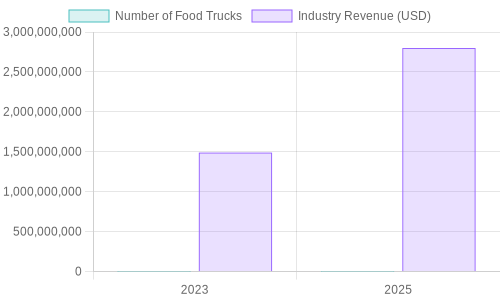
Visual Illustration of Tariffs Impacting Food Truck Operators
Perspectives from Key Stakeholders on the 25% Tariff and Food Truck Challenges
The recent 25% tariff on heavy trucks has ignited varied reactions from key stakeholders that directly influence the food truck industry. President Donald Trump’s proclamation emphasizes his intention to safeguard domestic truck manufacturers from foreign competition, stating that this tariff is crucial for promoting American-made vehicles. However, this stance poses a financial burden on food truck owners, who rely on these trucks for their businesses. Trump’s comments suggest that the goal is to create a stronger U.S. manufacturing base, but at what cost to small business operators?
Chris Spear, President and CEO of the American Trucking Associations (ATA), raised alarm about the potential financial fallout from the tariff. He estimates that the cost of acquiring a new truck could rise by as much as $35,000 due to the tariffs, which is a substantial amount for small food truck businesses already grappling with tight budgets. This perspective underscores a critical issue: how can food truck owners navigate these increased costs without jeopardizing their operations?
The implications of these statements are profound. Food truck owners must re-evaluate their budgets and explore financing options or consider leasing their vehicles instead. Increasing menu prices might also be necessary to offset the rise in operational costs driven by more expensive trucks. As the market evolves, it is essential for food truck owners to remain adaptable and seek strategies that enable them to sustain their businesses amidst these financial challenges.
In summary, while the tariff might aim to bolster U.S. truck manufacturing, it simultaneously introduces significant financial challenges for the food truck sector. Food truck owners must stay informed about these developments to make educated decisions for their businesses.
Economic Impact of Tariffs on Food Truck Owners in the Food Service Industry
The economic impact of tariffs on small food truck businesses highlights several key areas: increased operating costs, supply chain disruptions, and challenges to maintaining profitability. Such challenges affect not just the food truck industry, but also the broader food service sector. Recent insights reveal important trends:
- Increased Operating Costs: Small businesses report significant hikes in their operating costs due to tariffs on imports. For instance, the National Restaurant Association estimates that proposed tariffs could cost U.S. restaurants $15.16 billion within a year. Approximately 72% of small businesses face increased costs affecting their operations.
(Reuters) - Supply Chain Disruptions: Tariffs lead to delays in goods availability, complicating inventory management. A survey by Gallagher showed that 90% of U.S. business owners are concerned about supply chain disruptions due to tariffs, affecting food truck operators as well.
(Reuters) - Profit Margin Squeeze in the Food Truck Sector: Higher ingredient costs can drastically cut into profit margins, with estimates showing that food costs account for about one-third of sales for food trucks. Reports indicate that changes in tariffs may cost companies over $1.2 trillion this year, shifting a significant burden to consumers.
(Axios) - Strategies for Mitigation: Food truck owners are responding with various strategic approaches, including:
- Sourcing Locally: Prioritizing locally sourced ingredients to reduce reliance on imported goods.
- Diversifying Suppliers: Exploring multiple options, both domestic and international, to mitigate the impact of tariffs.
- Optimizing Menu Offerings: Reviewing menus to identify high-cost items affected by tariffs and considering substitutions.
- Investing in Energy-Efficient Equipment: Upgrading can achieve long-term savings on utility bills.
- Monitoring Tariff Changes & Advocating for Policy Adjustments: Engaging with industry associations for support in navigating changes.
Food truck operators face a challenging environment due to these tariffs; however, they can adapt and remain viable with strategic planning. Recognizing the financial pressures and operational challenges is just the first step. A recent report from Euromonitor International notes that tariffs on agricultural inputs and finished goods are expected to increase production costs, disrupt sourcing strategies, and lead to higher food prices.
(Euromonitor)
Conclusion: Navigating Challenges in the Food Truck Business
As the food truck industry grapples with the significant implications of the 25% tariff on heavy trucks, new owners must prioritize their understanding of tariffs and regulatory considerations. The landscape is undeniably challenging, with rising operational costs impacting not just initial investments but also ongoing expenses that can strain budgets further. Navigating these economic hurdles requires not only knowledge and careful planning but also a resilient spirit and a willingness to adapt.
However, amidst these obstacles, there lies a beacon of hope. The entrepreneurial spirit that drives food truck owners is fueled by creativity, passion, and the unique culinary experiences they provide to their communities. By navigating these tariffs wisely and seeking innovative strategies to mitigate their impact—such as sourcing locally or optimizing their offerings—owners can not only survive but thrive.
In the face of challenges, understanding the regulatory landscape and staying informed about any changes can equip food truck owners with the tools needed to make strategic decisions. Optimism is essential; the dedication and agility of food truck operators can pave the way for success in a vibrant industry that continues to warm hearts and bellies across the nation. Armed with knowledge and determination, the future remains bright for the food truck community, even in the shadow of tariffs.