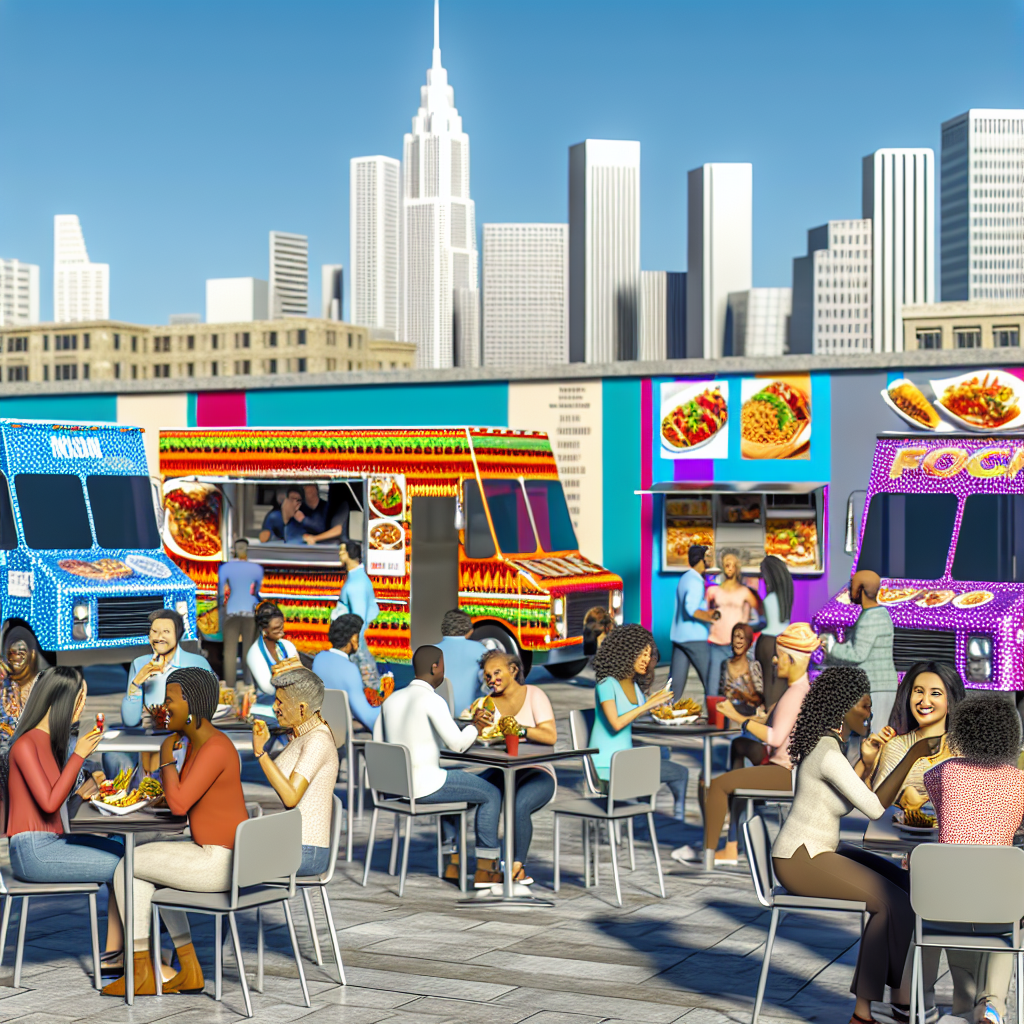
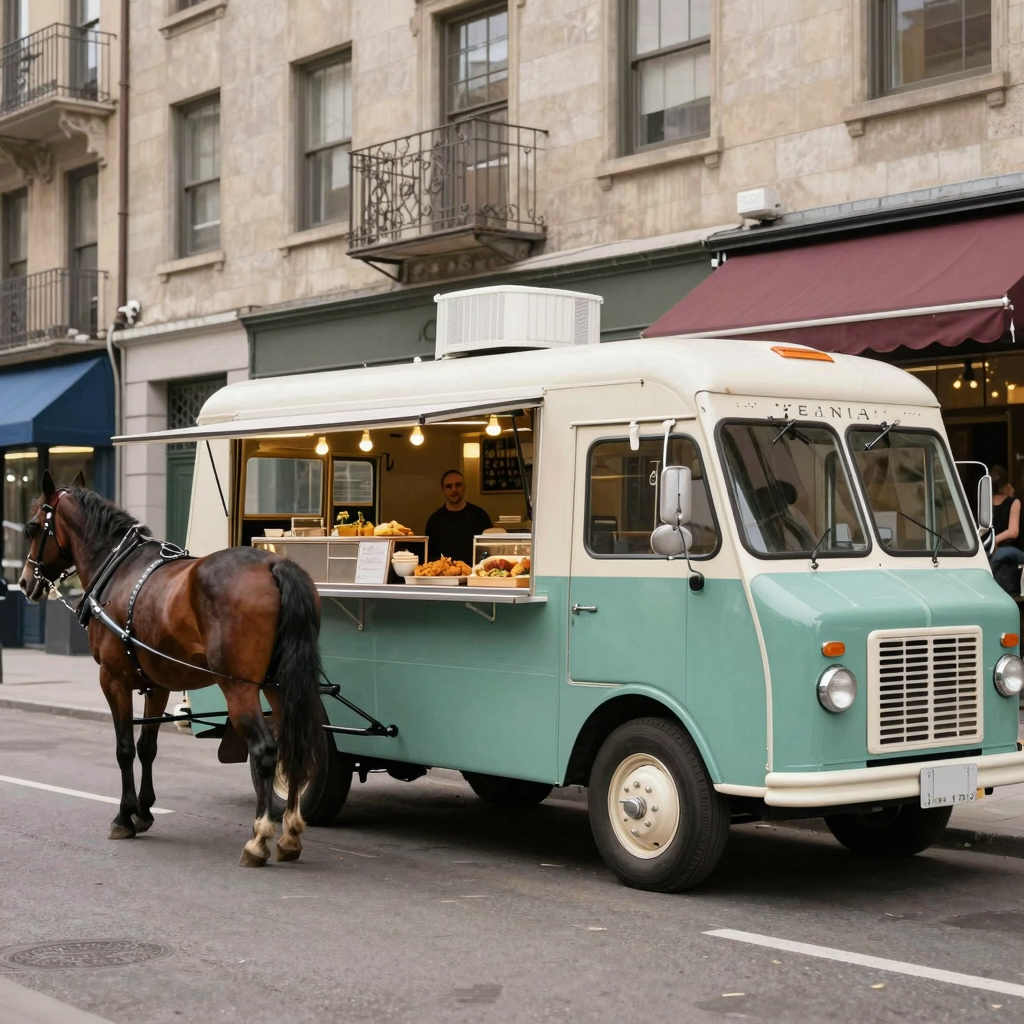
Welcome to the flavorful journey of food trucks! These mobile culinary delights have a rich history that dates back to the 19th century when street vendors operated horse-drawn lunch wagons, catering to hungry workers in bustling cities. Fast forward to the early 2000s, and the food truck scene exploded, particularly after the 2008 financial crisis. Entrepreneurs were drawn to this low-cost startup option, turning these trucks into gourmet kitchens and transforming the way we view street food. City streets became vibrant with diverse flavors, and food trucks became a symbol of creativity and culture, enriching the urban dining experience. Join us as we dive deeper into the origins and evolution of food trucks, where culinary innovation meets community spirit. Learn more about the rise of gourmet food trucks and discover how they are revolutionizing the food industry!
The Historical Context of Food Trucks
The origins of food trucks in the United States are intricately tied to the evolution of mobile food vendors since the 19th century. It all began with simple lunch carts and cowboy carts that emerged during a time of industrialization. These early mobile vendors, operated primarily by horse-drawn vehicles, catered to factory workers seeking affordable meals during their breaks. Walter Scott, often considered one of the first food truck operators, famously ran a horse-drawn cart in 1850s Providence, Rhode Island, serving sandwiches and coffee to night-shift workers. This marked the start of a vibrant street food culture that would only grow over the years.
As urban centers expanded, the demand for quick, inexpensive food options surged. The 1930s Great Depression significantly boosted the popularity of lunch carts, as they provided meals that were easy to access and budget-friendly amidst economic hardship. This era witnessed a transformation of food carts from basic setups to more elaborate mobile kitchens, some even using retired railway cars. During World War II, many veterans utilized G.I. Bill loans to enter the food vending industry, pushing modernizations in design and materials.
Fast forward to the early 2000s, food trucks underwent a renaissance, particularly after the 2008 recession. The mobility and relatively low startup costs of food trucks became increasingly attractive to culinary entrepreneurs. This wave brought forth what we now know as the gourmet food truck movement, launching a diverse array of high-quality, globally inspired dishes onto the streets of America. Food trucks have since redefined urban dining, allowing consumers access to gourmet meals while fostering community connections.
For a glimpse into the current food truck model business, check out our guide on choosing the right food truck model. As the food truck landscape continues to evolve, understanding its rich history helps appreciate the cultural significance and culinary creativity these mobile vendors bring to our streets.
The Evolution of Food Trucks in America
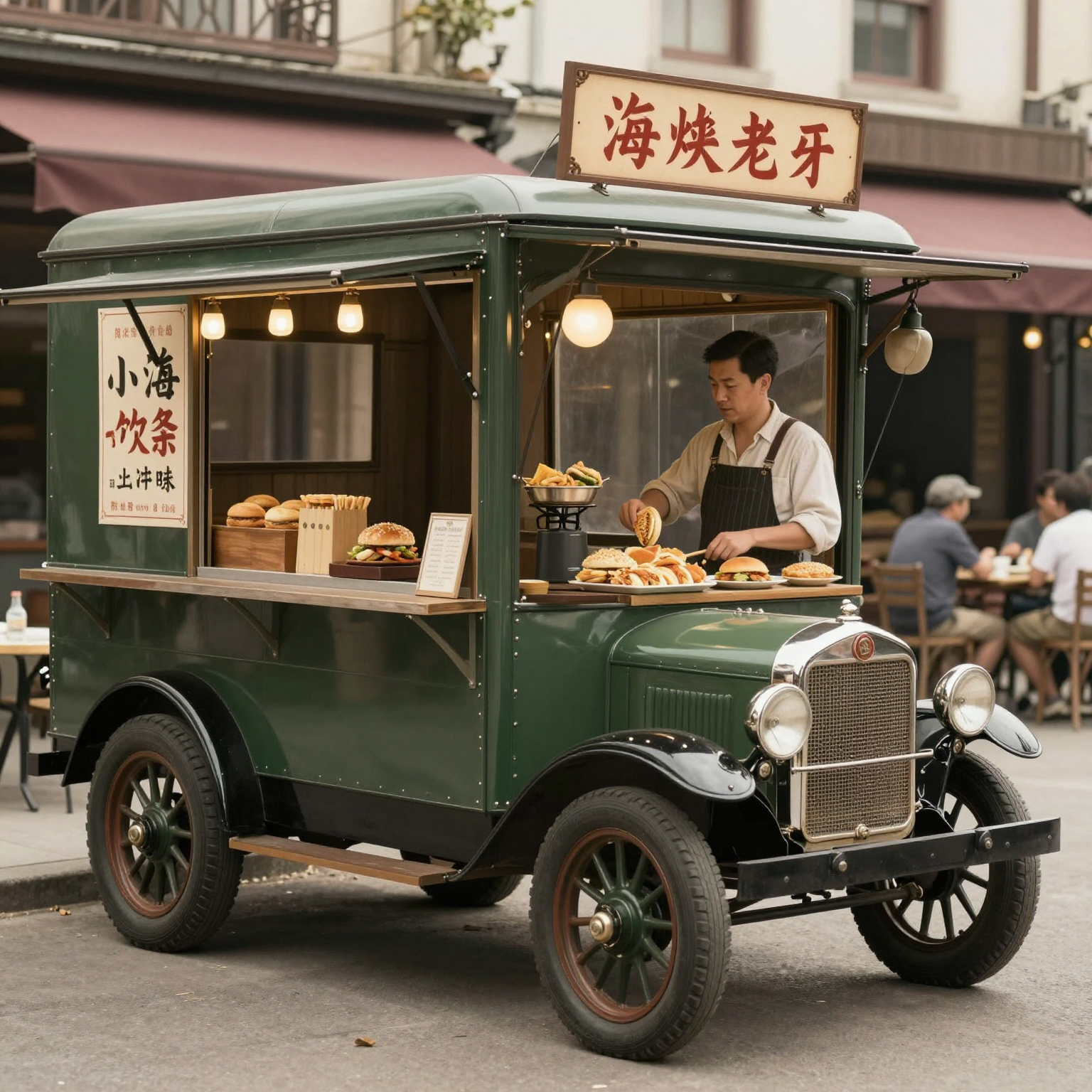
Food trucks have come a long way since their origins in the late 19th century. Initially starting with simple lunch wagons in urban settings, these mobile eateries have transformed into a bustling culinary phenomenon, captivating the hearts and appetites of food lovers across the United States.
Origins and Early History
The concept of food trucks, or mobile food vendors, can be traced back to the late 1800s with the advent of the “dinner wagon.” These wagons primarily served railroad construction workers, providing convenient meals on job sites. As cities grew and changed, so did the role of food trucks, which evolved into vehicles that catered to the late-night crowd and blue-collar workers with accessible food options.
Fast forward to the 1980s and 1990s, food trucks began to face significant hurdles due to regulations and restrictions, which stifled their growth and visibility. However, these hurdles couldn’t extinguish their potential, and culinary innovation was on the horizon.
The Resurgence in the 2000s
The food truck renaissance took off in the 2000s, primarily fueled by a cultural shift towards gourmet and artisanal cuisines. This revival coincided with economic factors and the financial crisis of 2008, which prompted chefs and entrepreneurs to seek cost-effective ways to enter the food industry. As mentioned in a Food & Wine article, the emergence of gourmet food trucks provided a means for chefs to creatively express themselves without the financial burden of opening a brick-and-mortar restaurant.
Additionally, food trucks became a social phenomenon, offering diverse culinary experiences that catered to various tastes and dietary preferences. The rise of social media platforms allowed food trucks to showcase their unique offerings, develop dedicated followings, and attract food enthusiasts eager to try the newest culinary trends.
Cultural Impact
Food trucks have significantly impacted urban culture, redefining notions of dining and community engagement. They became symbols of culinary creativity, introducing global flavors like Korean BBQ, Mexican tacos, and Mediterranean mezze to city streets. As articulated in an Eater article from 2023, food trucks not only democratized access to high-quality cuisine but also revitalized public spaces, turning ordinary street corners into vibrant marketplaces of culinary diversity.
The success of food trucks further influenced traditional restaurants, fostering a trend toward more creative and flexible dining options. Dedicated food truck parks, popping up in cities across America, further highlighted their cultural significance by creating communal spaces where gastronomy and social interaction intersect.
Conclusion
Food trucks have transformed dramatically from their basic beginnings to dynamic culinary ambassadors of modern American culture. Today, they continue to play a vital role in shaping how communities eat, connect, and celebrate diverse culinary traditions. As food truck culture evolves, it’s evident that these mobile kitchens are more than just a trend-they’re integral to the fabric of urban American life, providing endless opportunities for creativity and connection.
Different Types of Food Vendors that Evolved into Food Trucks
Food trucks have become a beloved part of urban culture, providing delicious meals on the go. Their evolution can be traced back to various traditional food vendors. Here’s a friendly look at the eclectic mix of food vendors that have contributed to the vibrant food truck scene we know today:
-
Hot Dog Carts
These simple, classic carts have been staples in city streets, serving quick bites to hungry pedestrians. They’ve paved the way for modern food trucks selling gourmet versions of their simple offerings. -
Taco Trucks
Originating from Mexican street food culture, taco trucks were among the first to bring authentic flavors to the food truck scene, introducing various regional specialties and gourmet twists. -
Lunch Wagons
Dating back to the late 19th century, these wagons served blue-collar workers with hearty meals. Today’s food trucks continue this tradition but offer a diverse menu that reflects global cuisine. -
Ice Cream Trucks
A nostalgic childhood staple, ice cream trucks have evolved into vehicles serving artisanal frozen treats and desserts, now linking the old with new gourmet experiences. -
Gourmet Food Trailers
Following the trends of the late 2000s, many traditional food vendors stepped up their game by offering gourmet options from food trailers that enhance the mobile dining experience. -
Kebab Stands
These mobile vendors have introduced people to a variety of grilled meats and vegetarian options, often marinated and served with fresh salads and bread, adding cultural diversity to food trucks. -
Falafel Carts
These carts serve Middle Eastern cuisine and have contributed to the vegetarian and vegan options available in food trucks, offering healthy and flavorful choices on the run. -
Crepe Stands
Originally French street vendors, crepes have made their way into the food truck scene, serving both sweet and savory varieties that cater to a wide range of tastes. -
Mobile Coffee Carts
These carts not only satisfy caffeine cravings but have paved the way for coffee trucks that serve artisanal brews, pastries, and breakfast items, appealing to morning commuters.
Food trucks have taken inspiration from these various vendors, turning the concept of street food into an avant-garde culinary adventure. Explore more about choosing the right food truck model or understand the impact of branding on your food truck to get a better grasp of how food trucks can serve your event needs!
Urban Food Truck Registrations (2012-2022)
Food trucks have seen remarkable growth in major U.S. cities over the last decade. This chart illustrates the increase in food truck registrations from 2012 to 2022 in four key cities:
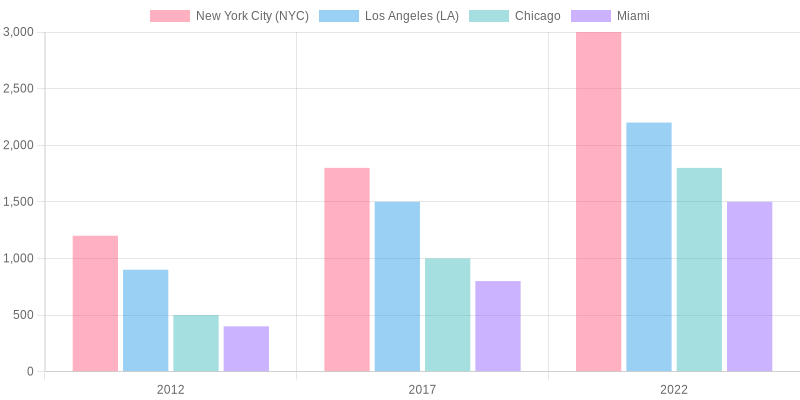
| Year | New York City (NYC) | Los Angeles (LA) | Chicago | Miami |
|---|---|---|---|---|
| 2012 | 1,200 | 900 | 500 | 400 |
| 2017 | 1,800 | 1,500 | 1,000 | 800 |
| 2022 | 3,000 | 2,200 | 1,800 | 1,500 |
Data source: Internal dataset based on urban food truck registration and industry reports (2012-2022)
The rise in food truck culture not only reflects a growing appreciation for diverse culinary options but also highlights a shift towards more convenient and accessible dining experiences. For insights on choosing the right food truck model to fit this booming market, click the link.
Keep in mind that the growth varies by region, largely driven by consumer demand and local regulations. In urban areas like New York City and Los Angeles, food trucks have become staples in the culinary scene, catering to a vast audience seeking quick, flavorful meals.
As food trucks continue to evolve, they also adapt their operations and menus to meet local preferences, creating unique dining experiences that support community engagement. To master parking challenges and optimize your food truck’s presence, check out our ultimate guide on food truck parking.
The Cultural Impact of Food Trucks
Food trucks have become a significant cultural phenomenon, playing a vital role in community building and cultural exchange. These mobile culinary platforms do more than satisfy cravings; they create vibrant spaces where diverse communities can come together. In neighborhoods, food trucks often provide a sense of place, transforming local parks and street corners into hubs of social interaction.
Through unique menus that often reflect the owners’ cultural backgrounds, food trucks serve as a medium for cultural expression and exchange. For instance, many food truck operators are immigrants bringing authentic dishes from their homelands, sparking curiosity and appreciation among local food enthusiasts. This culinary diversity promotes understanding and respect for different cultures, as communities sample exotic flavors without needing to travel far.
Events like city food truck festivals, as noted in a Chicago Tribune article, have become vital for fostering community ties. These festivals attract residents from various backgrounds, encouraging mingling and creating informal social spaces. As people gather around food trucks, relationships form and strengthen within the neighborhood, making these gatherings integral to community cohesion.
Additionally, food trucks often incorporate local influences into their offerings, adapting traditional recipes to suit regional tastes. This process not only enriches the local culinary scene but also fosters a unique identity that celebrates both heritage and local flavors.
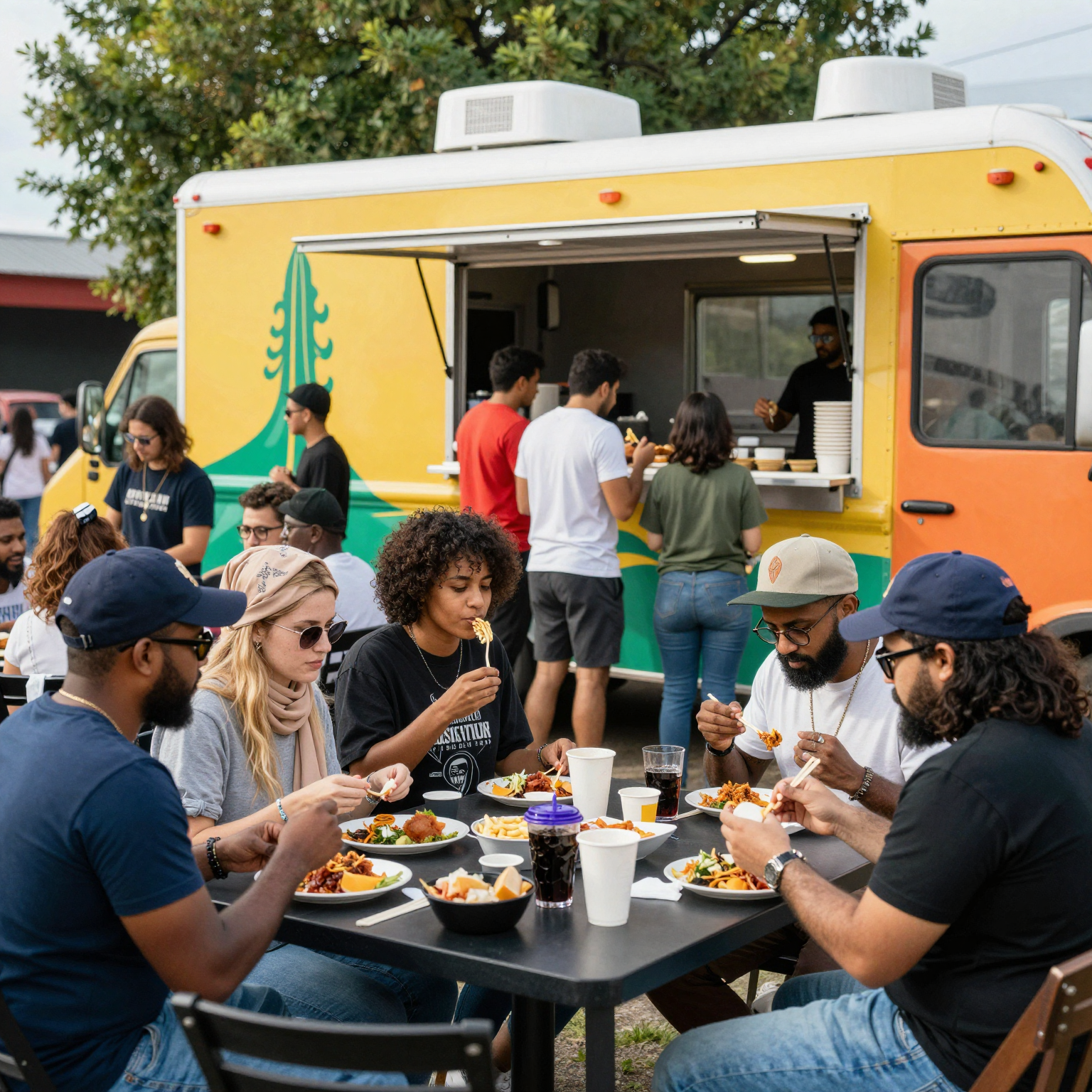
Food trucks are more than just a meal on wheels; they are catalysts for cultural exchange and community building.
The Significance of Food Trucks in Modern Cuisine
Food trucks are more than just mobile kitchens; they represent a vibrant movement within the culinary world that highlights the creativity and passion of chefs. Renowned chef Anthony Bourdain once said,
“Supporting food trucks is supporting the dreams of passionate chefs.”
This quote underscores the profound impact food trucks have on both culinary arts and entrepreneurship. They provide aspiring chefs with the opportunity to turn their dreams into reality, offering unique food experiences that reflect their individual styles and cultures.
Food trucks have revolutionized how we engage with food, making it accessible and exciting. They serve as incubators for culinary innovation, where traditional cooking meets modern flavors. Events like food truck festivals have also created a community hub where food enthusiasts gather, fostering a sense of connection and appreciation for diverse cuisines.
Food trucks continue to thrive as cultural icons, reflecting broader social values and consumer trends. For those interested in exploring the diverse world of food trucks, learn more about choosing the right food truck model and their role in local economies.
In this age of convenience and creativity, food trucks are carving out a significant spot in modern cuisine, proving that good food can be enjoyed anywhere.
Conclusion
Food trucks have profoundly impacted food culture, transforming how we experience urban dining. They have become vibrant culinary hubs, showcasing diverse cuisines that reflect the multicultural fabric of our cities. Their mobility not only encourages exploration within neighborhoods but also brings gourmet flavors to local events, festivals, and everyday street life, making high-quality food more accessible to a wider audience.
In addition, food trucks have played a vital role in supporting local economies by providing budding entrepreneurs a low-cost entry point into the food business. Their adaptability to various locations and events allows them to respond quickly to changing consumer preferences, resulting in a dynamic food industry.
As we embrace modern urban life, food trucks continue to be significant contributors to food diversity and community engagement. With their unique offerings and the opportunity for cultural exchange, they shape the culinary landscape, making food trucks not just a trend, but a fundamental part of our daily lives. Embracing this food truck revolution encourages us to support local businesses, explore new flavors, and enjoy the rich tapestry of food culture today. For those exploring their journey in the food truck industry, learn more about choosing the right food truck model to kick-start your adventure!
Whether you’re a food enthusiast or an event planner, understanding the ongoing influence of food trucks will enrich your appreciation for the vibrant scenes they create.
Join the Food Truck Revolution!
Ready to elevate your taste buds and add some culinary joy to your day? Food truck events are blossoming in every corner of our cities, bringing people together over delicious street fare that celebrates the local culture and spirit. Whether you’re a passionate food enthusiast, an event planner looking for fresh ideas, or just someone who loves a good meal on-the-go, there’s no better time to dive into the vibrant world of food trucks!
Imagine this: casual afternoons filled with the tantalizing aromas of gourmet dishes prepared right before your eyes. With everything from juicy burgers to ethnic delicacies, food trucks offer an unforgettable culinary journey at your fingertips. Plus, engaging with local vendors not only tantalizes your taste buds but also supports the community!
So why not gather your friends and make it an adventure? Head out to your local food truck events, sample unique flavors, and discover hidden gems that are often off the beaten path. It’s the perfect outing for families, corporate teams, or simply to spice up an ordinary weekday. Don’t miss out on the fun!
Head over to Los Chiflados Truck and explore more about the vibrant food truck scene. And while you’re at it, if you’re passionate about cruising on two wheels, check out our selection of motorcycle fairings to ensure your ride matches the excitement of your culinary adventures. Let’s fuel our passion for food and adventure together!
Join in the celebration and experience the joy of food trucks today!